Oregon has so many incredible places that tourists flock to every year, but I’ve discovered some spots that most people drive right past without even knowing they exist. I’ve spent years exploring every corner of this state, and I keep finding locations that feel like personal secrets.
The best part about these places is that you can actually enjoy them without fighting crowds or waiting in line for a parking spot.
Want to see ancient tree stumps rising from the ocean? How about a desert so remote you’ll feel like you’re on another planet?
I’m sharing my favorite under-the-radar Oregon destinations that’ll make your friends wonder how you found such cool spots. These are the kinds of places that remind you why exploring still feels magical.
Pack your sense of adventure, because these hidden corners are about to become your new obsession.
1. Neskowin Ghost Forest
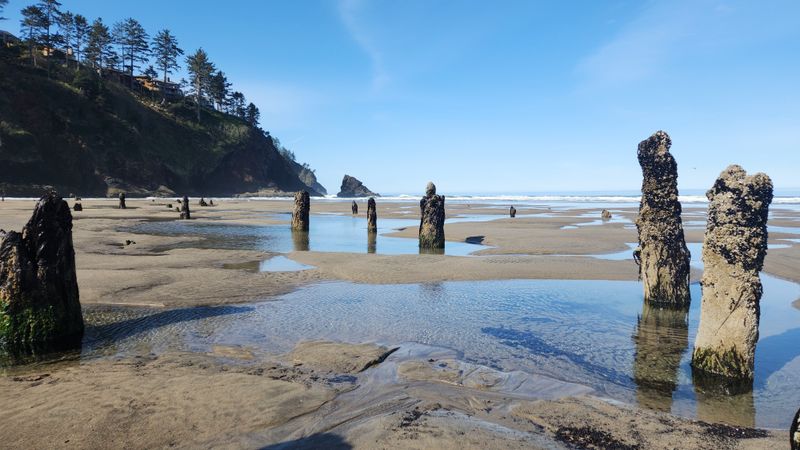
Walking across the beach at Neskowin feels pretty normal until you spot dozens of dark stumps jutting out of the sand like silent sentinels from another era. These aren’t just any old pieces of driftwood.
I’m talking about actual 2,000-year-old Sitka spruce tree stumps that once formed a thriving coastal forest before an earthquake dropped the entire area several feet and the ocean swallowed it whole.
Timing your visit matters because these stumps only reveal themselves during low tide. I always check the tide charts before heading out because there’s nothing more disappointing than arriving when the water’s too high.
The stumps create this eerie, otherworldly atmosphere that photographers absolutely love, especially during golden hour when the light hits just right.
You can reach this spot easily from the main beach access in Neskowin, and most visitors walk right past without realizing what they’re seeing. I’ve watched people mistake these ancient giants for random driftwood, which honestly makes me appreciate the secret even more.
The forest serves as a powerful reminder of how dramatically Oregon’s coastline has changed over millennia.
Bring your camera and give yourself at least an hour to explore during low tide. I love running my hands over the weathered wood and imagining what this forest looked like when these trees were alive.
The ghost forest represents one of Oregon’s most fascinating natural history lessons, and you get to experience it with your own two feet planted in the sand.
2. Cottonwood Canyon State Park
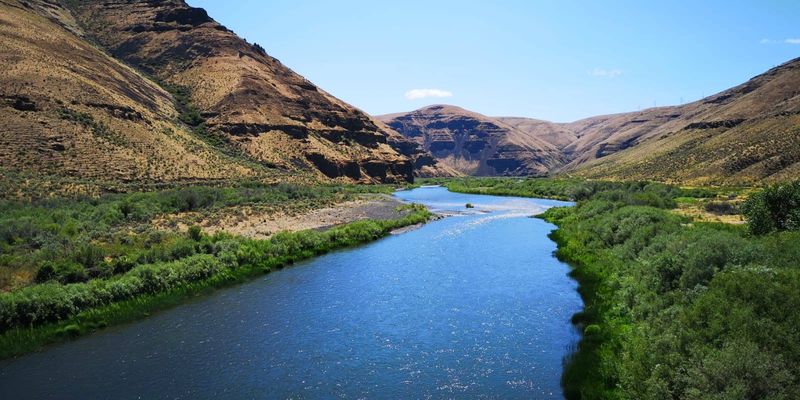
Most people have never heard of Cottonwood Canyon State Park, and that’s exactly why I love it so much. Tucked away along the John Day River in Oregon’s high desert country, this park offers over 8,000 acres of rugged terrain that feels completely untouched by modern life.
I’ve camped here multiple times and rarely encountered more than a handful of other visitors, even during peak summer months.
The canyon walls rise dramatically on both sides of the river, creating these stunning golden and rust-colored cliffs that glow impossibly bright during sunrise and sunset. Hiking trails wind through sagebrush and grasslands where you might spot bighorn sheep, golden eagles, or pronghorn antelope.
I always bring binoculars because wildlife watching here rivals anywhere else in Oregon.
The park sits about 30 miles south of Highway 206, which means you’ll need to commit to the drive on gravel roads. That journey alone filters out casual tourists and rewards adventurous spirits with solitude and incredible scenery.
I’ve found that spring and fall offer the most comfortable temperatures, though summer mornings can be absolutely magical.
Camping facilities include basic sites with vault toilets and fire rings, nothing fancy but everything you need. I appreciate how the park maintains a primitive feel while still providing essential amenities.
The John Day River flows through the property, offering excellent fishing opportunities for smallmouth bass and opportunities to cool off during hot afternoons.
Pack plenty of water, sunscreen, and layers because the high desert climate can surprise you with temperature swings. This park represents Oregon’s wild side in its purest form.
3. Ukiah-Dale Forest State Scenic Corridor
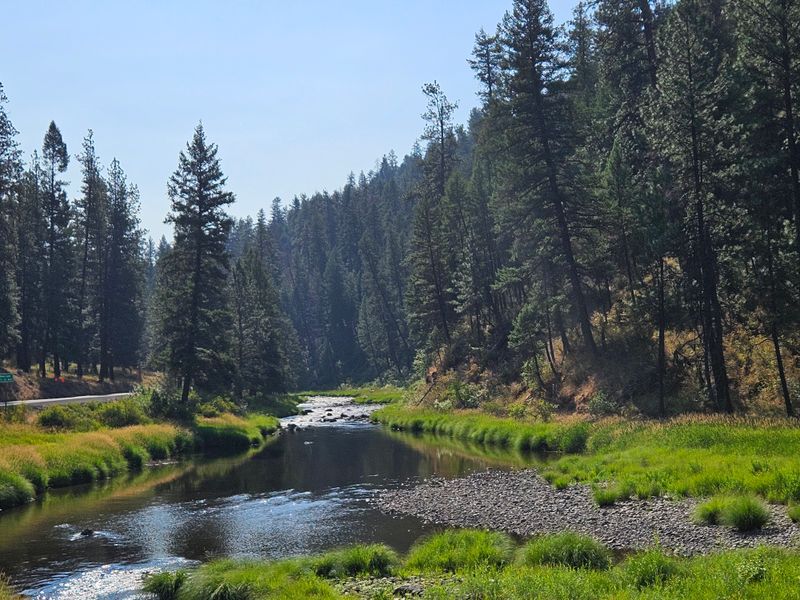
Driving through the Ukiah-Dale Forest State Scenic Corridor feels like traveling through a secret passageway that connects two small Oregon towns most people have never visited. This 21-mile stretch along the North Fork John Day River showcases dense ponderosa pine forests, crystal-clear river views, and absolutely zero commercial development.
I’ve driven this route dozens of times and it never gets old.
The corridor follows Highway 395 between the tiny communities of Ukiah and Dale in eastern Oregon. Unlike busier scenic byways, this route maintains an authentic wilderness character that makes you feel genuinely remote.
I love pulling over at the various turnouts to listen to the river rushing past and breathe in that distinctive pine scent that fills the air.
Fishing enthusiasts will find excellent opportunities along the North Fork John Day River, which runs parallel to the highway throughout the corridor. I’ve caught rainbow trout and smallmouth bass here, though I mostly come for the peaceful atmosphere and stunning natural beauty.
The river provides critical habitat for wild steelhead and Chinook salmon, making it ecologically significant beyond just its scenic value.
Fall transforms this corridor into a golden wonderland when the cottonwoods and aspens change color. I recommend visiting in late September or early October for the most spectacular foliage displays.
The elevation here sits around 3,000 feet, which means comfortable summer temperatures and occasional winter snow closures.
You won’t find crowds, gift shops, or developed facilities along this route. Bring your own supplies and embrace the simplicity of one of Oregon’s most underappreciated scenic drives.
4. Hobbit Beach
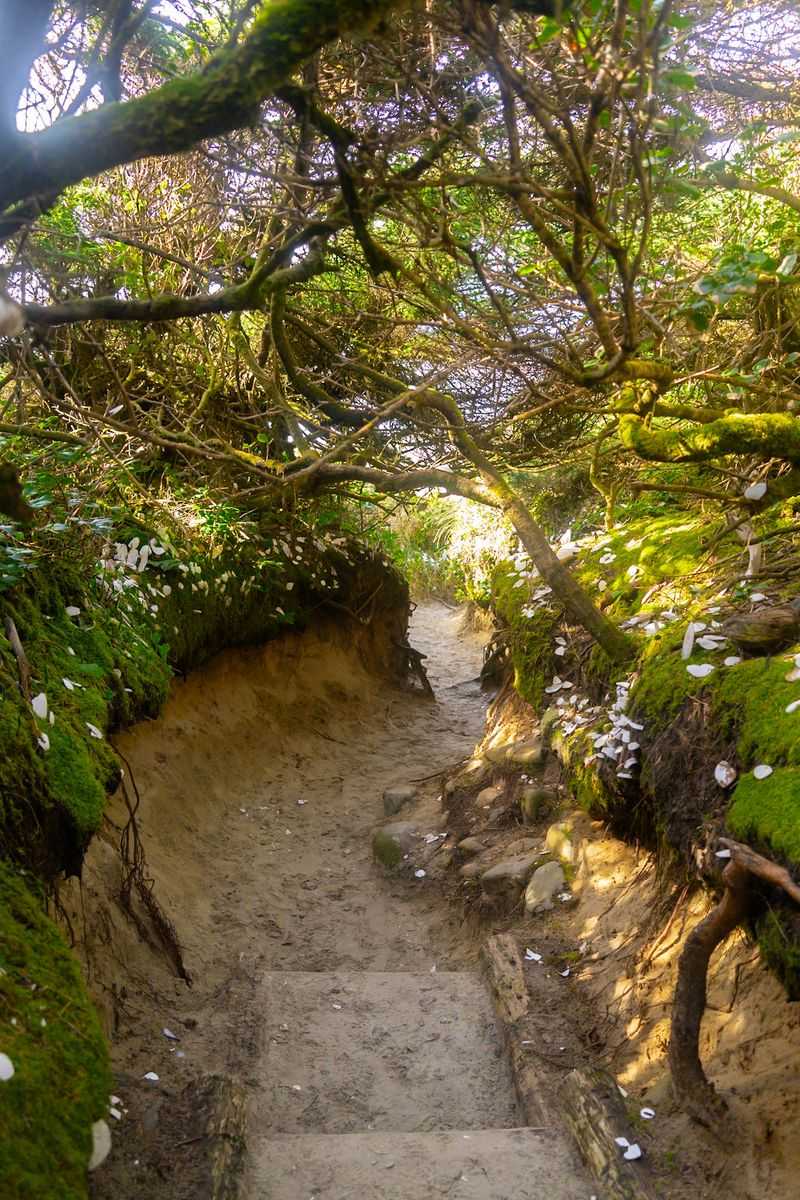
Finding Hobbit Beach requires a bit of detective work and a willingness to scramble through what honestly feels like a magical forest tunnel. Located near Heceta Head on the central Oregon coast, this hidden gem earned its nickname from the enchanting trail that leads there.
I discovered it by accident years ago and I’ve been hooked ever since on its secluded charm.
The trail begins at the Heceta Head Lighthouse parking area and immediately plunges into dense coastal forest draped with moss and ferns. You’ll duck under fallen logs and navigate through narrow passages that genuinely feel hobbit-sized, which makes the journey part of the adventure.
I always warn first-timers to wear sturdy shoes because the trail can get muddy and slippery.
Once you emerge from the forest, you’re rewarded with a pristine stretch of sand that rarely sees crowds. Massive driftwood logs scatter across the beach, creating natural seating areas perfect for picnics or simply watching the waves roll in.
I’ve spent entire afternoons here without seeing another soul, which feels impossible on most Oregon beaches during summer.
The beach sits tucked between rocky headlands that provide some wind protection and create tide pools worth exploring during low tide. I’ve found colorful sea stars, anemones, and hermit crabs in these pools, making it a great spot for families with curious kids.
The surrounding cliffs also provide dramatic backdrops for photography.
Plan for about 15 minutes each way on the trail and bring a headlamp if you’re staying until sunset. The magical forest passage becomes even more enchanting in fading light, though you’ll want to watch your footing carefully.
5. Abiqua Falls
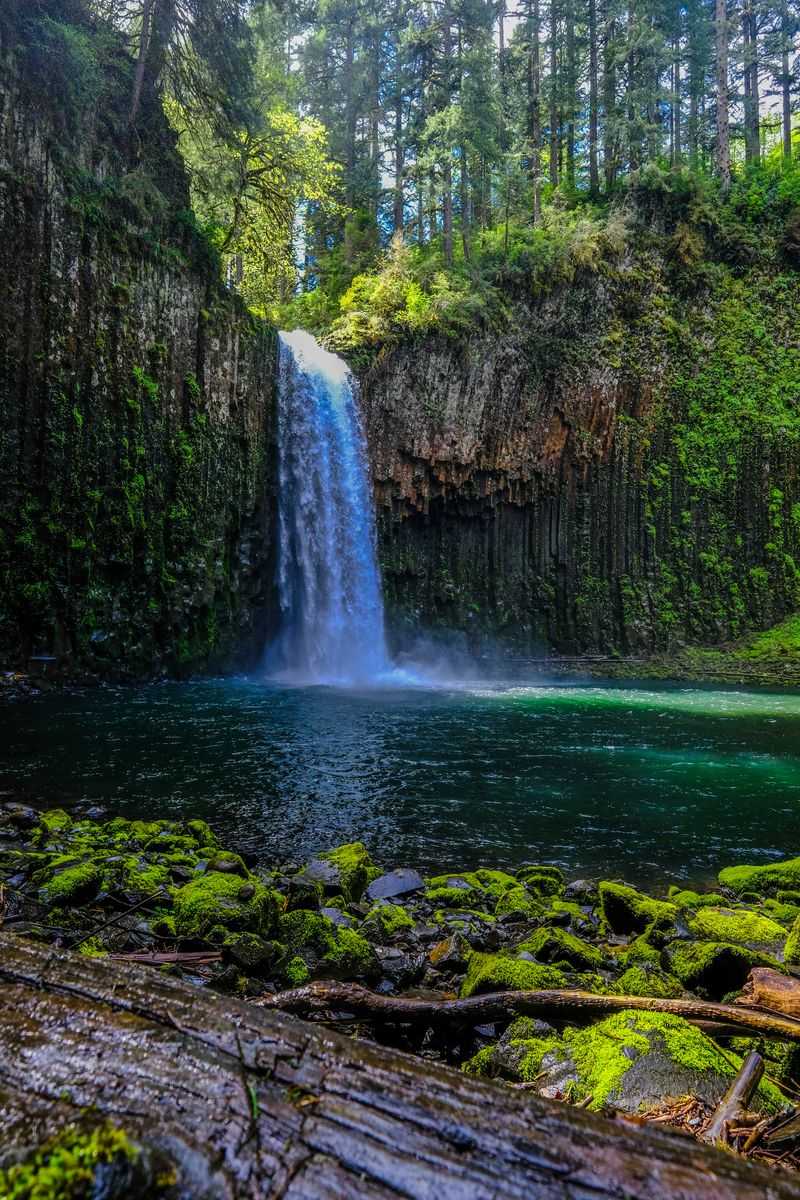
Abiqua Falls might be the most stunning waterfall in Oregon that hardly anyone knows about, and reaching it requires genuine effort that keeps the crowds away. The 92-foot waterfall plunges into an amphitheater of towering basalt columns that look like something from an ancient cathedral.
I remember my first visit left me speechless for a solid five minutes, just staring at the geometric perfection of those rock formations.
Getting there involves navigating logging roads and then descending a steep, rope-assisted trail into the canyon. The hike itself isn’t terribly long but it’s challenging enough to make you work for the reward.
I always tell people to wear gloves because you’ll definitely be grabbing that rope on both the descent and climb back up.
The basalt columns surrounding the falls create this incredible natural architecture that photographers dream about. I’ve visited during different seasons and each offers unique beauty, though spring runoff makes the waterfall most powerful and dramatic.
Summer reveals more of the rock formations as water levels drop, allowing you to explore closer to the base.
The pool at the bottom stays icy cold year-round, fed by Abiqua Creek which drains from the Cascade foothills. I’ve seen brave souls take quick dips on hot summer days, though I prefer keeping my feet dry and my camera ready.
The acoustics in the amphitheater amplify the sound of falling water into this powerful, meditative roar.
Access requires crossing private timber land, so always respect closure signs and practice leave-no-trace principles. This natural wonder near Scotts Mills deserves protection so future generations can experience its magic.
6. Catherine Creek State Park
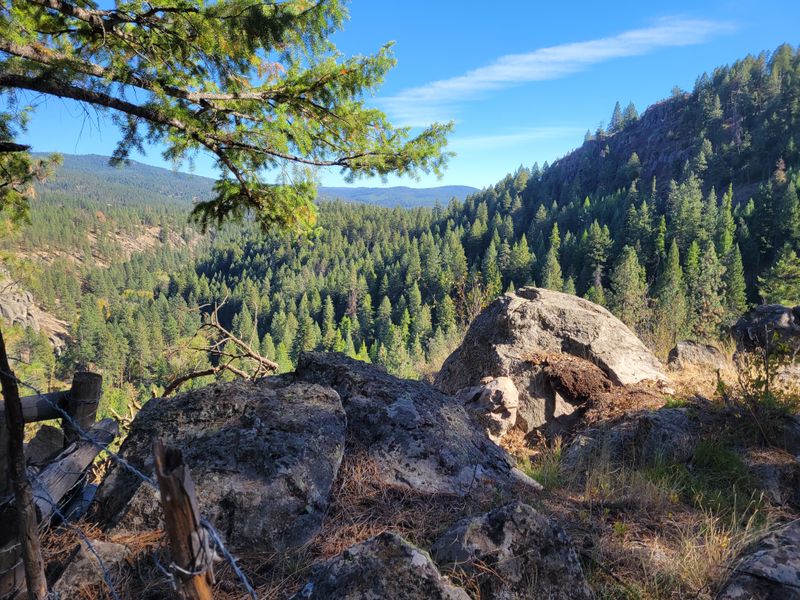
Catherine Creek State Park sits in Union County along the old Oregon Trail route, and I’m constantly amazed by how few people know it exists. Spring transforms this park into an absolute explosion of wildflowers that rivals any botanical garden.
I’ve photographed hillsides covered in yellow balsamroot, purple lupine, and red paintbrush that create natural color palettes you wouldn’t believe unless you saw them yourself.
The park protects about 168 acres of diverse habitat ranging from grasslands to rocky outcrops. Hiking trails wind through these varied landscapes, offering views of the Grande Ronde Valley and distant Blue Mountains.
I particularly love the Catherine Creek Trail which follows an old pioneer route and provides interpretive signs about Oregon Trail history.
Fall brings a completely different kind of beauty when the deciduous trees along the creek explode into brilliant golds and oranges. I’ve visited during late October and found the autumn colors as impressive as anywhere in Oregon.
The cooler temperatures make hiking especially pleasant, and you’ll have the trails almost entirely to yourself.
Wildlife watching opportunities abound here, with regular sightings of deer, elk, and numerous bird species. I’ve spotted golden eagles soaring overhead and heard the distinctive calls of meadowlarks echoing across the grasslands.
The park’s location in eastern Oregon means drier conditions and more sunny days than the soggy western part of the state.
Facilities remain basic with vault toilets and picnic areas but no camping. I usually base myself in nearby La Grande and make day trips to explore the park thoroughly.
The lack of development preserves the natural character that makes Catherine Creek so special and peaceful to visit.
7. Three Creek Lake
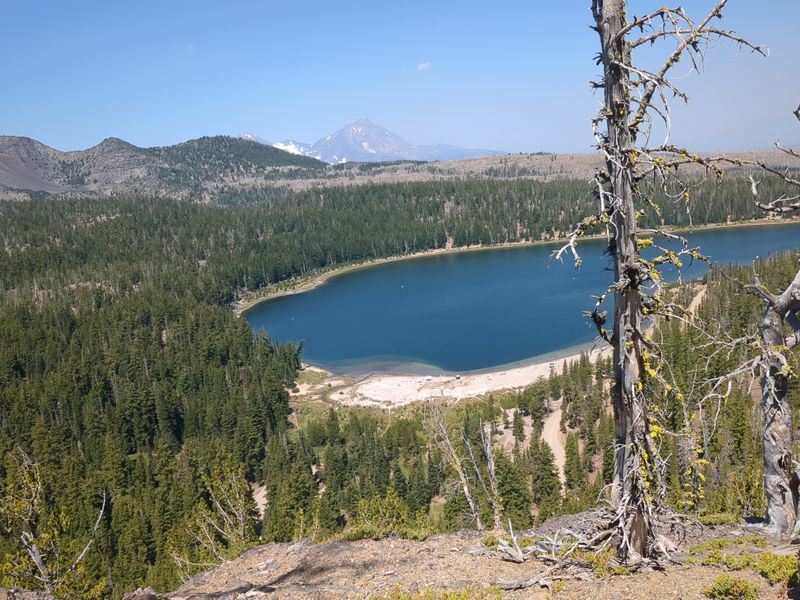
Three Creek Lake sits at 6,550 feet elevation in the Deschutes National Forest, offering one of the most picturesque alpine settings I’ve found in central Oregon. The lake reflects Tam McArthur Rim like a giant mirror, creating those perfect postcard views that make you want to pinch yourself.
I’ve camped at the lakeside campground multiple times and waking up to that mountain reflection never loses its magic.
The drive to Three Creek Lake follows Forest Road 16 from Sisters, climbing steadily through ponderosa pine forests that gradually transition to higher elevation species. I recommend making this trip between late June and early October because snow typically blocks the road outside those months.
The journey itself offers stunning views and several pullouts worth stopping at for photos.
Fishing at Three Creek Lake produces brook trout and stocked rainbow trout, though I come more for the scenery than the catch. The lake offers a boat launch for non-motorized craft, and I’ve seen plenty of kayakers and canoeists gliding across the calm morning waters.
The peaceful atmosphere makes it perfect for paddling while soaking in the mountain views.
Several hiking trails radiate from the lake, including the challenging climb up to Tam McArthur Rim which rewards hikers with panoramic views of the Three Sisters and surrounding wilderness. I’ve done that hike twice and both times felt like the effort was absolutely worth the payoff.
The wildflower displays along the trail in July are particularly spectacular.
The campground fills up on summer weekends but weekdays often have availability. I prefer visiting in September when the crowds thin out and the weather stays reliably pleasant.
This hidden gem showcases Oregon’s high country beauty without the crowds you’d find at more famous destinations.
8. Wallowa River Loop
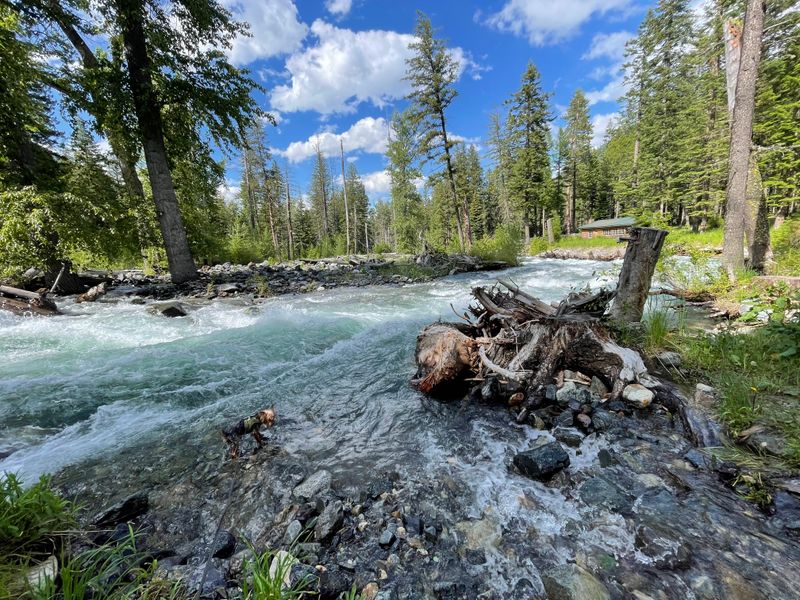
The Wallowa River Loop in northeast Oregon takes you through some of the most breathtaking mountain scenery in the state that somehow remains off most tourists’ radar. I’ve driven this loop three times and each journey reveals something new, from wildlife encounters to stunning vistas that make you want to pull over every few miles.
The route combines several forest roads and highways that circle through the Wallowa-Whitman National Forest.
Starting from the small town of Wallowa, the loop follows the Wallowa River through lush valleys surrounded by the towering Wallowa Mountains. These peaks earned the nickname “Little Switzerland” and once you see them, you’ll understand why.
I’ve spotted elk, deer, and even black bears along this route, so keep your eyes peeled and your camera ready.
The river itself offers excellent fishing opportunities for rainbow trout and steelhead depending on the season. I’ve pulled over at numerous access points to cast a line or simply sit by the water and enjoy the peaceful sounds.
The Wallowa River maintains remarkable clarity, allowing you to watch fish darting through the pools and riffles.
Fall transforms this area into an absolute wonderland of color when the aspens and cottonwoods turn golden against the evergreen backdrop. I recommend visiting in late September or early October for peak foliage, though the loop offers beauty year-round.
Summer provides the most reliable road conditions and warmest weather for camping or picnicking.
Small communities along the route like Lostine and Enterprise offer basic services and friendly locals who love sharing their favorite hidden spots. I always stop in Enterprise for supplies and local intel about current conditions.
This loop showcases rural Oregon at its finest.
9. Tamolitch Falls (Blue Pool)
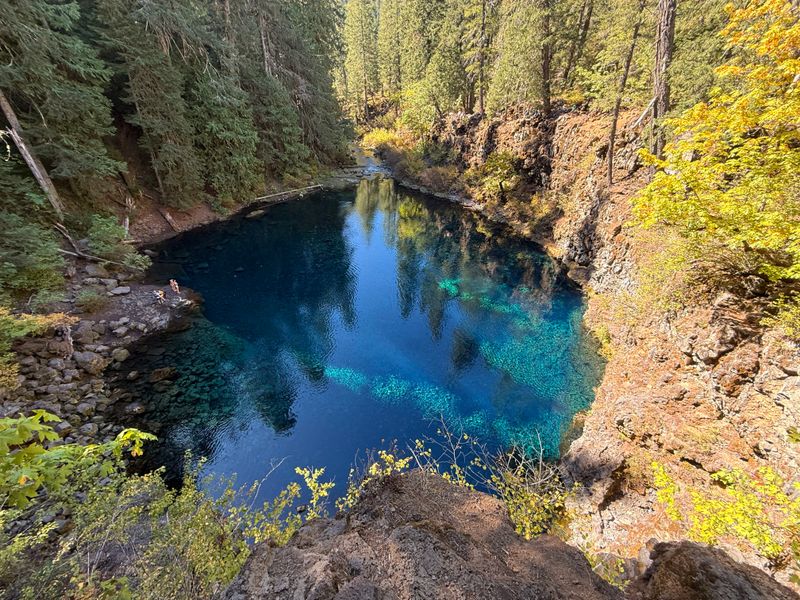
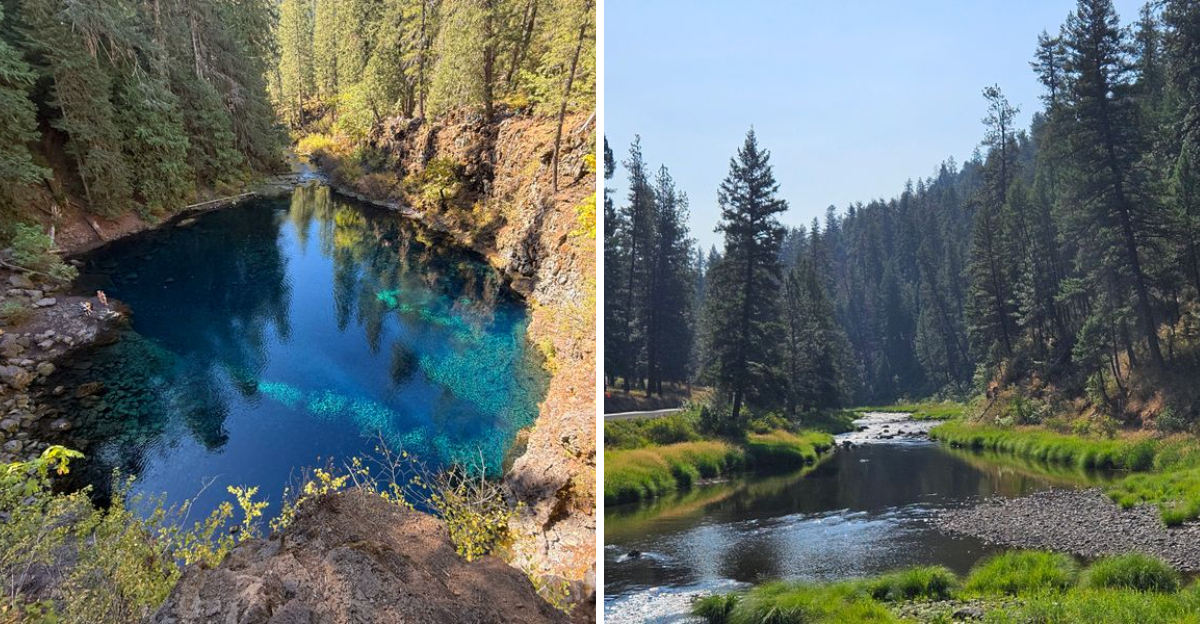
Tamolitch Falls earns its nickname “Blue Pool” from the impossibly vivid turquoise water that fills a basin where a waterfall used to flow thousands of years ago. The McKenzie River literally disappears upstream into a lava flow and then erupts back to the surface here in this stunning pool.
I’ve visited probably a dozen times and I still can’t quite believe that color is real and not some photo filter.
The hike to Blue Pool follows the McKenzie River Trail for about two miles from the trailhead at Trail Bridge Reservoir. The path stays relatively flat and well-maintained, making it accessible for most fitness levels.
I appreciate how the trail winds through old-growth forest with glimpses of the dry riverbed, building anticipation for the main attraction.
The water temperature stays around 37 degrees year-round because it’s fed by snowmelt that’s been filtered through underground lava tubes. I’ve watched people dip their toes in and immediately pull them out with shocked expressions.
The extreme cold preserves the water’s clarity and creates that distinctive blue color from minerals and the depth of the pool.
Swimming is technically allowed but I honestly don’t recommend it unless you’re prepared for the shock of near-freezing water. I prefer sitting on the surrounding rocks and marveling at how you can see every detail of the submerged logs and rocks through the crystal-clear water.
The pool measures about 30 feet deep in the center, which contributes to the intense color.
Visit on weekdays if possible because this spot has gained popularity on social media in recent years. I’ve had the best experiences arriving early morning when the light filters through the trees and creates magical reflections on the water’s surface.
Dear Reader: This page may contain affiliate links which may earn a commission if you click through and make a purchase. Our independent journalism is not influenced by any advertiser or commercial initiative unless it is clearly marked as sponsored content. As travel products change, please be sure to reconfirm all details and stay up to date with current events to ensure a safe and successful trip.
