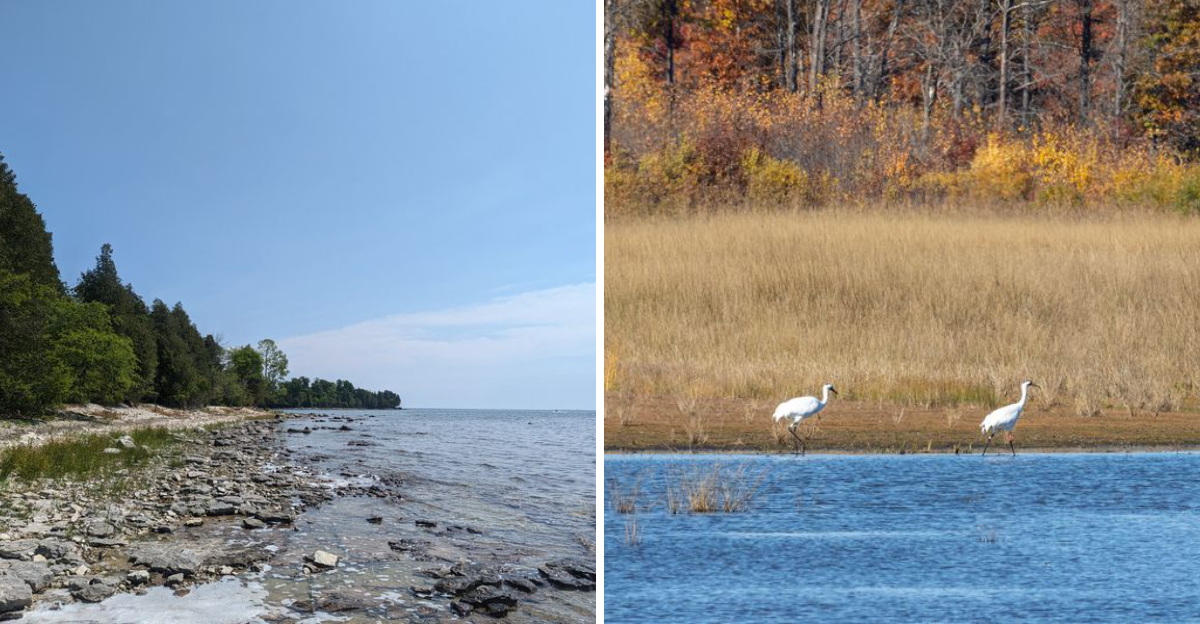
Wisconsin is famous for its cheese and beautiful lakes, but hidden across the state are some incredible wildlife refuges that many people have never heard about.
These special places protect animals, birds, and plants while giving visitors a chance to see nature up close.
From wetlands filled with migrating birds to forests where deer and foxes roam freely, these refuges offer peaceful escapes from busy everyday life.
Whether you love hiking, birdwatching, or just enjoying the outdoors, these lesser-known spots provide amazing experiences without the crowds found at more popular destinations.
Many families visit these refuges to learn about conservation and see wildlife in their natural homes.
Each refuge has its own unique features and different animals to discover throughout the seasons.
Exploring these hidden gems helps you appreciate Wisconsin’s natural beauty while supporting important conservation work.
Get ready to discover six wonderful wildlife refuges that deserve more attention and might just become your new favorite places to visit.
Horicon Marsh State Wildlife Area
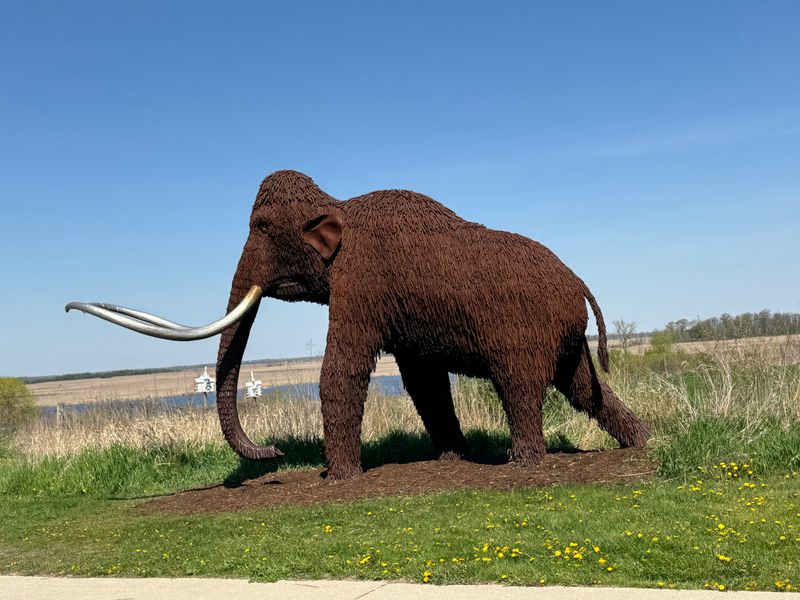
Spanning over 32,000 acres, Horicon Marsh stands as one of the largest freshwater marshes in the entire United States, yet many Wisconsin residents have never explored its winding trails and observation points.
This massive wetland sits in Dodge County and serves as a critical stopover for hundreds of thousands of migrating birds each spring and fall.
Canada geese arrive in such enormous numbers that the sky sometimes turns dark with their formations overhead.
The refuge features several excellent hiking trails that wind through different habitat types, from open water areas to dense reed beds.
Floating boardwalks allow visitors to walk right over the marsh without getting wet, providing incredible up-close views of turtles, frogs, and water birds.
The Horicon Marsh Education and Visitor Center offers interactive exhibits that teach about wetland ecosystems and the importance of conservation efforts in protecting these fragile environments.
Photographers absolutely love visiting during October when thousands of ducks and geese gather before heading south for winter.
The golden autumn light combined with massive flocks of birds creates stunning photo opportunities that rival any famous wildlife destination.
Kayaking through the marsh channels gives adventurers a water-level perspective where great blue herons and egrets can be spotted fishing in shallow areas.
Spring brings a completely different experience as the marsh awakens with the sounds of red-winged blackbirds calling from cattail perches.
Wildflowers bloom along the edges, attracting butterflies and other pollinators that dance between purple loosestrife and native plants.
Families often pack picnics and spend entire afternoons watching nature unfold at its own peaceful pace, creating memories that last far beyond the visit itself.
Necedah National Wildlife Refuge
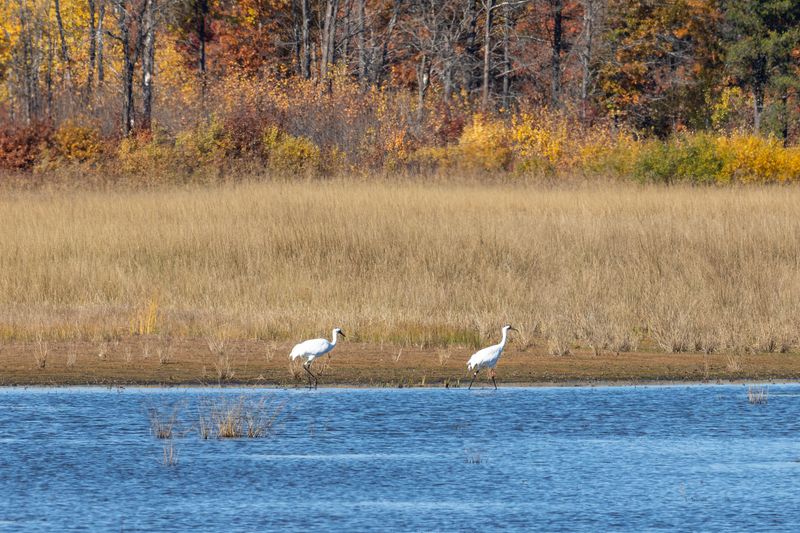
Located in central Wisconsin’s Jackson County, Necedah National Wildlife Refuge protects over 44,000 acres of diverse habitats that most travelers drive right past without knowing what treasures lie just off the highway.
This refuge became internationally famous for its role in bringing whooping cranes back from the brink of extinction through careful breeding and reintroduction programs.
Seeing these magnificent birds with their six-foot wingspans soaring over the grasslands feels like witnessing something truly magical and rare.
The landscape here differs dramatically from typical Wisconsin scenery, featuring sandy prairies, oak savannas, and pine barrens that feel more like western habitats than Midwest wetlands.
Karner blue butterflies, another endangered species, flutter through the lupine flowers that grow in the sandy soil.
Wildlife managers carefully use controlled burns to maintain the open prairie habitat that both butterflies and birds desperately need for survival.
Visitors can drive the auto tour route that loops through different sections of the refuge, with several pullouts perfect for wildlife observation.
Sandhill cranes, the whooping crane’s smaller cousins, are much more common and their rattling calls echo across the marshes during breeding season.
White-tailed deer browse along forest edges while wild turkeys scratch through leaf litter searching for acorns and insects.
The refuge offers excellent hunting and fishing opportunities during designated seasons, allowing people to connect with nature through traditional outdoor activities.
Birdwatchers keep detailed lists of species spotted here, with over 240 different bird types recorded over the years.
Fall colors paint the oak trees brilliant reds and oranges, creating gorgeous backdrops for afternoon hikes along quiet trails where you might not see another person for hours.
Trempealeau National Wildlife Refuge
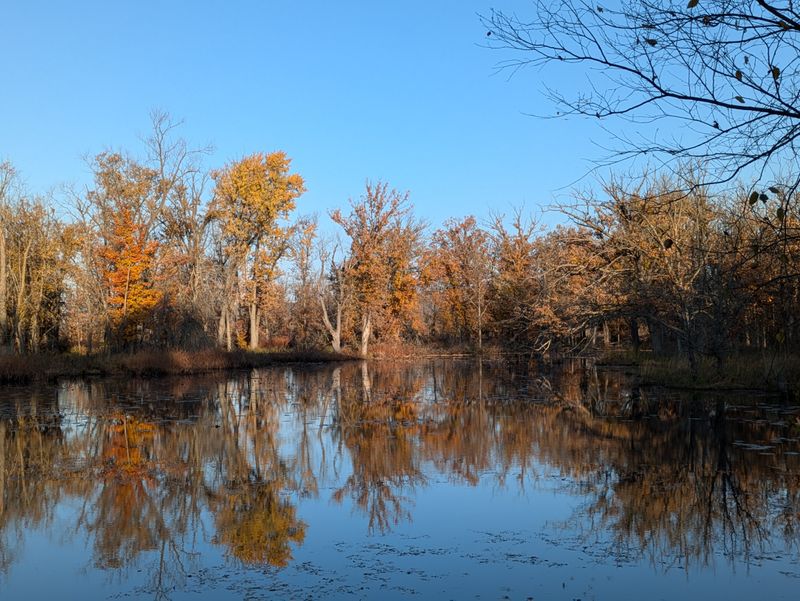
Nestled along the Mississippi River in western Wisconsin, Trempealeau National Wildlife Refuge protects 6,226 acres of river backwaters, bottomland forests, and wetlands that teem with life throughout every season.
The refuge sits in the Mississippi Flyway, making it a superb location for watching migrating waterfowl and raptors during spring and fall movements.
Bald eagles nest in tall cottonwood trees along the river, and seeing these powerful birds swoop down to catch fish never gets old no matter how many times you witness it.
Five different hiking trails wind through the refuge, each offering unique perspectives on the diverse ecosystems found here.
The Nature Trail features an observation deck overlooking a marsh where great egrets wade through shallow water hunting for minnows and frogs.
During summer months, the air buzzes with dragonflies and damselflies that patrol the water’s edge in brilliant blues, reds, and greens.
Canoeing and kayaking provide the best way to truly explore the backwater channels and sloughs that branch off from the main river.
These quiet waterways wind through forests where wood ducks nest in tree cavities and beavers build lodges from branches and mud.
Turtles line up on fallen logs to bask in the sunshine, plopping into the water when paddlers drift too close for their comfort.
The refuge headquarters offers educational programs during summer months, teaching visitors about river ecology and conservation challenges facing the Mississippi River system.
Fishing enthusiasts cast lines for bass, northern pike, and panfish in the productive waters that benefit from the protected habitat.
Autumn transforms the bottomland forests into a kaleidoscope of yellow, orange, and red leaves that reflect beautifully in the still backwater pools.
Gravel Island National Wildlife Refuge
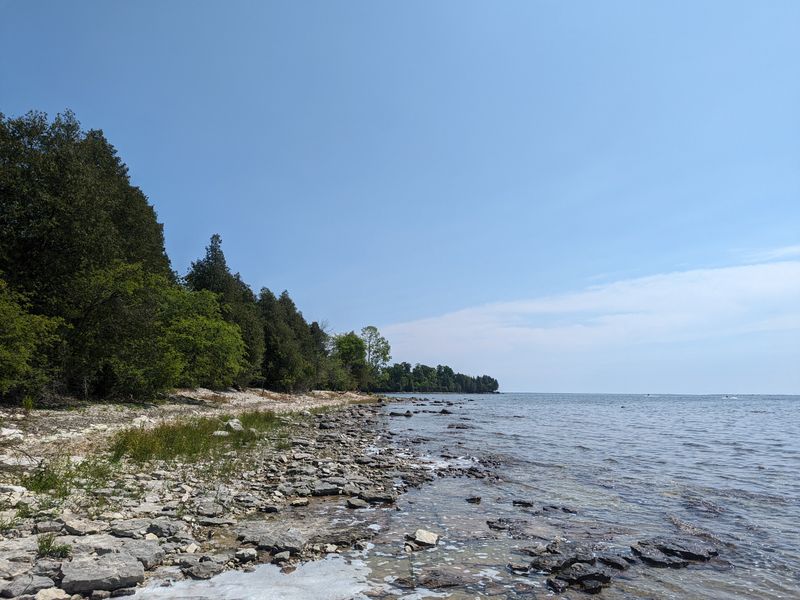
Most people never visit Gravel Island National Wildlife Refuge because this remote cluster of islands lies several miles offshore in Lake Michigan, accessible only by boat and completely closed to the public during the critical nesting season.
The refuge consists of three small islands totaling just 27 acres, yet these rocky outcrops serve as critically important nesting sites for colonial waterbirds, providing safety from predators that inhabit the mainland.
Each spring, ring-billed gulls, herring gulls, Caspian terns, and double-crested cormorants arrive in large numbers to raise their chicks in densely packed, bustling colonies that are alive with constant activity and noise.
Charter boat operators occasionally circle the islands at a respectful distance during the summer, allowing birdwatchers to observe the nesting activity and courtship behaviors through binoculars and spotting scopes without disturbing the birds.
The sight of thousands of birds swirling above the islands creates a truly unforgettable spectacle, demonstrating how even very small habitats can have an outsized impact on wildlife conservation.
Cormorants can often be seen standing on rocks with their wings spread wide, drying their feathers after diving deep into the lake to catch fish, while gulls squabble and terns dive from above in dramatic aerial displays.
The Wisconsin Islands Wilderness designation protects Gravel Island along with several other small island refuges scattered along Wisconsin’s Lake Michigan coastline, ensuring the preservation of these fragile ecosystems.
These islands represent some of the last remaining undeveloped shoreline habitats in a heavily developed region, serving as critical refuges for both nesting birds and specially adapted plants and animals.
Waves constantly crash against the rocky shores, creating a harsh and dynamic environment that only species with unique adaptations can survive, from salt-tolerant plants to birds capable of nesting in exposed conditions.
Scientists conduct annual monitoring of the bird colonies, tracking population trends, reproductive success, and overall health to ensure the islands continue providing safe and sustainable nesting habitat.
Some years present challenges such as unusually high water levels that flood nesting areas or food shortages that impact chick survival, requiring careful observation and conservation planning.
Even though landing is strictly prohibited, the refuge plays a vital role in maintaining healthy populations of colonial waterbirds across the entire Great Lakes region, contributing to broader conservation efforts and regional biodiversity.
In addition to supporting bird populations, the islands also serve as living laboratories where researchers can study predator-prey interactions, colony dynamics, and the effects of climate and water levels on sensitive species.
The isolation and minimal human disturbance make Gravel Island an invaluable sanctuary, demonstrating the importance of protecting even the smallest and most remote pieces of habitat in a heavily developed world.
Fox River National Wildlife Refuge
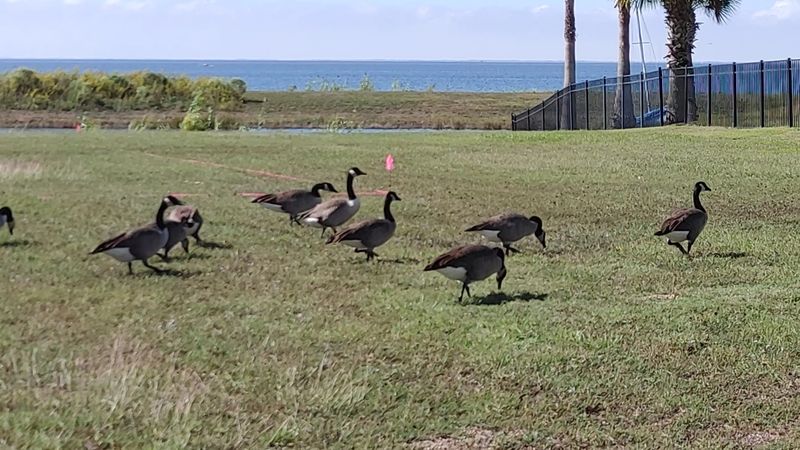
Established in 2004, Fox River National Wildlife Refuge is one of Wisconsin’s newest protected areas, preserving important wetlands and grasslands along the Fox River.
The refuge currently covers roughly 1,000 acres, with plans to expand to over 13,000 acres through careful acquisitions from willing sellers.
Its primary mission is to restore native prairie and wetland habitats that once dominated central Wisconsin before farming dramatically altered the landscape.
Restored prairie sections provide increasingly rare nesting grounds for grassland birds such as bobolinks, eastern meadowlarks, and savannah sparrows.
These birds need large expanses of grass to successfully raise their young, which the refuge now provides away from urban and agricultural pressures.
Wildflowers bloom in waves throughout summer, starting with purple coneflowers and black-eyed Susans.
As autumn approaches, goldenrod and asters take over, painting the prairie with seasonal color and variety.
The wetland areas attract diverse waterfowl, including blue-winged teal, mallards, and wood ducks, which nest in specially erected boxes.
Spring evenings come alive with frog choruses as leopard frogs, spring peepers, and American toads call for mates in shallow pools.
Dragonflies patrol marsh edges, hunting mosquitoes and other insects while naturally providing pest control.
Public access facilities are still developing, allowing visitors to experience a more primitive and peaceful setting without crowds or extensive infrastructure.
Simple parking areas offer access to unmarked trails where hikers can explore at their own pace and enjoy solitude.
Refuge staff work closely with local farmers and landowners to promote wildlife-friendly practices on surrounding lands.
These collaborations extend conservation benefits beyond the refuge boundaries, connecting isolated habitat patches across the agricultural landscape.
Leopold Wetland Management District
Named after legendary conservationist Aldo Leopold, the Leopold Wetland Management District honors his pioneering work in land ethics and ecological stewardship.
Leopold wrote his famous book “A Sand County Almanac,” reflecting on the landscapes and wildlife of nearby Sauk County and promoting a deep connection to the land.
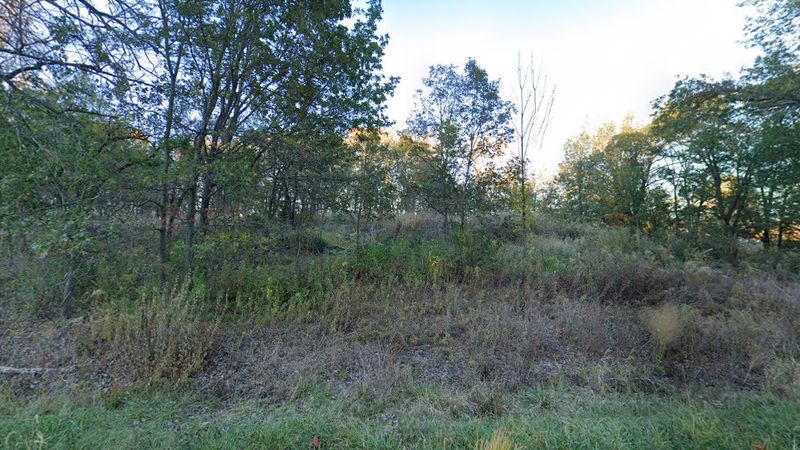
The district protects scattered wetlands across south-central Wisconsin, ensuring vital habitats persist in an increasingly developed region.
Unlike traditional refuges with large, consolidated land holdings, this district manages over 100 small wetland parcels.
These parcels total approximately 13,000 acres, spread across Columbia, Dodge, Fond du Lac, Green Lake, Jefferson, Marquette, and Waushara counties.
The wetlands, often called prairie potholes, serve as essential breeding grounds for ducks and other waterfowl seeking safe nesting areas.
Each protected wetland functions like a tiny oasis amid the surrounding agricultural landscape.
These oases provide food, water, and shelter to countless wildlife species that rely on small, secure habitats.
Mallards, blue-winged teal, and northern shovelers often build nests along the grassy edges surrounding these wetland pockets.
Amphibians such as chorus frogs and wood frogs depend on these seasonal wetlands for breeding and laying eggs.
The water in these wetlands eventually dries up in summer after tadpoles complete their transformation into adult frogs.
Most wetlands remain unmarked and largely unknown to the general public, quietly performing essential conservation work.
They maintain biodiversity without the need for visitor centers or large infrastructure.
Hunters with proper permissions can access select sites during waterfowl season, experiencing an intimate style of hunting.
This approach mirrors the traditional, low-impact methods that Aldo Leopold himself would have recognized.
Wetlands also provide natural flood control by absorbing heavy rainfall that might otherwise cause downstream flooding problems.
Conservation easements protect many of these wetlands while allowing surrounding land to remain in private ownership.
This cooperative strategy enables farmers to continue productive agriculture while preserving critical wildlife habitats.
Birdwatchers who discover these hidden wetlands often find excellent opportunities to observe species in peaceful, undisturbed settings.
These secluded locations allow enthusiasts to enjoy wildlife without the interference of crowds common at larger nature centers and parks.
Dear Reader: This page may contain affiliate links which may earn a commission if you click through and make a purchase. Our independent journalism is not influenced by any advertiser or commercial initiative unless it is clearly marked as sponsored content. As travel products change, please be sure to reconfirm all details and stay up to date with current events to ensure a safe and successful trip.
