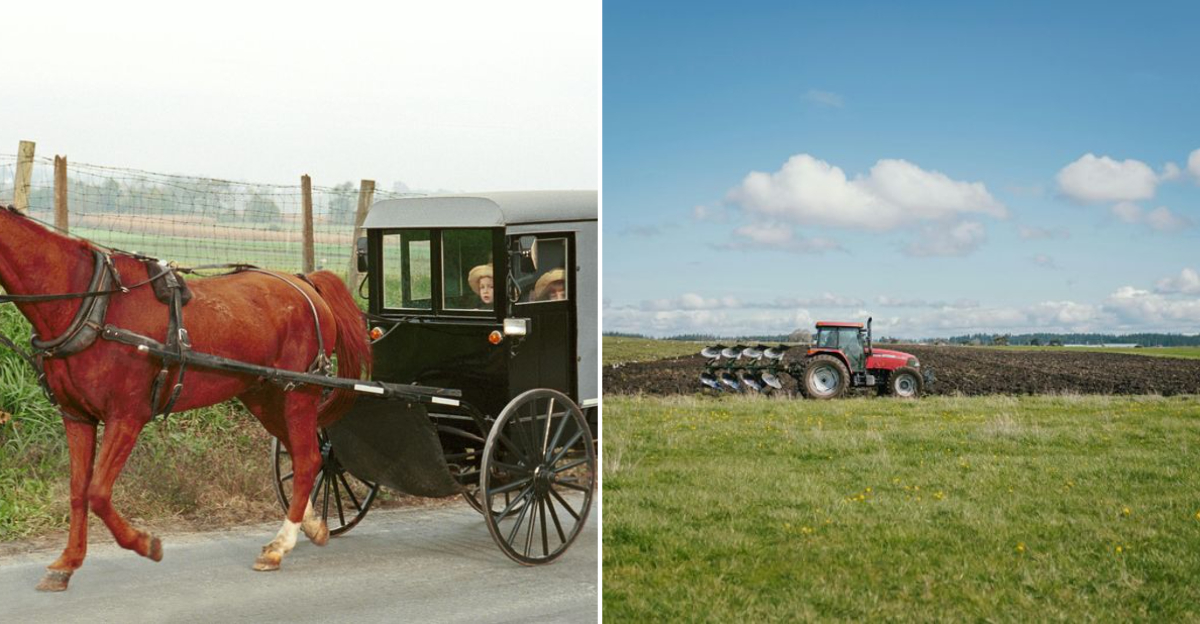
What can we really learn from places most tourists skip? In Pennsylvania’s Amish villages, the lessons are everywhere: quiet, simple, and easy to miss if you’re rushing by.
These communities aren’t built around attractions or flashy signs. Instead, they show what life looks like when tradition and values take priority over speed and convenience.
Walking through, you notice the slower rhythm: horse-drawn buggies instead of cars, handmade goods instead of mass production, and neighbors who genuinely know one another.
For visitors, it can feel like stepping into another time, but for locals, it’s just everyday life.
And that’s the point, there’s something grounding about seeing a way of living that doesn’t bend to modern pressure.
I think it’s about realizing that simplicity, community, and hard work still matter. So if you’ve ever wondered what lessons hide in the places tourists ignore, make sure to keep on reading!
1. The Amish Are Real People, Not Exhibits

Here is the first thing that hits you the moment you leave the highway and roll into Pennsylvania farm roads.
You are passing into neighborhoods where people are living ordinary, busy lives that do not revolve around visitors.
It helps to switch your mindset fast. Instead of looking for photo ops, look for context.
Notice laundry lines in the wind, tools by a barn door, and the way kids race each other down a lane after chores.
If someone meets your eyes, a small nod is enough. You do not need to ask personal questions about faith or family.
Think about how you would want to be treated while mowing your yard or fixing a fence.
When you hold that boundary, the whole place feels more human and less curated. Curiosity is natural, but it does not need to be satisfied right away or at all.
Respect makes room for real moments to happen on their own.
I keep a simple rule in my head. If the situation would feel weird in my own neighborhood, I do not do it here.
It keeps me steady and keeps the trip grounded.
2. Photography Etiquette Really Matters
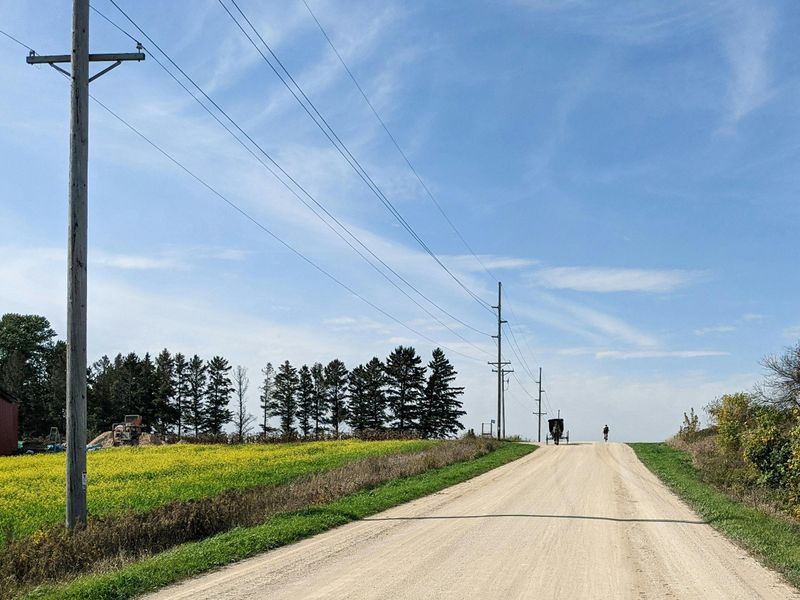
I keep my camera on wide shots here, and it changes everything. Fields, barns, sky, and the curve of a dusty road make better memories than a close-up of a stranger.
Faces are off limits because privacy matters and beliefs matter.
Ask yourself before you lift the lens. Would this angle include a person who could be identified.
If yes, lower it and just breathe the scene in with your own eyes.
When in doubt, I ask for permission, and if there is any hesitation, I skip the shot. Buggies from a distance are usually fine.
A quiet barn at sunrise is fine too.
Honestly, the restraint feels good. You end up noticing sounds and smells that photos miss.
The wind in corn, the creak of harness leather, the rhythmic clip of hooves on pavement.
That is the souvenir I want from Pennsylvania. Not a pile of images to post, but a few that tell the story without crossing a line.
It feels kinder and it keeps the day calm.
3. Respect Their Pace
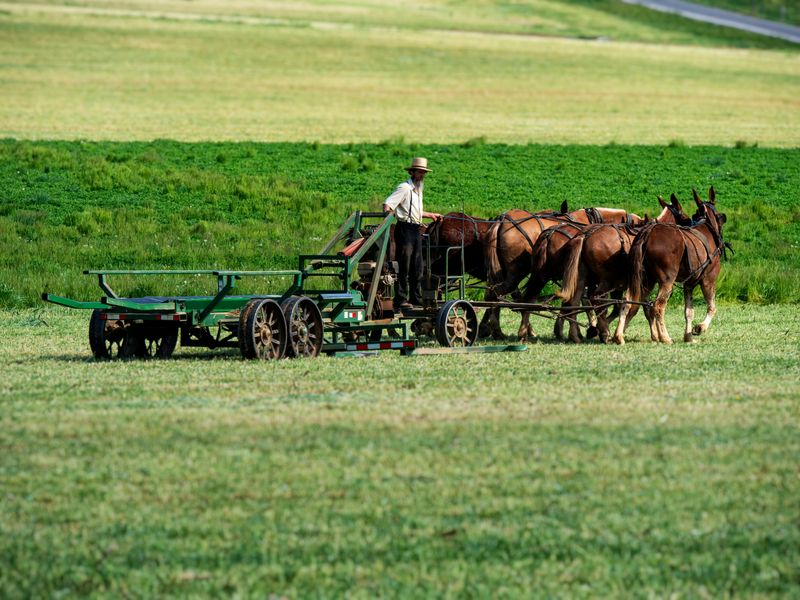
Here is a simple trick that makes Pennsylvania Amish country click.
Match the pace you see around you. Drive slower than you think you need to and let the day breathe.
Instead of sprinting through shops or peppering folks with questions, stand back and watch the rhythm. Work happens in steady beats here.
Tools are put away with care, not speed.
I like to pull over on a side road and just listen: birds, distant hoofbeats, maybe a tractor clattering along. The stillness has a texture that wakes up your attention.
This slower gear does not mean doing less. It means doing each small thing fully.
When you do that, conversations land softer and directions make more sense.
Pennsylvania rewards patience. You notice details like hand-cut joinery on a fence or the way light falls on a hayloft.
Those are the things that stay with you long after the drive.
4. Not Everything Is Tourist-Oriented
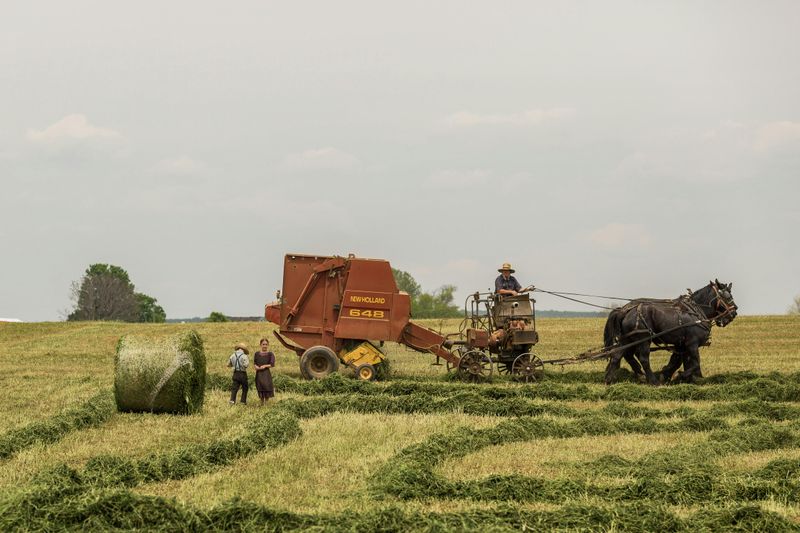
It is easy to assume every lane leads to a visitor stop. It does not.
Most places you pass are simply homes and farms where people are busy with their day.
That frame shift helps. When a place looks quiet or private, I keep moving.
If there is a small handmade sign, maybe I stop and see what is offered.
Some towns in Pennsylvania do set space aside for visitors, and that is great. Outside those zones, expect no scripts or staged demos.
Expect real life, which is better anyway.
I like the honesty of it. The lack of polish keeps me grounded and less grabby for experiences.
It turns the drive into observing rather than collecting.
If you want structured context, plan for museums and cultural centers.
Then let the rest of the day flow without chasing activities. It keeps the trip gentle and real.
5. Amish Businesses Have Limited Hours
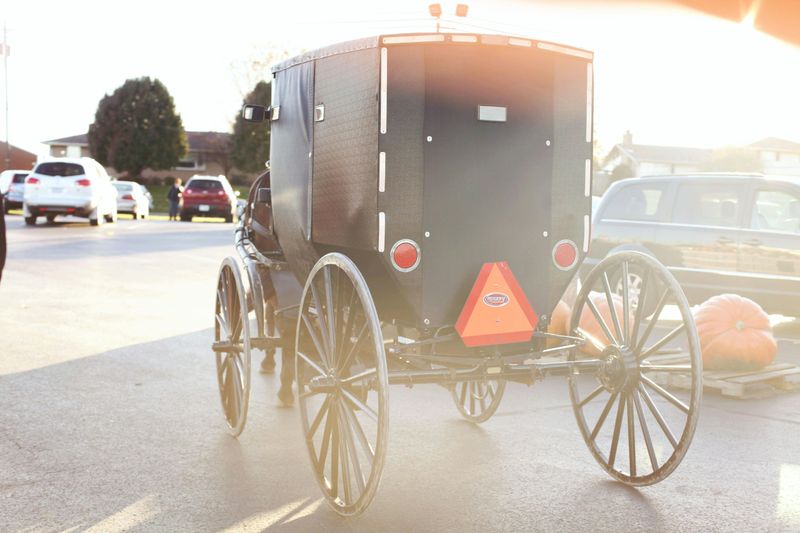
Here is where planning saves the day. Shops might open early and close earlier than you expect, and Sundays are quiet across much of Pennsylvania Amish country.
That rhythm is not about visitors at all.
It reflects a faith-first schedule and the reality of family time. I try to stack errands earlier in the day.
If a door is closed, I take it as a sign to keep rolling.
The nice part is that limits sharpen the experience. You end up picking a few places and giving them real attention, no rushing, no frantic last-minute stops.
I keep a paper list on the passenger seat. Open hours noted, backup ideas circled.
A closed sign then feels like a gentle nudge, not a setback.
Pennsylvania teaches patience with this. The day shapes itself around people, not transactions.
I like how that feels after so much screen time and hurry.
6. Cash Is King In Amish Country

Leave the tap-to-pay habit at home for a bit. Many small businesses here use simple cash boxes or manual receipts.
It is straightforward and it fits the pace.
I bring a mix of small bills and tuck them in a plain envelope. It makes little stops simple and quick, no awkward moments where a card will not run.
There is also a respect piece to it. Meeting a system on its own terms shows you are paying attention.
It turns a purchase into an easy handshake.
Cash changes the energy of the day. You count, you consider, you decide.
It keeps your plans light because you can step in and out without fuss.
Pennsylvania rural loops are full of small stands and workshops. With cash, you can move softly through them.
No wires, no beeps, just honest trades that feel human.
7. Dress And Behavior Matter More Than You Think
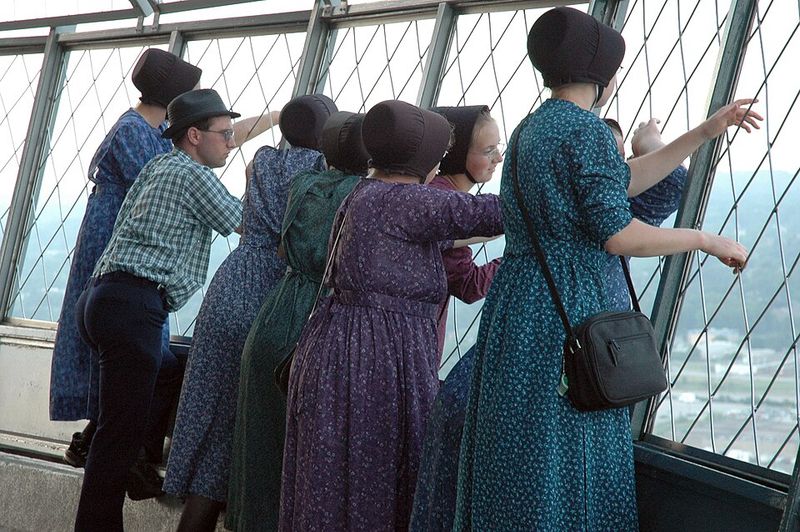
There is no printed dress code for a drive through Pennsylvania farm towns. Still, tone matters.
Muted colors and simple layers fit the scene and keep the focus off you.
Behavior lands even harder than clothes. Keep your voice low, your steps unhurried, and your questions light.
Save bold gestures and loud laughs for later.
Think of it as visiting a friend who likes quiet. You do not have to change who you are.
You just tune yourself to a room already in progress.
I feel like that small calibration builds trust. People sense when you are not here to perform.
The day opens up in ways billboards never mention.
And honestly, comfort wins: practical shoes, a simple hat, maybe a light jacket if the wind picks up. You will feel like you belong on these Pennsylvania backroads.
8. Buggies Are Part Of Everyday Traffic
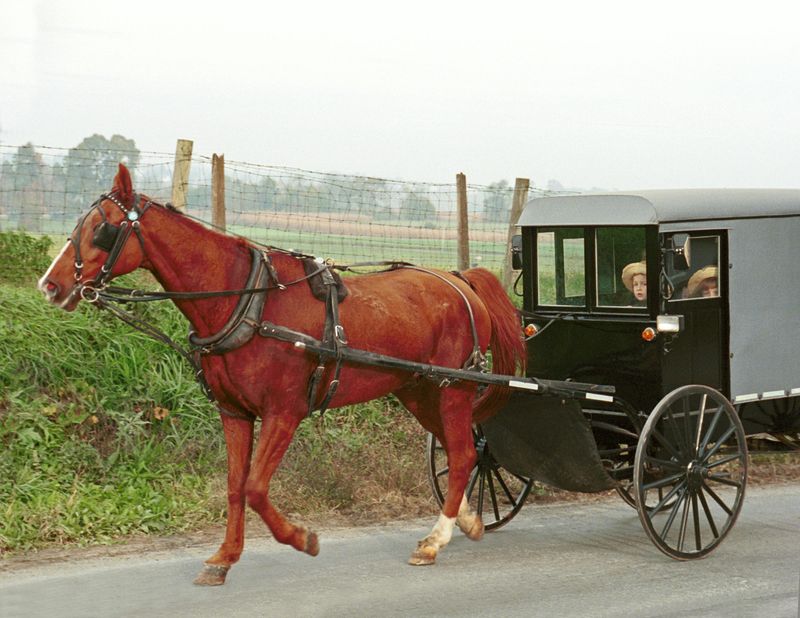
The first time you tuck in behind a buggy, your foot wants to tap. Let it go, settle into a slower speed and give a wide berth.
Honking is not helpful, and bright lights can startle horses. When you pass, do it gently and only when you have a long, clear view.
Think empathy first, schedule second.
The rhythm becomes almost meditative: hoofbeats, wheel rattle, and a long view of cornfields. Your own pulse eases to match the lane.
Pennsylvania roads are shared space, not your private shortcut. Every safe pass is a thank you to the animal up front.
Every calm mile is a quiet promise kept.
By the time you reach the next turn, you will feel the difference. Driving becomes part of the visit, not just the way to get there.
It is a kinder habit to bring home.
9. Children Are Not Tourist Attractions
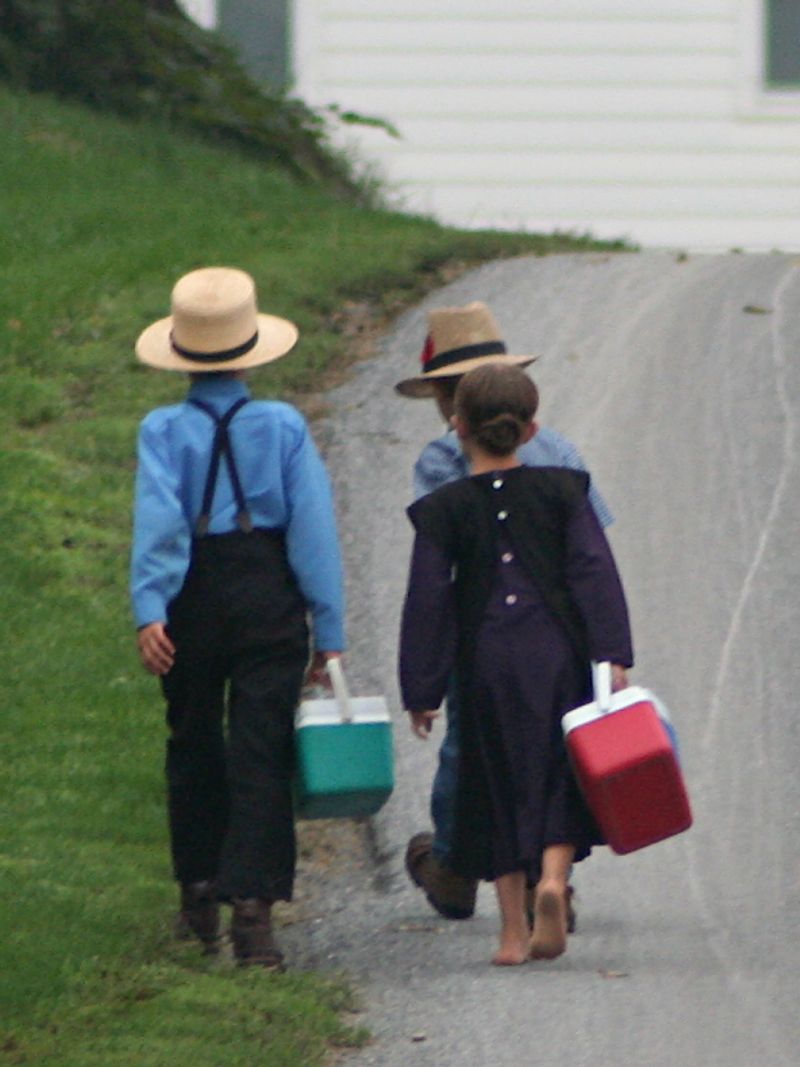
It can be easy to forget yourself when everything feels new, but do not. Kids deserve a wide circle of privacy, and that line is not negotiable.
If you pass a one-room school or see a game in a yard, keep your camera down, and keep driving. Curiosity is fine, attention is not.
When I have questions about schooling or daily life, I save them for a museum or a heritage center.
The staff there can walk you through history and practice without stepping on boundaries. It is a better setting for real answers.
The effect is bigger than one moment. Privacy keeps families at ease and keeps visitors welcome.
Everyone wins when that respect holds steady.
The state feels warmer when you travel this way. You leave less trace and gather more understanding.
That is the kind of road trip that sticks.
10. Amish Culture Is More Than What You See
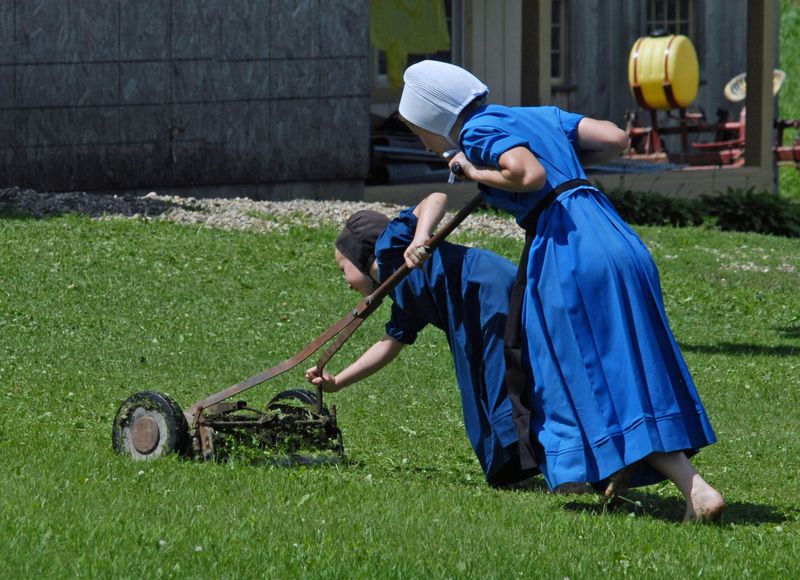
The symbols are easy to spot: black buggies, plain clothes, tidy porches. The why behind them takes time and context.
When I want that deeper layer, I plan a structured stop where exhibits and guides set the stage and questions land gently.
History, community decision-making, and faith shape everything you see on the road. Without that, it is all surface.
Inside a good exhibit, patterns click. Choices that looked strict start to feel logical and warm.
Tradition shows up as care rather than rulebooks.
After that, the drive changes. You notice how barns cluster near houses and how neighbors move in teams.
The landscape feels like a living map of values.
The state holds a lot of quiet meaning in small details. Give it some study time and the rest of your day breathes easier.
11. Many Amish Do Value Some Interaction
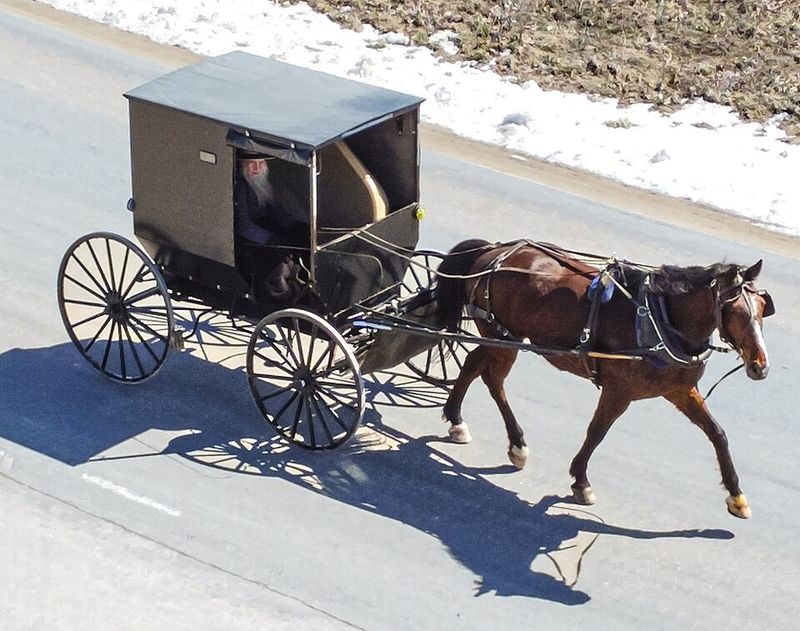
Do not assume every door is closed to conversation. Many folks are happy to chat a bit while working or selling goods.
Keep it light and you will feel the welcome.
I stick with simple topics like the weather, directions, or the craft in front of us.
If someone leans in, I follow their lead. If they lean out, I thank them and move on.
The tone is the whole trick. Calm voice, patient pauses, and no personal digging.
It feels more like neighbors talking over a fence than an interview.
Sometimes the best moment is a quiet exchange of thanks. You leave with a name, a smile, and maybe a story about a tool or a wood grain pattern.
That is more than enough if you ask me.
The state teaches conversation like a porch swing: slow, steady, and never forced. It is a good habit to take home and use everywhere.
12. Amish Country Isn’t Just Shops, It’s A Working Landscape
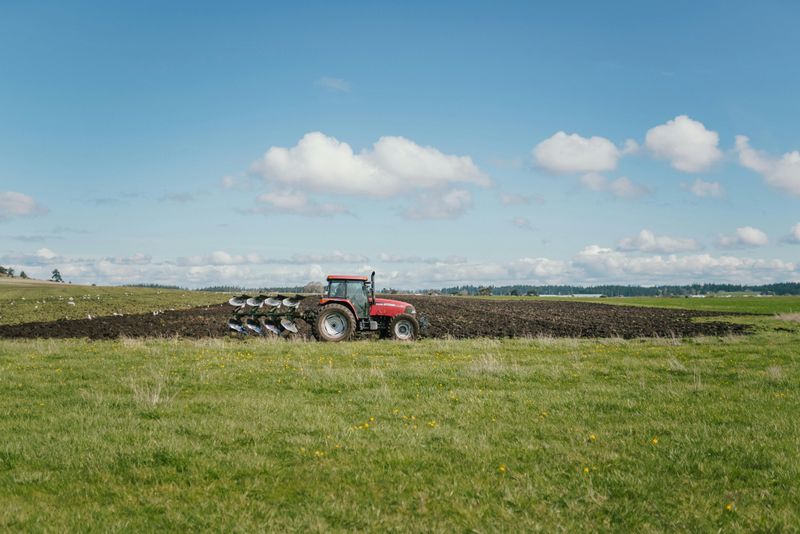
One last reminder before you head deeper into Pennsylvania backroads. You are moving through an active patchwork of farms, school routes, and chores.
It is not a stage set for road trippers.
That means pull-offs matter. Park well off the lane, skip blocked driveways, and keep gates exactly how you found them.
The little courtesies make a massive difference.
When you look at the land, try to read it like a calendar. Fresh rows mean recent effort, stacked wood means future heat: everything has a job.
Traveling with that awareness feels better. You stop treating views like trophies and start seeing them as someone’s home.
The mood of the place softens around you.
This state rewards that kind of traveler. You carry out fewer bags and more understanding.
That is a trade I will make every time.
13. Where To Get The Deeper Story Without Overstepping
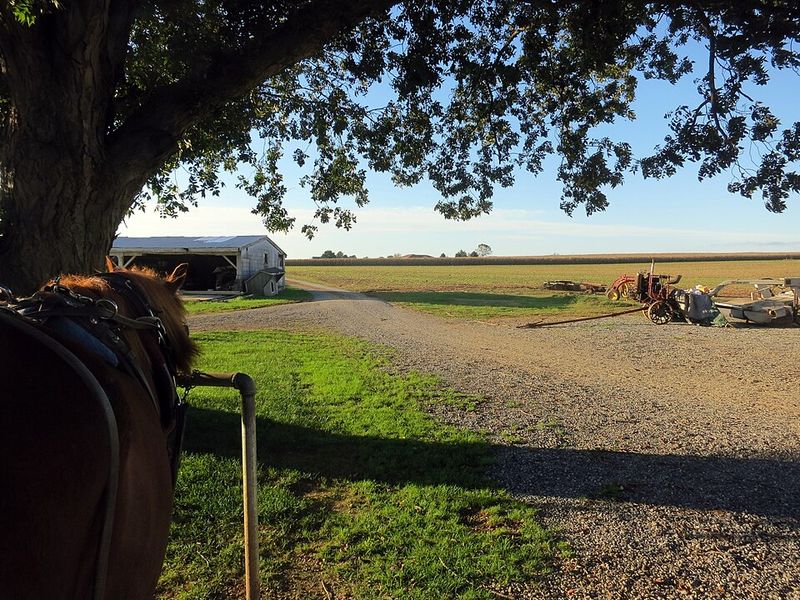
When curiosity piles up, I steer it toward places built for questions. Museums, heritage centers, and curated exhibits let you learn without leaning on busy neighbors.
It keeps the pressure low and the insights high.
Ask staff about community decision-making and the reasons behind technology choices. Look for exhibits on schooling, language, and worship.
The more context you gather, the less you will read the landscape wrong.
Then take a slow drive after. See how those ideas show up in barn design and workshop layout.
Let the road become the field guide.
It is a loop I like in this state. Learn in a structured room, then verify with your own eyes.
It turns information into understanding you can feel.
By the end, you are traveling lighter. Questions settle, respect grows, and the whole visit sits right in your chest.
That is the point of coming at all.
Dear Reader: This page may contain affiliate links which may earn a commission if you click through and make a purchase. Our independent journalism is not influenced by any advertiser or commercial initiative unless it is clearly marked as sponsored content. As travel products change, please be sure to reconfirm all details and stay up to date with current events to ensure a safe and successful trip.
