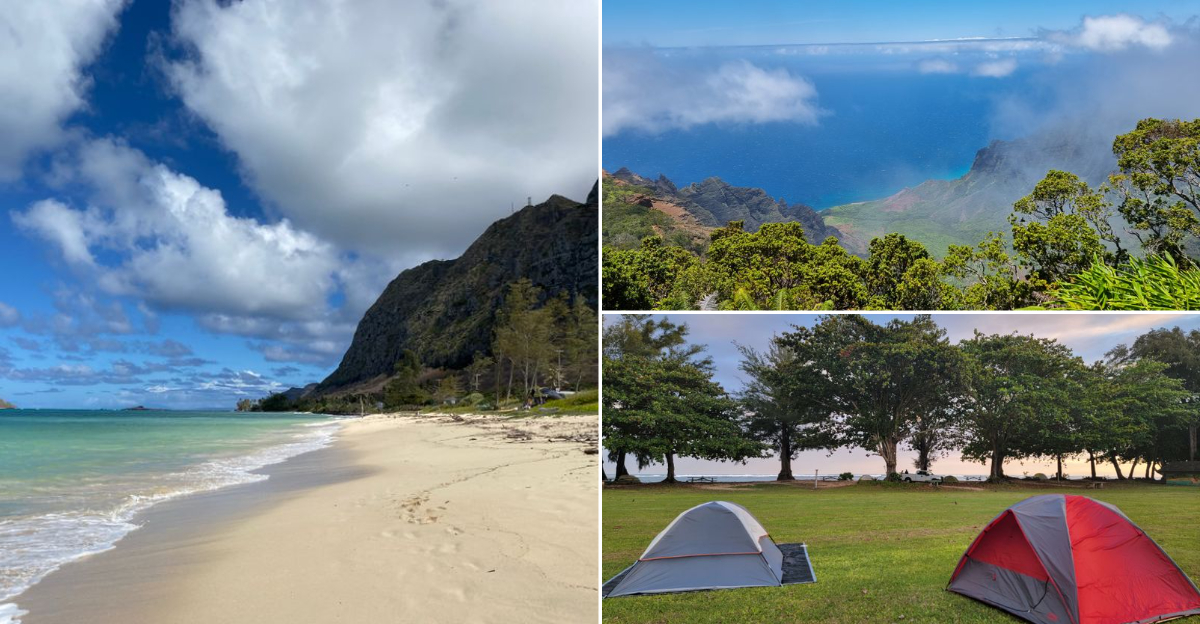
You know how a place can quiet you before you even speak? That first night camping on sacred ground in Hawaii does that, and it feels less like a campsite and more like someone’s living room you were invited into.
You move softer, you notice more, and suddenly you care about things you never tracked on other trips.
If that sounds like your kind of road trip energy, keep reading because this changes the way you travel, in Hawaii and beyond. You start paying attention to where you step, how long you linger, and what kind of presence you bring with you.
The experience stays with you long after the tent comes down, shaping how you approach new places. Once that awareness clicks, it becomes part of every journey, not just this one.
1. Not All Land Is Meant For Recreation
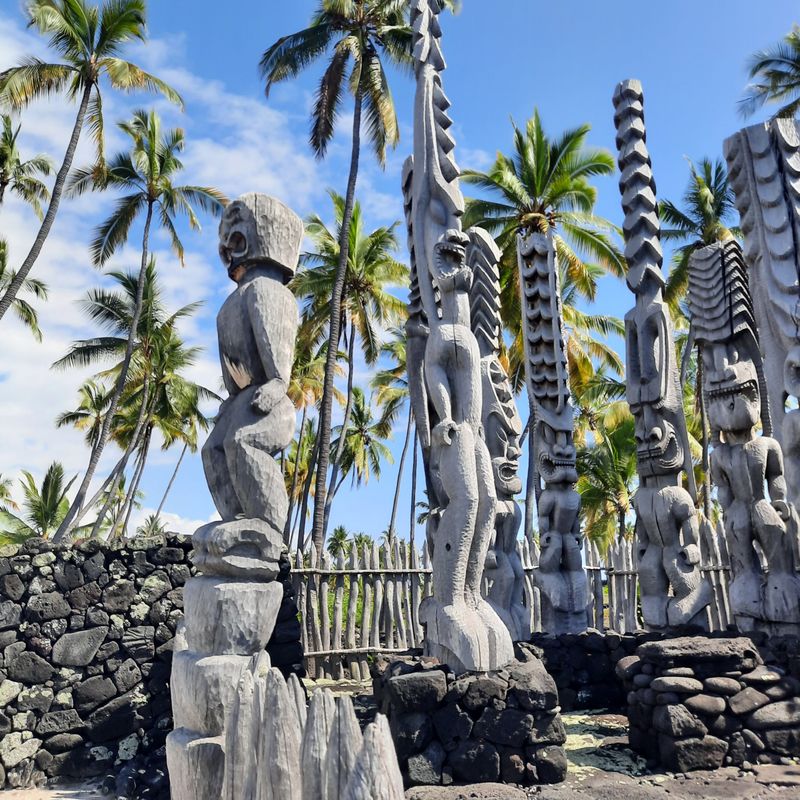
You pull into a gorgeous spot and the instinct is to set up fast, but then the wind shifts and you feel watched in a good way. Not by people, by the place itself.
On the Big Island, the area near Puuhonua o Honaunau National Historical Park at 1871 Trail, Honaunau, tells you that directly.
The whole coastline carries layers of meaning that do not need your tent to validate them.
Think of it like visiting a family home while the elders are talking.
You would not rearrange furniture or drop your gear wherever it lands.
Hawaii the state reminds you that recreation is not the default. Relationship is.
So before thinking about sunrise photos, you ask yourself whether your presence supports care. You make choices accordingly.
I like checking in with a local ranger or cultural practitioner if possible.
Even a short chat can reset the plan and spare everyone friction.
Sometimes the answer is camp nearby instead of on the feature itself. That small adjustment respects both access and significance.
When a spot feels heavy or unspoken, trust that signal and pivot.
You will still sleep under stars, just not at the center of someone else’s story.
2. Silence Is Often The First Expectation
Silence hits differently out here. It is not a campground rule hanging on a board, it is an agreement with the wind and the ancestors.
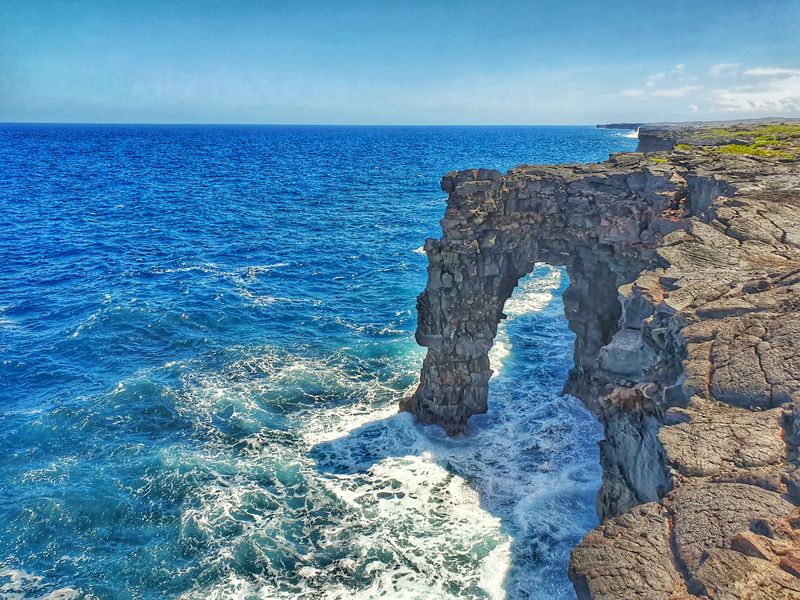
Up at Hawaii Volcanoes National Park, 1 Crater Rim Dr, Volcano, the night carries tiny sounds you only catch when you shut up. Shoes on cinders, a gecko chirp, a breath of steam.
You do not need total silence to be respectful, just less.
Lower your voice, zip slower, let the dark stay dark.
Hawaii does quiet well. It teaches you that conversation can be the kind where you listen more than you speak.
I keep a headlamp on red mode and skip the Bluetooth speaker altogether.
The soundtrack is already set by the place.
If you are with friends, make a simple plan for lights out and whispers after. It keeps everyone aligned without becoming a camp cop.
That hush builds a different kind of memory. One that sticks because you were present enough to notice it.
And in the morning, the birds make the first announcement, not you. It feels right that way.
3. Access Does Not Equal Invitation
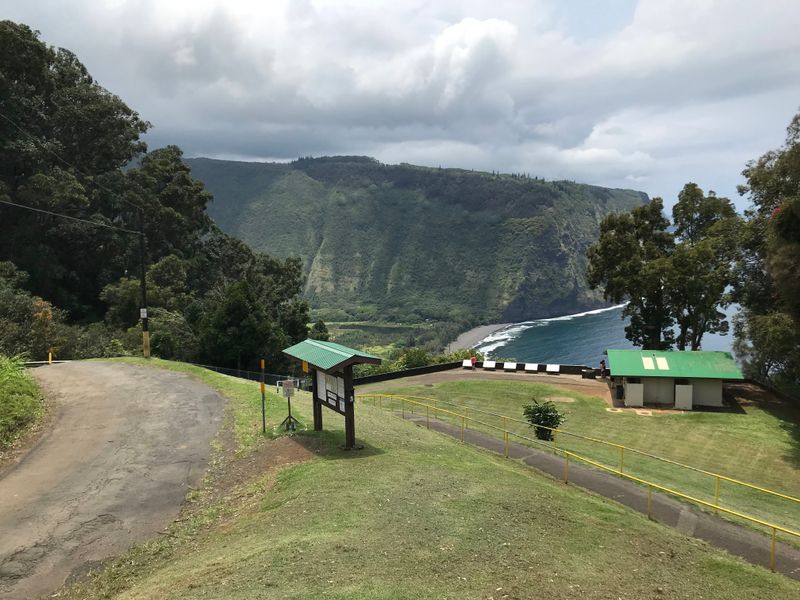
Here is the curveball: just because a map shows a trail, you are not automatically the right person to be on it today. Invitation lives outside the app.
Near Waipio Valley Lookout, 48-5546 Waipio Valley Rd, Honokaa, access has shifted at times to protect safety and cultural practices.
That tension is real and deserves patience rather than pushback.
Instead of forcing it, you pivot. Maybe you explore the rim, learn a story, and let the valley hold its privacy.
Hawaii the state is not a theme park. It is layered communities with needs that change.
I ask a local before dropping in on places that carry living traditions.
A simple conversation can save a long, awkward retreat.
If the answer is not today, the trip does not fall apart. Y
ou find another ridge, another tide pool, another way to be here with care.
Access is technical. Invitation is relational.
Travel flows better when you respect both. That is the lesson I keep relearning on purpose.
4. Permits Are About Protection, Not Bureaucracy
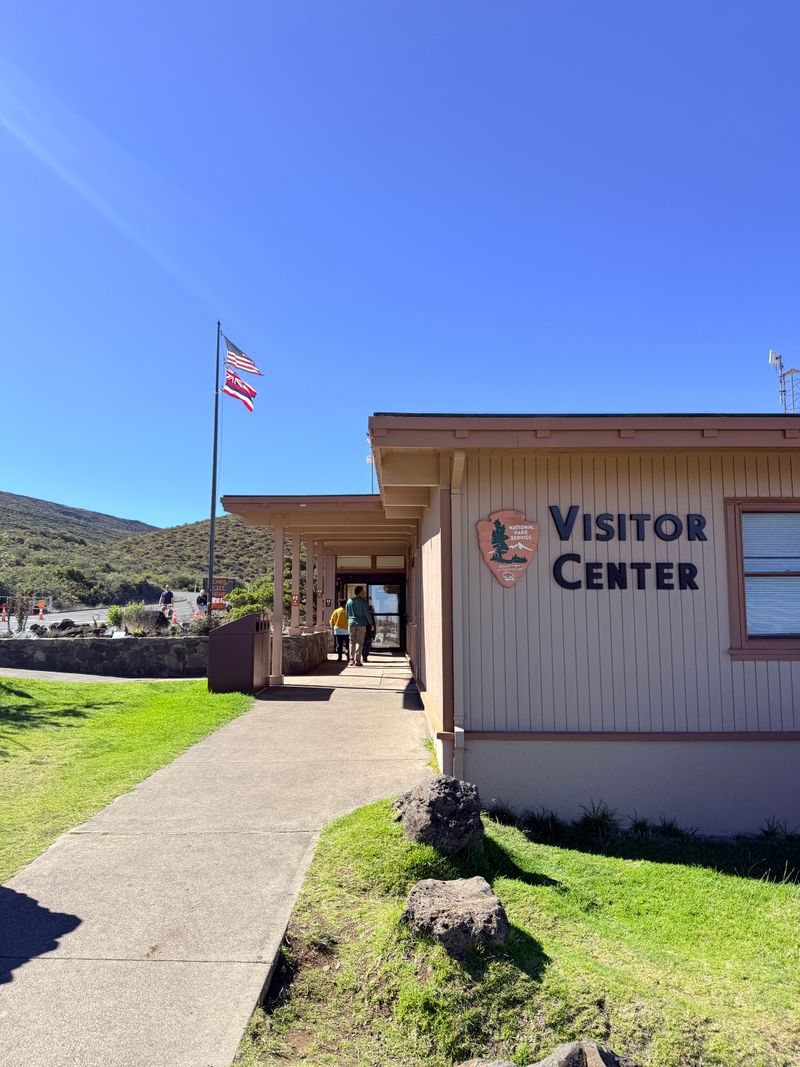
Permits can feel like red tape until you see what they protect. They keep fragile places from being loved to pieces.
On Maui, Haleakala National Park Headquarters Visitor Center at Milepost on Crater Rd, Kula, is where you learn how limited sites keep the crater healthy.
That system makes your night possible without harming what you came to experience.
I treat the application like a promise. If I get the spot, I keep the rules clean.
Hawaii agencies do not make these steps for fun. They respond to pressure the land shows them first.
Permits also help search and rescue know where humans drift.
Safety is protection too, even if you never need it.
If a site is full, take the hint. Go low impact elsewhere and try again another time.
The funny part is how permits sharpen anticipation.
You arrive more ready, more careful, more grateful.
That mindset is half the trip. The other half is leaving it better than you found it.
5. Leave No Trace Means More Than Trash
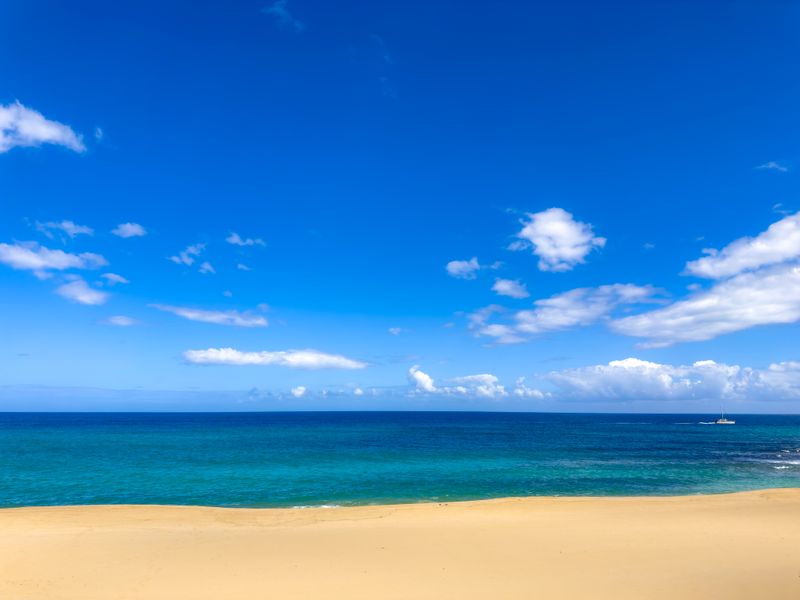
Trash is the obvious part. The quieter stuff is what you step on and what echoes after you leave.
At Polihale State Park, Lower Saki Mana Rd, Waimea, you learn quickly that driving on dunes and blasting music ripples far beyond the beach.
The sand and nesting life do not bounce back just because you hauled out a bag.
I keep tents on durable surfaces and skip fires when conditions feel risky.
Low impact makes for easy teardown and clean conscience.
Hawaii asks for gentler feet. It is not delicate, it is specific.
Foot traffic creates new social trails that invite erosion.
One casual shortcut becomes the line everyone follows.
Sound carries, especially at night. What feels small near your car can reach a long way across an open shore.
So yes, pack out every wrapper. Also pack out the extra noise and hurry you brought with you.
Leave space for the place to breathe. It will thank you in ways you can feel more than see.
6. The Land Is Viewed As An Ancestor, Not A Resource
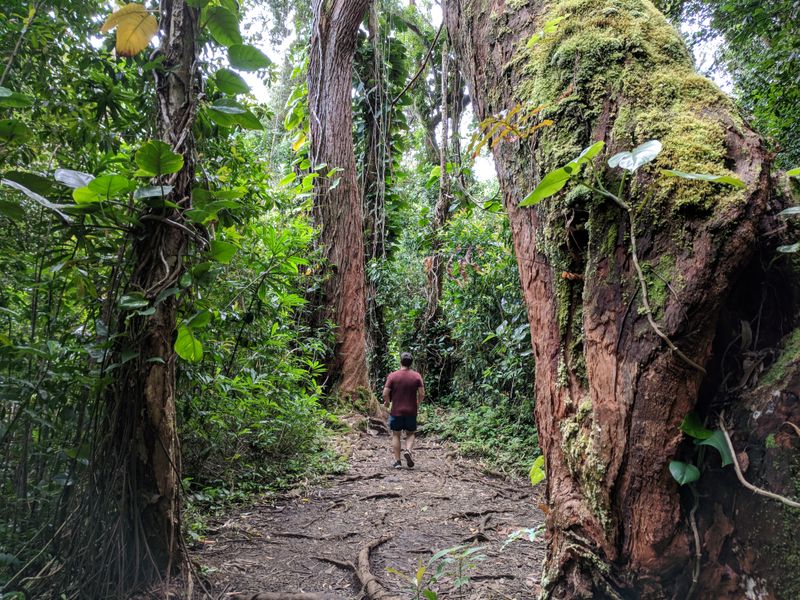
This one flips your brain. If the land is family, then your campsite is a guest room and your gear is a suitcase, not a claim.
Up in Waikamoi Preserve access via Haleakala Hwy, Makawao, conservation crews talk about place like kin.
That tone changes how you place your feet and where you point your lens.
Would you set a tripod on a relative’s table without asking. Probably not, right.
Hawaii keeps that metaphor alive with chants, protocols, and daily caretaking.
Visitors can participate by not centering themselves.
When you think ancestor, you remember birthdays, not just views. You show up with humility instead of hunger.
I like to begin the morning with a quiet thanks facing whatever is east. It sets the day to listening mode.
If something feels off, you slow down and recalibrate.
The land often answers when you treat it like someone, not something.
You leave with a different kind of story. It is about relationship rather than conquest.
7. Certain Behaviors Feel Disrespectful Even If They’re Common Elsewhere
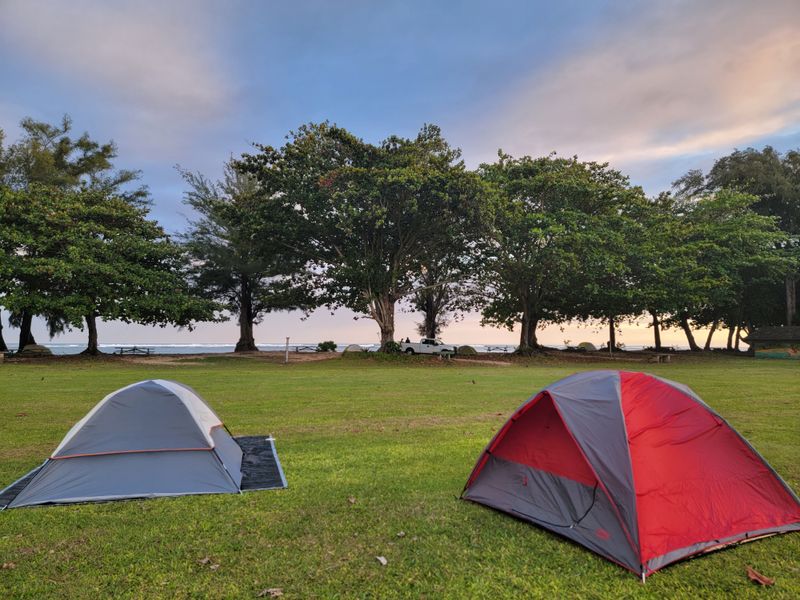
You know those travel habits that slip in on autopilot? Out here, some of them land wrong fast.
At Hanalei Bay area near Weke Rd, Hanalei, the combination of homes, cultural spaces, and ocean makes drone buzzing feel like a personal intrusion. Locals notice before you even lift off.
Loud music, bright flood lights, and stomping around at midnight carry farther than you think. The valley walls bounce it right back.
Hawaii has plenty of room for joy. It just asks for joy that does not drown out someone else’s night.
I switch to headphones or better yet to the ocean’s rhythm.
Dance small, laugh soft, keep the vibes neighborly.
If a sign says no drones, it is not negotiable. That is not a challenge to outsmart with a new angle.
You will still get the shot, just differently.
Maybe your memory becomes a sound, not a picture.
That is not a loss. It is a better fit for where you are.
8. Stories Matter More Than Signage
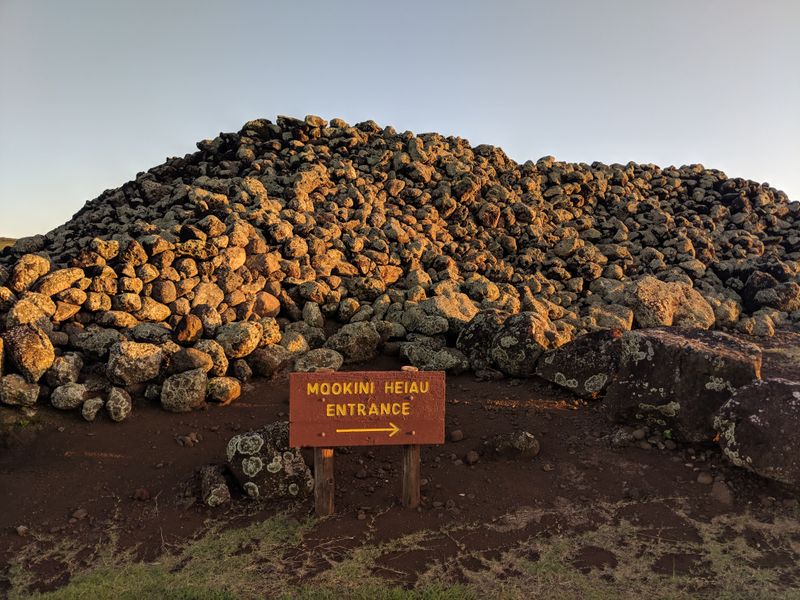
Signs give you the outline. Stories fill in the heartbeat.
Near Mookini Heiau at Upolu Airport Rd, Hawi, a quick plaque tells you dates and names while a local kupuna can give you the why. That shift lands deeper than any printed panel.
If you are lucky enough to be offered a story, slow down and receive it.
Do not fact check in the moment, just listen.
Hawaii knowledge often lives in memory and song. It breathes when you make time for it.
I carry a small notebook and write down what I am told with care.
Later, I follow up with reading to hold it respectfully.
Camping nearby, you treat the night like a continuation of that talk.
Your choices become part of the story you pass forward.
A sign cannot calibrate your behavior as well as a voice can. That is the point.
Leave with names you can pronounce and honor. It changes how you say goodbye to the place.
9. Camping Can Be A Privilege, Not A Right
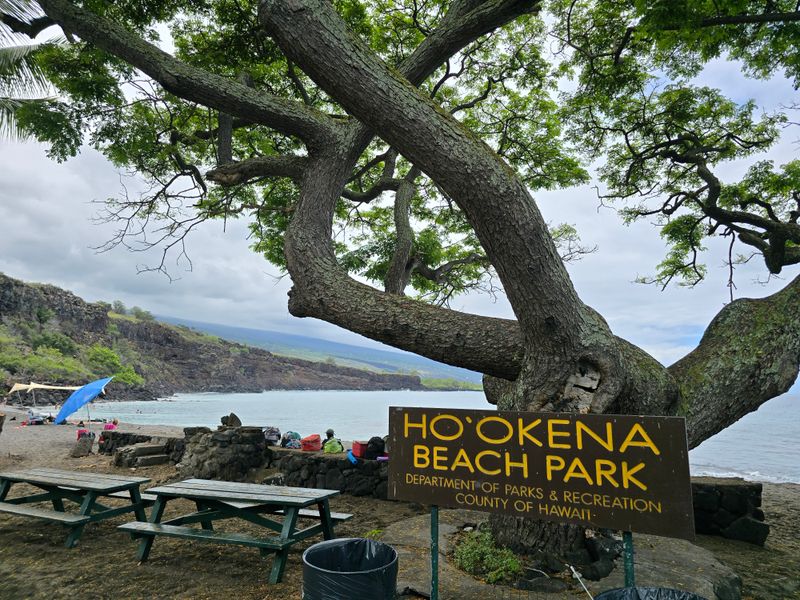
Some nights you get the green light and it feels like a gift. Treat it like that.
At Ho’okena Beach Park, 86-4322 Mamalahoa Hwy, Captain Cook, the community presence is strong and welcoming when you reciprocate. You are sharing space, not renting it.
Privilege shows up as gratitude in small actions.
You park straight, lower lights, and keep pathways clear.
Hawaii communities notice those tiny choices. They add up to trust or friction.
If someone asks for help moving a cooler or clearing a path, say yes.
It is an easy way to be part of the place instead of just in it.
Privilege also means you can accept a no gracefully.
Not all nights are meant for camping, and that is fine.
When it is a yes, you leave a thank you behind that looks like cleanliness and kindness. Words matter, but so do footprints that fade.
You drive away lighter. That is how you know you did it right.
10. Some Places Are Sacred Even Without Markers
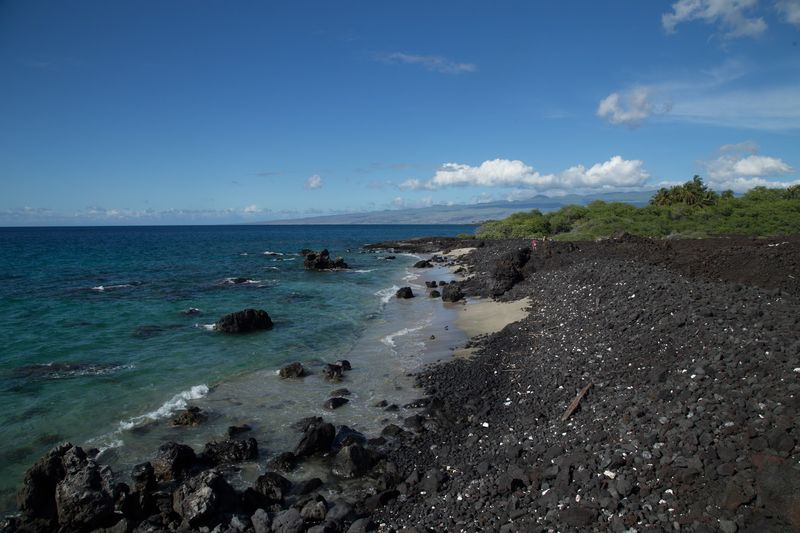
Ever walk into a spot and feel the air change? That is your cue to slow down and look closer.
Along the King’s Trail near Waikoloa Beach Dr, Waikoloa Village, unmarked features sit right beside the path.
No plaque tells you what they are, but someone knows.
I pause and scan for stones placed with intention. If I see that, I route my feet around and keep voices low.
Hawaii does not label every sacred site. It relies on people paying attention.
When unsure, assume significance and choose caution. It costs nothing and protects everything.
Ask respectfully if you meet a steward or resident.
Curiosity with humility goes far.
Your campsite does not need to be dramatic to be meaningful. A few yards away can be the respectful answer.
That habit becomes muscle memory. It travels with you after you leave the islands.
11. Locals Notice Behavior More Than Intent
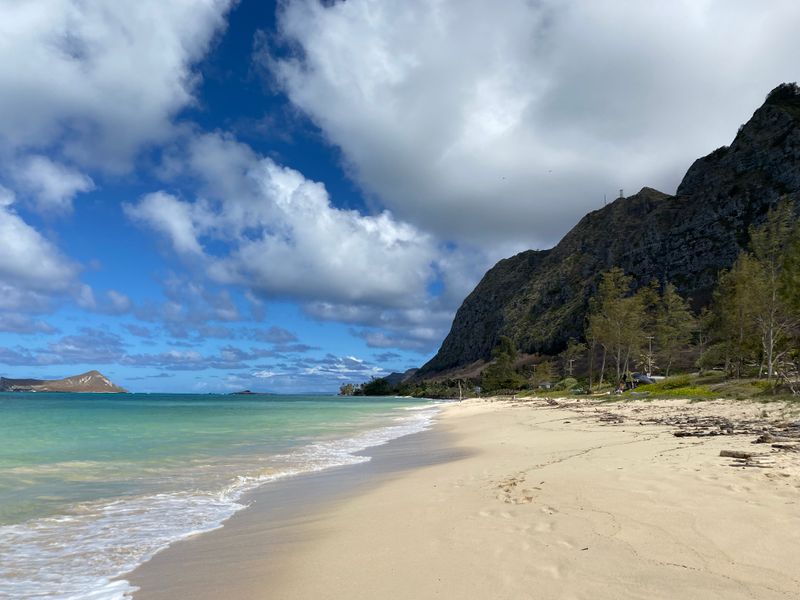
You can mean well and still step wrong. The fix is action, not explanation.
At Waimanalo Beach Park, 41-741 Kalanianaole Hwy, Waimanalo, neighbors see exactly how you show up. They hear your car doors and see your headlamp sweep.
So you move cleaner than your promise. That is the metric that counts.
Hawaii communities have long memories and warm welcomes.
They just match energy with evidence.
I stack my gear neatly, stop car alarms before they start, and keep the lane clear. It reads like respect without needing a speech.
If I mess up, I fix it quickly and thank whoever flagged it. That turns a miss into trust.
Intent starts the trip. Behavior decides whether you are invited back.
That is a rule I try to carry everywhere. It works beyond camping.
12. Time Feels Different When The Land Sets The Rules
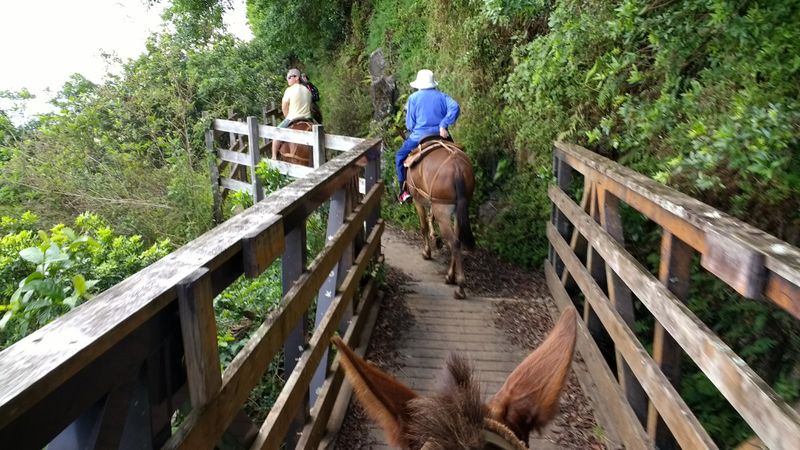
Schedules melt when the wind takes over. You do not fight it, you lean in.
On Molokai near Palaau State Park, Kalae Hwy, Kualapuu, the day stretches around the cliffs and the lighthouse.
Your plans loosen into whatever the land allows.
It is not lazy, it is tuned. You notice tides, clouds, and the way shade moves.
Hawaii has its own clock. It runs on presence and patience.
I keep one anchor task and let the rest float.
Maybe it is a sunrise walk or a quiet journal page.
When the land says wait, you wait. That is not wasted time, it is alignment.
By night, you feel rested without doing much.
Turns out that is plenty.
You leave with a slower heartbeat that lingers. It makes reentry kinder.
13. Leave No Trace Means More Than Trash
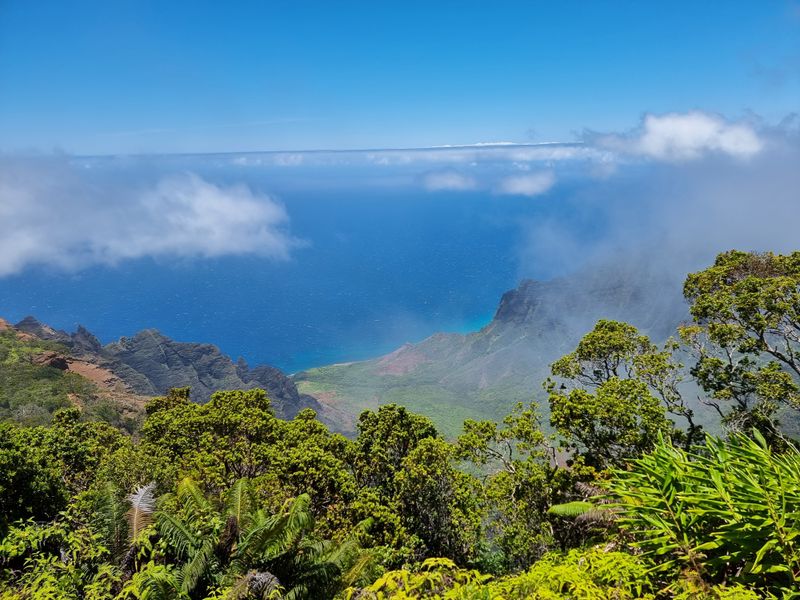
You hear the phrase a lot, but it keeps expanding the longer you camp here.
It is housekeeping for the soul and the soil.
At Koke’e State Park, 3600 Kokee Rd, Waimea, trails thread through fragile plants that do not rebound from shortcuts.
The cleanest campsite is the one that blends back into the forest by noon.
I resist carving new tent pads or breaking twigs for convenience. Comfort is not worth a scar that sticks around.
Hawaii rewards gentle travelers. You feel it in how birds settle closer when you calm down.
Noise, light, and wandering leave traces too.
You shrink your bubble and the place relaxes with you.
Even group chatter gets softer after a while. That is awareness showing up without a lecture.
If you coach one friend kindly, impact multiplies.
No need for scolding, just modeling.
By the time you hike out, the forest holds no grudge. That is the goal every time.
Dear Reader: This page may contain affiliate links which may earn a commission if you click through and make a purchase. Our independent journalism is not influenced by any advertiser or commercial initiative unless it is clearly marked as sponsored content. As travel products change, please be sure to reconfirm all details and stay up to date with current events to ensure a safe and successful trip.
