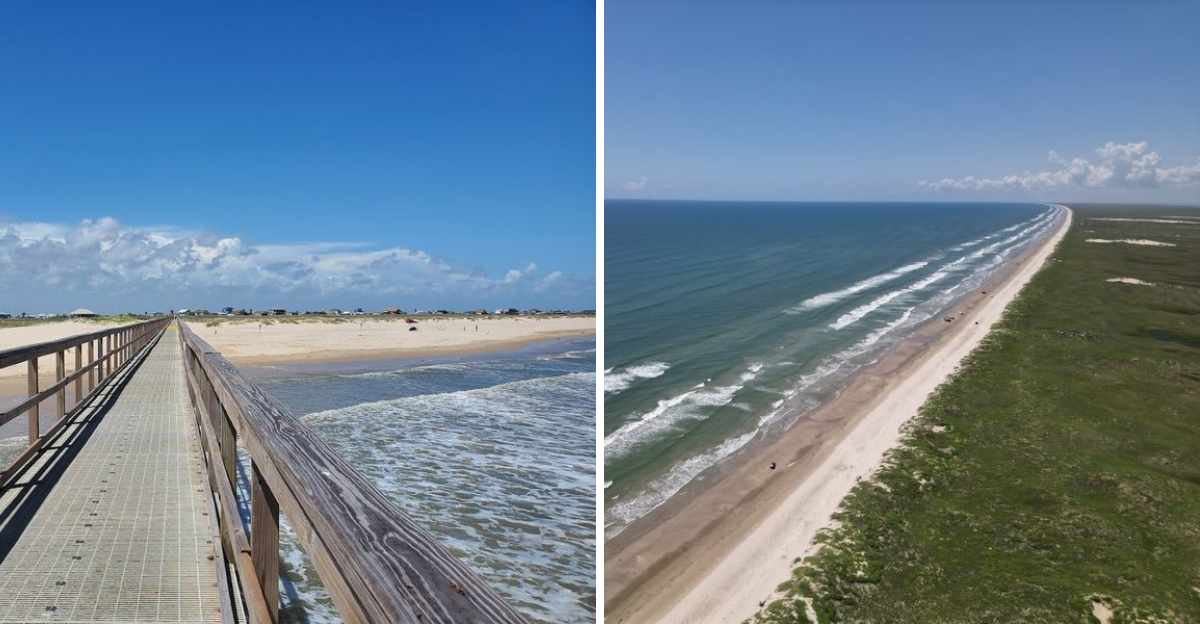
Texas has more coastline than most people give it credit for, and hidden between the well-known resort towns are stretches of sand that feel almost too good to be real. I stumbled onto a few of these spots by accident, and honestly, part of me wanted to keep them to myself.
The Gulf of Mexico has a way of surprising you when you stop following the tourist maps and start following your instincts. Some of these beaches are wild and remote, others are quietly charming, but every single one has something that sets it apart from the crowded, commercialized strips most visitors flock to.
They deserve to be seen, even if sharing them feels a little bittersweet. Pack your cooler, load up the car, and get ready to discover the Texas coast in a way most people never do.
1. San Jose Island
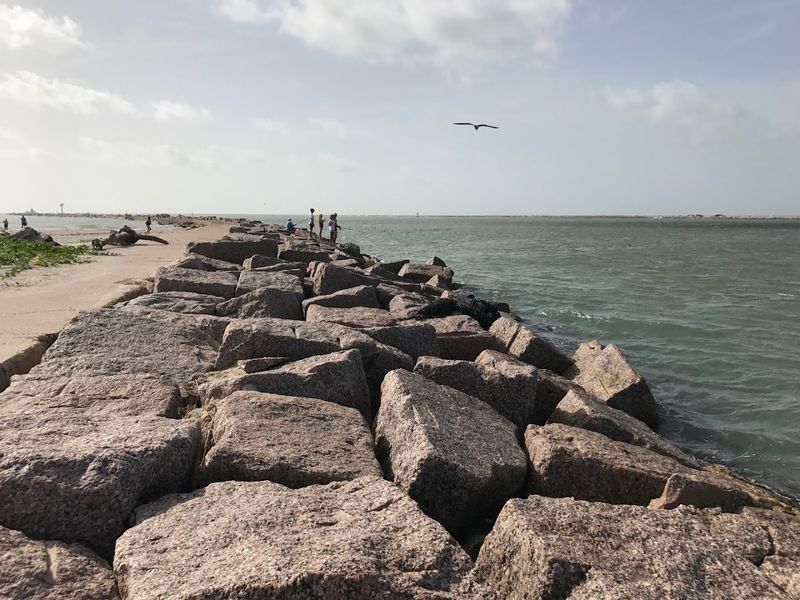
San Jose Island requires a little extra effort to reach, and that effort is absolutely worth every bit of planning it takes. Accessible only by private boat or ferry from Port Aransas, this 21-mile barrier island has no roads, no hotels, and no permanent residents.
Once your feet hit the sand, the silence is the first thing you notice.
Shell collecting here reaches another level entirely because far fewer people walk these shores. The massive dunes rising behind the beach create a dramatic backdrop that feels almost theatrical.
Wild horses, descendants of Spanish mustangs, have reportedly roamed this island for generations, and spotting one in the distance feels like a genuine gift from the landscape.
Overnight camping is the way to fully experience everything this island offers. With zero light pollution for miles in any direction, the night sky becomes its own spectacle.
You must bring all food, water, and supplies since there are absolutely no amenities once you land. San Jose Island is not the easiest Texas beach to visit, but it is easily one of the most unforgettable.
Some places earn their reputation through crowds. This one earns it through pure, unfiltered solitude.
2. Padre Island National Seashore
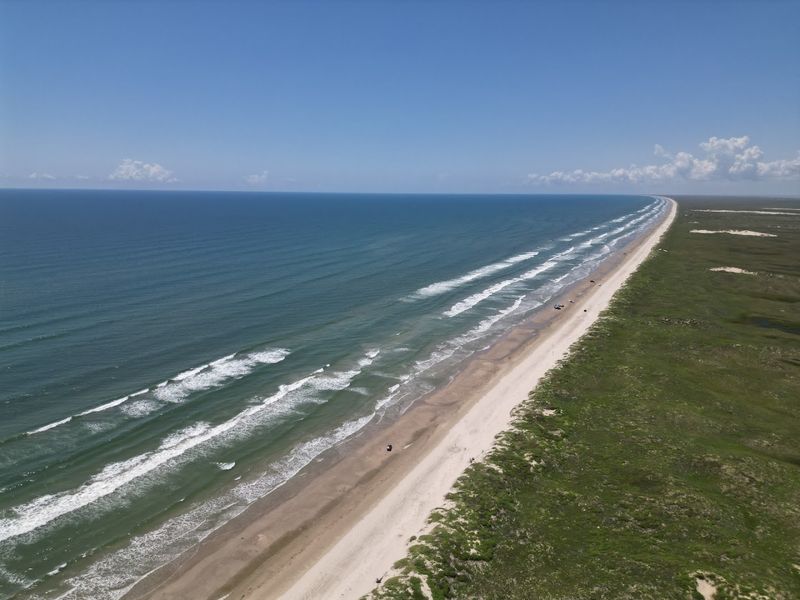
There is something almost surreal about driving onto a beach and watching the last parking lot disappear in your rearview mirror. Padre Island National Seashore stretches over 70 miles of completely undeveloped coastline, making it the longest of its kind in the entire country.
Most people race past it on their way to South Padre Island, which means you often have this extraordinary place nearly to yourself.
Sea turtles nest along these shores from April through July, and park rangers coordinate hatchling releases that are genuinely moving to witness. Dolphins regularly surf the waves just a short distance from the waterline.
Over 380 bird species migrate through the area, turning this beach into a birdwatcher’s quiet paradise.
You will need a four-wheel-drive vehicle to access the more remote sections, so plan accordingly. Bring everything you need because facilities thin out fast once you leave the visitor center behind.
The remoteness here is not a drawback. It is the entire point, and the reward for making the effort is a stretch of coastline that feels completely untouched by the modern world.
3. Magnolia Beach
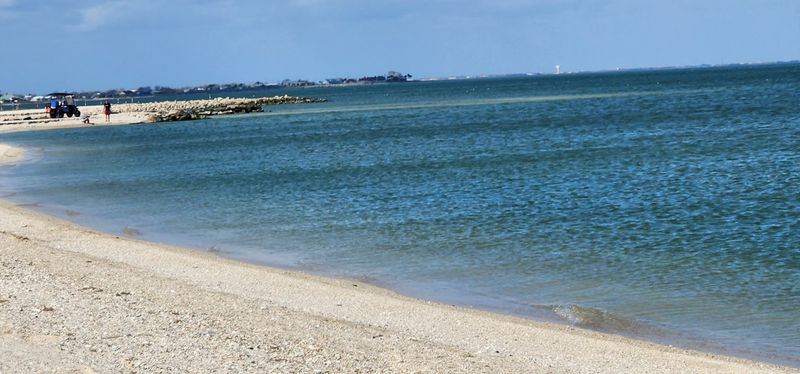
Not many beaches in Texas let you drive your car right to the water’s edge without a four-wheel-drive, but Magnolia Beach near Port Lavaca is one of them. The sand here is unusually hard-packed, which makes it easy to set up close to the surf without getting stuck.
That little detail changes the whole vibe of the day in the best possible way.
The beach runs about a mile and a half, which sounds modest until you realize how spread out everyone gets. Families claim their space, kids dig in the shallow water, and the whole atmosphere stays relaxed rather than competitive.
Public grills, showers, restrooms, and picnic tables are all available, which makes this one of the more practical beach setups on the Texas coast.
Bird watchers show up regularly because the area attracts a solid mix of coastal species throughout the year. Camping and RV access are both permitted, giving visitors the option to stay long after the day-trippers head home.
Magnolia Beach has a genuinely local feel that is hard to manufacture. It is the kind of spot where you arrive planning to stay a few hours and end up watching the stars come out.
4. Sunny Beach, Galveston
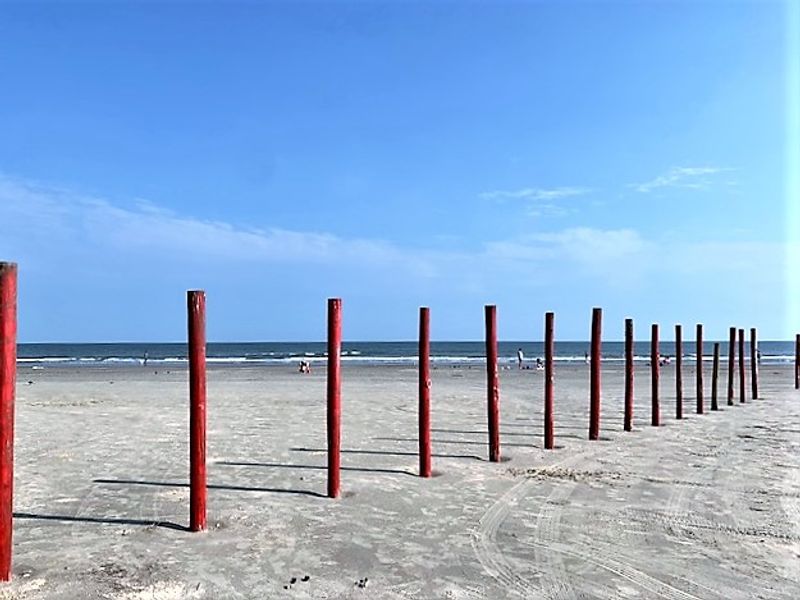
Galveston gets a lot of attention, and most of it lands on the same well-worn stretches near the Seawall. Sunny Beach sits a bit further south of the island’s busier zones, and that distance makes a noticeable difference in how the whole experience feels.
The crowd thins out, the noise drops, and suddenly you remember what a beach day is actually supposed to feel like.
The shoreline here is wide and open, offering plenty of room to set up without feeling like you are negotiating for territory. The Gulf views are unobstructed, and on a clear morning the water takes on that particular shade of green-blue that makes you want to stay all day.
It is not flashy or famous, which is precisely the point.
Visitors who make the short extra drive consistently describe it as one of Galveston’s most underrated finds. The atmosphere is calm and unhurried, the kind of place where you can actually hear the waves without competing sounds drowning them out.
If you have written off Galveston as too crowded or too commercial, Sunny Beach is a genuinely convincing argument to give the island another chance on your own terms.
5. Matagorda Beach
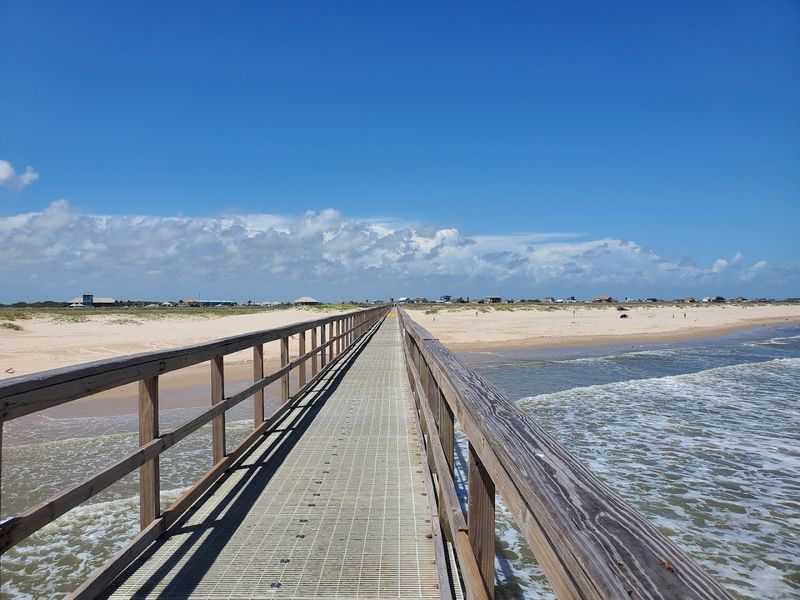
Matagorda Beach has this unhurried quality that you notice the moment you pull up to the shoreline. Over 20 miles of soft, golden sand stretch out ahead of you, and the mix of Gulf blue and Matagorda Bay brown creates a water color that is genuinely unlike anything else along the Texas coast.
It feels raw and honest, the kind of beach that has not been polished into something it is not.
Fishing is practically a religion here. Anglers set up along the shore at all hours, casting lines and waiting with the patient confidence of people who know exactly what they are doing.
The nearby wildlife areas reward anyone willing to explore beyond the waterline, with coastal birds moving through in impressive numbers depending on the season.
Camping directly on the beach is allowed, and RV access makes it a comfortable overnight option for families and road trippers alike. The sunsets here hit differently when there are no high-rise hotels blocking the horizon.
Matagorda Beach is proof that the best Texas coastal experiences often happen well away from the places most people have bookmarked on their phones.
6. Boca Chica Beach
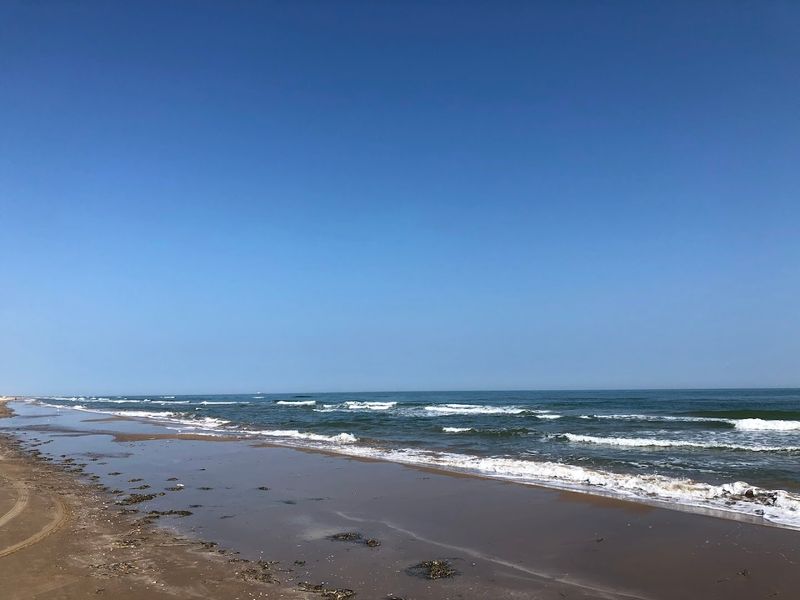
Boca Chica Beach sits at the very southern tip of Texas, wedged between the Rio Grande and the Gulf of Mexico in a way that makes it feel genuinely edge-of-the-world remote. The drive out here is long and flat, passing through scrubby coastal brush that does not give much away.
Then the road ends and the beach opens up, and the scale of it is genuinely startling.
The surf here runs rougher than at more sheltered spots, and the shoreline has a wild, untamed energy that is hard to find elsewhere on the Texas coast. Beachcombing turns up serious finds because strong currents push interesting debris and shells onto the sand regularly.
Birders visit for the shorebird activity, which can be exceptional during migration season.
It is worth noting that the area around Boca Chica has seen increased activity in recent years due to nearby industrial development, so conditions and access can shift. Always check current access information before making the trip.
When it is open and accessible, though, Boca Chica delivers a beach experience that is raw, dramatic, and completely unlike anything else in the state. It rewards the travelers willing to go the extra miles to find it.
7. Goose Island State Park Beach
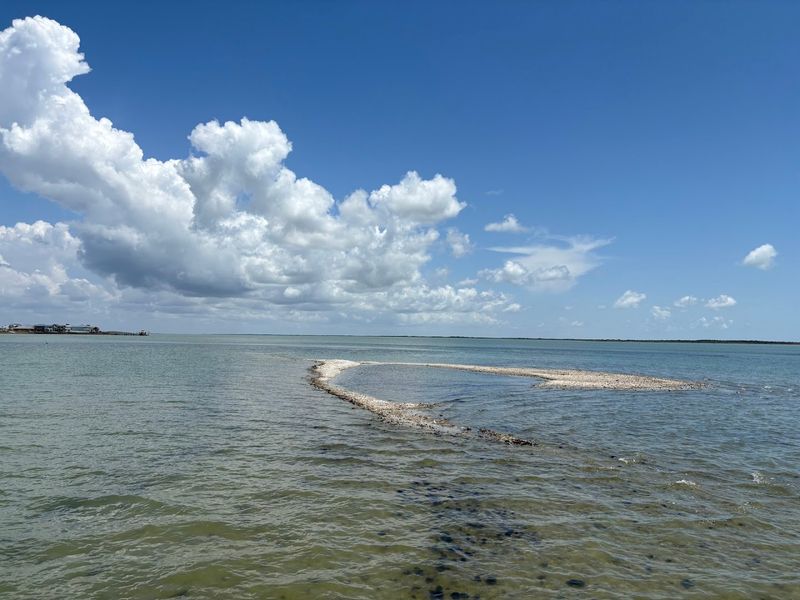
Most people come to Goose Island State Park to see the Big Tree, one of the oldest live oaks in Texas, and then somehow forget to wander down to the water. That is a genuine oversight because the beach here is one of the more quietly beautiful spots on the entire Texas coast.
The bay side setting means the water is calm, clear, and shallow, which makes it ideal for kids and anyone who prefers wading to fighting waves.
The park sits along Aransas Bay near Rockport, and the birdwatching opportunities are exceptional. Whooping cranes winter in the nearby Aransas National Wildlife Refuge, and the surrounding area consistently attracts serious birders from across the country.
Even casual visitors notice how alive the landscape feels here compared to more developed coastal areas.
Camping at Goose Island is a genuinely lovely experience, with sites positioned under ancient oaks that provide real shade during hot Texas afternoons. The combination of beach access, old-growth trees, and remarkable wildlife makes this park feel like several different destinations packed into one.
It is the kind of place you stumble onto expecting a quick stop and end up staying for the whole weekend without any regrets.
Address: 202 S Palmetto Street, Rockport, Texas
8. Mustang Island State Park Beach
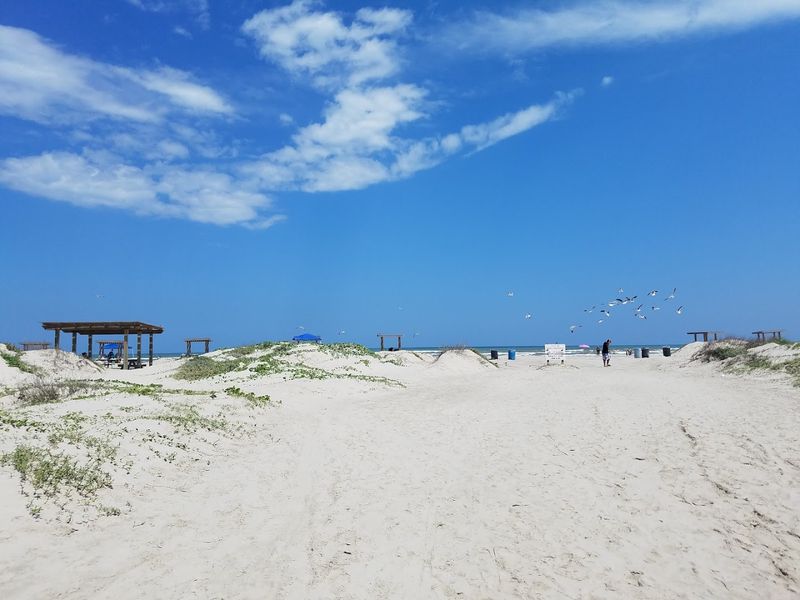
Mustang Island gets overshadowed by its famous neighbor Port Aransas, which is honestly a bit unfair given how good the state park beach actually is.
The park preserves about five miles of Gulf-front shoreline that has stayed largely natural, with sea oats anchoring low dunes and the kind of unbroken horizon that reminds you why people love the coast in the first place.
The waves here have enough energy to make bodyboarding and boogie boarding genuinely fun without being dangerously rough for casual swimmers. Fishing along the beach is popular and productive, especially in the early morning hours when the light is soft and the crowds have not yet arrived.
There is something quietly satisfying about having a stretch of open beach where the main competition for space is a few laughing gulls.
The park offers camping with both primitive and full-hookup sites, making it a solid base for exploring the wider Corpus Christi area. Kayaking and paddleboarding launch easily from calmer sections near the bay side.
Mustang Island State Park is the kind of place that loyal visitors guard a little jealously, mentioning it only to people they trust to appreciate it properly and not overrun it on a holiday weekend.
Address: 9394 State Highway 361, Port Aransas, Texas
9. Surfside Beach
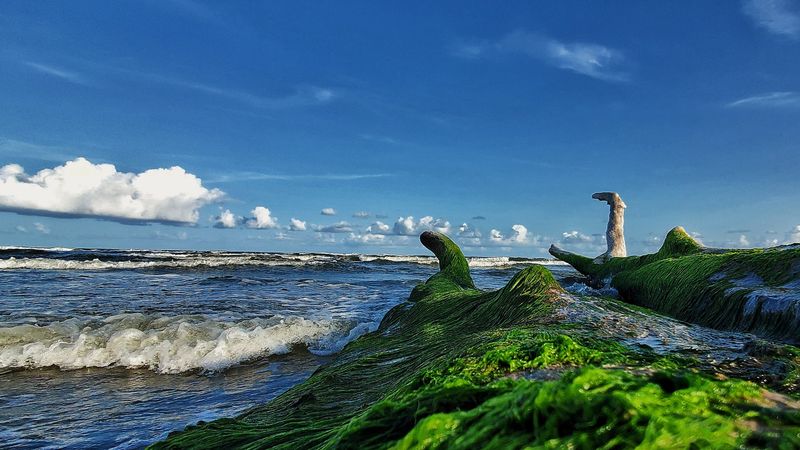
Surfside Beach has the energy of a place that never quite made it onto the mainstream tourist radar, and the people who love it are quietly thrilled about that.
Located south of Lake Jackson near the mouth of the Brazos River, this small community has a genuine lived-in coastal character that feels nothing like a resort town.
The houses here are modest, mostly on stilts, and the whole place has a salt-worn charm that takes about five minutes to fall for.
The beach itself is wide and flat, good for long walks, casual fishing, and the kind of aimless afternoon that somehow ends up being the best part of any trip.
The water is typically calm enough for swimming, and the relatively uncrowded conditions mean you can spread out without feeling like you are auditioning for a spot in the sand.
Beachcombing after a storm can yield impressive results thanks to the river outflow nearby.
The town has a handful of local spots to grab food without the inflated prices of more tourist-heavy areas. Surfside Beach is the kind of destination that rewards people who are not chasing Instagram moments.
It rewards people who just want a real, unhurried beach day with room to breathe and nothing pressing to do next.
10. Rollover Pass, Bolivar Peninsula
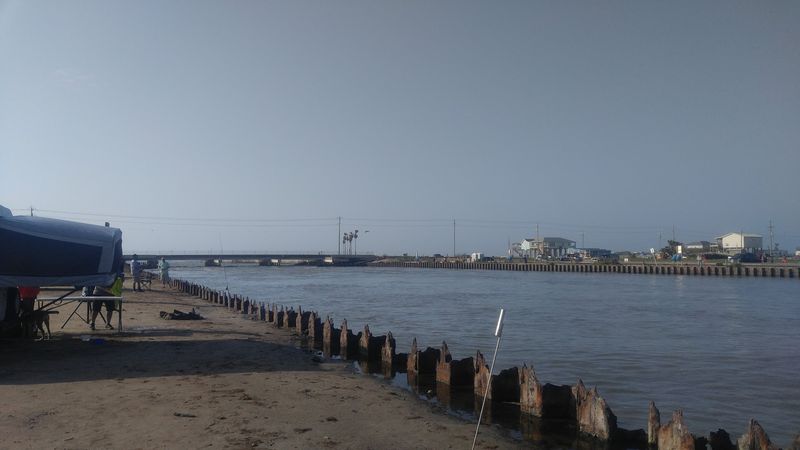
Rollover Pass on the Bolivar Peninsula is one of those places that feels like a local secret even though it has been quietly beloved by Texas anglers and beachcombers for decades.
The pass is a narrow channel connecting East Galveston Bay to the Gulf, and the water movement through it creates fishing conditions that attract serious rod-and-reel enthusiasts from across the region.
Pelicans and herons work the channel with the focused efficiency of experienced professionals.
The surrounding beach along the peninsula is flat, wide, and largely undeveloped compared to what you find across the ferry in Galveston. The Bolivar Peninsula has a scrappy, independent personality that is immediately appealing if you prefer places that feel real over places that feel curated.
Driving along the beachfront here at low tide is a simple pleasure that never gets old.
The ferry ride from Galveston to the peninsula is free and adds a genuinely fun dimension to the trip, especially if you have kids along. Dolphins frequently follow the ferry, which tends to make the crossing more exciting than anyone expects.
Rollover Pass and the wider Bolivar Peninsula offer a coastal experience that is grounded, unpretentious, and refreshingly free of the commercial noise that follows most popular beach destinations around.
11. South Llano River State Park Beach
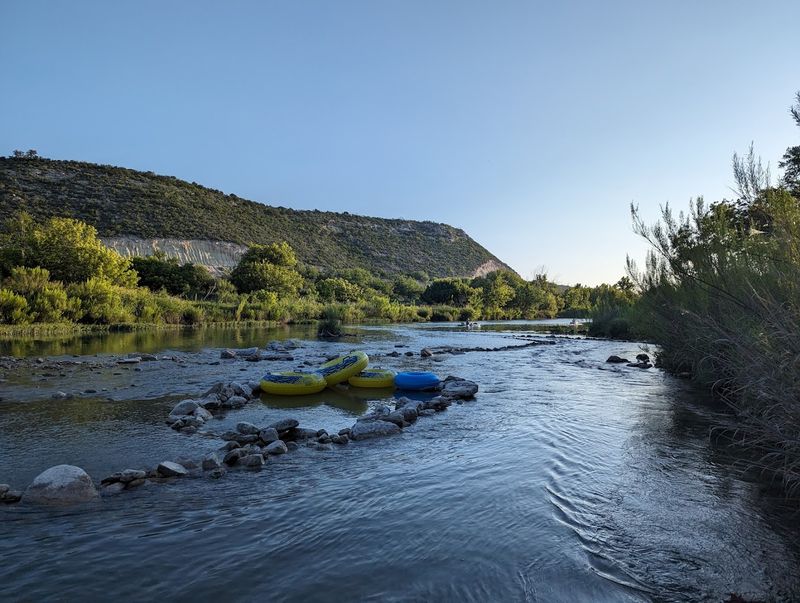
Not every Texas beach has to face the Gulf of Mexico, and South Llano River State Park in Junction makes a compelling case for the inland alternative.
The river here runs clear and cool over smooth limestone, creating natural swimming holes that feel like something from a dream on a July afternoon in the Texas Hill Country.
The water temperature stays refreshingly cold even when the air is brutally hot.
Cypress trees line the banks and lean out over the water, casting shade that makes the whole scene feel almost theatrical in the best way. The park is genuinely beautiful in a quiet, understated manner that does not announce itself loudly.
You have to slow down and pay attention to appreciate it fully, which is honestly part of the appeal.
Wildlife is abundant throughout the park, with white-tailed deer, wild turkeys, and an impressive variety of birds making regular appearances. Camping along the river is a highlight, especially in the evenings when the temperature drops and the sounds of the water replace every other distraction.
South Llano River State Park is the Texas beach experience for people who love nature more than they love crowds, and it consistently delivers something genuinely restorative.
Address: 1927 State Highway 377 South, Junction, Texas
12. Malaquite Beach, Padre Island
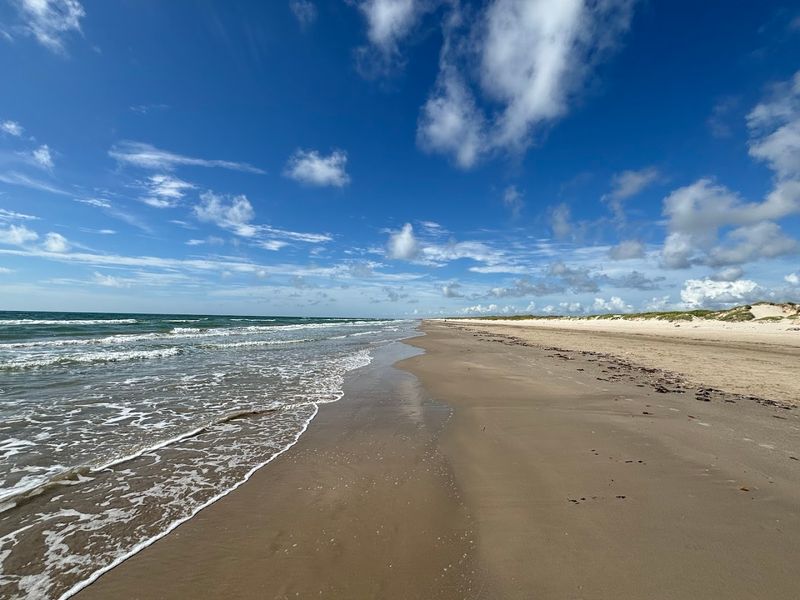
Malaquite Beach sits within Padre Island National Seashore and serves as the accessible entry point before the wilderness takes over completely.
It has a visitor center, restrooms, and a short boardwalk, which makes it the most family-friendly section of the national seashore without sacrificing any of the natural beauty that defines the wider park.
The fact that development stops here and goes no further is exactly what makes it worth visiting.
The beach faces the open Gulf, and the waves have enough energy to be entertaining without being intimidating for average swimmers. On weekdays especially, the crowd stays thin and the atmosphere stays genuinely calm.
Beachcombing along this stretch regularly turns up shells, sea glass, and the occasional interesting find carried in by the tides.
Rangers at the visitor center are knowledgeable and enthusiastic about the park’s wildlife and ecology, and stopping in before you head out is genuinely worthwhile rather than just a formality.
Sea turtle activity during nesting season brings an added layer of excitement to visits between late spring and midsummer.
Malaquite Beach is the kind of place that works equally well for a quick afternoon stop or as the launching point for a longer adventure deeper into one of the most remarkable stretches of coastline in the entire country.
13. Port Mansfield Beach
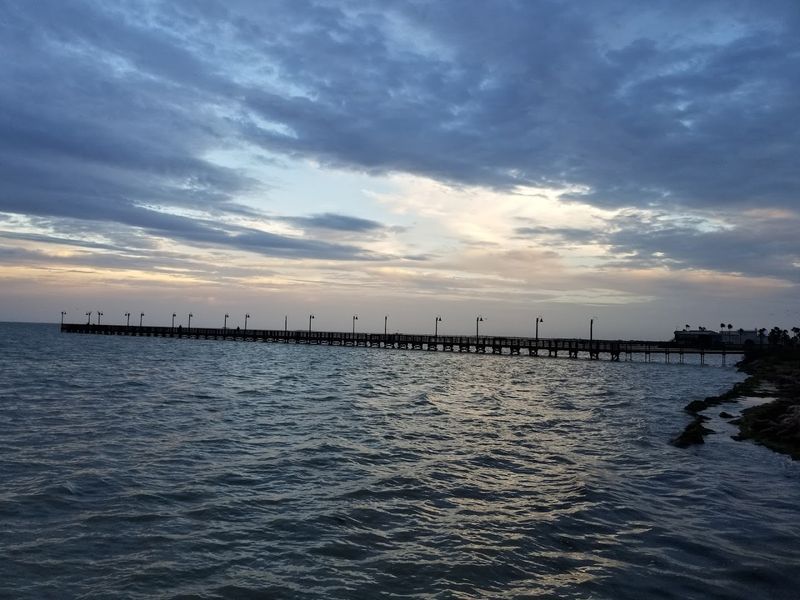
Port Mansfield is the kind of small Texas coastal town that you almost drive past without stopping, and that would be a real shame.
Situated along the Laguna Madre between Corpus Christi and South Padre Island, this tiny community sits on some of the most productive and least visited coastal waters in the entire state.
The fishing reputation here is serious and well-earned among people who pay attention to these things.
The water along the Laguna Madre side is shallow, clear, and warm, with a glassy quality on calm mornings that makes it look more like a Caribbean flat than a Texas bay. Wading out into it feels almost meditative.
The birding in and around Port Mansfield is exceptional, with reddish egrets, spoonbills, and an impressive range of shorebirds moving through depending on the season.
The town itself is tiny and unpretentious, with a marina and a few local establishments that give it enough character without overwhelming the natural setting. Getting here requires a genuine commitment since it sits at the end of a long road with nothing much on either side.
That isolation is the feature, not the flaw. Port Mansfield rewards travelers who understand that the best coastal experiences in Texas are almost always the ones that require a little extra effort to reach.
Dear Reader: This page may contain affiliate links which may earn a commission if you click through and make a purchase. Our independent journalism is not influenced by any advertiser or commercial initiative unless it is clearly marked as sponsored content. As travel products change, please be sure to reconfirm all details and stay up to date with current events to ensure a safe and successful trip.
