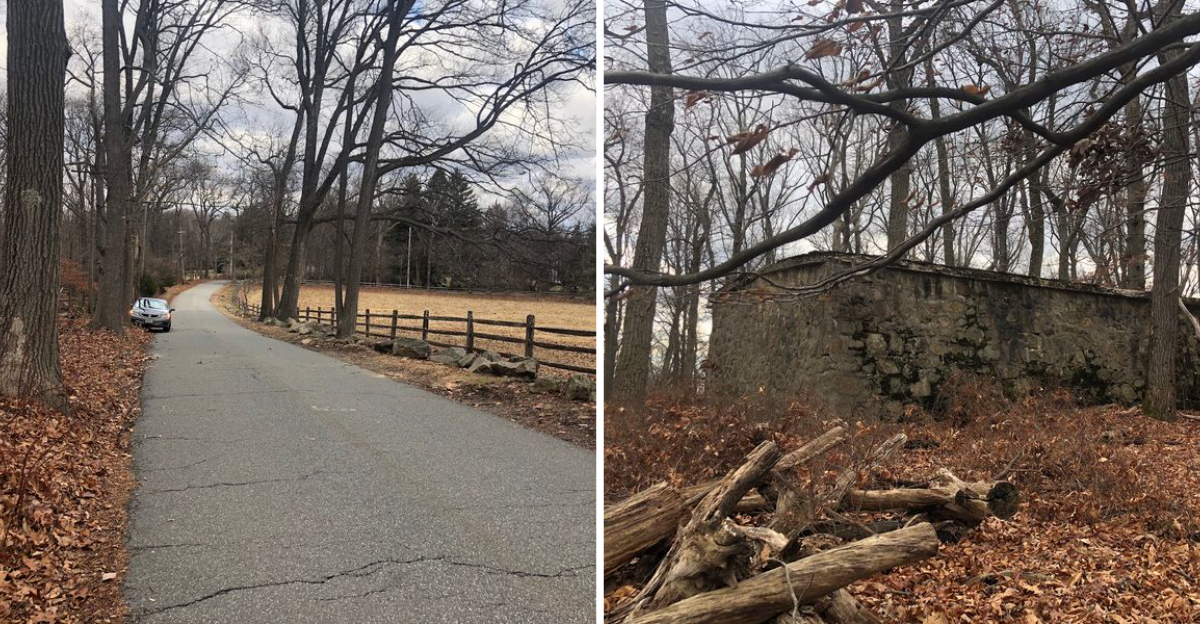
Deep in the woods, an eerie stone structure stands as a monument to one of this state’s strangest legends. Locals whisper that the devil himself was once trapped inside this mysterious tomb. I promise the story is enough to send chills down your spine.
The stone crypt sits nestled among thick trees, covered in moss and surrounded by an unsettling silence. According to the tales, dark forces were sealed within these very walls centuries ago, never to escape again.
Visitors have reported strange sounds, sudden temperature drops, and an overwhelming feeling of being watched. New Jersey has plenty of haunted spots, but none carry quite the same sinister reputation as this remote burial site.
Bring your courage and maybe a flashlight for this one. New Jersey’s most chilling legend is waiting to be explored. Trust me, you’ll be looking over your shoulder the whole time.
The Stone Structure That Started It All
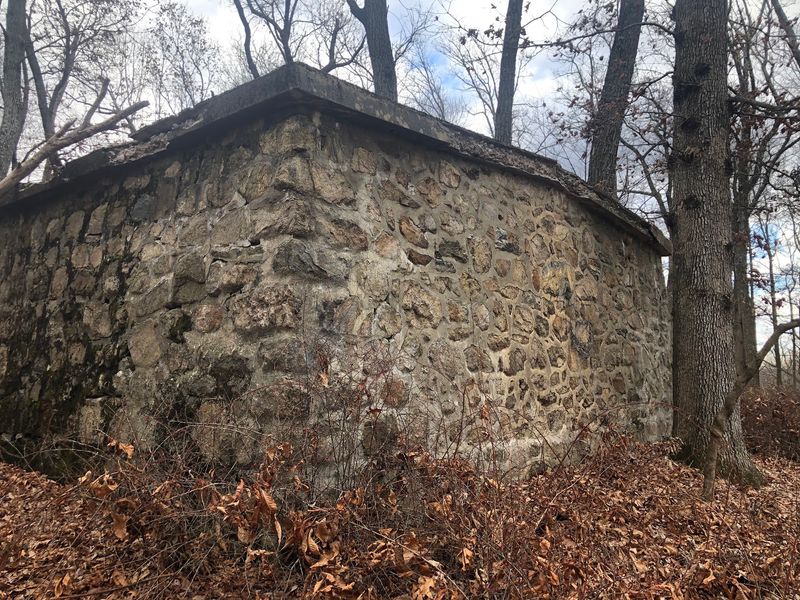
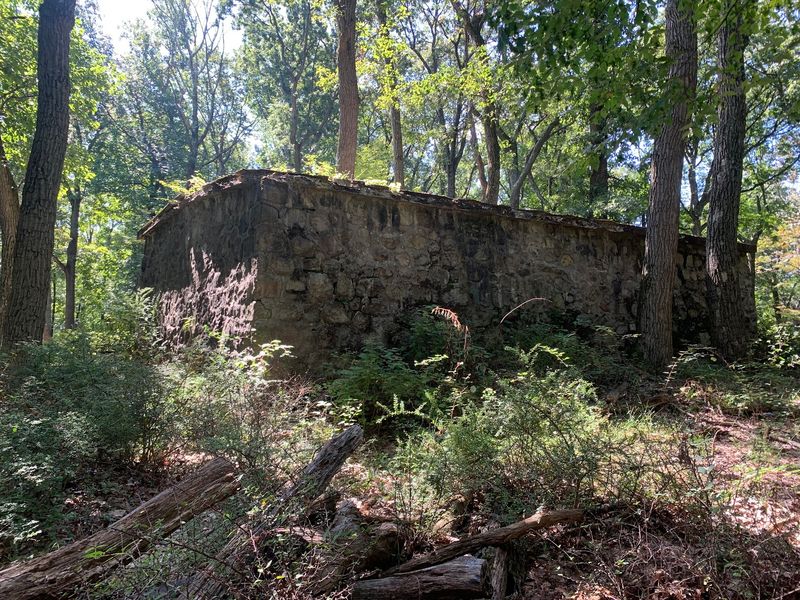
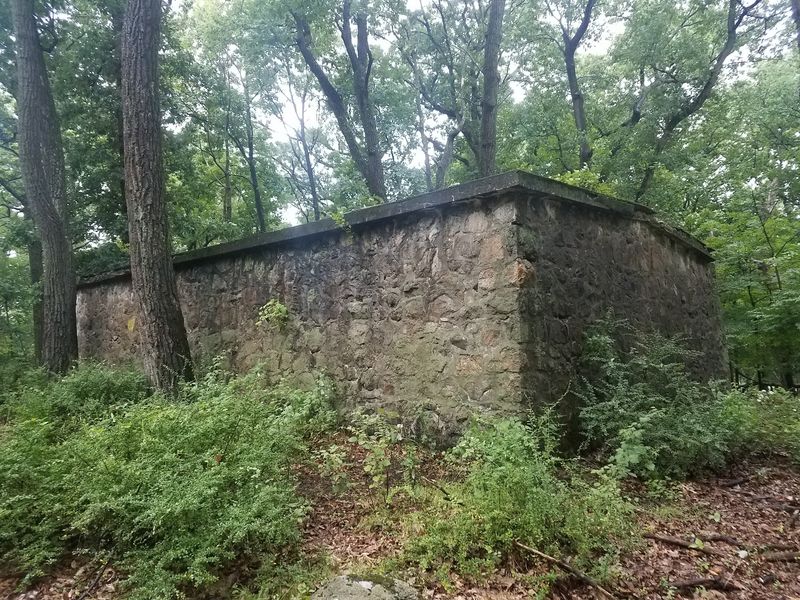
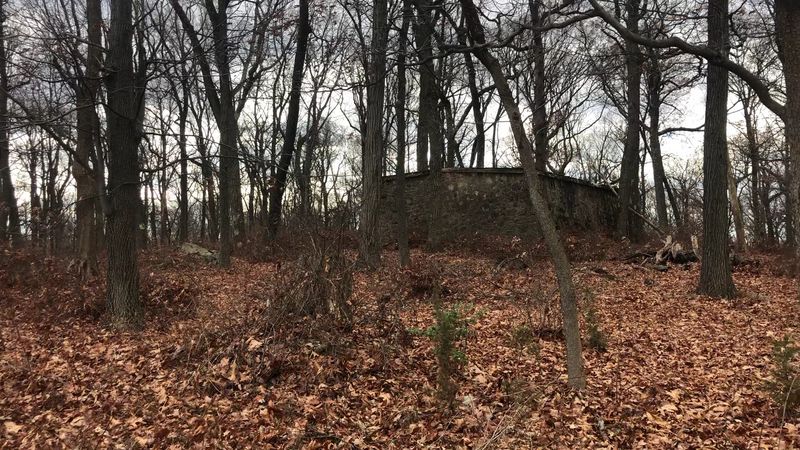
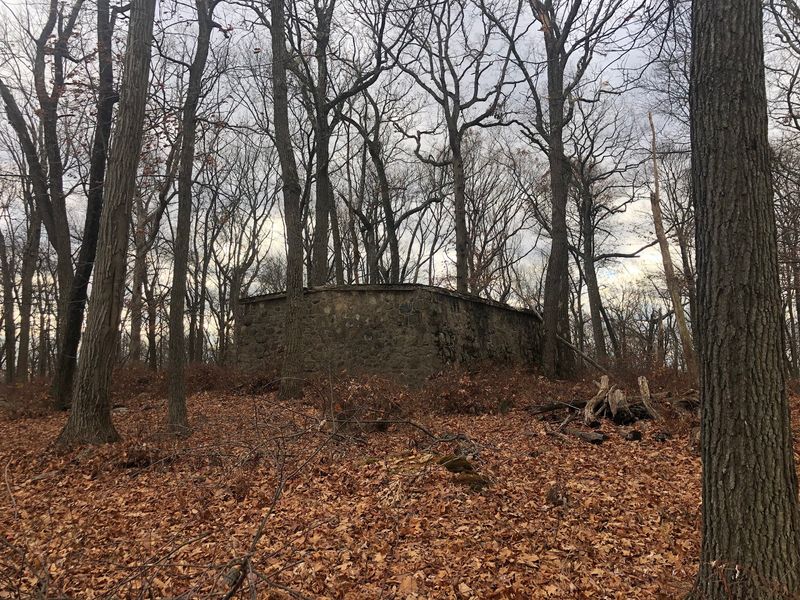
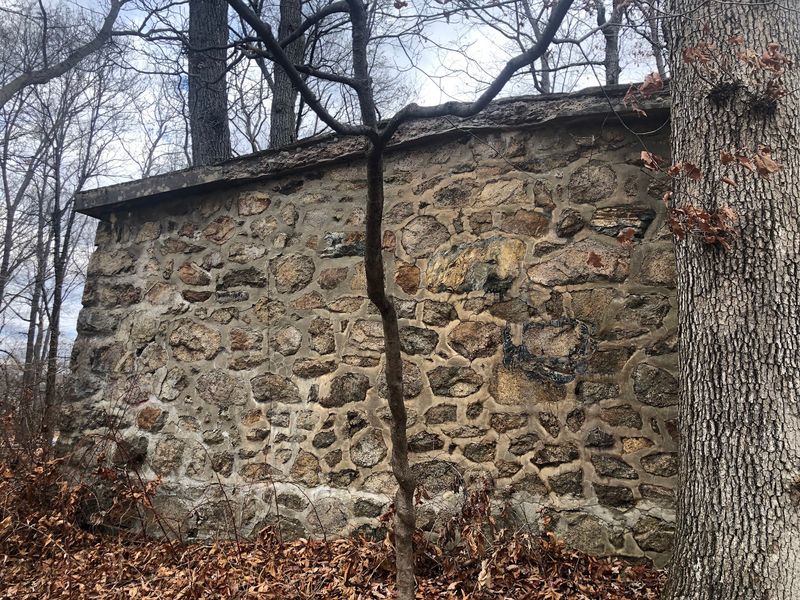
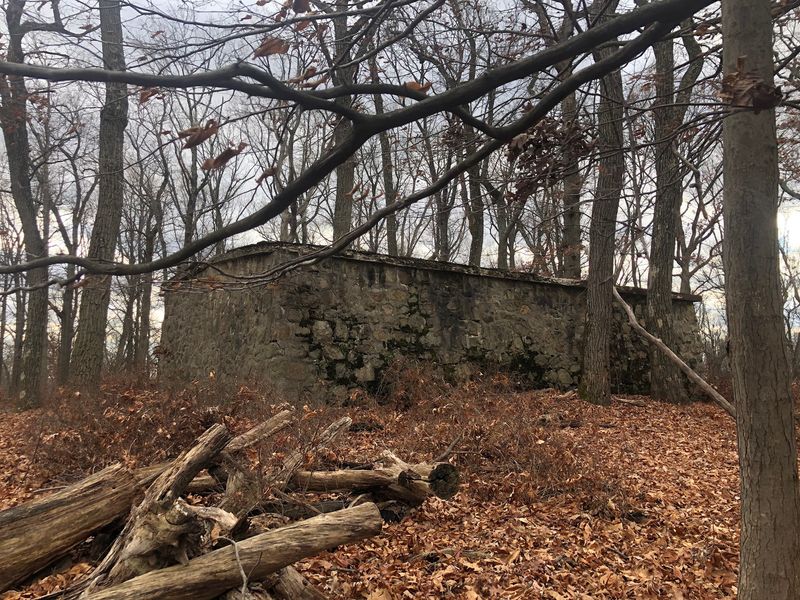
There is something immediately unsettling about a flat-roofed stone building sitting roughly 50 feet off a quiet road with no clear explanation for why it exists. The Devil’s Tomb in Far Hills, New Jersey, is exactly that kind of place.
It sits near Pennbrook Road in Somerset County, partly swallowed by the surrounding landscape, almost like the woods are trying to hide it.
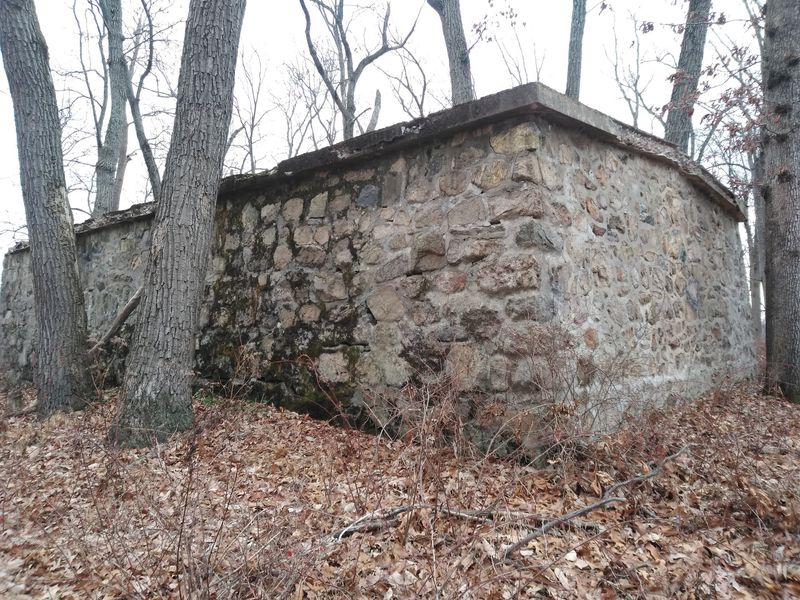
Some people describe it as a strange, squat structure with thick stone walls and a roof that looks far too heavy for something this small. Others who have seen it up close say it has a medieval quality that feels out of place in suburban New Jersey.
The building’s age and origin remain genuinely debated.
Authorities have called it an old cistern. A paranormal investigator once pointed to metal beams and evidence of former chimneys as signs it may have served as a crematorium. Whatever it actually was built for, the structure has a presence that is hard to shake once you have seen it.
The Legend of the Imprisoned Devil
The core legend surrounding this place is genuinely one of the most creative pieces of folklore in the entire state. According to the story, a group of monks came up with a bold and dangerous plan to rid the area of the Devil’s influence.
They lured him to the site by making him believe a human sacrifice was being prepared, something too tempting for him to ignore.
Once he arrived and was distracted, the monks chained him to the ground. Then, working quickly, they built the stone tomb around him, sealing him inside permanently. The Devil, outsmarted and trapped, has supposedly been imprisoned beneath or within that stone structure ever since.
It sounds like something out of a medieval manuscript, not a New Jersey county road. But that is exactly what makes it so compelling. The legend was brought to a wider audience through a feature in Weird NJ magazine.
Pennbrook Road, Known as Jacob’s Ladder
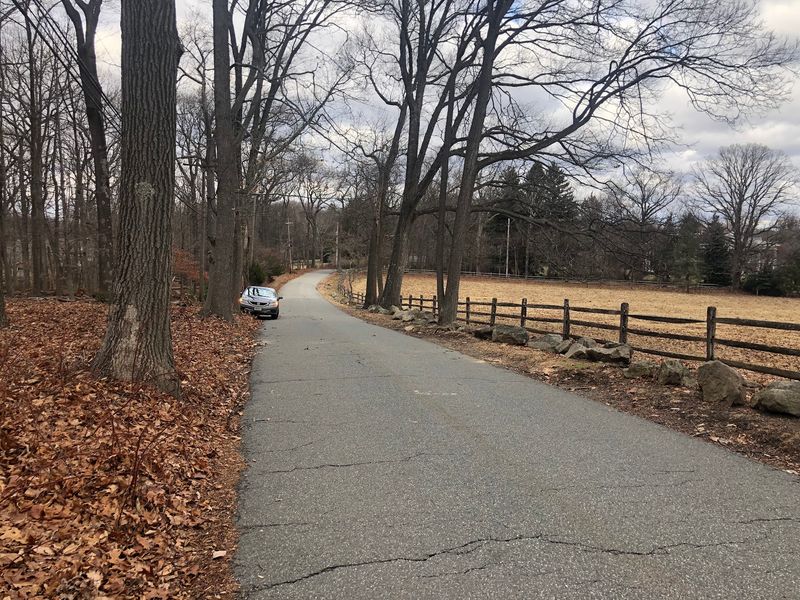
Pennbrook Road is not just the road that leads you toward the Devil’s Tomb. It has its own reputation entirely. Locals have long called it Jacob’s Ladder, and some also know it as Seven Bumps Road, a nickname earned from the series of distinct rises and dips you feel as you drive along it.
The bumpy road design has a practical historical explanation that most historians accept. In the era of horse-drawn carriages, steep inclines were broken up intentionally to give draught horses a chance to rest as they climbed. The bumps on Pennbrook Road likely served that exact purpose.
But folklore never lets a good road go to waste. Darker versions of the Devil’s Tomb legend claim those seven bumps are not engineering features at all. They are said to mark the graves of people the monks killed for trying to free the Devil from his stone prison.
It is the kind of detail that makes you drive a little more carefully once you hear it.
The Monks Behind the Myth
Every good legend needs a cast of characters, and the Devil’s Tomb story gives us monks as its unlikely heroes. The tale positions them as clever, fearless, and willing to go to extraordinary lengths to protect their community. Tricking the Devil is not exactly a small feat, even in a story.
There is no confirmed historical record of a monastic community operating in this specific part of Somerset County tied to the tomb’s construction. That gap between legend and documented history is part of what keeps the story alive and debated.
People love a mystery that cannot be cleanly solved.
What the monks represent in this legend is the idea that good can outmaneuver evil through wit rather than brute force. That theme shows up in folklore from cultures all over the world, which is part of why this particular New Jersey story resonates so deeply with people who hear it.
It feels ancient even if its origins are murky.
Weird NJ and the Power of Local Folklore
Weird NJ magazine deserves real credit for keeping stories like the Devil’s Tomb alive and circulating beyond the immediate local area. The publication has spent decades documenting the strange, the unexplained, and the genuinely creepy corners of New Jersey.
Before wide internet access made obscure folklore easy to find, a mention in Weird NJ was essentially the stamp of approval for a legend worth knowing. Readers would track down the locations, explore them, and share their own experiences in follow-up issues.
That feedback loop kept the stories breathing.
The magazine helped a whole generation of New Jerseyans understand that their state had more going on beneath the surface than highways and diners. I think that matters. Local folklore builds identity and community pride in a way that polished tourism brochures never quite manage.
The Devil’s Tomb, thanks in part to Weird NJ, became a piece of shared cultural memory for people who grew up in and around Somerset County.
The Cistern Theory and What Skeptics Say
Not everyone who has looked at the Devil’s Tomb sees a prison built for a supernatural being. Local authorities and historians have offered a far more grounded explanation for the structure’s existence.
Their leading theory is that it is simply an old cistern, a water storage container built from stone, which were common on rural properties throughout the 18th and 19th centuries.
Cisterns were practical necessities before modern plumbing. Farmers and landowners needed reliable water sources, and stone construction made them durable enough to last for generations. A flat roof and thick walls would make perfect sense for that kind of use.
It is not a glamorous explanation, but it is a credible one. That said, even skeptics tend to admit the structure has an unusual quality that goes beyond a typical farm cistern.
The setting, the silence around it, and the weight of the legend that has built up over time all contribute to an atmosphere that is hard to dismiss entirely, even with a rational explanation in hand.
The Crematorium Theory, A Darker Possibility
Beyond the cistern explanation, there is a second counter-narrative that some paranormal investigators and curious locals have put forward. It is arguably more unsettling than the Devil legend itself.
A paranormal investigator examining the structure reportedly noted the presence of metal beams on the roof and physical evidence suggesting the building once had chimneys.
Those features do not fit neatly with a water storage cistern. They do, however, align with how a crematorium might have been constructed. Small, private crematoriums were not unheard of on large rural estates during certain historical periods, before modern funeral practices became standardized.
Nobody has officially confirmed this theory, and it remains speculative. But it adds a layer of genuine historical intrigue to a place that already has plenty of it.
The idea that the structure may have once processed human remains gives the site a solemn weight that feels different from the playful energy of the Devil legend. Some places carry more than one story at a time.
Private Property and the Problem of Access
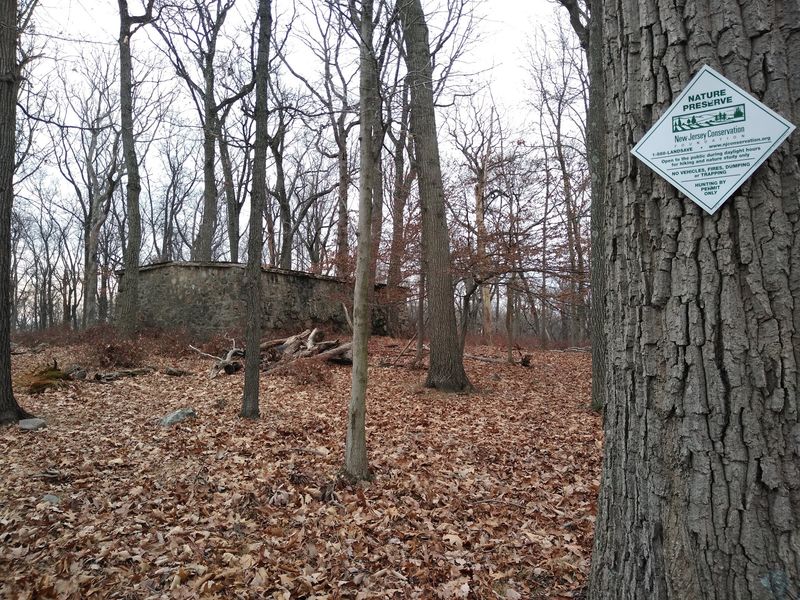
Here is the part of this story that requires a direct conversation. The Devil’s Tomb sits on private property, and that is not a minor detail. Visiting it without permission is trespassing, and there have been documented reports of teenagers being arrested for attempting to access the site.
The legend draws curious people, especially younger visitors who find the story through Weird NJ or social media. That curiosity is completely understandable. But the thrill of seeing a supposedly haunted structure is not worth a criminal record or the violation of someone’s private land.
Respecting property boundaries is part of being a responsible traveler and a decent neighbor. If you want to experience the legend, there are ways to do it without crossing a line. Drive Pennbrook Road, feel those famous bumps, look at the tree line, and let your imagination do the work.
Sometimes the idea of a place is more powerful than the place itself, and the Devil’s Tomb might be the perfect example of that truth.
Devil’s Tomb vs Devil’s Tower, Two Different Legends
New Jersey has more than one devilishly named landmark, and mixing them up is an easy mistake to make. The Devil’s Tomb in Far Hills is a completely separate location from Devil’s Tower in Alpine, New Jersey, and the two have nothing to do with each other beyond sharing a spooky nickname.
Devil’s Tower in Alpine is a gothic stone tower built in the early 1900s by a wealthy businessman named Manuel Rionda. It has its own set of dramatic legends, including stories about a wife’s tragic death and mysterious incidents involving workers.
It is a genuinely striking structure worth knowing about on its own terms.
The Devil’s Tomb, by contrast, is a much smaller and more obscure structure with a legend rooted in monastic trickery rather than wealthy eccentricity. Getting the two confused can lead you an hour in the wrong direction on a road trip.
Double-checking which location you are heading toward before you leave is the kind of small detail that saves a lot of frustration.
Why This Legend Still Matters Today
Stories like the Devil’s Tomb do something important for a community. They give ordinary roads and unremarkable-looking buildings a sense of depth and history, even when that history is more myth than fact.
Somerset County is a beautiful part of New Jersey, but it is not a place most people associate with legendary folklore.
The Devil’s Tomb changes that. It gives the area a narrative that people want to share, investigate, and argue about. That kind of engagement keeps local history alive in a way that museum plaques rarely achieve.
There is also something genuinely valuable about a legend that has survived this long without being fully explained or debunked. The structure is real. The road is real. The debate about what the building once was continues.
That combination of tangible evidence and unresolved mystery is exactly what makes the Devil’s Tomb worth knowing about, whether you believe the monks actually trapped something inside those stones or not.
Address: Pennbrook Road, Far Hills, NJ 07931
