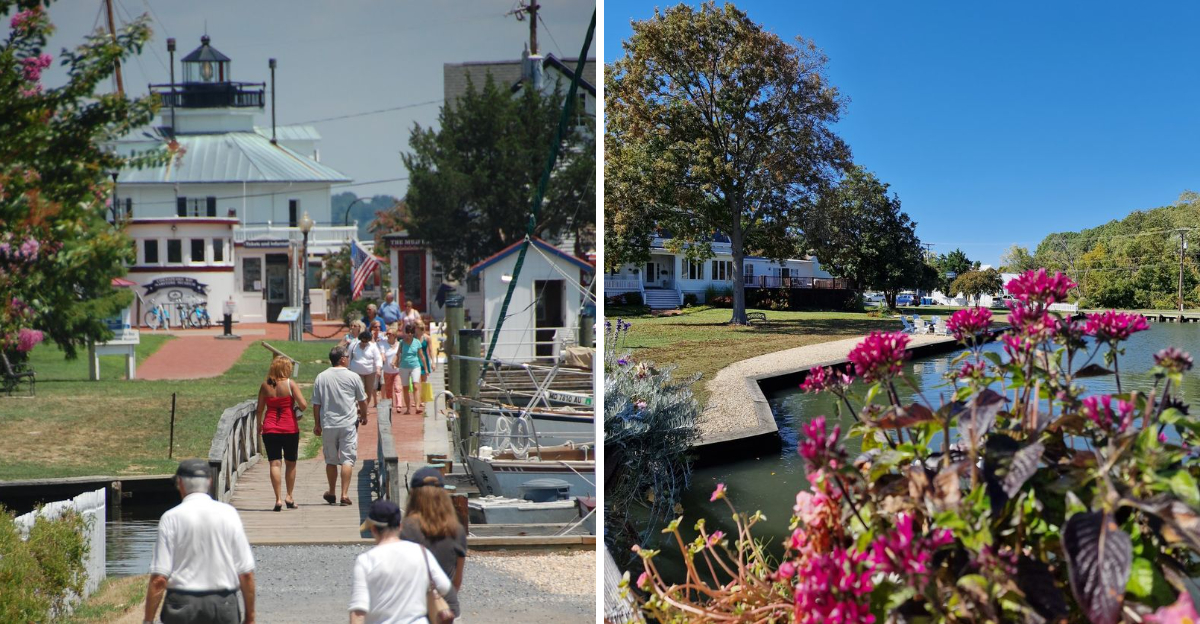
There is a sad irony in watching a place you love become overrun. This Maryland town is a perfect example.
Once a quiet, charming waterfront spot, it has been transformed by tourism. The streets are packed, the prices have climbed, and the locals have retreated.
Many residents will not even go downtown anymore, choosing to avoid the crowds and chaos. The town is still beautiful, but it does not feel the same.
A cautionary tale about what happens when a place gets too discovered. A reminder that progress is not always positive.
A Past Carved by Water, A Present Shaped by Visitors
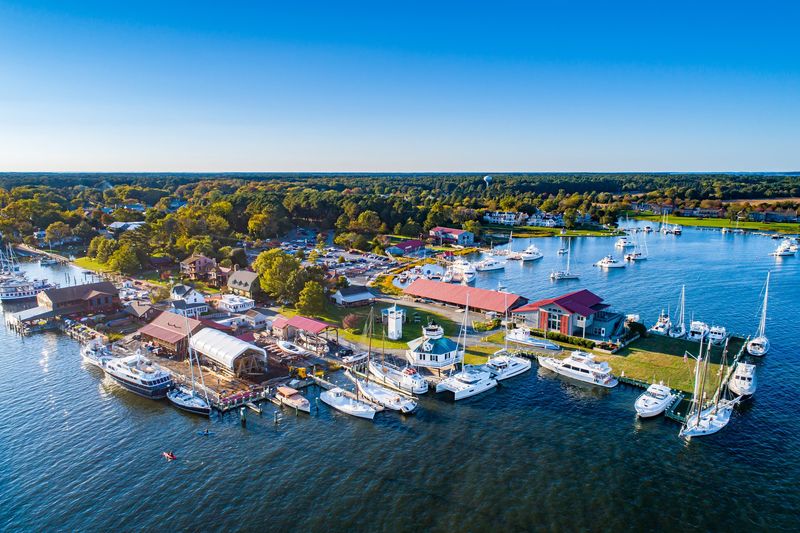
History has a funny way of making a place feel bigger than its size. Saint Michaels was founded in 1672 and quickly became a vital shipbuilding hub on the Chesapeake Bay, where skilled craftsmen shaped wooden vessels that traveled far beyond Maryland’s shores.
The town earned its most famous nickname during the War of 1812, when residents cleverly hung lanterns in treetops to fool British warships into misfiring, sparing most of the town from destruction.
That story still gets told with unmistakable local pride, and honestly, it should. After shipbuilding declined, the community turned to oystering and crabbing, industries that kept the waterfront alive and working for generations.
The identity of Saint Michaels was always tied to the water, not to tourism brochures.
Then came the late 20th century, when the town’s beauty and charm caught the attention of a wider audience. Weekenders from Washington D.C. and Baltimore began arriving in growing numbers, drawn by the historic streetscapes, the sailing culture, and the easy coastal pace.
Real estate followed, restaurants multiplied, and boutique shops filled spaces where hardware stores and bait shops once stood.
The shift was gradual, then suddenly very fast. Some longtime residents celebrate the economic growth, while others quietly mourn the loss of an ordinary Tuesday when you could park anywhere and know everyone in line at the coffee shop.
Saint Michaels is now a place defined as much by its visitors as by its people, a tension that makes it genuinely fascinating to explore.
Talbot Street on a Saturday, Brace Yourself
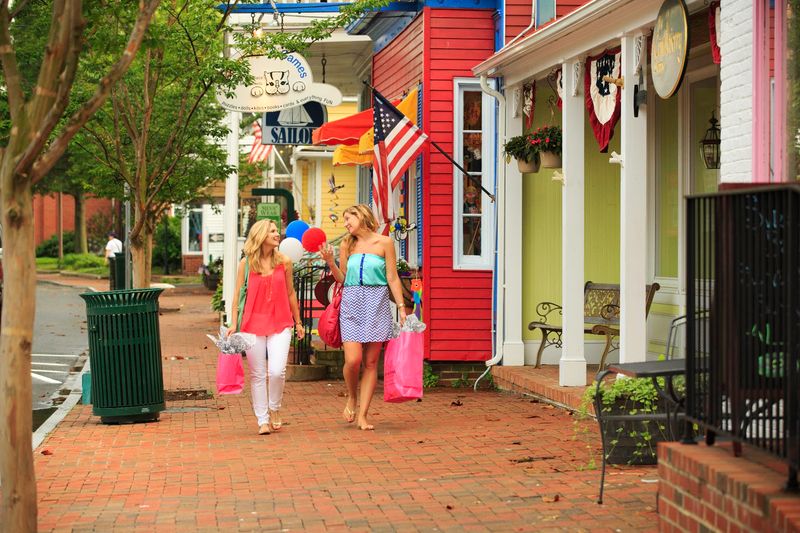
Talbot Street on a Saturday morning feels like someone turned up the volume on a quiet song you used to love.
The main commercial strip through downtown Saint Michaels is undeniably beautiful, lined with preserved 19th-century facades, window boxes spilling over with flowers, and shops that range from nautical antiques to upscale clothing boutiques.
It is genuinely lovely. It is also genuinely packed.
Pedestrians move in slow, wide clusters, stopping to photograph storefronts and peer into windows. Parking becomes a sport.
I watched one driver circle the same block three times before giving up entirely and walking from a side street two blocks away. That is Saint Michaels on a peak weekend, and if you come expecting a sleepy village, you will be surprised.
The shops themselves are worth browsing if you have patience. Independent retailers have curated collections of coastal home goods, artisan jewelry, and local art that you genuinely cannot find in a mall.
There is real character here, even if it now comes with a crowd. The storefronts have been lovingly maintained, and the architectural consistency of the district gives the whole street a cohesive, almost movie-set quality.
Locals who grew up here will tell you they avoid Talbot Street on weekends entirely, saving their errands for early weekday mornings when the town breathes again. That advice is worth taking seriously.
If you can visit on a Tuesday or Wednesday, the street transforms into something closer to what it once was, quieter, friendlier, and far easier to actually enjoy.
The Chesapeake Bay Maritime Museum, the One Thing Worth the Crowd
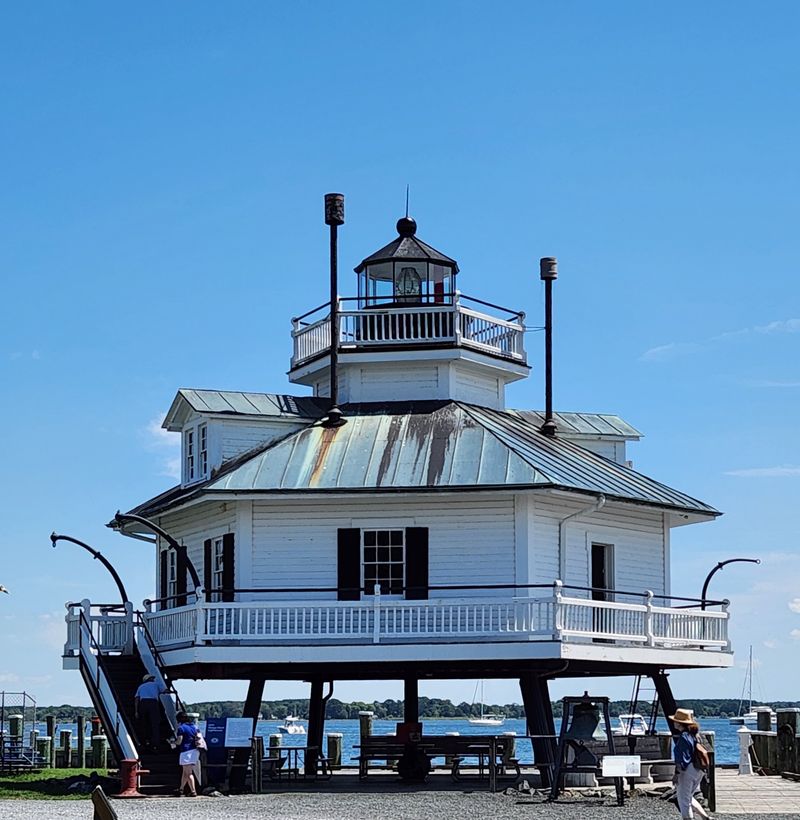
Some places justify a trip all on their own, and the Chesapeake Bay Maritime Museum is absolutely that kind of place.
Spread across an 18-acre waterfront campus on Navy Point along the Miles River, this museum tells the full, complicated, beautiful story of how the Chesapeake Bay shaped an entire region’s way of life.
It never feels like a dry history lesson. It feels alive.
The 1879 Hooper Strait Lighthouse is the visual centerpiece, and climbing it rewards you with sweeping views of the water that genuinely stop you mid-thought. The working boatyard is where things get especially interesting.
Skilled craftsmen restore traditional Chesapeake Bay vessels using techniques passed down over generations, and you can watch them work up close, which is far more compelling than any exhibit panel.
Indoor and outdoor exhibitions cover oystering, fishing, and the ecological story of the bay with real depth. The museum does not sugarcoat the environmental pressures facing the Chesapeake, which makes it feel honest rather than just celebratory.
That honesty earns trust.
For families, the museum offers hands-on activities and programming that keeps younger visitors genuinely engaged rather than restless. I spent nearly three hours here and still felt like I had missed things worth seeing.
It is the kind of attraction that makes the tourist crowd around it feel entirely forgivable, because what is inside is truly exceptional. The museum is located at 213 North Talbot Street, St. Michaels, MD 21663, right on the waterfront where it belongs.
The Historic District, Where Architecture Tells the Real Story
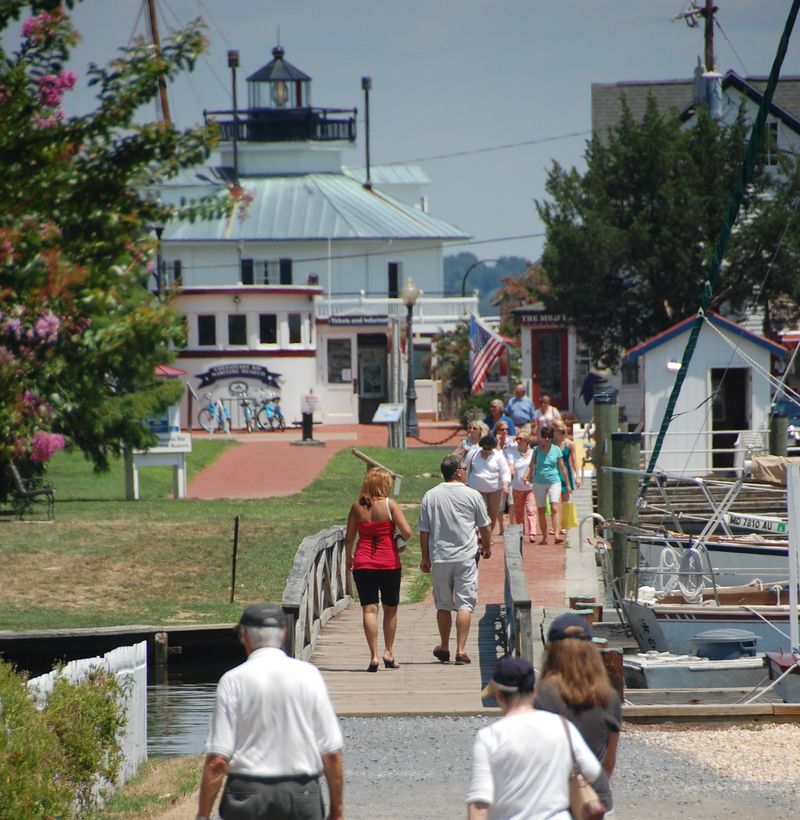
There is something quietly extraordinary about a town that has kept so much of its original architecture intact. The St. Michaels Historic District, established in 1972, covers a compact but richly layered collection of buildings spanning the late 18th century through the early 20th century.
Federal, Gothic Revival, and Italianate styles sit comfortably side by side, each one a small chapter in the town’s long story.
St. Mary’s Square is the original heart of it all. This central market square anchors the historic district and is home to the St. Michaels Museum, a modest but genuinely informative space that offers walking tours of the surrounding neighborhood.
The museum does a good job of connecting architecture to actual lives, showing how merchants, watermen, and families shaped the built environment over time.
Muskrat Park, hidden nearby, holds a historic cannon that adds an unexpected and slightly dramatic touch to an otherwise peaceful green space. It is the kind of small detail that rewards people who wander off the main street.
The residential streets surrounding Talbot are where the real beauty lives, quieter, shadier, and far less trafficked than the commercial core.
The commitment to preservation here is genuine and visible. Paint colors, rooflines, and signage all feel considered rather than slapped together for tourist appeal.
That discipline is what separates Saint Michaels from towns that have lost their architectural soul entirely to redevelopment. Even on a crowded weekend, stepping one block off Talbot Street into the historic residential areas feels like finding a different, calmer version of the same town.
Seafood, Dining, and the Art of Eating Well by the Water
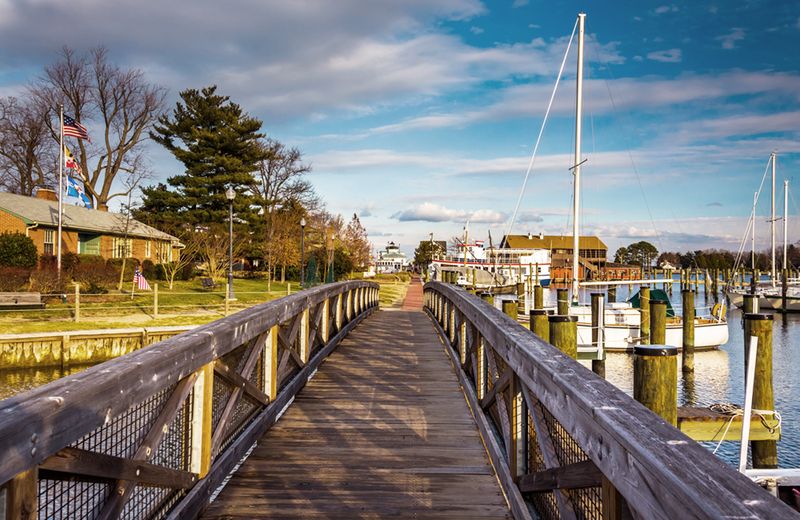
Eating in Saint Michaels is one of those experiences that reminds you why regional food culture matters. The Chesapeake Bay supplies the table here in a way that feels immediate and real.
Blue crabs, oysters, and rockfish are not just menu items; they are the reason people have been gathering around tables in this town for centuries. That connection to local waters gives even a casual meal a sense of place that is hard to manufacture.
The dining scene has grown considerably alongside the tourist boom, and the range now runs from casual waterfront spots to more polished sit-down restaurants with serious kitchens.
Quality varies, as it always does in any popular destination, so asking locals where they actually eat is still the best strategy.
The crowds have raised some prices and shortened some menus in the direction of crowd-pleasers, which is a trade-off worth knowing about before you arrive.
Beyond the seafood, you can find Italian-inspired dishes, Southern comfort food, and farm-to-table menus that draw on the Eastern Shore’s agricultural richness as much as its maritime bounty.
The Village Shoppe, located at 501 South Talbot Street in Historic St. Michaels, has deep local roots and offers prepared foods alongside high-quality local produce through its Gourmet by the Bay section.
It is a good reminder that not every worthwhile food experience in this town requires a reservation.
Early mornings are the best time to eat downtown. Fewer people, fresher air, and a pace that lets you actually taste what is in front of you rather than rushing through it to free up a table.
Shopping the Boutiques, Between Charm and Commercialization
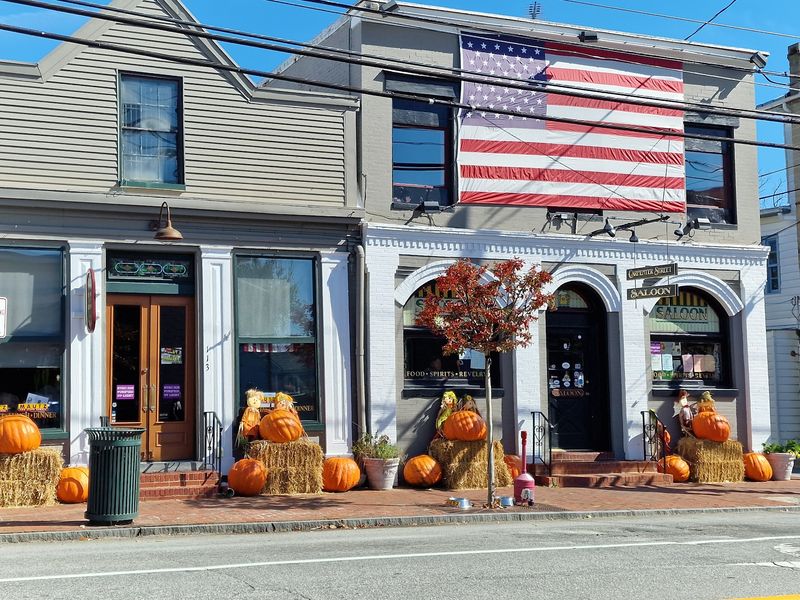
Saint Michaels has become a shopping destination whether it intended to or not. The boutiques that line Talbot Street and its surrounding blocks offer a genuinely eclectic mix of goods, and browsing them is one of the more enjoyable ways to spend a slow afternoon in town.
Coastal home decor, artisan jewelry, handmade ceramics, and nautical antiques fill shop windows in a way that feels curated rather than generic.
Antique hunters have good reason to make this a regular stop. Antiques On Talbot LLC, located at 211 N Talbot St, Suite 4, St. Michaels, MD 21663, is particularly well regarded for its nautical pieces and estate jewelry.
Each item seems to carry a story, and the staff are usually knowledgeable enough to help you figure out what that story might be. I once spent an embarrassingly long time in a shop like this trying to decide between two old oyster tins.
Both were worth it.
The tension in the shopping scene is real, though. As the tourist traffic has grown, some of the more practical, everyday businesses that locals once relied on have been replaced by gift shops and lifestyle boutiques that cater almost exclusively to weekend visitors.
That shift is felt more than seen, but it contributes to the sense that downtown Saint Michaels has been gradually redecorated for an audience that does not live there.
That said, the independent shop owners bring genuine passion to what they sell. Supporting them feels meaningful in a way that shopping in a chain store never does, and that is still a good reason to browse.
The Farmers Market and Community Events, Proof That Local Life Persists
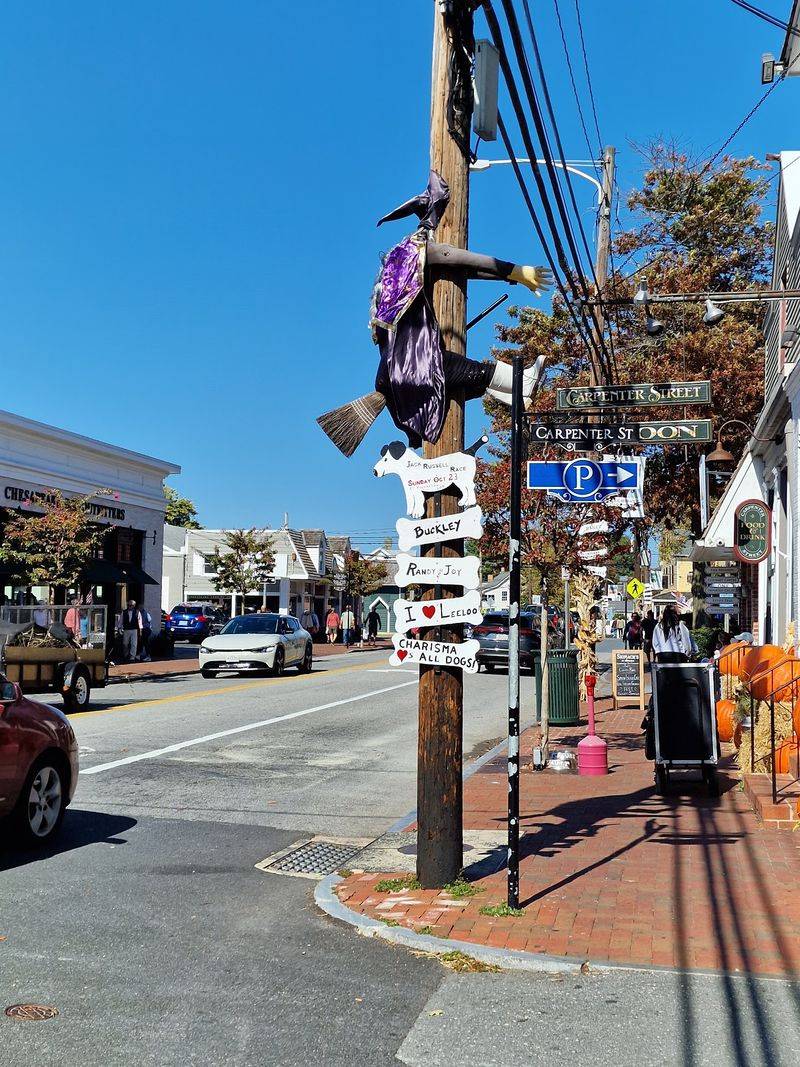
One of the clearest signs that Saint Michaels is not entirely lost to tourism is the farmers market, which has been running for over 25 years.
Every Saturday morning from April through November, local Eastern Shore farmers and food producers set up downtown, and the crowd that shows up is a genuine mix of residents and visitors.
It feels less like a performance and more like an actual community ritual, which is increasingly rare in towns this popular.
The market offers fresh produce, baked goods, local honey, and seasonal specialties that reflect the agricultural richness of the Eastern Shore. It is also just a nice place to be on a Saturday morning before the main tourist wave fully arrives.
The energy is relaxed. People talk to each other.
The vendors know many of their regular customers by name, which tells you something important about the market’s roots.
Beyond the market, organizations like the St. Michaels Business Association and St. Michaels in Bloom actively work to maintain the town’s character and appearance.
St. Michaels in Bloom is a volunteer group focused on beautification, and their work is visible in the flower boxes, planted medians, and maintained green spaces that make the town so photogenic.
These civic efforts are easy to overlook but deeply important.
Events and festivals throughout the year continue to bring residents and visitors together in ways that feel genuinely celebratory rather than purely commercial. That community heartbeat is quieter than it used to be, but it has not stopped.
Finding it just takes a little more intention than it once did.
The Waterfront and What Remains When the Crowds Go Home
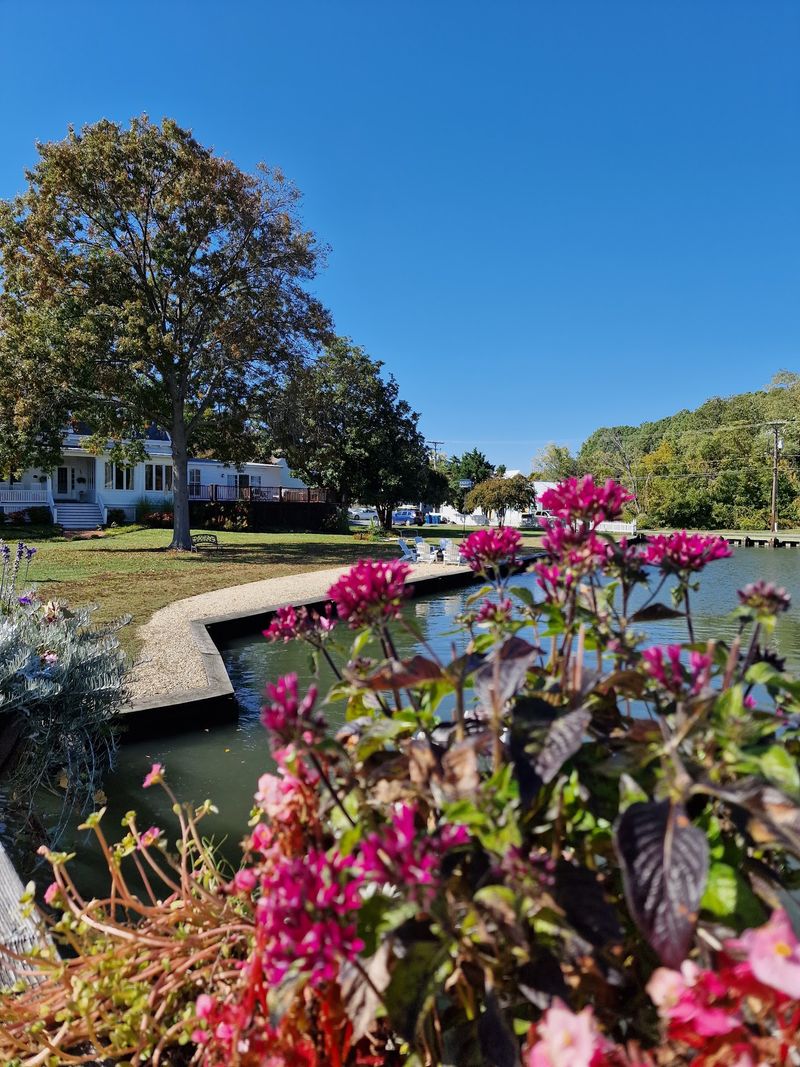
The Miles River does not care how many tourists show up on a given weekend.
It keeps moving with the same easy indifference it has always had, and sitting near its edge in the early evening, after most of the day visitors have packed up and headed back to the highway, is when Saint Michaels finally exhales.
The light on the water at that hour is genuinely something. Soft, golden, and completely unhurried.
Boat tours and charters run throughout the season, offering everything from sightseeing trips to crabbing excursions that let you engage with the bay rather than just look at it. Many visitors arrive by boat, using the full-service marinas that keep the waterfront active and purposeful.
There is something refreshing about a town where arriving by water is still a completely normal option.
The Inn at Perry Cabin sits at the elegant end of the waterfront experience, featuring a championship golf course designed by Pete Dye that uses the surrounding landscape beautifully.
It represents the higher-end tourism economy that has taken root here, and it does so with a certain grace that does not feel entirely out of place given the setting.
What remains when the crowds go home is the town’s original argument for itself: the water, the light, the unhurried pace of a place built around the rhythm of tides rather than traffic.
That version of Saint Michaels is harder to access than it used to be, but it is still there for anyone willing to show up early, stay late, or simply wander away from Talbot Street and listen.
Address: 201 Boundary Street, Saint Michaels, MD 21663
