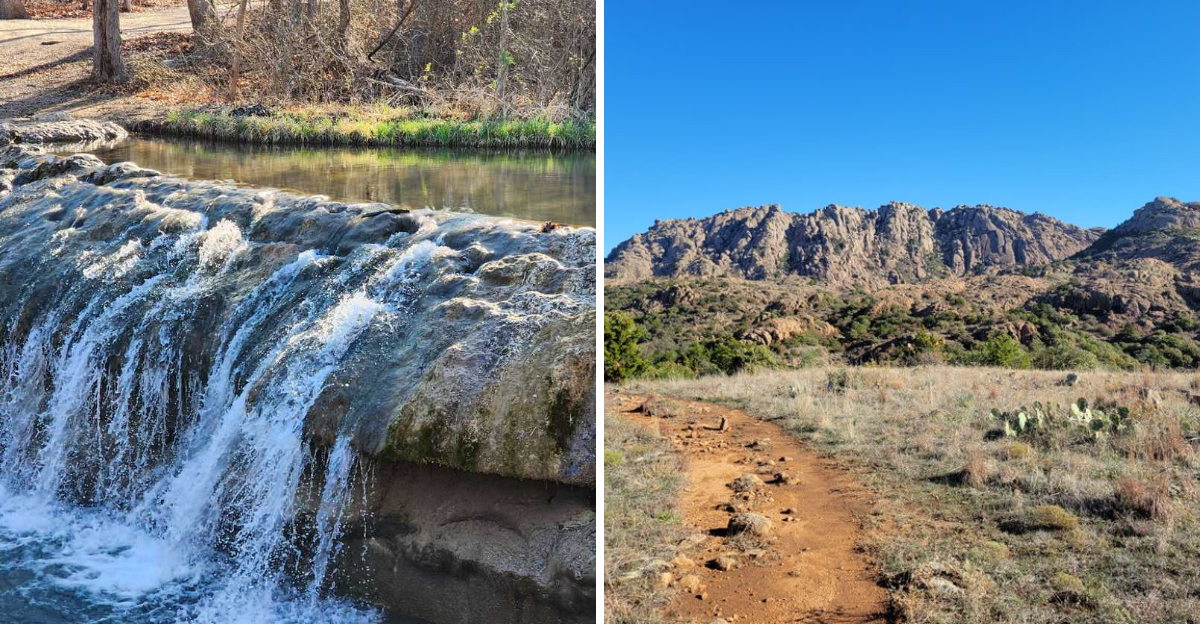
There was a time when Oklahoma’s outdoor spots felt like a shared secret. You could pull into a trailhead without circling for parking, hear your own footsteps on the path, and find a quiet overlook without competing for space.
I remember days when the loudest thing around was the wind. In 2026, that rhythm feels different.
Social feeds and travel features have shined a bright light on places that were never built for steady waves of visitors. Parking lots fill early.
Trails grow crowded. The calm that once defined these spaces can be harder to find.
More and more locals have started adjusting, showing up in the off-season, arriving at sunrise, or quietly crossing certain spots off their regular rotation altogether.
The Swimming Holes at Chickasaw National Recreation Area, Sulphur
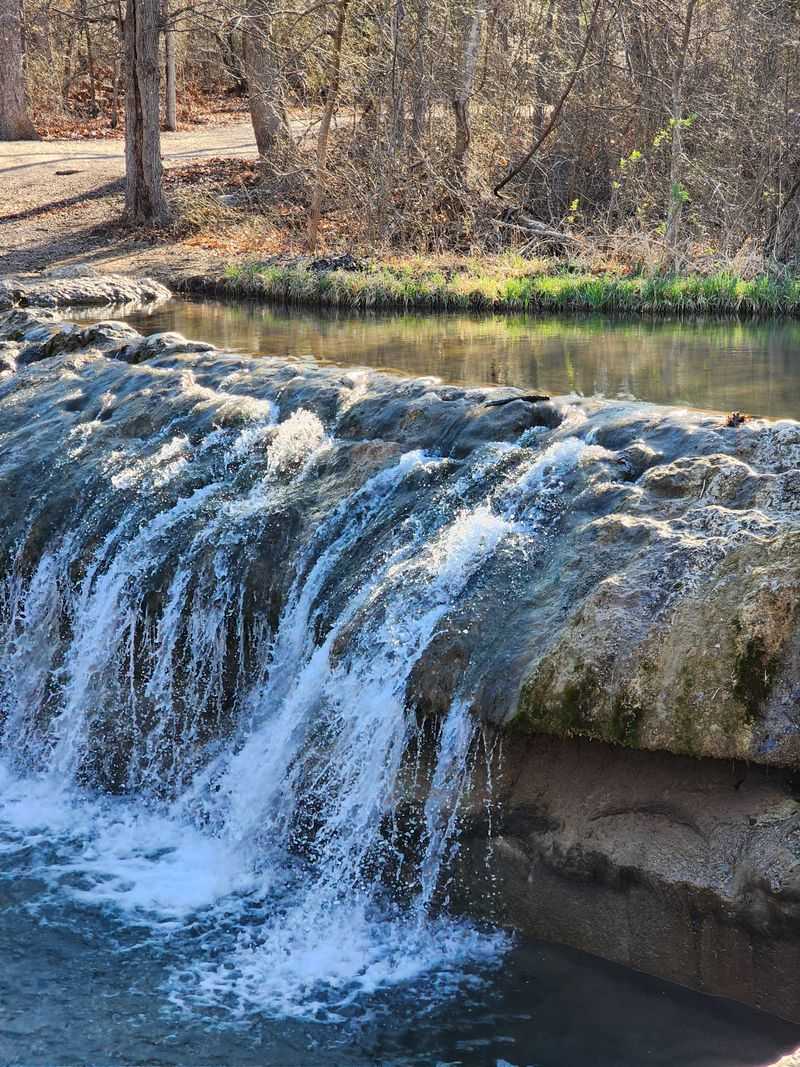
Little Niagara and Travertine Creek were once calm weekday retreats where locals could dip their toes without fighting for space. Now peak weekends bring packed parking lots and shoulder-to-shoulder swimmers who discovered these gems through Instagram posts and travel blogs.
The springs still flow with that same crystalline water, cold enough to make you gasp on hot July afternoons. But the experience has changed considerably since 2024, when visitor numbers jumped by nearly forty percent according to park records.
Families arrive before dawn to claim picnic tables near the water’s edge. By mid-morning, the swimming areas feel more like community pools than natural springs, with floaties bumping into each other and constant chatter replacing the peaceful sound of flowing water.
Longtime Sulphur residents remember when you could show up at noon on Saturday and still find a quiet spot under the cottonwoods. Those days feel like distant memories now, replaced by reservation systems and capacity limits that were never needed before.
The infrastructure hasn’t kept pace with demand either. Restroom lines stretch long during peak hours, and trash bins overflow faster than staff can empty them, creating maintenance challenges the park never faced in quieter years.
Locals have adapted by visiting at sunrise or waiting until September when school schedules thin the crowds. Some have stopped coming altogether, choosing instead to seek out lesser-known springs that haven’t made it onto viral travel lists yet.
The Lower Mountain Fork River Corridor, Broken Bow
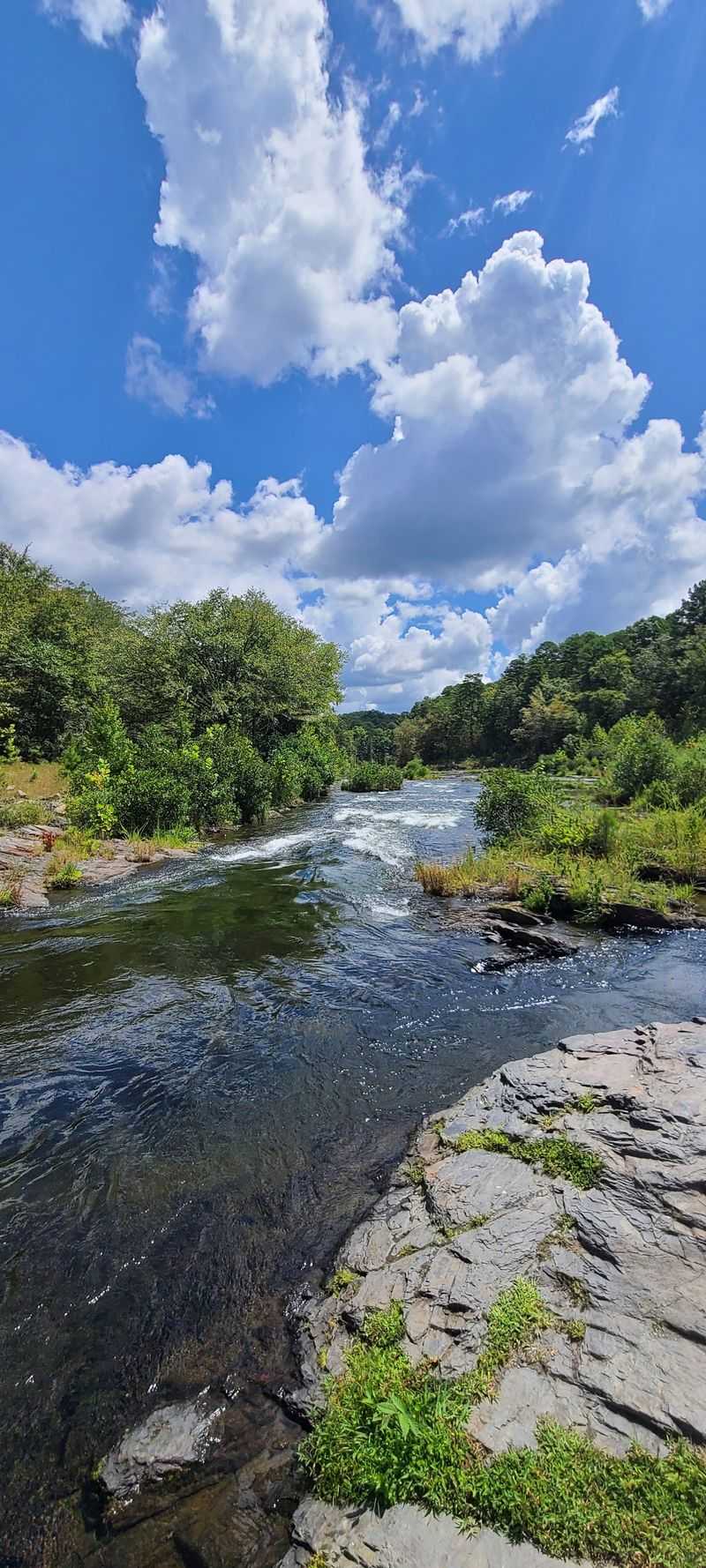
Broken Bow transformed from quiet fishing town to tourism hotspot faster than anyone expected. Cabins multiplied along the Lower Mountain Fork River corridor, and suddenly what felt like a local secret became a destination featured in every Southwest travel guide.
The river itself hasn’t changed. Water still runs clear and cold from Broken Bow Lake, creating perfect conditions for trout and smallmouth bass.
But finding elbow room during float season now requires strategic planning that would have seemed absurd five years ago.
Rental companies added hundreds of kayaks and tubes to meet demand from visitors driving in from Dallas, Tulsa, and beyond. Launch points that once served a dozen people per day now process hundreds, turning quiet put-ins into bustling staging areas with traffic jams on narrow forest roads.
Longtime anglers who used to wade the river in peaceful solitude now compete with flotillas of inexperienced tubers who sometimes don’t understand river etiquette. The clash between fishing culture and party-float culture has created tension that didn’t exist when visitor numbers were manageable.
Local outfitters appreciate the business growth, but many admit the character of the area has shifted. What made Broken Bow special was its remoteness and tranquility, qualities that become harder to maintain as popularity increases exponentially.
Residents now visit midweek or outside the prime floating months of May through August, reclaiming some of that original experience when crowds thin and the forest feels like theirs again.
Natural Falls State Park’s Waterfall Trail, West Siloam Springs
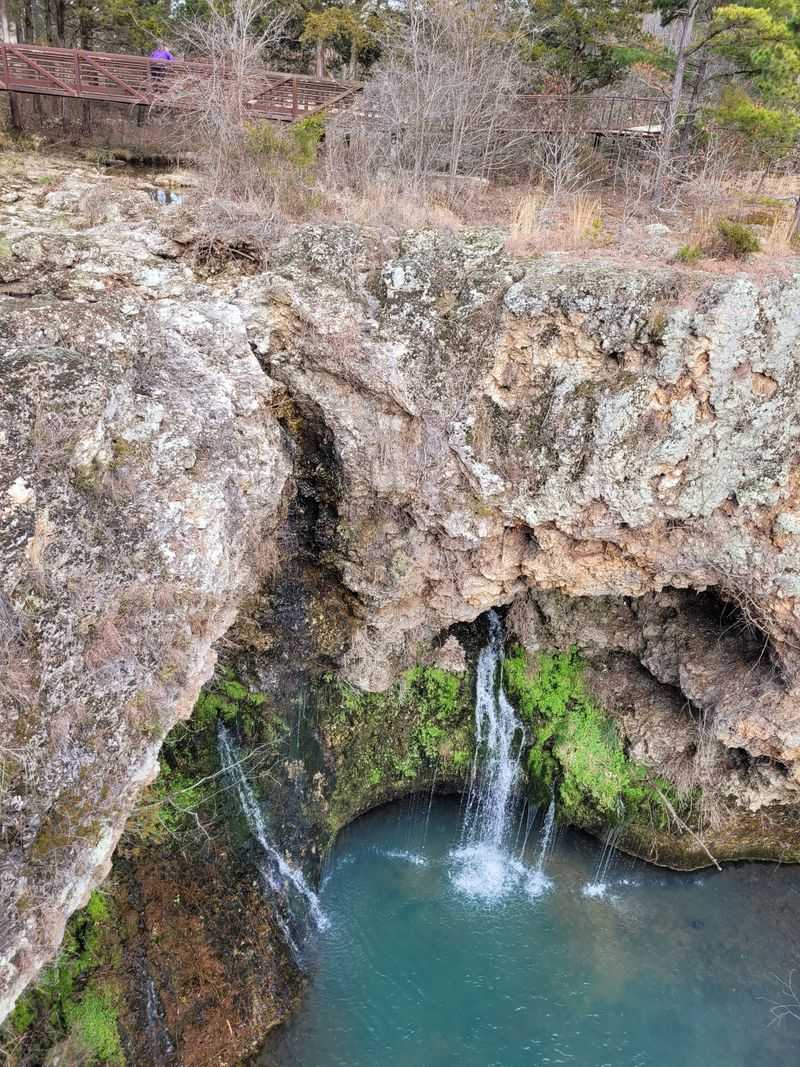
That 77-foot waterfall hasn’t gotten any taller, but the crowds gathering to photograph it certainly have grown. Natural Falls State Park sits tucked in Oklahoma’s northeastern corner, where it once served as a peaceful stop for locals seeking a quick nature fix without traveling far.
Social media changed everything here faster than at most Oklahoma parks. The dramatic drop and photogenic pool below became irresistible content for travel influencers, each post bringing waves of new visitors who wanted their own version of that perfect shot.
The overlook area, built decades ago for modest visitor numbers, now feels cramped during prime hours. People jostle for position at the railing, and getting a photo without strangers in the background requires patience or very early arrival times.
What used to feel like quiet immersion in nature has shifted toward a shared spectacle experience. Conversations echo off the rock walls, and the constant click of camera shutters replaces what locals remember as peaceful moments listening to rushing water.
Park rangers have added more signage and improved trail maintenance to handle increased foot traffic, but they can’t expand the viewing platform without major construction that would alter the natural setting people come to see.
West Siloam Springs residents still visit, but many have learned to come on weekday mornings or during light rain when tourist numbers drop. The waterfall looks just as beautiful then, and you might actually hear it over the crowd noise.
Charon’s Garden in the Wichita Mountains, Lawton
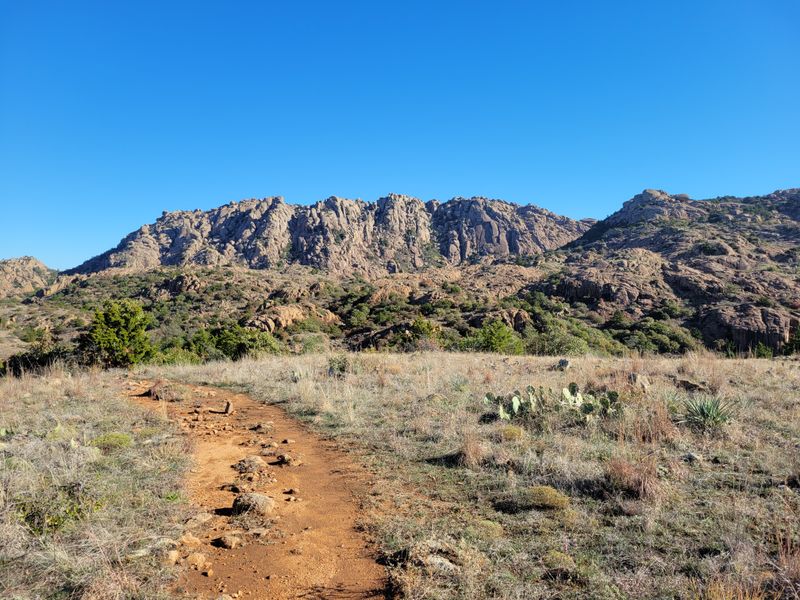
Massive granite boulders scattered across prairie grassland create a landscape that feels almost otherworldly. Charon’s Garden earned its name from the mythological ferryman, and the trail through this boulder field once offered a remote hiking experience despite sitting within popular Wichita Mountains Wildlife Refuge.
The refuge itself has always attracted visitors, but Charon’s Garden maintained a reputation as the spot for people willing to hike a bit farther. That reputation held until outdoor recreation blogs and climbing forums spread the word about the unique rock formations and scrambling opportunities.
Parking at the trailhead now fills completely on weekend mornings, with overflow vehicles lining the roadway in ways that create safety concerns. Rangers regularly patrol the area now, something that wasn’t necessary when visitor numbers stayed manageable.
The boulders themselves show signs of increased traffic. Chalk marks from climbers appear more frequently, and popular scrambling routes have developed worn paths that contrast with the surrounding native grasses trying to recover from trampling.
Solitude has become the scarcest resource here. You used to be able to find a boulder all to yourself for meditation or photography, but now you’re likely to encounter other hikers around every massive rock formation.
Lawton locals who grew up exploring these rocks now arrive at dawn or choose weekdays for their visits. Some have shifted to lesser-known boulder fields in the refuge that haven’t appeared in climbing guides yet, hoping to preserve a bit of that original experience before those spots get discovered too.
The Talimena Scenic Drive Pull-Offs
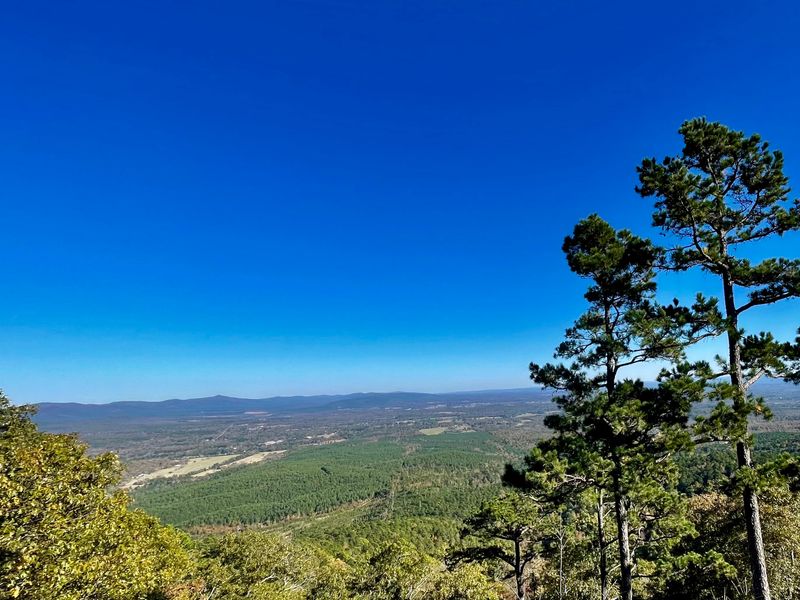
Fifty-four miles of winding mountain road connect Talimena, Oklahoma with Mena, Arkansas, climbing through the Ouachita Mountains with vista points that once offered peaceful contemplation of endless forested ridges. Fall foliage season always brought visitors, but the scale has changed dramatically in recent years.
October weekends now turn quiet vista stops into busy photo zones where finding parking requires circling back multiple times or settling for roadside spaces that feel less than safe.
Cars idle in pull-offs while passengers snap quick photos before moving on, creating a drive-through experience rather than the lingering appreciation the views deserve.
The most popular overlooks, particularly Queen Wilhelmina State Park and the higher elevation stops, see bumper-to-bumper traffic during peak color weeks. What should be a leisurely scenic drive becomes a slow procession with frequent brake lights and limited passing opportunities.
Locals who have driven this route for decades remember when you could stop at any pull-off and have it to yourself for twenty minutes. Now that happens only on weekday mornings in non-autumn months, if you’re lucky.
The trees still put on their annual show with the same brilliant reds, oranges, and yellows. But experiencing that beauty now means competing with hundreds of others who saw the same fall foliage prediction posts on social media and decided this was the weekend to make the drive.
Many residents avoid the Talimena completely during October now, saving their visits for early spring when wildflowers bloom or late winter when ice occasionally transforms the landscape into a different kind of scenic wonder that hasn’t been widely promoted yet.
Turner Falls Park Swimming Areas, Davis
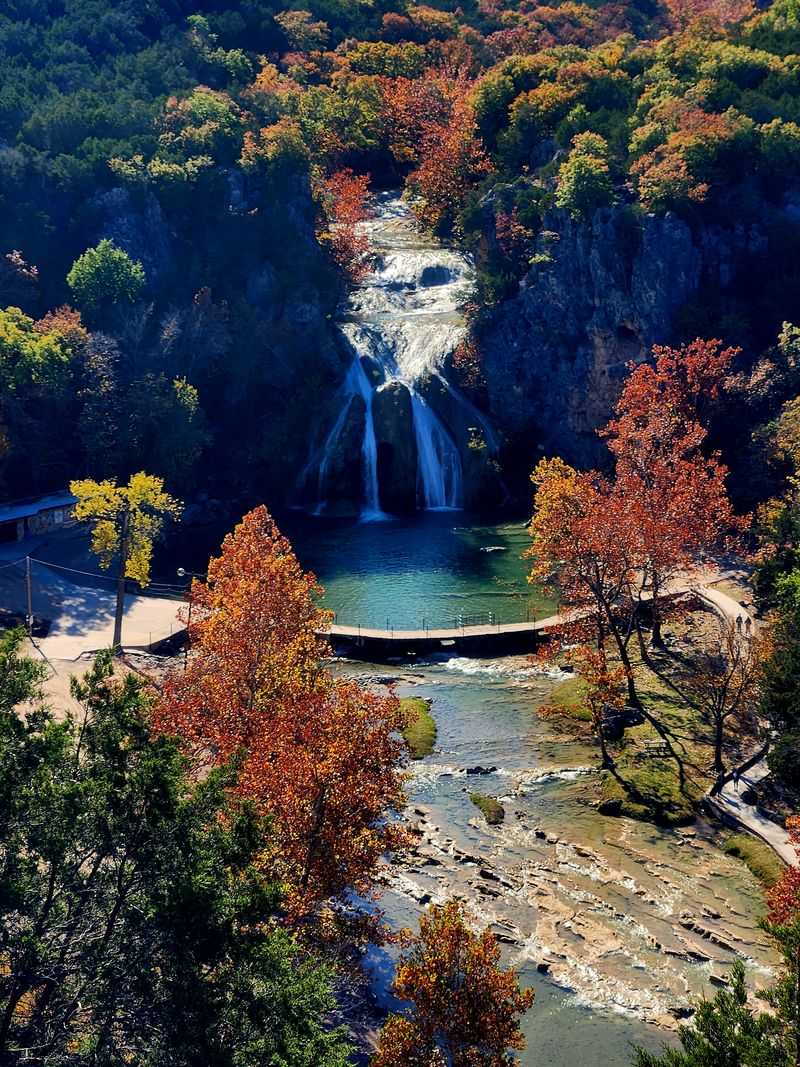
Oklahoma’s tallest waterfall has never been a secret. Turner Falls Park has drawn swimmers and picnickers for generations, making it one of the state’s most established tourist attractions.
But veteran visitors say something shifted in the past few years as visitor volume intensified beyond what even this popular spot was accustomed to handling.
The 77-foot falls still cascade into pools below, and the swimming holes still offer relief from Oklahoma heat. However, capacity limits now regulate entry during peak summer days, something that wasn’t necessary until recently when overcrowding became a safety concern.
Weekend arrivals often find the park at capacity before noon, forcing them to wait in line or turn back entirely. Inside, the swimming areas feel packed shoulder-to-shoulder, with finding a spot to lay out a towel becoming a competitive sport that requires early arrival and quick claiming of any available space.
The atmosphere has changed from relaxed family outings to managed crowd control. Staff monitor capacity constantly, and the laid-back vibe that characterized Turner Falls for decades has given way to a more structured, regulated experience necessary for handling thousands of visitors safely.
Infrastructure improvements have helped somewhat. Additional parking, upgraded facilities, and better signage make the park more functional for large crowds.
But functionality doesn’t replace the spacious, unhurried feeling longtime visitors remember from years past.
Davis residents still visit Turner Falls, but many now consider it a once-per-summer destination rather than the regular weekend hangout it used to be. They’ve learned which hours to avoid and when crowds thin enough to recapture some of that original experience.
Lake Overholser’s Dam and Spillway Walks, Oklahoma City
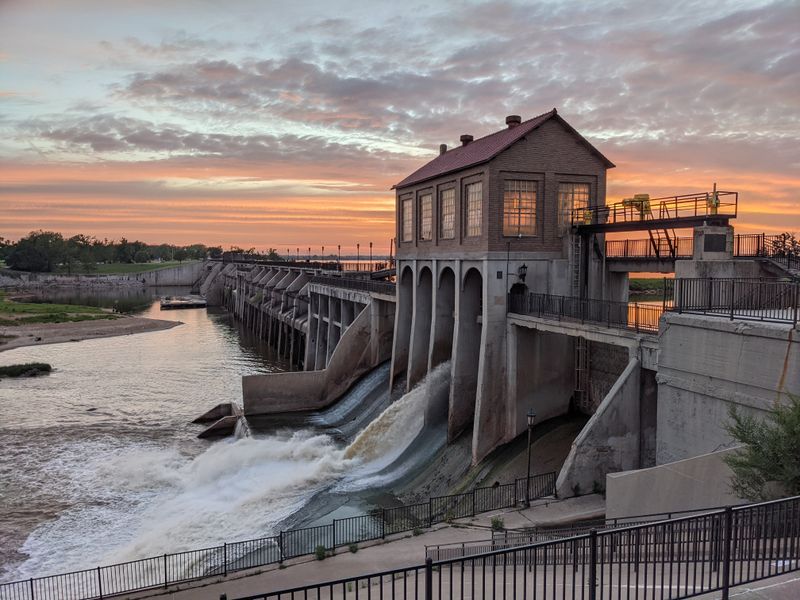
Once a quiet walking and birding area known mainly to Oklahoma City locals, the dam walkway and spillway at Lake Overholser gained unexpected traction through viral photos and sunset posts that spread across social media platforms.
What began as a hidden urban nature spot became a trending location almost overnight.
The transformation caught longtime visitors off guard. People who had walked the dam for years suddenly found themselves navigating around groups of photographers setting up tripods for golden hour shots and couples posing for engagement photos against the spillway backdrop.
Weekend foot traffic has increased significantly, especially during cooler months when Oklahoma weather makes outdoor walking pleasant.
The dam walkway, never designed as a major pedestrian thoroughfare, now handles volumes that create congestion during peak evening hours when sunset seekers converge.
Birding enthusiasts who appreciated the area for waterfowl viewing now compete for space at prime observation points. The increased human activity has even altered bird behavior patterns, with some species becoming more skittish or relocating to quieter sections of the shoreline.
Parking near the dam area fills quickly on pleasant evenings, forcing visitors to park farther away or circle repeatedly hoping for an opening. What used to be a spontaneous stop on an evening walk now requires planning and timing to avoid the busiest periods.
Oklahoma City residents still value Lake Overholser as an accessible nature area within city limits, but many now visit during weekday mornings or skip the dam area entirely in favor of less-trafficked sections of the lake’s perimeter where they can still find the peaceful experience they remember.
Robbers Cave State Park Trails, Wilburton
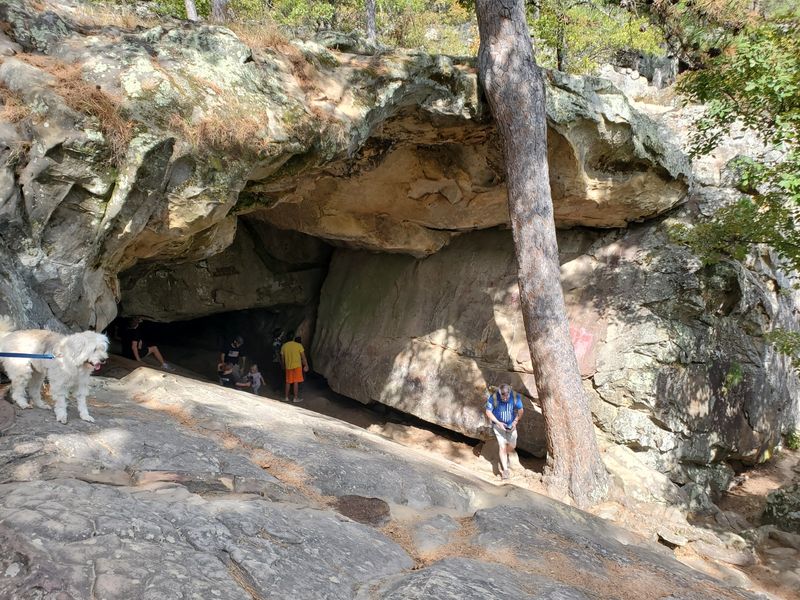
Legend says outlaws once hid in these sandstone caves, and for years the park maintained that sense of hidden refuge where visitors could explore rugged terrain without encountering crowds.
The cave area and surrounding bluff trails have long been popular with Oklahoma outdoor enthusiasts, but increased hiking and camping demand has made some weekends feel genuinely congested.
Spring and fall bring the heaviest traffic now, with parking near trailheads filling completely by mid-morning.
Popular routes to the cave itself see steady streams of hikers, turning what used to feel like adventure into a queue-based experience where you wait your turn to enter the cave or photograph the rock formations.
Camping reservations book months in advance for prime weekends, a sharp contrast to years past when showing up without a reservation on Friday afternoon could still land you a decent site. The park’s camping infrastructure, built decades ago, strains under demand that exceeds original capacity planning.
Trail conditions reflect the increased use too. Erosion has accelerated on popular paths, requiring more frequent maintenance and occasional closures for repairs.
Roots and rocks that used to be natural obstacles now sit exposed and worn smooth from thousands of boot prints.
Wilburton residents who grew up hiking these trails remember when encountering another group was noteworthy rather than constant. That solitude made Robbers Cave feel wild and adventurous, qualities that diminish when you’re never out of sight of other hikers.
Many locals have adapted by exploring lesser-used backcountry routes that require more navigation skills and effort, effectively trading convenience for the isolation that used to come standard throughout the park.
Blue Hole Park in Salina
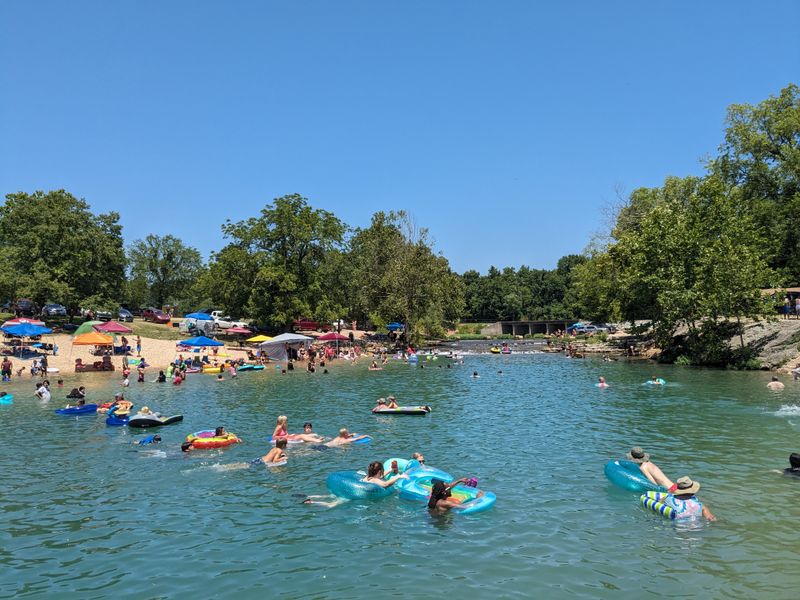
Spring-fed water bubbles up constantly at Blue Hole, maintaining a cool temperature that makes this small-town swimming spot irresistible during Oklahoma summers.
For generations, Salina locals treated this as their neighborhood pool, a place where everyone knew everyone and summer afternoons passed in easy familiarity.
That changed when social media exposure drew attention from beyond Mayes County. Travel bloggers discovered Blue Hole’s photogenic qualities and its convenient location off Highway 412, making it an easy stop for road-trippers.
Each post brought more regional visitors who had never heard of Salina before but suddenly added Blue Hole to their summer destination lists.
Hot weekends now draw crowds that overwhelm the small park’s capacity. Parking spills onto residential streets, frustrating neighbors who never expected their quiet town to become a tourism destination.
The grass areas around the swimming hole show wear from constant foot traffic that exceeds what the space was designed to handle.
Local families who used to spend entire summer days here now find themselves competing for space with strangers from Tulsa, Oklahoma City, and beyond. The intimate, community feel that defined Blue Hole for decades has been replaced by the anonymous crowding of a popular public pool.
Town officials have discussed implementing parking restrictions and possibly charging admission fees to manage crowds and fund improvements, conversations that would have seemed absurd five years ago when Blue Hole was just Salina’s little secret.
Early morning visits have become the preferred strategy for locals seeking that original quiet experience, arriving before the heat draws regional crowds looking for cool relief and that perfect swimming hole photo for their feeds.
Dear Reader: This page may contain affiliate links which may earn a commission if you click through and make a purchase. Our independent journalism is not influenced by any advertiser or commercial initiative unless it is clearly marked as sponsored content. As travel products change, please be sure to reconfirm all details and stay up to date with current events to ensure a safe and successful trip.
