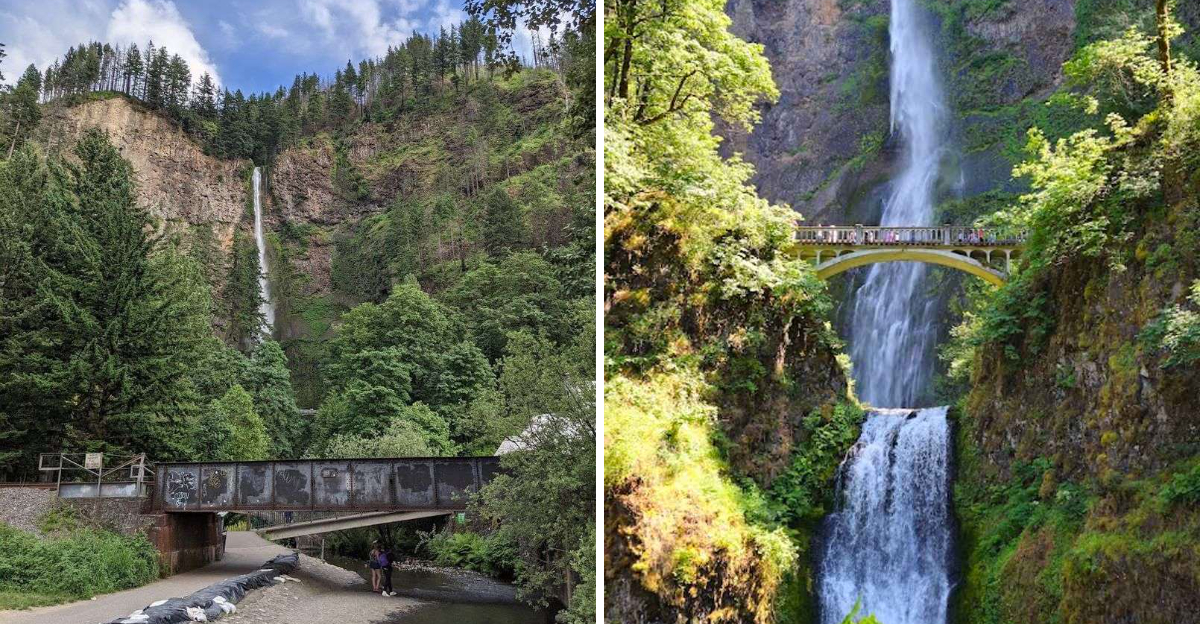
The Columbia River Gorge used to be a peaceful escape where locals could hike, breathe fresh air, and enjoy waterfalls without fighting for parking. Those days feel like ancient history now.
By 2026, this stunning stretch of Oregon has become so packed with visitors that the people who’ve lived here for years are reaching their breaking point. Traffic jams stretch for miles, trails get trampled beyond recognition, and the quiet beauty that made this place special is drowning under the weight of too many feet.
It’s not that locals hate sharing their backyard, but when your favorite trail requires a permit and the parking lot looks like a shopping mall on Black Friday, frustration builds fast.
Understanding what’s happening here matters because it’s a warning sign for beloved natural areas everywhere.
Overwhelming Crowds Transform Once-Peaceful Trails
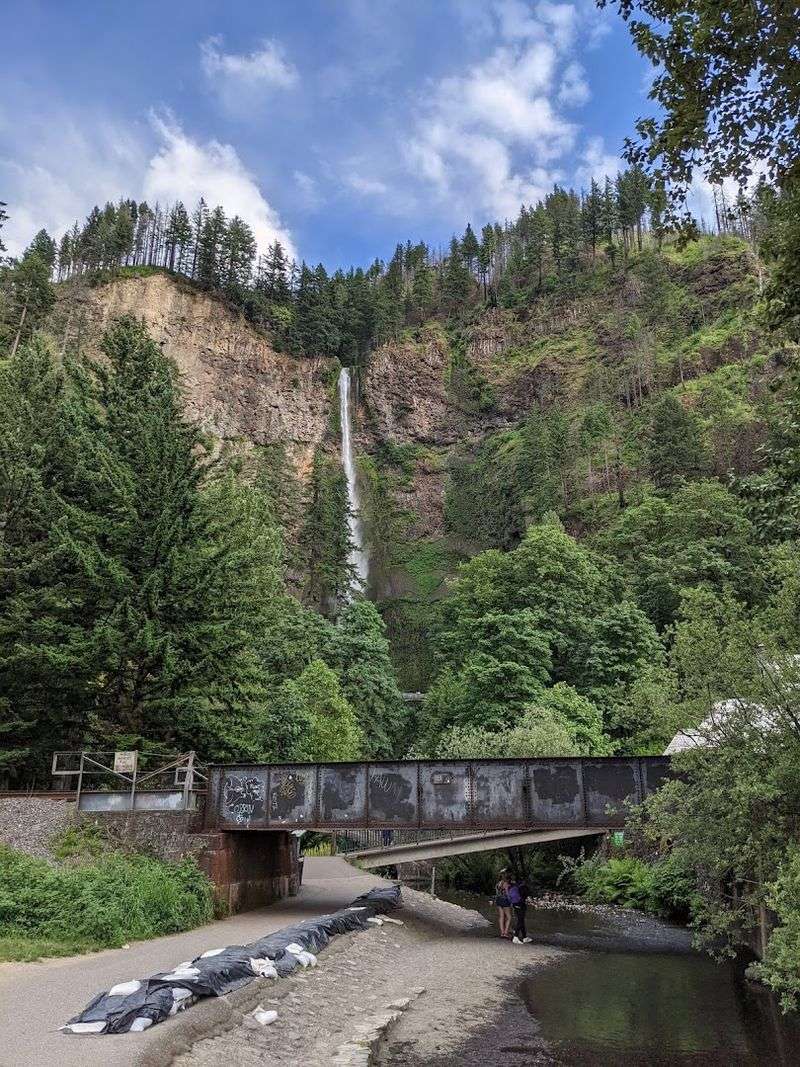
Walking these trails used to mean hearing birdsong and waterfall thunder, not constant chatter from hundreds of strangers. Locals remember when showing up on a Saturday morning guaranteed solitude and connection with nature.
Now, popular paths like the one leading to Multnomah Falls feel more like theme park queues than wilderness experiences.
The sheer number of people changes everything about how these trails function. You can’t stop to take photos without blocking traffic.
Quiet moments of reflection become impossible when someone’s always talking loudly behind you. The experience shifts from peaceful exploration to crowd management.
Early morning visits now require arriving before dawn just to find parking. Even then, you’re racing against tour buses and social media influencers hunting for the perfect shot.
The trails themselves show wear patterns that decades of moderate use never created, with widened paths and eroded edges becoming the new normal across Oregon’s gorge.
Parking Nightmares Create Hours of Delays
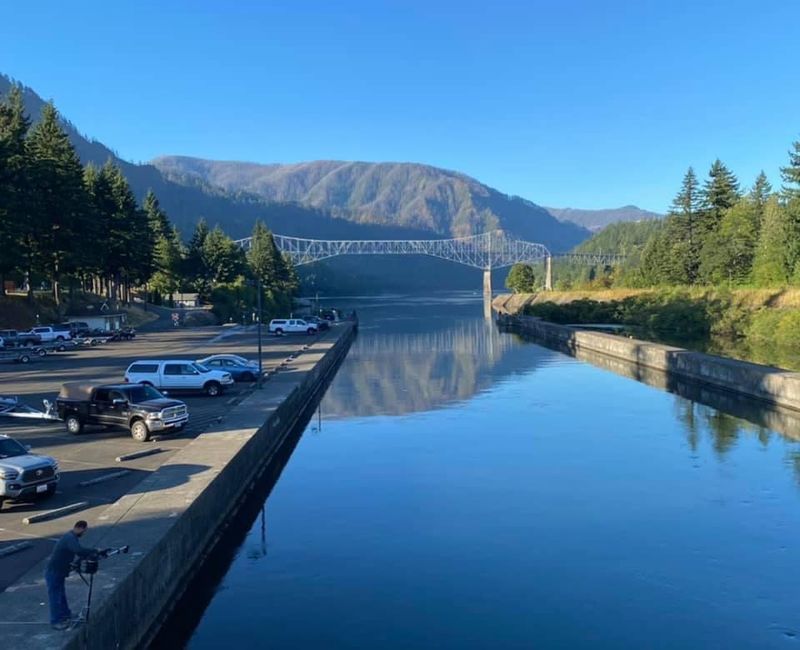
Finding a parking spot has evolved from a minor inconvenience into a major expedition that can eat up half your day. Locals who once pulled up casually now circle lots for an hour or more, watching out-of-state plates take the last available spaces.
Some people park illegally along narrow roads, creating safety hazards and blocking emergency vehicle access.
The parking situation gets particularly absurd near Multnomah Falls, where the lot fills completely by 8 a.m. on weekends. Visitors unfamiliar with the area often park in spots that aren’t actually parking spaces, leading to bottlenecks and angry confrontations.
Rangers spend more time directing traffic than protecting the environment.
This parking crisis affects local residents who just want to grab groceries or visit neighbors. Their daily routines get interrupted by tourist vehicles clogging every available roadside space.
The Columbia River Gorge’s infrastructure was never designed for this volume of cars, and the mismatch creates frustration that builds with every passing weekend throughout Oregon.
Environmental Damage Accelerates Beyond Repair
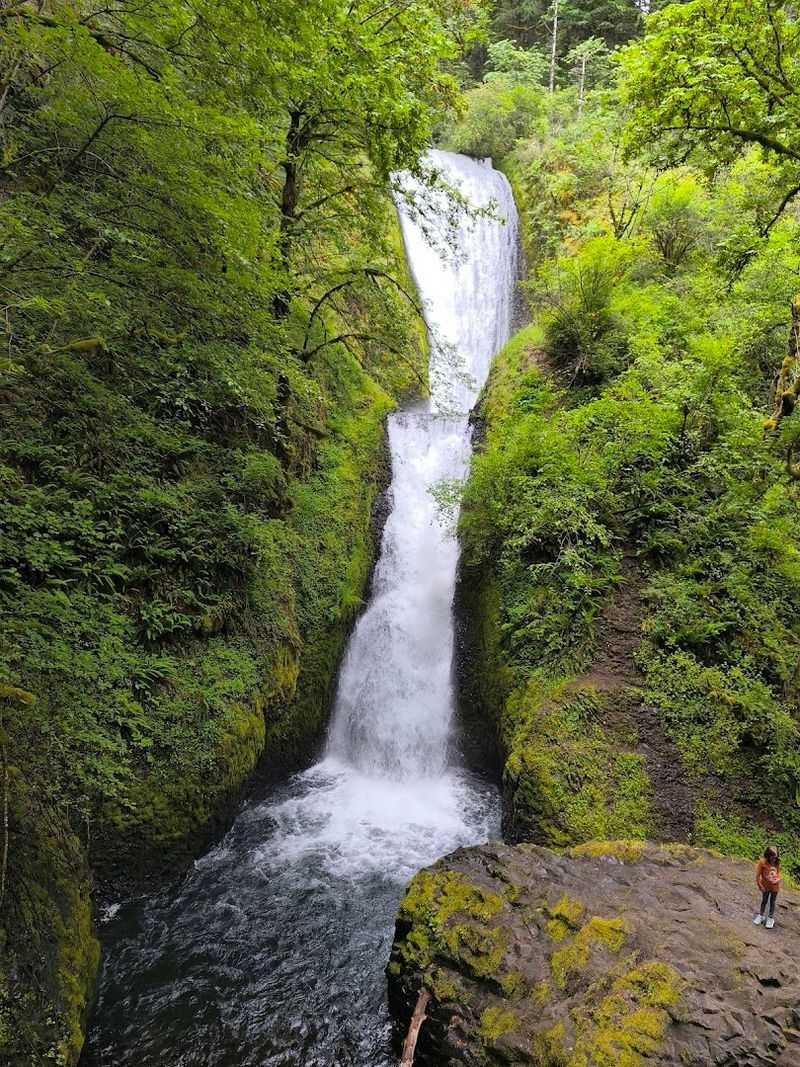
Heavy foot traffic doesn’t just wear down trails; it fundamentally alters the ecosystem in ways that take decades to recover. Native plants get crushed under thousands of boots weekly, creating bare patches where erosion takes hold.
Soil compaction prevents new growth, and delicate wildflowers that once lined paths have disappeared entirely from high-traffic areas.
Off-trail exploration compounds the problem as visitors wander into protected zones searching for unique photo angles. Moss-covered rocks that took centuries to develop get scraped clean in a single season.
Stream banks crumble when people wade into water for better waterfall views, muddying habitats that fish and amphibians depend on for survival.
Wildlife behavior changes too, with animals avoiding areas they’ve used for generations because constant human presence drives them away. The ecological balance that made Oregon’s gorge so special is tipping toward permanent damage.
Scientists warn that some impacts may be irreversible without immediate intervention and significantly reduced visitor numbers across the Columbia River Gorge trails.
Sanitation Issues Plague Popular Spots
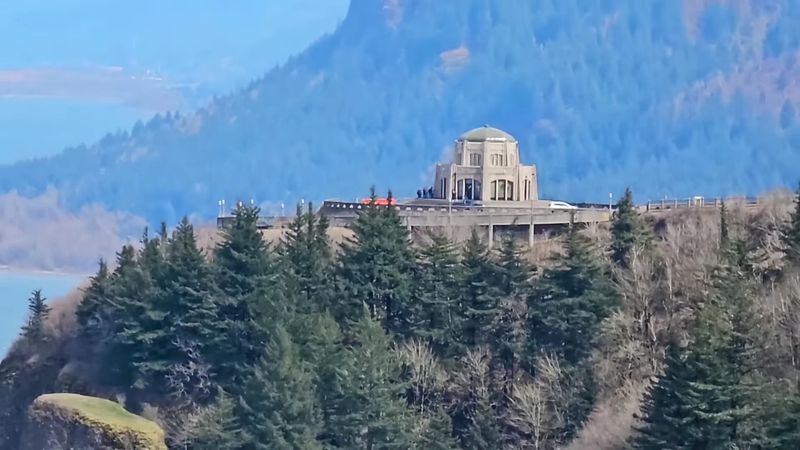
When thousands of people visit daily, basic human needs create problems that overwhelm existing facilities. Restrooms at trailheads run out of supplies by midmorning, and lines stretch so long that desperate visitors head into the woods instead.
This creates unsanitary conditions and damages vegetation while leaving unpleasant surprises for other hikers to discover.
Trash becomes another massive headache as bins overflow faster than maintenance crews can empty them. Food wrappers, water bottles, and disposable items litter trails despite clear signage asking people to pack out what they bring.
Some visitors seem to think leaving trash near a full bin counts as responsible disposal, creating garbage mountains that attract wildlife into dangerous situations.
Local volunteers organize regular cleanup efforts, but they can’t keep pace with the constant influx of waste. The pristine beauty that draws people to Oregon’s Columbia River Gorge gets buried under the very evidence of that popularity.
Sanitation infrastructure built for modest visitor numbers simply cannot handle today’s crowds without major upgrades and funding increases.
Permit Systems Frustrate Spontaneous Visits
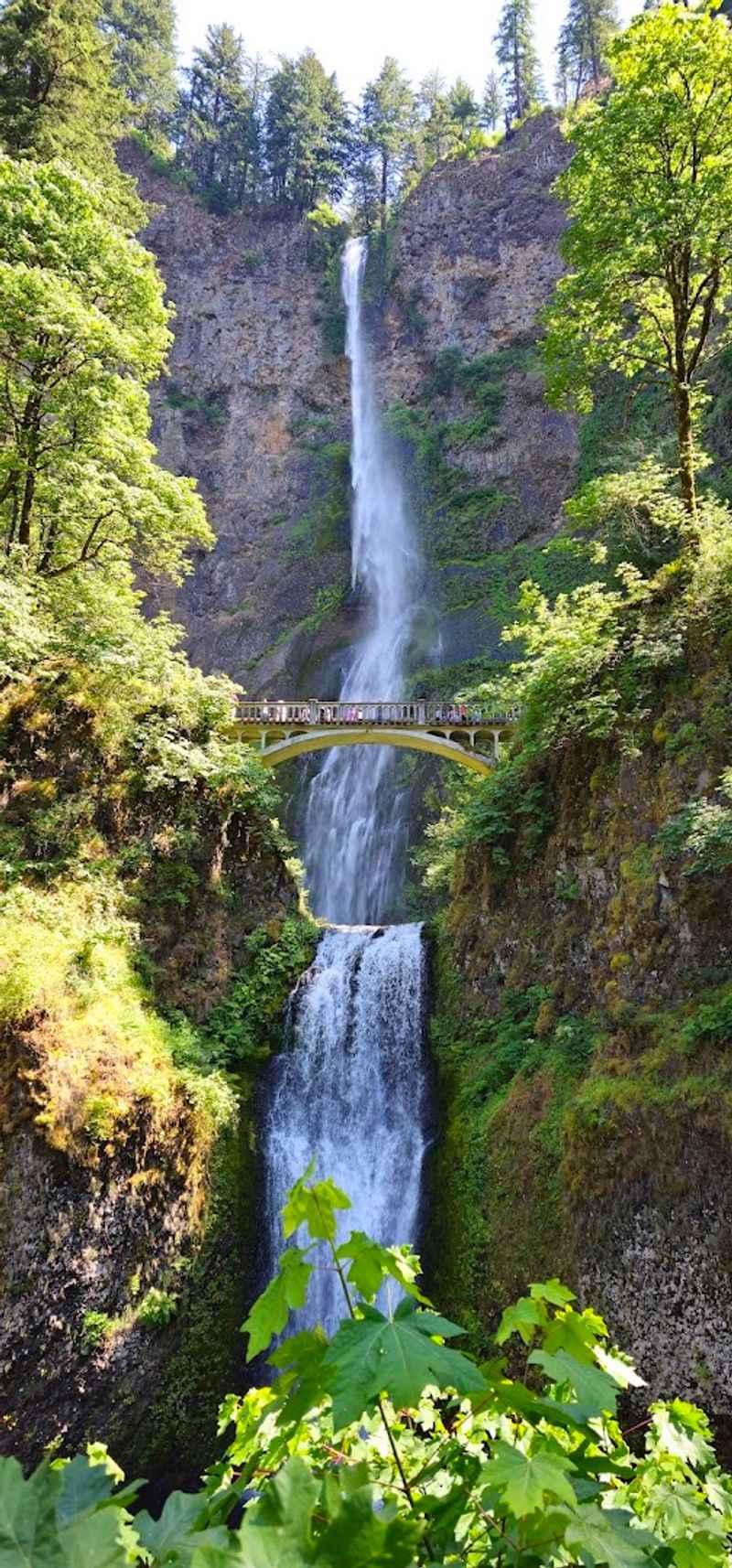
Officials introduced permit requirements to control crowds, but the system creates its own set of frustrations for people who’ve hiked these trails freely for years. Locals who want to show visiting relatives around their hometown now need to plan weeks ahead and hope permits remain available.
The spontaneity that made weekend hikes special has been regulated out of existence.
The online reservation system crashes during peak booking times, and permits sell out within minutes for popular locations like Multnomah Falls. People without reliable internet access or tech skills face disadvantages in securing spots.
Some locals feel like they’re being priced out of their own backyard through bureaucratic barriers that favor tech-savvy tourists.
Enforcement adds another layer of complexity, with rangers checking permits at trailheads and turning away people who didn’t realize they needed advance reservations. Well-meaning visitors who drove hours to reach Oregon’s Columbia River Gorge get disappointed, while locals resent needing permission to access places they’ve considered community spaces throughout their lives.
Infrastructure Crumbles Under Pressure
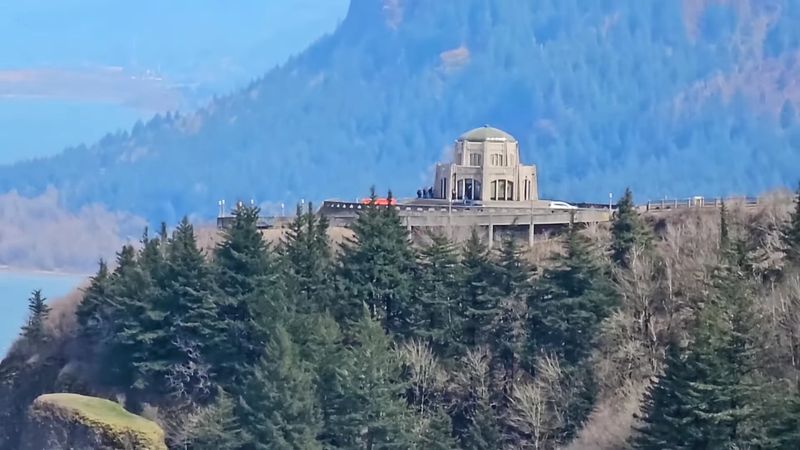
Bridges, viewing platforms, and trail surfaces designed for moderate use are literally falling apart under the weight of constant traffic. Wooden structures show rot and stress damage far ahead of their expected lifespan.
Metal railings bend or break as people lean against them for photos, creating safety hazards that require expensive emergency repairs rather than planned maintenance.
Road surfaces leading to trailheads develop potholes and cracks from the endless parade of vehicles. Parking lots never intended for heavy commercial use buckle and crumble.
The Historic Columbia River Highway, a scenic treasure in its own right, suffers accelerated wear that threatens its historic character and structural integrity across Oregon.
Repair work creates its own problems, requiring trail closures that frustrate visitors and redirect crowds to other already-stressed areas. Construction delays stretch projects across multiple seasons because contractors can’t access sites during peak tourist months.
The infrastructure backlog grows faster than budgets can address it, creating a downward spiral where deterioration outpaces repair efforts throughout the Columbia River Gorge.
Traffic Congestion Chokes Access Roads
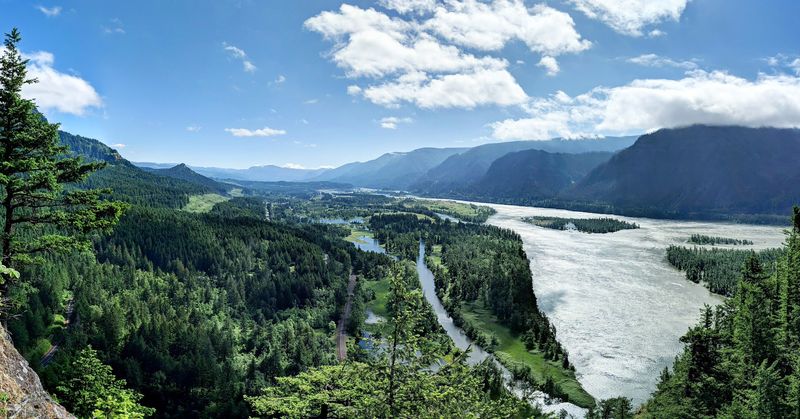
The Historic Columbia River Highway transforms into a parking lot every weekend as vehicles inch along at walking speed. What should be a 20-minute scenic drive stretches into two-hour ordeals that test everyone’s patience.
Locals trying to commute to work or run errands find themselves trapped in tourist traffic with no alternate routes available through Oregon’s narrow gorge.
Tour buses add to the congestion, taking up multiple car lengths and struggling to navigate tight curves designed for 1920s vehicles. When buses meet at narrow points, traffic stops completely while drivers figure out who backs up.
The constant stop-and-go creates exhaust clouds that hang in the air, ironically polluting the very scenery people came to enjoy.
Emergency vehicles struggle to reach accidents or medical situations because gridlocked roads offer nowhere for cars to pull aside. Response times that used to be measured in minutes now stretch to dangerous lengths.
The traffic situation has become so severe that some residents avoid leaving home on weekends entirely, feeling trapped in their own communities by the Columbia River Gorge’s overwhelming popularity.
Social Media Drives Unsustainable Visitation
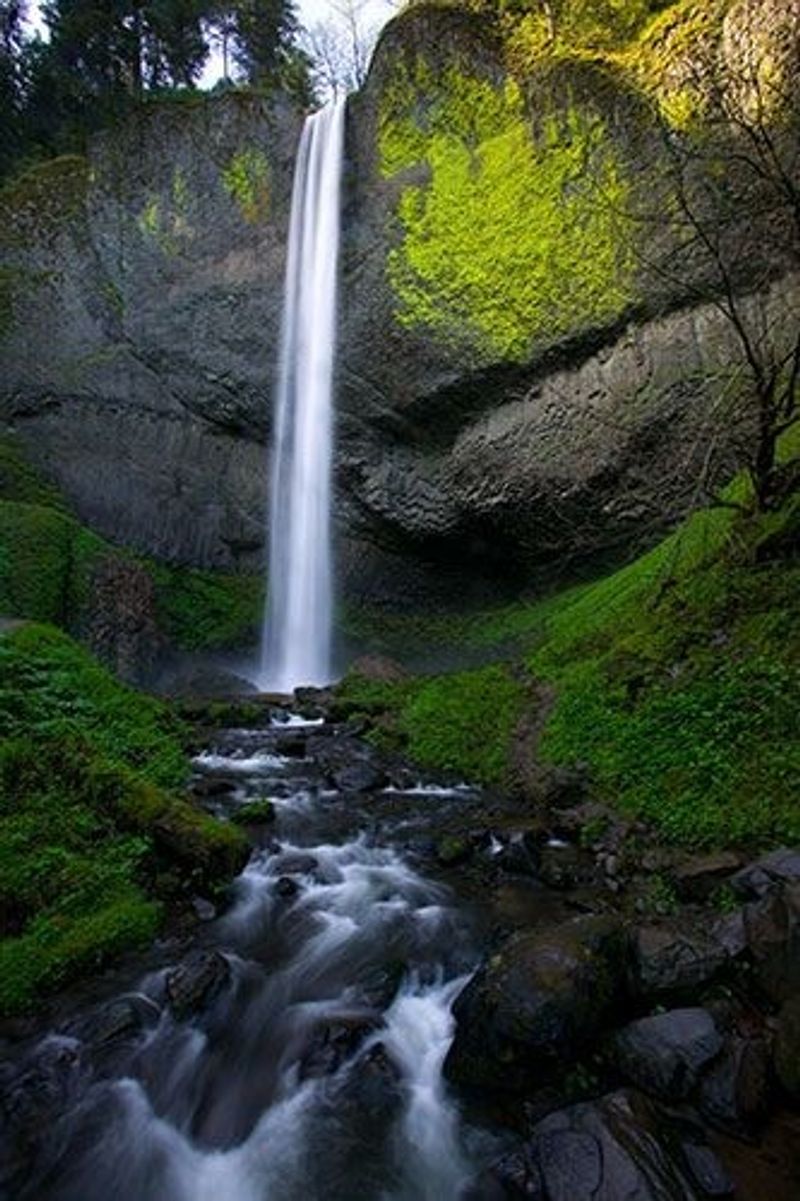
Viral photos and influencer posts have turned Oregon’s Columbia River Gorge into a bucket-list destination that draws visitors from around the world. Every stunning waterfall image shared online translates into hundreds more people showing up to recreate that exact shot.
The feedback loop accelerates as new visitors post their own photos, inspiring even more people to make the trip.
Certain spots become overwhelmed because they photograph well, even if they’re ecologically fragile or dangerous to access. People take risks climbing on wet rocks or leaning over railings to capture dramatic angles, leading to injuries and rescue operations.
The quest for unique content pushes visitors into restricted areas where signs clearly state the dangers.
Locals watch in disbelief as their quiet hometown waterfalls become Instagram famous practically overnight. Places that used to see a few dozen visitors weekly now host thousands daily, all because someone’s photo went viral.
The disconnect between online popularity and real-world carrying capacity creates situations where natural areas simply cannot sustain the attention social media directs toward them across the Columbia River Gorge.
Local Quality of Life Declines Sharply
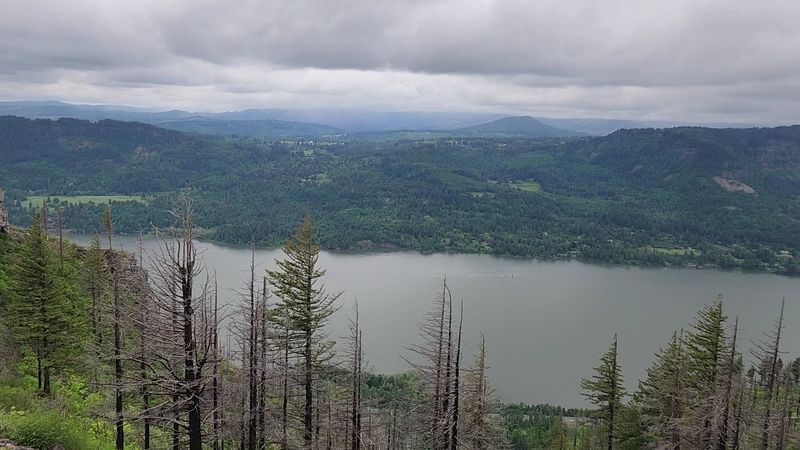
People who chose to live in the Columbia River Gorge for its peace and natural beauty now find those qualities eroding daily. Neighborhoods near popular trailheads deal with strangers parking on their lawns, using their yards as bathrooms, and leaving trash in residential areas.
The sense of community gets lost when you’re constantly dealing with inconsiderate behavior from people who’ll never face consequences because they’re gone tomorrow.
Noise levels have increased dramatically, with tour groups talking loudly early in the morning and late into the evening. Locals can’t enjoy their porches or backyards without hearing constant traffic and voices.
Property values might be rising, but the quality of life that made those properties desirable in the first place is disappearing across Oregon.
Long-time residents talk about leaving communities their families have called home for generations. The place they loved has changed so fundamentally that it no longer feels like home.
This loss of community character represents a hidden cost of overtourism that statistics and visitor numbers never capture in the Columbia River Gorge.
Search and Rescue Operations Multiply
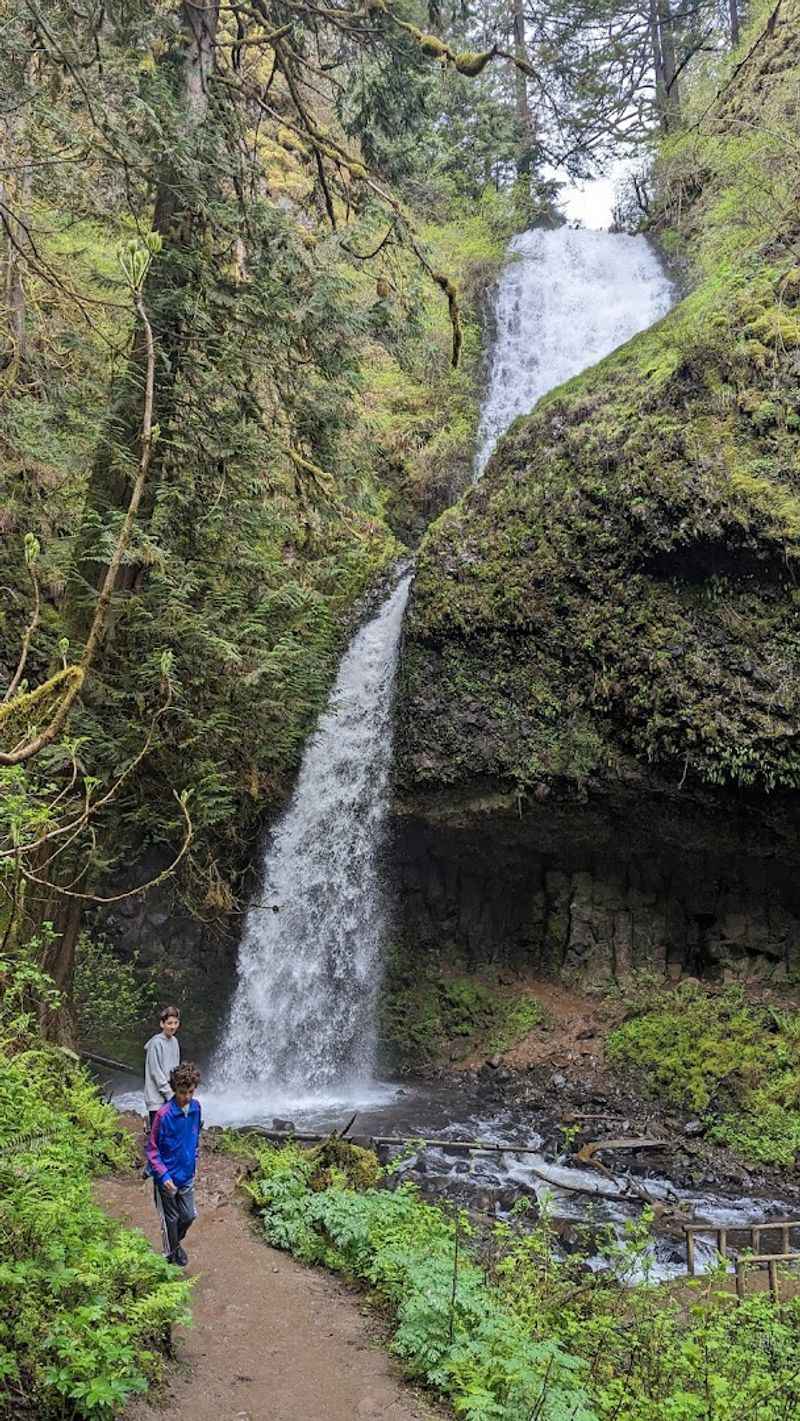
Increased visitation means more people getting into trouble on trails they’re unprepared to handle. Search and rescue teams that used to respond to occasional emergencies now run multiple operations weekly.
Many incidents involve tourists wearing inappropriate footwear, carrying no water, or attempting hikes beyond their fitness level because the trail looked easy in photos.
Rescues tie up volunteer resources and taxpayer money while putting rescue workers at risk. Teams spend hours searching for lost hikers who wandered off marked trails or got injured attempting dangerous shortcuts.
The costs add up quickly, with helicopter evacuations alone running thousands of dollars per incident across Oregon’s Columbia River Gorge.
Local emergency responders express frustration at preventable situations caused by poor planning and overconfidence. They’re passionate about helping people but feel overwhelmed by the sheer volume of calls.
The rescue system was designed for occasional backcountry emergencies, not daily tourist mishaps. As visitor numbers continue climbing, rescue capacity struggles to keep pace, creating situations where response times lengthen and outcomes worsen throughout the Columbia River Gorge trails.
Dear Reader: This page may contain affiliate links which may earn a commission if you click through and make a purchase. Our independent journalism is not influenced by any advertiser or commercial initiative unless it is clearly marked as sponsored content. As travel products change, please be sure to reconfirm all details and stay up to date with current events to ensure a safe and successful trip.
