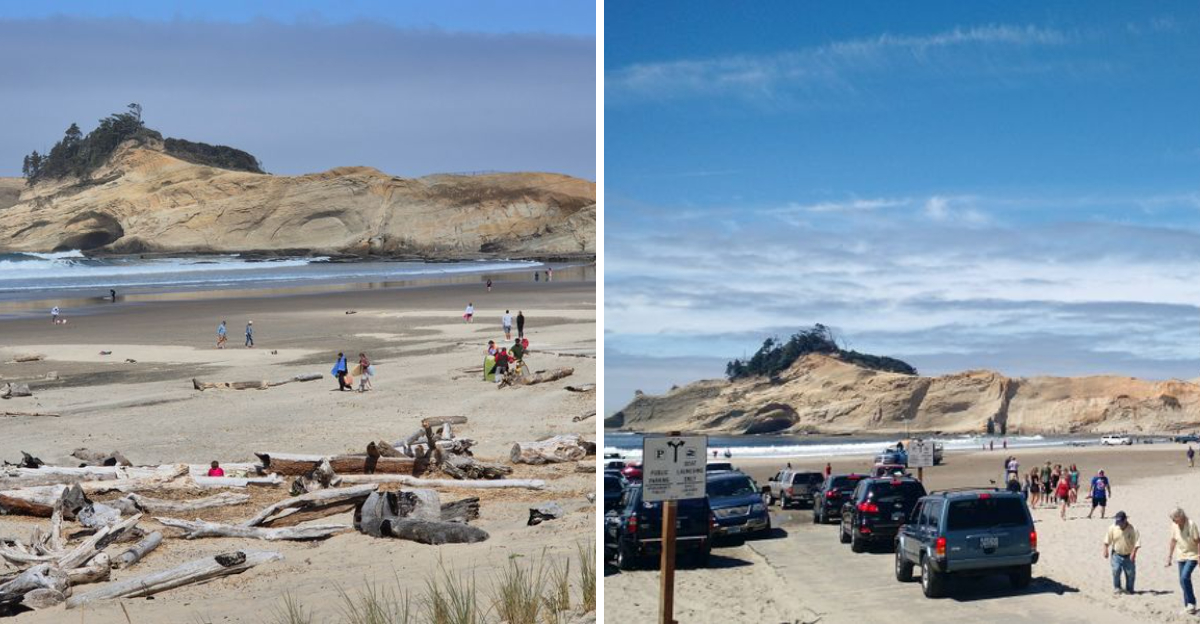
Cape Kiwanda State Natural Area used to be one of those places where locals could escape the crowds and connect with nature. The towering sandstone cliffs, the massive dunes, and the crashing waves made it a peaceful retreat along the Oregon coast.
But something changed over the years, and not for the better.
Tourists started arriving in bigger numbers, and with them came problems nobody expected. What began as innocent visits turned into careless behavior that damaged the landscape.
Locals watched in disbelief as their beloved spot transformed from a natural wonder into a crowded, littered, and scarred destination. The most shocking moment came in 2016 when visitors deliberately destroyed an iconic rock formation, claiming they were doing everyone a favor.
That incident became a symbol of everything wrong with how people treat this special place today.
The Duckbill Rock Destruction
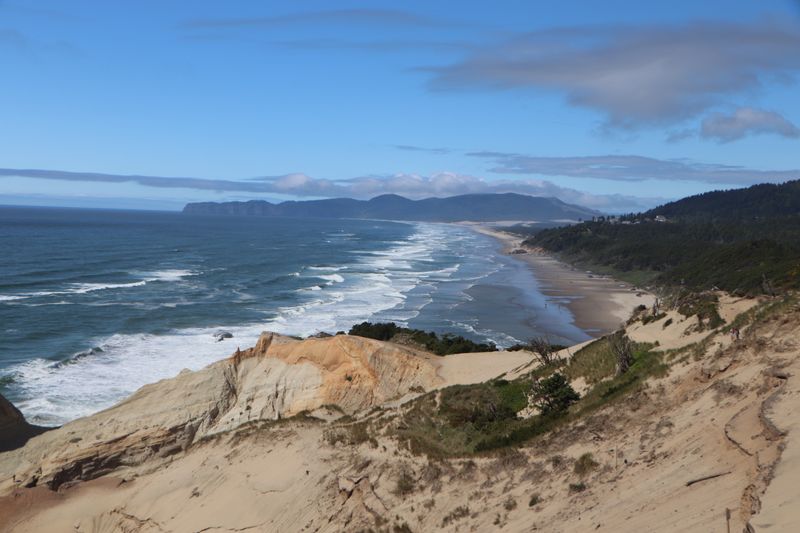
In 2016, a group of tourists made headlines for all the wrong reasons when they intentionally pushed over the Duckbill, a seven-foot-tall sandstone formation that had stood at Cape Kiwanda for thousands of years. They filmed themselves doing it and posted the video online, claiming they knocked it down because they thought it was dangerous and might fall on someone.
That reasoning was completely false.
The Duckbill had been a beloved landmark that photographers, families, and nature lovers visited regularly. It took millennia for wind and water to sculpt that delicate arch into its distinctive shape.
One thoughtless act erased all of that in seconds.
What made locals even angrier was the casual attitude the vandals displayed. They seemed proud of what they’d done, as if they were heroes preventing an accident.
Oregon State Parks officials investigated, but the damage was irreversible. No amount of restoration work could bring back what nature had carefully created over countless generations.
The empty space where the Duckbill once stood now serves as a permanent reminder of tourist carelessness.
Ignored Safety Barriers
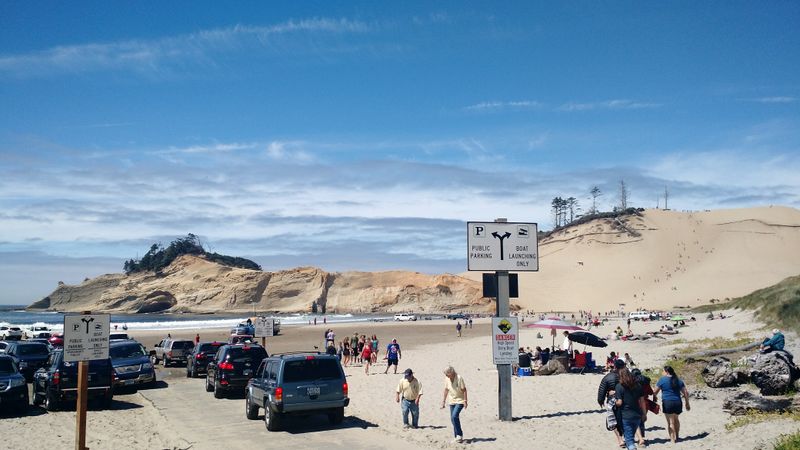
Park officials installed fences and barriers around the Duckbill and other fragile areas specifically to protect the sandstone from erosion caused by foot traffic. These weren’t suggestions or decorative elements.
They marked real boundaries meant to preserve the natural formations for future generations. Yet countless visitors treated them like inconvenient obstacles to better photo opportunities.
People regularly climbed over, ducked under, or simply ignored these protective measures. They wanted that perfect Instagram shot or to get closer to the edge, and no fence was going to stop them.
Locals watched this behavior with growing frustration, knowing each trespassing incident contributed to faster deterioration of the landscape.
The fences weren’t placed randomly. Geologists and park managers studied erosion patterns and identified the most vulnerable spots.
When tourists disregard these boundaries, they accelerate natural processes that would normally take decades. Their footsteps compact the sand, create new pathways for water runoff, and destabilize the cliff edges.
What seems like harmless rule-breaking actually causes measurable environmental damage that affects everyone who visits after them.
Permanent Vandalism Impact
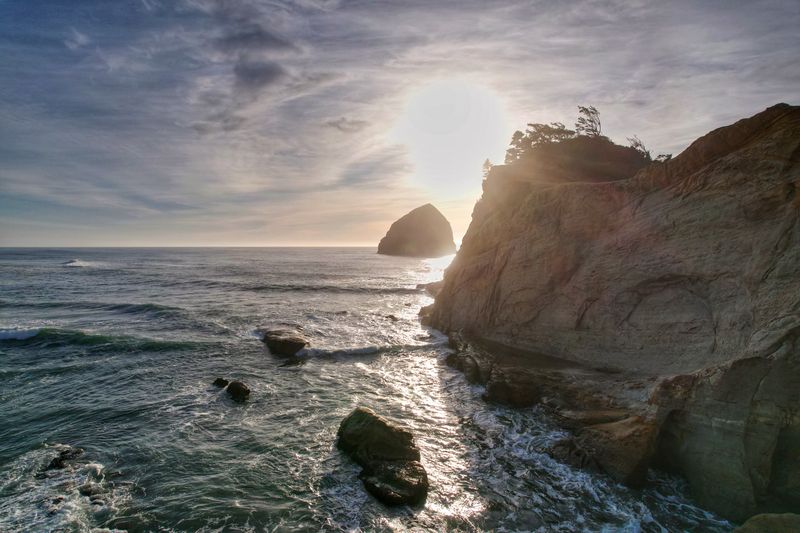
When the Duckbill toppled, it didn’t just break into pieces that could be glued back together. The sandstone shattered into fragments, some large and some reduced to sand.
Oregon State Parks made clear that reconstruction was impossible. You cannot rebuild a geological formation that took thousands of years to create through natural weathering processes.
This permanent loss hit the local community hard. The Duckbill wasn’t just a rock; it was part of Cape Kiwanda’s identity.
Families had taken photos there across multiple generations. Artists painted it.
Guidebooks featured it prominently. Its distinctive shape made it instantly recognizable in any photograph of the area.
The vandalism also set a disturbing precedent. If one group of tourists could destroy a major landmark without serious consequences, what would stop others from doing similar damage elsewhere?
Locals worried that the incident sent a message that natural features were disposable, that individual whims mattered more than collective heritage.
The empty space where the Duckbill once stood became a scar on the landscape that would never heal, a constant reminder of what carelessness costs.
False Safety Justifications
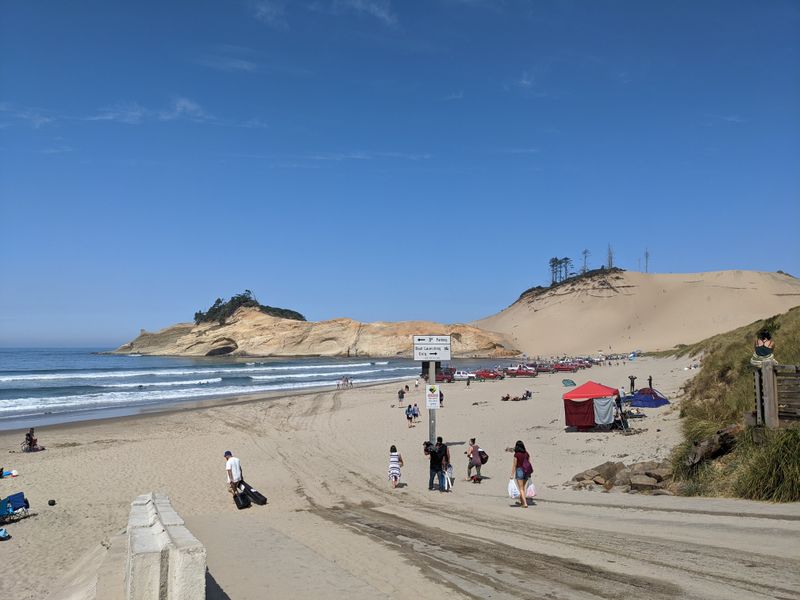
The vandals who destroyed the Duckbill defended their actions by claiming the formation was already unstable and posed a danger to visitors. They said they were preventing a potential tragedy by knocking it down before it could fall on someone.
This justification was completely fabricated and demonstrated a profound misunderstanding of geology and park management.
The Duckbill had stood in its location for thousands of years through countless storms, high tides, and earthquakes. Park rangers and geologists regularly monitored all formations at Cape Kiwanda for actual safety concerns.
If the Duckbill had posed any real danger, professionals would have addressed it through proper channels, not left it for random tourists to handle.
This false narrative particularly angered locals because it represented a broader problem: tourists assuming they know better than experts and taking matters into their own hands. The vandals had no training, no authority, and no understanding of the natural processes at work.
Their arrogance led them to destroy something irreplaceable while genuinely believing they were doing good.
That combination of ignorance and overconfidence perfectly captured what frustrates residents about problematic tourist behavior at Cape Kiwanda.
Accelerated Sandstone Erosion
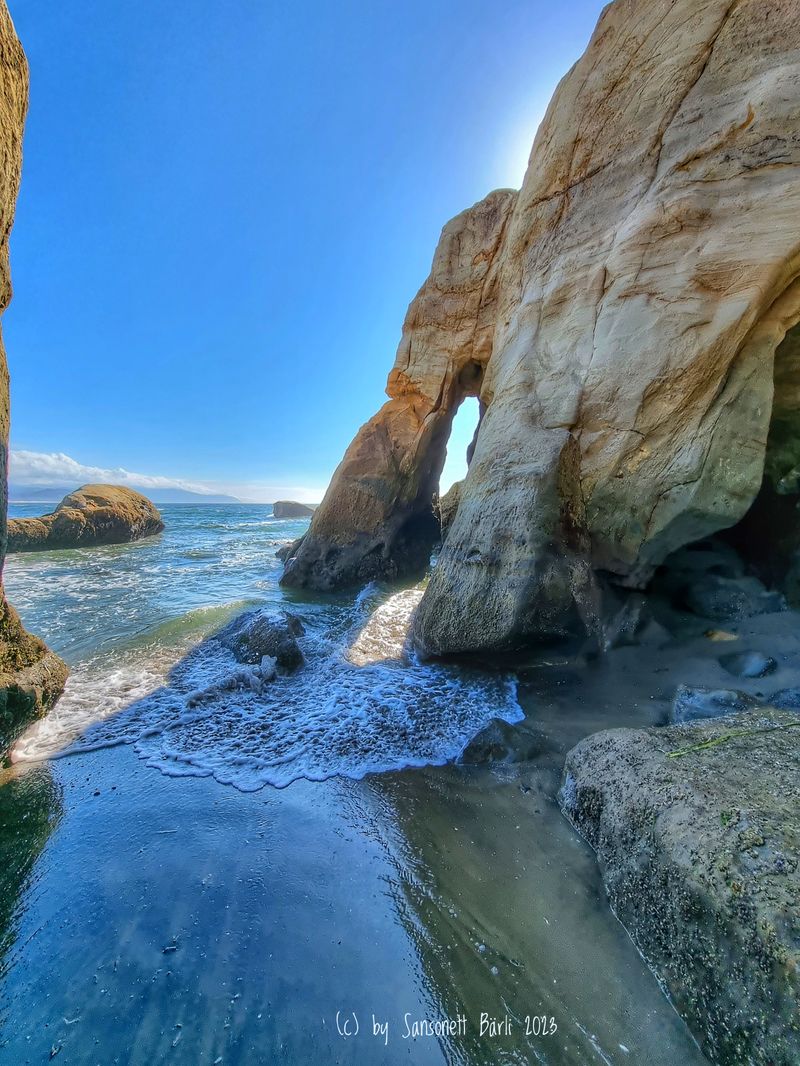
Cape Kiwanda’s sandstone is soft and fragile by nature. Over millennia, wind and water have carved it into dramatic cliffs and formations.
This natural erosion happens slowly and creates the stunning landscape that draws visitors. But when thousands of feet trample across these surfaces annually, the erosion rate multiplies exponentially, a phenomenon locals call dealing with the death sand effect.
Every footstep compresses the sandstone, breaking down its structure. Popular paths become deeper trenches.
Edges crumble faster. What nature would take a century to reshape, heavy tourist traffic accomplishes in just a few seasons.
Park officials have documented this accelerated erosion through photographs and measurements, showing dramatic changes in relatively short timeframes.
Locals who have visited Cape Kiwanda for decades can point out specific formations that have diminished or disappeared entirely due to foot traffic. Viewing platforms that once offered safe vantage points now sit dangerously close to unstable edges.
The landscape is literally disappearing beneath the weight of tourism.
Unless visitors start respecting barriers and staying on designated paths, future generations will inherit a much-diminished version of this natural wonder.
Overwhelming Litter Problem
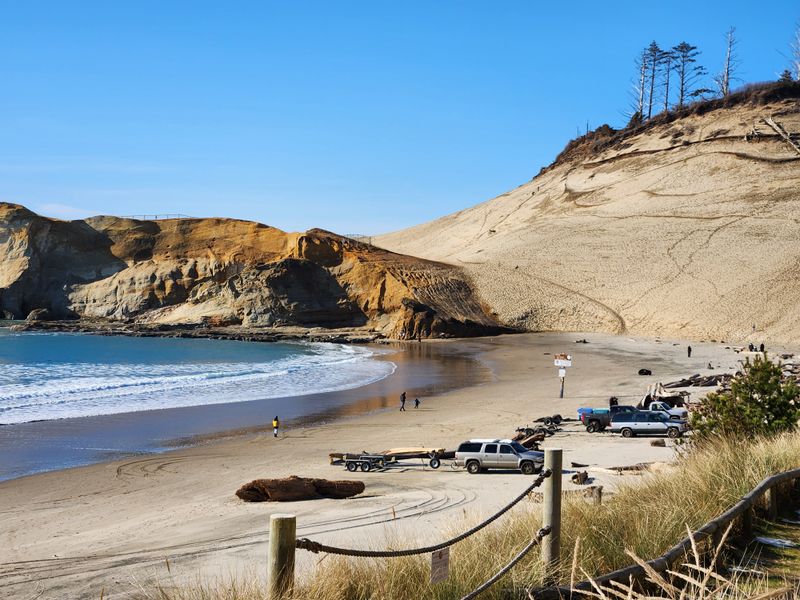
Before tourism exploded, Cape Kiwanda remained relatively pristine. Locals took pride in keeping their beach clean, often carrying out more than they carried in.
But as visitor numbers swelled, so did the amount of trash left behind. Plastic bottles, food wrappers, broken beach toys, and discarded clothing now litter the sand regularly, especially after busy weekends.
The problem extends beyond just being unsightly. Marine animals mistake plastic debris for food.
Sharp objects hidden in sand injure barefoot beachgoers. Trash blows into tide pools, disrupting delicate ecosystems.
Wind carries lightweight waste into the dunes, where it gets buried and breaks down into microplastics that contaminate the environment for decades.
Local volunteer groups organize regular cleanup efforts, but they cannot keep pace with the constant influx of new litter. What used to be occasional cleanup sessions have become weekly necessities.
Residents feel like they are fighting a losing battle, spending their free time picking up after careless visitors who treat the beach like a disposable playground.
The trash problem has fundamentally changed how locals experience their own coastline, turning peaceful beach walks into frustrating litter patrols.
Dangerous Social Media Stunts
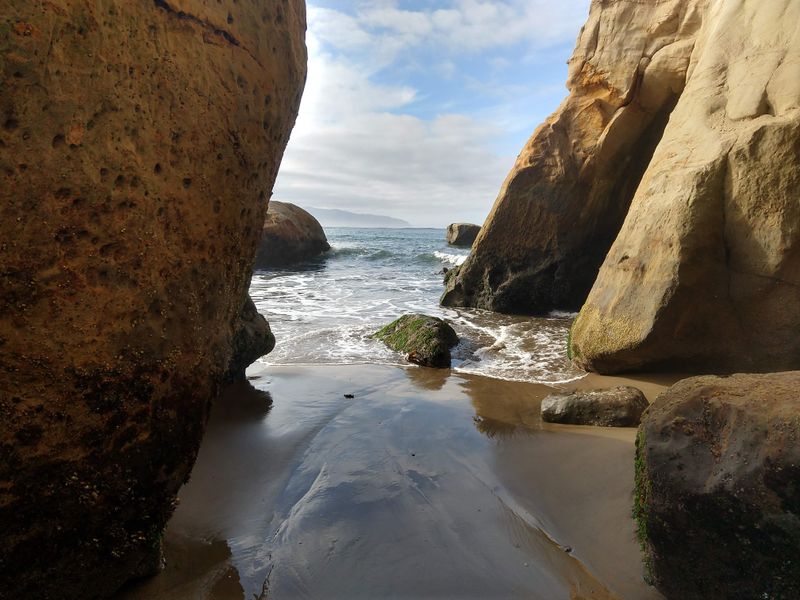
Social media has transformed how people experience Cape Kiwanda, and not in positive ways. Visitors increasingly prioritize getting dramatic photos over their own safety or the preservation of the landscape.
They venture onto unstable cliff edges, climb fences to reach prohibited areas, and perform risky stunts, all for content that might go viral online.
Locals have witnessed tourists dangling their legs over sheer drops, standing on crumbling sandstone edges, and even bringing children into hazardous areas for family photos. The quest for unique angles and impressive backgrounds makes people take chances they would never consider in other contexts.
Park rangers spend significant time responding to incidents where photo-seekers get stuck, injured, or require rescue.
This behavior creates multiple problems. It endangers the individuals involved and the rescue personnel who must help them.
It accelerates erosion in sensitive areas as people trample vegetation and sandstone to reach photo spots. It normalizes risky behavior, encouraging others to attempt similar stunts.
Most frustratingly for locals, it reduces a magnificent natural area to nothing more than a backdrop for self-promotion, stripping away the reverence and respect the landscape deserves.
Infrastructure Overwhelmed
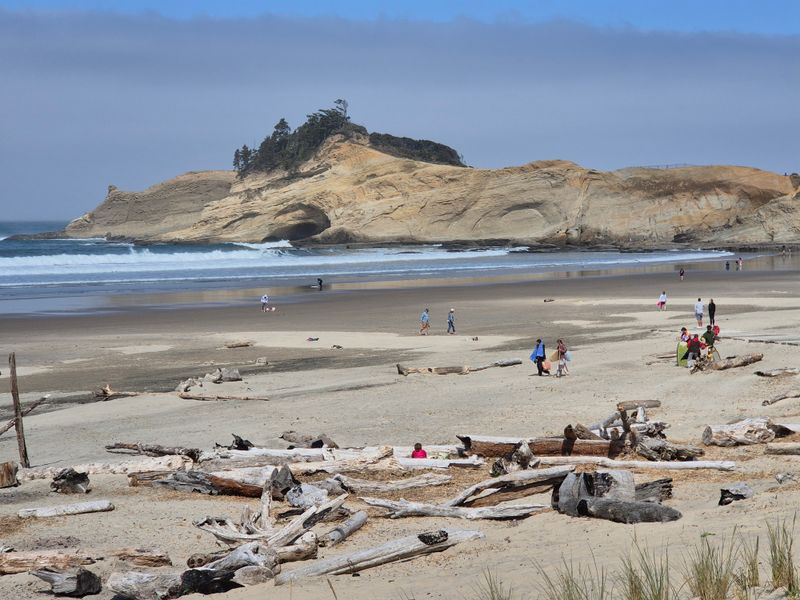
Pacific City is a small coastal community that was never designed to handle massive tourist influxes. The roads, parking areas, and local services were built for a modest population and seasonal visitors, not the year-round crowds that now descend on Cape Kiwanda.
Summer weekends and holidays bring traffic nightmares that frustrate both visitors and residents.
The main parking lot fills by mid-morning, forcing people to park along narrow residential streets. This creates safety hazards, blocks driveways, and makes it difficult for emergency vehicles to navigate.
Local businesses struggle to receive deliveries when tourists park in loading zones. Residents sometimes cannot leave their own homes because visitors have blocked them in.
Restaurant wait times stretch to two hours or more. The single grocery store runs out of supplies.
Public restrooms become overwhelmed and unsanitary. Cell service gets congested from too many users.
These infrastructure problems diminish the experience for everyone while placing enormous strain on the small community trying to maintain normal life.
Locals increasingly avoid their own beach during peak times, effectively losing access to a place that has been part of their lives for generations because their town simply cannot handle the volume of people tourism brings.
Dear Reader: This page may contain affiliate links which may earn a commission if you click through and make a purchase. Our independent journalism is not influenced by any advertiser or commercial initiative unless it is clearly marked as sponsored content. As travel products change, please be sure to reconfirm all details and stay up to date with current events to ensure a safe and successful trip.
