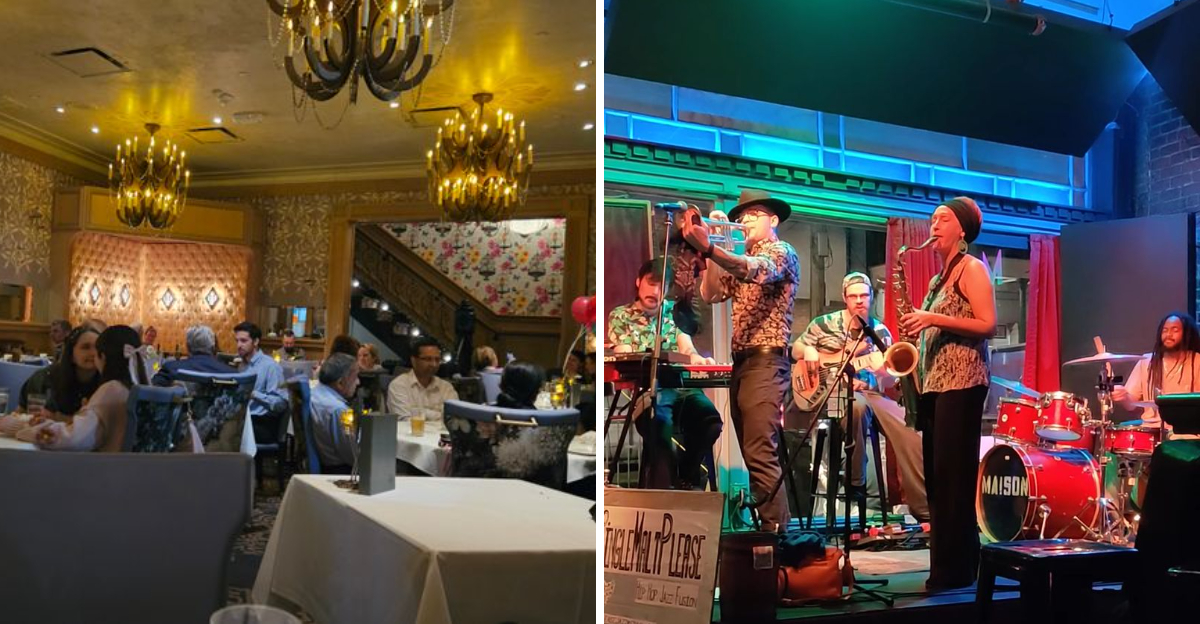
Holiday lights make New Orleans glow, yet the restaurant scene can feel oddly out of tune when crowds surge.
You want the city’s real flavor, but many places double down on spectacle and leave authenticity at the door.
Locals talk about it with a mix of pride and fatigue, because they know the hidden gems still shine while the busiest blocks lean into shortcuts.
If you have ever waited in the cold while brass music echoed from a side street, you understand the pull of charm and the sting of hype.
This guide unpacks what frustrates residents and helps you navigate smarter, with respect for the culture that makes Louisiana unforgettable.
Markups That Ignore Local Budgets
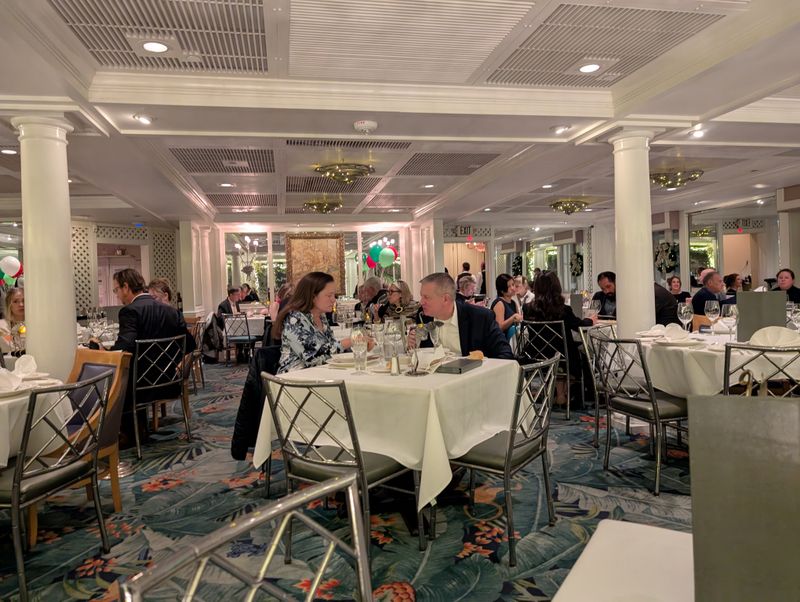
Sticker shock becomes the first clue that a place is selling a postcard rather than a meal, especially when holiday prix fixe menus jump far beyond neighborhood norms without a quality lift.
Locals watch familiar dishes cost more in December while portions shrink, and it feels like loyalty gets taxed for the sake of a seasonal rush.
You can sense it in chalkboard specials that read flashy but deliver little depth.
Tourist corridors magnify the issue because the foot traffic is guaranteed, so operators have little incentive to keep prices anchored to value.
The best spots balance celebration with fairness, yet traps push for souvenirs and upcharges that add nothing to the plate.
That pattern makes budgets tight for residents who want to host visiting family without compromising standards.
There is nothing wrong with festive pricing when ingredients are rare and the craft is evident, but many menus lean on buzzwords rather than sourcing.
You will see phrases like local catch and heritage rice used broadly, then learn the supply chain tells another story.
Locals know where the real farms and fishers supply, and the mismatch breeds mistrust.
New Orleans thrives on repeat diners who spread the word across blocks and seasons, so short-term wins erode long-term goodwill.
The cost gap becomes more visible as lines lengthen, and regulars simply head for neighborhoods where relationships keep prices honest.
Visitors notice the difference when a check feels respectful rather than opportunistic.
Look for transparent menus that explain portions, origins, and any holiday surcharges with clarity.
Ask staff about substitutions and portion sizes before ordering, and do not hesitate to split plates when policies allow.
The right room will welcome those questions because confidence pairs well with hospitality in Louisiana.
Long Lines With Little Payoff
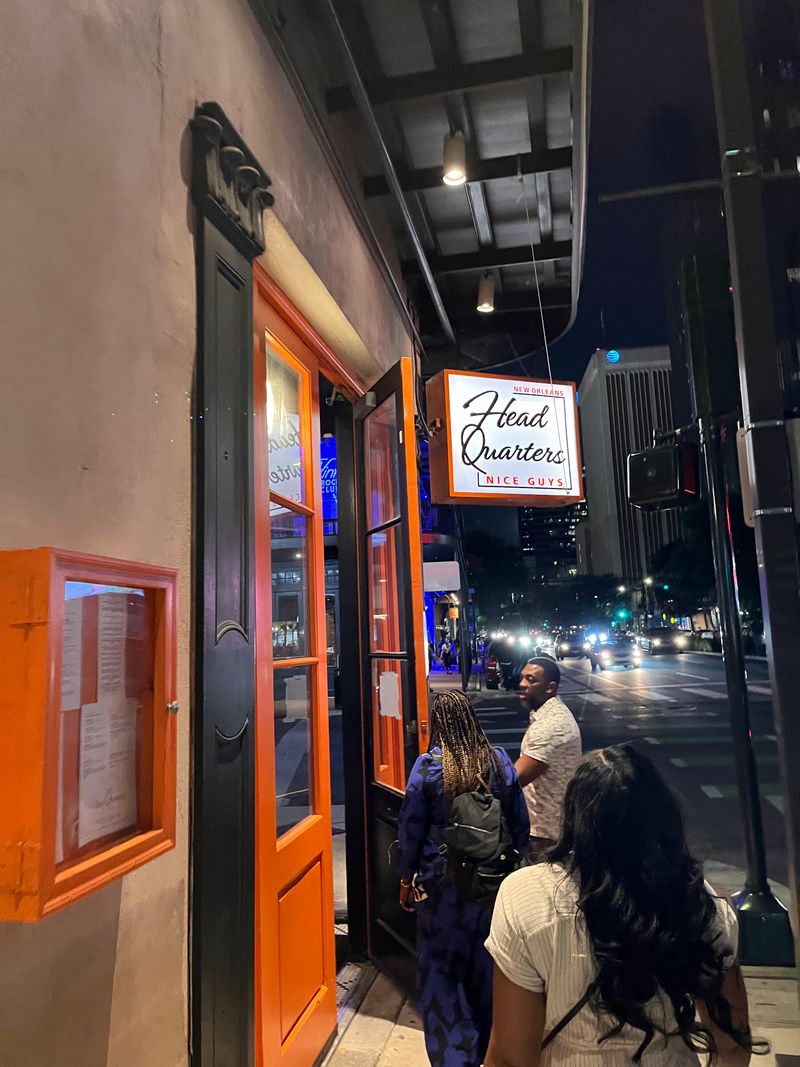
Queues can feel like part of the show, but long waits that lead to rushed meals leave locals cold.
You stand outside under wreaths while a host quotes optimistic times that stretch, then get seated at a cramped table near the door.
The whole experience tilts toward turnover rather than connection.
Some restaurants treat the line as marketing, assuming visible demand will translate into buzz regardless of outcome.
That strategy works on busy blocks, yet it undermines the calm and care people expect during the holidays. Locals know that steady rooms with smarter pacing give better meals without the theatrics.
Systems matter when capacity is tight, and accurate wait lists with text updates reduce frustration.
You should not have to hover in a drafty vestibule when a simple message could give freedom to stroll. Operators who invest in tools show respect for everyone’s time.
Rushed service creates other problems, because courses collide and plates crowd the table before anyone settles.
This pace can mute conversation and blur flavors, making a special night feel transactional.
The best houses let meals breathe while still moving efficiently.
Consider booking earlier or later than peak windows to avoid predictable cliffs, and scan for rooms with comfortable benches rather than standing clusters.
Ask how the kitchen staggers reservations so you know whether pacing will work for your group.
New Orleans shines when meals flow like a second line, unhurried and joyful, and Louisiana hospitality means timing should serve the guest.
Shrinking Portions During Peak Weeks
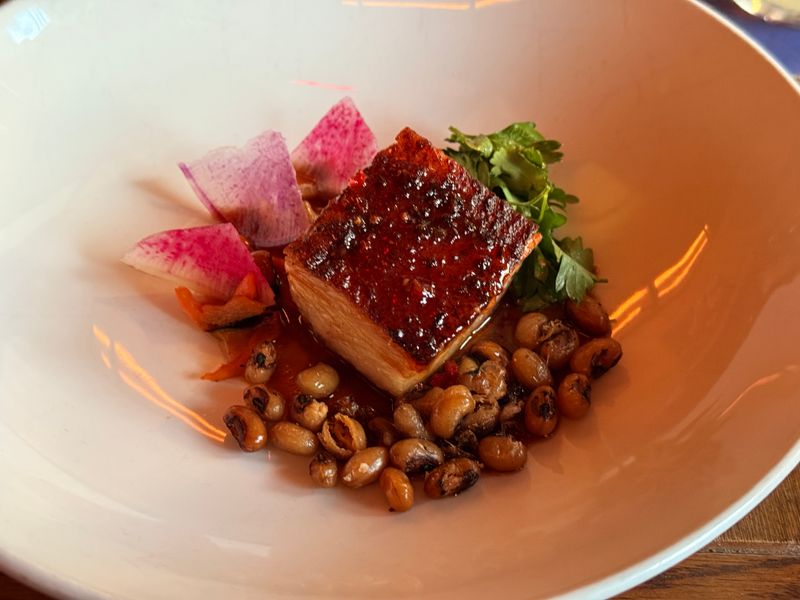
Portions quietly slip during the busiest weeks, and regulars notice before anyone else.
Plates that once felt generous arrive with less heft, while pricing remains fixed or climbs for seasonal menus.
The gap between expectation and delivery erodes trust faster than any marketing can repair.
This pattern emerges when operators prioritize speed and cost control under pressure, trimming protein ounces or simplifying sides.
You might not spot the change if you are visiting for the first time, but locals compare across months and remember. It feels like the holiday spirit is used to justify corner-cutting.
Some kitchens do it differently by crafting smaller tasting formats with clear communication and fair pricing.
You can embrace a lighter style when the intent is transparent, and the flavors remain precise.
Honesty turns a leaner plate into a thoughtful experience rather than a disappointment.
Look for menus that list weights or portion indicators so expectations align with reality.
Servers who describe portions confidently usually reflect well-organized kitchens that respect diners.
Vague descriptions are a signal that sizing might be inconsistent.
New Orleans cuisine carries a tradition of abundance that goes beyond quantity, yet balance matters when rooms are packed.
You deserve portions that match the story a restaurant tells about itself and about Louisiana ingredients.
When that alignment holds, value and memory rise together even in the holiday rush.
Overhyped Menus That Play It Safe
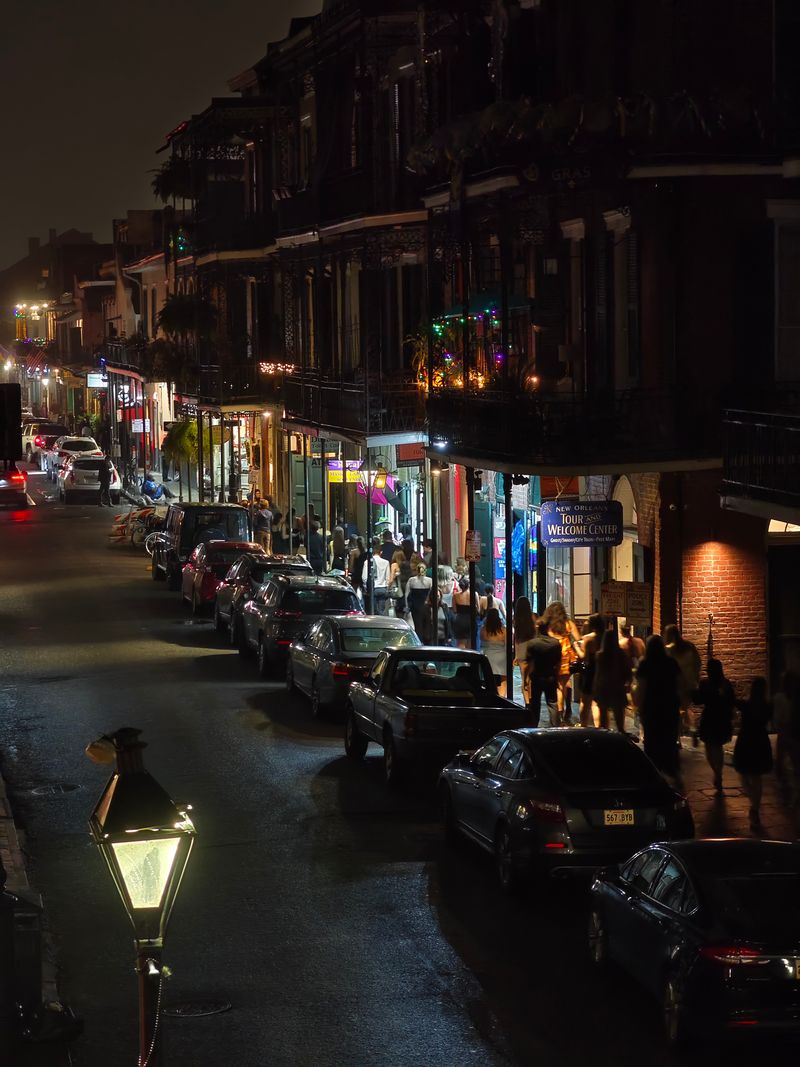
Marketing can promise bold flavors, yet the holiday reality often softens into safer choices that travel well and offend no one.
Menus lean on predictable crowd pleasers, and the result feels like a soundtrack set to loop.
Locals crave the edge that makes New Orleans singular, not a template built for volume.
Risk drops when crowds swell, because consistency is easier with limited spice and simplified prep.
That choice makes service smoother but flattens personality, erasing the spark of neighborhood cooking.
You lose the tiny surprises that anchor memory and keep people returning in January.
Some rooms keep the fire alive by running short seasonal boards that change daily.
You might spot a limited catch, a special gumbo variation, or a playful dessert that nods to winter citrus.
Those touches signal a kitchen that cooks the moment rather than a script.
Ask servers what is truly local or seasonal today, and listen for details about vendors and technique.
If the descriptions feel generic, you may be reading a safe menu dressed in festive words.
A few honest questions can separate style from substance.
New Orleans rewards curiosity, and Louisiana producers give chefs reasons to stretch during winter harvests.
When you find a place that takes those chances, celebrate by returning for a second visit later in the week.
That feedback loop helps keep creativity alive while tourists pass through.
Cultural Performances Treated Like Props
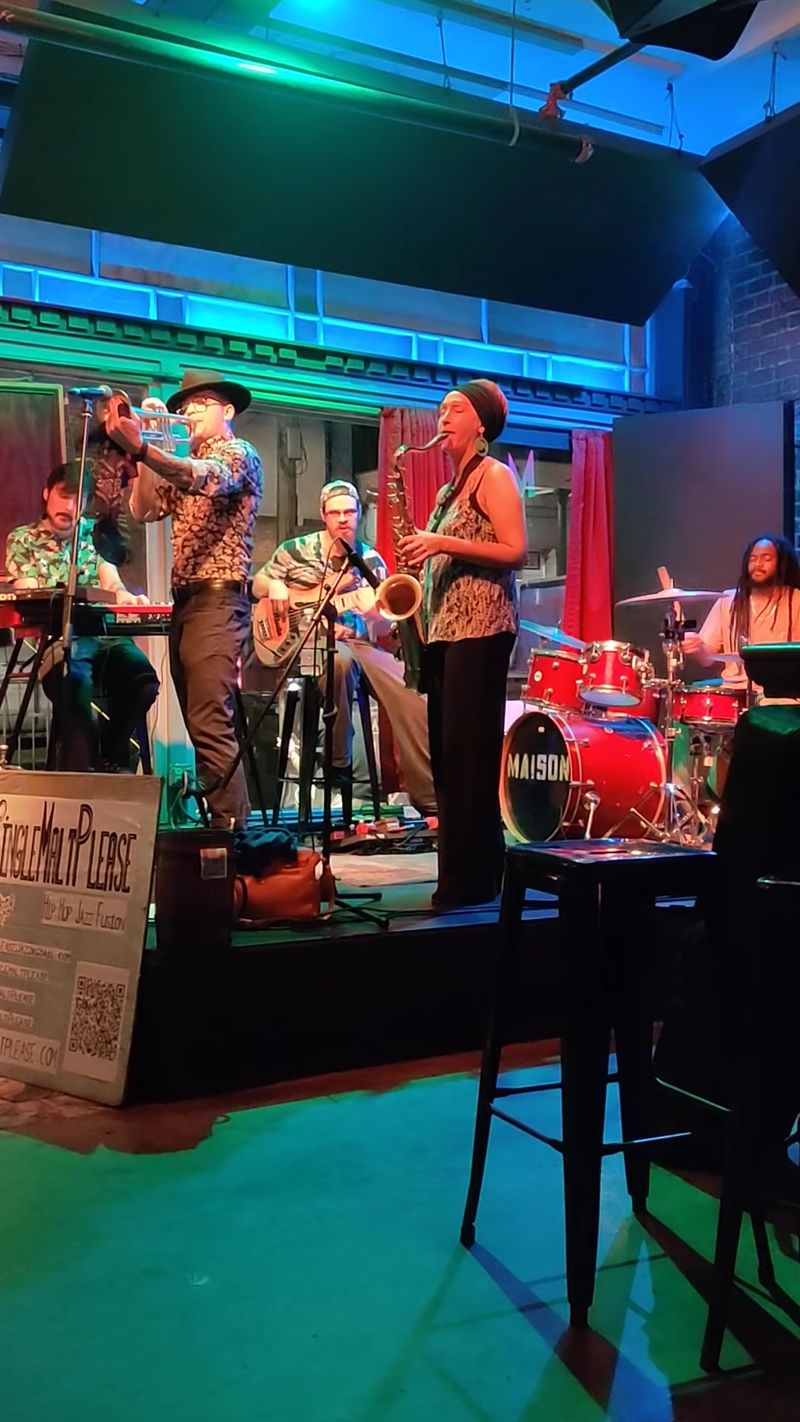
Music and parades are the heartbeat of the city, but holiday tourist traps sometimes frame culture as background noise.
Performers feel wedged into corners to create a vibe rather than an exchange.
Locals bristle when art is packaged without context or fair support.
Respect shows in how venues schedule sets, pay artists, and control volume during dinner.
Good rooms balance conversation with performance and give musicians space to breathe.
You can taste the difference when the rhythm matches the flow of service.
Look for posted set times and credits that name the band and leader, which signals a real partnership.
Ask staff where the musicians play on their own nights because that points to community roots.
Venues that care will share those details with pride.
Some spots showcase history through photos and plaques, yet the strongest places connect past and present through live exchange.
Holiday visitors get a better story when artists are introduced rather than used as ambience.
It turns a meal into a small cultural event rather than a soundtrack.
New Orleans thrives when art and hospitality meet as equals, and Louisiana heritage deserves more than decoration.
Support venues that treat culture as the main course even when you are ordering dinner.
Your choices help shape how performers are valued after the lights come down.
Reservations That Vanish At The Door
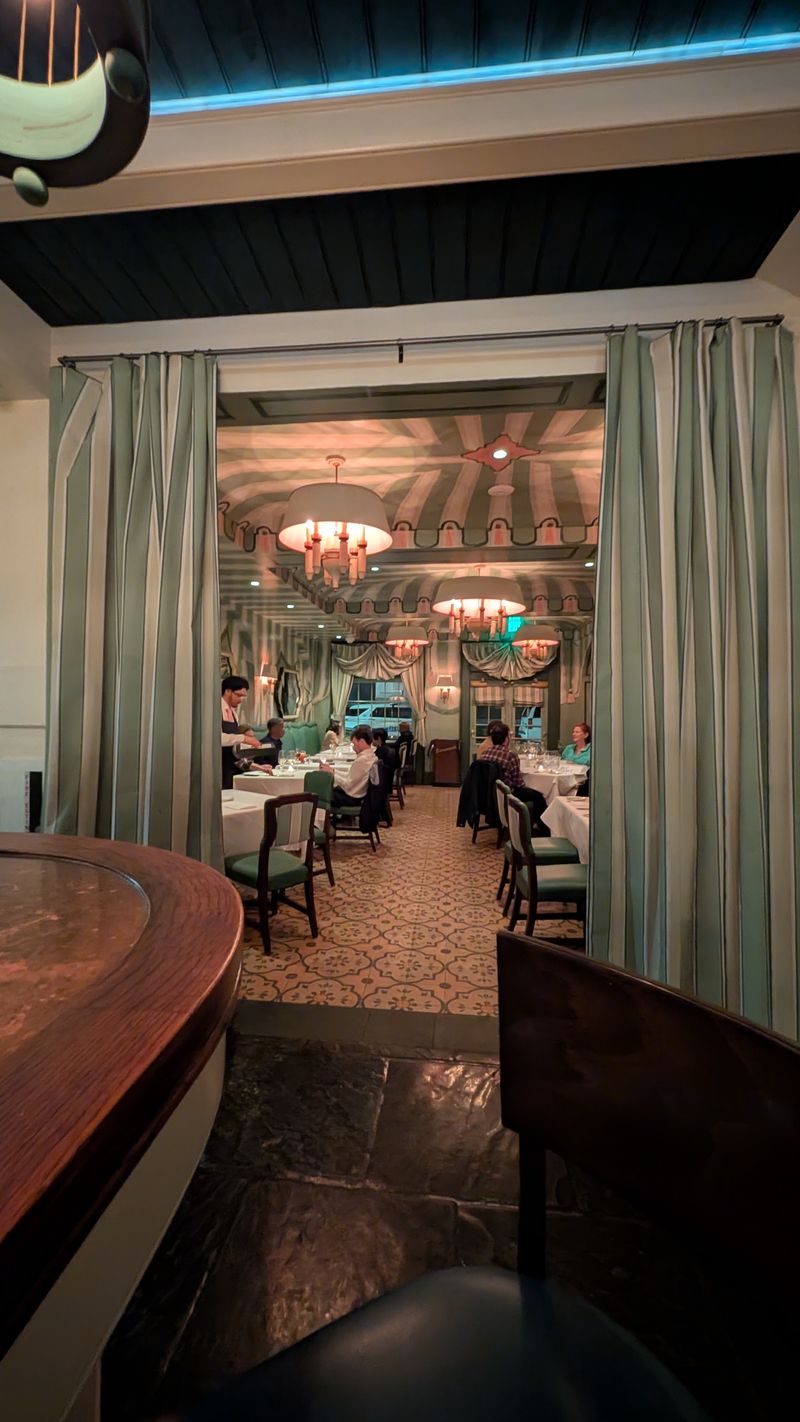
Nothing sours a holiday evening faster than a confirmed reservation that disappears under a pile of walk-ins.
You arrive on time, share the name, and watch the host scan a screen with rising confusion.
Locals know this dance and avoid the places that treat plans like suggestions.
Overbooking can happen when systems lag behind holiday demand or when policies favor visible lines.
A clear policy solves most of the tension, yet some rooms gamble on filling every seat twice.
That hustle undermines trust and wastes precious time with visiting family.
Ask for confirmation texts that include the time window and any grace period for holding the table.
If the host explains the rules confidently, you are likely in good hands.
Transparency shows a team that respects both guests and pace.
Consider smaller parties or flexible slots if your schedule allows, since capacity pressure often peaks at prime hours.
You will reduce risk and create space for conversation before and after dinner.
The goal is to protect the evening rather than fight the crowd.
New Orleans hospitality endures when promises are kept, and Louisiana pride is built on that reliability.
Choose restaurants where hosts recognize your name and stand by their word.
That simple consistency keeps locals loyal long after the holidays end.
Service Stretched Thin By Seasonal Hiring
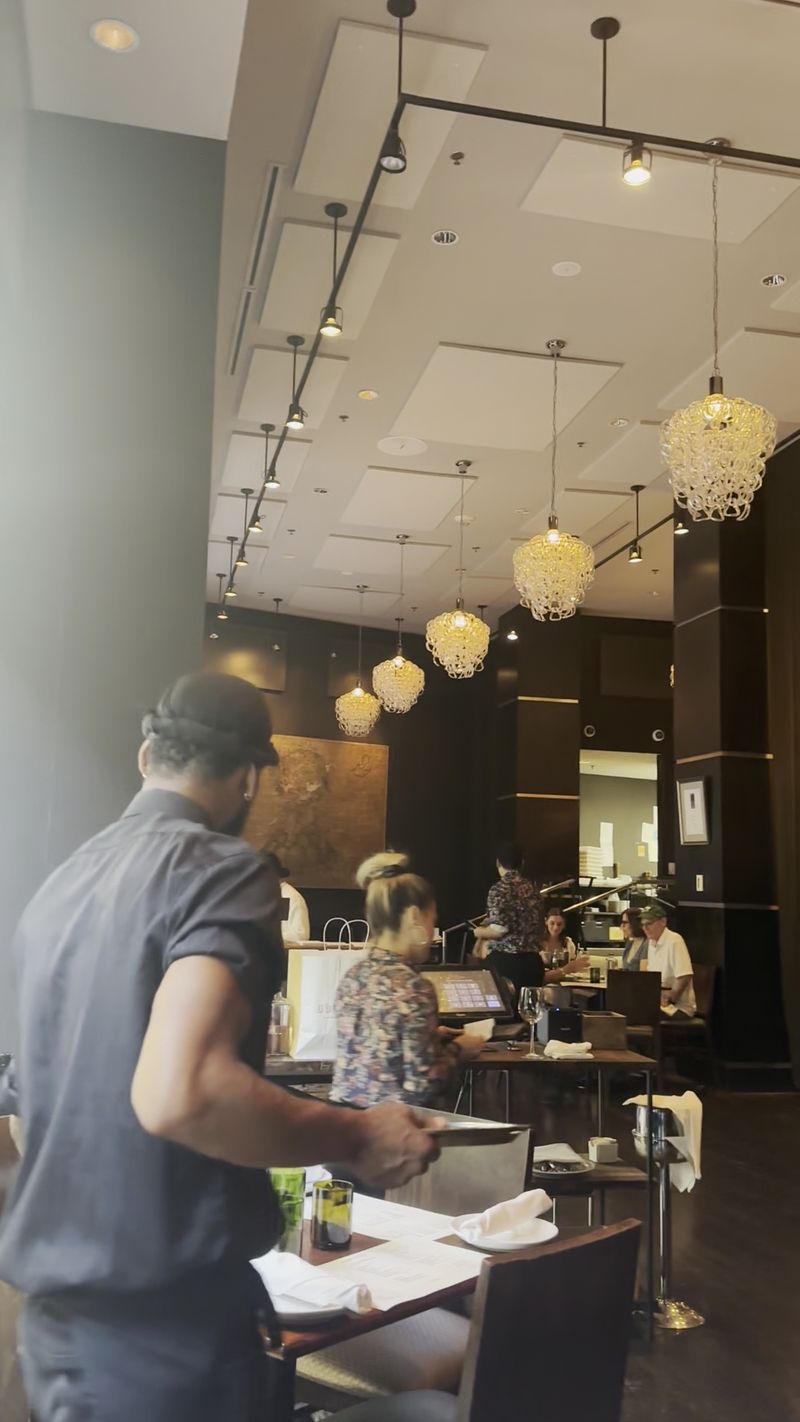
Seasonal hiring helps meet demand, but rushed training can leave guests stranded between courses.
You might watch new servers juggle unfamiliar sections while veterans cover two jobs at once.
The result is uneven pacing that frustrates both sides of the table.
Good managers build buddy systems and shadow shifts before peak weeks, which steadies the floor.
When that groundwork is missing, small mistakes snowball into long delays and missed checks.
Locals see these patterns early and adjust their plans accordingly.
Clear communication solves more than speed alone, because genuine updates calm expectations.
A simple heads-up about a backed-up kitchen gives room to relax and enjoy the setting.
Silence breeds doubt and makes every minute feel longer.
Look for restaurants where staff greet you quickly, even if the table is not ready yet.
That first touch sets the tone and shows the team is organized under pressure.
Little gestures matter when rooms are at capacity.
New Orleans restaurants work hard to keep grace under heat, and Louisiana kitchens carry deep pride in craft.
Encourage the wins by tipping fairly and offering patience when teams are transparent. You will feel the difference when service flows with care rather than scramble.
Menus That Misuse Local Names
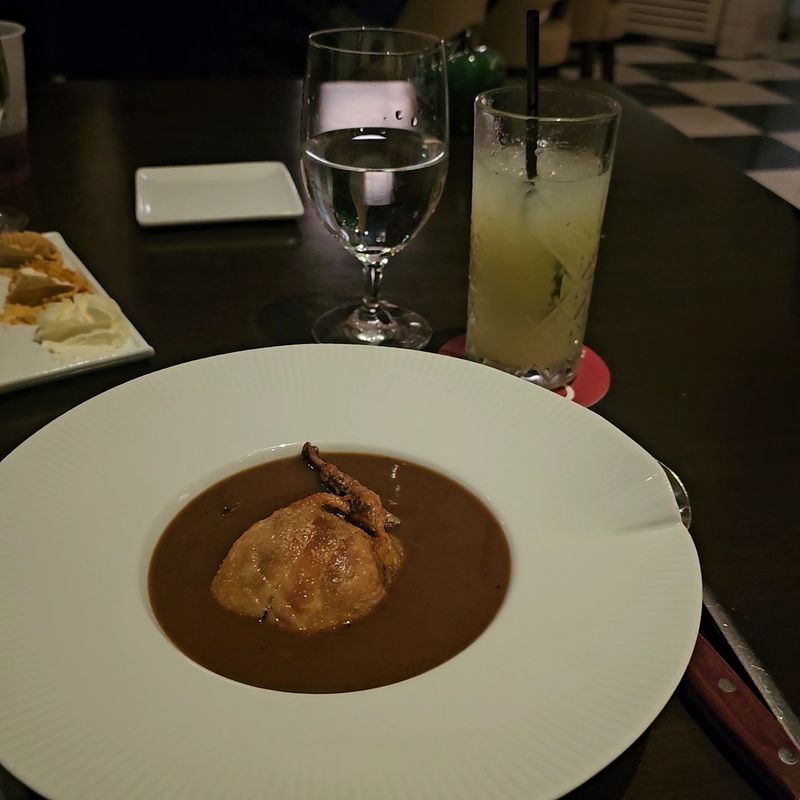
Labels matter in a city where dishes tell stories about neighborhoods, families, and fields.
Tourist traps sometimes borrow local names while cutting corners on technique or ingredients.
The menu sounds right, but the flavor tells another tale.
True recipes carry specific methods, and locals can spot shortcuts in a single bite.
You deserve a dish that honors the tradition rather than wears it like a costume.
Honest cooking does not need heavy decoration to shine.
Ask servers about the base of a gumbo, the rice variety, or the source of seafood when the menu claims local. You will hear confidence when a kitchen knows the craft and the people behind it.
Hesitation suggests the story is more branding than practice.
Some rooms partner with Louisiana farms and name them clearly, which helps guests learn and trust.
That transparency invites questions and sparks curiosity for deeper exploration.
It turns dinner into a map rather than a slogan.
New Orleans food culture thrives on lineage and care, and accuracy keeps that lineage alive.
Pick restaurants that treat names with respect and standards with consistency.
Your attention rewards the kitchens that carry the real torch through the holidays.
Noise Levels That Smother Conversation
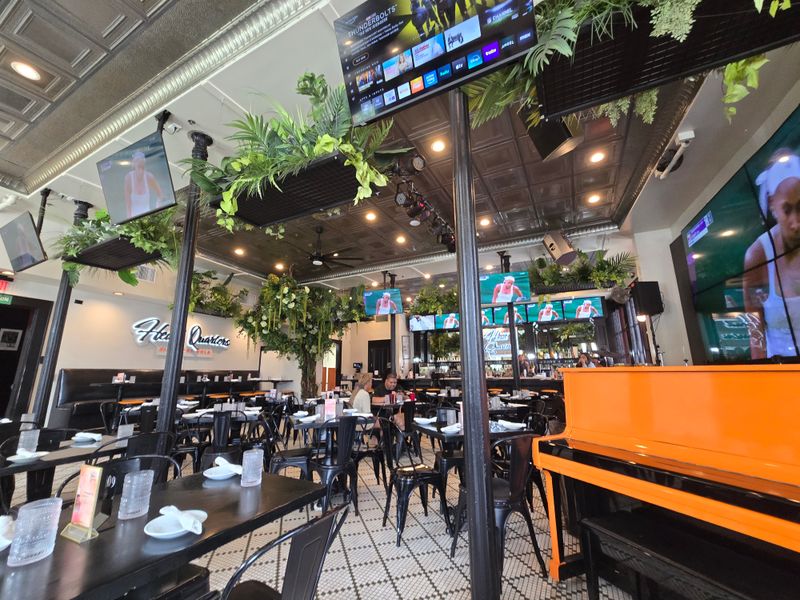
Holiday crowds raise the volume, but some spaces push noise to a wall of sound that blocks connection.
You lean across the table and still miss key words, which dulls the pleasure of a long-planned dinner.
Locals choose rooms where voices, music, and clatter stay in balance.
Acoustics can be improved with rugs, panels, or clever seating layouts that break up echoes.
Restaurants that invest in design signal care for human comfort as much as style.
You feel it when the room settles into a welcoming hum rather than a roar.
Ask for a quieter corner during booking if conversation matters, and be honest about any hearing needs. Hosts who understand the floor map will guide you to better spots.
That attention to detail separates caring rooms from performative ones.
Some places add gentle live sets early in the evening, then dial back as the crowd builds.
This arc keeps energy high without burning out the ability to talk.
You leave with memories instead of a sore throat.
New Orleans celebrates sound as a form of community, and Louisiana nights deserve nuance over volume. Choose venues that treat listening as part of hospitality.
Your meal will feel richer when everyone can hear each other clearly.
Holiday Decor That Crowds The Room
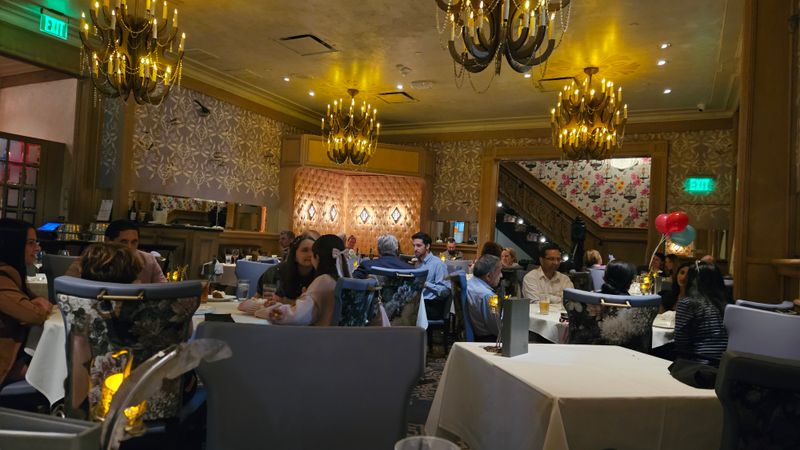
Festive styling brings joy, yet cluttered decor can choke aisles and distract from the warmth of a welcome.
Oversized wreaths and tabletop trinkets reduce usable space and complicate service.
Locals see spills and delays rise when pathways shrink.
Design has to work for staff and guests, especially when coats and gift bags appear.
Smart rooms scale decor to ceiling height and table count, keeping sightlines open for servers.
That balance protects comfort without sacrificing spirit.
Ask about seating options that allow a little elbow room, since cramped layouts grow tense during long meals. A corner banquette or wall table can create breathing space when the floor is tight.
You should not have to dodge ornaments to reach your seat.
Thoughtful lighting also matters because dim rooms feel moody but can hide hazards.
Warm bulbs and reflective surfaces brighten without glare, which steadies the pace.
Your evening gains ease when people move naturally.
New Orleans loves pageantry, and Louisiana style thrives with color and texture applied with care.
Choose places where beauty helps service rather than competes with it.
That approach keeps the city’s glitter paired with grace through the season.
Dear Reader: This page may contain affiliate links which may earn a commission if you click through and make a purchase. Our independent journalism is not influenced by any advertiser or commercial initiative unless it is clearly marked as sponsored content. As travel products change, please be sure to reconfirm all details and stay up to date with current events to ensure a safe and successful trip.
