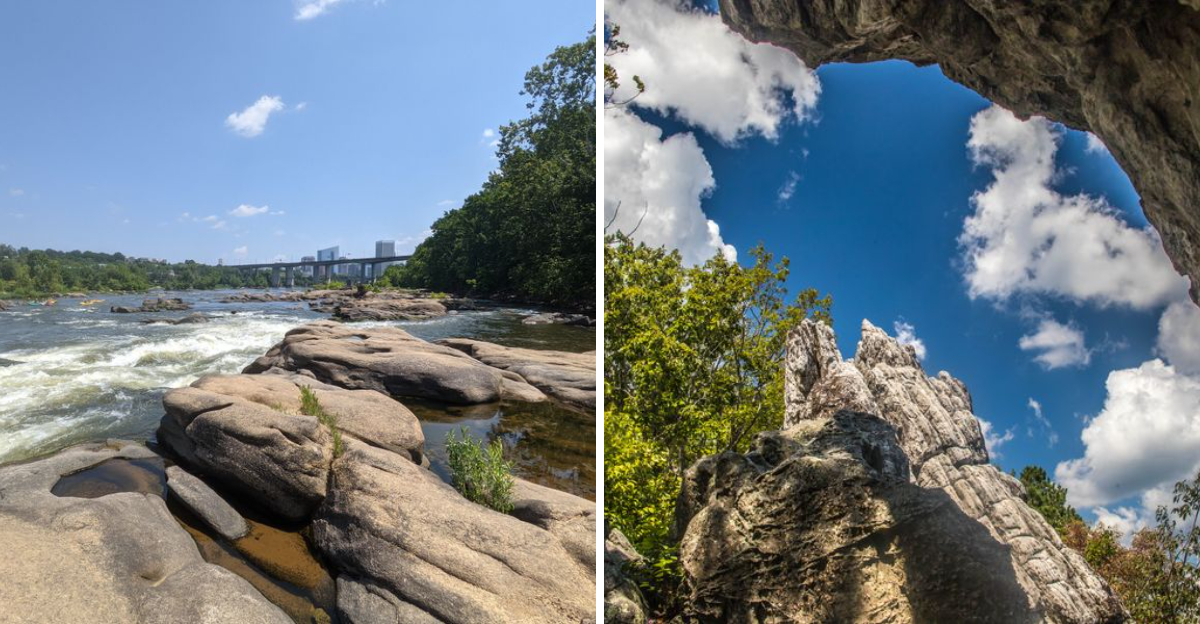
Virginia holds countless secret corners where nature still reigns supreme and modern development hasn’t left its mark. These hidden gems offer a peaceful escape from crowded tourist spots and give visitors a chance to experience the state’s raw beauty.
Local residents treasure these untouched places because they provide authentic connections to Virginia’s diverse landscapes, from mountain peaks to coastal marshes.
Whether you’re seeking solitude in ancient forests or quiet reflection beside pristine waterways, these nine destinations showcase the Old Dominion at its most natural and unspoiled.
1. McAfee Knob on the Appalachian Trail
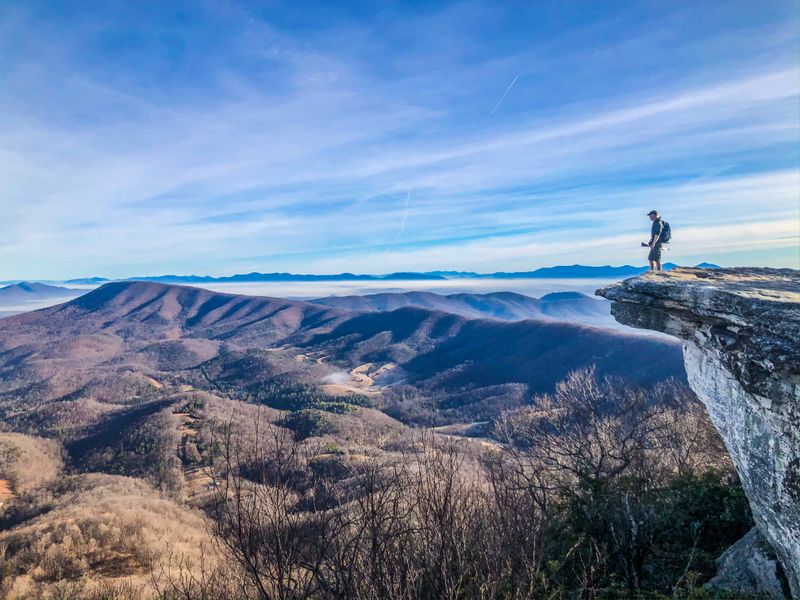
Perched high along one of America’s most famous hiking routes, this rocky outcrop rewards adventurers with sweeping views that seem to stretch forever. The journey to reach this spectacular vantage point takes you through dense woodlands where wildlife still roams freely and human interference remains minimal.
Catawba, Virginia serves as the gateway to this natural wonder, located off Route 311. The trail leading upward winds through forests that change character with each season, offering different experiences throughout the year.
Early morning visits provide the best chance to witness fog rolling through valleys below while the sun paints the sky in brilliant colors. Photographers and nature lovers flock here because the landscape maintains its wild character despite its popularity among hikers.
The rock ledge itself juts out dramatically over the valley, creating that iconic silhouette familiar to outdoor enthusiasts everywhere. Standing at this elevation, you can spot ridgelines extending in every direction, unmarred by significant development.
Spring brings wildflowers to the surrounding meadows, while autumn transforms the canopy into a blazing tapestry of reds and golds. Hikers should prepare for a moderately challenging climb that demands proper footwear and adequate water supplies.
Local trail maintainers work tirelessly to preserve the natural beauty while managing the impact of thousands of annual visitors. The area surrounding the knob remains largely wilderness, giving you a genuine sense of stepping back into untamed Virginia landscapes that existed centuries ago.
2. Belle Isle in the James River
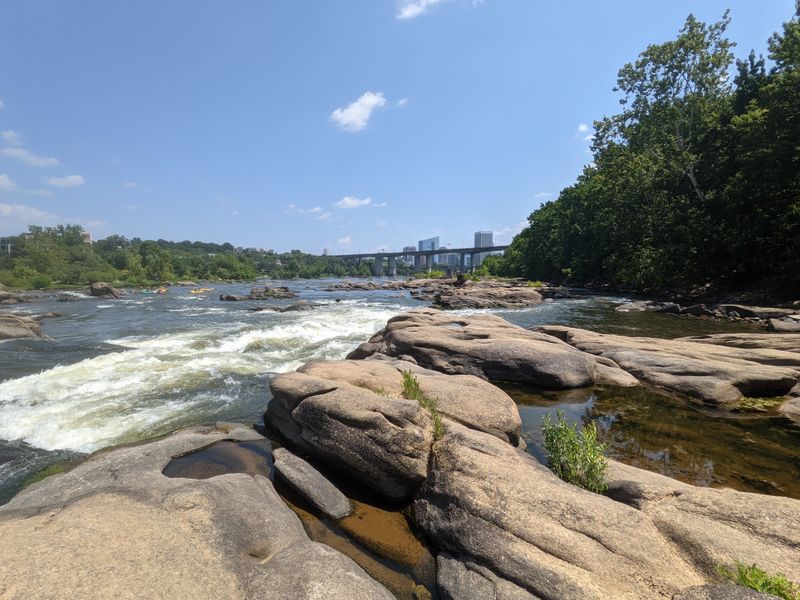
Right in the heart of Richmond sits an island sanctuary where the sounds of rushing water drown out city noise. This rocky island paradise features trails that weave through forests and along riverbanks, creating an unexpected wilderness experience mere minutes from downtown streets.
Access begins at Tredegar Street near the historic canal walk, where a footbridge connects the mainland to this natural retreat. Once across, visitors discover a landscape shaped entirely by the river’s powerful currents and seasonal floods.
Massive boulders scattered throughout the island create natural seating areas perfect for watching kayakers navigate the rapids. The James River churns and tumbles around these ancient rocks, carving channels that have existed for thousands of years.
Locals come here to disconnect from urban pressures while remaining close to home, enjoying trails that feel miles away from civilization. The island’s interior features towering trees and undergrowth that shelter various bird species and small mammals.
During warmer months, shallow pools form along the shoreline, attracting families who wade in the cool water. The exposed bedrock tells geological stories spanning millions of years, with visible layers and formations fascinating to amateur geologists.
Sunset transforms the western sky into spectacular displays that reflect off the flowing water, creating magical moments for evening visitors. Despite its proximity to Virginia’s capital city, Belle Isle maintains a rugged, undeveloped character that makes it feel genuinely wild and preserved.
3. Channels Natural Area Preserve
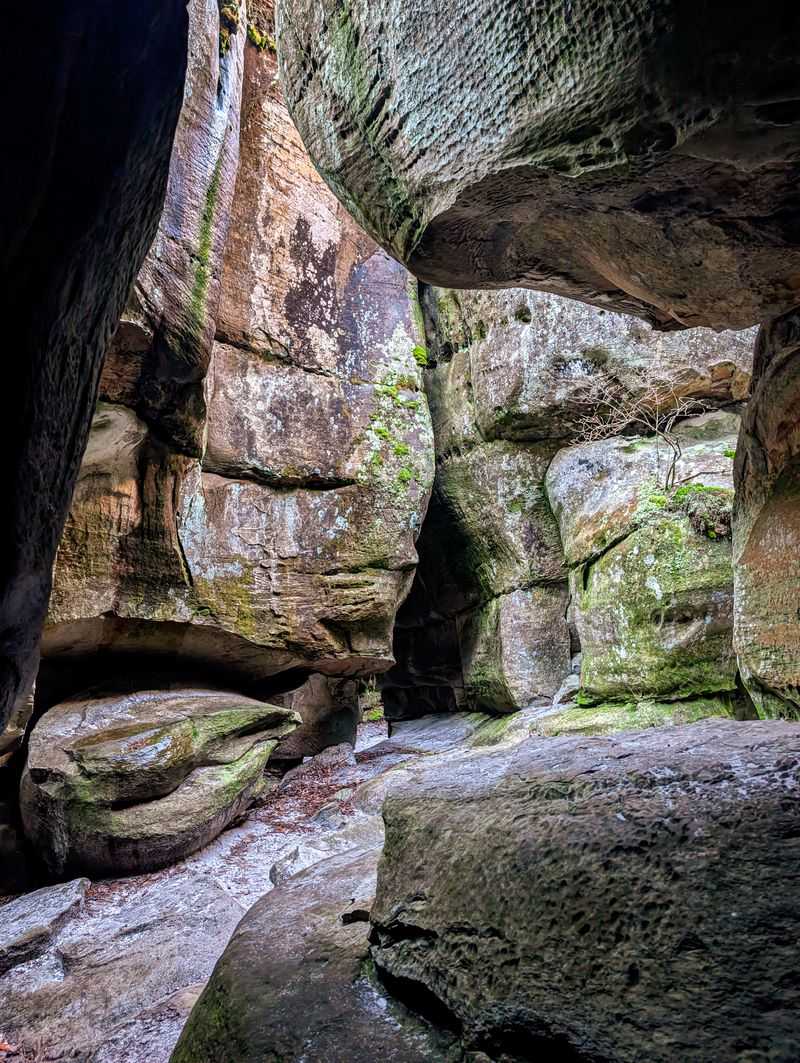
Hidden in the far southwestern corner of the state lies a geological wonderland that few outside the region even know exists. Massive sandstone formations create narrow passages and towering walls that transport visitors into another world entirely.
Located near Saltville off Route 91, this preserve protects unique rock formations created over millions of years. The channels themselves were carved by ancient water flows, leaving behind sculpted corridors that wind through the landscape.
Walking between these stone giants feels like exploring a natural cathedral where silence and grandeur combine perfectly. Moss and lichen cling to the rock faces, adding splashes of green to the weathered sandstone surfaces.
Rare plant species thrive in the microclimate created by these formations, making the preserve valuable for botanical research and conservation. The narrow pathways open suddenly into wider spaces, creating a sense of discovery with each turn.
Photographers find endless inspiration in the interplay of light and shadow across the textured rock surfaces throughout the day. Unlike commercial attractions, this preserve remains blissfully uncommercialized, with minimal signage and no visitor facilities beyond basic trail markers.
Seasonal changes bring different character to the channels, from ice formations in winter to lush vegetation in summer months. The surrounding forest provides habitat for wildlife that rarely encounters humans, maintaining natural behaviors undisturbed by heavy tourism.
Visiting requires respect for the fragile ecosystem and careful navigation of sometimes slippery rock surfaces.
4. Crabtree Falls
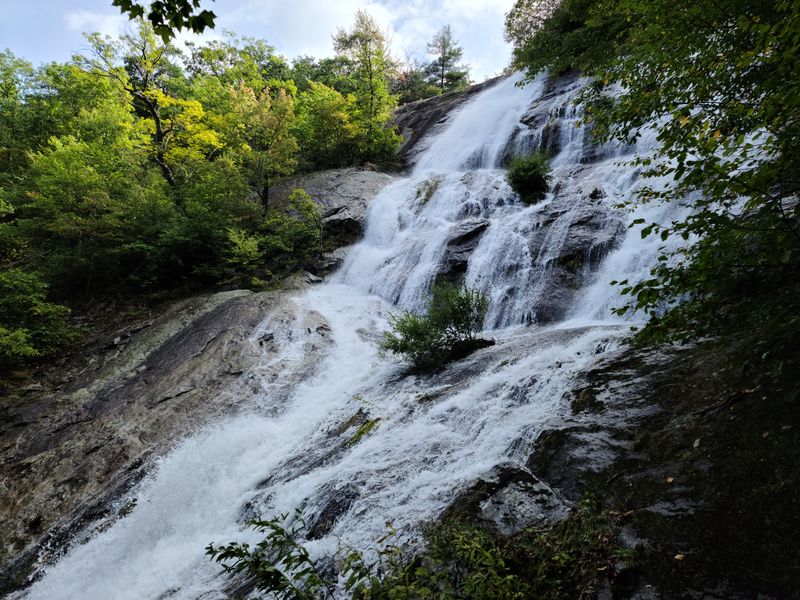
Cascading down the eastern slopes of the Blue Ridge, this waterfall system ranks among the tallest in the entire eastern United States. Five major cascades combine to create a total drop that impresses even seasoned waterfall enthusiasts.
The trailhead sits along Route 56 in Nelson County, providing access to a series of overlooks that showcase different sections of the falls. Each viewing platform offers unique perspectives on the tumbling water as it crashes over rocks and through narrow chutes.
Mist rises from the pools below, creating rainbows on sunny days and keeping the surrounding vegetation lush and green. The trail itself climbs steadily alongside the cascades, requiring moderate fitness but rewarding effort with increasingly spectacular views.
Spring runoff transforms the falls into a thundering display of raw power that echoes through the surrounding forest. The water originates from pristine mountain streams that flow through largely undeveloped watershed areas.
Native rhododendrons bloom along the trail in late spring, adding bursts of pink and white to the verdant landscape. Visitors who make the full climb to the upper cascades often find themselves alone with nature, far from the crowds at the lower viewing areas.
The surrounding national forest land ensures that development will never encroach on this natural spectacle. Cool temperatures near the falls provide relief during summer heat, making this a popular destination for those seeking refreshment.
Winter visits reveal a completely different character when ice formations cling to the rock faces.
5. False Cape State Park
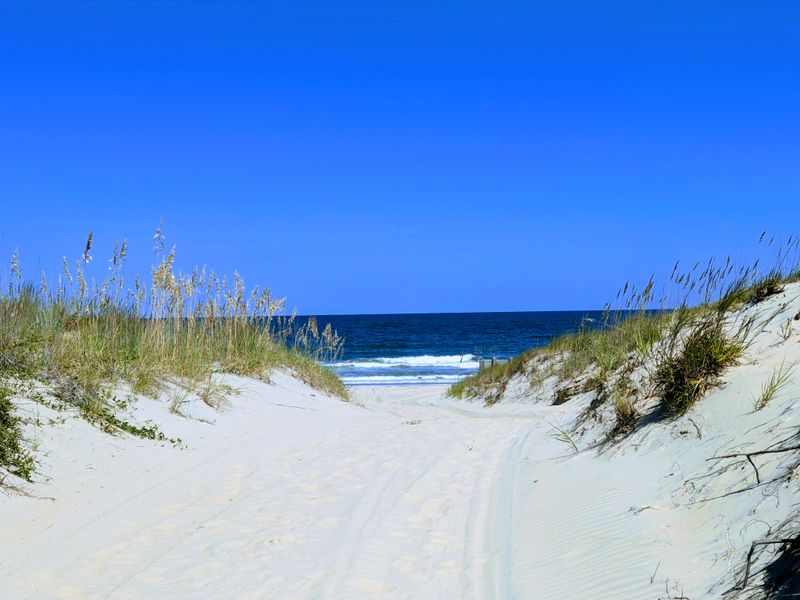
Accessible only by foot, bicycle, or boat, this coastal wilderness remains one of Virginia’s most isolated natural areas. The lack of vehicle access has preserved miles of pristine beach and maritime forest exactly as nature intended.
The park entrance lies south of Sandbridge Beach in Virginia Beach, but reaching the main park areas requires several miles of travel through Back Bay National Wildlife Refuge. This journey filters out casual visitors, ensuring that those who arrive truly appreciate the untouched environment.
Wide sandy beaches stretch for miles without a single building or commercial structure interrupting the view. Dunes rise and shift with wind and tide, creating an ever-changing landscape that feels timeless and remote.
Maritime forests inland from the beach shelter diverse wildlife populations, including species rarely seen in more developed coastal areas. The isolation creates exceptional opportunities for observing natural behaviors without human interference.
Camping facilities exist but remain primitive, reinforcing the wilderness character that defines this special place. Sunrise over the Atlantic Ocean paints the sky without competition from artificial lights, offering pure natural beauty.
The barrier spit location means the park sits between ocean and bay, providing varied ecosystems within a relatively compact area. Shorebirds gather in impressive numbers during migration seasons, turning beaches into living displays of avian diversity.
Visitors must plan carefully, bringing all necessary supplies since no services exist within the park boundaries. The reward for this preparation is experiencing coastal Virginia as it existed before modern development transformed most shorelines.
6. Shenandoah River State Park
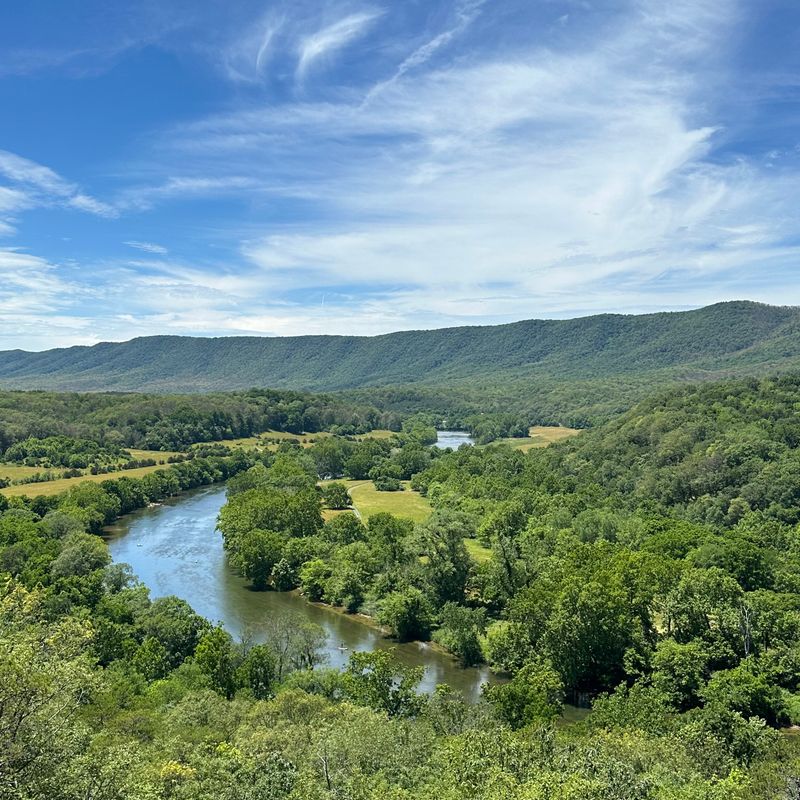
Where the river bends through Warren County, this park preserves bottomland forests and riverfront that have escaped the development pressures affecting many waterways. The Shenandoah flows clear and cold, supporting healthy fish populations and providing habitat for river otters and other aquatic wildlife.
Located at 350 Daughter of Stars Drive in Bentonville, the park offers access to ecosystems that remain remarkably intact. Trails wind through forests where old growth trees still stand, their massive trunks testament to centuries of uninterrupted growth.
River access points allow paddlers to launch into waters that flow through largely undeveloped countryside for miles in either direction. The gentle current makes for relaxing trips where the only sounds come from nature itself.
Bald eagles nest in tall trees along the riverbanks, their presence indicating the health of the entire ecosystem. Seasonal flooding renews the bottomland forests, depositing nutrients and maintaining the natural cycles that sustain diverse plant communities.
Evening brings choruses of frogs and insects that create a symphony unchanged for millennia. The park’s location away from major urban centers means night skies remain dark enough for serious stargazing.
Wildflower displays in spring meadows attract butterflies and native pollinators in impressive numbers. The river itself maintains excellent water quality thanks to protected headwaters and minimal pollution sources upstream.
Fishing enthusiasts find smallmouth bass and other species thriving in the clean, well-oxygenated water. The combination of river, forest, and meadow habitats creates remarkable biodiversity within the park boundaries.
7. Dragon’s Tooth on the Appalachian Trail
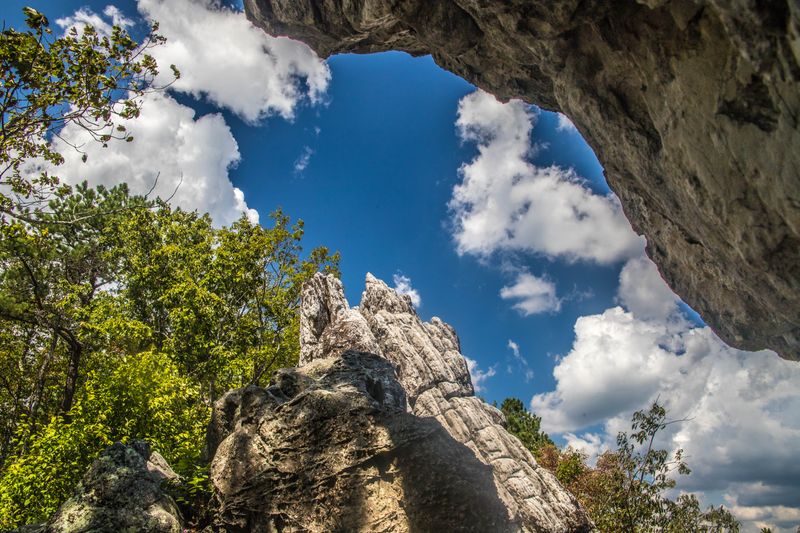
Rising like a stone giant’s fang from the mountaintop, this distinctive rock formation has become legendary among hikers seeking dramatic natural landmarks. The tooth itself stands tall and sharp, a geological oddity that captures imagination and challenges adventurous climbers.
The trailhead near Catawba off Route 311 marks the beginning of a strenuous but rewarding journey upward. Switchbacks carry hikers through forests that gradually give way to rockier terrain as elevation increases.
Reaching the formation requires scrambling over boulders and navigating steep sections that add excitement to the adventure. The final approach reveals the full scale of the tooth, a massive quartzite spine jutting skyward.
Views from the base encompass mountain ranges extending to distant horizons, all cloaked in forest that shows minimal human impact. Brave souls who climb onto the formation itself gain even more spectacular perspectives, though caution is absolutely essential.
The surrounding area features other interesting rock formations and outcrops, making the entire zone feel like nature’s sculpture garden. Geological forces over millions of years created these features through uplift, erosion, and weathering processes still active today.
Local hiking clubs maintain the trail, ensuring access while protecting the fragile alpine environment. The tooth’s dramatic profile makes it instantly recognizable in photographs, yet pictures never quite capture the scale and presence of standing beside it.
Weather conditions can change rapidly at this elevation, adding an element of wilderness unpredictability to every visit. The isolation and natural character make this destination feel genuinely wild.
8. Pinnacle Natural Area Preserve
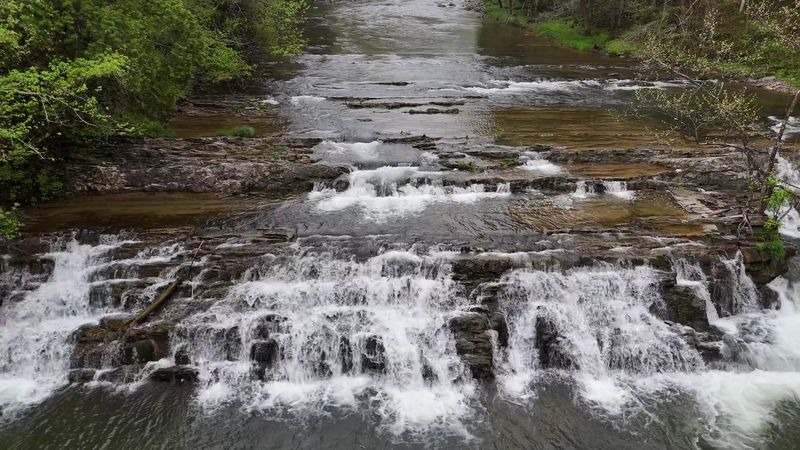
Unique limestone formations dominate this preserve in Russell County, creating habitat for rare species found nowhere else in Virginia. The pinnacle itself rises as a prominent karst feature, its white stone contrasting sharply with surrounding vegetation.
Located near Lebanon off Route 19, the preserve protects fragile ecosystems that have developed on and around the limestone outcrops. Rare plants adapted to the alkaline soils cling to rock crevices and thin soil pockets.
Walking trails lead through diverse habitats, from dry rocky slopes to moist valleys supporting completely different plant communities. The geological diversity creates corresponding biological diversity, making every visit a lesson in ecology.
Caves and sinkholes dot the landscape, evidence of the underground drainage systems typical of karst topography. These features add mystery and geological interest to an already fascinating natural area.
The preserve remains relatively unknown outside local naturalist circles, ensuring peaceful visits without crowds. Spring brings wildflower displays that attract botanists and photographers from across the region.
Butterflies and other pollinators thrive here, drawn by the abundance of native flowering plants. The limestone bedrock influences everything from soil chemistry to water drainage patterns, creating conditions unlike most Virginia preserves.
Conservation efforts focus on protecting the rare species that make this place scientifically valuable. Educational opportunities abound for those interested in understanding how geology shapes ecosystems.
The pinnacle itself provides a landmark visible from surrounding areas, its pale stone catching light dramatically. Visiting requires respect for the fragile environment and adherence to preserve rules designed to protect sensitive areas.
9. Great Dismal Swamp National Wildlife Refuge
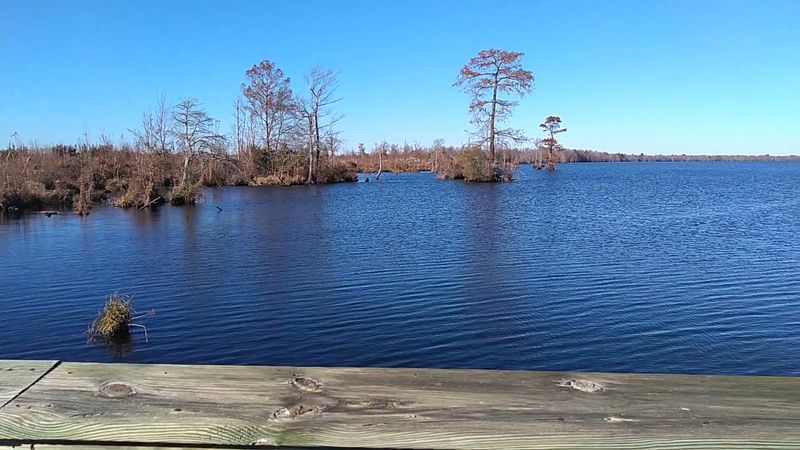
Spanning the Virginia-North Carolina border, this vast wetland complex represents one of the largest remaining swamp ecosystems in the eastern United States. Despite its ominous name, the swamp teems with life and offers unique beauty found nowhere else in the state.
The refuge headquarters sits at 3100 Desert Road in Suffolk, providing information and access to this mysterious landscape. Boardwalks and trails allow visitors to explore without damaging the sensitive wetland environment.
Bald cypress trees rise from dark water, their knees breaking the surface in otherworldly formations. The swamp remains largely as it was centuries ago, a watery wilderness that resisted development and drainage attempts.
Lake Drummond lies at the heart of the refuge, a natural lake formed by ancient processes still debated by scientists. Paddling its waters creates a sense of timelessness, surrounded by forest and sky with no signs of modern civilization.
Black bears roam the swamp interior, finding sanctuary in the dense vegetation and limited human access. The refuge protects critical habitat for numerous species, from tiny salamanders to majestic wading birds.
Sunrise in the swamp brings haunting calls of birds echoing through the mist, creating atmospheric moments that linger in memory. The water itself appears black from tannins leached from decaying vegetation, giving the swamp its distinctive character.
Seasonal water level changes create different conditions throughout the year, affecting which areas remain accessible. This dynamic system continues functioning according to natural rhythms, largely unaffected by human interference beyond the refuge boundaries.
Dear Reader: This page may contain affiliate links which may earn a commission if you click through and make a purchase. Our independent journalism is not influenced by any advertiser or commercial initiative unless it is clearly marked as sponsored content. As travel products change, please be sure to reconfirm all details and stay up to date with current events to ensure a safe and successful trip.
