
Virginia transforms into something special when the crowds thin out. Summer tourists pack beaches and historic sites, but locals know the real magic happens during quieter months.
Off-season travel means shorter lines, lower prices, and a chance to experience Virginia’s treasures the way residents do.
From mountain trails to coastal towns, the state reveals its authentic character when peak season ends. You’ll find better parking, more attentive service, and opportunities to chat with shopkeepers and guides who aren’t rushed.
The scenery stays stunning, whether autumn leaves blanket the Blue Ridge or winter fog rolls through colonial streets.
These ten destinations shine brightest when visitor numbers drop. Each offers unique rewards for those willing to explore outside the summer rush.
Pack your bags and discover why Virginians prefer these spots when the rest of the world looks elsewhere.
1. Shenandoah National Park in Autumn
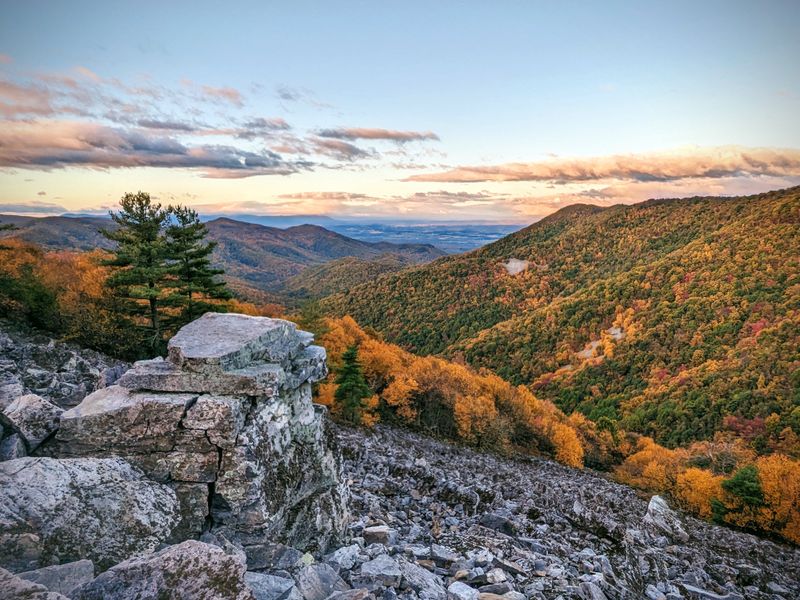
Skyline Drive becomes a ribbon of gold and crimson when fall arrives in the mountains. The famous road stretches over a hundred miles, offering overlooks that frame valleys painted in autumn colors.
Locals time their visits for weekdays in October, avoiding the weekend rush while catching leaves at their brightest.
Wildlife emerges more freely during cooler months. Deer graze near roadside clearings, and black bears fatten up before winter, often visible from overlooks.
The crisp air makes hiking more comfortable than summer’s humidity, and trails that bake in July become pleasant woodland walks.
Campgrounds stay open through November, offering solitude impossible during summer vacation season. Morning fog fills valleys below, creating scenes that look like paintings.
Rangers have more time to share stories about the park’s history and ecology when fewer visitors compete for attention.
Waterfalls run stronger after autumn rains, and rocky outcrops provide perfect lunch spots without crowds. The park’s entrance stations process cars quickly, and parking lots at popular trailheads actually have spaces.
Temperatures drop enough to require layers, but sunny afternoons warm up nicely.
Local towns surrounding the park offer harvest festivals and farm stands bursting with apples and pumpkins. Lodges and cabins near park entrances drop their rates, making overnight stays more affordable.
This combination of natural beauty, wildlife activity, and reduced visitor numbers makes autumn the insider’s choice for experiencing Shenandoah.
Address: 3655 U.S. Highway 211 East, Luray, VA 22835
2. Colonial Williamsburg in Winter
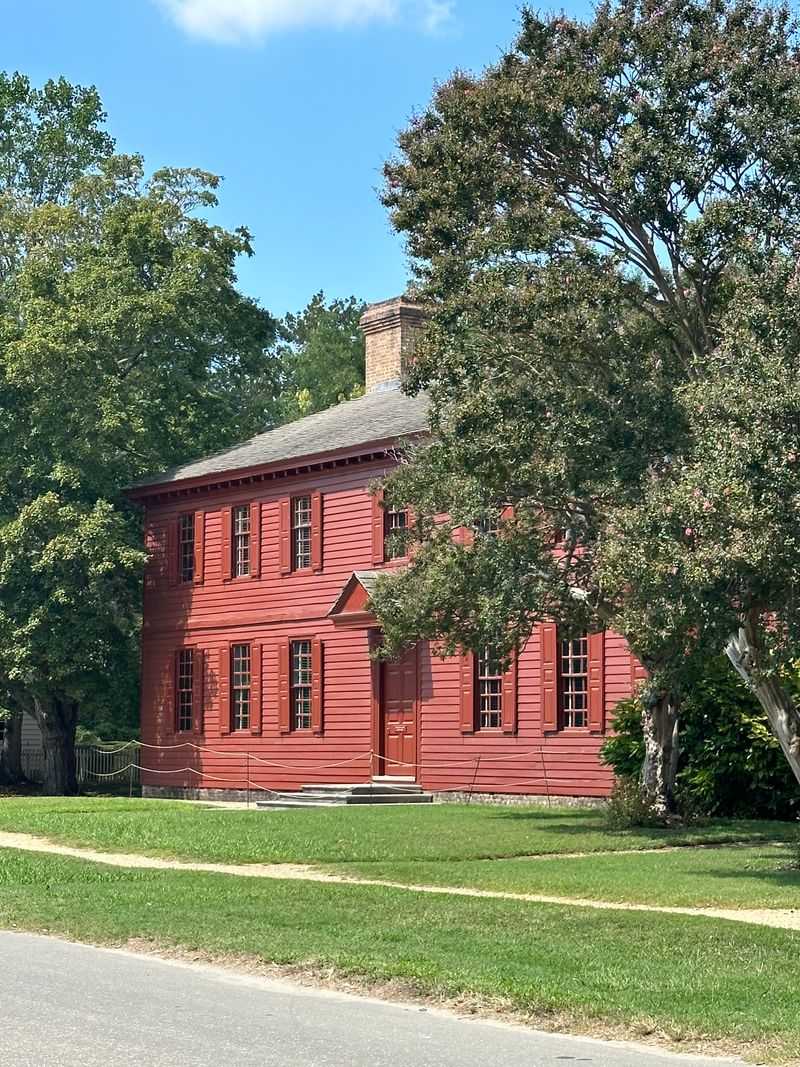
Cobblestone streets glisten with frost as interpreters in period clothing go about their work. Winter brings a different atmosphere to this living history museum, one that feels more intimate and authentic.
Candlelight tours happen frequently during colder months, casting buildings in the same glow colonists knew.
Tradespeople demonstrate their crafts without summer’s massive crowds pressing around their shops. The blacksmith explains his techniques while you stand close enough to feel the forge’s heat.
Weavers, silversmiths, and wigmakers work at their own pace, happy to answer questions thoroughly.
Holiday programming extends beyond Christmas, with historical celebrations marking events colonists actually observed. The buildings themselves become characters in winter, with smoke curling from chimneys and windows glowing warmly against gray skies.
Gardens rest under mulch, showing how colonial households prepared for spring.
Restaurants in the historic area serve hearty period-inspired dishes perfect for cold days. Taverns feel especially cozy when temperatures drop, their low ceilings and fireplaces creating snug atmospheres.
You can actually get reservations without booking weeks ahead.
Walking the entire historic area becomes pleasant rather than exhausting. Summer heat makes the half-mile stretch from one end to the other feel endless, but winter’s chill keeps you energized.
Shops and exhibits stay open, yet you’ll often find yourself alone or with just a few others.
Photography improves dramatically without crowds in every frame. The historic buildings look their best against bare trees and occasional snow.
This is when locals visit, enjoying their backyard treasure without tourist chaos.
Address: 101 Visitor Center Drive, Williamsburg, VA 23185
3. Chincoteague Island During Spring
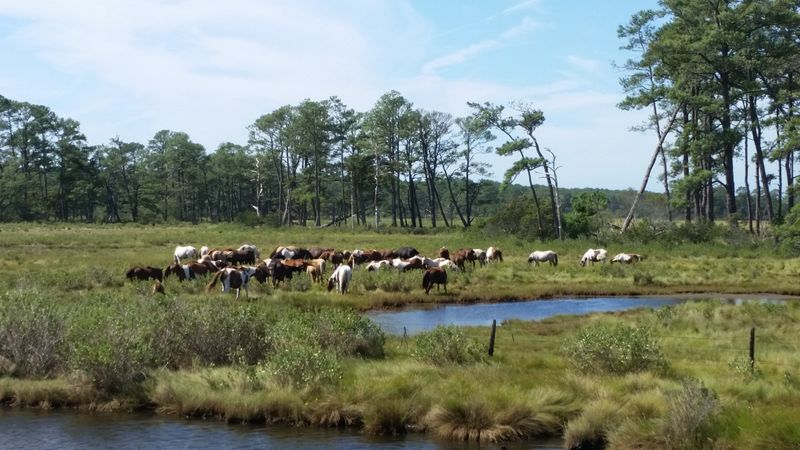
Wild ponies graze peacefully across salt marshes as spring birds return by the thousands. Chincoteague transforms from a quiet fishing village into a nature lover’s paradise when migration season begins.
The famous pony swim happens in summer, drawing massive crowds, but spring offers better wildlife viewing without the chaos.
Assateague Island National Seashore stretches empty for miles during April and May. Beach walks reveal shells and seabirds without summer’s wall of umbrellas and towels.
The water stays too cold for most swimming, which keeps beaches blissfully uncrowded.
Birdwatchers arrive with binoculars and cameras, spotting species that pause here during northern migrations. The wildlife refuge becomes a symphony of calls and colors.
Rangers lead nature walks that fill quickly even in shoulder season, but you’ll still find solitude on less-traveled trails.
Local seafood shacks open for the season, serving fresh catches without long waits. Bike rentals become available again, and pedaling the island’s flat roads reveals hidden corners.
Ponies often graze near roadways, close enough for photos but wild enough to remind you this is their home.
Accommodations cost considerably less than summer rates, and booking last-minute becomes possible. Shops and galleries open their doors, with owners happy to chat about island life.
Sunset views from the beach rival any coastal destination, with horizons unobstructed by crowds.
The island’s small-town character shines through when fewer visitors dilute it. Locals reclaim their favorite spots, and visitors who choose spring get to experience the island as residents do.
Weather stays mild, perfect for outdoor exploration without summer’s oppressive heat.
Address: Chincoteague Island, VA 23336
4. Luray Caverns in Late Fall
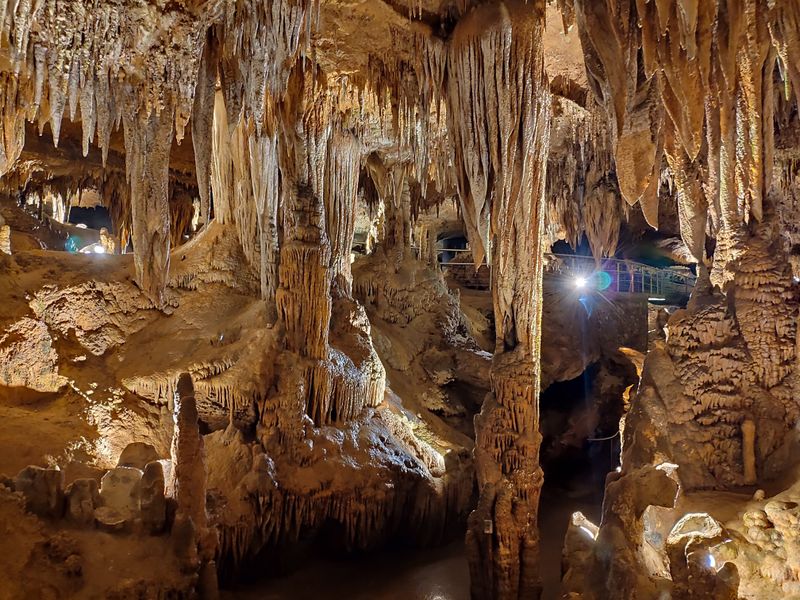
Underground chambers maintain perfect temperatures year-round, making them ideal when surface weather turns unpredictable. Luray Caverns ranks among the world’s most impressive cave systems, with formations that took millions of years to create.
Late fall visits mean smaller tour groups and more time to appreciate the geology.
The Great Stalacpipe Organ produces haunting melodies by tapping stalactites throughout the cavern. Hearing it with just a handful of others creates an almost spiritual experience.
Summer tours pack dozens of people into spaces, but November groups might include only ten visitors.
Cathedral-sized rooms filled with stone columns and flowstone cascades seem even more dramatic without crowds. Tour guides share extra details when they’re not rushing to keep schedules.
The constant cave temperature feels refreshing after cold surface air, and the humidity underground actually feels pleasant.
Above ground, the property includes gardens and a car museum that visitors often skip during peak season rushes. Late fall gives you time to explore these extras without feeling pressured.
The surrounding Shenandoah Valley displays autumn colors well into November, making the drive to Luray scenic.
Nearby towns offer antiquing and local dining without summer tourist prices. The entire experience becomes more relaxed and personal.
Cave photography improves without people constantly walking through your frame, though tripods help in the low light.
Educational programs happen throughout the year, but fall sessions feel more interactive with smaller audiences. Children ask more questions, and guides provide more detailed answers.
The caverns have welcomed visitors for nearly a century, yet they still inspire wonder, especially when you can appreciate them at your own pace.
Address: 101 Cave Hill Road, Luray, VA 22835
5. Virginia Beach Boardwalk in Early Spring
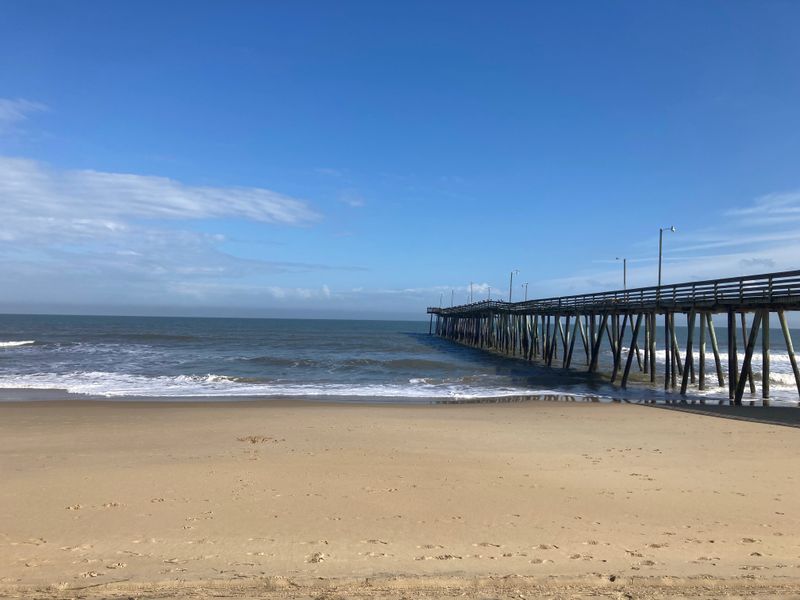
Morning joggers and cyclists reclaim the three-mile boardwalk when spring arrives but summer crowds haven’t. The Atlantic Ocean crashes against the shore, still too chilly for swimming but perfect for contemplative walks.
Locals emerge from winter hibernation, greeting neighbors and enjoying their city without tourists.
Hotels along the oceanfront slash their rates dramatically before Memorial Day weekend. You can book oceanview rooms for a fraction of summer prices, waking to sunrise over the water.
The boardwalk’s restaurants and shops begin opening, offering early-season specials to attract visitors.
Beach volleyball courts sit empty, available for pickup games without competing for space. The fishing pier extends into blue water, where anglers catch spring runs of various species.
Dolphins often swim close to shore during this season, visible from the boardwalk without needing a boat tour.
The Virginia Aquarium operates year-round, with shorter lines at exhibits and easier parking. Nature trails through nearby state parks show spring wildflowers and migrating birds.
The entire coastal area feels refreshed and ready for a new season.
Street performers and artists return to the boardwalk, setting up without summer’s intense competition for spots. You can actually stop and watch performances without being jostled by passing crowds.
Bike rentals become available, and pedaling the flat boardwalk provides excellent exercise with ocean breezes.
Local coffee shops and breakfast spots serve residents and early visitors with genuine hospitality. The pace feels relaxed rather than frantic.
Sunsets paint the sky in brilliant colors, best viewed from benches that actually have availability. This is Virginia Beach as locals know it, before summer transforms it into something else entirely.
Address: Virginia Beach Boardwalk, Virginia Beach, VA 23451
6. Monticello in Late Winter
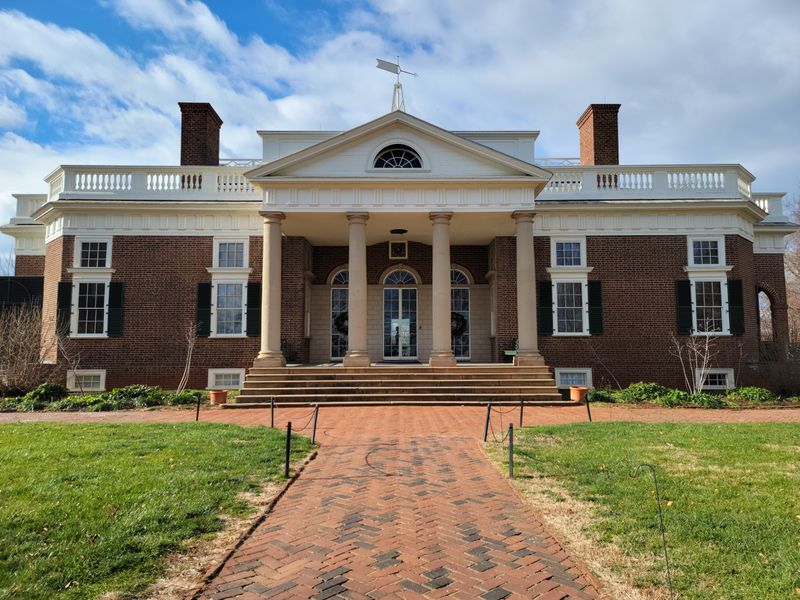
Thomas Jefferson’s mountaintop estate takes on a contemplative quality when winter visitors thin out. The neoclassical architecture stands stark against bare trees, its proportions and details more visible without summer foliage.
Guides lead smaller groups through the house, allowing closer looks at Jefferson’s innovations and collections.
Gardens lie dormant but still reveal Jefferson’s experimental approach to agriculture and landscaping. The vegetable terrace shows winter preparation techniques, and orchards display pruning methods.
Understanding the estate’s workings becomes easier without focusing solely on blooming flowers.
The visitor center and museum exhibits receive more attention when you’re not rushed to join the next house tour. Jefferson’s inventions, correspondence, and contradictions get fuller exploration.
Discussions about his legacy and the enslaved community that built and maintained Monticello happen in smaller, more thoughtful groups.
Mulberry Row, where enslaved families lived and worked, tells its difficult stories more powerfully in winter’s bare honesty. Archaeological sites and reconstructed buildings help visitors understand the full truth of plantation life.
Rangers and interpreters have time for deeper conversations about this complex history.
The drive up the mountain provides views across the Virginia Piedmont, with winter clarity revealing distant ranges. Parking becomes simple, and the grounds feel peaceful rather than crowded.
The gift shop and cafe operate without long lines.
Special winter programming often includes lectures and behind-the-scenes tours not offered during busy seasons. Photography enthusiasts appreciate the dramatic winter light and unobstructed views.
This UNESCO World Heritage Site deserves careful attention, which late winter visits make possible.
Address: 931 Thomas Jefferson Parkway, Charlottesville, VA 22902
7. Blue Ridge Parkway in Early Fall
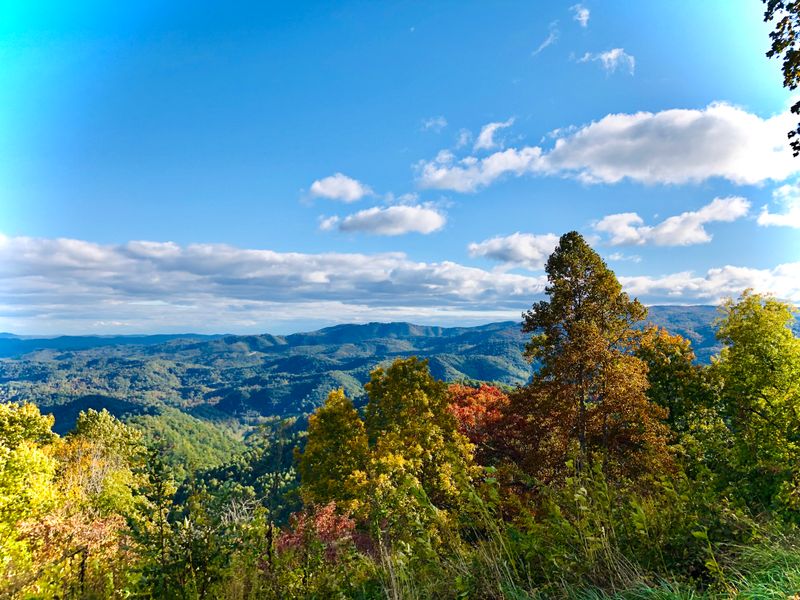
September brings comfortable temperatures and the first hints of autumn color to the high country. The famous scenic road connects Shenandoah National Park to Great Smoky Mountains, with Virginia’s section offering some of the most spectacular views.
Early fall hits the sweet spot before leaf-peeper crowds arrive.
Overlooks that require circling for parking in October sit half-empty in early September. You can actually pull off at favorite spots and enjoy views without rushing.
Hiking trails leading from parkway access points show late wildflowers and early color changes.
The Peaks of Otter area provides lodging, dining, and trail access in a stunning setting. Sharp Top Mountain’s trail challenges hikers with steep sections but rewards them with panoramic views.
Abbott Lake reflects surrounding peaks, creating mirror images perfect for photography.
Mabry Mill, one of the parkway’s most photographed spots, looks picturesque in any season, but early fall brings golden light and fewer tour buses. The working gristmill demonstrates mountain heritage, and the surrounding grounds show traditional Appalachian life.
Nearby trails wind through forests beginning their color transformation.
Wildlife becomes more active as temperatures cool. Deer, turkeys, and smaller creatures appear near the roadway during early morning and evening hours.
Bird migrations pass through, offering sightings of species rarely seen in other seasons.
The parkway’s speed limit keeps travel slow, encouraging appreciation rather than rushing. Picnic areas provide tables and grills, perfect for meals with mountain views.
Rangers at visitor centers share information about current conditions and lesser-known attractions. This is when locals drive the parkway, enjoying their backyard treasure before autumn’s peak brings crowds.
Address: Blue Ridge Parkway, Virginia (Milepost 0-217)
8. Mount Vernon in Midweek Winter
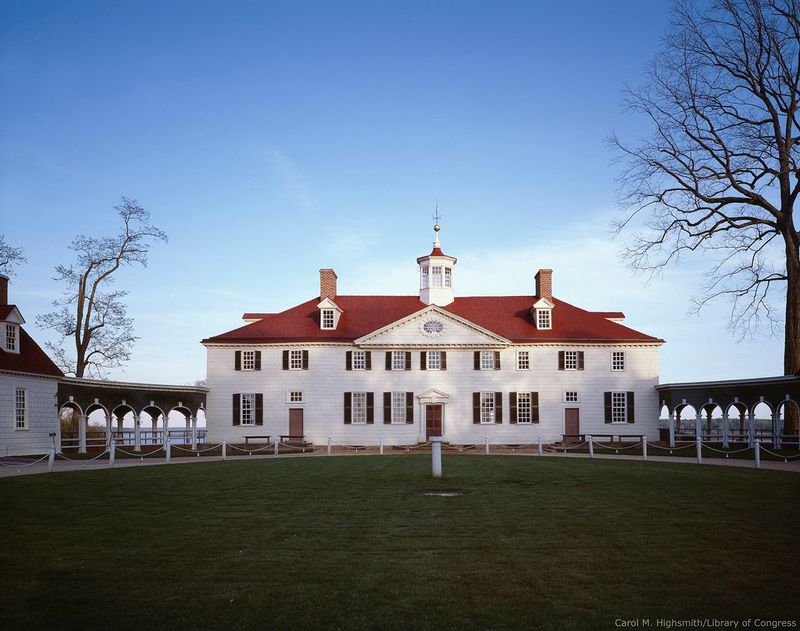
George Washington’s estate sits above the Potomac River, commanding views that inspired the first president. Winter weekdays transform the experience from crowded to contemplative.
The mansion tour groups shrink to manageable sizes, allowing closer examination of original furnishings and architectural details.
Outbuildings scattered across the property tell stories of the diverse community that lived and worked here. The kitchen, smokehouse, and slave quarters reveal daily life on a colonial plantation.
Winter visits make it easier to imagine the estate as a working farm rather than just a museum.
The tomb where Washington and Martha rest receives respectful visits without summer’s constant stream of tourists. Gardens show their winter structure, demonstrating how ornamental and practical plantings worked together.
The bowling green stretches toward the river, its lawn dormant but its purpose clear.
The museum and education center provide hours of exploration. Washington’s life gets examined from multiple angles, including his evolution on slavery and his contributions to the new nation.
Interactive exhibits engage younger visitors, while scholars find depth in the collections.
The wharf area, where boats once loaded plantation products, offers river views and interpretive signs. Walking the grounds in winter reveals the estate’s full layout without foliage blocking sightlines.
The pioneer farm area shows heritage breeds and traditional methods.
Parking becomes straightforward, and the entry process moves quickly. The restaurant serves period-inspired dishes in a setting that avoids feeling rushed.
Gift shop browsing happens without crowds pushing through. Midweek winter visits let you experience Mount Vernon as a real place rather than just a tourist destination.
Address: 3200 Mount Vernon Memorial Highway, Mount Vernon, VA 22121
9. Natural Bridge State Park in Early Spring
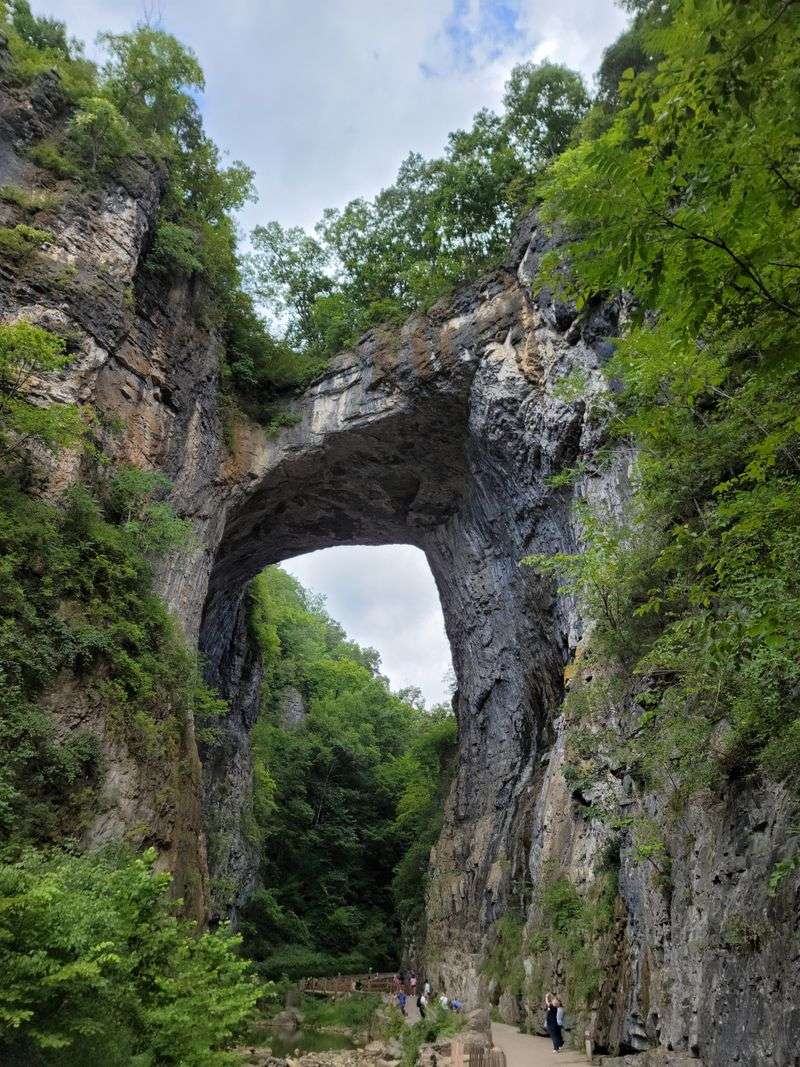
A limestone arch soaring over two hundred feet creates one of Virginia’s most impressive natural wonders. Early spring visits catch the park as it awakens from winter, with water flowing strong through Cedar Creek below the bridge.
The moderate temperatures make the trail down to viewing areas comfortable.
The bridge itself has inspired visitors for centuries, including Thomas Jefferson, who once owned the property. Standing beneath it, looking up at the stone span, creates a sense of awe that photographs can’t quite capture.
Early spring means you might have moments alone with this geological marvel.
Trails beyond the main attraction wind through the gorge, showing wildflowers beginning to bloom. The Monacan Indian Village recreates the heritage of the area’s original inhabitants.
Rangers lead programs about geology, history, and ecology with more time for questions during shoulder season.
The caverns connected to the park offer another underground experience, with different formations than Luray. Above ground, the visitor center provides context about the bridge’s formation and significance.
A small waterfall near the bridge adds to the scenic beauty.
The park’s location in the Shenandoah Valley makes it easy to combine with other attractions. Nearby Lexington offers historic sites and college campuses worth exploring.
The drive through the valley shows farms and small towns representative of rural Virginia.
Lighting systems illuminate the bridge during evening shows, but daytime visits reveal natural colors and textures. Spring’s soft light and emerging greenery frame the bridge beautifully.
This state park protects a wonder that has amazed people for generations, and seeing it without crowds enhances the experience.
Address: 15 Appledore Lane, Natural Bridge, VA 24578
10. Abingdon and Barter Theatre in Winter
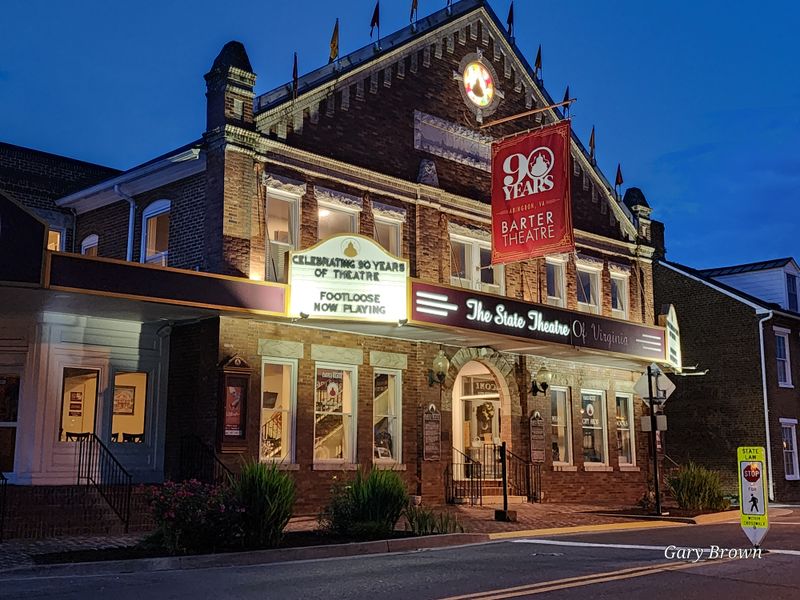
Southwest Virginia’s cultural gem sits nestled in the Appalachian highlands. Abingdon’s historic downtown charms visitors with brick sidewalks and buildings dating back centuries.
Winter brings a cozy atmosphere to this small town, with shops and galleries welcoming browsers.
Barter Theatre, the state theatre of Virginia, performs year-round in an intimate setting. The company’s history includes accepting produce and goods for admission during the Depression, hence the name.
Winter productions often include classics and new works, performed by professional actors in a beautifully restored space.
The theatre’s smaller venue, Stage II, offers experimental and contemporary pieces. Attending performances without summer festival crowds means better seat selection and easier parking.
The theatre district includes restaurants and cafes perfect for pre-show dining.
Abingdon’s location on the Virginia Creeper Trail makes it a base for outdoor adventures even in winter. The rail-trail runs over thirty miles through stunning mountain scenery.
Winter hiking and biking reveal landscapes hidden by summer foliage, with creek crossings and trestle bridges adding drama.
Historic inns and bed-and-breakfasts offer winter packages, combining lodging with theatre tickets. The town’s artisan community includes potters, weavers, and woodworkers whose studios welcome visitors.
Main Street shopping happens at a leisurely pace, with shop owners happy to chat.
The surrounding countryside shows Appalachian culture through music venues and heritage sites. Winter festivals celebrate mountain traditions without overwhelming the small town infrastructure.
This corner of Virginia maintains authentic character, rewarding visitors who venture beyond the state’s more famous destinations. Theatre, history, and mountain beauty combine in Abingdon, especially appealing when winter keeps crowds away.
Address: 127 West Main Street, Abingdon, VA 24210
Dear Reader: This page may contain affiliate links which may earn a commission if you click through and make a purchase. Our independent journalism is not influenced by any advertiser or commercial initiative unless it is clearly marked as sponsored content. As travel products change, please be sure to reconfirm all details and stay up to date with current events to ensure a safe and successful trip.
