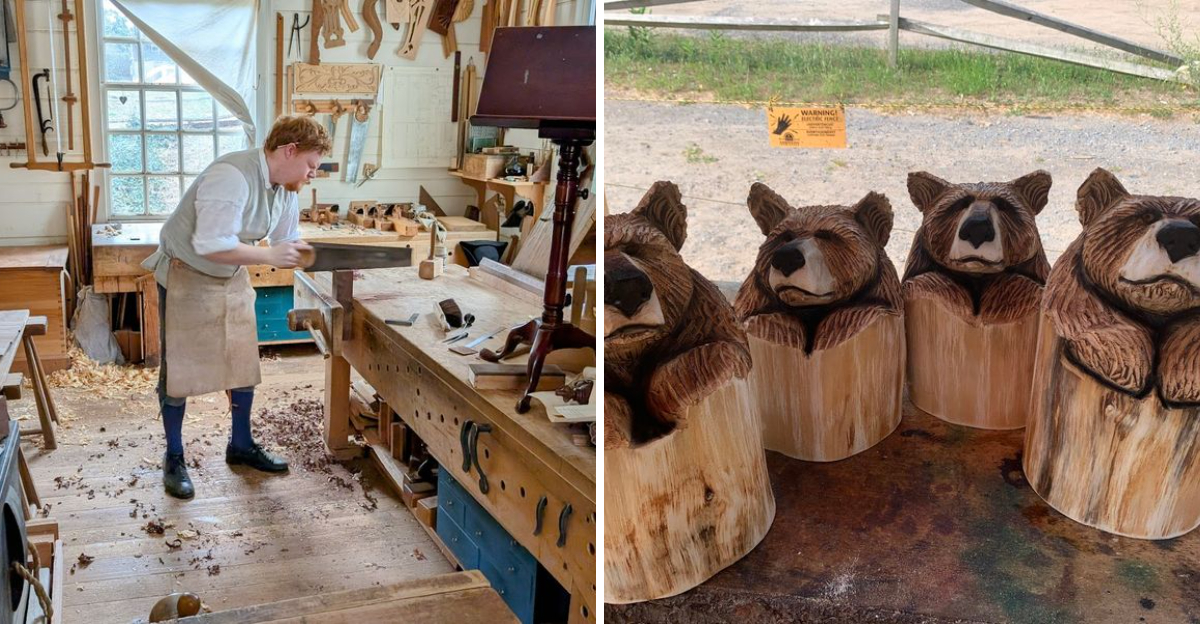
Virginia’s got something most states can only dream about: artisans who’ve been perfecting their crafts for generations, keeping traditions alive that date back centuries. Think blacksmiths hammering iron the old-fashioned way, weavers creating textiles on antique looms, and potters shaping clay using techniques passed down through families.
These aren’t museum exhibits or historical reenactments. They’re real workshops where skilled hands transform raw materials into functional art, just like craftspeople did hundreds of years ago.
From the rolling hills of the Shenandoah Valley to the historic streets of Williamsburg, Virginia’s traditional artisans are the keepers of living history. They’re teaching new generations, sharing forgotten skills, and proving that handmade quality never goes out of style.
1. Colonial Williamsburg Blacksmiths
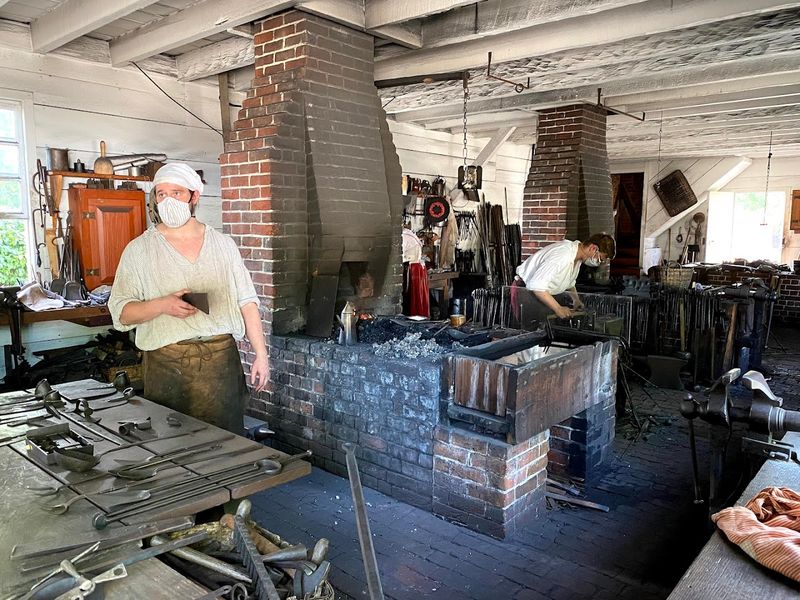
Watch sparks fly as hammers strike glowing iron at Colonial Williamsburg’s blacksmith shop, where master craftsmen forge everything from door hinges to cooking utensils using methods that haven’t changed since the founding fathers walked these streets. The rhythmic clang of metal on metal echoes through the historic district, drawing crowds who stand mesmerized by the transformation of raw iron into functional art.
Apprentices learn alongside seasoned smiths, mastering the delicate dance of heat, timing, and force that turns stubborn metal into graceful curves and sharp edges. Every piece starts as a rough bar heated in coal-fired forges until it glows orange-red, then shaped through patient hammering on massive anvils that have served generations of craftsmen.
Visitors can commission custom pieces, from decorative hooks to reproduction colonial hardware, each one bearing the unique hammer marks that prove its handmade origins. The shop maintains authentic colonial practices, refusing modern shortcuts in favor of time-honored techniques that produce superior strength and character.
Location: 101 Visitor Center Drive, Williamsburg, Virginia. The blacksmith demonstrations run throughout the day, offering glimpses into a craft that built America from the ground up, one hammer strike at a time.
Kids especially love seeing the dramatic showers of sparks and asking questions about how colonists made everything they needed right here in these workshops.
2. Waterford Mill Traditional Weavers
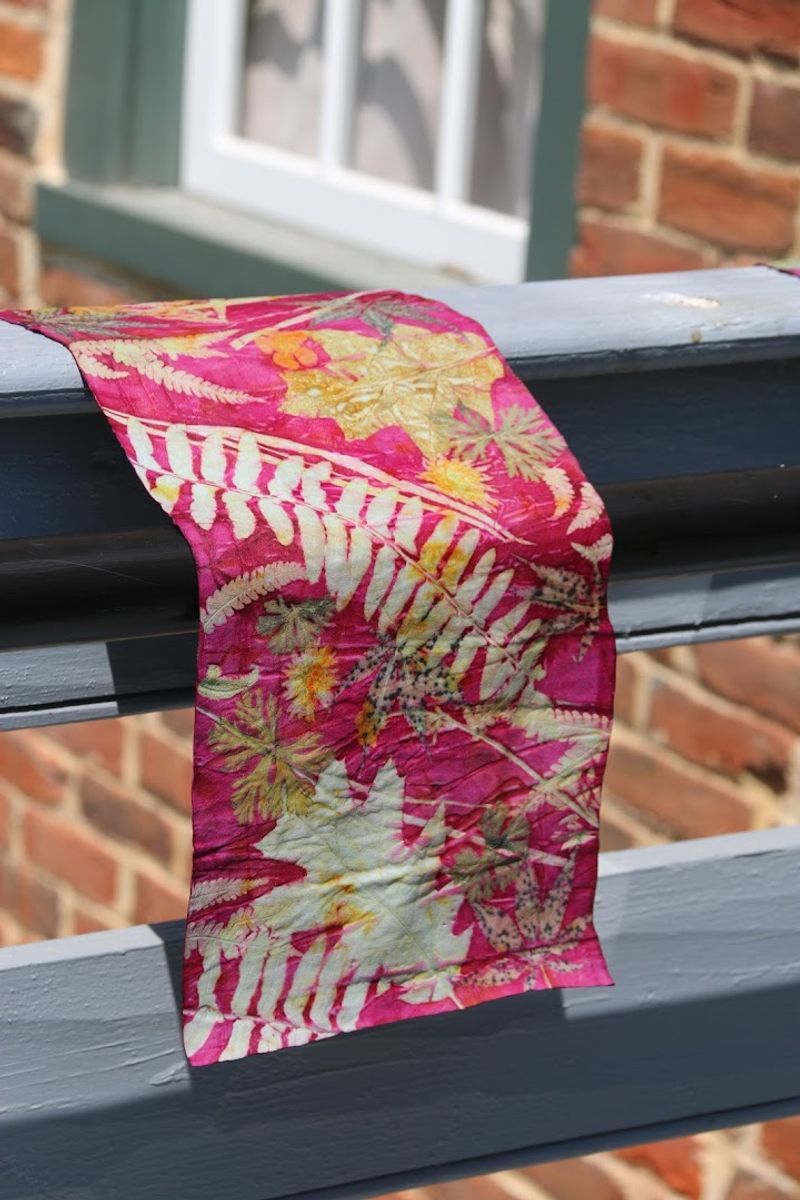
Nestled in the picturesque village of Waterford, this stunning stone mill from the colonial era now houses weavers who create textiles on looms that could have been used by their great-great-grandparents. Wooden shuttles fly back and forth through vertical threads, creating patterns that tell stories of Virginia’s textile heritage stretching back to when every household needed someone who knew their way around a loom.
The rhythmic thump of the treadles and the swish of thread being pulled tight create a soundtrack that’s been heard in this valley for over two centuries. Master weavers demonstrate everything from simple plain weave to complex patterns like twill and herringbone, explaining how different thread counts and weaving styles create fabrics suitable for everything from warm blankets to delicate table linens.
Workshops welcome beginners eager to try their hand at this meditative craft, while the shop sells finished pieces ranging from cozy throws to historically accurate reproduction fabrics. Each textile carries the slight imperfections that mark genuine handwork, making every piece one of a kind.
Location: 15943 Second Street, Waterford, Virginia. The mill itself is worth the visit, with its massive grinding stones and wooden gears still intact, but watching skilled hands guide threads into beautiful patterns is pure magic.
Local wool from Virginia sheep often supplies the raw materials, keeping the entire process rooted in regional tradition.
3. Shenandoah Valley Pottery Masters
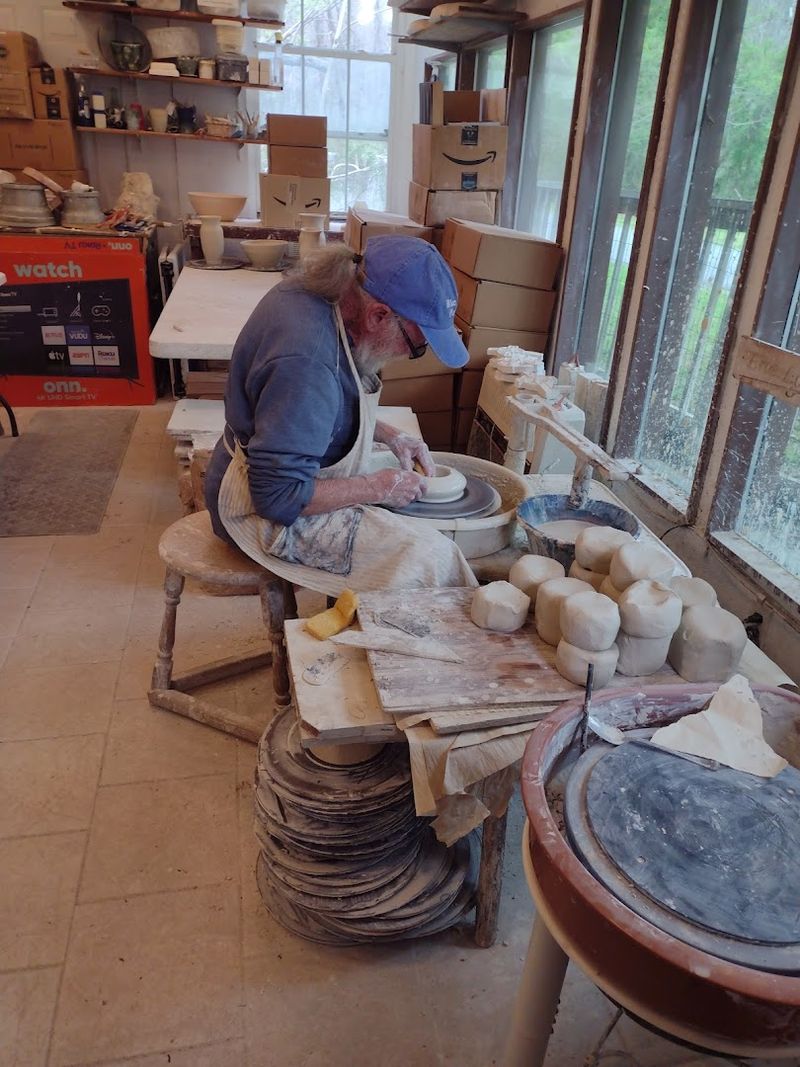
Clay spins beneath skilled fingers in workshops scattered throughout the Shenandoah Valley, where potters practice techniques that ancient civilizations would recognize instantly. The satisfying squish of wet clay rising into bowls, mugs, and vases never gets old, especially when you’re watching someone who’s spent decades perfecting the subtle pressure changes that mean the difference between a wobbly mess and a perfect vessel.
These artisans dig their own clay from Virginia soil, mixing it with water to achieve that ideal consistency that feels like cold butter in your hands. Wood-fired kilns, some built by the potters themselves using century-old designs, transform fragile greenware into durable ceramics through marathon firing sessions that last days and require constant attention.
Apprenticeships here aren’t quick weekend courses but serious multi-year commitments where students learn to center clay, throw cylinders, and understand the chemistry of glazes that produce those gorgeous earth-tone finishes. Every piece reflects the unique mineral content of local clay and the personality of the hands that shaped it.
Studios throughout the valley welcome visitors who want to watch the process or try it themselves on guest wheels. The connection between earth, fire, water, and human creativity becomes tangible when you’re elbow-deep in clay, understanding why this craft has survived millennia.
Finished pieces range from everyday dishes to museum-quality art pottery, all bearing that unmistakable mark of handmade authenticity.
4. Appalachian Woodcarvers
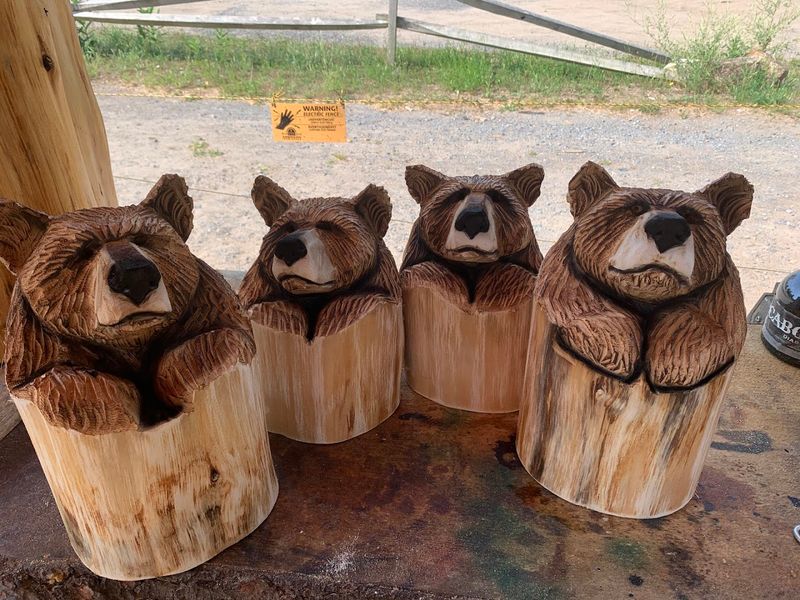
Sharp knives slice through basswood and walnut in mountain workshops where carvers create everything from delicate songbirds to life-sized figures, each piece revealing the grain beneath as personality emerges from raw timber. The scent of fresh wood shavings fills the air while artisans work with tools their fathers and grandfathers used, some chisels and gouges still bearing the wear patterns of generations of careful hands.
Traditional Appalachian carving focuses on subjects drawn from mountain life: wildlife, folk characters, and functional items like wooden spoons and bowls that are almost too beautiful to use. Every carver develops their own distinctive style through years of practice, learning which woods carve cleanly and which fight the blade, which finishes bring out hidden beauty and which obscure it.
Some specialize in chip carving, creating geometric patterns through precise knife cuts that catch light and shadow in mesmerizing ways. Others prefer relief carving, where images seem to emerge from flat boards like photographs developing in a darkroom.
The most ambitious tackle full sculptures in the round, where every angle must be perfect and the wood itself seems to come alive.
Studios welcome visitors curious about the process, often demonstrating basic cuts and explaining how to read wood grain to avoid splits and tears. Many offer classes where beginners learn to carve simple projects like walking sticks or kitchen utensils, discovering muscles they didn’t know they had and a meditative focus that screens out everything except wood, blade, and vision.
5. Historic Williamsburg Cabinet Makers
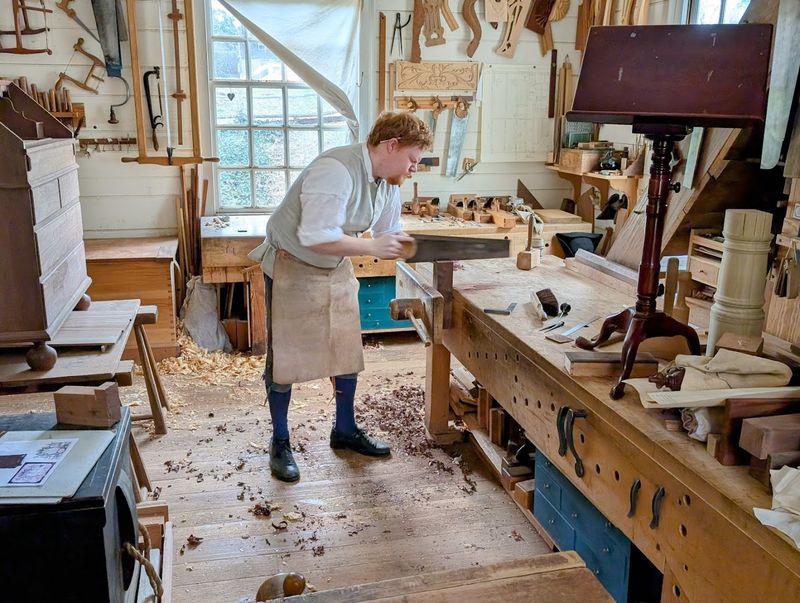
Dovetail joints fit together with satisfying precision in workshops where furniture makers build pieces using only hand tools and joinery techniques that predate the Industrial Revolution. No screws, no nails, no modern fasteners mar these creations, just wood fitted to wood so perfectly that the joints themselves become decorative elements showcasing the maker’s skill.
Quarter-sawn oak, cherry, and walnut selected for their straight grain and rich color wait to be transformed into tables, chairs, and cabinets that will serve families for generations. Hand planes shave whisper-thin curls from rough boards, revealing the luminous wood beneath while creating surfaces smoother than most machine-sanded pieces.
Apprentices spend years learning to cut perfect mortise and tenon joints, shape graceful cabriole legs, and apply finishes that protect wood while letting its natural beauty shine through. Master craftsmen can reproduce any period piece from photographs or museum examples, matching wood species, joinery methods, and decorative details with exacting accuracy.
Location: Duke of Gloucester Street, Williamsburg, Virginia. Watching a cabinet maker hand-cut dovetails or fit a drawer so precisely it closes with just a whisper of air is like watching magic, except it’s pure skill developed through thousands of hours of practice.
Commissioned pieces take months to complete but become instant heirlooms, their quality obvious to anyone who runs their hands over the silky surfaces and examines the flawless joints.
6. Shenandoah Broom Makers

Broomcorn, a special variety of sorghum grown specifically for its long, straight seed heads, gets stitched and bound to wooden handles by artisans practicing a craft that once sustained entire Virginia communities. The repetitive motion of pulling stitching wire tight, flattening the broomcorn, and building up layers creates brooms that sweep cleaner and last longer than anything you’ll find in a big-box store.
Growing and harvesting broomcorn is an art itself, requiring perfect timing to cut the stalks when the fibers are strong but still flexible. Makers spend hours sorting through harvested broomcorn, selecting the longest, straightest pieces for the outer layers where they’ll take the most abuse, saving shorter pieces for the inner core.
Traditional round brooms, flat kitchen brooms, and specialized whisk brooms each require different construction techniques and binding patterns. Some makers add decorative stitching or dyed broomcorn accents, turning functional items into folk art that’s almost too pretty to use on dusty floors.
Workshops demonstrate the entire process from raw broomcorn to finished product, letting visitors try their hand at the stitching process that looks deceptively simple until you realize how much tension and precision it requires. Local stores throughout the Shenandoah Valley stock these handmade brooms, which sweep so effectively that once you’ve used one, plastic brooms feel like toys.
The craft keeps alive agricultural traditions and manufacturing skills that were once common across rural Virginia but now survive only through dedicated artisans.
7. Charlottesville Leather Workers
Saddle stitching creates seams stronger than the leather itself in workshops where artisans cut, dye, and assemble everything from belts to saddles using techniques that would be familiar to colonial tanners and leather workers. The distinctive smell of leather and neat’s-foot oil fills these spaces, along with the rhythmic punch of awls piercing thick hide and the satisfying pull of waxed thread through precisely spaced holes.
These craftspeople start with vegetable-tanned leather, the same type used for centuries because it develops a beautiful patina with age and use rather than cracking and peeling like cheaper alternatives. Hand-cutting patterns, beveling edges, and burnishing surfaces until they shine like glass all require tools and skills passed down through generations of leather workers.
Tooling and stamping add decorative elements, from simple borders to elaborate floral patterns that turn functional items into wearable art. Some specialize in reproduction historical pieces, creating museum-quality replicas of colonial-era goods, while others design contemporary items that honor traditional construction methods while meeting modern needs.
Location: Various studios throughout Charlottesville and surrounding Albemarle County. Custom orders let customers choose leather type, hardware, and decorative elements, resulting in one-of-a-kind pieces built to their exact specifications.
A well-made leather belt or bag can last decades with minimal care, developing character and personal history that mass-produced items never achieve. Watching skilled hands transform flat leather into three-dimensional objects through nothing but cutting, stitching, and shaping reveals why this ancient craft still thrives.
8. Fredericksburg Candle Makers
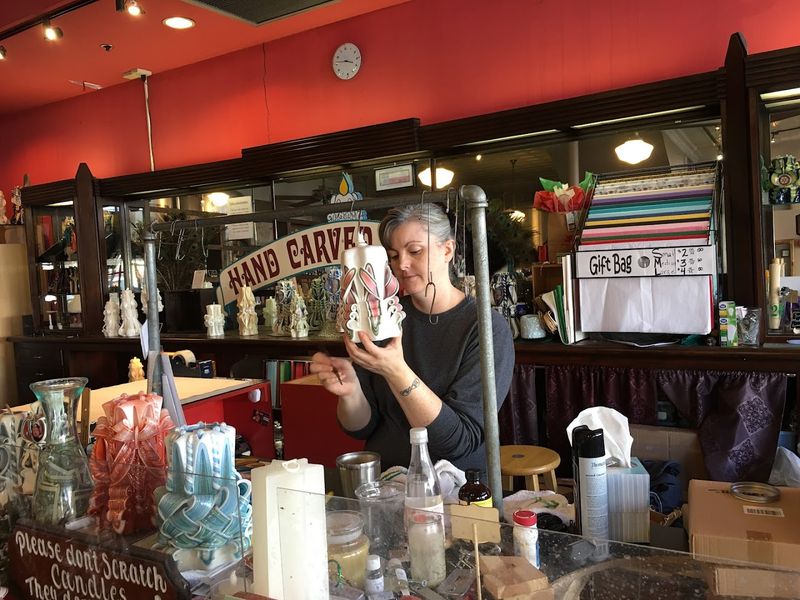
Wicks dip repeatedly into pots of melted beeswax and tallow, each pass adding another thin layer until slender tapers emerge with that distinctive handmade taper that no molded candle can match. Candle making was essential household work in colonial Virginia, and artisans in Fredericksburg keep those methods alive, creating candles that burn cleaner and longer than petroleum-based alternatives.
Pure beeswax candles fill rooms with subtle honey fragrance while burning with a warm, steady flame that’s kinder to eyes than harsh modern lighting. The wax comes from local beekeepers, keeping the entire process rooted in Virginia agriculture and supporting the interconnected web of traditional crafts and farming.
Rolled candles made from sheets of beeswax offer a quicker alternative to dipping, while molded candles allow for decorative shapes and sizes. Some makers add natural dyes and essential oils, creating scented candles without the synthetic fragrances that trigger allergies and headaches.
Every candle is hand-finished, with wicks trimmed to the perfect length for optimal burning.
Location: Historic downtown Fredericksburg shops and the nearby rural workshops. Demonstrations show the entire process, from melting wax to the final product, explaining why handmade candles cost more but deliver incomparable quality.
The gentle glow of beeswax tapers transforms any meal into something special, while their clean burn makes them perfect for those sensitive to synthetic fragrances. These candles connect modern homes to centuries of tradition, one hand-dipped taper at a time.
Dear Reader: This page may contain affiliate links which may earn a commission if you click through and make a purchase. Our independent journalism is not influenced by any advertiser or commercial initiative unless it is clearly marked as sponsored content. As travel products change, please be sure to reconfirm all details and stay up to date with current events to ensure a safe and successful trip.
