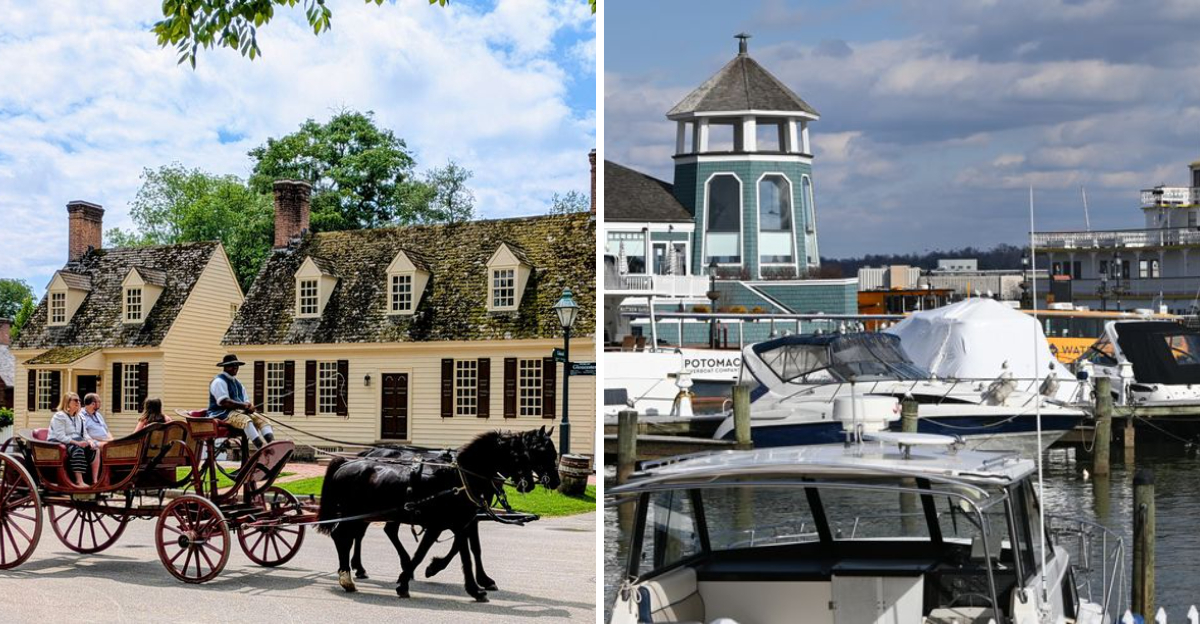
Virginia holds a special place in American history and natural beauty, drawing millions of visitors each year.
But not every attraction lives up to the hype, and tourists often waste time on overrated stops that locals skip.
The good news is that Virginia residents know exactly which spots deliver authentic experiences, breathtaking scenery, and genuine cultural value.
From mountain trails that challenge even seasoned hikers to living history museums where the past comes alive, these ten attractions have earned their reputation through word of mouth among those who call the state home.
Whether you crave outdoor adventure, artistic inspiration, or a journey back in time, these locally endorsed destinations promise memories worth making.
1. Shenandoah National Park
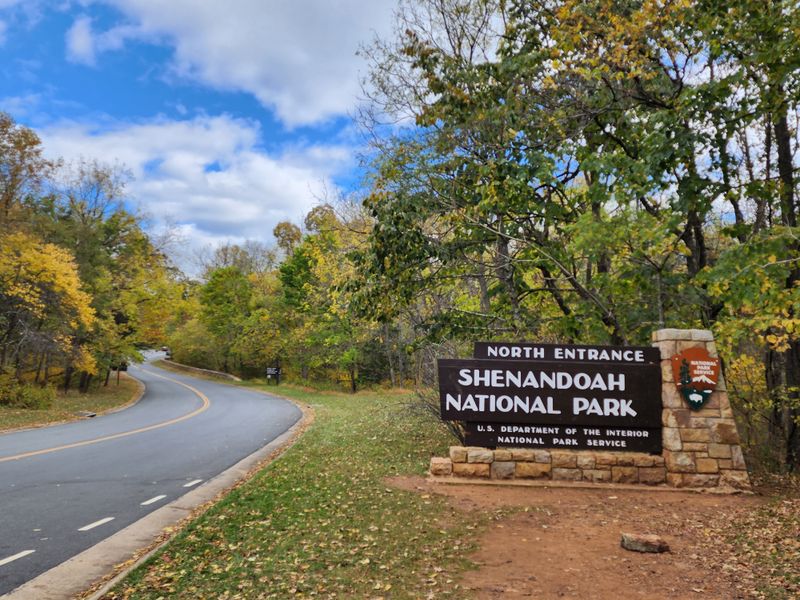
Virginia residents consistently point to Shenandoah National Park as one of the most rewarding outdoor destinations in the entire state.
Spanning over 200,000 acres along the Blue Ridge Mountains, this protected wilderness offers something for every type of nature lover.
Hikers flock to the Old Rag trail, a challenging climb that rewards your effort with panoramic views stretching across valleys and ridgelines.
The rock scramble near the summit adds an element of adventure that keeps the route exciting from start to finish.
For those who prefer a more relaxed experience, Skyline Drive runs 105 miles through the heart of the park, offering pullouts and overlooks at nearly every turn.
Autumn transforms the landscape into a tapestry of reds, oranges, and golds, making fall the most popular season for visitors.
Spring wildflowers and summer greenery provide equally stunning backdrops for photography and quiet contemplation.
Waterfalls dot the park, with trails leading to cascades like Dark Hollow Falls and Whiteoak Canyon.
Wildlife sightings are common, including deer, black bears, and a variety of bird species that call the mountains home.
Locals appreciate the park for its accessibility, with numerous trailheads and picnic areas scattered throughout.
Camping options range from developed campgrounds with amenities to backcountry sites for those seeking solitude.
The park remains open year round, though winter brings snow and ice that create a different kind of beauty.
Ranger programs offer educational opportunities about the ecosystem and history of the region.
Whether you spend a few hours or several days exploring, Shenandoah delivers an authentic mountain experience that captures the essence of Virginia’s natural heritage.
The address is 3655 US Highway 211 East, Luray.
2. Colonial Williamsburg
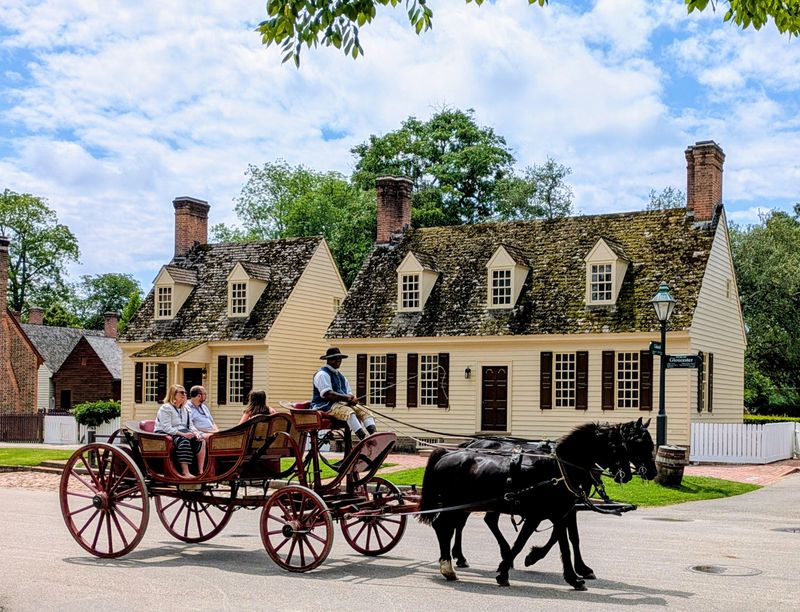
Step into the largest living history museum in the world and watch the past unfold before your eyes.
Colonial Williamsburg recreates an entire town from the Revolutionary era, complete with costumed interpreters who stay in character while demonstrating trades and daily life.
Blacksmiths hammer hot iron into useful tools, weavers work looms with practiced hands, and printers set type for broadsides just as they did centuries ago.
Conversations with these historians feel genuine because they are trained experts who can answer questions about politics, society, and the challenges faced by colonists.
The restored buildings include homes, taverns, shops, and government structures that tell the story of a pivotal moment in American history.
Walking the streets lined with colonial architecture transports you to a time when decisions made here shaped the future of a nation.
Archaeologists continue to work on site, uncovering artifacts and expanding our understanding of how people lived during this period.
Gardens flourish with heirloom varieties of plants that would have been common in the era, adding authenticity to the experience.
Special events throughout the year bring different aspects of history to life, from military drills to seasonal celebrations.
Locals recommend visiting during weekdays when crowds are smaller and you can have more meaningful interactions with interpreters.
The museum spans hundreds of acres, so comfortable shoes and a full day are essential for exploring thoroughly.
Evening programs sometimes include ghost tours and candlelit walks that add atmosphere to the historical setting.
Families find the interactive nature of the attraction engaging for all ages, as children can participate in games and activities popular during colonial times.
The location at 101 Visitor Center Drive in Williamsburg makes it easy to combine with other regional attractions.
3. Luray Caverns
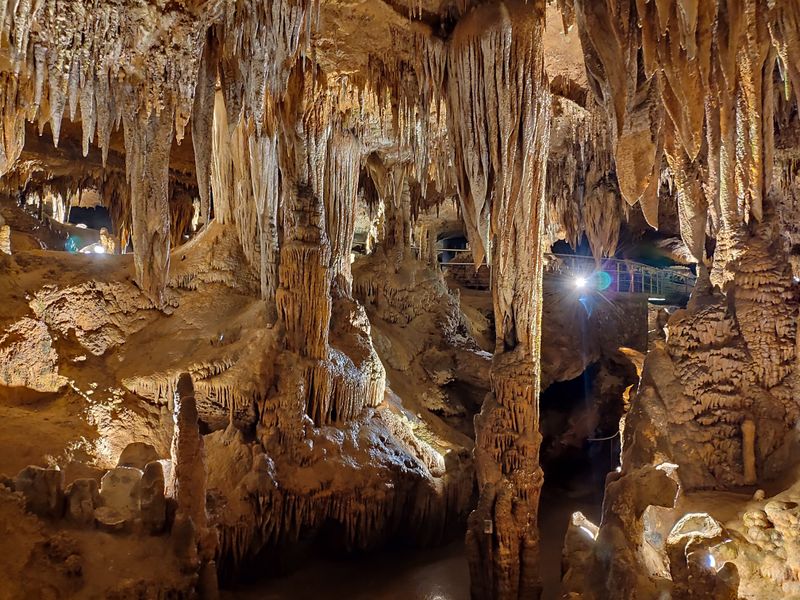
Underground wonders await at Luray Caverns, where nature has spent millions of years crafting one of the most spectacular cave systems on the East Coast.
Massive chambers stretch overhead, with ceilings adorned by stalactites that seem to defy gravity as they hang like stone icicles.
Mirror pools reflect the formations above with such clarity that it becomes difficult to tell where rock ends and water begins.
The Great Stalacpipe Organ uses the cavern itself as an instrument, with rubber mallets striking stalactites tuned to specific notes to create haunting melodies.
Towering columns connect floor to ceiling where stalactites and stalagmites have merged over countless centuries.
The temperature inside remains constant throughout the year, providing cool relief during summer months and a mild escape during winter.
Guided tours lead visitors along paved walkways that make the caverns accessible while preserving the delicate formations.
Dream Lake appears so still and clear that depth perception becomes impossible without careful observation.
Colored lighting enhances the natural beauty without overwhelming the authentic character of the stone.
Locals acknowledge that while tourists flock here, the sheer scale and beauty of the caverns justify the popularity.
Above ground, the site includes gardens and a car and carriage museum that adds variety to the visit.
Photography captures some of the grandeur, but standing in the presence of these formations creates a sense of awe that images cannot fully convey.
The caverns were discovered by locals who noticed a sinkhole and decided to explore what lay beneath.
Preservation efforts ensure that future generations can experience the same natural artistry that formed over geological time scales.
Find this natural wonder at 101 Cave Hill Road in Luray.
4. Maymont
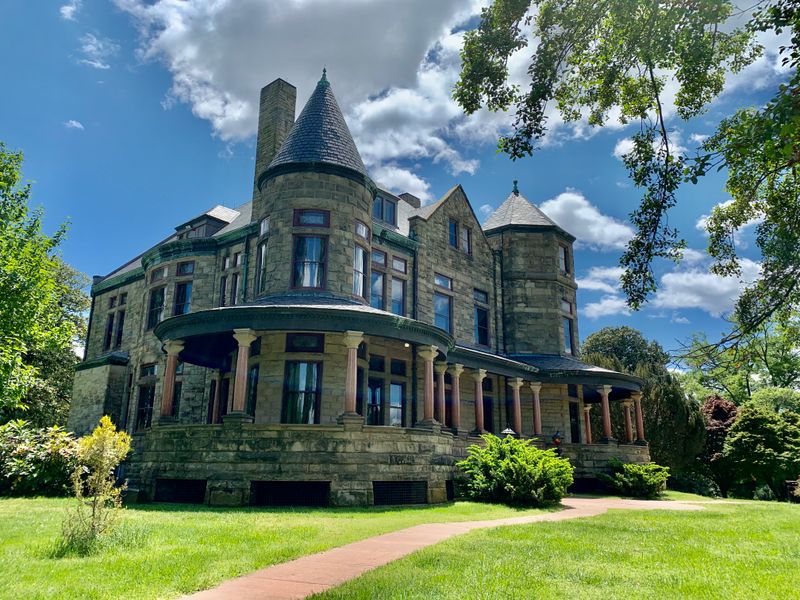
Richmond residents treasure Maymont as an urban oasis where nature, history, and education blend seamlessly across 100 sprawling acres.
The Gilded Age mansion stands as a testament to turn of the century opulence, with rooms preserved to showcase how wealthy families lived during that era.
Guided tours reveal the architectural details and personal stories of the Dooley family who called this estate home.
Outside, Italian and Japanese gardens offer contrasting styles of landscape design, each meticulously maintained to reflect authentic traditions.
The Italian garden features terraced levels, stone balustrades, and classical statuary that evoke Mediterranean villa grounds.
Meanwhile, the Japanese garden provides tranquil spaces with koi ponds, carefully pruned trees, and symbolic stone arrangements.
A nature center houses rescued wildlife that cannot be released back into the wild, including bears, bobcats, and birds of prey.
Children especially enjoy the farm area where they can meet domesticated animals and learn about agricultural heritage.
Trails wind through wooded areas along the James River, offering peaceful walks just minutes from downtown Richmond.
The arboretum showcases diverse tree species, making spring bloom season particularly colorful and fragrant.
Locals often visit for picnics, photography sessions, or simply to escape urban noise without leaving the city limits.
Admission remains free, though donations help maintain the grounds and support educational programs.
Seasonal events include garden tours, outdoor concerts, and holiday celebrations that draw community members throughout the year.
The carriage collection demonstrates transportation methods from a bygone era, complete with elegant vehicles once pulled by horses.
Located at 1700 Hampton Street, Maymont represents Richmond’s commitment to preserving green spaces for public enjoyment.
5. Natural Bridge State Park

Geological forces carved a masterpiece at Natural Bridge State Park, where a 200 foot tall limestone arch spans a gorge with breathtaking grandeur.
Walking beneath the bridge allows you to appreciate the scale of this natural formation that has stood for countless millennia.
Water and time worked together to create the arch, slowly eroding softer rock while leaving the harder stone intact.
The site earned designation as a National Historic Landmark, recognizing both its geological significance and cultural importance.
Indigenous peoples considered the bridge sacred long before European settlers arrived in the region.
Later, notable figures including George Washington surveyed the area, and their initials are said to be carved into the rock face.
Cedar Creek flows beneath the arch, adding the soothing sound of running water to the visual spectacle.
Ten miles of hiking trails wind through the surrounding forest, offering varied terrain for different skill levels.
The Monacan Indian Village recreates life as it existed for the original inhabitants of this land.
Butterfly garden and wildflower meadows attract pollinators during warmer months, creating vibrant splashes of color.
Evening light shows project images onto the bridge, though purists prefer experiencing the formation in natural daylight.
The park provides educational signage explaining the geology and ecology of the area without overwhelming the natural beauty.
Locals appreciate that Virginia acquired the site as a state park, ensuring public access and protection for future generations.
Autumn brings spectacular foliage to the surrounding forest, framing the limestone arch in seasonal colors.
You can find this remarkable formation at 6477 South Lee Highway in Natural Bridge.
6. Virginia Museum of Fine Arts
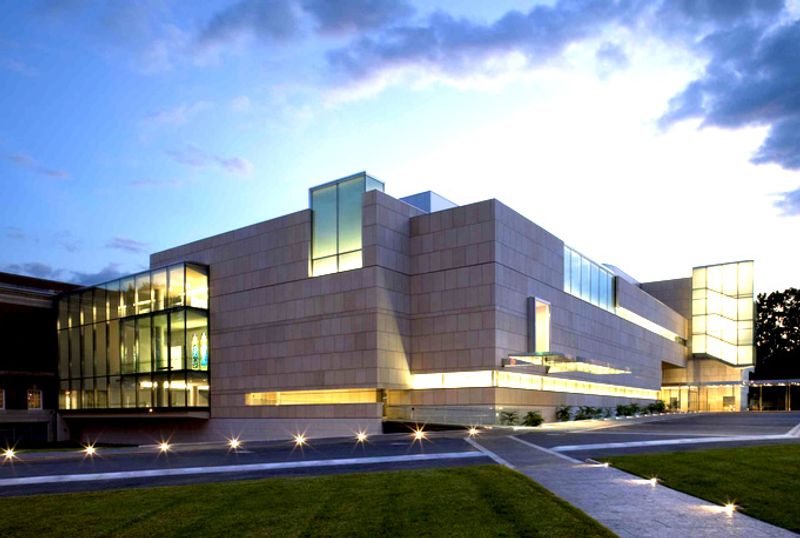
Richmond’s Museum District houses a cultural gem that rivals institutions in much larger cities, yet admission remains free to all visitors.
The Virginia Museum of Fine Arts spans centuries and continents with collections that include everything from ancient Egyptian artifacts to contemporary installations.
Art Nouveau and Art Deco pieces showcase decorative arts at their most elegant, with furniture, jewelry, and objects that blur the line between function and beauty.
The Faberge egg collection ranks among the finest outside Russia, displaying the intricate craftsmanship that made these objects legendary.
European paintings include works by masters whose names appear in art history textbooks, yet the museum avoids feeling stuffy or intimidating.
American art galleries trace the development of painting and sculpture across different movements and periods.
African art displays challenge Western perspectives and highlight the diversity of creative expression across the continent.
Contemporary galleries rotate exhibitions regularly, ensuring that repeat visitors always discover something new.
The building itself deserves attention, with architecture that combines classical elements with modern additions designed to enhance natural light.
Sculpture gardens provide outdoor spaces where art and nature coexist, perfect for contemplation or a peaceful break.
Educational programs include lectures, workshops, and family activities that make art accessible to all ages and backgrounds.
Locals frequently mention the museum when recommending Richmond attractions because it offers world class experiences without the typical barriers of cost or pretension.
The cafe and gift shop provide opportunities to extend your visit, though the galleries alone could occupy hours of exploration.
Special exhibitions bring traveling shows that might otherwise only appear in major metropolitan museums.
Located at 200 North Arthur Ashe Boulevard, the VMFA stands as proof that exceptional art belongs to everyone.
7. Old Town Alexandria
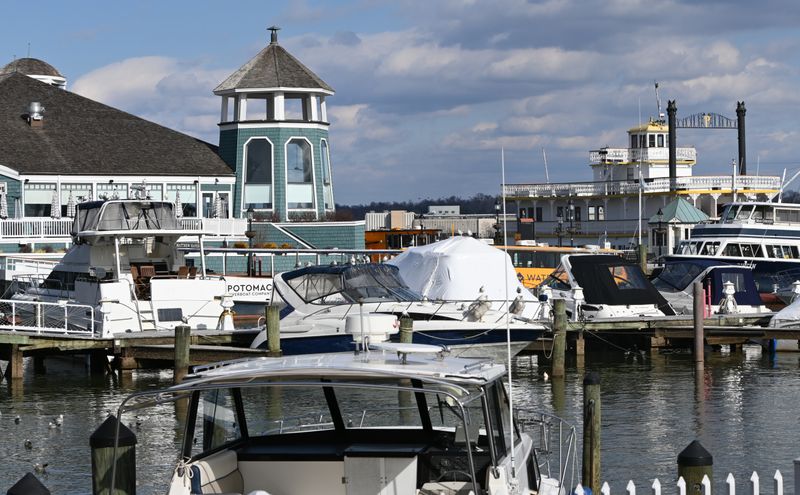
Cobblestone streets and waterfront views create an atmosphere that feels worlds away from nearby Washington, despite being just across the Potomac River.
Old Town Alexandria preserves colonial and early American architecture while functioning as a vibrant neighborhood with shops, galleries, and historic sites.
Boutiques line King Street, offering everything from antiques to contemporary fashions in buildings that have stood for centuries.
The waterfront area invites leisurely strolls along the river, where you can watch boats pass and enjoy views of the capital skyline.
Historic homes display plaques noting their construction dates and notable former residents, turning a simple walk into an architectural tour.
Torpedo Factory Art Center occupies a former munitions plant converted into studio spaces where artists create and sell their work.
Visitors can watch painters, sculptors, and craftspeople at work, bridging the gap between creator and audience.
Black history runs deep here, and guided walking tours illuminate stories often overlooked in traditional historical narratives.
The Freedom House Museum documents the domestic slave trade that operated from this location, confronting difficult truths about the past.
Seasonal events include art festivals, holiday markets, and outdoor concerts that draw both residents and visitors to public spaces.
The compact layout makes Old Town easily walkable, though trolley tours provide narrated overviews for those who prefer wheels.
Locals recommend visiting during weekdays when the streets are less crowded and shops feel more inviting.
Historic churches, including Christ Church where George Washington worshipped, remain active congregations while welcoming curious visitors.
The combination of preservation and vitality keeps Old Town from feeling like a museum, maintaining its character as a living neighborhood.
Easy Metro access from Washington makes this a perfect day trip destination that feels distinctly Virginian rather than suburban.
8. James River
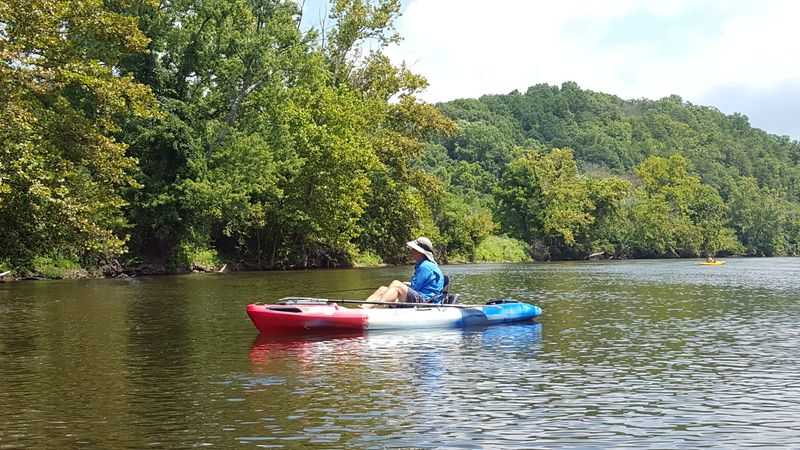
As Virginia’s largest river, the James flows from the mountains to the Chesapeake Bay, creating recreational opportunities along its entire length.
Richmond residents particularly love Belle Isle, an island park accessible by footbridge that offers trails and massive flat rocks perfect for riverside relaxation.
Rapids rush past the rocks, creating a soundtrack of moving water that drowns out city noise despite the urban location.
Kayakers and canoers navigate varying difficulty levels depending on which section they choose, from gentle floats to challenging whitewater.
Tubing has become a summer tradition, with outfitters providing equipment and shuttle services for lazy downstream drifts.
Fishing enthusiasts cast lines for smallmouth bass, catfish, and other species that thrive in different sections of the river.
The James River Park System protects miles of shoreline within Richmond, ensuring public access and habitat preservation.
Trail networks follow the riverbanks, offering hiking and mountain biking routes that showcase the waterway from different perspectives.
Historic sites dot the river corridor, including plantations and battlefields that mark significant moments in American history.
Wildlife sightings include herons, eagles, turtles, and occasionally river otters that have made a comeback thanks to improved water quality.
Sunset views from riverside parks paint the sky in colors that reflect off the water’s surface, creating memorable evening scenes.
Locals appreciate how the river provides natural escape routes without requiring long drives to reach wilderness areas.
Different seasons offer varied experiences, from spring wildflowers along the banks to autumn leaves floating downstream.
The river’s accessibility makes it democratic, welcoming everyone from serious paddlers to families seeking a picnic spot beside flowing water.
Whether you seek adventure or tranquility, the James River delivers authentic connections with Virginia’s natural character.
9. Birthplace of Country Music Museum
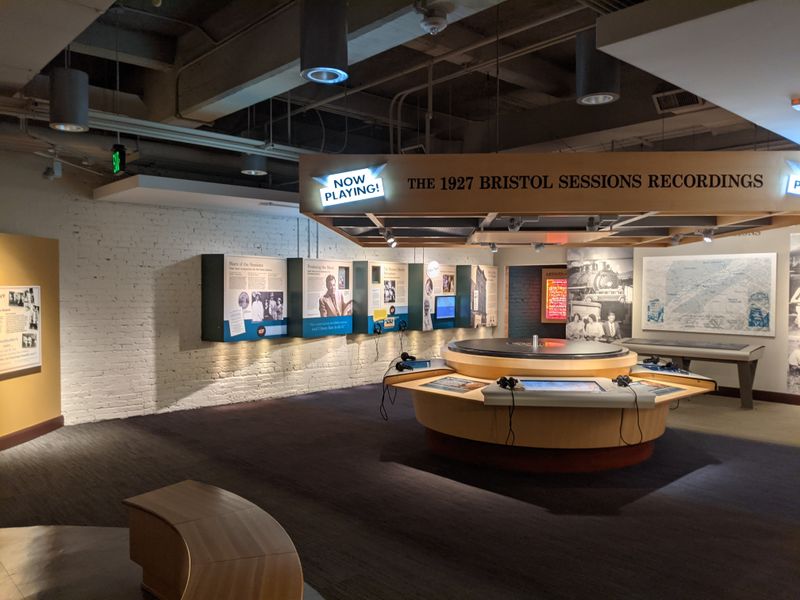
Bristol sits on the state line between Virginia and Tennessee, and this location played a crucial role in music history that resonates to this day.
The museum occupies the site where Ralph Peer recorded the Bristol Sessions, capturing performances by artists who would define country music as a genre.
Interactive exhibits let visitors explore the recordings, learn about the musicians, and understand the cultural context that made Bristol so significant.
The Carter Family and Jimmie Rodgers both recorded here, launching careers that influenced generations of performers who followed.
Listening stations provide access to original recordings, allowing you to hear the music exactly as it sounded when first captured on disc.
Displays explain the technology used during the sessions, from the recording equipment to the distribution methods that brought this music to audiences.
The museum connects to the Crooked Road Heritage Music Trail, a 330 mile route through Virginia that celebrates traditional mountain music.
Live performances in the museum’s venue continue the tradition of showcasing regional talent and keeping acoustic traditions alive.
Locals take pride in this musical heritage, recognizing how their region contributed to American culture in ways that extend far beyond geography.
Photographs and personal artifacts bring the musicians to life, showing them as real people pursuing their art during challenging economic times.
Educational programs teach traditional instruments and playing styles to new generations interested in preserving these musical forms.
The museum avoids hagiography, presenting honest portrayals of the artists and the complex social dynamics of the era.
Music fans make pilgrimages here to stand where their heroes once stood, connecting personally with moments that shaped the soundtrack of rural America.
Located at 101 Country Music Way in Bristol, the museum serves as both archive and celebration of sounds that still echo through contemporary music.
10. Chincoteague and Assateague Islands
Virginia’s Eastern Shore offers a completely different coastal experience from the more developed beaches further south along the Atlantic.
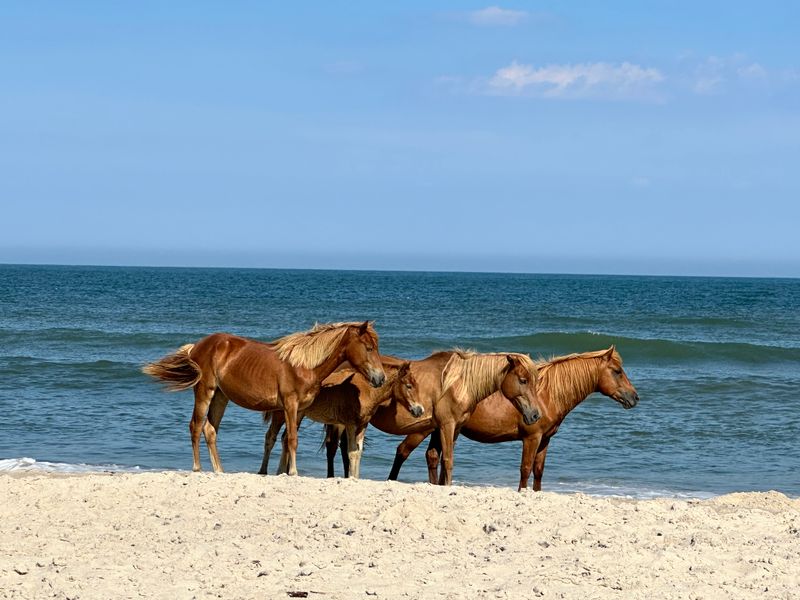
Chincoteague Island serves as the gateway to Assateague, where wild ponies roam freely across beaches and marshlands.
These famous horses descend from animals that likely swam ashore from a shipwreck centuries ago, adapting to the barrier island environment.
Watching the ponies graze among the dunes creates unforgettable wildlife encounters, though visitors must remember these are wild animals requiring respectful distance.
The annual pony swim and auction draws crowds, but locals suggest visiting during quieter times for more authentic island experiences.
Beaches on Assateague stretch for miles with far fewer people than typical resort destinations, perfect for those seeking solitude.
Fishing opportunities abound, whether casting from shore, pier, or boat for species ranging from flounder to bluefish.
Kayaking through the marshes reveals an ecosystem teeming with birds, crabs, and other creatures adapted to the tidal environment.
Chincoteague National Wildlife Refuge protects habitat for migratory birds that stop here during their journeys along the Atlantic Flyway.
Observation platforms and trails make birdwatching accessible even for beginners, with interpretive signs identifying common species.
The lighthouse on Assateague stands as a photogenic landmark and reminder of maritime history along this sometimes treacherous coast.
Local seafood shacks serve catches brought in by fishing boats that still work these waters, maintaining traditions passed through generations.
Sunrises over the Atlantic paint the sky in brilliant colors, rewarding early risers with spectacular natural displays.
The slower pace of island life provides a refreshing contrast to urban routines, making this destination ideal for genuine relaxation.
Chincoteague proves that Virginia’s coast offers more than crowded boardwalks, delivering authentic maritime character to those willing to venture east.
Dear Reader: This page may contain affiliate links which may earn a commission if you click through and make a purchase. Our independent journalism is not influenced by any advertiser or commercial initiative unless it is clearly marked as sponsored content. As travel products change, please be sure to reconfirm all details and stay up to date with current events to ensure a safe and successful trip.
