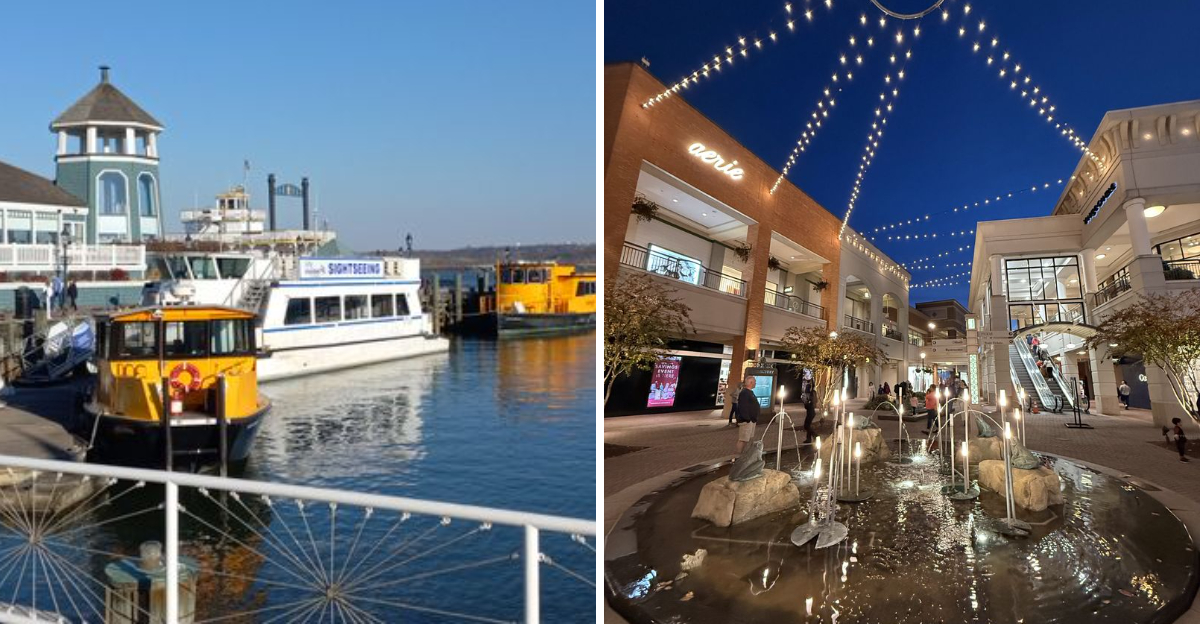
Virginia’s town centers pulse with life, drawing residents back time and again for shopping, dining, and community connection. These beloved gathering spots blend historical architecture with contemporary conveniences, creating spaces where neighbors meet and memories form.
From the cobblestone streets of coastal communities to the bustling plazas of Northern Virginia, each center offers its own distinct personality and appeal.
Whether you’re searching for boutique shopping, outdoor concerts, or simply a pleasant evening stroll, these town centers deliver experiences that keep locals coming back. Many have evolved from historic districts into thriving mixed-use destinations that honor their past while embracing modern amenities.
The variety across Virginia means there’s always something new to discover, from farmers markets to art galleries to seasonal festivals that bring entire communities together in celebration.
1. Reston Town Center
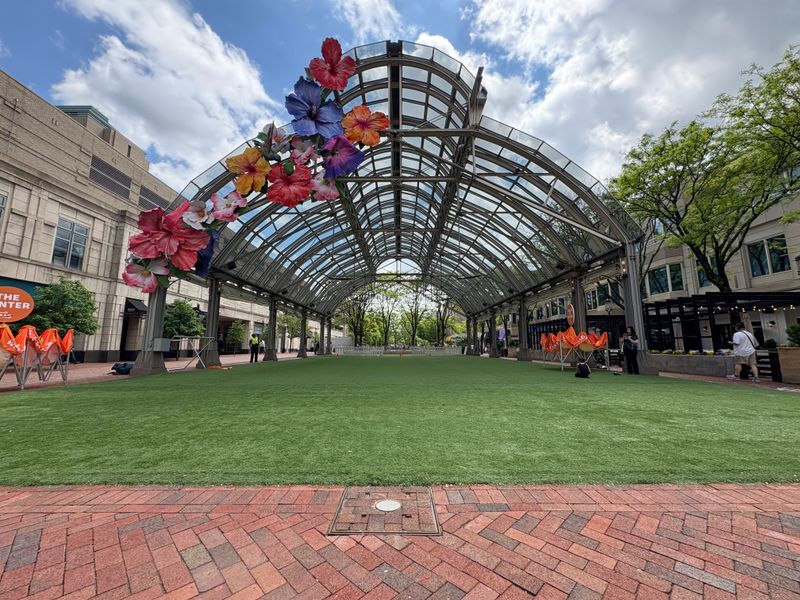
Reston Town Center stands as one of Northern Virginia’s most successful urban village concepts, blending residential towers with office space and entertainment options. Located at 11900 Market St in Reston, this European-inspired outdoor destination has become the social heart of the community since its development.
The design encourages pedestrian activity with wide sidewalks, fountain plazas, and strategically placed benches that invite lingering.
Retail offerings span from national chains to local favorites, giving residents plenty of variety for their shopping needs. The dining scene caters to every taste and occasion, whether you’re grabbing quick lunch or celebrating a special milestone.
A multi-screen cinema provides entertainment year-round, while the central pavilion hosts concerts, festivals, and seasonal events that draw crowds from across the region.
What truly sets this destination apart is its walkability and sense of place. Office workers step out for lunch breaks, families window-shop after dinner, and friends meet for coffee at sidewalk cafes.
The atmosphere shifts throughout the day, from bustling weekday energy to relaxed weekend vibes.
Seasonal decorations transform the space, with twinkling lights during winter holidays and colorful displays in warmer months. The town center has mastered the balance between commercial success and community gathering space.
Locals appreciate having everything they need within walking distance, from dry cleaners to upscale boutiques.
Evening concerts fill the pavilion with music while children play in the fountain spray nearby. This carefully planned community has become a model for mixed-use development across the country, proving that thoughtful design creates spaces where people genuinely want to spend time together.
2. Old Town Alexandria
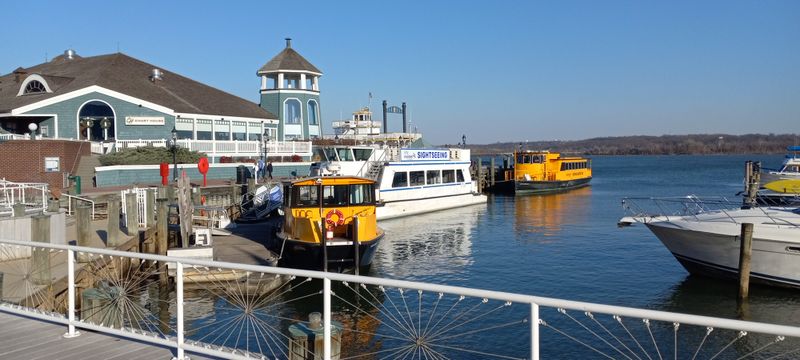
Cobblestones beneath your feet tell stories spanning centuries in Old Town Alexandria, where history lives alongside contemporary culture. King Street serves as the main artery through this waterfront neighborhood, lined with 18th-century buildings that now house independent boutiques, galleries, and welcoming storefronts.
The architectural preservation efforts have maintained the district’s authentic character while allowing businesses to thrive.
Waterfront dining options take full advantage of the Potomac River views, creating memorable experiences for both special occasions and casual meals. The Torpedo Factory Art Center has transformed a former munitions plant into working studios where visitors watch artists create paintings, sculptures, jewelry, and ceramics.
This unique attraction draws art enthusiasts and curious browsers alike, adding cultural depth to the shopping and dining scene.
Locals know the best times to visit, avoiding peak tourist hours to enjoy their favorite spots with more breathing room. Weekend farmers markets bring fresh produce and artisan goods directly to the community.
Historic sites dot nearly every block, offering glimpses into colonial and revolutionary periods.
The waterfront promenade invites leisurely walks with views of boats bobbing in the harbor. Seasonal events celebrate everything from Scottish heritage to waterfront festivals, giving residents reasons to return throughout the year.
Independent bookstores, specialty food shops, and unique gift stores provide alternatives to chain retail.
Evening strolls take on a magical quality when gas-style street lamps illuminate the brick sidewalks. This neighborhood has successfully balanced preservation with progress, maintaining its historical soul while adapting to modern needs and creating a town center that feels both timeless and vibrant.
3. Tysons Corner Center
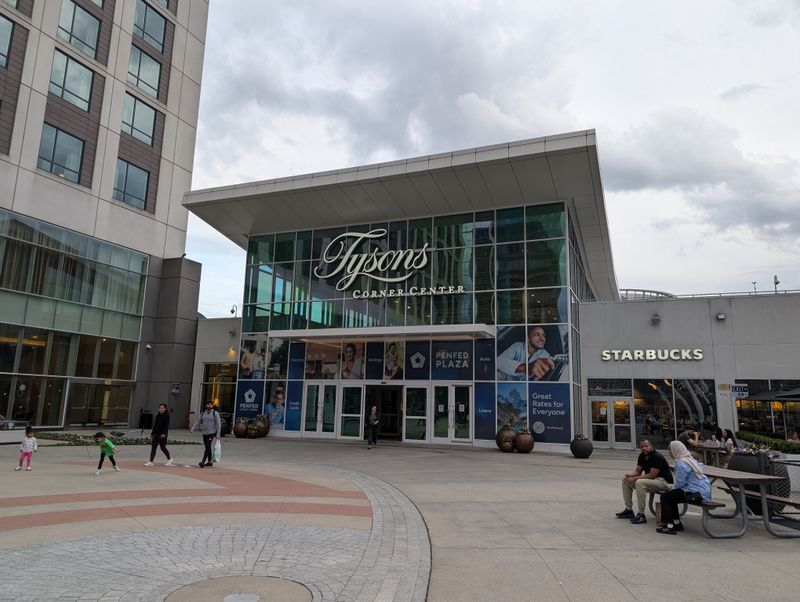
Tysons Corner Center anchors one of the most economically powerful areas in the entire Mid-Atlantic region, serving as a comprehensive destination for Northern Virginia residents. The address at 1961 Chain Bridge Rd in Tysons places visitors at the center of a retail universe that includes hundreds of stores under one roof.
What began as a suburban shopping mall has evolved into a lifestyle destination with entertainment, services, and dining that keep locals returning beyond simple shopping trips.
The sheer scale means you can find practically anything here, from everyday necessities to luxury splurges. Cinema options provide escape on rainy weekends or after-work relaxation.
Nearby Tysons Galleria elevates the experience for those seeking high-end brands like Chanel, Dior, and other luxury names.
Locals have developed their own navigation strategies for this massive complex, knowing which entrances lead to their favorite sections. The food court and scattered dining options solve the perpetual question of where to eat.
Seasonal sales events draw crowds hunting for deals, while everyday visits might focus on specific errands or browsing.
The surrounding area has transformed dramatically with new residential towers and office buildings creating a true urban center. Metro access has improved connectivity, making visits possible without driving.
Department stores anchor different sections, each with distinct personalities and merchandise selections.
Parents appreciate the variety of family-friendly stores and activities. Teenagers claim certain areas as their territory for hanging out with friends.
The center has adapted to changing retail landscapes by incorporating more experiential elements and services beyond traditional shopping, ensuring its continued relevance as consumer habits evolve and community needs shift.
4. Village at Shirlington
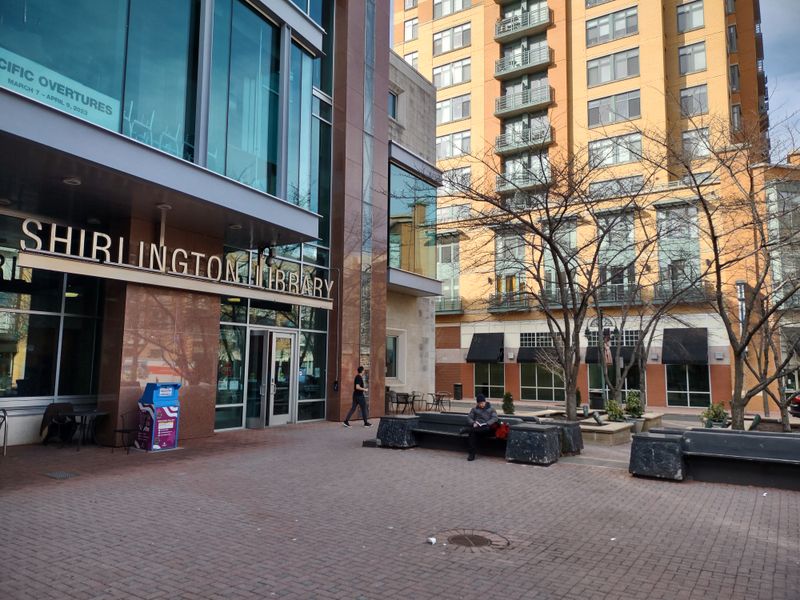
Tucked into Arlington at 2700 S Quincy St, the Village at Shirlington reimagines suburban development with a pedestrian-first approach that feels refreshingly human-scaled. Unlike sprawling shopping centers that require constant driving between stores, this neighborhood invites exploration on foot with wide sidewalks, interesting storefronts, and public spaces that encourage lingering.
The layout creates natural gathering spots where neighbors bump into each other and conversations happen organically.
Restaurant diversity stands out as a defining feature, with options spanning multiple cuisines and price points. Local favorites have built loyal followings among residents who appreciate consistent quality and welcoming atmospheres.
The Arlington County library branch integrated into the village provides more than books, serving as a community hub for programs, meetings, and quiet study spaces.
Apartment buildings surrounding the commercial core mean many residents live within walking distance of their daily needs. This proximity creates a neighborhood feel often missing in car-dependent suburbs.
Boutique shops offer curated selections you won’t find in every strip mall, giving the village distinct character.
Evening activity picks up as workers return home and diners fill restaurant patios. The theater brings arts and culture directly to the neighborhood, eliminating the need to travel downtown for quality performances.
Green spaces and benches provide spots for rest between errands or people-watching.
Seasonal decorations and occasional events add festive touches without overwhelming the everyday functionality. Locals appreciate the convenience of having everything from haircuts to dinner to entertainment within a compact, walkable area.
This village proves that thoughtful planning creates spaces where community naturally flourishes and daily life becomes more enjoyable.
5. Historic Downtown Mall
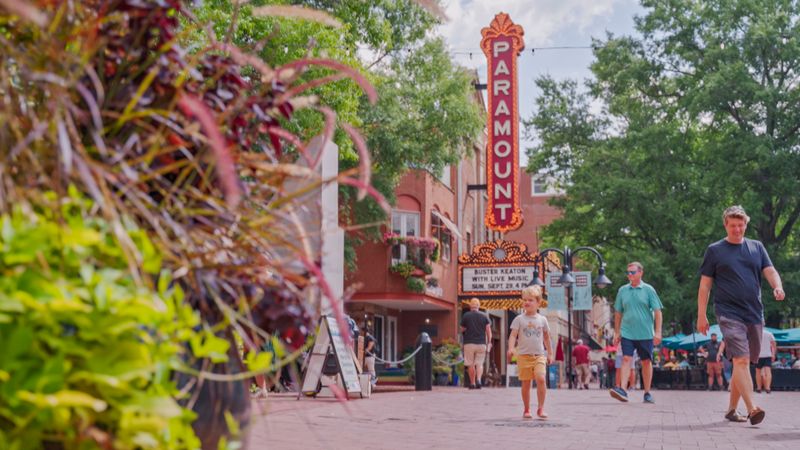
Stretching along 215 E Main St in Charlottesville, the Historic Downtown Mall claims distinction as one of America’s longest outdoor pedestrian malls. Brick pavers replace asphalt, creating an eight-block stretch where cars can’t intrude on the experience.
This design decision transformed downtown into a true public living room where students, professors, families, and visitors mingle freely throughout the day and evening.
Over 120 shops occupy restored historic buildings, their facades telling architectural stories from different eras. Independent boutiques dominate the retail landscape, offering alternatives to chain store uniformity.
Around 30 restaurants provide dining options from quick bites to leisurely meals, with outdoor seating maximizing pleasant weather opportunities.
University of Virginia students treat the mall as an extension of campus, meeting for study sessions at coffee shops or unwinding after exams. Year-round programming brings live music, festivals, and community gatherings to the outdoor spaces.
The Paramount Theater anchors one end, hosting performances that draw audiences from across the region.
Locals know which benches catch the best afternoon sun and which shops hide the most interesting finds. Fountains provide ambient sound and visual interest while offering cooling relief during summer months.
The pedestrian-only design allows children to roam more freely while parents browse nearby stores.
Evening transforms the mall into a social hub with restaurant patios filling and street performers claiming their spots. Historic preservation efforts maintain architectural integrity while allowing businesses to modernize interiors.
This balance between past and present creates a unique atmosphere that honors Charlottesville’s heritage while serving contemporary community needs with style and functionality that keeps drawing residents back repeatedly.
6. Beverley Street
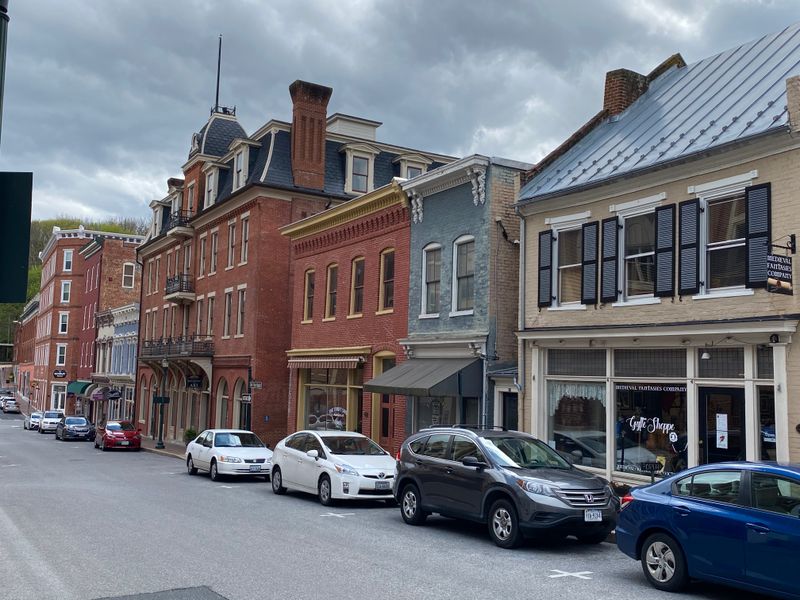
Beverley Street cuts through the heart of Staunton, serving as the cultural and commercial spine of this Shenandoah Valley city. Victorian architecture dominates the streetscape, with ornate details and colorful facades that transport visitors to an earlier era.
The preservation efforts here go beyond superficial restoration, maintaining the authentic character that makes downtown Staunton feel genuinely historic rather than artificially quaint.
Independent shops reflect the creative spirit of their owners, offering goods you won’t encounter in every town. The arts scene centers around the American Shakespeare Center, which draws theater enthusiasts from across Virginia and beyond.
This cultural anchor elevates the entire district, attracting visitors who then discover the surrounding shops and dining options.
Locals take pride in their downtown, frequently choosing to support local businesses over chain alternatives. The walkable scale means you can accomplish multiple errands without moving your car.
Galleries showcase works by regional artists, while specialty stores stock carefully curated items that reflect the community’s tastes.
Architecture buffs appreciate the intact Victorian streetscapes that have survived where other towns demolished their historic cores. Seasonal window displays add charm and give residents reasons to stroll even when they don’t need anything specific.
The street comes alive during First Fridays and special events that celebrate local culture.
Coffee shops provide gathering spots for conversations and laptop work. The human scale of buildings and sidewalks creates an intimate atmosphere where you’re likely to encounter familiar faces.
Staunton has avoided the hollowed-out downtown syndrome affecting many small cities, instead maintaining a vibrant center where residents genuinely want to spend time, shop, and connect with their neighbors throughout the week.
7. Carytown
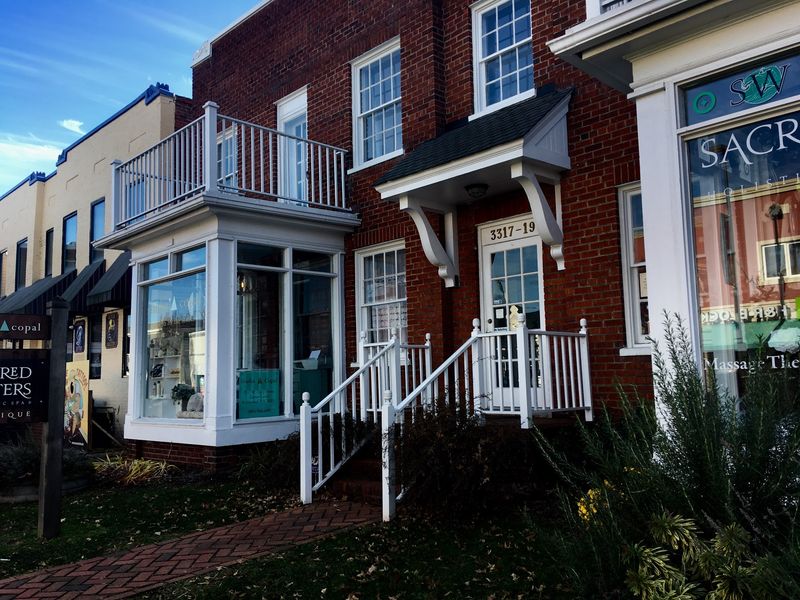
Richmond’s Carytown stretches along Cary Street for roughly nine blocks, earning its nickname as the Mile of Style through sheer personality and independent spirit. Vintage stores packed with treasures from past decades sit alongside contemporary boutiques showcasing emerging designers.
This eclectic mix creates a shopping experience where you never quite know what you’ll discover, making each visit feel like a treasure hunt with potential surprises around every corner.
The dining scene matches the retail diversity, with one-of-a-kind establishments serving everything from comfort food to international cuisines. Local ownership dominates, giving the district authentic character that chain-heavy developments can’t replicate.
Window displays change frequently, rewarding regular visitors with fresh visual interest.
Weekend foot traffic peaks as residents from across Richmond converge for browsing, dining, and people-watching. The neighborhood has maintained its quirky identity despite development pressures that have homogenized other commercial districts.
Street parking can be challenging during busy times, but the hunt for a spot is part of the experience.
Record stores attract music enthusiasts digging through vinyl collections. Bookshops invite hours of browsing through carefully selected titles.
Specialty stores focus on everything from vintage clothing to handmade jewelry to imported goods, each reflecting the owner’s particular passion and expertise.
The area attracts a diverse crowd, from college students to established professionals to families seeking alternatives to mall shopping. Sidewalk sales and special events add festive energy throughout the year.
Locals have watched businesses come and go but appreciate that the overall character remains consistent. This stretch of Cary Street proves that independent retail can thrive when merchants offer unique products and genuine personality that keep customers returning faithfully.
8. Old Town Manassas
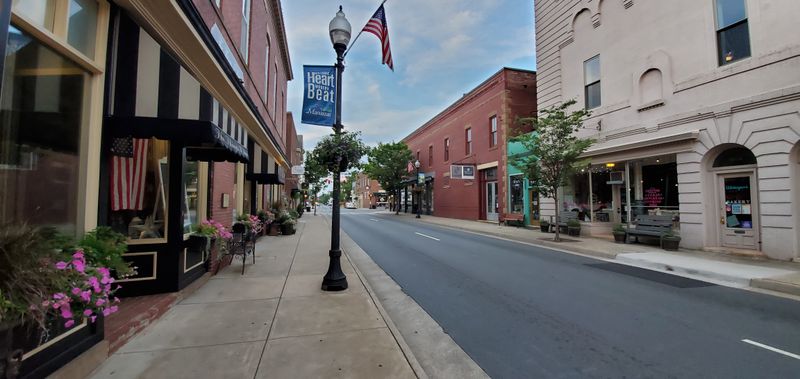
Old Town Manassas serves as the historic heart of this Northern Virginia city, offering a slower-paced alternative to the region’s larger commercial centers. Quaint boutiques line the streets in buildings that have witnessed the community’s evolution through different eras.
The scale remains intimate and approachable, where shopkeepers know regular customers by name and conversations happen naturally between strangers on the sidewalk.
Locally-owned dining establishments provide gathering spots for business lunches, family dinners, and casual meetups with friends. The town center hosts seasonal events that bring the entire community together, with the New Year’s Eve ball drop drawing particularly large crowds.
These celebrations reinforce the sense of shared identity and community connection that defines small-town life.
Historic markers and preserved buildings remind visitors of the area’s significant Civil War history without overwhelming the contemporary commercial function. The blend of past and present creates depth that newer developments can’t manufacture.
Parking is generally manageable, making visits less stressful than fighting for spaces at larger centers.
Local artists and craftspeople find supportive retail environments for their work. Specialty shops focus on niches rather than trying to be everything to everyone.
This focused approach creates destinations worth traveling for rather than generic stores available everywhere.
Weekday lunches bring office workers from surrounding businesses. Weekend strolls attract families and couples enjoying the pleasant atmosphere.
The town has successfully preserved its historic character while adapting to modern retail needs. Community events throughout the year give residents repeated reasons to return and reconnect.
Old Town Manassas proves that smaller town centers can thrive by emphasizing quality, character, and community over sheer size and selection, creating loyal followings among residents.
9. Town Center of Virginia Beach
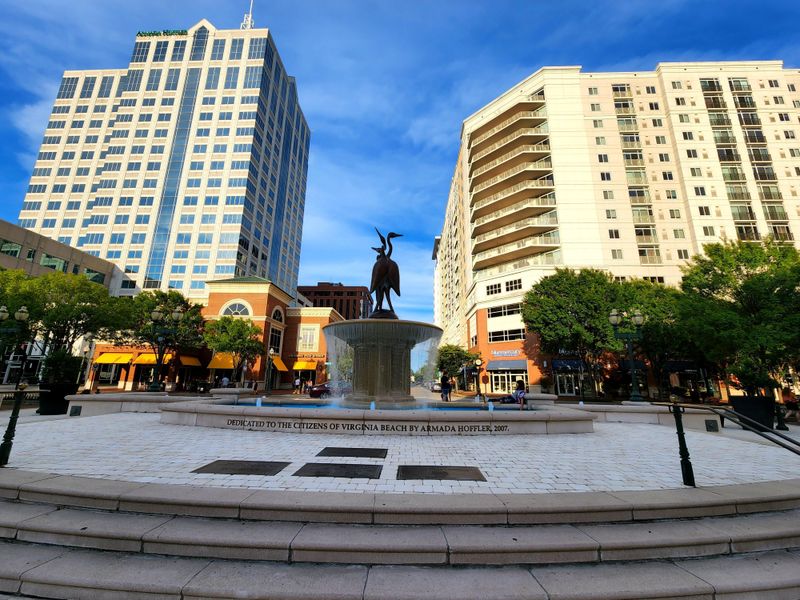
Spanning 36 acres at 222 Central Park Ave, Town Center of Virginia Beach represents the city’s intentional effort to create an urban heart for a sprawling coastal community. Mixed-use development brings together office towers, residential condos, hotels, retail, and entertainment in a walkable district that feels distinctly different from the oceanfront tourist areas.
The meticulous landscaping and maintenance create an environment where residents feel comfortable spending extended time browsing, dining, and attending events.
Performing arts venues bring cultural programming directly to the community, eliminating the need to travel to other cities for quality shows. Outdoor plazas host live music throughout warmer months, creating festive atmospheres that draw crowds after work and on weekends.
The restaurant selection covers diverse cuisines and price points, giving residents options for every occasion and craving.
The design encourages walking between destinations with covered walkways and attractive streetscapes. Fountains and public art add visual interest beyond purely commercial functions.
The center has become a gathering place for the region’s professional class, with office workers filling lunch spots and happy hour venues.
Residential towers surrounding the commercial core mean some visitors walk from home rather than driving. This live-work-play concept creates activity throughout the day and evening rather than the ghost-town effect that plagues purely commercial developments.
Seasonal events and festivals give the community repeated reasons to gather and celebrate together.
The uptown designation reflects aspirations to create a sophisticated urban environment within a city known primarily for its beaches. Locals appreciate having this alternative to both the tourist-heavy oceanfront and suburban strip malls.
The town center continues evolving, adding new restaurants and retailers while maintaining the overall vision of a vibrant, walkable district.
10. Merchants Square
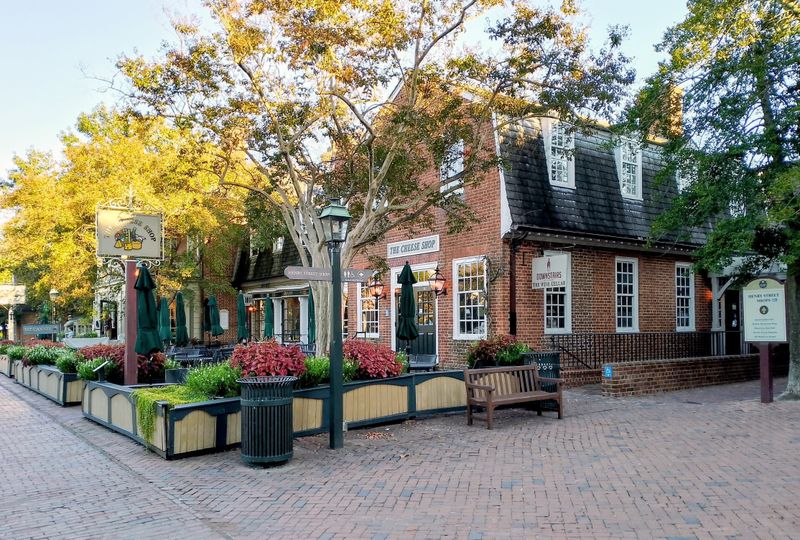
Positioned at 134 N Henry St adjacent to Colonial Williamsburg’s historic area, Merchants Square bridges the gap between living history and contemporary commerce. The architectural style deliberately echoes 18th-century design while housing modern businesses, creating a seamless transition between the museum environment and functional retail district.
This thoughtful integration allows residents to shop for daily needs without jarring stylistic shifts that would break the area’s unique atmosphere.
Specialty shops offer goods you won’t find in typical suburban centers, from colonial-inspired crafts to upscale home decor to unique gifts. The retail village attracts both tourists and locals, though residents have learned optimal timing to avoid peak visitor crowds.
Historic taverns serve meals in atmospheric settings that transport diners to earlier eras while delivering contemporary culinary quality.
The weekly Williamsburg Farmers Market transforms the square into a community gathering spot where neighbors shop for fresh produce, baked goods, and artisan products. This regular event strengthens community bonds and supports local agriculture.
The pedestrian-friendly layout encourages browsing and lingering rather than rushed errand-running.
College students from nearby William & Mary frequent coffee shops and casual dining spots. The square serves multiple audiences simultaneously, from history enthusiasts to practical shoppers to young people seeking hangout spots.
Seasonal decorations enhance the already charming streetscapes, particularly during winter holidays when period-appropriate decorations create magical atmospheres.
Living adjacent to such a significant historic site could feel constraining, but Merchants Square has found the balance between honoring context and serving contemporary needs. Locals appreciate having shopping and dining options that respect the area’s character while providing modern convenience.
This retail village proves that new development can complement rather than compete with historic preservation, creating destinations that serve both residents and visitors successfully.
11. Short Pump Town Center
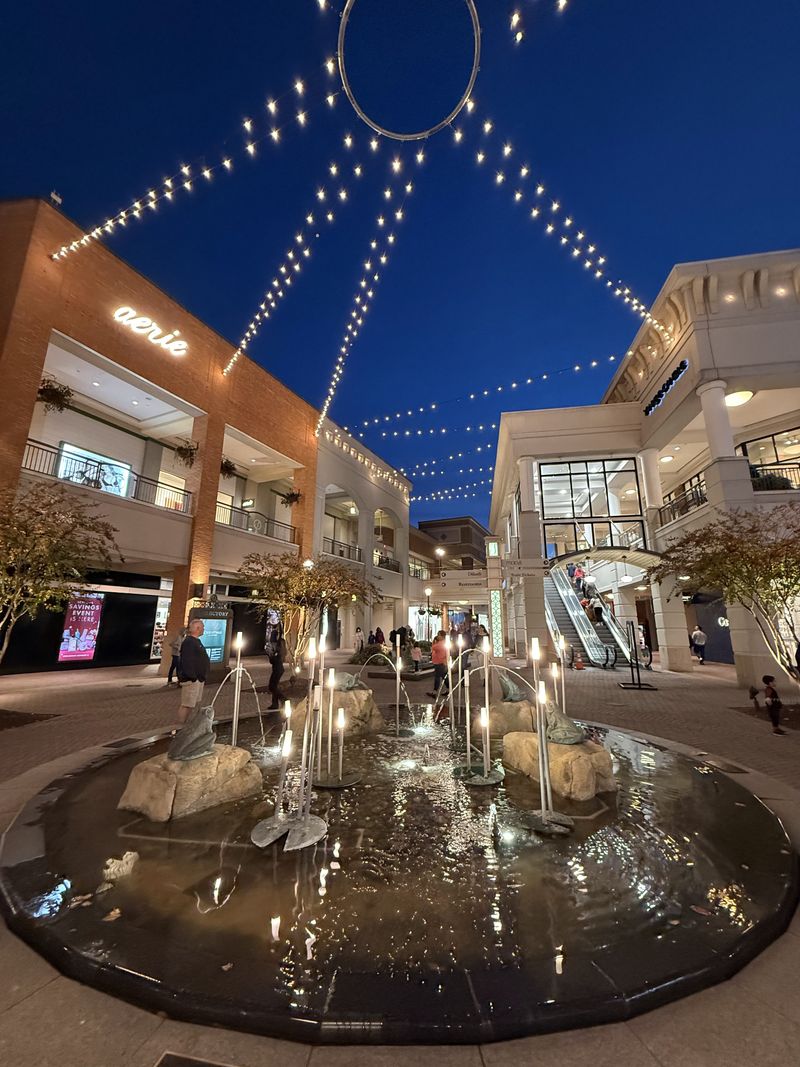
Short Pump Town Center at 11800 W Broad St has become the primary retail destination for Richmond’s western suburbs and Henrico County residents. The open-air design distinguishes it from enclosed malls, allowing natural light and fresh air to enhance the shopping experience.
Upscale retailers mix with accessible brands, creating a selection that appeals to various budgets and tastes without becoming either too exclusive or too ordinary.
Parks integrated into the development provide rest spots and green space that soften the commercial environment. Families appreciate these areas where children can burn energy between stores.
The walkability within the center encourages visiting multiple shops in one trip, though the scale requires some strategic planning to cover everything efficiently.
Dining options cluster in certain areas, creating restaurant rows where decision-making becomes the main challenge. The variety means groups can usually find options that satisfy everyone’s preferences.
Outdoor seating takes advantage of pleasant weather, adding to the center’s appeal during spring and fall.
The surrounding area has exploded with additional development, making Short Pump synonymous with suburban growth in the Richmond region. Despite expansion, the town center maintains its role as the anchor and primary draw.
Locals have developed favorite parking strategies and know which entrances lead most directly to their target stores.
Weekend crowds can be substantial, leading savvy shoppers to visit during weekday evenings for more relaxed experiences. The center has adapted to retail evolution by incorporating more experiential elements and services beyond traditional shopping.
Seasonal events and promotions give residents reasons to visit beyond specific purchasing needs. Short Pump Town Center exemplifies successful suburban retail development, creating a destination that serves practical needs while providing pleasant environments where people actually enjoy spending time browsing and socializing.
Dear Reader: This page may contain affiliate links which may earn a commission if you click through and make a purchase. Our independent journalism is not influenced by any advertiser or commercial initiative unless it is clearly marked as sponsored content. As travel products change, please be sure to reconfirm all details and stay up to date with current events to ensure a safe and successful trip.
