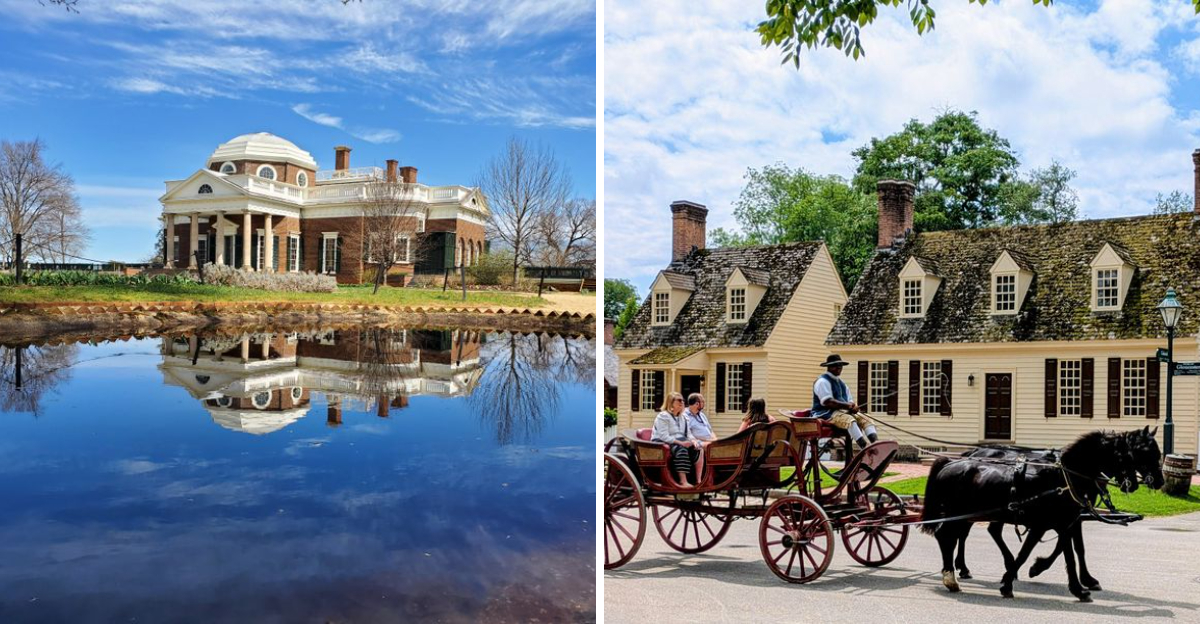
Think you know Virginia? Most people breeze through the big names and miss the real stories hiding in plain sight.
Locals will tell you the state’s history isn’t just in textbooks. It’s carved into walls, whispered through gardens, and standing tall in places that witnessed America’s most defining moments.
From battlefields that changed the course of nations to homes where legends walked, Virginia holds secrets that textbooks can’t capture. Ready to see what the guidebooks gloss over?
These spots aren’t just photo ops. They’re time machines that’ll make you rethink everything you thought you knew about American history.
Monticello
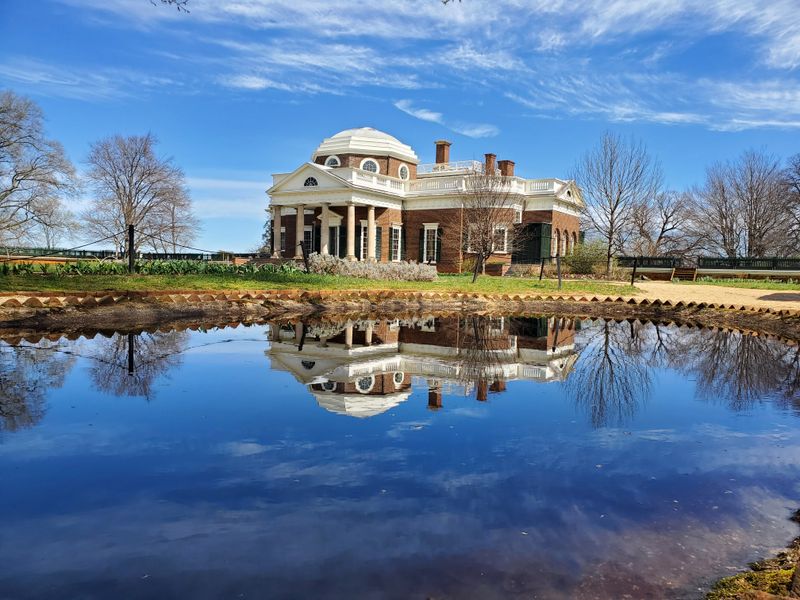
Picture a place where genius and contradiction lived under one roof. Thomas Jefferson’s mountaintop estate isn’t your average presidential home.
Walking through those halls feels like stepping into the mind of someone who helped birth a nation while wrestling with its deepest flaws.
The architecture alone will blow your mind. Jefferson designed every detail himself, from the hidden passageways to the skylights that flood rooms with natural light.
You’ll spot gadgets and inventions scattered throughout that prove this guy was centuries ahead of his time.
Gardens stretch across the property like living history books. Jefferson experimented with hundreds of plant varieties here, turning Monticello into America’s first botanical laboratory.
The vegetable terraces still grow heirloom crops using his original methods.
Down the mountain, you’ll find Mulberry Row where enslaved families lived and worked. This part of the tour doesn’t sugarcoat anything.
It’s raw, uncomfortable, and absolutely necessary to understanding the full story.
The view from the west lawn stops visitors in their tracks every single time. Mountains roll out in waves of blue and green, the same vista Jefferson watched while drafting documents that shaped democracy.
Locals know spring and fall offer the best visiting conditions. Summer crowds can pack the place, but early morning tours let you soak in the atmosphere before buses arrive.
The gift shop sells seeds from Jefferson’s garden if you want to take home a living piece of history.
Address: 931 Thomas Jefferson Parkway, Charlottesville, VA 22902
Colonial Williamsburg
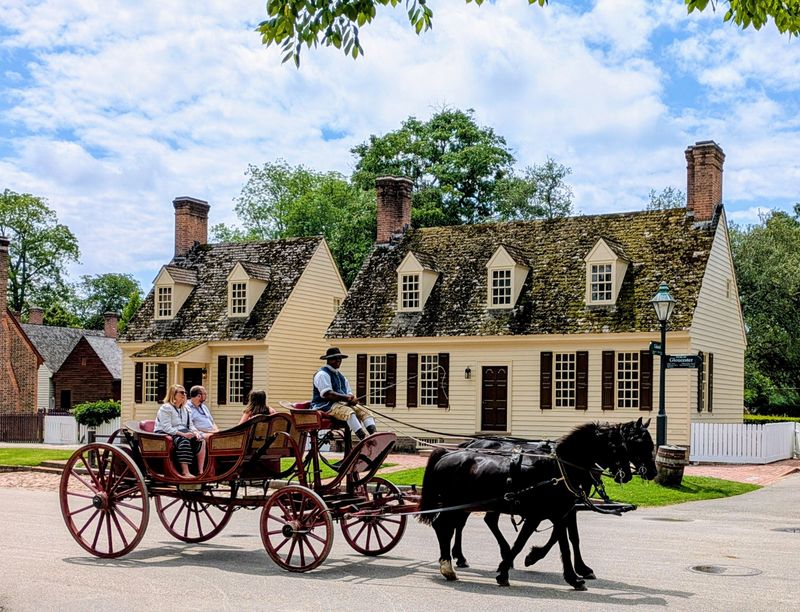
Step into the largest living history museum in America and watch the past come alive. Colonial Williamsburg isn’t about dusty exhibits behind glass.
Actors in period costume debate politics, blacksmiths hammer iron, and the smell of fresh bread drifts from colonial kitchens.
The entire historic district spans over three hundred acres of restored buildings. You’re walking the same streets where Patrick Henry delivered fiery speeches and George Washington strategized revolution.
Every brick, every garden, every cobblestone has been researched and recreated with obsessive accuracy.
Taverns serve colonial recipes using ingredients grown in heritage gardens. You can actually taste what our founders ate while discussing independence.
The flavors surprise modern palates, proving history had better culinary game than we give it credit for.
Tradespeople practice forgotten crafts right before your eyes. Watch a wigmaker curl horsehair, a cooper bend barrel staves, or a printer set type by hand.
These aren’t demonstrations, they’re working shops producing goods sold on site.
Evening programs transform the experience completely. Candlelit ghost tours reveal darker chapters of colonial life, while theatrical performances bring court cases and town meetings to dramatic life.
The atmosphere shifts when modern lights go dark and lanterns flicker.
Locals suggest visiting during shoulder seasons when crowds thin out. The holiday season decorates the district with natural wreaths and pomanders, creating Instagram gold without the summer heat.
Comfortable walking shoes are non-negotiable here.
Address: 101 Visitor Center Drive, Williamsburg, VA 23185
Mount Vernon
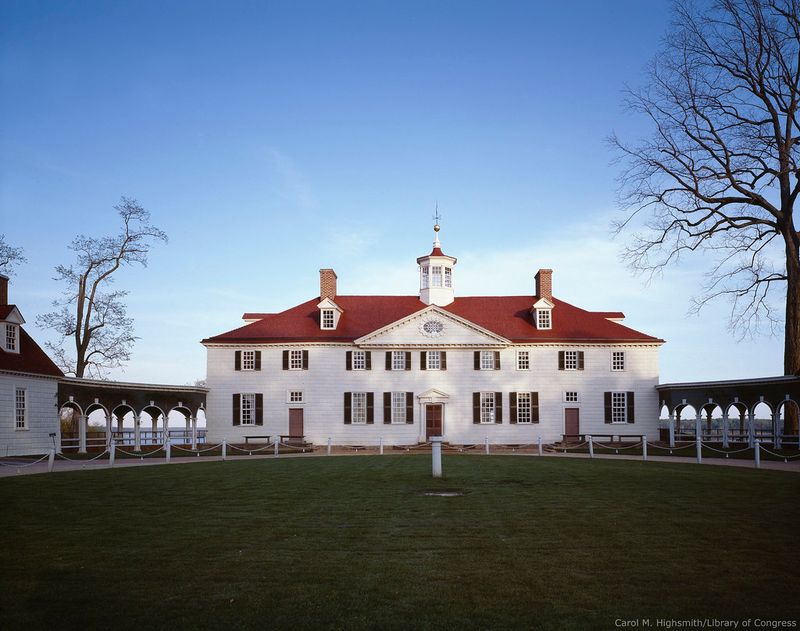
George Washington’s riverside estate proves the Father of Our Country had impeccable taste in real estate. Perched above the Potomac River, Mount Vernon offers views that probably influenced a few major decisions about where to put the nation’s capital.
The mansion itself showcases Washington’s eye for innovation. He expanded the original farmhouse into a showpiece that balanced elegance with practicality.
Green paint on the exterior was custom-mixed to his specifications, and that exact shade still coats the walls today.
Tours reveal a side of Washington most history classes skip. His dentures weren’t wooden, his favorite room was the study, and he obsessed over farming techniques with the same intensity he brought to military campaigns.
Personal details humanize the marble monument we usually picture.
The grounds stretch across five hundred acres of working farm. Heritage breed animals graze in pastures, heirloom crops grow in fields, and the whiskey distillery produces spirits using Washington’s original recipes.
You can actually buy a bottle if you’re feeling presidential.
The tomb where George and Martha rest sits quietly away from the main crowds. Locals know this spot offers a moment of reflection that the busier areas can’t match.
The simplicity of the memorial contrasts sharply with Washington’s outsized legacy.
Pioneer Farm demonstrates eighteenth-century agricultural life through hands-on activities. Kids can try their hand at colonial chores, discovering quickly that life before electricity required serious muscle.
The education sneaks in while everyone’s having fun.
Address: 3200 Mount Vernon Memorial Highway, Mount Vernon, VA 22121
Appomattox Court House
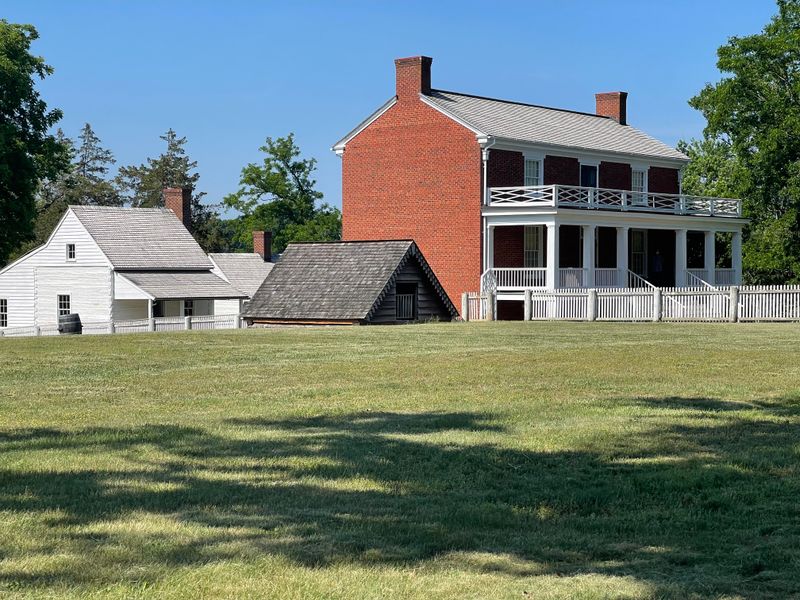
Stand in the room where America’s bloodiest war ended. Appomattox Court House isn’t just a building, it’s the spot where brother stopped fighting brother and a nation began the long road to healing.
The weight of that moment hangs in the air.
The McLean House looks deceptively ordinary for a place where history pivoted. Wilmer McLean thought he’d escaped the war by moving here from Manassas, only to have the conflict’s finale play out in his parlor.
Talk about bad luck following you.
Rangers bring April surrender day to life with details that textbooks miss. Lee arrived in his dress uniform, expecting harsh terms.
Grant showed up mud-splattered from hard riding, then offered surprisingly generous conditions. The contrast in their appearances mirrored the day’s unexpected grace.
The village reconstruction extends beyond the famous house. Restored homes, shops, and the courthouse itself create a complete picture of rural Virginia life caught in war’s crossfire.
You’ll understand why this sleepy hamlet became ground zero for reconciliation.
Walking trails connect historic buildings across the national park. Spring wildflowers blanket the fields where Confederate soldiers stacked arms and received paroles.
The peaceful landscape makes it hard to imagine the emotional chaos that unfolded here.
Locals appreciate the park’s commitment to telling complicated truths. Exhibits don’t romanticize the Lost Cause or simplify the war’s causes.
They present the surrender’s significance while acknowledging the hard work of reunion that followed.
Fall colors frame the historic buildings in spectacular fashion. Photography enthusiasts flock here when leaves turn, capturing images that blend natural beauty with profound historical resonance.
Address: 111 National Park Drive, Appomattox, VA 24522
Jamestown Settlement
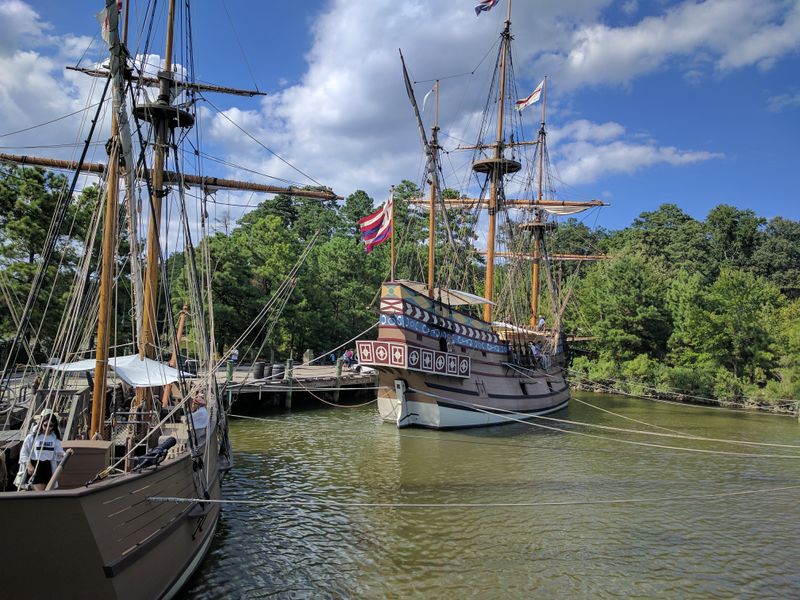
America’s origin story started here in mud, mosquitoes, and sheer stubborn determination. Jamestown Settlement recreates the first permanent English colony with a honesty that doesn’t shy from the disasters, diseases, and desperate times that nearly ended the experiment before it began.
Three full-scale ship replicas bob in the James River, ready to board. Climbing aboard the Susan Constant, Godspeed, and Discovery makes you wonder how anyone survived crossing an ocean in these tiny wooden shells.
The cramped quarters and creaking timbers tell their own story.
The recreated fort brings the starving time into sharp focus. Costumed interpreters demonstrate survival skills colonists learned the hard way.
Armor demonstrations prove these settlers came prepared for war, not farming, which explains a lot about their early struggles.
Powhatan Village across the grounds presents the Indigenous perspective often erased from colonial narratives. The structures, tools, and daily life demonstrations show a sophisticated culture that predated European arrival by thousands of years.
This balance makes the history more complete and honest.
Archaeological sites reveal layers of history beneath your feet. Active digs continue uncovering artifacts that rewrite what we thought we knew about early colonial life.
Museum exhibits display finds that range from delicate glass beads to rusted weapons.
The indoor galleries use multimedia presentations to set context before you explore outdoors. Understanding the political intrigue, economic pressures, and cultural clashes that shaped Jamestown makes the outdoor exhibits hit harder.
Locals recommend combining this visit with Historic Jamestowne down the road for the complete picture. Together, they offer both recreated experience and actual archaeological site.
Address: 2110 Jamestown Road, Williamsburg, VA 23185
Arlington National Cemetery
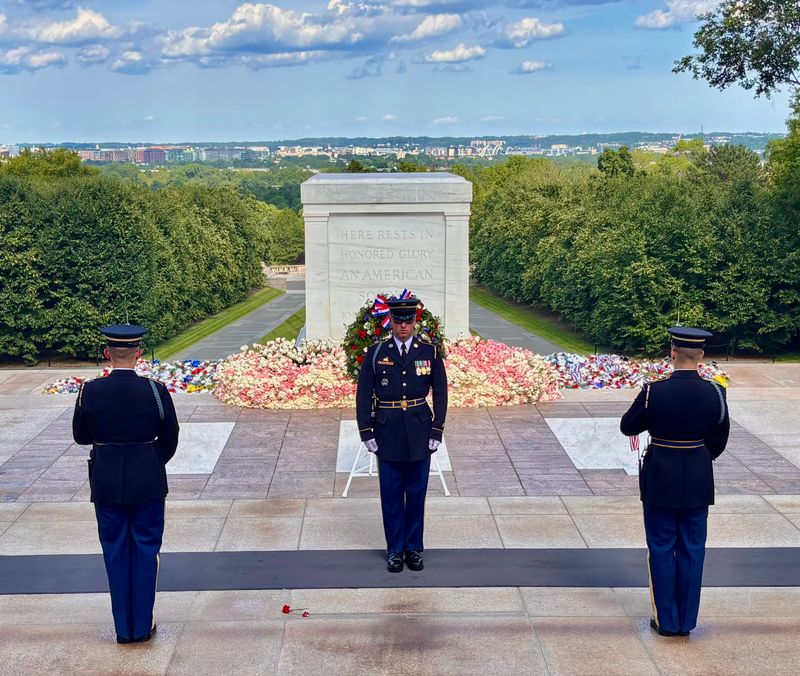
Row upon row of white marble markers stretch across rolling hills in a testament to sacrifice that transcends politics. Arlington National Cemetery holds more American stories than any history book could contain.
Walking these grounds changes people.
The Tomb of the Unknown Soldier draws crowds for the Changing of the Guard ceremony. Sentinels execute their precise movements with a dedication that mirrors the sacrifice they honor.
Even the most cynical visitors fall silent watching this ritual performed in all weather, every hour, every day.
Arlington House crowns the hill overlooking the cemetery and the capital beyond. Robert E.
Lee’s former home became a Union burial ground in a pointed statement about rebellion’s cost. The irony of Confederate general’s estate becoming a national cemetery isn’t lost on anyone.
Memorial trees and groves commemorate specific groups and events throughout the grounds. The Space Shuttle Challenger Memorial, the Iran Rescue Mission Memorial, and countless others mark moments when duty demanded everything.
Each tells a story worth pausing for.
Funeral processions happen multiple times daily. Witnessing the military precision, the caisson horses, and the folded flag presentation reminds visitors this isn’t just a tourist site.
It’s an active cemetery where grief and honor intersect.
The Kennedy gravesites attract international visitors. The eternal flame and simple markers contrast with the grandeur you’d expect for a presidential burial.
That simplicity speaks volumes about how the family wanted to be remembered.
Locals know the cemetery’s visitor center provides tram tours that cover ground most walking visitors miss. The place is massive, and Virginia heat can be brutal.
Smart planning makes the experience more meaningful and less exhausting.
Address: 1 Memorial Avenue, Arlington, VA 22211
Yorktown Battlefield
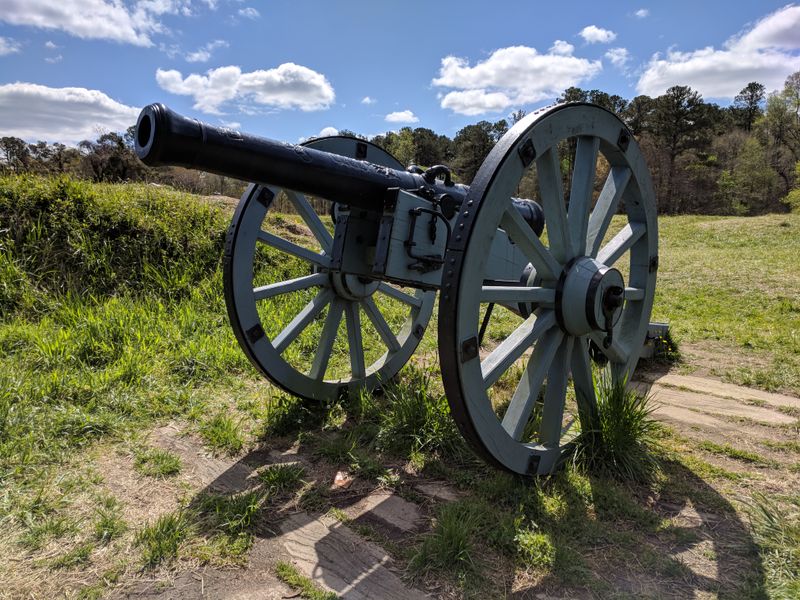
The battle that won American independence unfolded on these fields and bluffs above the York River. Yorktown Battlefield preserves the landscape where British hopes collapsed and a new nation secured its future.
You can still trace the siege lines where Washington’s forces tightened the noose.
Earthwork fortifications remain surprisingly intact after centuries. Walking the Allied and British lines gives you a soldier’s perspective of the siege.
The distance between positions shows how artillery and determination combined to force Cornwallis into an impossible situation.
The Moore House sits quietly away from the main battlefield. Inside these walls, surrender terms were negotiated while soldiers outside held their breath.
The simple farmhouse witnessed diplomacy that shaped world history, yet it looks like any other colonial home.
Overlooks provide stunning river views that explain why both sides fought for this ground. Control of the York River meant control of supply lines.
Geography determined strategy, and strategy determined the war’s outcome. Standing here makes tactical decisions obvious.
The battlefield road loops through key sites with pull-offs and interpretive signs. Driving lets you cover ground that armies marched, but walking the trails connects you to the terrain in ways a car can’t match.
The choice depends on your time and energy.
Living history demonstrations happen throughout the year. Musket firings, artillery demonstrations, and tactical explanations bring the siege to life.
The noise and smoke give just a hint of what soldiers experienced for weeks.
Locals combine Yorktown with nearby Historic Yorktown village for a full day of Revolutionary history. The waterfront town offers dining and shops in buildings that stood during the siege.
Address: 1000 Colonial Parkway, Yorktown, VA 23690
Manassas National Battlefield Park
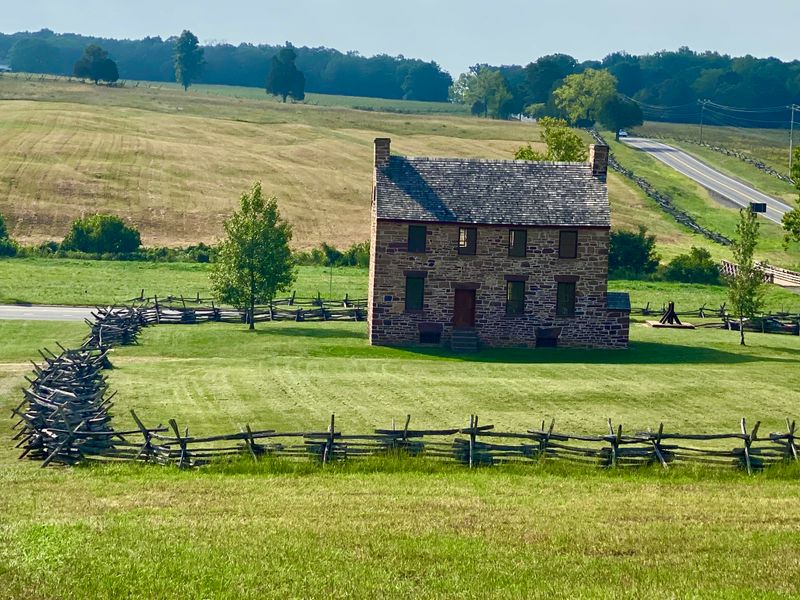
Two major battles raged across these fields, proving the Civil War would be neither quick nor easy. Manassas National Battlefield Park preserves the ground where American illusions about gentlemanly warfare shattered against the reality of modern combat’s brutal efficiency.
The Stone House stands as it did when surgeons turned it into a field hospital. Imagining the carnage inside those walls while picnickers from Washington watched from nearby hills captures the war’s early naivety.
Reality hit hard here, twice.
Henry Hill saw the war’s first battle reach its climax. Stonewall Jackson earned his nickname holding this position while chaos swirled around him.
Walking the slope where artillery dueled and lines collapsed helps you understand how close the Union came to early victory.
The Second Battle of Manassas unfolded across a much larger area. Driving or hiking the expanded battlefield shows how tactics evolved in just one year.
What started as confused clashes became coordinated campaigns involving thousands of troops.
The Deep Cut trail follows an unfinished railroad grade where Confederates held against repeated Union assaults. Standing in this depression while reading battle accounts makes you grateful you’re just a visitor.
Soldiers spent hours here under withering fire.
The visitor center uses maps and artifacts to untangle two complex battles fought over the same ground. Understanding who attacked where and when requires some study.
The staff excels at making complicated tactics comprehensible.
Locals know sunrise and sunset transform the battlefield into something magical. Golden light across the fields, split-rail fences creating leading lines, and the Stone House glowing in warm tones make for incredible photographs.
Address: 12521 Lee Highway, Manassas, VA 20109
Stratford Hall
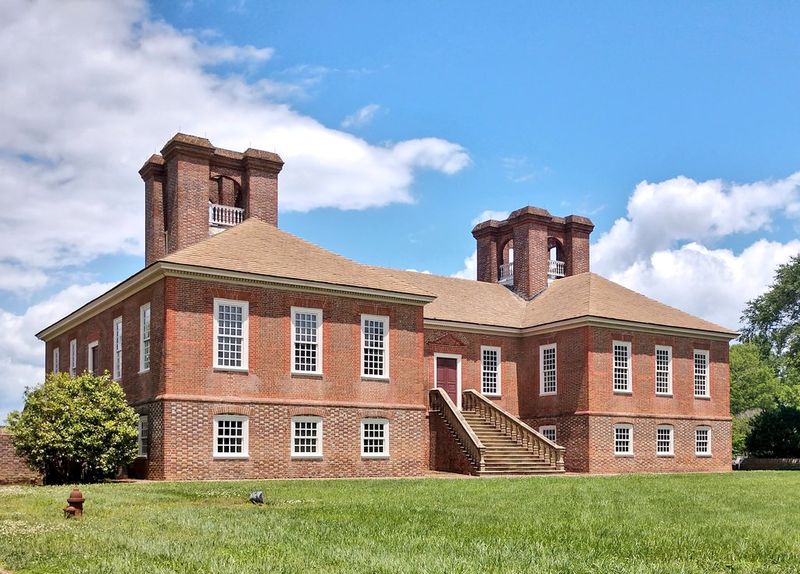
The birthplace of Robert E. Lee sits on a bluff overlooking the Potomac, but Stratford Hall’s story extends far beyond one controversial general.
Two signers of the Declaration of Independence called this place home. The Lee family shaped American history from these rooms for generations.
The Great House’s unique H-shaped design makes it instantly recognizable. Climbing to the rooftop deck reveals why they built here.
The view stretches for miles, encompassing river, fields, and forests that have changed remarkably little since colonial times.
Period rooms showcase how wealthy Virginia planters lived in the eighteenth century. The furniture, artwork, and household items aren’t replicas.
These are actual pieces that witnessed the conversations and decisions that influenced a young nation’s direction.
The working plantation demonstrates historical agriculture using heritage methods. Oxen plow fields, heirloom crops grow in gardens, and livestock breeds that nearly went extinct graze in pastures.
It’s living history that produces actual food using old techniques.
Cliff trails lead down to the Potomac beach, a hidden gem most visitors miss. The walk takes effort, but the peaceful shoreline offers a completely different perspective on the plantation.
Fossils wash up regularly if you know where to look.
The education programs don’t ignore difficult topics. Stratford’s interpreters discuss slavery, Civil War complexities, and how one family’s choices rippled through history.
The nuanced approach respects intelligence while providing context.
Locals appreciate the seasonal events that bring the plantation to life. Harvest celebrations, colonial craft workshops, and historical reenactments fill the calendar.
Each visit can offer something completely different depending on timing.
Address: 483 Great House Road, Stratford, VA 22558
Virginia State Capitol
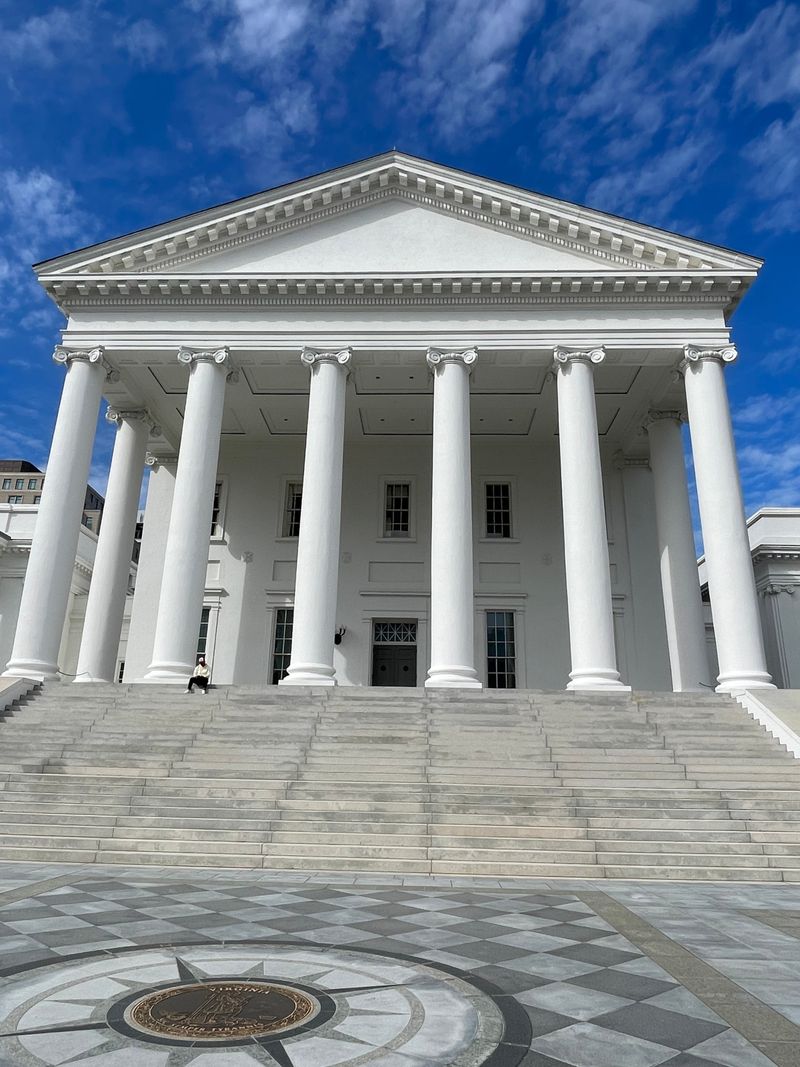
Thomas Jefferson designed this building while serving as ambassador to France, and the Roman temple inspiration shows in every column and proportion. The Virginia State Capitol isn’t just where laws get made.
It’s where American democracy learned to walk before taking its first steps.
The Rotunda houses the only marble statue of George Washington modeled from life. Jean-Antoine Houdon traveled to Mount Vernon to capture Washington’s likeness, and the result still draws crowds.
Standing before it connects you directly to the man, not the myth.
The Old House Chamber witnessed debates that shaped the nation. Patrick Henry argued for independence here.
Robert E. Lee accepted command of Virginia’s forces in this room.
The Aaron Burr treason trial unfolded within these walls. Every floorboard has stories.
Ongoing restoration work reveals layers of history hidden by renovations. Original paint colors emerge from beneath later additions.
Architectural details thought lost turn up in unexpected places. The building itself becomes an archaeological site.
The Capitol grounds feature monuments and memorials that trace Virginia’s complicated history. Not all of them tell comfortable stories.
Recent additions acknowledge perspectives long excluded from official narratives, creating more complete historical context.
Free guided tours run regularly, led by staff who genuinely love this building and its stories. Their enthusiasm proves contagious.
You’ll learn details about legislative process, architectural innovation, and historical drama that make government actually interesting.
Locals know the Capitol sits in the heart of Richmond’s historic district. Court End neighborhood surrounds it with museums, historic homes, and restaurants in centuries-old buildings.
Plan extra time to explore beyond the Capitol itself.
Address: 1000 Bank Street, Richmond, VA 23219
Dear Reader: This page may contain affiliate links which may earn a commission if you click through and make a purchase. Our independent journalism is not influenced by any advertiser or commercial initiative unless it is clearly marked as sponsored content. As travel products change, please be sure to reconfirm all details and stay up to date with current events to ensure a safe and successful trip.
