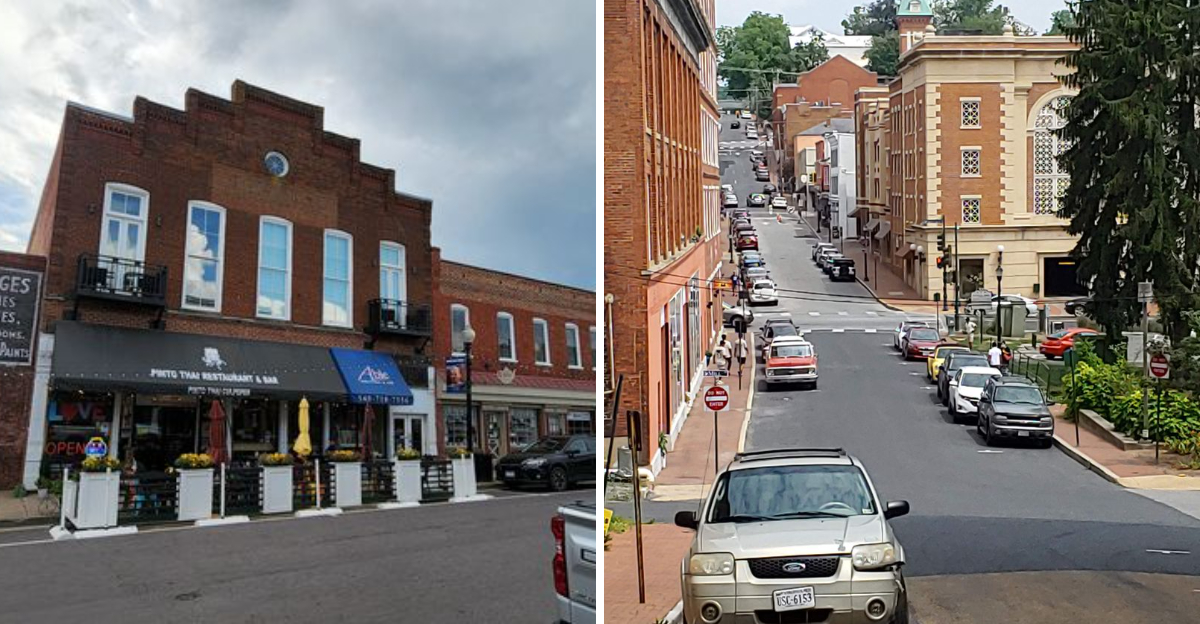
Virginia holds a special place in American history, and some of its towns have managed to preserve that heritage without turning into tourist traps.
From the rolling hills of the Piedmont to the quiet shores of the Chesapeake Bay, these communities still feel like real places where real people live and work.
Locals treasure these towns because they offer more than just historic markers and museums.
You’ll find authentic experiences, from bluegrass music in mountain hollows to Victorian mansions along peaceful waterfronts.
Virginia’s most genuine historic towns invite you to slow down, walk brick sidewalks, and discover the stories that shaped our nation.
Whether you’re drawn to Appalachian culture, Civil War history, or coastal charm, these destinations deliver the real deal.
Each town on this list has earned its reputation among residents who know the difference between preserved history and packaged nostalgia.
1. Abingdon
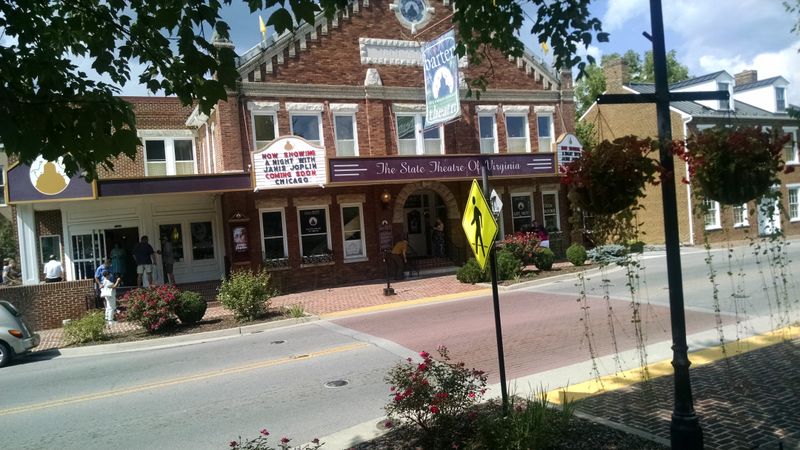
Southwest Virginia’s crown jewel sits nestled in the mountains, where brick sidewalks lead you through centuries of preserved history.
Abingdon has become a cultural beacon in Appalachia, drawing visitors who crave genuine mountain town atmosphere without the commercialization.
The historic district stretches along Main Street, where locally owned craft shops and galleries occupy buildings that have stood for generations.
Artists and artisans call this place home, creating a thriving creative community that honors traditional mountain crafts while embracing contemporary expression.
The Barter Theatre stands as one of America’s oldest professional theaters, where actors once accepted produce and goods as payment during the Depression.
Today it continues staging performances that draw audiences from across the region.
Walking these streets feels like stepping into a living postcard, where history isn’t just preserved but actively lived.
The Virginia Creeper Trail begins right in town, offering outdoor enthusiasts a scenic journey through mountains and valleys.
This former railroad bed has become one of the most beloved rail trails in the country.
Local restaurants serve dishes inspired by Appalachian traditions, using ingredients sourced from nearby farms.
The community hosts festivals throughout the year that celebrate mountain heritage, from music gatherings to craft fairs.
Residents take pride in maintaining the town’s character, resisting chain stores and cookie-cutter development.
You’ll find the pace slower here, conversations friendlier, and connections deeper.
Abingdon proves that a town can embrace tourism while staying true to its roots.
The address for the historic district centers around 133 W Main St, Abingdon, VA 24210.
Every corner reveals another layer of authenticity that keeps locals devoted and visitors returning year after year.
2. Staunton
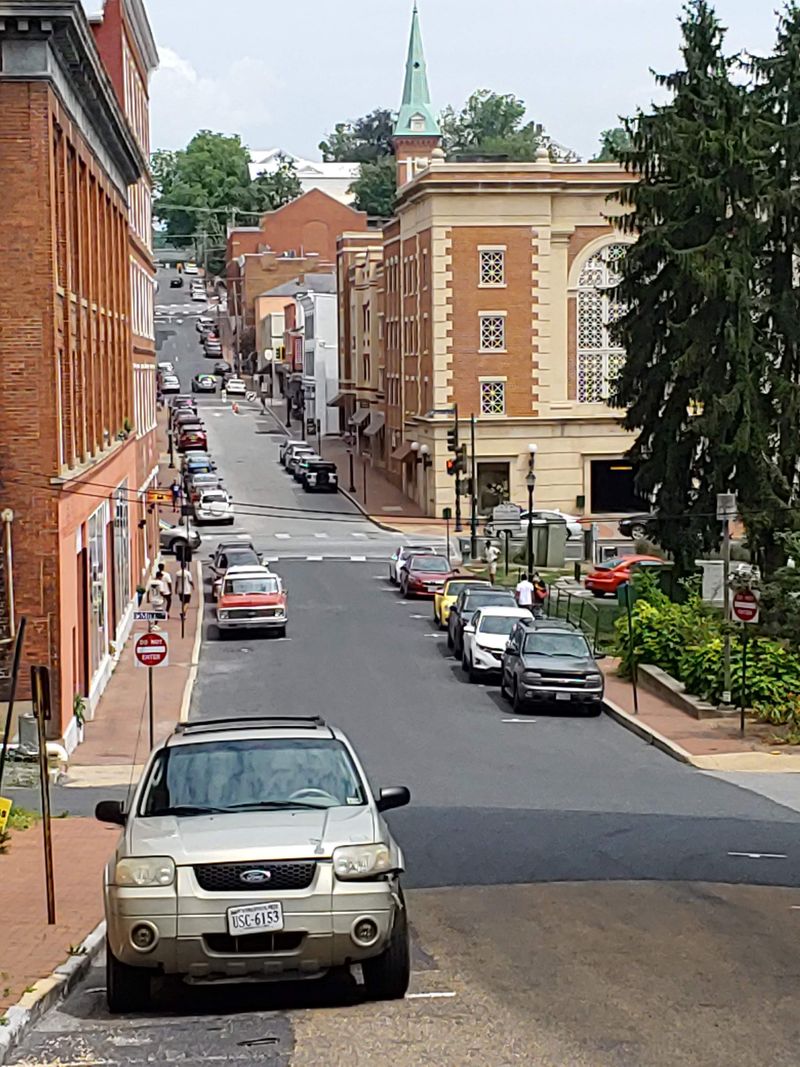
Six distinct historic districts create a patchwork of architectural styles spanning two centuries in this Shenandoah Valley gem.
Staunton’s downtown pulses with energy, where Victorian mansions stand alongside Greek Revival buildings and Art Deco storefronts.
The city has mastered the balance between preservation and progress, creating a vibrant community that honors its past while looking forward.
Street after street reveals carefully maintained buildings that tell the story of American architectural evolution.
The American Shakespeare Center’s Blackfriars Playhouse recreates the experience of theater as Shakespeare knew it, with performances lit by candles and chandeliers.
This unique venue draws theater lovers from around the world to experience drama in its most authentic form.
Downtown restaurants have earned recognition for creative cuisine that transforms local ingredients into memorable meals.
The food scene here rivals much larger cities, with chefs who understand that quality matters more than trends.
Staunton’s residents include artists, musicians, and craftspeople who contribute to a thriving cultural landscape.
Galleries and studios dot the downtown area, many open for visitors to watch creative processes unfold.
The city’s commitment to historic preservation extends beyond facades to include adaptive reuse of buildings for modern purposes.
Old warehouses now house apartments and businesses, breathing new life into structures while maintaining their character.
Walking tours reveal hidden architectural details and stories that bring the past into focus.
The historic Beverley Street becomes the heart of community gatherings and festivals throughout the year.
You’ll find the main historic area around 10 E Beverley St, Staunton, VA 24401.
Virginia’s dedication to authentic preservation shines brightest in places like Staunton, where history feels alive rather than frozen in time.
3. Middleburg
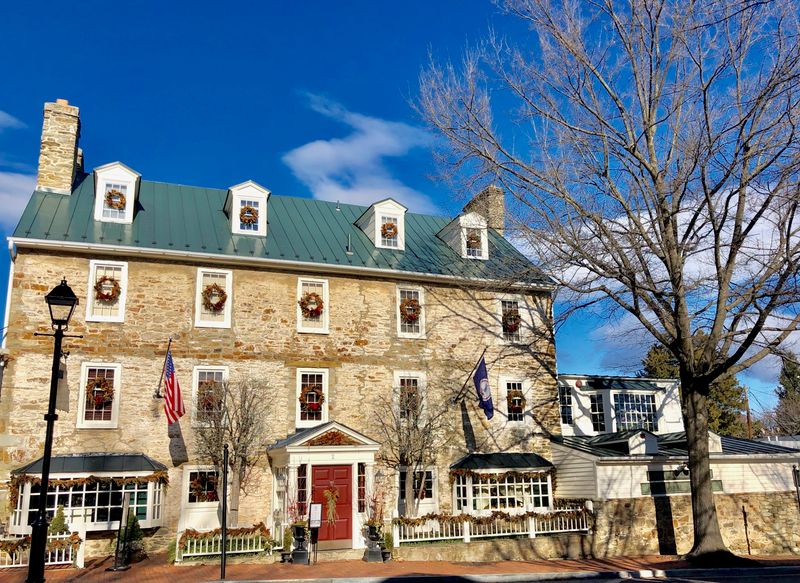
Rolling pastures and white fences define the landscape surrounding this elegant village in the heart of horse country.
Middleburg earned its nickname as the Nation’s Horse and Hunt Capital through centuries of equestrian tradition that continues today.
The downtown stretches along Washington Street, where boutiques and antique shops occupy historic buildings that exude timeless charm.
This isn’t a place trying to recreate the past but rather one that never really left it behind.
The Red Fox Inn & Tavern has welcomed travelers since colonial times, making it one of America’s oldest continuously operating inns.
Its stone walls and low-beamed ceilings transport visitors to an earlier era while providing modern comfort.
Equestrian culture permeates every aspect of life here, from steeplechase races to polo matches that draw spectators throughout the year.
Locals and visitors alike gather to watch these sporting events that connect directly to the town’s heritage.
The shops reflect the community’s refined tastes, offering everything from riding gear to fine art without a hint of tackiness.
Walking these sidewalks on a quiet morning feels like discovering a secret that the rest of the world has overlooked.
Middleburg maintains strict zoning that prevents chain stores from diluting its character.
Every business contributes to the overall atmosphere rather than detracting from it.
The surrounding countryside invites exploration, with scenic roads winding past historic estates and working farms.
Residents take pride in their town’s ability to attract sophisticated visitors while remaining genuinely welcoming.
The main historic area centers around 2 E Washington St, Middleburg, VA 20117.
Virginia’s horse country reaches its pinnacle in this village where elegance and authenticity merge seamlessly into daily life.
4. Culpeper
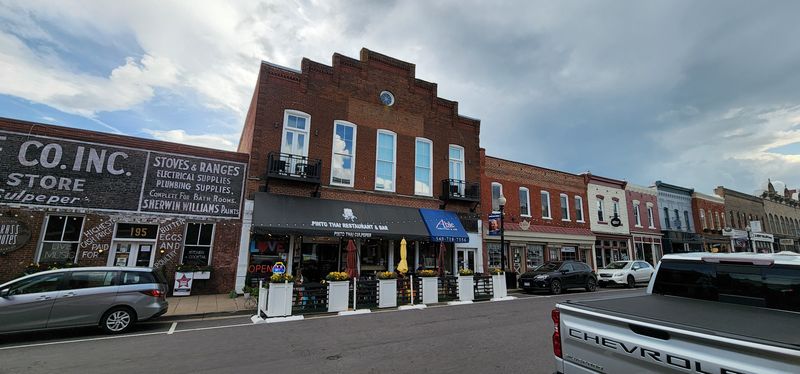
Piedmont River Valley geography creates the perfect setting for this town where Civil War history meets modern farm-to-table culture.
Culpeper’s downtown has retained its walkable character, with locally owned businesses lining streets that once witnessed historic military movements.
The blend of outdoor recreation and preserved history gives residents and visitors plenty of reasons to explore.
Cedar Mountain Battlefield sits nearby, a sobering reminder of the conflicts that shaped this region and our nation.
History enthusiasts can walk these grounds and imagine the events that unfolded across these fields.
Downtown restaurants emphasize fresh, locally sourced ingredients prepared with creativity and care.
The farm-to-table movement found fertile ground here, where agricultural traditions run deep and farmers markets thrive.
Culpeper has embraced craft culture without losing its small-town soul.
The community gathers at local establishments that serve as gathering places for conversation and connection.
Main Street’s architecture tells the story of a town that prospered through different eras, with buildings representing various periods of American history.
Preservation efforts have focused on maintaining authentic details rather than creating artificial historic themes.
The surrounding countryside offers hiking, biking, and exploring opportunities that connect visitors to the natural beauty of Virginia’s Piedmont region.
Residents appreciate living in a place where history isn’t just remembered but integrated into daily life.
Seasonal festivals celebrate the agricultural heritage that continues to define the area’s identity.
You’ll find the historic downtown centered around 133 E Davis St, Culpeper, VA 22701.
This town proves that authenticity doesn’t require choosing between honoring the past and embracing the present.
5. Lexington
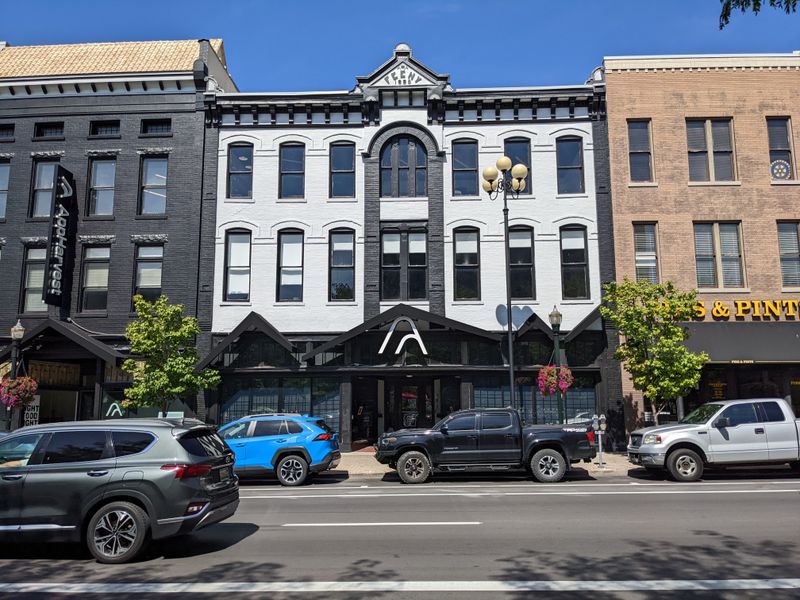
Academic tradition and military heritage combine in this Shenandoah Valley city where universities shape the character without dominating it.
Washington and Lee University and Virginia Military Institute bring youthful energy to streets lined with buildings that predate the Civil War.
Lexington’s preserved downtown invites leisurely exploration, with unique shops offering everything from books to handcrafted goods.
Carriage rides clip-clop along streets where history feels tangible rather than distant.
The Maury River flows nearby, providing natural beauty and recreational opportunities that balance the town’s historic focus.
Locals take advantage of riverside trails for walking, running, and simply enjoying the peaceful water.
Downtown businesses cater to diverse tastes, from college students to history buffs to outdoor enthusiasts.
This diversity creates a vibrant community where different interests intersect and enrich each other.
The town’s connection to American military history runs deep, with monuments and museums offering insights into pivotal moments.
Yet Lexington never feels like a museum town, thanks to the living, breathing community that calls it home.
Restaurants serve everything from casual fare to refined dining, all within easy walking distance of each other.
The compact downtown makes exploration effortless, encouraging visitors to wander and discover.
Architecture spans multiple centuries, with careful preservation ensuring that each building contributes to the overall historic character.
Students and long-time residents share sidewalks, creating interesting generational mixing that keeps the town dynamic.
The main downtown area centers around 101 W Washington St, Lexington, VA 24450.
Virginia’s ability to blend education, history, and natural beauty reaches its finest expression in this valley town where past and present coexist harmoniously.
6. Onancock
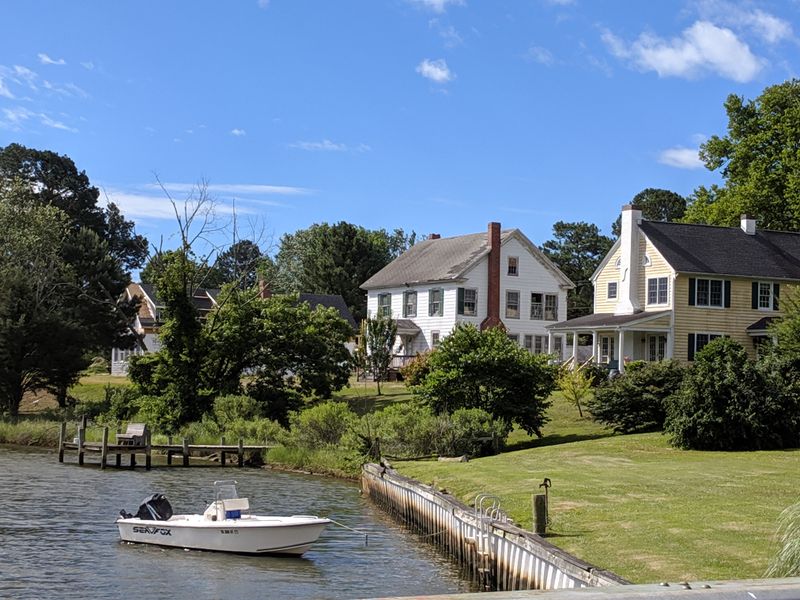
Eastern Shore tranquility defines this waterfront community where time seems to have taken a different path than the rest of the modern world.
Onancock’s serene harbor welcomes boats while Victorian mansions overlook streets shaded by ancient trees.
The town earned its reputation as a place time forgot, not through neglect but through deliberate preservation of a slower pace.
Walking these quiet streets reveals architectural treasures around every corner, homes maintained with obvious pride and care.
Maritime culture permeates daily life here, from fishing boats at the wharf to conversations centered on tides and seasons.
Local restaurants specialize in fresh seafood prepared with recipes passed down through generations of Eastern Shore families.
Mallards at the Wharf exemplifies the town’s commitment to quality and authenticity, serving dishes that honor local traditions.
The waterfront becomes a gathering place where residents and visitors alike watch sunsets paint the sky in brilliant colors.
Onancock’s small size contributes to its charm, with everything within easy walking distance and neighbors who actually know each other.
The community supports local businesses with fierce loyalty, understanding that chain stores would destroy what makes this place special.
Art galleries and studios showcase work by Eastern Shore artists inspired by the landscape and lifestyle surrounding them.
Seasonal changes bring different activities, from summer sailing to autumn festivals celebrating harvest traditions.
The pace here allows for genuine relaxation, the kind that comes from disconnecting from constant stimulation.
Visitors often comment on feeling their shoulders relax and breathing slow as they settle into Onancock’s rhythm.
The historic downtown centers around 2 Market St, Onancock, VA 23417.
This Eastern Shore gem proves that authenticity flourishes when communities resist the pressure to modernize at the expense of character.
7. Smithfield
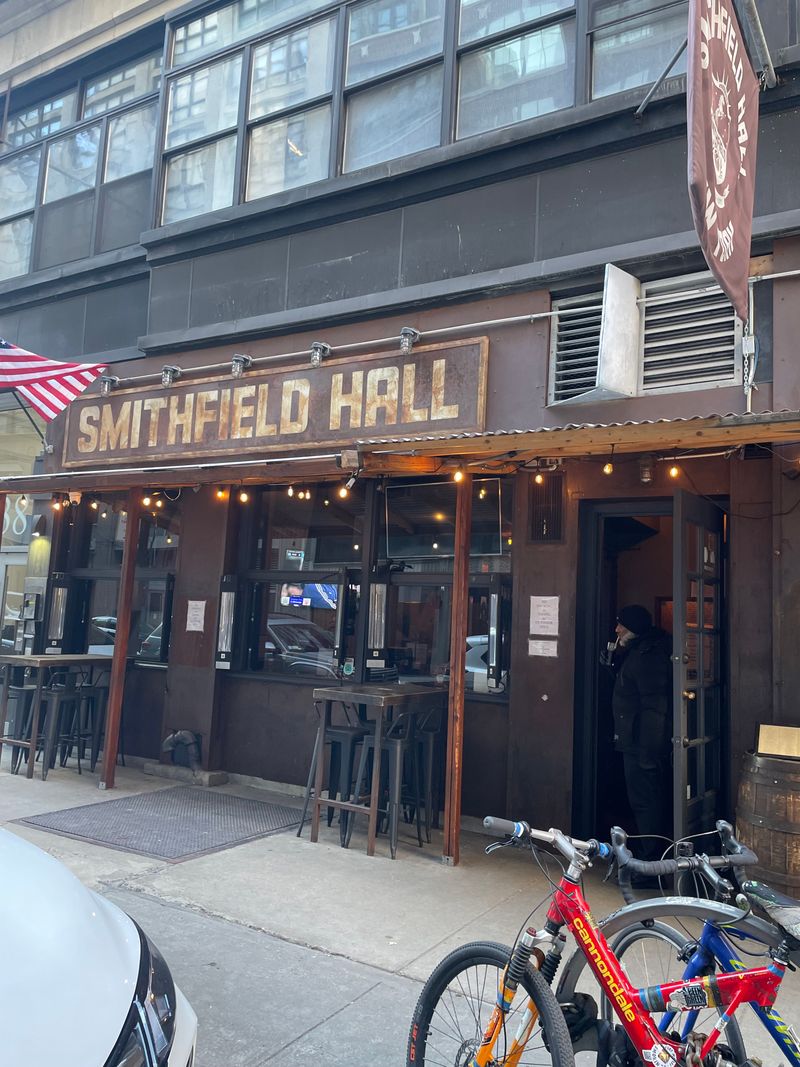
Ham production put this town on the map centuries ago, and that agricultural heritage continues defining its identity today.
Smithfield’s historic district showcases perfectly preserved colonial homes that transport visitors to America’s earliest days.
The town sits where the Pagan River meets the James, creating a waterfront setting that enhances its historic charm.
Walking tours reveal architectural details that speak to skilled craftsmanship and careful maintenance across generations.
Windsor Castle Park stretches along the riverfront, providing green space where families gather and children play against a backdrop of natural beauty.
The park’s trails invite exploration while offering views that connect visitors to the landscape that shaped this community.
The Isle of Wight County Museum preserves artifacts and stories that illuminate daily life through different historical periods.
Collections include everything from Native American tools to colonial household items, creating a comprehensive picture of the region’s past.
Local businesses reflect the town’s authentic character, with shops offering goods that serve residents rather than just tourists.
Smithfield has avoided the trap of becoming a historic theme park, maintaining its function as a real community with real needs.
The ham tradition continues in local establishments where time-honored curing methods produce flavors impossible to replicate elsewhere.
Residents take pride in this culinary heritage that connects them to their ancestors and distinguishes their town.
Main Street’s buildings represent various architectural periods, each contributing to the overall historic atmosphere.
The waterfront location adds another dimension to exploring this town, with river views complementing historic streetscapes.
The historic area centers around 130 Main St, Smithfield, VA 23430.
Virginia’s colonial past remains most tangible in places like Smithfield, where preservation efforts honor authenticity above all else.
8. Cape Charles
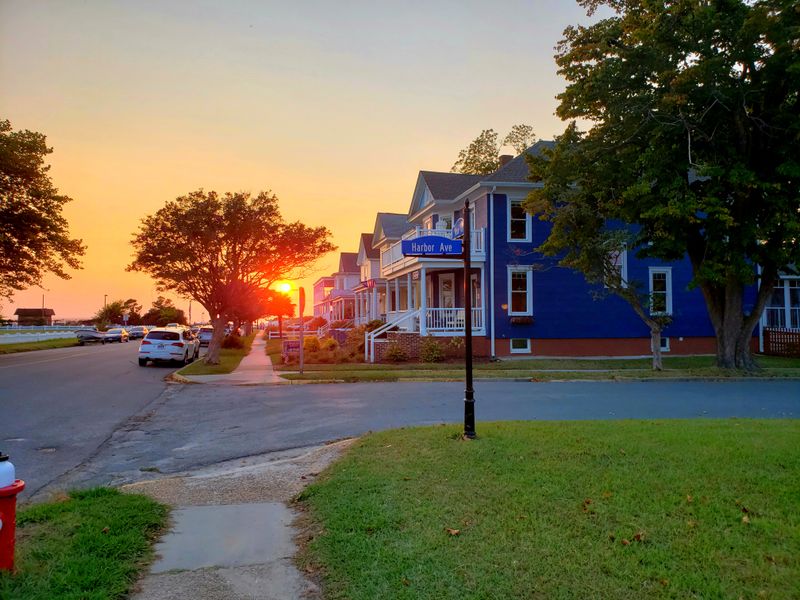
Chesapeake Bay breezes sweep through this coastal town where Victorian buildings line streets that end at a public beach.
Cape Charles offers a walkable layout that encourages exploration on foot or bicycle, with destinations never far from each other.
The historic district preserves late nineteenth-century architecture in remarkable condition, testament to the community’s commitment to its heritage.
Sunset watching becomes a daily ritual here, with the bay providing spectacular displays that draw people to the waterfront each evening.
The public beach remains free and accessible, a democratic approach that reflects small-town values over commercialization.
Families spread blankets on sand while children splash in gentle waves, creating scenes that could come from any decade.
Kiptopeke State Park sits nearby, offering hiking trails and natural areas that showcase the Eastern Shore’s ecological diversity.
Birdwatchers flock here during migration seasons when thousands of birds pass through on their journeys.
Downtown shops occupy historic buildings, selling everything from beach gear to local art without the tackiness that plagues many coastal towns.
The community has resisted overdevelopment, maintaining scale and character that keeps Cape Charles feeling genuine.
Restaurants emphasize fresh seafood and local produce, with menus changing seasonally to reflect what’s available.
The pace here encourages lingering over meals and conversations rather than rushing to the next attraction.
Residents treasure living in a place where natural beauty and historic preservation coexist without conflict.
The town’s grid layout makes navigation simple, with numbered streets running parallel to the bay.
The historic downtown centers around 2 Plum St, Cape Charles, VA 23310.
This bayside gem demonstrates that coastal towns can embrace tourism while preserving the authenticity that makes them worth visiting.
9. Floyd
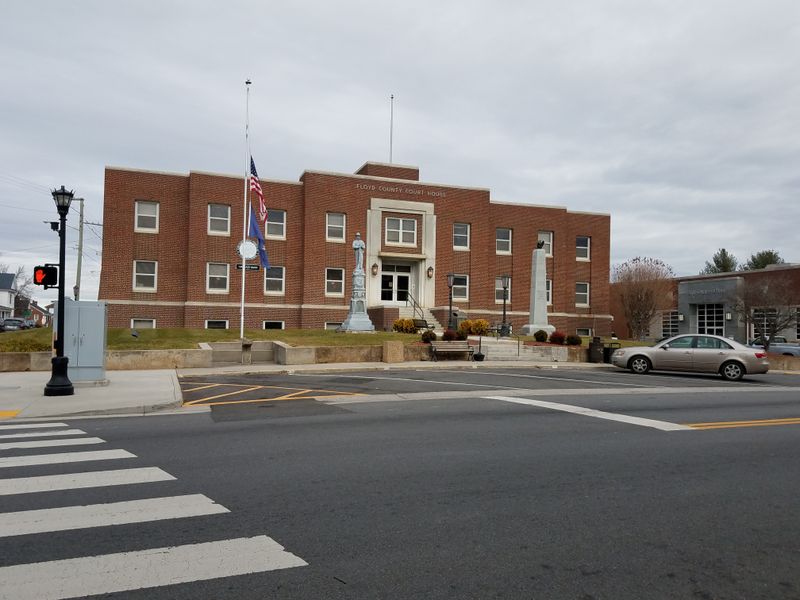
Appalachian music pulses through this mountain community where traditional sounds meet contemporary interpretations.
Floyd has earned its reputation as a music hub, drawing performers and listeners who appreciate authentic mountain culture.
The Floyd Country Store anchors the town’s identity, hosting the legendary Friday Night Jamboree where locals and visitors gather for music and dancing.
Stepping into this venue feels like entering a time capsule where community entertainment hasn’t been replaced by screens and streaming.
Musicians of all ages share the stage, from young children learning traditional tunes to elderly masters who’ve played for decades.
The dancing that accompanies the music follows patterns passed down through generations, connecting participants to their cultural roots.
Beyond music, Floyd embraces arts and crafts traditions that reflect mountain heritage and creativity.
Local artisans produce everything from pottery to textiles using techniques that honor the past while allowing personal expression.
The town’s small size creates intimacy, with everyone recognizing familiar faces and newcomers quickly becoming part of the community.
Surrounding mountains provide stunning scenery and outdoor recreation opportunities that complement the cultural attractions.
The Blue Ridge Parkway runs nearby, offering access to some of Virginia’s most beautiful landscapes.
Restaurants and cafes reflect the community’s values, emphasizing local ingredients and homestyle preparation.
Floyd has attracted people seeking alternatives to mainstream culture, creating a diverse population united by appreciation for authenticity.
The result is a town that feels both traditional and progressive, rooted in heritage while welcoming innovation.
The Floyd Country Store sits at 206 S Locust St, Floyd, VA 24091.
Virginia’s mountain culture thrives most vibrantly in Floyd, where music and community remain inseparable and genuine.
10. Woodstock
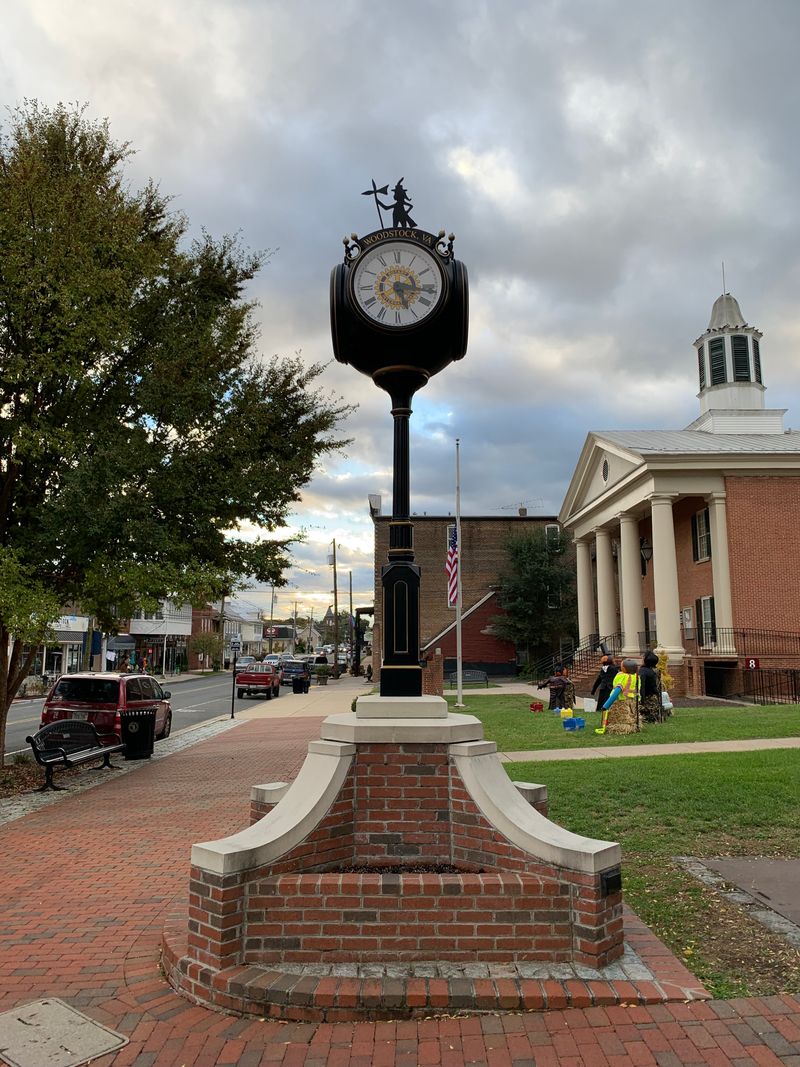
Shenandoah River curves through the valley where this town has stood for centuries, witnessing history while maintaining its character.
Woodstock’s town square centers on the historic courthouse, a landmark that has served the community through generations of change.
The Shenandoah County Historic Courthouse represents more than architecture; it symbolizes continuity and civic pride that defines this place.
Main Street radiates from the square, lined with buildings that house businesses serving locals rather than just passing tourists.
Seven Bends State Park opened recently, providing hiking trails and river access that showcase the natural beauty surrounding the town.
Locals have embraced this park as an extension of their community, using trails for exercise and gathering spots for picnics.
The river itself draws kayakers, fishermen, and nature lovers who appreciate pristine water flowing through scenic landscapes.
Woodstock balances its historic preservation with outdoor recreation, recognizing that both contribute to quality of life.
The town’s location in the Shenandoah Valley provides mountain views in every direction, constant reminders of Virginia’s natural grandeur.
Seasonal changes paint the landscape in different colors, from spring blossoms to autumn brilliance.
Downtown businesses include antique shops, local eateries, and service providers that keep the town functioning as a real community.
The atmosphere here feels genuine because it is; people live and work here year-round rather than just visiting.
Historic markers throughout town tell stories of events and people that shaped this region’s development.
Walking these streets provides informal education about American history and how communities evolve while maintaining identity.
The town center sits around 125 N Main St, Woodstock, VA 22664.
Woodstock exemplifies how Virginia towns can honor their past while embracing the natural resources that make the present equally compelling.
Dear Reader: This page may contain affiliate links which may earn a commission if you click through and make a purchase. Our independent journalism is not influenced by any advertiser or commercial initiative unless it is clearly marked as sponsored content. As travel products change, please be sure to reconfirm all details and stay up to date with current events to ensure a safe and successful trip.
