Something strange is happening in New Jersey, and the locals are starting to talk.
I kept hearing the same thing at diners, on front porches, and in corner shops: “Have you seen how many houses are selling before they even hit the market?”
At first, I brushed it off as small-town gossip, but the more I looked into it, the more the pattern became impossible to ignore.
Investors, many of them from out of state, are quietly snapping up properties in towns that most people have never even heard of.
These New Jersey towns are at the center of it all, and what’s happening there might surprise you.
1. Trenton, Mercer County
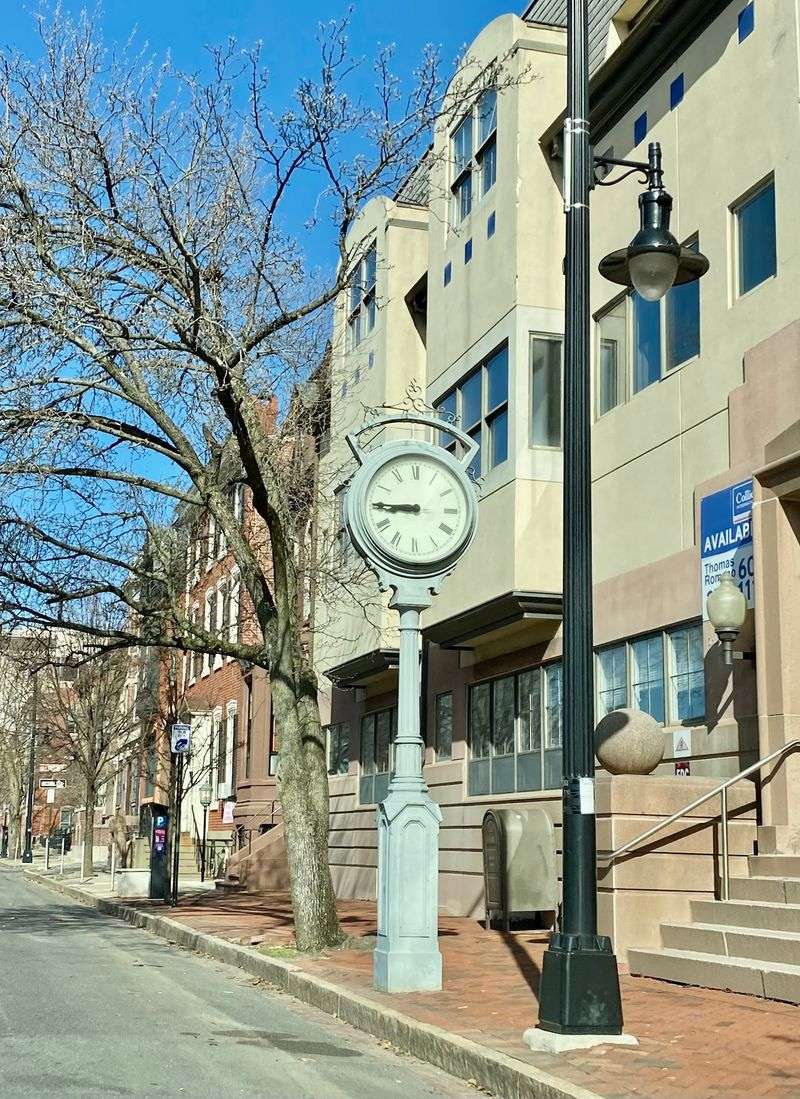
Trenton has always been a city that carries more history than its square footage might suggest. As the state capital of New Jersey, it has long been a place where decisions get made, and lately, one of the biggest decisions being made is where to put money.
Investors have been quietly purchasing properties throughout Trenton’s older neighborhoods, particularly around the South Ward and Chambersburg areas.
The homes here are affordable compared to much of the Northeast, and that affordability has become a magnet for outside capital. Long-time residents are seeing familiar blocks change hands at a pace that feels almost overnight.
Properties that sat vacant for years are suddenly getting renovations, not by neighbors, but by holding companies and LLCs from across the country.
What makes Trenton especially attractive to investors is its proximity to Philadelphia and Princeton, two economic hubs that drive demand for housing. Workers priced out of both cities are looking toward Trenton, and investors are betting on that pressure.
The rental market is tightening fast. Locals who grew up here are finding it harder to buy homes they once considered within reach, and community organizations are starting to push back against the trend with increasing urgency.
Address: 319 E State St, Trenton, NJ 08608
2. Bridgeton, Cumberland County
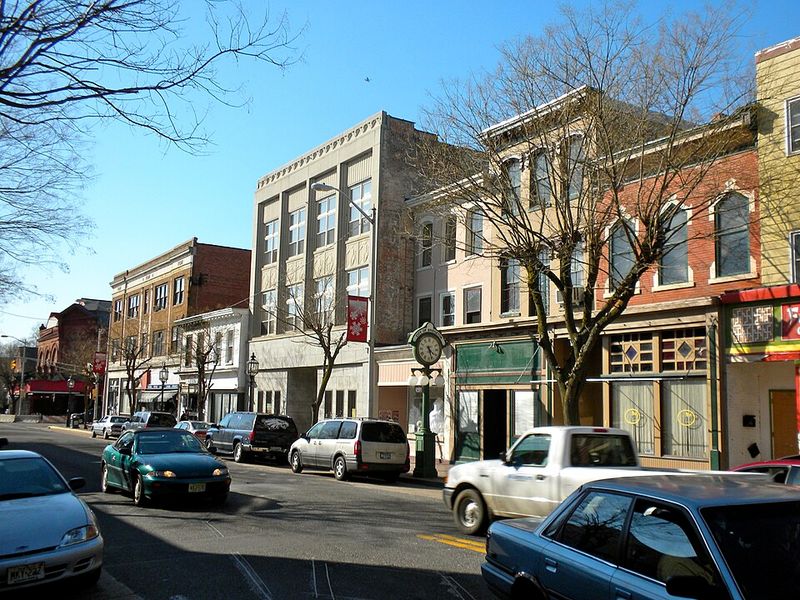
Bridgeton is one of those towns that most people drive past without stopping, and investors are counting on that. Set in the southern part of New Jersey, Bridgeton has one of the highest concentrations of pre-Civil War architecture in the entire state.
That kind of historic character is exactly what draws speculative buyers looking for undervalued assets with long-term potential.
The city’s property values have historically remained low due to economic challenges, but that’s exactly the formula investors look for. Buy low, hold, and wait for the tide to turn.
With state and federal attention increasingly focused on revitalizing struggling urban centers in South Jersey, the tide may be turning faster than anyone expected.
Longtime Bridgeton families are noticing that houses in certain blocks are being purchased in clusters. One sale turns into three, then five, all connected to the same LLC or investment group.
The rental prices in those properties tend to rise shortly after. Community members who have rented the same home for a decade are suddenly receiving new lease terms that stretch their budgets to the limit.
Bridgeton’s story is one of a town with genuine potential being discovered by people who don’t live there, and locals are watching it unfold with mixed feelings.
Address: 181 E Commerce St, Bridgeton, NJ 08302
3. New Brunswick, Middlesex County
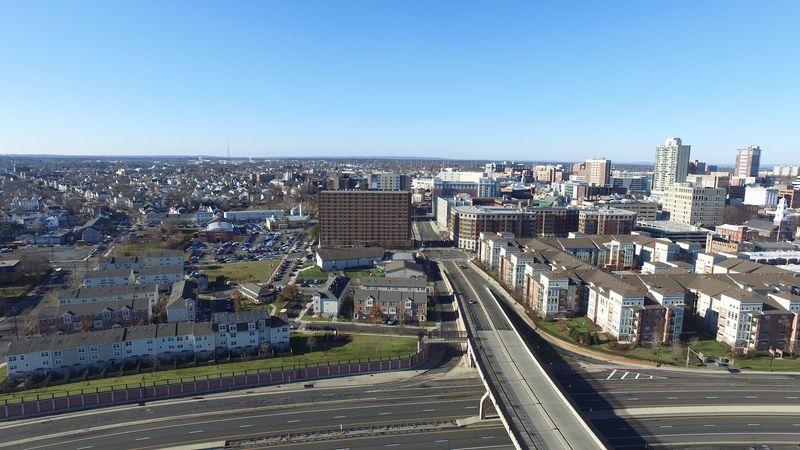
New Brunswick has been on an upward trajectory for years, and investors have been paying close attention.
Home to Rutgers University and a growing medical corridor, this city sits at the intersection of education, healthcare, and transit, three things that make real estate extremely attractive to outside buyers.
The neighborhoods surrounding the university have seen some of the most aggressive investor activity. Single-family homes are being converted into multi-unit rentals almost as quickly as they sell.
Students and young professionals need housing, and investors are positioning themselves to supply it, at a premium. Long-term residents who own homes nearby are watching their property taxes rise as market values climb.
What’s particularly striking about New Brunswick is how organized the investment activity appears. Certain streets have seen multiple back-to-back sales to corporate entities within a single calendar year.
Local housing advocates have flagged these patterns and are working with city officials to create policies that protect owner-occupant buyers from being outcompeted.
The food scene and cultural energy in New Brunswick make it a genuinely exciting place to live, which adds to its appeal for both renters and investors alike. But the people who built that culture are increasingly being priced out of the very streets they made vibrant.
That tension is very real and very visible to anyone who spends time here.
Address: 78 Bayard St, New Brunswick, NJ 08901
4. Asbury Park, Monmouth County
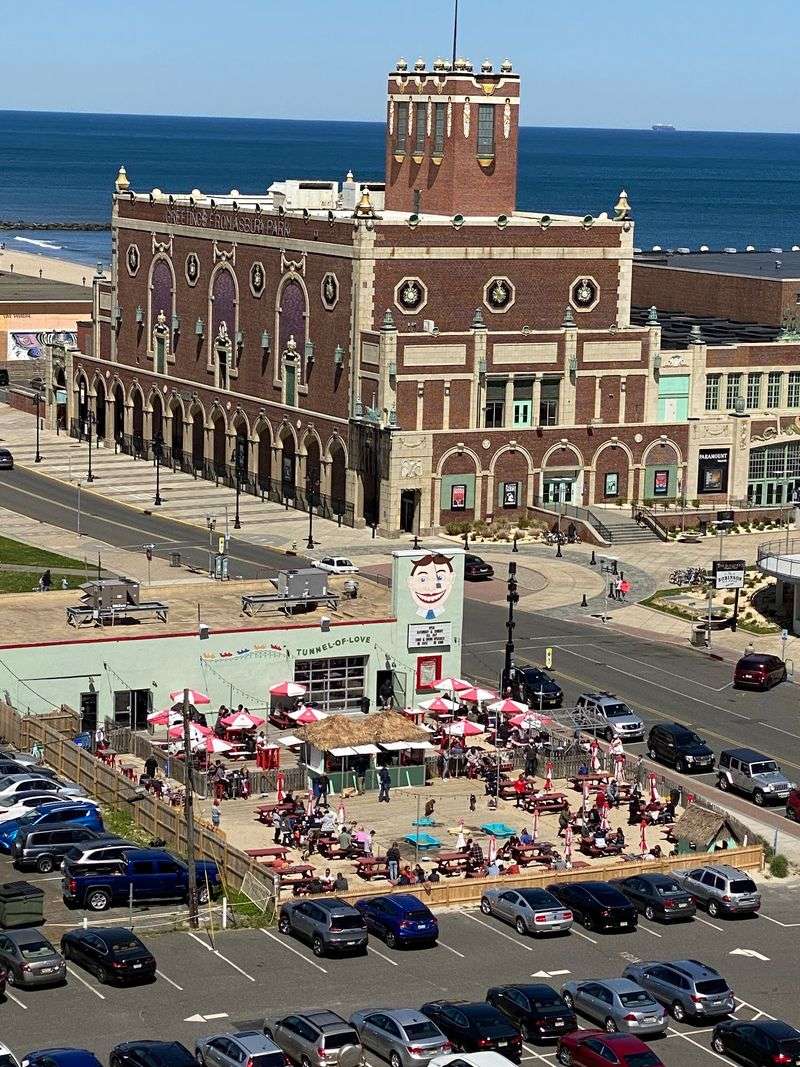
Asbury Park has already experienced one wave of transformation, and now a second one is quietly building. After years of decline, the city made a remarkable comeback thanks to its arts scene, boardwalk, and tight-knit community.
But that revival has made it a target for a different kind of attention, the kind that comes with checkbooks and spreadsheets.
Investors have been buying up properties in Asbury Park’s residential neighborhoods at a pace that alarms many longtime residents. The west side of the city, which is predominantly a working-class community of color, has seen particularly concentrated purchasing activity.
Homes that were once passed down through families are now being scooped up by investment groups before local buyers can even schedule a showing.
The appeal is obvious from an investor’s perspective. Asbury Park sits on the Jersey Shore, has an internationally recognized cultural reputation, and still has pockets of relatively affordable housing compared to neighboring beach towns.
That combination is irresistible to speculative capital.
What gets lost in the spreadsheet math is the community fabric that made Asbury Park worth investing in at all. The people who stuck around through the hard years, who kept the culture alive and the streets warm, are now facing displacement pressure from the very revival they helped create.
That irony is not lost on the residents who remain.
Address: 1 Municipal Plaza, Asbury Park, NJ 07712
5. Salem, Salem County
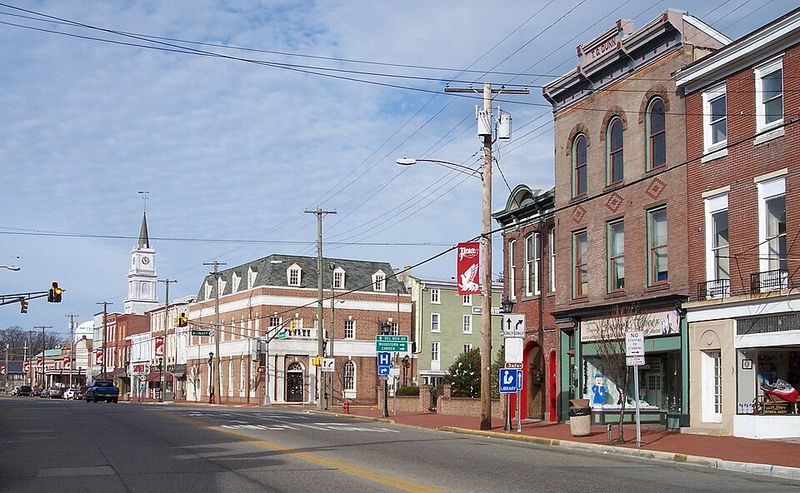
Salem is a town that time seems to have gently passed by, and that quality is now working against the people who call it home. With some of the oldest streets and structures in New Jersey, Salem carries a colonial-era character that is genuinely rare.
That rarity is not going unnoticed by investors who specialize in historic properties and long-term appreciation plays.
Property prices in Salem remain among the lowest in the entire state, which makes entry costs minimal for buyers with significant capital behind them. Investors can acquire multiple properties for what a single home might cost in northern New Jersey.
That math is driving a quiet but steady accumulation of Salem real estate by out-of-town entities.
Local residents describe a feeling of watching the town shift beneath their feet. Familiar neighbors are replaced by renters who cycle in and out.
Homes that once had garden plots and front porch furniture now sit behind locked doors managed by property management companies based hours away.
Salem does have genuine assets, including its waterfront along the Delaware River and its historic downtown core. Those assets are exactly what investors are betting on as South Jersey continues to attract development interest.
For now, longtime Salem families are hoping that growth, if it comes, will include them rather than replace them.
Address: 94 Market St, Salem, NJ 08079
6. Camden, Camden County
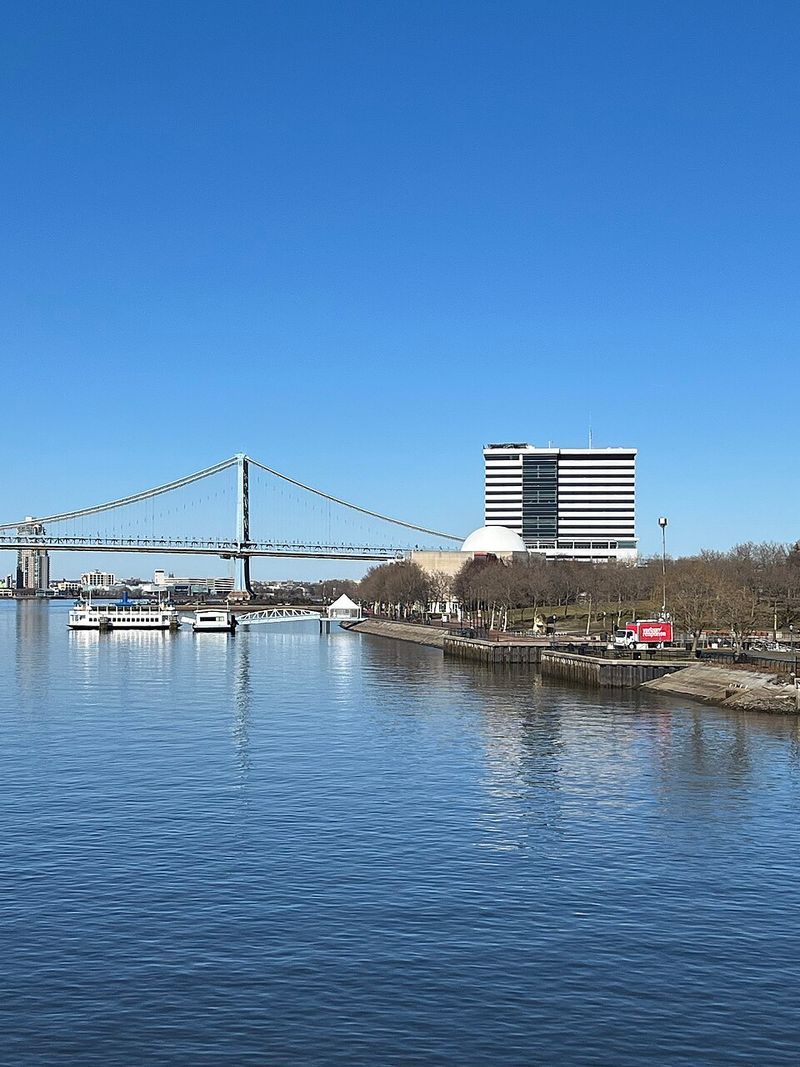
Camden sits directly across the Delaware River from Philadelphia, and that geography has always defined its economic story. For decades, Camden struggled with population loss and disinvestment.
But something has shifted, and investors are moving in with a speed that has caught many residents off guard.
The city has seen significant institutional investment in its waterfront and downtown areas, and that attention is now spreading into residential neighborhoods.
Investors are purchasing homes in blocks adjacent to development zones, betting that rising commercial activity will pull residential values upward.
It’s a calculated strategy, and it’s playing out block by block across the city.
What makes Camden’s situation particularly complex is the deep history of community resilience here. Residents have organized, built mutual aid networks, and fought for resources for generations.
The arrival of speculative real estate capital introduces a new kind of challenge, one that doesn’t always have a clear opponent or a straightforward solution.
Housing advocates in Camden are tracking investor purchases closely and pushing for right-of-first-refusal policies that would give current residents and community land trusts the ability to match investor offers. The goal is to ensure that whatever growth comes to Camden actually benefits the people who never left.
That fight is ongoing, and it matters enormously to the future of this city.
Address: 520 Market St, Camden, NJ 08102
7. South Toms River, Ocean County
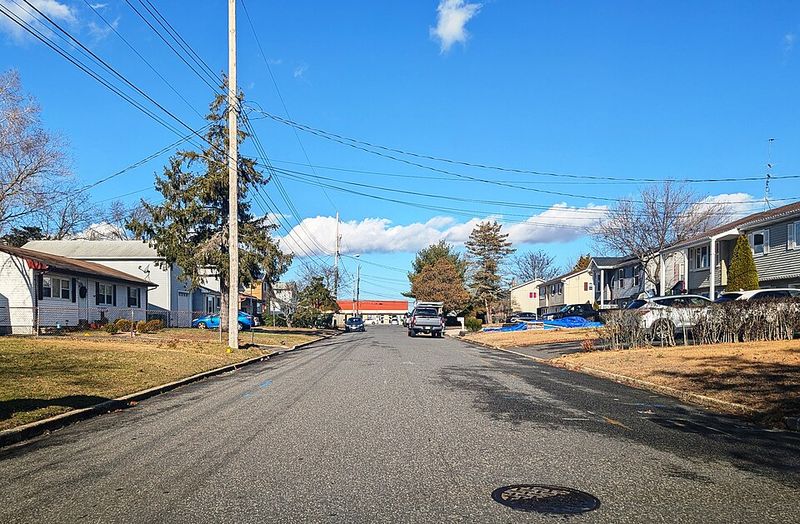
South Toms River is a small borough that rarely makes headlines, which is precisely what makes it so interesting right now.
Nestled in Ocean County along the Toms River waterway, this tight community of modest single-family homes has quietly become a target for investor purchasing activity that locals are only beginning to piece together.
The borough’s affordability relative to the broader Shore region makes it an attractive entry point for investors looking to build rental portfolios in a market where beachfront towns have already priced out most buyers.
South Toms River offers proximity to the water without the premium price tag, and that gap is shrinking fast as outside money flows in.
Residents here tend to know their neighbors well. It’s the kind of place where people wave from driveways and keep an eye on each other’s homes.
That social fabric makes the change feel especially jarring when a familiar house suddenly becomes a rental managed by a company based in another state entirely.
The borough’s small size means that even a relatively modest number of investor purchases can represent a significant share of the housing stock. Community members are starting to connect the dots and raise questions at local government meetings about transparency in real estate transactions.
The conversation is just beginning, but it’s gaining momentum with each passing month.
Address: 144 Mill St, South Toms River, NJ 08757
8. Penns Grove, Salem County
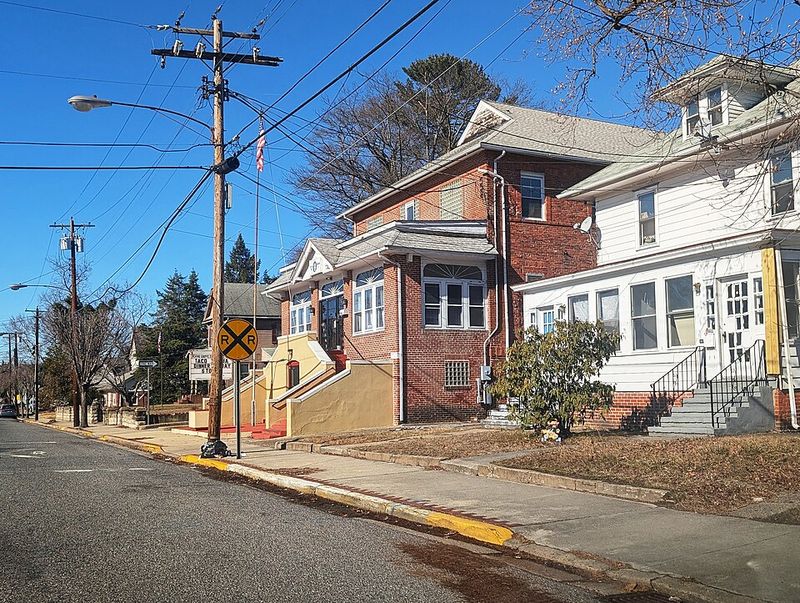
Penns Grove is a small river town in Salem County that carries the weight of its industrial past with quiet dignity. Once a hub of manufacturing activity along the Delaware River, the town has faced decades of economic contraction.
That history has left behind a stock of affordable, older homes that are now drawing investor interest from well outside the region.
The price point in Penns Grove is extraordinarily low compared to almost anywhere else in New Jersey. For investors with capital to deploy, that means the ability to acquire multiple properties quickly and build a rental portfolio with minimal upfront cost per unit.
The strategy is familiar, but the scale at which it’s happening in a town this small is striking.
Longtime residents describe a growing sense of uncertainty about who their neighbors will be from one year to the next. Owner-occupied homes have a different energy than investor-owned rentals, and that difference is felt on a block level in ways that are hard to quantify but very easy to feel.
Penns Grove does have genuine strengths, including its waterfront access and its strong sense of local identity. Community leaders are working to channel any incoming investment into improvements that serve existing residents rather than replacing them.
Whether that effort succeeds will depend heavily on decisions made at both the local and state level in the coming years.
Address: 1 State St, Penns Grove, NJ 08069
9. Newark, Essex County
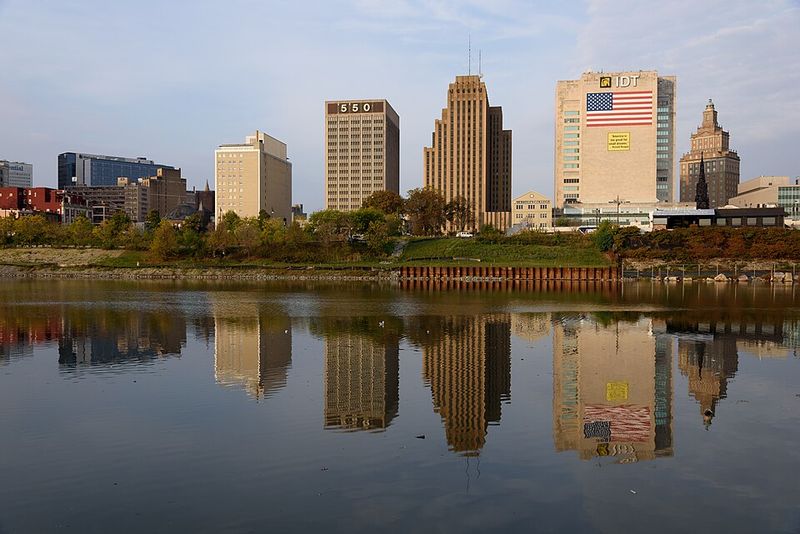
Newark is New Jersey’s largest city, and it is experiencing one of the most intense waves of investor real estate activity in the entire state.
Situated minutes from Manhattan by train and home to a major international airport, Newark’s location has always been its greatest asset.
That asset is now being priced into the housing market at a rate that is reshaping entire neighborhoods.
The Ironbound district and the Central Ward have both seen significant investor purchasing, but the activity is spreading into quieter residential blocks that were once considered well outside the radar of speculative buyers.
Corporate landlords are acquiring single-family homes and two-family buildings, converting them into high-turnover rentals that bear little resemblance to the community-oriented housing that existed before.
Newark has a long and proud history of community organizing, and that tradition is showing up in the response to investor activity. Tenant unions, community land trusts, and local nonprofits are all working to create buffers against displacement.
The city government has also taken steps to increase transparency around bulk property purchases.
What happens in Newark tends to set a precedent for how New Jersey handles these issues more broadly. The city is large enough to absorb significant change, but the human cost of that change is measured in families and communities, not just square footage and cap rates.
The stakes here are as high as anywhere in the state.
Address: 920 Broad St, Newark, NJ 07102
