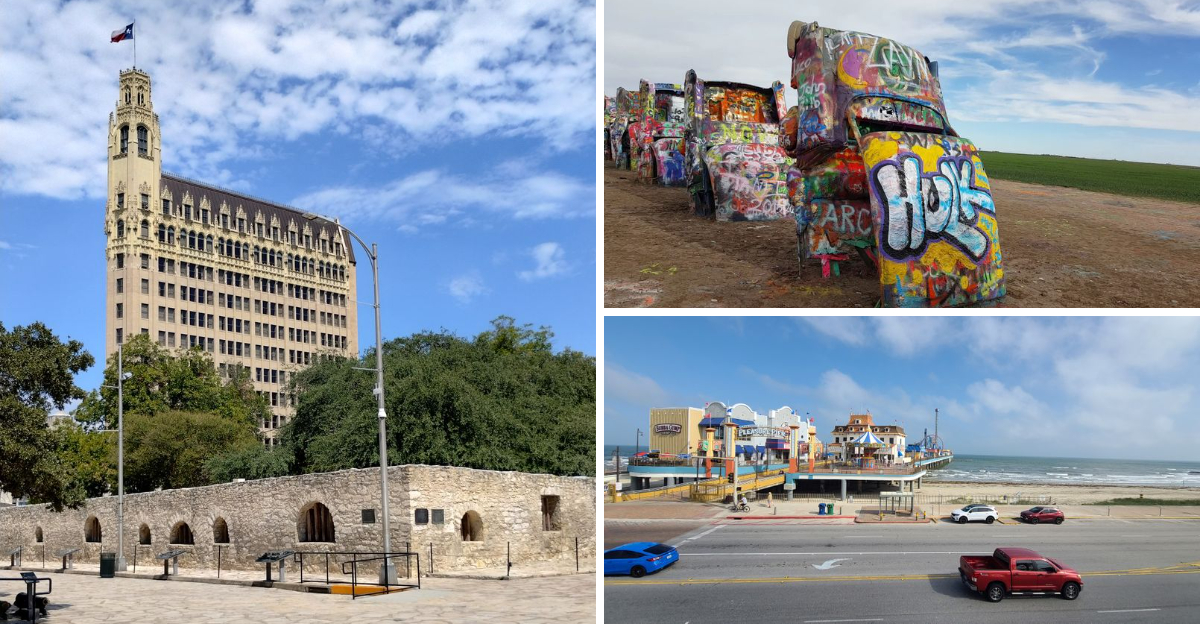
Texas stretches across vast landscapes where highways cut through deserts, rolling hills, and sprawling cities that promise adventure around every bend.
For decades, Texans have hopped in their trucks and sedans to chase sunsets, explore quirky roadside attractions, and discover hidden gems scattered across the Lone Star State.
But lately, some locals are pumping the brakes on certain road trips, saying that rising gas prices and changing expectations have made a few once-beloved destinations feel more like tourist traps than authentic Texas experiences.
From overcrowded pit stops to underwhelming historical sites, these ten routes are losing their luster among those who know the state best.
1. Magnolia Market at the Silos in Waco
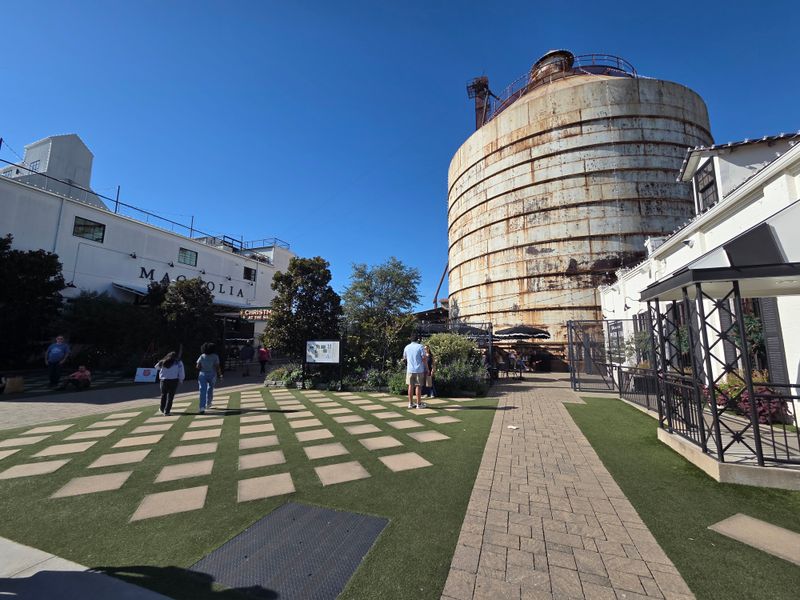
Chip and Joanna Gaines turned this former industrial site into a shopping wonderland that draws thousands of visitors weekly.
Fans of the popular home renovation show flock to Waco hoping to capture some of that farmhouse magic they see on television.
The sprawling grounds feature manicured lawns, food trucks, and shops selling everything from throw pillows to garden tools.
But many locals who have made the drive report feeling disappointed by what they find.
The merchandise often carries steep price tags for items that feel mass-produced rather than handcrafted.
Long lines snake around the property during peak times, making even a quick browse feel like a marathon event.
The surrounding area has certainly benefited from the tourism boom, with new restaurants and boutiques opening nearby.
Yet some visitors wonder if the experience lives up to the hype created by television fame.
Parking can be a nightmare on weekends, and the crowds make it difficult to enjoy the relaxed atmosphere the Gaineses promote.
Waco offers other attractions worth exploring, including the Texas Ranger Hall of Fame and the Dr Pepper Museum.
For those seeking a quieter, more authentic Texas experience, these alternatives might deliver better value.
The drive from major cities like Dallas or Austin takes about 90 minutes, burning significant fuel for what some describe as an oversized gift shop.
Locals suggest that unless you are a die-hard fan of the show, your time and gas money might be better spent exploring lesser-known Texas towns.
The magic of the television screen does not always translate to real-world experiences.
Address: 601 Webster Ave, Waco, Texas
2. 6th Street in Austin
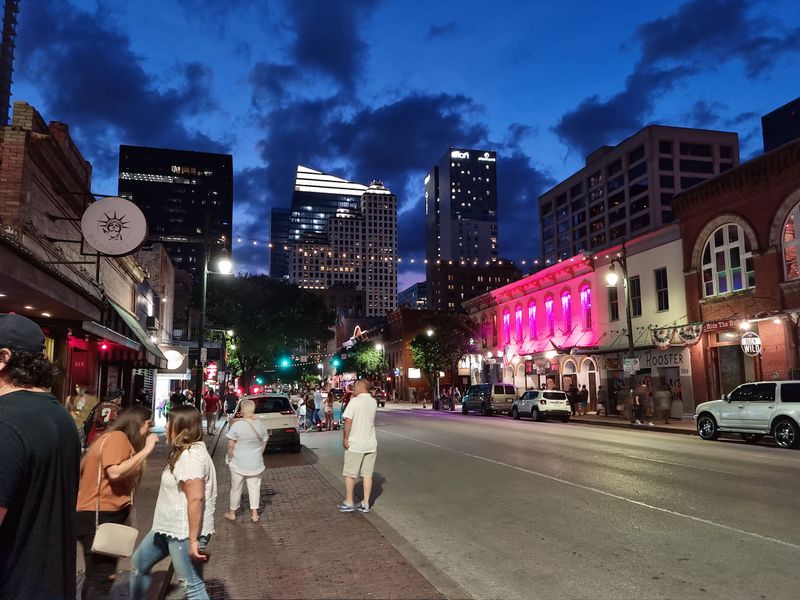
Once upon a time, 6th Street represented the beating heart of Austin’s live music scene, where talented musicians played in intimate venues and the crowds felt manageable.
The historic district earned its reputation as a place where you could stumble upon the next big band in a cramped bar.
That reputation still draws tourists and college students looking for nightlife excitement.
However, many longtime Austin residents now avoid this strip entirely, especially on weekends.
The street has transformed into a chaotic scene where overcrowding creates safety concerns and the music quality has declined noticeably.
Trash accumulates on sidewalks, and the vibe feels more like a party zone than a cultural destination.
Parking near 6th Street presents its own challenge, with limited spaces and expensive garage fees adding to the frustration.
The drive into downtown Austin from surrounding areas can take an hour or more during traffic, making the entire expedition feel exhausting.
What was once an authentic slice of Austin culture now feels manufactured for out-of-town visitors.
Better live music can be found in smaller venues scattered throughout East Austin and South Congress neighborhoods.
These spots offer talented performers in settings where you can actually hear the music and hold a conversation.
The energy feels genuine rather than forced, and local musicians appreciate the support.
Rising gas prices make the trek into downtown Austin less appealing when alternatives exist closer to home or in quieter parts of the city.
Locals recommend exploring Austin’s music scene beyond the obvious tourist corridor.
The real spirit of the city thrives in unexpected places where crowds have not yet overwhelmed the experience.
3. The Big Texan Steak Ranch in Amarillo
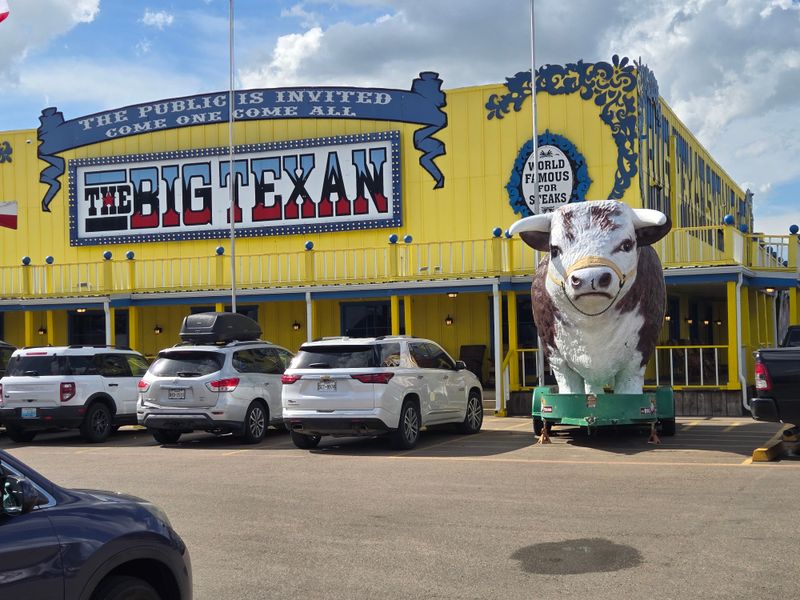
Everything about this restaurant screams Texas-sized spectacle, from the massive cowboy statue out front to the famous 72-ounce steak challenge that has tempted hungry travelers for decades.
The kitschy Western theme and roadside location made it a natural stopping point for families driving across the Panhandle on Interstate 40.
Tourists snap photos with the giant cowboy and browse the attached gift shop selling Western wear and souvenirs.
Yet locals who have ventured inside often come away feeling underwhelmed by the actual dining experience.
The novelty of watching someone attempt to devour a massive steak wears thin quickly, and the food quality does not match the hype surrounding the place.
Prices run high for what amounts to standard steakhouse fare served in a touristy atmosphere.
Amarillo actually boasts several excellent locally-owned restaurants that serve superior meals without the circus atmosphere.
These hidden gems offer better value and a more authentic taste of Texas hospitality.
The Big Texan relies heavily on its location and reputation rather than culinary excellence.
The detour off the highway adds extra miles and time to what might already be a long journey across West Texas.
For families trying to make good time on a cross-country trip, stopping here can feel like an obligation rather than a treat.
The gift shop sells the same mass-produced souvenirs available at countless other roadside attractions.
Locals suggest that if you are passing through Amarillo, explore the historic Route 66 district or visit Palo Duro Canyon instead.
These alternatives provide genuine Texas experiences without the manufactured tourism feel.
Save your gas and appetite for establishments where quality matters more than gimmicks.
Address: 7701 Interstate 40 Access Rd, Amarillo, Texas
4. Buc-ee’s Convenience Stores
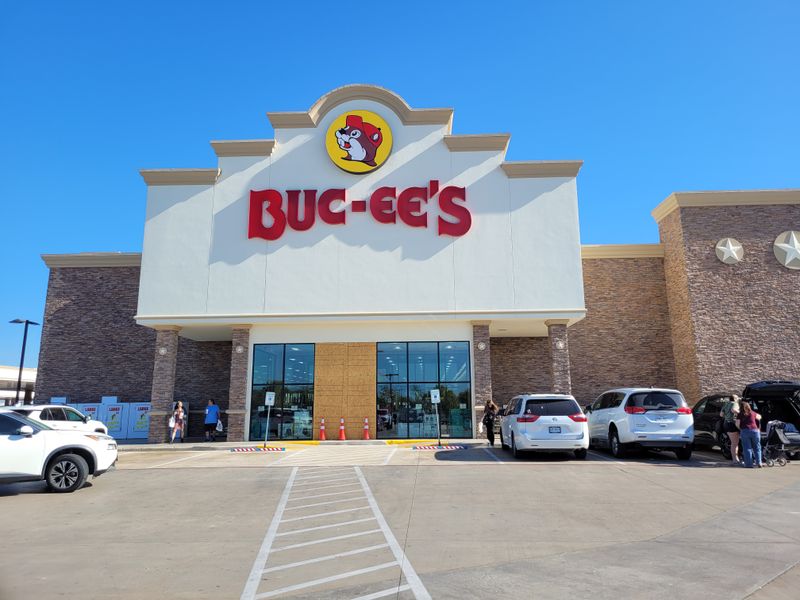
These massive convenience stores became legendary among Texas travelers for their spotless bathrooms, endless snack options, and quirky beaver mascot merchandise.
A decade ago, stopping at Buc-ee’s felt like discovering a secret that only Texans knew about.
The stores offered a welcome break from generic gas stations, with fresh food, friendly staff, and enough retail space to get lost exploring.
Social media fame changed everything, turning these once-peaceful rest stops into crowded destinations where parking spots are scarce and checkout lines stretch forever.
What used to be a quick, pleasant break now requires strategic planning to navigate the packed parking lots and shoulder through crowds of tourists.
The experience has shifted from convenient to chaotic.
Gas pumps often have vehicles waiting in line, defeating the purpose of a quick fuel stop.
Inside, the aisles overflow with people posing for photos with beaver merchandise rather than grabbing snacks and moving along.
The stores have expanded across Texas and into other states, but popularity has diminished the unique charm they once possessed.
Locals who remember the earlier, quieter days now seek out smaller, locally-owned gas stations and convenience stores for their road trip breaks.
These alternatives might lack the vast selection, but they offer faster service and a more relaxed atmosphere.
The time saved by avoiding Buc-ee’s crowds can make a real difference on long drives.
With locations multiplying across major highways, the novelty has completely worn off for Texans who pass multiple stores on any given trip.
The beaver-branded products that once seemed cute now feel like aggressive marketing.
Rising fuel costs make drivers more selective about where they stop, and spending thirty minutes fighting crowds at Buc-ee’s no longer seems worth the detour.
5. The Alamo in San Antonio

American history books build this mission into a legendary fortress where brave defenders made their last stand against overwhelming odds.
Generations of schoolchildren learned about Davy Crockett, Jim Bowie, and the famous battle cry to remember the Alamo.
The site draws millions of visitors annually who want to walk the grounds where this pivotal moment in Texas history unfolded.
Reality often disappoints those who arrive expecting a grand, imposing structure set in a dramatic landscape.
The actual building is surprisingly small and sits tucked into downtown San Antonio, surrounded by modern development and tourist attractions.
Ripley’s Believe It or Not and other commercial ventures crowd right up against this sacred historical site, creating a jarring contrast.
Free admission means crowds pack into the small interior space, making it difficult to reflect on the historical significance or read the displays.
Tour groups shuffle through quickly, and the noise from the surrounding city intrudes on any attempt at a solemn experience.
Photography restrictions inside limit what visitors can capture to remember their visit.
San Antonio offers far more compelling attractions that provide better value for the drive and parking hassle.
The River Walk, Spanish missions trail, and vibrant cultural neighborhoods give visitors a richer sense of the city’s character.
These alternatives allow for more relaxed exploration without the disappointment that often follows an Alamo visit.
Locals acknowledge the historical importance but suggest that reading about the battle might be more satisfying than visiting the actual site.
The surrounding commercialization has stripped away much of the dignity the location deserves.
For those driving from other parts of Texas specifically to see the Alamo, the payoff rarely justifies the fuel costs and time investment.
Address: 300 Alamo Plaza, San Antonio, Texas
6. South Padre Island Beach Drive
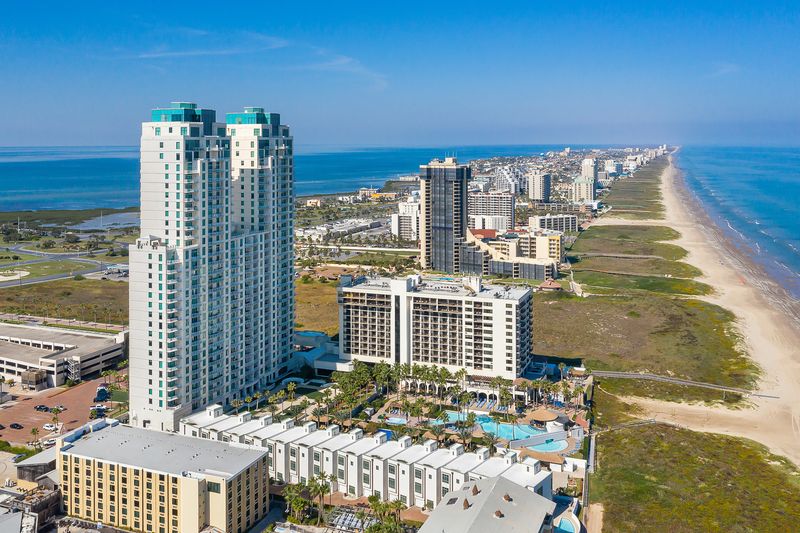
Soft white sand and warm Gulf waters have lured Texans to this barrier island for generations of family vacations and spring break adventures.
The southernmost point of Texas offers a tropical escape without leaving the state or crossing international borders.
Beachfront hotels, seafood restaurants, and water sports rentals create a vacation atmosphere that feels worlds away from inland Texas.
The five-hour drive from major population centers like San Antonio or Houston has become increasingly difficult to justify, especially with gas prices fluctuating.
Traffic bottlenecks at the causeway connecting the island to the mainland can add an hour or more to the journey during peak seasons.
Once you arrive, parking fees and crowded beaches diminish the relaxing getaway many travelers seek.
Development has accelerated along the shoreline, with high-rise condos blocking ocean views and changing the island’s character.
The laid-back beach town vibe has given way to a more commercialized resort atmosphere.
During spring break and summer months, the crowds become overwhelming, and the noise level makes peaceful beach days nearly impossible.
Texans looking for coastal escapes now consider alternatives like Port Aransas or Rockport, which offer similar beach experiences with shorter drive times from Central Texas.
These communities maintain more of their authentic character and provide easier access to the water.
The Galveston area serves Houston residents better than the long haul down to South Padre.
Hurricane damage and beach erosion have impacted portions of the island, requiring ongoing restoration efforts.
The investment of time, fuel, and money to reach South Padre Island no longer seems worthwhile when closer options exist.
Locals suggest saving the long drive for destinations that offer truly unique experiences you cannot find elsewhere in Texas.
7. Cadillac Ranch Near Amarillo
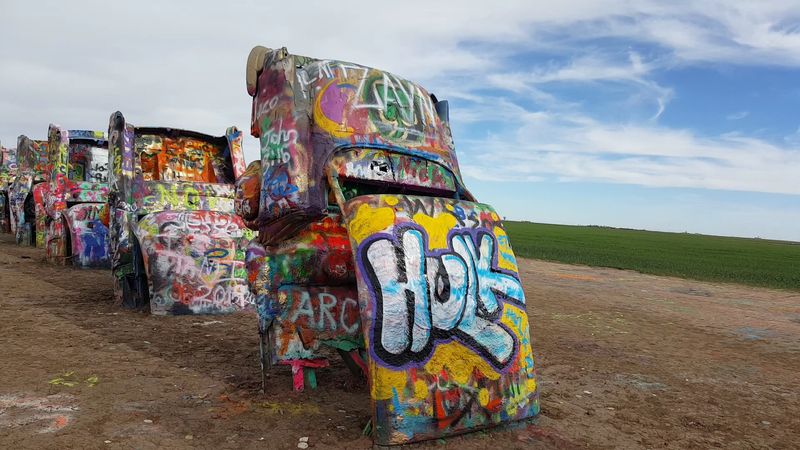
Ten vintage Cadillacs buried nose-down in a wheat field created one of America’s most photographed roadside art installations.
The quirky sculpture emerged from the minds of artists who wanted to celebrate American car culture in an unexpected way.
Visitors are encouraged to bring spray paint and add their own artistic contributions to the already-colorful vehicles, creating an ever-changing canvas.
Getting there requires exiting Interstate 40 and navigating frontage roads to reach a field that offers little besides the cars themselves.
The short walk from the parking area to the installation takes you through an open field that turns muddy after rain and dusty in dry weather.
The experience lasts maybe fifteen minutes unless you brought paint and plan to leave your mark.
Hundreds of people have had the same idea, so the cars are thickly coated with layers upon layers of paint and graffiti.
Finding a fresh spot to add your contribution becomes challenging, and the artistic vision has been somewhat lost beneath countless spray-painted names and messages.
The novelty wears off quickly once you have snapped your photos.
The detour adds extra time and mileage to trips across the Texas Panhandle, and many travelers now question whether it is worth the effort.
No facilities exist at the site, so you are standing in an empty field looking at painted cars.
The surrounding landscape offers nothing else of interest, making this a single-purpose stop.
Locals who have visited once see no reason to return, as the installation changes little despite the fresh coats of paint.
For travelers trying to make good time across West Texas, skipping Cadillac Ranch saves fuel and keeps you on schedule.
The photos you find online capture the experience adequately without requiring you to make the detour yourself.
Address: Interstate 40 Frontage Road, Amarillo, Texas
8. Schlitterbahn Waterpark in New Braunfels
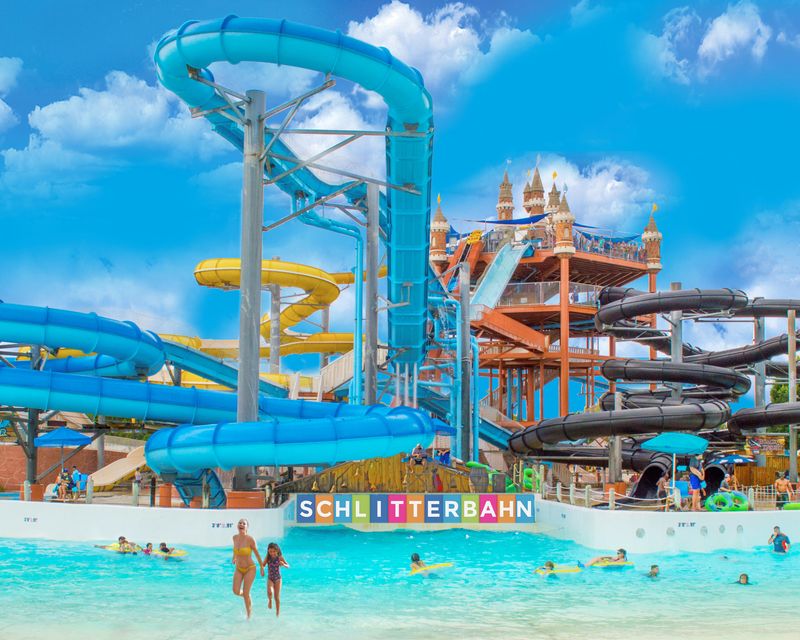
German-themed water slides and the spring-fed Comal River combined to create what was once considered Texas’s premier waterpark destination.
Families planned annual pilgrimages to New Braunfels specifically to spend days riding the elaborate tube chutes and lazy river attractions.
The park’s reputation for innovation and variety made it stand out among regional amusement parks.
Recent years have brought changes that have soured many locals on making the trip.
Admission prices have climbed steadily while some attractions have closed or fallen into disrepair.
The park feels less maintained than it did during its glory years, and the crowds have not diminished despite rising costs.
New Braunfels sits about an hour from San Antonio and Austin, but weekend traffic can stretch that drive considerably.
Parking fees add to the expense, and bringing your own food is restricted, forcing visitors to pay inflated prices for meals inside the park.
The all-day commitment required for a waterpark visit makes it a significant investment of time and money.
Safety concerns following a tragic accident on one of the slides have made some families reconsider whether the thrills are worth the risks.
Competing waterparks have opened closer to major cities, offering similar attractions without the long drive.
The novelty of the German theme has faded, and the park now feels dated compared to newer facilities.
The Comal and Guadalupe Rivers still offer excellent tubing opportunities without the waterpark price tag.
Local outfitters rent tubes and provide shuttle services for a fraction of what a day at Schlitterbahn costs.
These river trips capture the natural beauty of the Hill Country while delivering the same cooling relief from Texas heat.
Locals increasingly choose these alternatives or visit municipal pools and splash pads closer to home.
The drive to New Braunfels no longer seems justified when weighing the expenses and hassles against the actual enjoyment delivered.
Address: 418 S Union Ave, New Braunfels, Texas
9. Galveston Seawall Boulevard
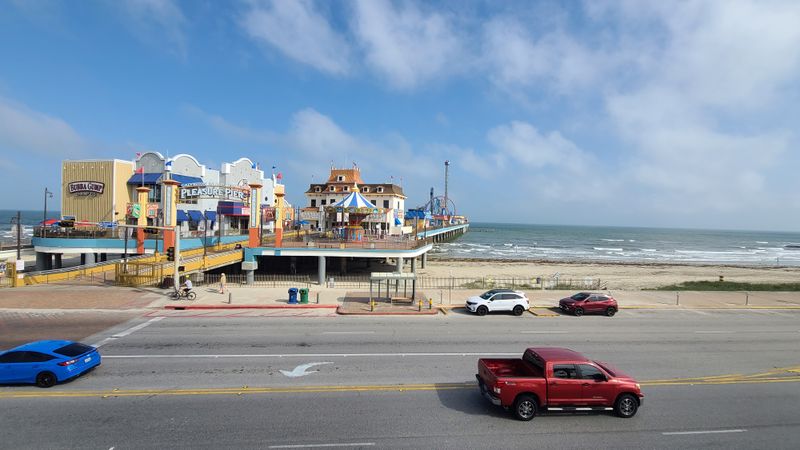
This historic coastal city served as Houston’s beach escape for over a century, with the famous seawall protecting the island from Gulf storms while providing a scenic drive along the waterfront.
Victorian architecture, fresh seafood restaurants, and family-friendly attractions created a nostalgic seaside atmosphere.
Generations of Texas families spent summer weekends building sandcastles and riding the rides at the historic pleasure pier.
Hurricane damage and subsequent development have altered the island’s character in ways that disappoint longtime visitors.
The beaches themselves are often murky and littered, especially after storms stir up the Gulf waters.
Seaweed piles up along the shore, and the sand quality cannot compete with destinations further south along the Texas coast.
Traffic along the seawall crawls during peak season, and parking has become expensive and difficult to find near popular beaches.
The historic downtown Strand district offers charming shops and restaurants, but much of the island feels rundown and neglected.
Crime rates have risen, making some families uncomfortable visiting with children.
The drive from Houston takes at least an hour without traffic, but weekend congestion can double that time.
Toll roads add to the cost of the journey, and the payoff of murky beach water and crowded conditions often leaves visitors wishing they had chosen differently.
Better beaches exist elsewhere in Texas for those willing to drive a bit further.
Port Aransas and Mustang Island offer clearer water and better beach conditions without the urban sprawl that has overtaken Galveston.
These alternatives provide more of the peaceful beach experience that families seek.
Rockport and Fulton deliver excellent birding and calmer bay waters ideal for families with young children.
Locals who remember Galveston’s better days now skip it in favor of these alternatives.
The nostalgia factor no longer outweighs the reality of what the island has become.
10. Fredericksburg Main Street Shopping
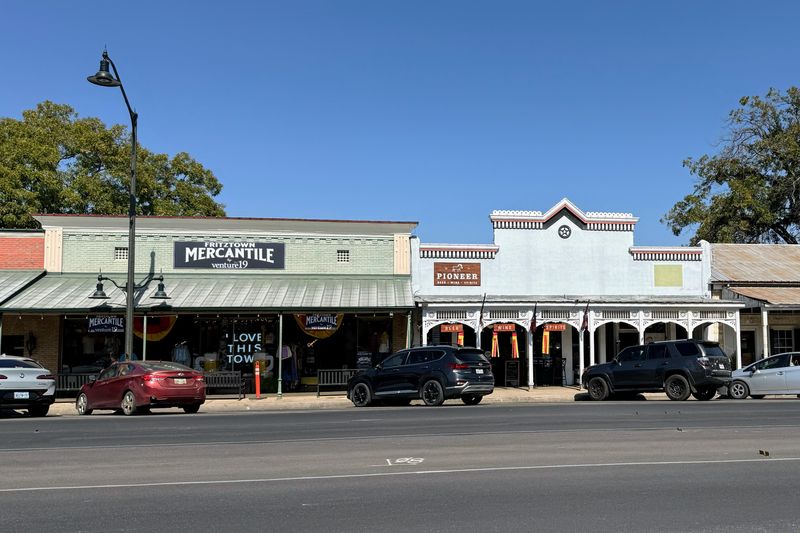
Nestled in the heart of Texas Hill Country, this German settlement became famous for its peach orchards, historic architecture, and charming downtown filled with antique shops and galleries.
Weekend getaways to Fredericksburg offered couples and families a taste of small-town Texas with European flair.
Local bakeries served authentic German pastries, and bed-and-breakfasts provided cozy accommodations in historic homes.
Tourism success has transformed this once-quiet town into a crowded shopping district where chain stores have replaced unique local businesses.
Main Street now feels more like an outdoor mall than an authentic historic town.
Traffic jams are common on weekends, and finding parking requires circling blocks repeatedly or paying for expensive lots.
Prices in the remaining shops have climbed to levels that seem disconnected from the actual value of the merchandise.
Many stores sell mass-produced items marketed as artisan goods, disappointing visitors seeking genuine handcrafted treasures.
The German heritage that made the town special has been diluted by generic tourism development.
The drive from Austin or San Antonio takes about 90 minutes, cutting through scenic Hill Country that offers numerous other small towns worth exploring.
Luckenbach, Johnson City, and Blanco provide similar charm without the overwhelming crowds and commercialization.
These alternatives let visitors experience authentic Texas small-town life at a more relaxed pace.
Locals who once enjoyed day trips to Fredericksburg now avoid it entirely on weekends, when out-of-town visitors pack the sidewalks and restaurants.
The town has become a victim of its own success, losing the qualities that made it special in the first place.
Midweek visits offer a better experience, but even then, the commercial atmosphere has replaced the historic authenticity.
Better Hill Country experiences await in lesser-known towns where tourism has not yet overwhelmed local character.
Save your gas money for destinations that still value authenticity over tourist dollars.
Dear Reader: This page may contain affiliate links which may earn a commission if you click through and make a purchase. Our independent journalism is not influenced by any advertiser or commercial initiative unless it is clearly marked as sponsored content. As travel products change, please be sure to reconfirm all details and stay up to date with current events to ensure a safe and successful trip.
