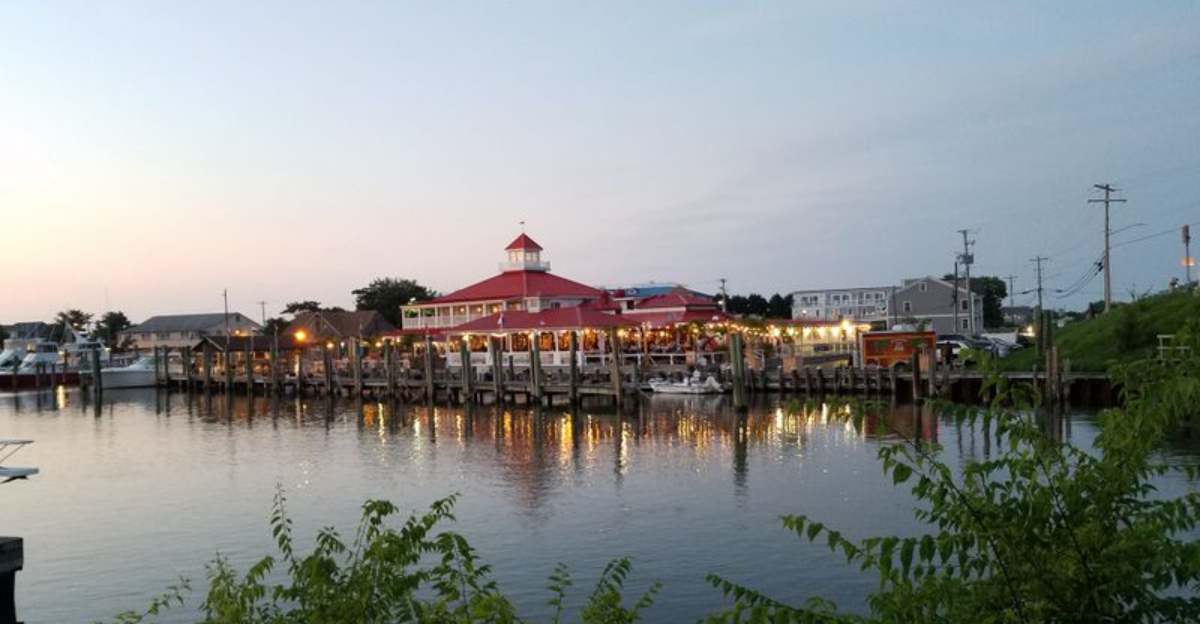
Tucked along the Delaware Bay in Sussex County, Lewes has quietly emerged as one of the state’s most charming coastal retreats.
While nearby Rehoboth Beach draws summer crowds with its bustling boardwalk, this historic town offers something different: a slower pace, authentic character, and layers of maritime history waiting to be discovered.
Travelers seeking an alternative to typical beach vacations are finding that Lewes delivers coastal beauty without the overwhelming tourist scene, blending scenic waterfront views with centuries-old architecture and a welcoming local community.
From its pristine beaches and nature trails to its independent shops and waterfront dining, this Delaware gem provides the perfect setting for those who want to experience the Mid-Atlantic coast at its most relaxed and genuine.
Historic Downtown Streets That Feel Frozen in Time
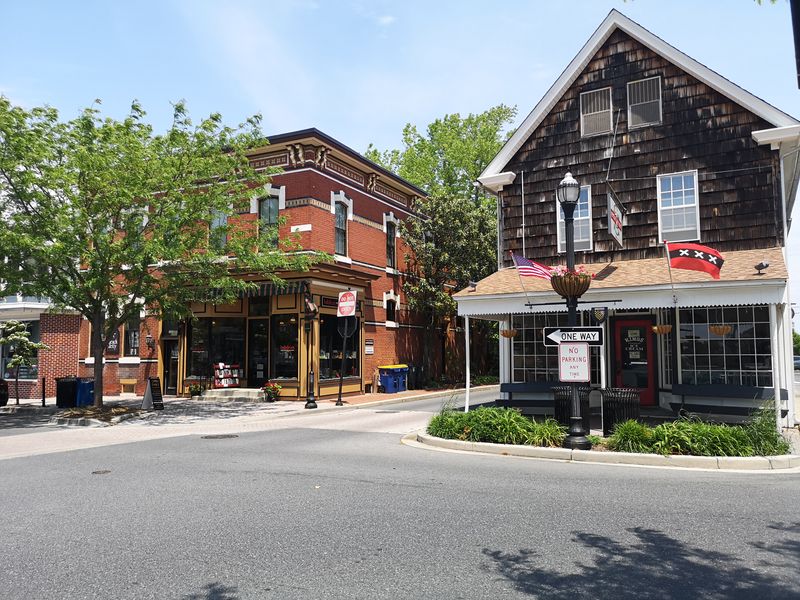
Walking through downtown Lewes feels like stepping back through American history, where every corner reveals another carefully preserved building from centuries past.
The streets maintain their original narrow layouts, lined with structures dating back to the 1600s and 1700s that now house galleries, boutiques, and cozy cafes.
Second Street serves as the town’s main artery, where locals still gather at family-owned businesses that have served the community for generations.
Unlike heavily commercialized beach towns, Lewes has protected its architectural integrity through strict preservation standards that keep chain stores at bay.
You’ll find hand-painted signs hanging above doorways, window boxes overflowing with seasonal flowers, and benches placed perfectly for watching the unhurried rhythm of small-town life.
The Lewes Historical Society maintains several museum houses throughout downtown, including the Ryves Holt House, which dates to 1665 and stands as one of Delaware’s oldest structures.
Brick sidewalks buckle slightly from tree roots that have grown for decades, adding to the authentic character that modern developments simply cannot replicate.
On weekends, you might catch local musicians performing on street corners or artists setting up easels to capture the golden afternoon light on historic facades.
The downtown area remains walkable and compact, allowing visitors to explore thoroughly in an afternoon while discovering hidden courtyards and alleyways that reveal the town’s layered past.
This preservation of history creates an atmosphere where time moves differently, inviting travelers to slow down and appreciate details often overlooked in busier destinations.
Cape Henlopen State Park’s Untouched Coastal Wilderness
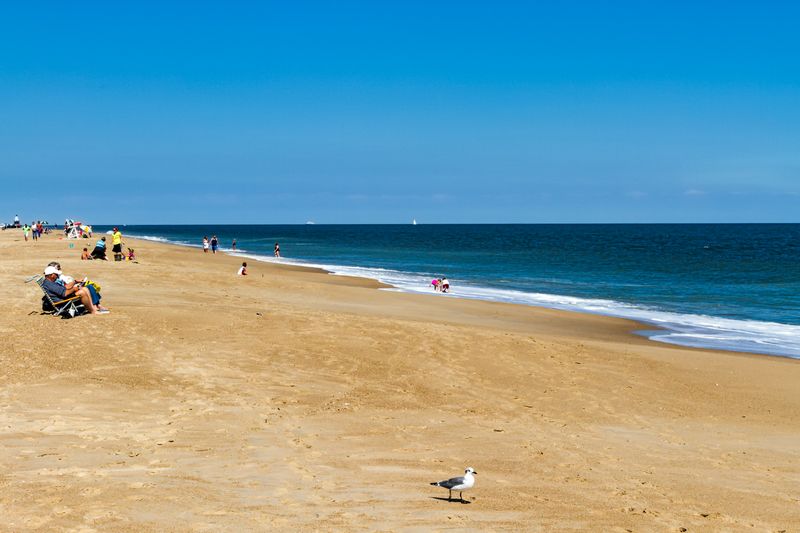
Cape Henlopen State Park stretches across more than 5,000 acres where the Delaware Bay meets the Atlantic Ocean, creating a diverse landscape that shifts from maritime forest to windswept dunes.
The park’s beaches remain refreshingly undeveloped compared to neighboring resort areas, with wide expanses of sand backed by natural dune systems rather than hotels and condos.
A concrete observation tower, built during World War II as part of coastal defense efforts, now offers panoramic views across the water and surrounding landscape from its elevated platform.
Hiking and biking trails wind through different ecosystems, including the Pinelands Nature Trail and the seaside Walking Dunes Trail, where you can observe how wind constantly reshapes the coastal environment.
The park attracts serious birdwatchers year-round, as its position along the Atlantic Flyway makes it a critical stopover for migrating species traveling between northern breeding grounds and southern wintering areas.
During summer months, the beaches fill with families, but the park’s size ensures you can always find quieter stretches for solitary walks or uninterrupted wave-watching.
The campground at Cape Henlopen provides one of the region’s best opportunities to fall asleep to ocean sounds and wake to sunrise over the water.
Fishing enthusiasts cast lines from the pier or surf fish along the beach, targeting striped bass, bluefish, and flounder depending on the season.
The park also features the Fort Miles Historic Area, where restored military structures tell the story of Delaware’s role in protecting the coast during wartime.
This combination of natural beauty and historical significance makes Cape Henlopen more than just a beach destination.
Canal Front Views That Capture Maritime Heritage
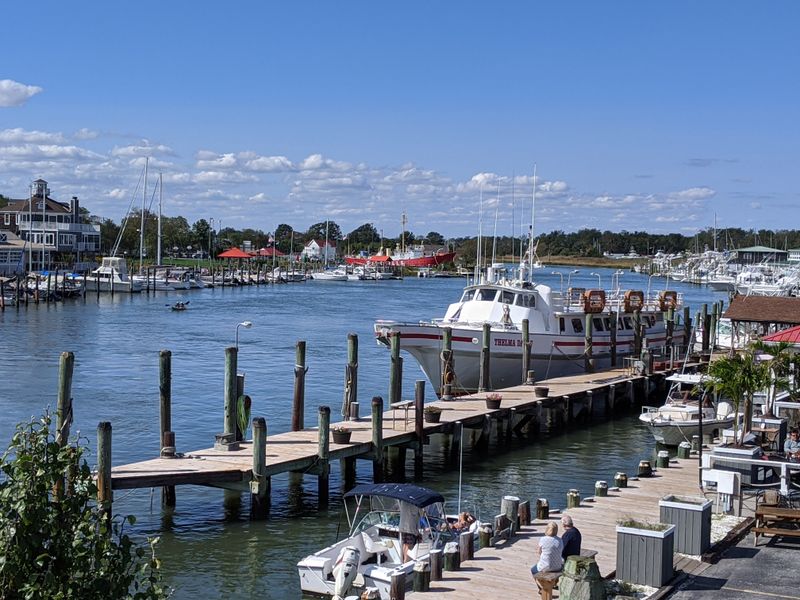
The Lewes-Rehoboth Canal cuts through town, creating a working waterfront where fishing boats, sailboats, and charter vessels bob gently against wooden docks.
Unlike purely recreational marinas, this canal maintains its authentic maritime character, with commercial fishing operations existing alongside pleasure craft in a balance that reflects the town’s ongoing relationship with the water.
Early morning brings the best scenes, when fishing boats return with their catches and the low sun casts long shadows across the rippling water.
Several restaurants and businesses line the canal, offering outdoor seating where diners can watch boat traffic pass while enjoying fresh seafood pulled from nearby waters just hours earlier.
The waterfront promenade invites leisurely strolls, with benches positioned for optimal viewing of both the canal activity and the spectacular sunsets that paint the sky in shades of orange and pink.
Local artists frequently set up along the canal walk, attempting to capture the ever-changing light and movement that makes this area so visually compelling.
The canal also serves as the departure point for various boat tours, including ferry service to Cape May, New Jersey, which offers a unique perspective on the Delaware Bay’s width and the coastal landscape from the water.
During summer evenings, the canal area becomes a social hub where residents and visitors mingle, creating the kind of spontaneous community interactions that define small-town coastal living.
The working boats and weathered docks provide constant reminders that Lewes remains a genuine maritime community rather than a manufactured tourist attraction.
This authentic waterfront experience distinguishes Lewes from resort towns where marinas exist solely for recreation.
Independent Shops Owned by People Who Actually Live Here
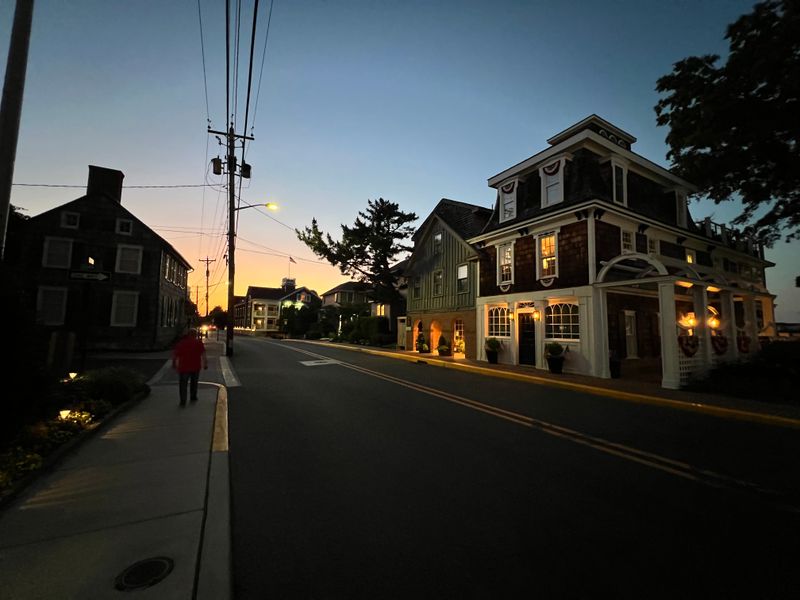
Shopping in Lewes means encountering store owners who can tell you the history of their building, recommend a hidden beach spot, or explain which local artist created the piece you’re admiring.
The town’s retail landscape consists almost entirely of independently owned businesses, each reflecting the personality and passions of the people behind the counter.
You’ll find galleries showcasing work by Delaware artists, bookstores with carefully curated selections chosen by actual readers, and home goods shops filled with items the owners personally selected during buying trips.
At the Lewes Mercantile Market, located at 120 Second Street, multiple local vendors share space, offering everything from handmade jewelry to gourmet food products in a collaborative retail environment.
The absence of national chains creates a shopping experience focused on discovery rather than predictability, where each store visit might reveal an unexpected treasure or conversation.
Many shops occupy historic buildings, adding architectural interest to the browsing experience as you move between rooms with original wooden floors and exposed beam ceilings.
Store hours often reflect a more relaxed coastal schedule, with some shops closing midweek during off-season or opening late after owners finish their morning beach walks.
This flexibility might frustrate efficiency-minded shoppers, but it reinforces the town’s commitment to quality of life over maximum commerce.
Conversations with shop owners often extend beyond transactions, as they share recommendations for restaurants, trails, or upcoming community events that visitors might otherwise miss.
The personal connections formed in these small shops create memories that last longer than any purchased item, turning a simple shopping trip into a genuine cultural exchange.
Beaches Where You Can Still Hear Yourself Think
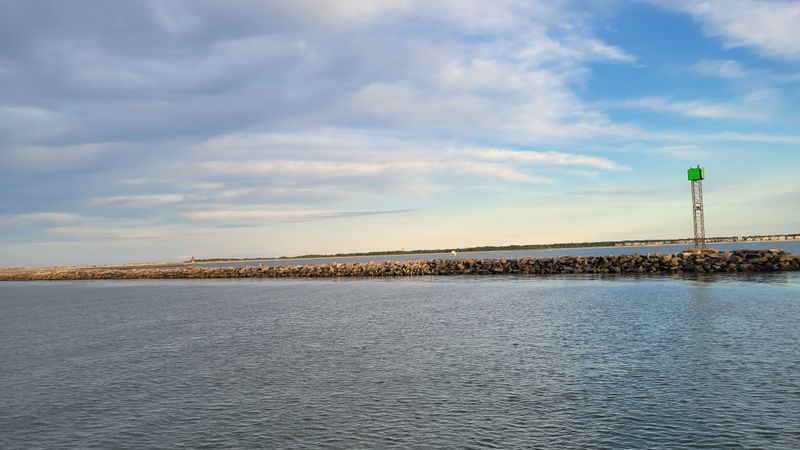
Lewes Beach stretches along the Delaware Bay rather than the ocean, creating a different coastal experience characterized by calmer waters and a more laid-back atmosphere.
Waves here roll in gently rather than crashing dramatically, making the beach particularly appealing for families with young children or anyone seeking a peaceful waterfront experience.
The beach lacks the dense rows of umbrellas and constant activity that define ocean resort beaches, instead offering plenty of space to spread out and claim your own quiet territory.
You can actually have conversations without shouting over crashing surf or competing music from neighboring groups, a surprisingly rare quality among Mid-Atlantic beaches.
The bay’s unique position means you can watch both sunrise and sunset over water, depending on which direction you face along the curved shoreline.
Beachcombers find different treasures here than on ocean beaches, including smooth stones, interesting driftwood pieces shaped by bay currents, and occasional sea glass worn smooth by decades of tumbling.
The water temperature tends to be slightly warmer than the ocean, extending the comfortable swimming season on both ends of summer.
Local families arrive with beach chairs and coolers, settling in for full days of reading, playing cards, and taking occasional dips in the refreshing water.
Unlike beaches where every inch is claimed by noon, Lewes Beach maintains available space throughout the day, allowing latecomers to still find prime spots.
The absence of a boardwalk means no carnival atmosphere, no constant stream of vendors, and no loudspeaker announcements disrupting the natural sound of water and wind.
This quieter beach experience attracts visitors specifically seeking escape from the sensory overload of traditional beach resorts.
Farm-to-Table Dining Without the Pretentious Attitude
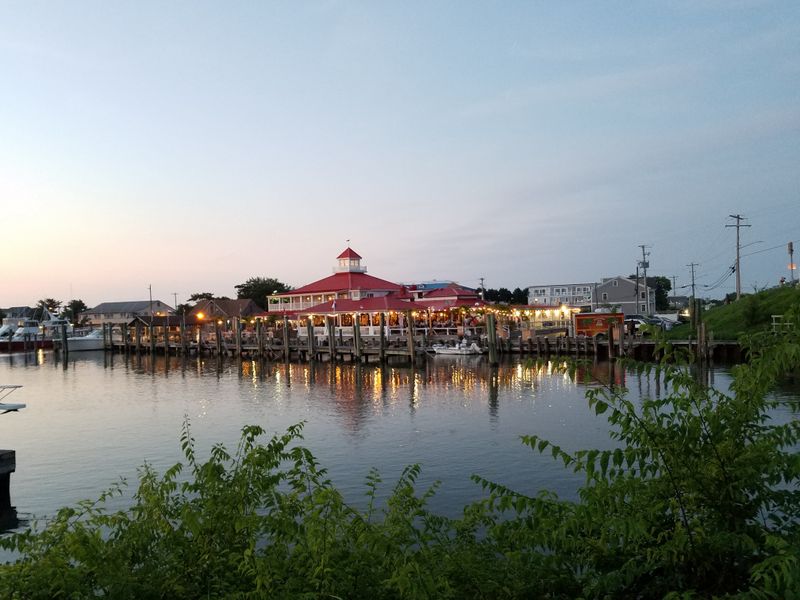
Lewes restaurants serve locally sourced ingredients as a matter of practical tradition rather than trendy marketing, drawing from nearby farms and waters that have supplied the area for generations.
Chefs here build relationships directly with fishermen and farmers, often adjusting menus based on what’s actually available rather than forcing year-round consistency through distant supply chains.
You won’t find lengthy explanations about sourcing practices on every menu, because the connection between local waters, nearby fields, and restaurant plates is simply understood as the natural way of doing things.
At restaurants like Agave Mexican Restaurant & Tequila Bar at 137 Second Street, fresh seafood gets incorporated into creative dishes that blend coastal Delaware ingredients with authentic Mexican preparations.
The town’s dining scene balances upscale options with casual spots where you can enjoy excellent food without worrying about dress codes or stuffy service.
Outdoor seating takes advantage of pleasant coastal weather, with many restaurants offering patios or decks where meals unfold at a leisurely pace suited to vacation mode.
Servers often know regular customers by name and can speak knowledgeably about menu items because they’ve likely tasted everything and heard direct feedback from the chefs.
The absence of corporate chain restaurants means each dining experience offers something distinctive, whether that’s a family recipe passed down through generations or a chef’s innovative take on regional ingredients.
Prices remain reasonable compared to more tourist-heavy destinations, reflecting the fact that restaurants cater to locals year-round rather than depending solely on summer visitors.
This commitment to quality without pretension creates dining experiences that feel special yet comfortable, refined yet approachable.
You leave restaurants here feeling like you’ve experienced genuine Delaware coastal cuisine rather than a calculated concept designed for Instagram appeal.
Seasonal Changes That Transform the Town’s Personality
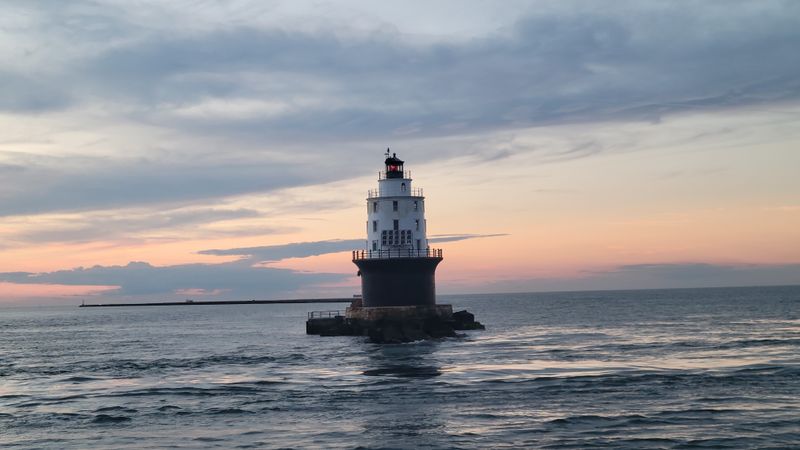
Summer brings families and beach activity to Lewes, but the town truly reveals its character during shoulder seasons when visitor numbers drop and locals reclaim their streets.
Fall transforms the maritime forest surrounding town into a tapestry of gold and rust colors, while cooler temperatures make hiking and biking more comfortable than during humid summer months.
October and November bring migrating birds through Cape Henlopen in impressive numbers, creating prime conditions for birdwatchers who appreciate the spectacle without summer’s heat and crowds.
Winter in Lewes carries a quiet beauty, with storm systems rolling across the bay creating dramatic skies and powerful waves that reshape beaches overnight.
Many shops and restaurants adjust their hours during colder months, but enough remain open to maintain the town’s essential character while offering a more intimate experience.
Local residents emerge more visibly during off-season, gathering at coffee shops and having longer conversations without the press of summer crowds.
Spring arrives early along the Delaware coast, with daffodils and cherry blossoms appearing weeks before they bloom inland, signaling the approaching return of warmer weather.
Each season offers distinct advantages, from summer’s beach days to winter’s solitary beach walks, making Lewes appealing year-round rather than just during traditional vacation months.
The town’s festivals and events spread throughout the calendar, including spring garden tours, summer concerts, fall harvest celebrations, and winter holiday markets.
This seasonal rhythm creates a living community rather than a summer-only resort town that essentially closes when Labor Day passes.
Visitors who experience Lewes across multiple seasons often develop preferences, with many claiming that off-season visits provide the most authentic and memorable experiences.
Cycling Routes That Connect History and Nature
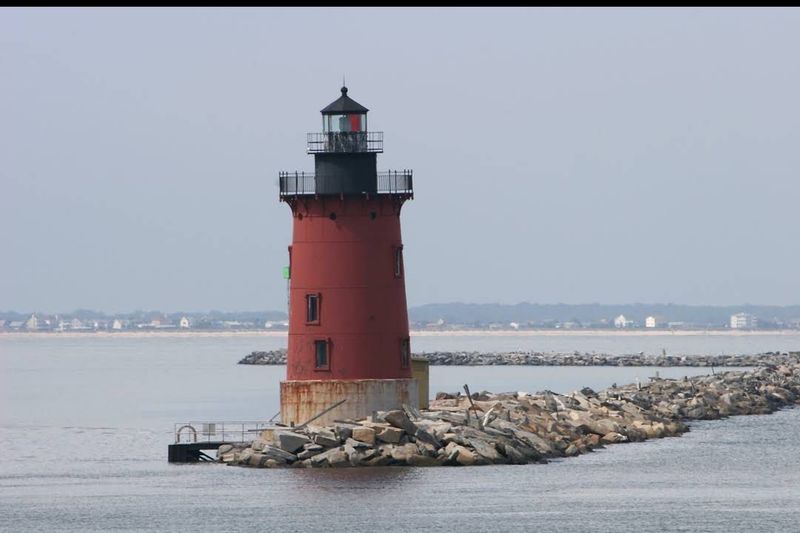
Lewes offers exceptional cycling conditions with flat terrain, designated bike lanes, and connected trail systems that let you explore both natural areas and historic neighborhoods without constantly fighting car traffic.
The Junction and Breakwater Trail runs for over six miles between Lewes and Rehoboth Beach, following an old railroad corridor through pine forests and wetlands.
This paved trail accommodates cyclists of all abilities, from serious riders logging training miles to families with young children pedaling at a leisurely pace.
Within Cape Henlopen State Park, bike trails wind through different habitats, offering opportunities to spot wildlife while getting exercise in beautiful surroundings.
The relatively compact size of downtown Lewes makes bicycles the ideal transportation method, allowing you to easily move between shops, restaurants, and waterfront areas while avoiding parking hassles.
Many accommodations provide bikes for guest use, recognizing that cycling enhances the Lewes experience by slowing down the pace and increasing connection with the environment.
Local bike shops offer rentals and can suggest routes based on your interests and fitness level, whether you want a challenging ride or a gentle cruise.
The town’s bike-friendly culture means drivers expect cyclists and generally share the road courteously, creating safer conditions than in many other destinations.
Cycling also provides access to areas that cars cannot reach, including narrow paths through the state park and quiet residential streets where historic homes deserve slower observation.
Early morning rides offer the best conditions, with cool temperatures, minimal traffic, and optimal light for appreciating both natural and architectural beauty.
The combination of dedicated trails, bike lanes, and low-traffic roads makes Lewes one of Delaware’s most cyclist-friendly towns.
A Genuine Small-Town Atmosphere That Hasn’t Been Manufactured
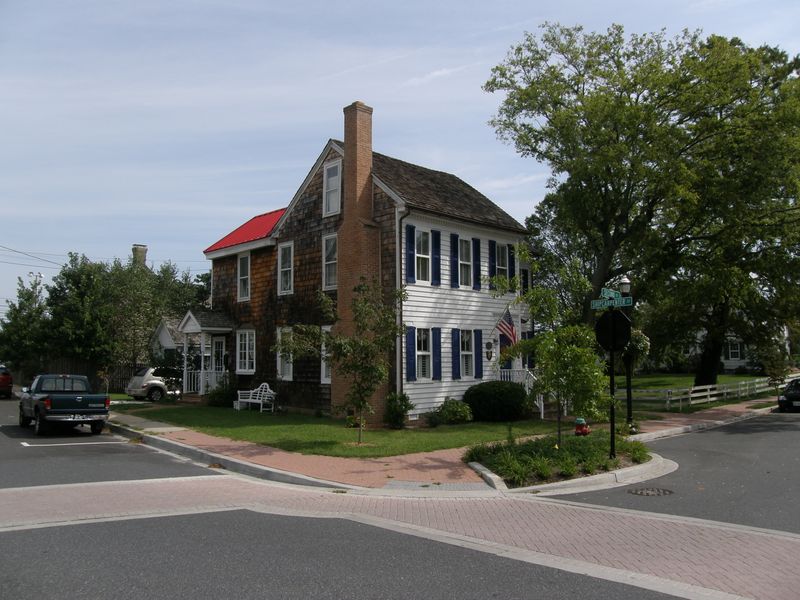
What makes Lewes special isn’t any single attraction but rather the intangible quality of a real community that welcomes visitors without compromising its authentic character.
You’ll notice it in small details: residents greeting each other by name on the street, dogs waiting patiently outside shops, and community bulletin boards advertising local events rather than tourist attractions.
The town maintains active civic organizations, volunteer fire departments, and community groups that function year-round, creating social fabric that extends far beyond seasonal tourism.
Local institutions like the Lewes Public Library serve as genuine community hubs where residents gather for programs, meetings, and casual socializing.
This atmosphere develops over generations rather than being created through marketing campaigns, as families pass down homes and businesses, maintaining continuity and shared memory.
Visitors often comment on feeling welcomed rather than merely tolerated, as locals seem genuinely pleased to share their town rather than resentful of outsider presence.
The balance between tourism and local life remains carefully maintained, with residents protecting the qualities that make Lewes special while acknowledging that visitors contribute to economic vitality.
Community events like farmers markets, concerts in the park, and holiday celebrations attract both residents and visitors, creating natural mixing points where conversations flow easily.
You might find yourself chatting with a longtime resident who shares stories about how the town has changed over decades, offering perspectives that no guidebook could provide.
This genuine small-town atmosphere represents exactly what many travelers seek when they say they want to escape: a place where community still matters, where people know their neighbors, and where life unfolds at a more human scale.
Dear Reader: This page may contain affiliate links which may earn a commission if you click through and make a purchase. Our independent journalism is not influenced by any advertiser or commercial initiative unless it is clearly marked as sponsored content. As travel products change, please be sure to reconfirm all details and stay up to date with current events to ensure a safe and successful trip.
