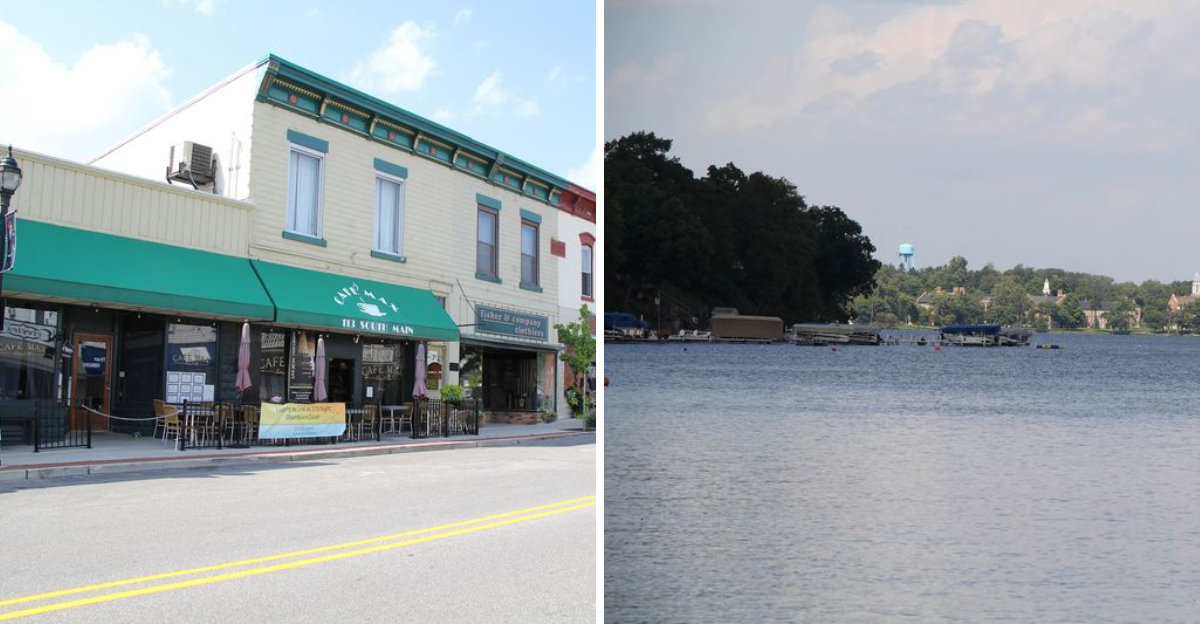
Culver, Indiana sits quietly on the northern shore of Lake Maxinkuckee, one of the state’s deepest and most beautiful natural lakes. For generations, it was the kind of place where neighbors knew each other by name and summer mornings felt unhurried.
But something has shifted in recent years. Locals are speaking up about what they see as a town being stretched beyond its limits, and visitors keep arriving in growing numbers.
I find the tension here fascinating, because Culver still has so much to offer. The charm is real, the lake is stunning, and the history runs deep.
Understanding both sides of this story makes a visit here more meaningful than most people expect.
Lake Maxinkuckee Still Draws Crowds for Good Reason
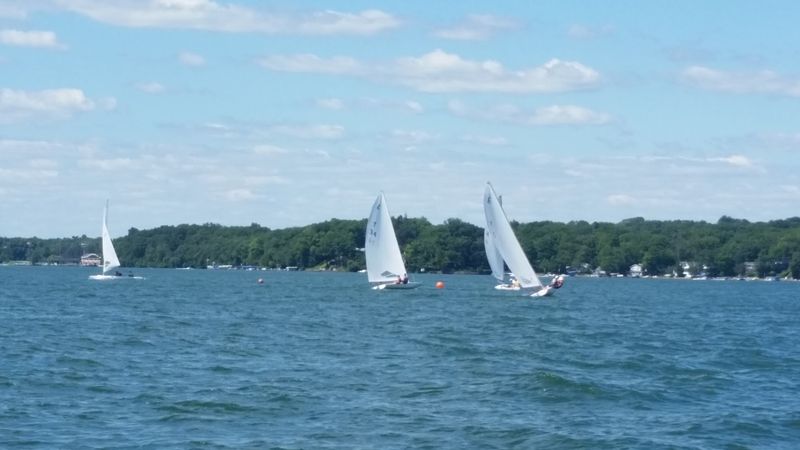
Lake Maxinkuckee is the second deepest natural lake in Indiana, and it has been pulling people toward Culver since the 1870s. That kind of history does not fade easily.
The water is clear, the shoreline is long, and on a calm morning before the boats start up, it genuinely feels like a different world.
But here is the honest truth. Summer weekends now bring heavy boat traffic that churns up sediment and stirs nutrients that feed algae growth.
The Lake Maxinkuckee Watershed Management Plan has specifically named user conflicts among boaters as a key concern. Shoreline erosion from wave action caused by motorized watercraft is becoming a visible problem.
The Lake Maxinkuckee Environmental Council works hard to protect the water quality, monitoring nutrient and sediment loading year-round. Their efforts matter, and they deserve recognition.
Still, the pressure from seasonal use is real and growing.
If you visit, try coming on a weekday in late May or early September. The lake is calmer, the water is cleaner looking, and you actually get to enjoy what made this place famous in the first place.
The natural beauty here is not gone. It just requires a little more patience and timing to experience it the way longtime locals remember it.
The lake remains the heart of Culver, even as the town debates how to protect it.
Seasonal Population Swings That Change Everything
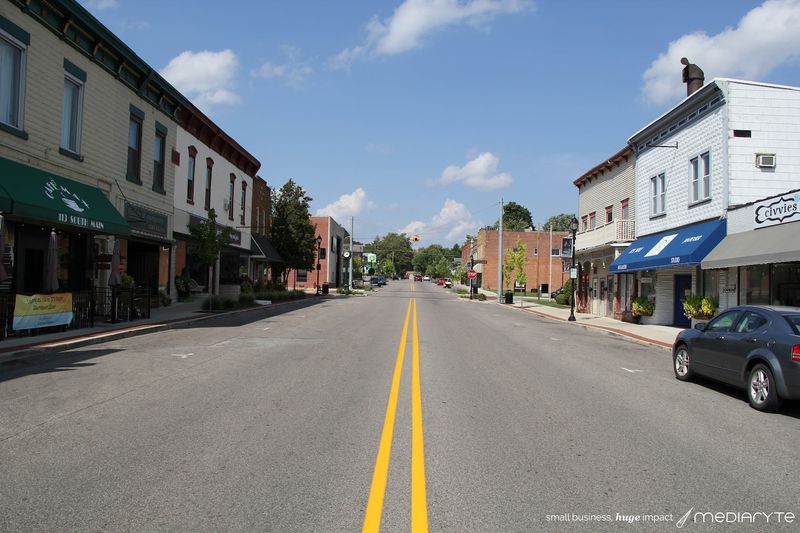
Culver’s year-round population sits around 1,278 people as of 2026. That is a small, tight-knit community by any measure.
But during summer, the population of Culver and surrounding Union Township can swell to two or three times that number almost overnight.
That kind of surge changes the entire texture of daily life. Getting groceries becomes a chore.
Finding parking near the town center requires patience most locals did not sign up for when they chose to live here. Some residents describe feeling like second-class citizens in their own town during peak season.
The shift is not just about numbers. It is about how the town feels and functions.
Roads that handle local traffic fine in October become bottlenecked in July. Services get stretched.
Quiet neighborhoods become cut-through routes for visitors who do not know or care about the rhythm of the community.
To be fair, seasonal tourism also brings income that supports local businesses and keeps the town economically alive. That trade-off is real and complicated.
But the frustration among year-round residents is equally real. If you are visiting Culver, Union Township, IN 46511, being mindful of how your presence affects the community goes a long way.
Slow down, shop local, and treat the town like someone actually lives there. Because they do, all year long, long after the summer crowd has gone home.
Housing Costs Have Priced Out Long-Time Residents
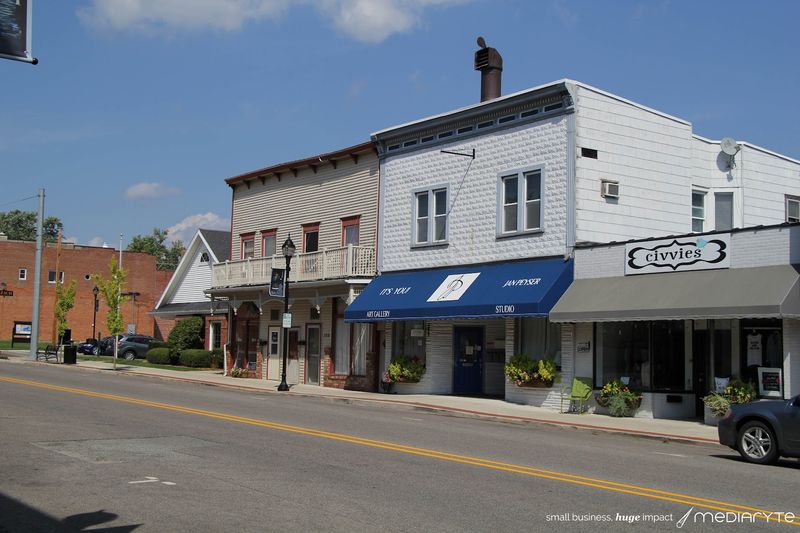
Property values in Culver have climbed sharply in recent years. As of April 2026, the median listing price for a home in Culver sits around $350,000.
The price per square foot rose by more than 34 percent year over year. For a town this size, those numbers are significant.
Long-time residents who grew up here, raised families here, and built their lives here are finding it harder to stay. Affordable housing has become a recognized challenge even among town leaders.
The housing market is described as somewhat competitive, with tight inventory and multiple offers on desirable properties.
Much of the demand is driven by vacation home buyers and investors who see Culver as a premium lakeside destination. That demand is understandable from a market perspective.
But it creates a painful reality for working families and retirees who cannot compete with outside buyers paying cash or above asking price.
The town’s Destination 2040 Comprehensive Plan acknowledges workforce housing as a priority. That is a positive sign.
But plans take time, and the market moves fast. Visiting Culver means visiting a place where the community is actively wrestling with its own identity.
The charm that attracts buyers is the same charm that disappears when the people who created it can no longer afford to live there. That tension is worth understanding before you fall in love with the view.
The Town Square Has Shifted Toward Tourist Territory
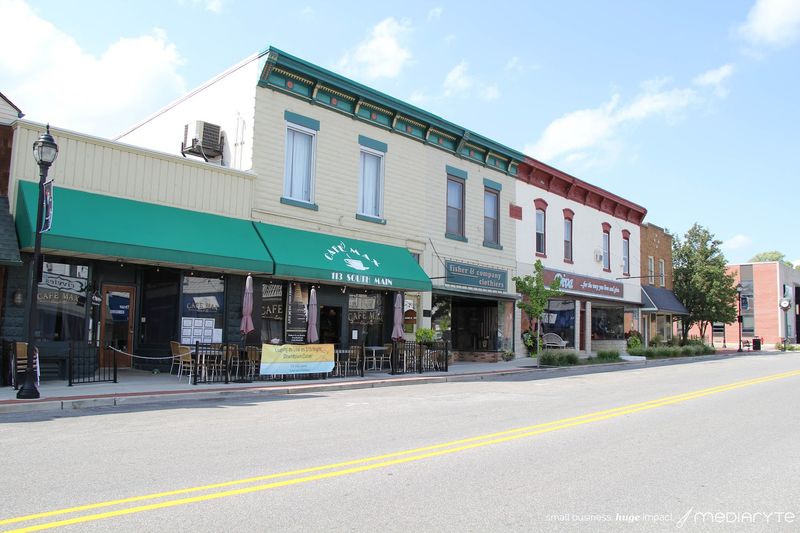
Culver’s town square used to feel like the center of a working community. Locals ran errands there, met neighbors, and supported shops that served everyday needs.
That dynamic has shifted noticeably in recent years as tourism has grown.
Gift shops selling generic lake-themed merchandise have replaced some of the more practical local businesses. The square now caters more visibly to visitors looking for souvenirs and vacation experiences than to residents looking for hardware or affordable meals.
That is a common story in resort towns, but it still stings when it happens to a place people call home.
The Culver Redevelopment Commission is aware of the issue. In January 2026, the commission partnered with Retail Strategies to develop a revitalization plan focused on improving the business mix, supporting local entrepreneurs, and creating a more balanced downtown experience.
That kind of intentional planning is encouraging.
Visitors who want to support the real Culver should look beyond the obvious tourist spots. Seek out locally owned businesses, talk to people who have been here for decades, and spend money in ways that benefit the community rather than just passing through it.
The town square still has personality and history worth exploring. It just takes a little more curiosity to find the authentic version underneath the seasonal shine.
The bones of a genuinely interesting small town are still very much there.
Infrastructure Is Struggling to Keep Up With Growth
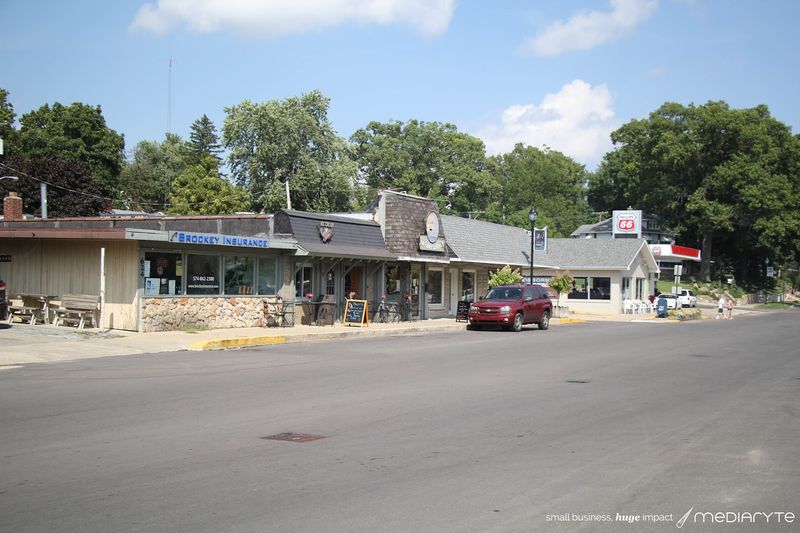
Growth sounds good on paper until the pipes and roads cannot handle it. Culver is facing exactly that challenge right now.
Proposed developments like The Dunes project, which plans for 132 apartments and 48 homes, have raised public concerns about whether the town’s water and wastewater systems can absorb the added demand.
Beyond massive new subdivisions, the explosive rise of short-term vacation rentals on platforms like Airbnb has quietly broken the local infrastructure grid.
Neighborhoods built for quiet, single-family use are suddenly acting like commercial hotel zones during peak summer months.
This creates unexpected traffic bottlenecks on narrow residential streets, overflows public trash services, and puts an immense strain on local volunteer emergency teams who must navigate the seasonal gridlock to respond to calls.
The Destination 2040 Culver Comprehensive Plan openly acknowledges overcrowding and lack of space as potential concerns in urban neighborhoods. It also examines how new development affects schools, childcare availability, and basic services.
Those are not abstract concerns. They are daily realities for families trying to live in a town where the utility systems are pushed to their breaking point every June, July, and August.
Balancing the economic push for expansion with the physical limits of the town’s pipes is the most urgent hurdle Culver leadership faces today.
Culver Military Academy Gives the Town a Unique Identity
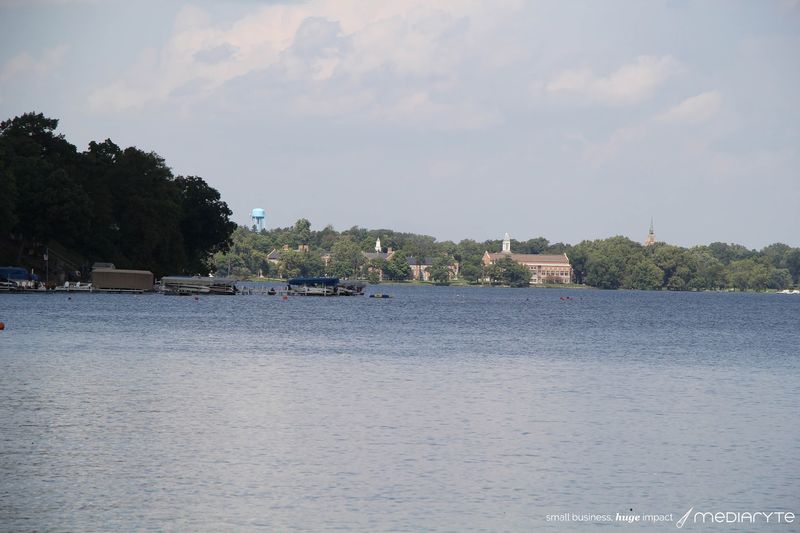
Not everything about Culver is caught up in the overcrowding debate. The Culver Military Academy has been a defining part of this community since 1894.
It sits on the eastern shore of Lake Maxinkuckee and brings a sense of history and tradition that sets Culver apart from every other Indiana lake town.
The academy hosts the famous Black Horse Troop, one of the most recognized military equestrian units in the country. Summer programs draw students from across the nation and the world.
The institution adds an intellectual and cultural weight to the town that tourism alone could never provide.
For visitors, the academy grounds and surrounding area offer a genuinely different kind of experience. The architecture is impressive, the history is layered, and the connection between the school and the broader community runs deep.
Many local families have had members attend the academy across multiple generations.
Understanding Culver means understanding that the academy is not just a school. It is a cornerstone of the town’s identity, economy, and self-image.
When locals talk about what made Culver special before the crowds arrived, the academy is often part of that story. It represents permanence and purpose in a community that is currently navigating a lot of change.
Whatever else is happening in Culver right now, the academy remains a compelling reason to visit and a genuine point of local pride worth acknowledging.
The Natural Landscape Remains Worth Protecting and Visiting
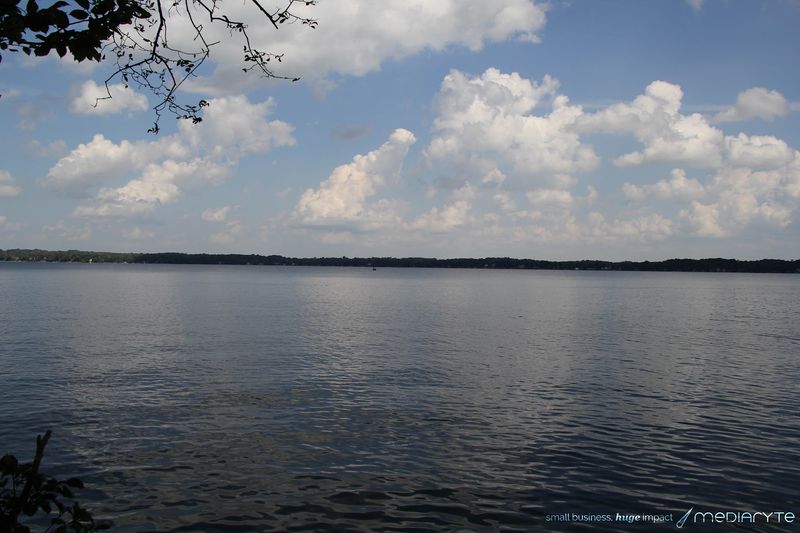
Underneath all the tension about growth and tourism, Culver sits inside a genuinely beautiful natural landscape. Lake Maxinkuckee is surrounded by wetlands, woodlands, and open water that support a wide range of wildlife.
Herons, eagles, and migratory birds are regular visitors to the shoreline throughout the year.
The wetlands around the lake play a critical role in filtering runoff before it reaches the water. But development and agricultural drainage have reduced wetland coverage significantly over the decades.
Less natural filtration means more nutrients entering the lake, which feeds algae and reduces water clarity over time. That is a slow and serious problem.
Environmental groups and town planners are working on solutions. The Destination 2040 plan prioritizes watershed preservation and responsible growth.
The Lake Maxinkuckee Environmental Council continues its monitoring and stewardship work with real dedication. Progress is happening, even if it feels slower than the development pressure around it.
Visitors who appreciate natural landscapes will still find a lot to love here. Early morning walks along the shoreline, kayaking in quieter coves, and watching the light change over the water are experiences that hold up regardless of how crowded the town gets in summer.
The natural world around Culver does not care about real estate prices or tourist seasons. It just keeps doing what it does, quietly and beautifully, asking only that the people passing through treat it with the respect it deserves.
