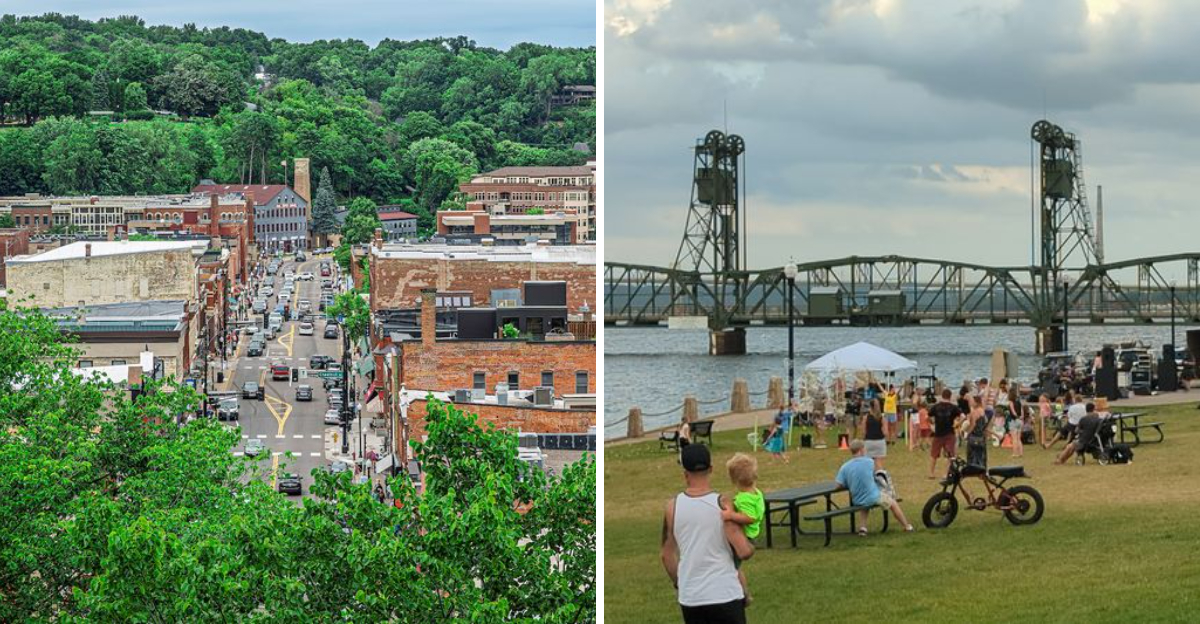
There is something sad about watching a beautiful place lose its soul to popularity. This Minnesota lake town used to be the definition of peaceful.
Locals knew each other by name and the main street never had a traffic jam. Then the secret got out and everything changed.
Now summer weekends mean circling for parking spots and waiting an hour for a table at a restaurant. The once charming waterfront is packed with rental kayaks, souvenir shops, and groups taking photos in the middle of the street.
Longtime residents say the charm is still there somewhere buried under all the crowds and the noise. You cannot blame the tourists entirely.
The town is genuinely lovely with old houses and river views that make you want to move there. But the peace that defined the place for decades is mostly gone.
Locals shake their heads and remember the before times. The ice cream shops are still good, the river is still beautiful.
You just have to share it with about a thousand new friends. Minnesota has plenty of hidden gems still waiting to be discovered, but this one is officially off the secret list.
The Downtown Streets Have Become Nearly Impossible to Navigate
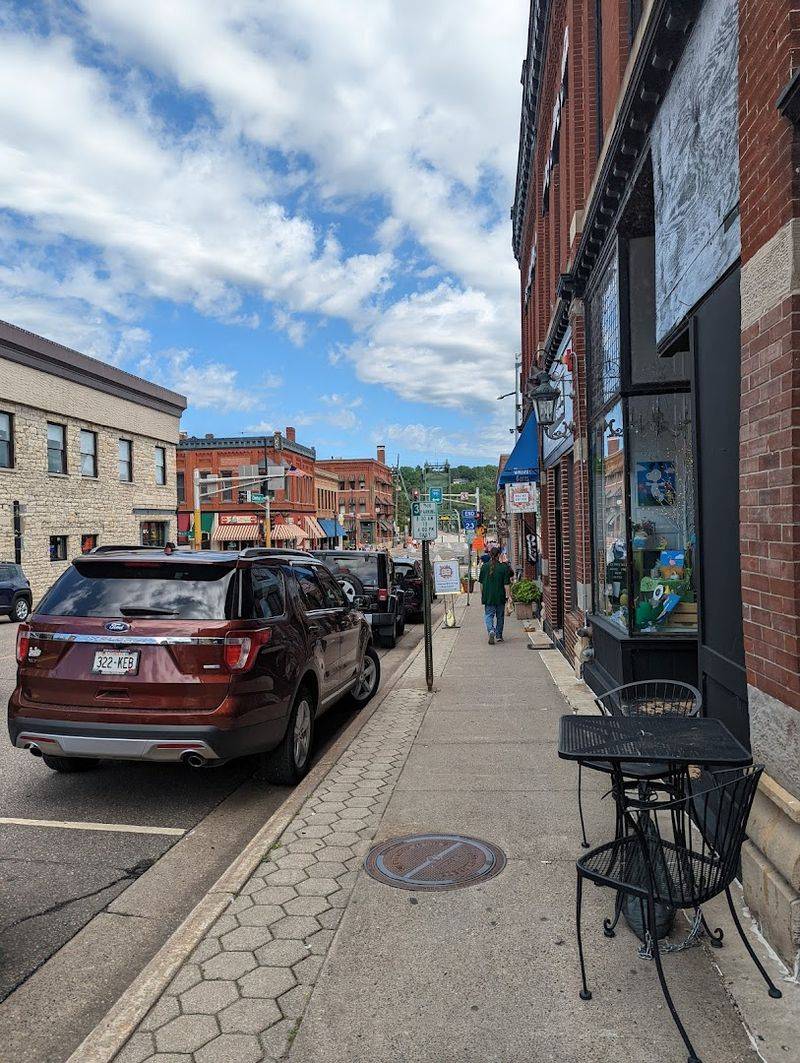
Walking down Main Street on a Saturday morning used to mean nodding hello to familiar faces. Now it means squeezing past tour groups and waiting in line just to cross the sidewalk.
The shift is hard to miss.
Stillwater’s downtown core sits right along the St. Croix River. That prime location has always made it scenic.
But the same river views that locals loved quietly are now drawing massive weekend crowds.
Parking has become a real challenge. Spots fill up fast, and the side streets are no longer a reliable backup.
Residents who once ran quick errands downtown now avoid the area on weekends entirely.
The foot traffic has changed the rhythm of the whole street. Shops that once felt like neighborhood spots now cater almost entirely to visitors.
That shift in energy is something longtime residents feel deeply, even if they struggle to put it into exact words.
Lift Bridge Views Are Now a Full-Time Photo Opportunity Zone
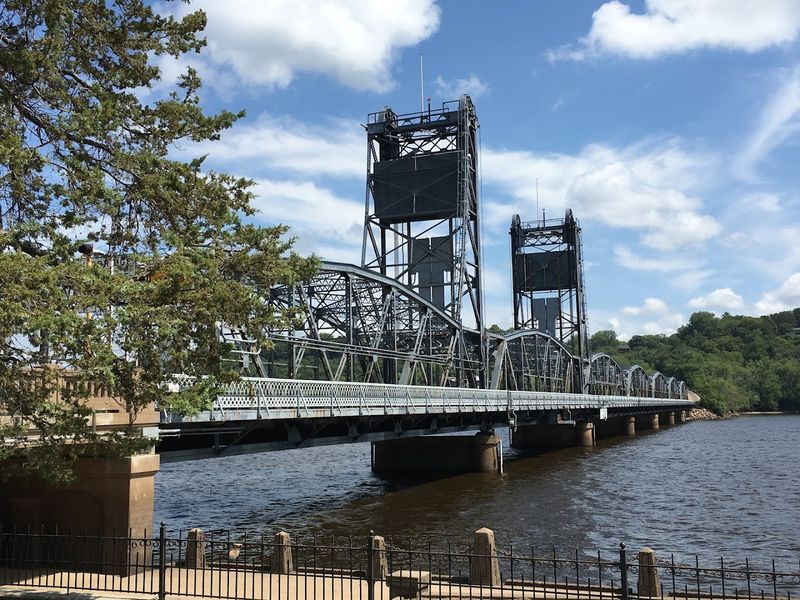
The Stillwater Lift Bridge is genuinely one of the most beautiful structures in the whole St. Croix River valley. It has this old industrial elegance that feels earned.
I stood there once on a quiet Tuesday and felt completely at peace.
That experience is harder to find now. The bridge and the area around it have become a constant backdrop for photos.
Visitors line up along the railings for their shots. It is hard to blame them, honestly, because the view really is stunning.
But locals remember when the bridge was just part of the scenery. It was not a destination in itself.
Now it anchors an entire social media ecosystem of weekend posts and tagged locations.
The surrounding riverbank has also changed. What was once a calm walking path now feels like a slow-moving parade.
Benches that used to be easy to find open are now occupied from morning until well past sunset on busy days.
Bed and Breakfasts and Inns Have Multiplied Rapidly
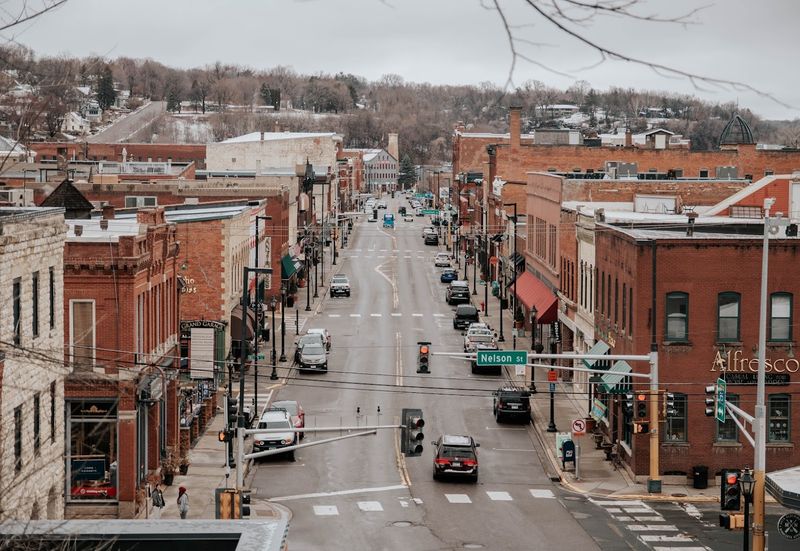
Stillwater has always had a reputation for romantic getaways. The Victorian architecture and river setting made it a natural fit for cozy inns and bed and breakfasts.
That tradition goes back decades here.
But the number of short-term rental properties has grown at a pace that surprises even longtime observers. Historic homes that once housed families have been converted into weekend stays.
Entire blocks have quietly shifted from residential to hospitality use.
Locals notice this most in the quieter neighborhoods just off the main drag. Streets that used to have a lived-in feel now sit empty during the week and buzz with strangers on weekends.
The sense of community that came from knowing your neighbors has thinned out noticeably.
It is not that visitors are unwelcome. Most residents understand that tourism drives the local economy.
The concern is more about balance. When a neighborhood stops feeling like a neighborhood, something genuinely valuable gets lost in the process.
The St. Croix River Is Busier Than Ever on the Water
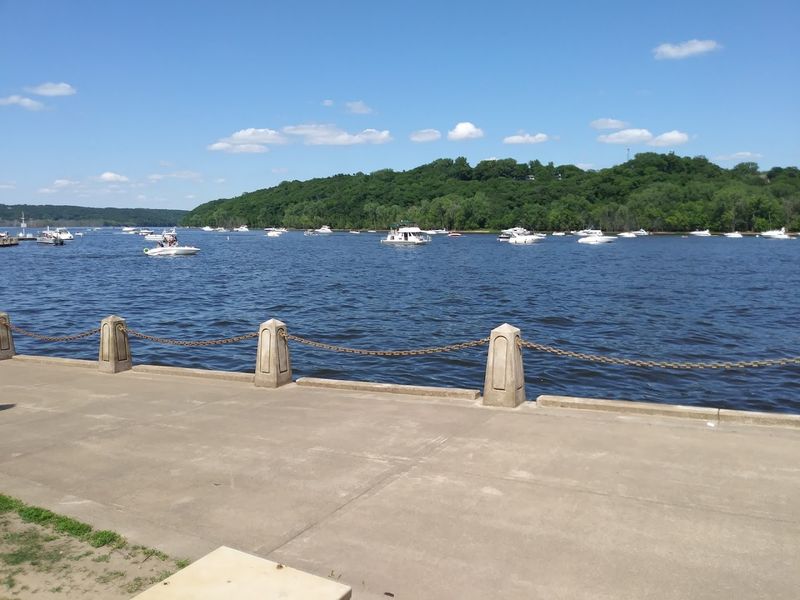
The St. Croix River has always been a draw. It is wide, clean, and lined with bluffs that turn golden in the late afternoon light.
Getting out on the water used to feel like a private escape, even on a warm day.
That has changed noticeably over the past few summers. The river now sees heavy boat traffic on weekends.
Kayaks, pontoons, and watercraft of all kinds compete for space on the water. The noise carries across to both banks.
Local paddlers who once enjoyed early morning quiet on the river now have to time their outings carefully. Midday on a Saturday is no longer a peaceful option.
Even the launch areas have become congested during peak season.
The river itself remains gorgeous. Its natural beauty has not diminished.
But the experience of being on it has shifted from something contemplative to something more crowded and chaotic. That is a real loss for people who have lived alongside the St. Croix for years.
Lowell Park Has Lost Its Laid-Back Local Vibe
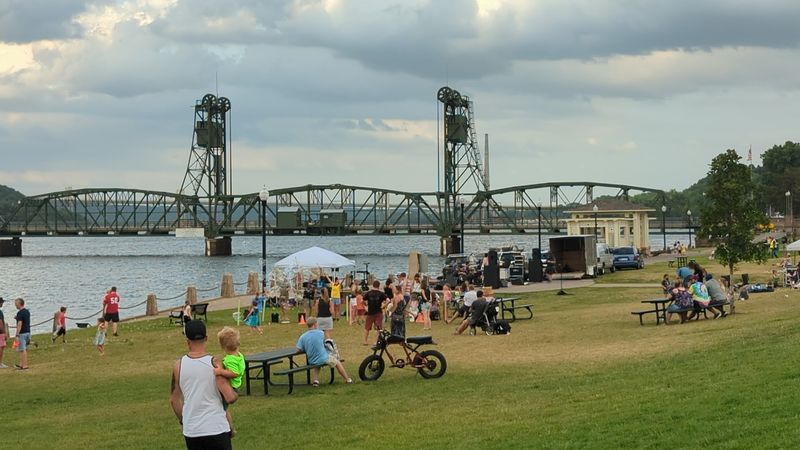
Lowell Park stretches right along the St. Croix River and used to be the kind of place where locals brought their dogs and their lunches. It had a relaxed, neighborhood feel that made it special.
That feeling has mostly faded now.
On summer weekends, the park fills up quickly. Families spread out across every patch of grass.
Event setups and vendor tents appear regularly, turning the park into something closer to a festival grounds than a public green space.
Longtime residents have mentioned that they rarely visit the park during peak season anymore. The crowds make it feel less like their own space and more like a shared venue.
That distinction matters more than it might seem.
The park itself is still beautiful. The river views hold up no matter how many people are around.
But beauty alone does not replace the quiet sense of belonging that locals once felt when they sat by the water on a slow Sunday afternoon.
Historic Caves and Tunnels Now Draw Constant Tour Groups
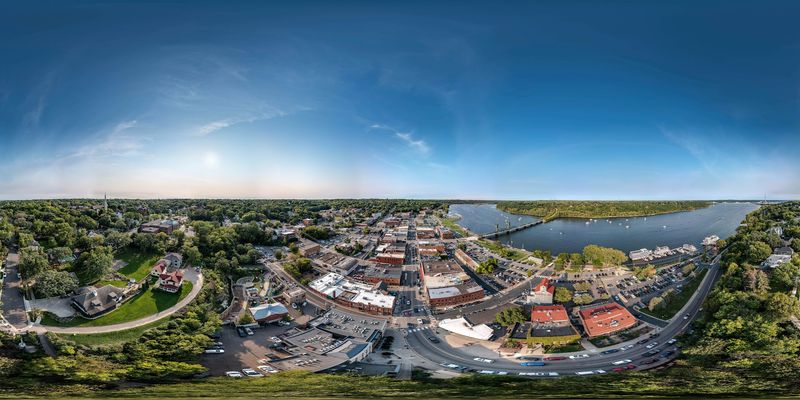
Stillwater sits on sandstone bluffs, and beneath those bluffs are historic caves and tunnels that tell a fascinating story about the town’s past. They are genuinely cool to explore.
I felt a little like an amateur historian the first time I went through one.
Word has gotten out about these spots in a big way. Tour groups now arrive regularly to explore the underground passages.
What was once a low-key local curiosity has become a ticketed attraction with scheduled slots.
Residents who once wandered through these areas casually now find them gated or guided. The shift from free exploration to structured tourism is a recurring theme in Stillwater.
It reflects a broader tension between preservation and access.
There is something a little bittersweet about it. The caves deserve attention and protection.
But the process of turning them into a formal attraction changes the relationship locals have with their own history. It starts to feel curated rather than lived in.
Chestnut Street and the Surrounding Blocks Feel Transformed
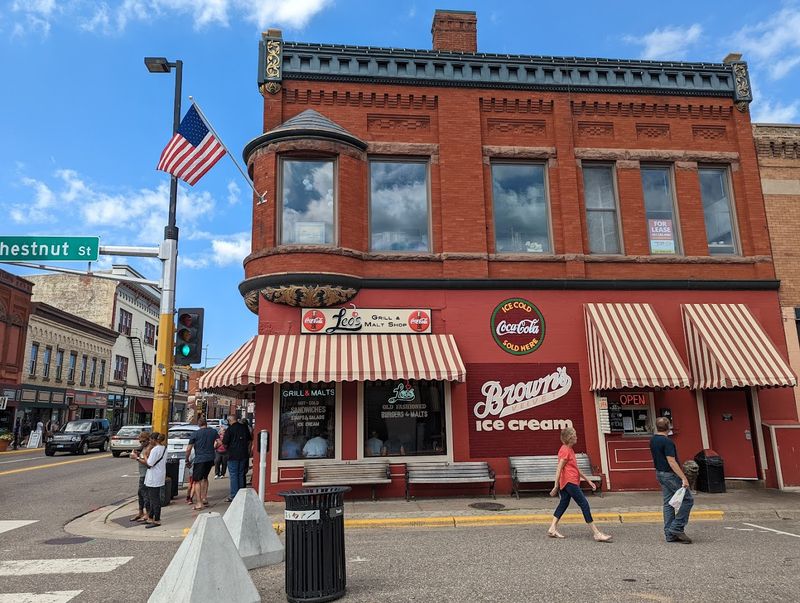
Chestnut Street runs from the bluffs down toward the river and used to have a relaxed, slightly quirky character. Small shops, a few local spots, and not too much foot traffic.
It had its own personality.
That personality has been smoothed out over the years. The boutiques and gift shops now cater clearly to visitors.
Windows are dressed to catch tourist eyes, and the merchandise inside reflects what outsiders expect from a charming river town.
Locals who remember the older version of these blocks feel the change acutely. There is a certain kind of shop that exists purely to serve tourism, and they tend to cluster together.
Stillwater’s shopping district has shifted noticeably in that direction.
None of this is catastrophic on its own. Shops need to survive, and tourists spend money.
But the cumulative effect is a streetscape that feels less like a real town and more like a well-maintained version of one. That distinction is exactly what long-term residents keep coming back to.
Traffic Congestion on Weekends Has Reached a Tipping Point
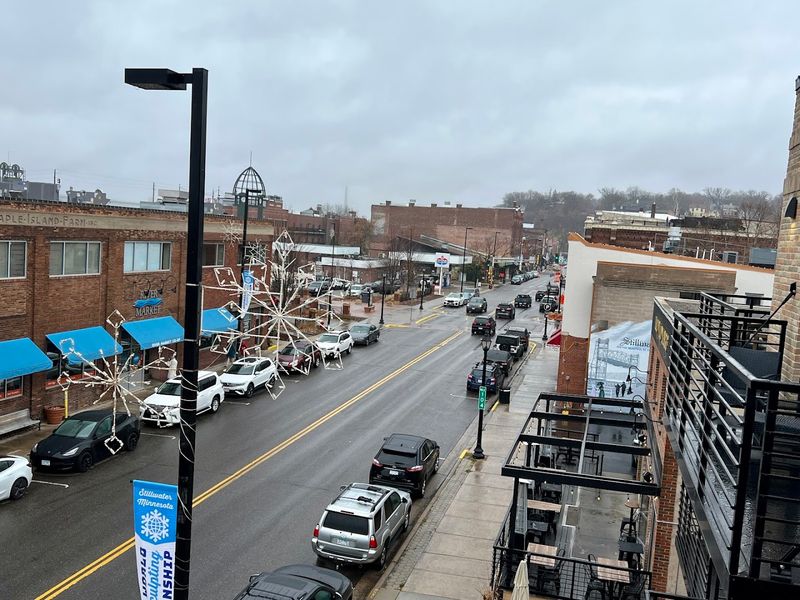
Getting into Stillwater on a busy weekend now requires patience. Real patience.
The roads leading into town, especially those funneling toward the river, back up significantly from late morning onward. It is not a minor inconvenience.
Locals who need to run basic errands sometimes wait in the same traffic as visitors who drove in from the Twin Cities for a day trip. The two experiences could not feel more different emotionally.
One is a leisure activity, the other is just trying to get home.
The infrastructure around Stillwater was not designed for the volume it now handles during peak season. The roads are narrow in places, and the bridge crossings are limited.
Every added visitor puts more pressure on a system that was built for a much smaller town.
City planners have been aware of the issue for some time. But solving a traffic problem in a historic town with fixed geography is genuinely complicated.
Local Restaurants Now Require Reservations Far in Advance
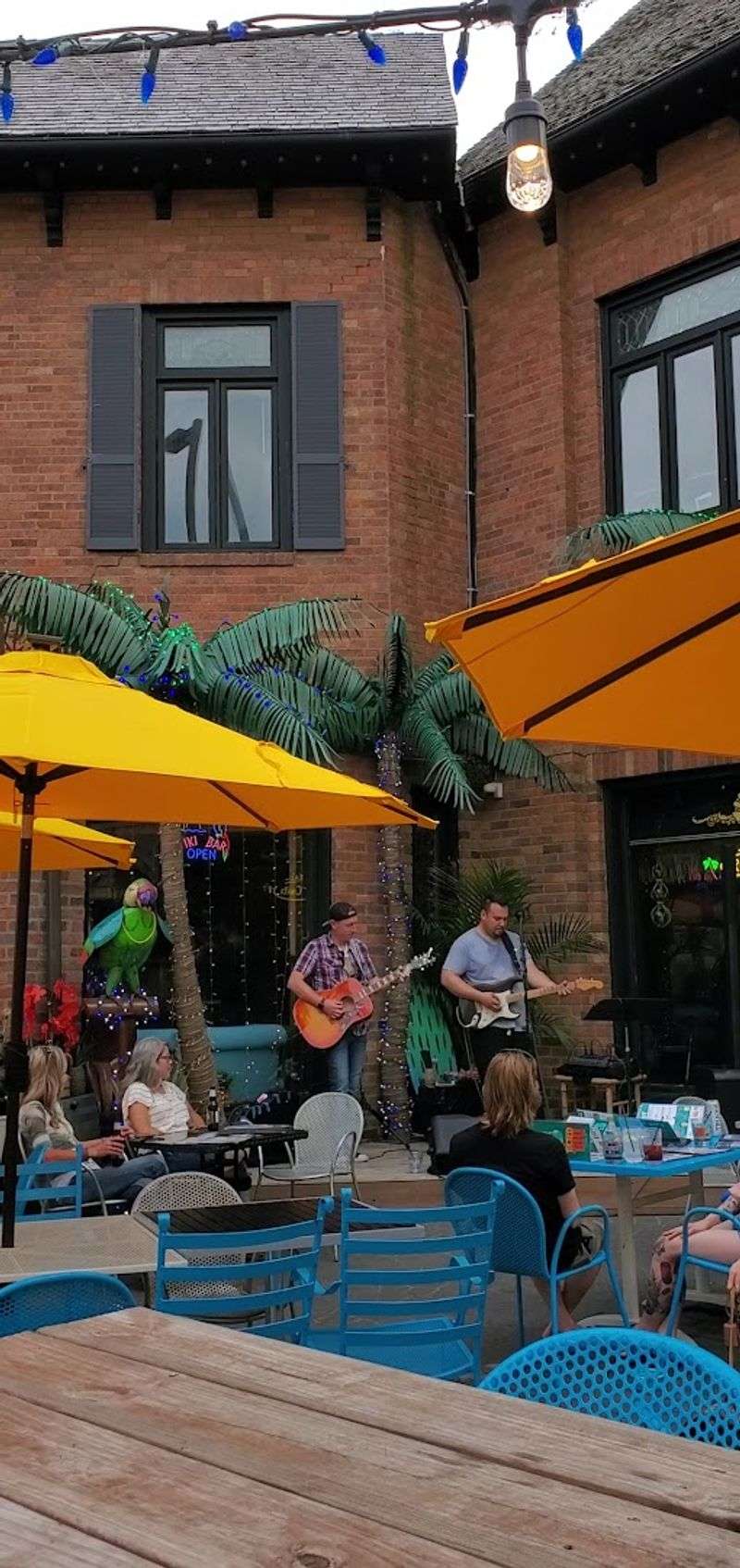
Stillwater has a solid restaurant scene. The food here reflects the town’s character, and many of the best spots have been around long enough to feel like institutions.
Grabbing a table used to be easy. That is simply no longer the case.
Restaurants in the downtown area now fill up quickly, especially on Friday and Saturday nights. Reservations made a week in advance are sometimes still not early enough during summer.
The dining experience has shifted from casual to competitive.
Locals who once wandered in for a weeknight meal now plan around the tourist calendar. Some have started avoiding their favorite spots during peak months altogether.
The relationship between a regular customer and a neighborhood restaurant changes when the room is always full of strangers.
The food quality at many places has held steady, which is worth noting. But the atmosphere has shifted.
Restaurants that once felt like extensions of the community now feel more like venues.
Long-Time Residents Are Starting to Talk About Leaving
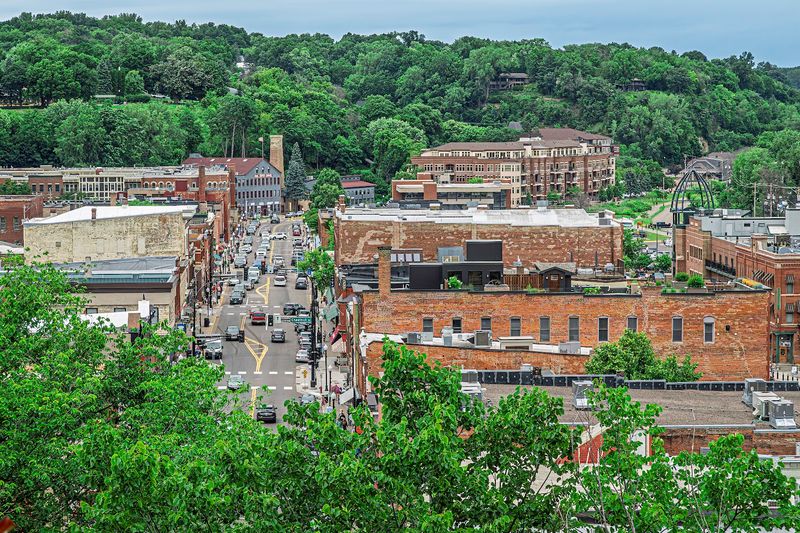
This is the part that stings the most when you talk to people who have lived in Stillwater for decades. The conversations have shifted.
It used to be about what was happening in town. Now it is sometimes about whether staying still makes sense.
Rising property values tied to tourism interest have made the town more expensive. Longtime homeowners feel the pressure in their tax bills.
Renters face even more direct challenges as short-term rental demand pushes rents upward.
Some families who have been here for generations are quietly weighing their options. They love the town.
That is not the question. The question is whether the town they love still exists in any meaningful way.
That is a painful thing to sit with.
Stillwater is still a genuinely beautiful place. The river, the bluffs, the old architecture, all of it holds up.
But a town is not just its scenery. It is its people, its rhythms, and its sense of belonging.
