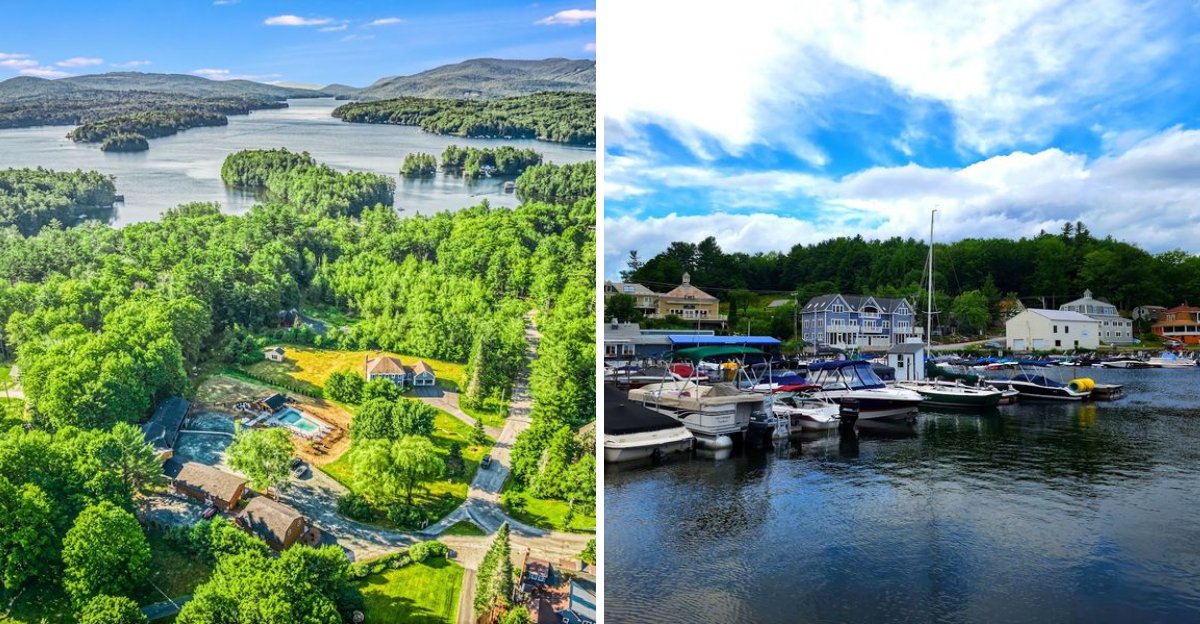
I have been coming to this mountain lake town in New Hampshire for years, and I have watched it change in ways that make me sad. The locals are the ones who told me the word “overrun.” They did not say it with anger.
They said it with exhaustion. The quiet roads that used to be empty on summer mornings are now packed with cars by eight AM.
The little local shops that sold handmade goods are being replaced by souvenir stores selling the same cheap items you can find anywhere. The public beaches are so crowded that you can barely see the water.
Parking is a nightmare. I talked to a woman who has lived here for forty years.
She told me she does not even go to the lake anymore during the summer. She waits until October, when the tourists finally go home.
That is not how life in a New Hampshire mountain lake town should feel. The beauty is still there, but the peace is gone.
Progress is not always progress. Sometimes it is just loss.
The Quiet That Used to Define This Place
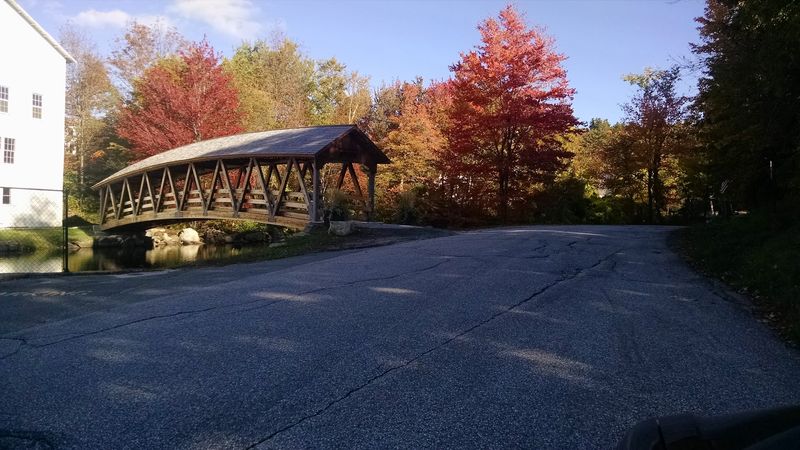
Not long ago, mornings on Lake Sunapee felt like a secret the whole town kept to itself. The water sat glassy and still, loons called across the mist, and neighbors waved from their docks without a crowd in sight.
That unhurried rhythm was the whole point of living here.
New Hampshire has always attracted people who crave space and simplicity, and Sunapee delivered both in generous portions. Residents built their lives around that quietness, raising families in a place where the pace was slow and the scenery did the talking.
Somewhere along the way, word got out. Social media posts, travel features, and word-of-mouth turned a well-kept local treasure into a must-visit destination.
The transformation did not happen overnight, but it gathered speed with every passing summer.
Long-time locals describe a kind of mourning for what the town used to feel like. The peace is not entirely gone, but finding it now requires more effort, more patience, and often an earlier alarm clock.
That quiet magic still exists in pockets, but it has to be chased.
Summer Population Surge That Catches Everyone Off Guard
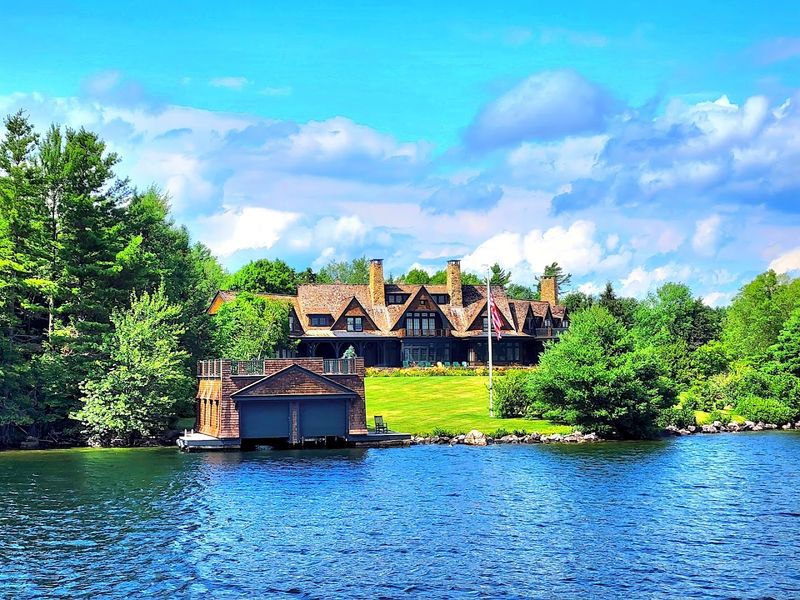
Come June, Sunapee transforms almost overnight. The year-round population, which sits comfortably around a few thousand, can effectively double once summer visitors, seasonal renters, and second-home owners arrive in full force.
Roads that felt wide in April suddenly feel very narrow in July.
New Hampshire draws outdoor lovers from across the Northeast, and the Lake Sunapee area sits squarely in the crosshairs of that demand. The harbor area, in particular, becomes a magnet for boaters, kayakers, and sightseers all competing for the same limited parking spots and launch ramps.
Locals who have lived here for decades say the surge used to be manageable. A busy weekend was a busy weekend, and by Monday things settled back down.
Now the busy season stretches longer, presses harder, and leaves less room for the routines residents actually moved here to enjoy.
The town is not hostile to visitors by any means. Most residents understand that tourism keeps local businesses alive.
Still, watching your quiet lakeside community transform into something resembling a resort town every summer is a complicated experience that stirs up real feelings on both sides.
The Boat Traffic Problem Nobody Saw Coming
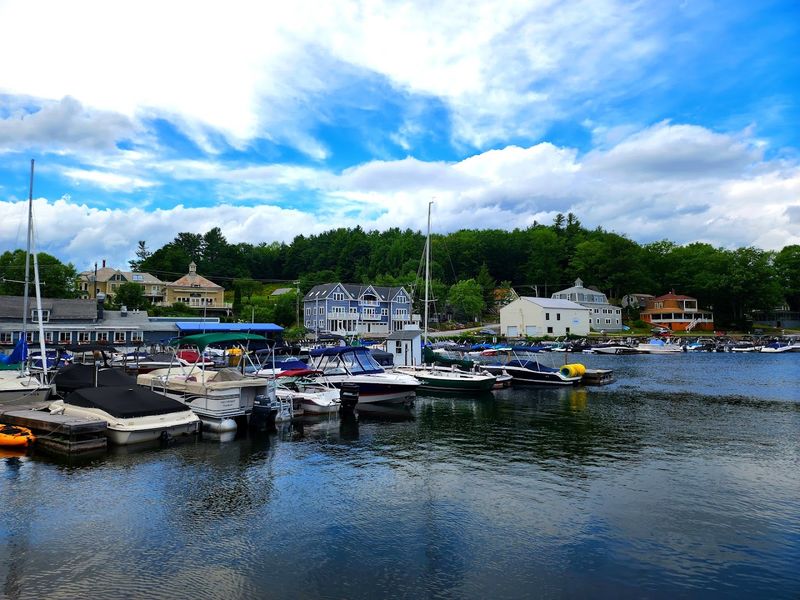
Lake Sunapee used to be a paddler’s paradise. Canoes and kayaks glided along the shoreline while the occasional motorboat hummed past at a respectful distance.
That balance has shifted considerably, and the water now tells a very different story on summer weekends.
The pandemic years brought a massive surge in boat ownership across New Hampshire. People stuck at home invested in outdoor gear, and boats topped many shopping lists.
Jobs Creek and other sheltered coves that once stayed calm now see heavy traffic from vessels of all sizes.
The environmental stakes are real. Heavy boat traffic stirs up sediment from the lake bottom, releasing phosphorus into the water column.
That nutrient spike can fuel algal blooms that cloud the water and stress the aquatic ecosystem that makes Sunapee so visually stunning in the first place.
Lakefront homeowners have raised their voices about the noise, the wakes battering their docks, and the safety concerns around mixing high-speed boats with swimmers. The tension between recreational boaters and residents is one of the more charged conversations happening in town right now, with no easy resolution on the horizon.
Parking and Traffic Headaches at the Harbor
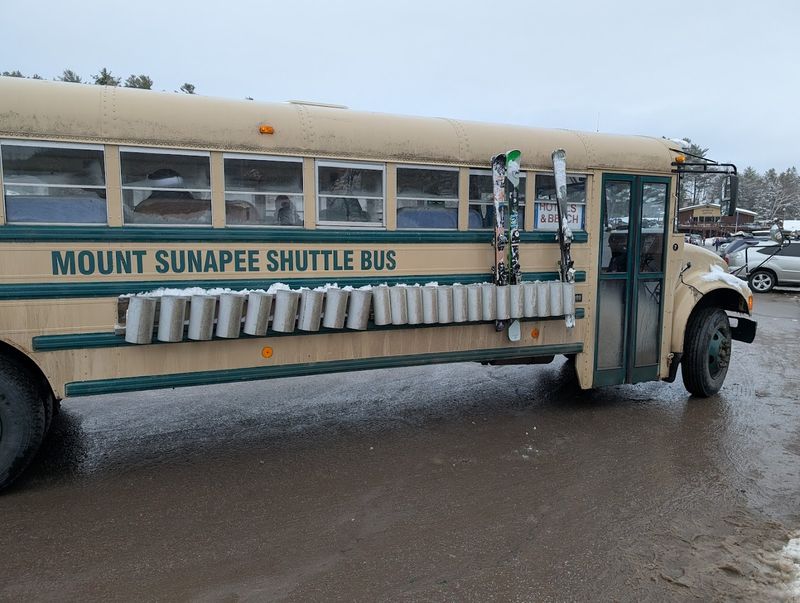
Ask any Sunapee local what irritates them most about peak season and parking will come up within the first thirty seconds. The harbor area, charming as it is, was not designed to absorb the volume of vehicles that now descend on it every weekend from Memorial Day through Labor Day.
Navigation around the village center becomes a genuine exercise in patience. Roads narrow, intersections back up, and finding a spot to leave your car can eat into a significant chunk of your afternoon.
For residents running everyday errands, this is not a quirky inconvenience but a real disruption to daily life.
New Hampshire towns like Sunapee lack the infrastructure of larger resort destinations. There are no sprawling parking garages, no shuttle systems whisking people from remote lots, and no traffic management teams directing flow.
The charm of a small town and the demands of high-season tourism do not always coexist gracefully.
Town officials have discussed various solutions over the years, but implementing meaningful change in a community this size takes time and consensus. Meanwhile, locals have simply learned to avoid the harbor on sunny Saturdays, which is a small but telling concession to the new reality.
Short-Term Rentals Shaking Up the Neighborhood Feel
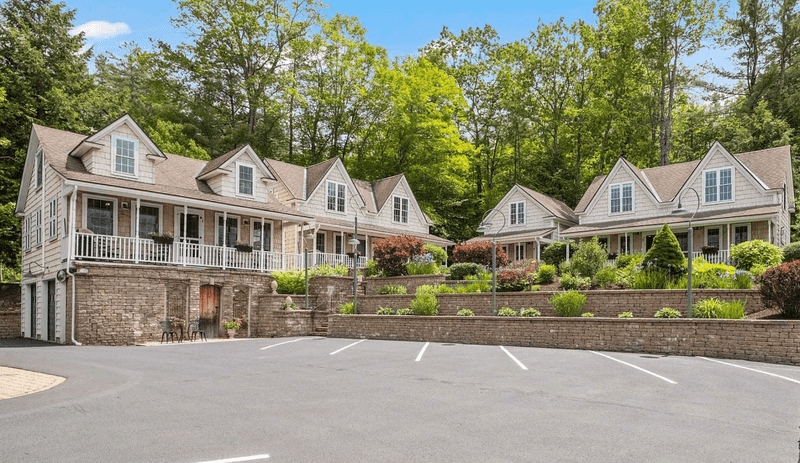
Platforms that make it easy to rent out a home for a weekend have changed the social fabric of neighborhoods across New Hampshire, and Sunapee is no exception.
Houses that once housed year-round families now cycle through rotating groups of vacationers who arrive Friday evening and leave Sunday afternoon.
Some longtime residents describe the shift as losing neighbors and gaining strangers. The continuity that made a street feel like a community gets interrupted when the house next door operates more like a hotel than a home.
Block parties, shared history, and neighborly check-ins become harder to sustain.
On the flip side, local business owners point out that short-term rental guests spend money in town. Restaurants, outfitters, and shops all benefit from visitors who need to eat, equip themselves, and explore.
For a small economy with limited lodging options, those tourist dollars are not trivial.
Sunapee is currently working through conversations about whether and how to regulate short-term rentals. The consensus leans toward thoughtful oversight rather than outright bans, recognizing that the income these rentals generate is woven into both individual livelihoods and the broader local economy.
Balance, as always, is the goal.
What Makes Lake Sunapee Worth All the Fuss
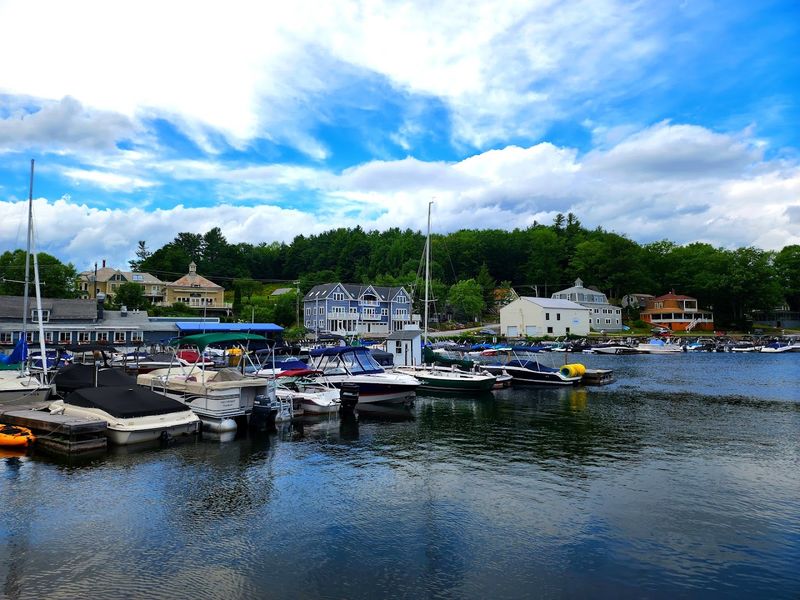
Honestly, it is hard to blame anyone for wanting to come here. Lake Sunapee is strikingly beautiful in a way that photographs simply cannot do justice.
The water runs clear and cold, Mount Sunapee rises behind the shoreline, and the forested hills wrap around the whole scene like a postcard that forgot it was real.
New Hampshire does not lack for pretty lakes, but Sunapee has a particular combination of mountain backdrop, water clarity, and village charm that sets it apart.
Sailing on the lake on a calm afternoon, with the summit catching the last of the afternoon light, is genuinely one of those experiences that sticks with you.
The town itself adds to the appeal. Sunapee Harbor has an easy, unhurried quality even when it is busy, with waterfront views that reward anyone willing to simply sit and watch the boats come and go.
The surrounding landscape changes dramatically with the seasons, offering a completely different kind of beauty in fall and winter.
Understanding why tourists come here in growing numbers does not require much analysis. The place earns its reputation honestly, and that magnetism is both its greatest asset and the source of its most pressing growing pains.
The Housing Crunch Hitting Locals Hard
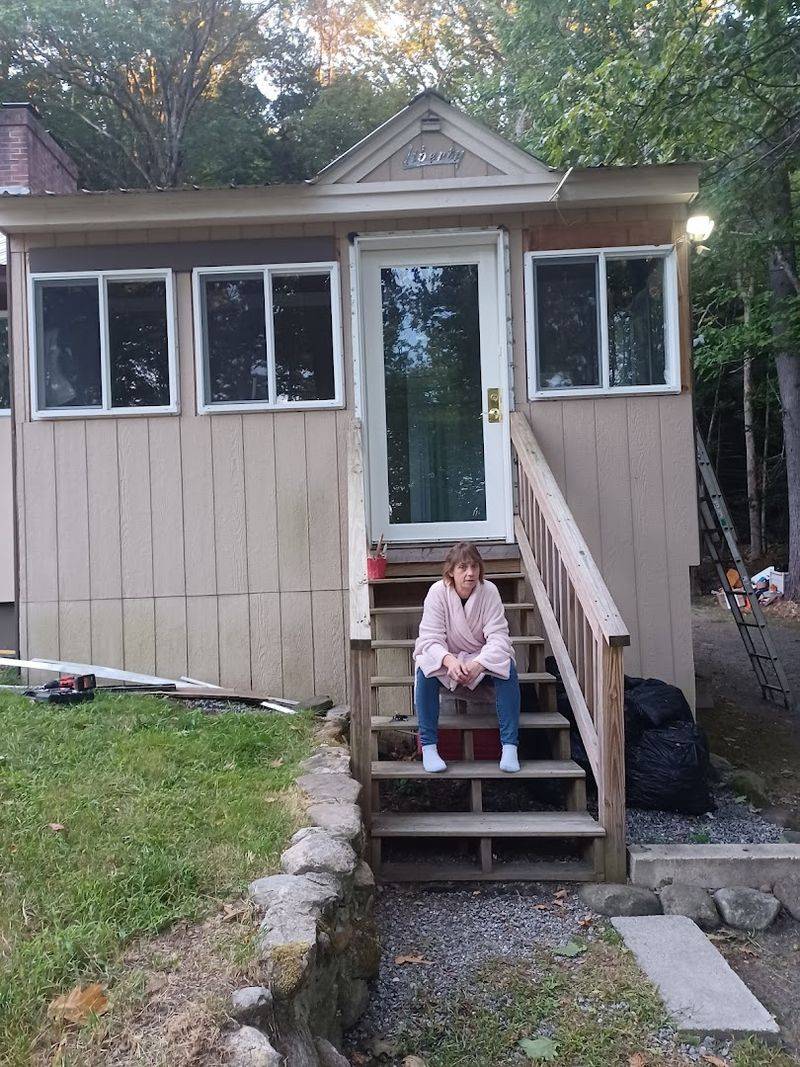
Tourism pressure does not stay neatly on the water. It ripples outward into the housing market, and Sunapee residents are feeling that ripple with increasing urgency.
As demand for second homes and vacation properties climbs, available housing for year-round residents shrinks and prices push upward.
Sunapee’s permanent population has grown significantly over recent decades, and projections suggest continued growth through the end of this decade.
That growth, combined with the conversion of residential properties into short-term rentals, is squeezing the supply of affordable homes for the people who actually keep the town running year-round.
Teachers, tradespeople, and service workers who form the backbone of any functioning community increasingly find themselves priced out of the very town they serve.
New Hampshire has grappled with affordable housing challenges statewide, but lake towns face an amplified version of the problem due to the premium placed on waterfront and near-water properties.
Local leaders acknowledge the need for more affordable housing options, though finding solutions that satisfy both growth pressures and the community’s desire to preserve its character is genuinely difficult.
It is one of those slow-moving crises that does not make headlines every day but shapes the town’s future in fundamental ways.
Mount Sunapee Resort Pulling in the Crowds Year-Round
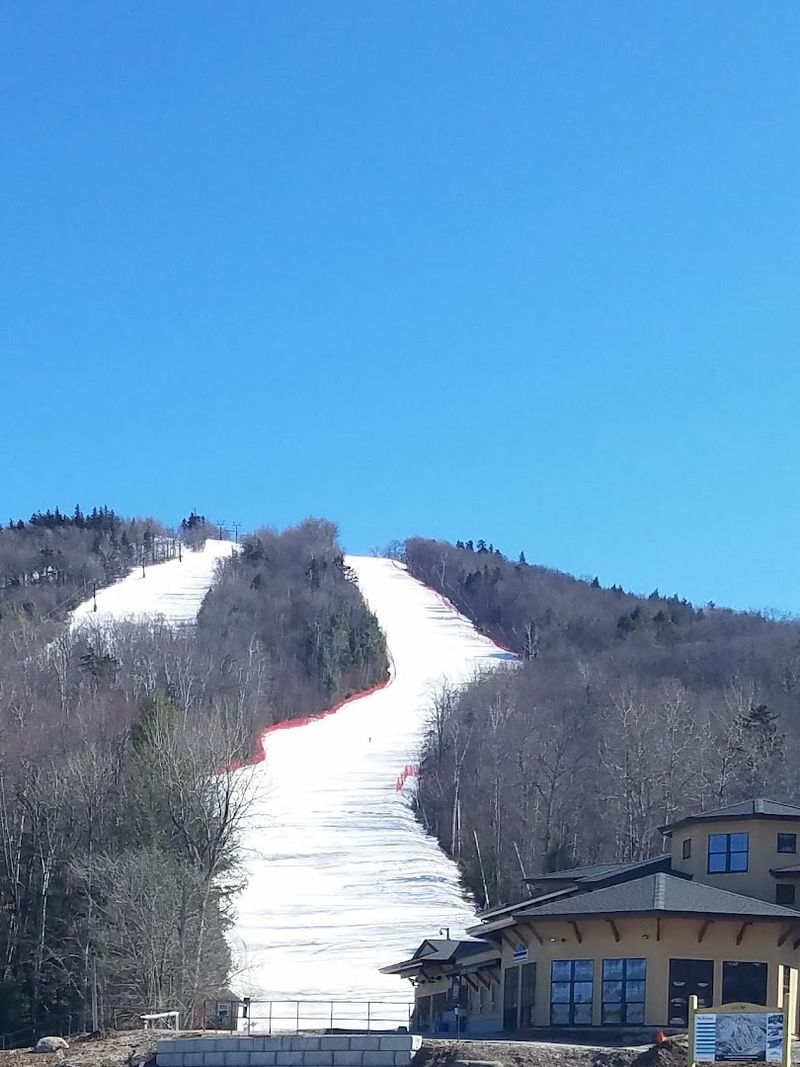
The ski resort on Mount Sunapee has been drawing winter visitors to Sullivan County for generations, but its influence on the town’s tourism picture has grown considerably.
Modern snowmaking technology, expanded terrain, and savvy marketing have turned it into a year-round destination that keeps the visitor pipeline flowing even when the lake freezes over.
Winter weekends bring their own version of the summer surge. Ski traffic backs up on Route 103, lodging fills quickly, and the town’s small infrastructure gets tested by a different crowd with different needs.
The mountain does not take a season off, and neither do the visitors it attracts.
Come summer, the resort pivots to mountain biking, hiking, and outdoor events that keep the slopes busy without a flake of snow in sight. That year-round programming means Sunapee never truly gets a quiet off-season to catch its breath and reset.
For local businesses, the resort is an economic lifeline. Restaurants, shops, and outfitters depend on the foot traffic it generates across all four seasons.
The tradeoff is a level of sustained busyness that residents who moved here for solitude find increasingly at odds with their original vision of life in this corner of New Hampshire.
Water Quality Worries That Keep Scientists Watching
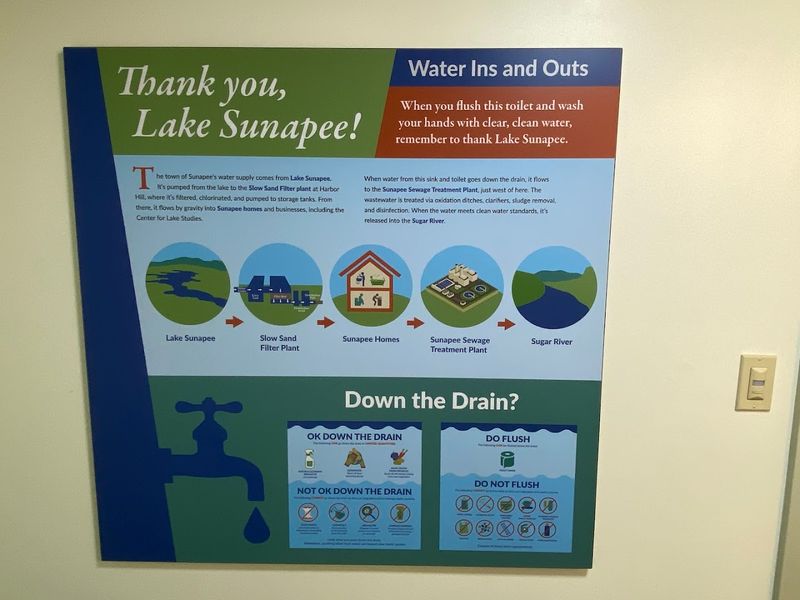
Lake Sunapee is not just a pretty backdrop. It is a living ecosystem that provides drinking water, supports wildlife, and defines the community’s identity.
Keeping it healthy is not a feel-good aspiration but a practical necessity, and the pressures of increased tourism are making that job harder.
Scientists monitoring the lake have flagged boat traffic as a meaningful environmental concern. When motorboats churn through shallow areas, they disturb sediment that has settled on the lake bottom.
That disturbance releases phosphorus, a nutrient that in elevated concentrations can trigger algal blooms that cloud the water and disrupt the food chain.
Algal blooms are not just visually unpleasant. Certain types produce toxins that pose risks to swimmers, pets, and wildlife.
For a community whose entire identity is built around a pristine lake, the prospect of degraded water quality is about as alarming as it gets.
Conservation groups and local organizations have been working to monitor water conditions and educate boaters about responsible practices. The goal is not to ban recreational use but to ensure that the lake remains as magnificent for future generations as it is today.
Protecting that resource is one cause that tends to unite even the most divided voices in Sunapee.
Finding the Real Sunapee Beyond the Busy Season
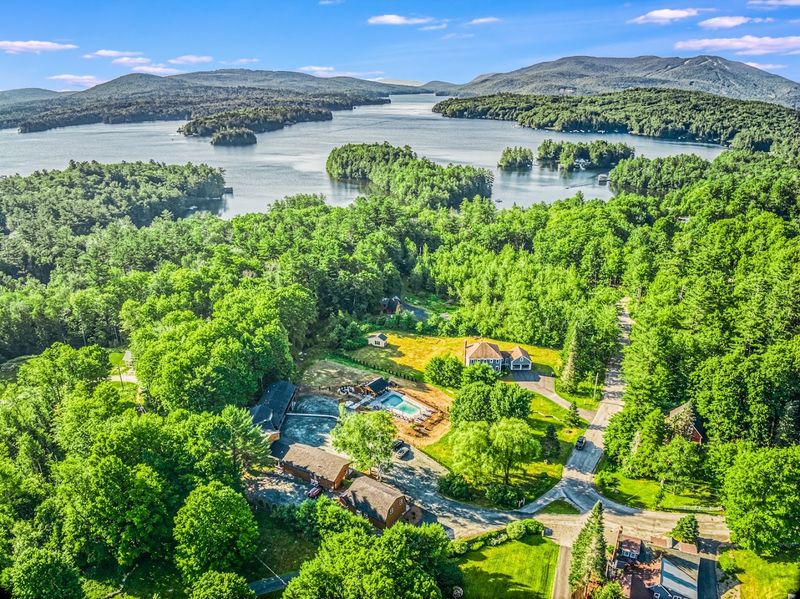
September arrives and something remarkable happens. The boats thin out, the parking lots breathe again, and the town remembers what it actually sounds like without a soundtrack of outboard motors and weekend crowds.
Autumn in Sunapee is, without exaggeration, one of New Hampshire’s finest experiences.
The fall foliage along the shoreline is jaw-dropping. Maple, birch, and oak trees ignite in shades of amber, crimson, and gold, and their reflections shimmer across the lake surface on calm mornings.
Hiking the trails around Mount Sunapee in October feels like walking through a painting someone left unfinished because it was already perfect.
Winter brings its own stripped-down beauty. The harbor sits quiet, ice forms along the shallows, and the mountain transforms into a white landscape that feels genuinely remote despite being just off a main highway.
Long-time residents will tell you that the off-season is when they actually love living here most.
Visitors who discover Sunapee outside of peak summer find a more authentic version of the town. The locals are more relaxed, the pace is gentler, and the natural setting gets to speak for itself without competition.
Newport, NH serves as the county seat nearby, and the whole Sullivan County region rewards those willing to explore it on its own quiet terms. Sunapee is located in Newport, NH, and the surrounding area offers year-round appeal for anyone paying attention.
