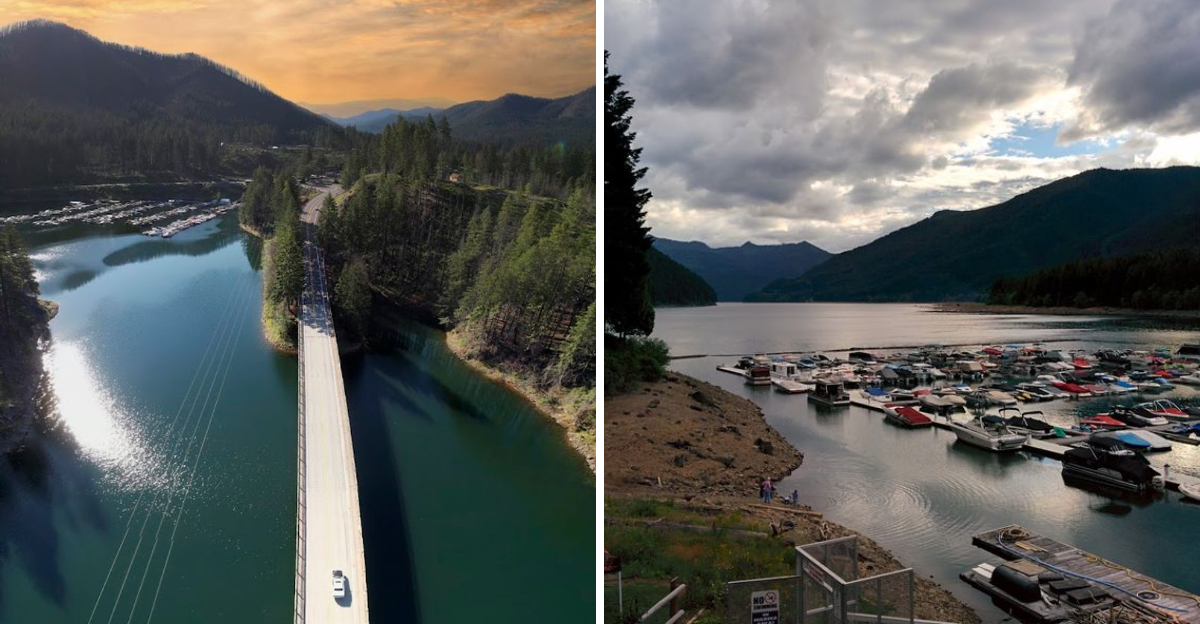
There is something heartbreaking about watching a beautiful place lose its soul to success. This Oregon lake town used to be the definition of peaceful.
Locals would wave at each other from their porches and the main street never saw a traffic jam. Then the internet happened and everyone discovered the crystal clear water and the mountain views.
Now summer weekends mean bumper to bumper lines just to find a parking spot. The once quiet boat ramp looks like a parking lot during a concert.
Longtime residents say the charm is still there somewhere, buried under all the rental SUVs and coolers on wheels. You can hardly blame the tourists for coming.
The place is stunning. But the crowds have changed the feeling completely. What used to be a relaxing escape now requires strategic planning and patience you did not pack. Oregon has plenty of hidden gems still waiting to be discovered, but this one is officially off the secret list.
Locals shake their heads and remember the before times. The water is still beautiful though. You just have to share it with about a thousand new friends.
Detroit Lake Is the Main Draw, and Everyone Knows It
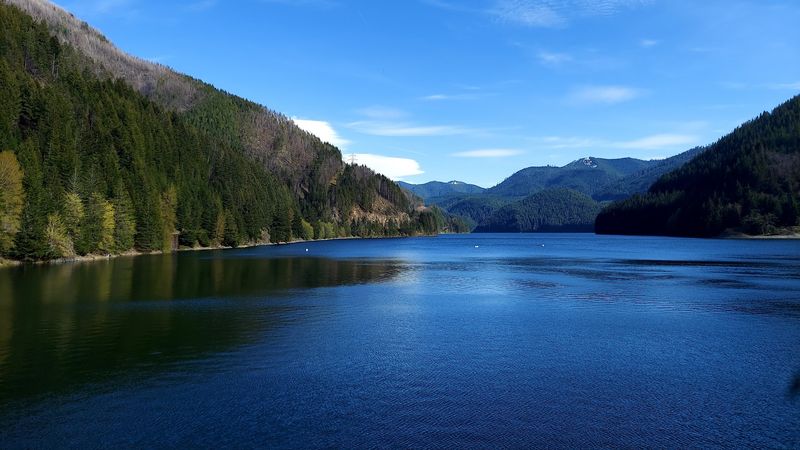
Detroit Lake is the kind of place that grabs you before you even step out of the car. The water is a rich, deep blue. It stretches out wide against a wall of evergreen trees and mountain ridges.
The lake was created in 1952 when Detroit Dam was built on the North Santiam River. It covers about 3,580 acres when full.
For decades, it was a local favorite that rarely felt overrun. Now, summer weekends look completely different. Boat launches back up for over an hour.
Parking lots overflow onto the highway shoulder. Campgrounds fill up months in advance.
Visitors come for fishing, wakeboarding, kayaking, and swimming. The lake genuinely offers all of that. But the sheer volume of people has made the experience feel rushed and crowded.
Locals who once spent lazy afternoons on the water now avoid peak weekends entirely. The lake did not change. The number of people chasing it did.
A Town of 200 People Was Never Built for This
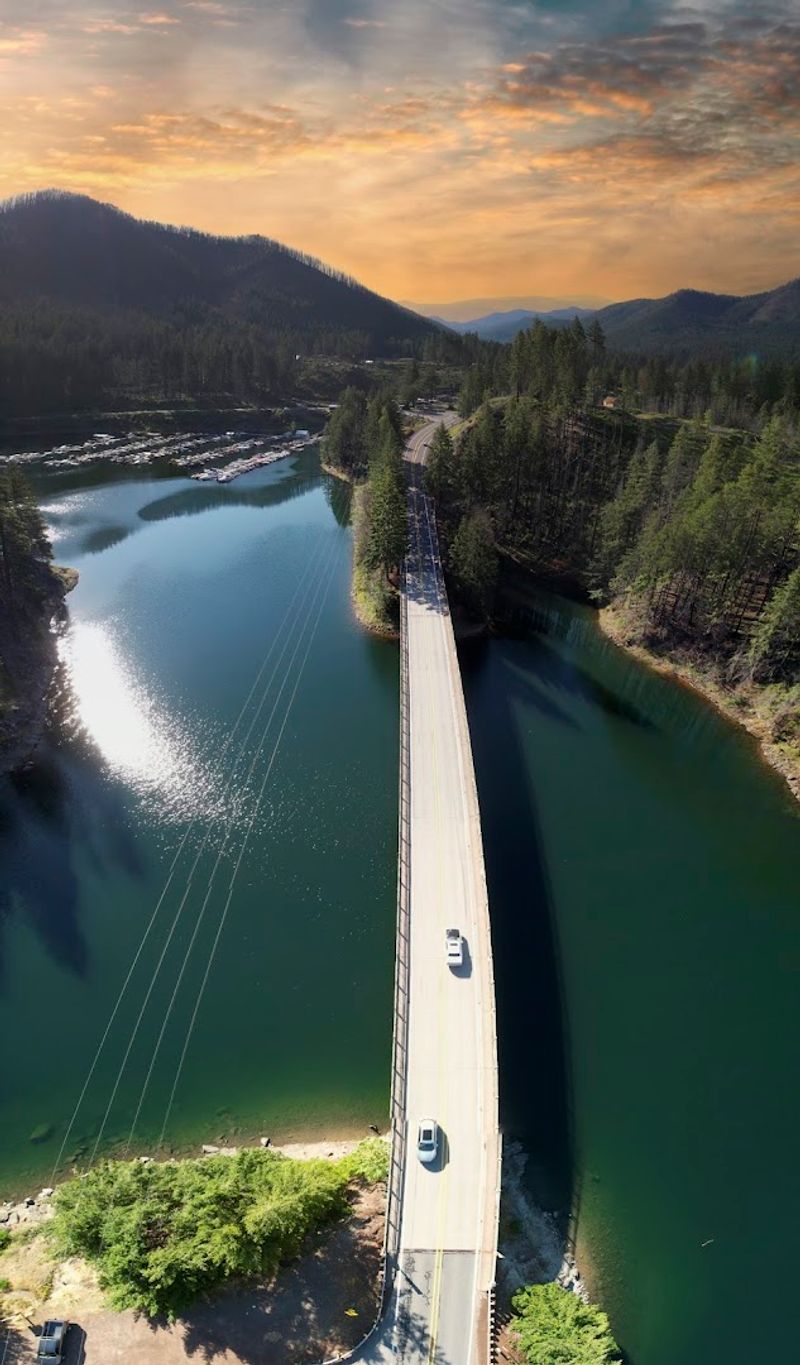
Detroit has a population of just over 200 people. That number has stayed small for decades.
The town was never designed to absorb thousands of weekend visitors at once. Named after Detroit, Michigan in the 1890s, the community has deep roots. Many families here go back several generations.
Life in a town this size runs on familiarity and quiet routine.
The main road through town now sees bumper-to-bumper traffic on summer Saturdays. Trash bins overflow before noon. The single-lane boat ramp becomes a source of real frustration.
Small towns like this rely on shared space and mutual respect. When that balance tips, the cracks show fast. Residents feel the pressure in ways that passing visitors simply do not see.
The charm of Detroit was always tied to its smallness. A walk through town used to feel unhurried.
The Campgrounds Fill Up Months Before Summer Starts
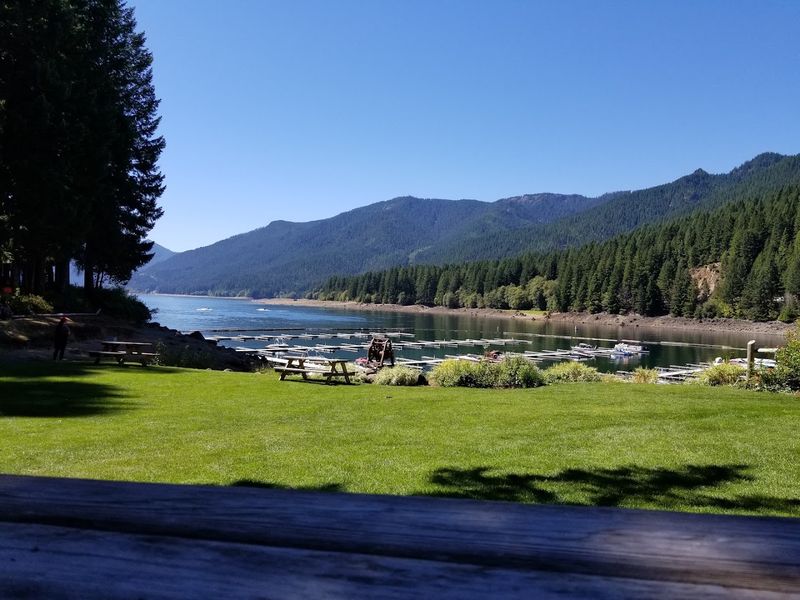
Camping near Detroit Lake used to be something you could plan a week out. Now reservations disappear within minutes of opening. Campgrounds like Detroit Lake Recreation Area and Mongold State Park book up months in advance.
That shift happened fast. Online reservation systems opened access to a much wider audience.
People from Portland, Salem, and beyond started locking in spots before locals even knew the calendar had opened. The result is a strange irony. Residents who live twenty minutes from the lake sometimes cannot get a campsite.
Visitors who drove two hours snag the last spot before breakfast.
Overflow camping in unauthorized areas has also become a problem. Roadside pullouts and forest service roads see tents and vehicles that should not be there. The land takes a hit every single season.
Camping here is still a genuinely beautiful experience when done right. The forest smells incredible at night. Stars come out thick and bright.
Detroit Dam Is an Engineering Marvel Worth Seeing
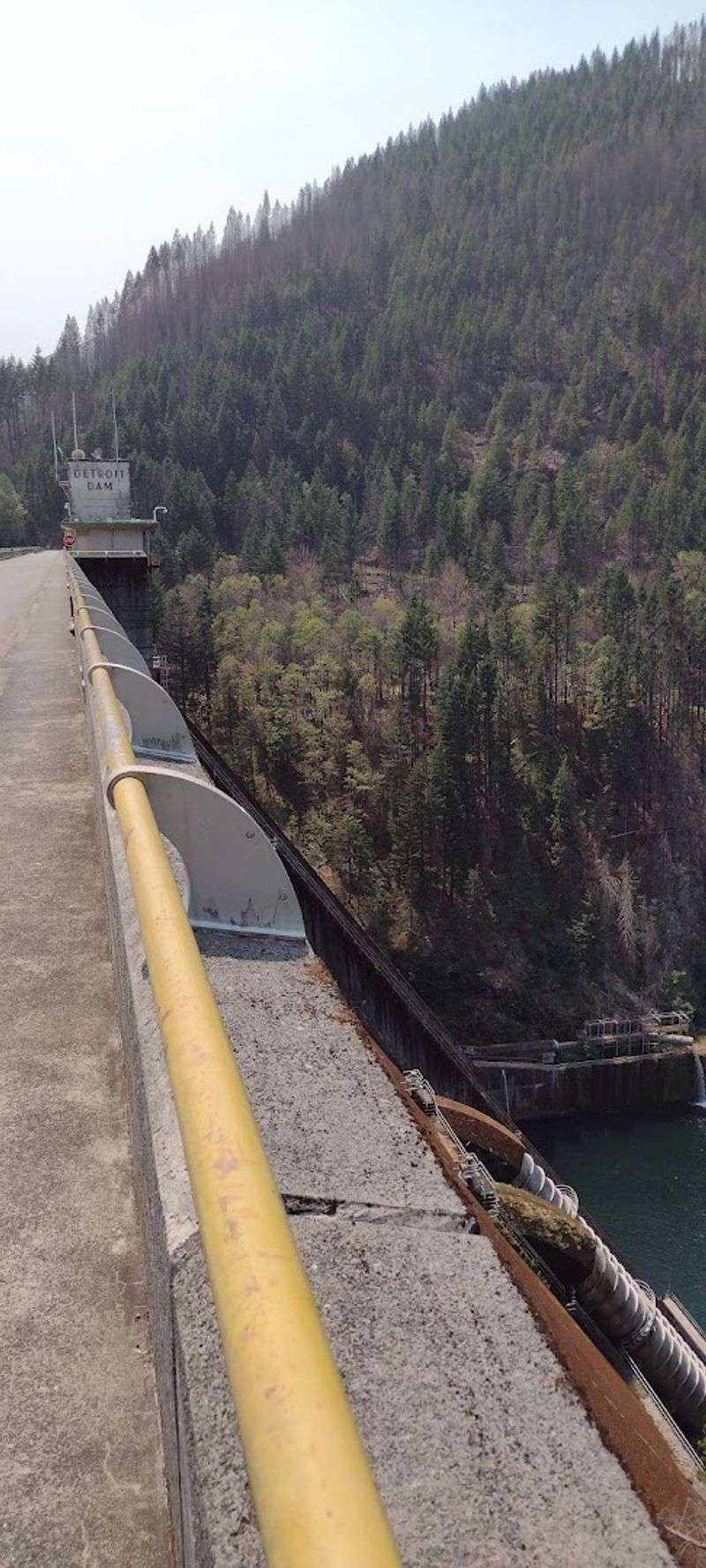
The dam itself is one of those structures that earns a genuine double-take. Standing 463 feet tall, Detroit Dam is one of the largest dams in the Pacific Northwest.
It holds back an enormous volume of water and generates hydroelectric power for the region. The U.S. Army Corps of Engineers completed it in 1952.
Before that, the original town of Detroit sat in the valley below. When the dam was built, the old town was flooded. A new Detroit was established on higher ground.
That history adds a strange, layered feeling to the place. The town you are walking through is not the original one. The original is underwater. On low-water years, remnants sometimes surface near the reservoir edges.
Visitors are drawn to the dam overlook for photos, and honestly, the view is worth it. The scale of the structure against the canyon walls is impressive.
The Local Businesses Are Caught in the Middle
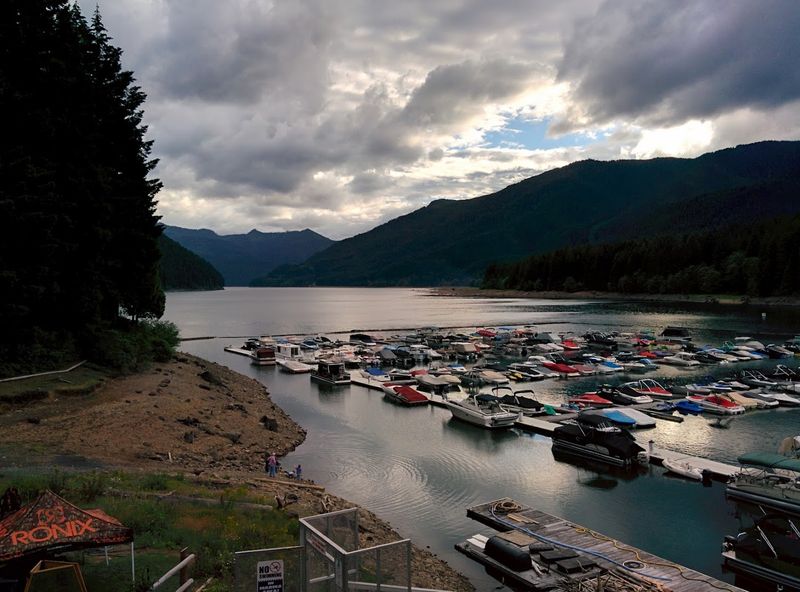
Running a small business in Detroit has always required grit. The tourist season is short, roughly Memorial Day through Labor Day. Everything has to happen fast before the mountain weather turns cold.
More visitors should mean more revenue. For some businesses, that is true. But the surge also brings real complications that locals talk about openly.
Supply chains struggle to keep up. Small shops run out of basic items by Saturday afternoon.
Staff shortages hit hard because housing in the area is limited and expensive.
Longtime customers sometimes cannot get a table at their usual spot. Service slows under the pressure of volume. The personal touch that made these places special gets harder to maintain when the line stretches out the door.
There is no clean answer here. Businesses need the income, locals need the services, visitors want the experience.
All three groups are pulling at the same small town from different directions.
Trash and Overuse Have Left Real Marks on the Land
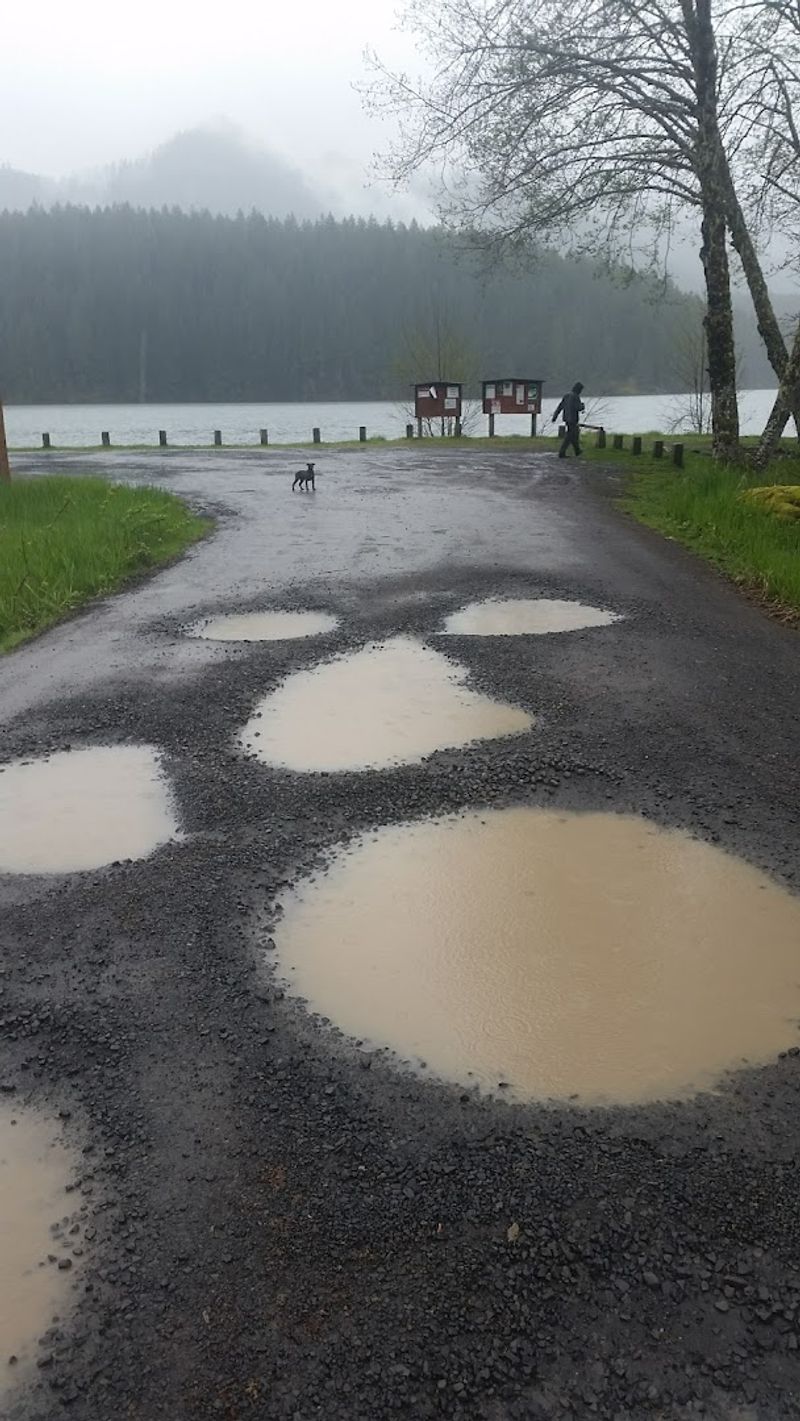
The environmental toll of heavy tourism is visible in Detroit in ways that are hard to ignore. Trailheads that were once clean now collect debris on busy weekends.
Shoreline areas show wear from foot traffic and improper waste disposal.
Human waste has become a documented issue in dispersed camping zones. Not every visitor comes prepared.
When facilities fill up, people improvise in ways that damage the ecosystem around them.
The North Santiam River corridor, which runs through the area, is especially sensitive. Water quality and bank erosion are real concerns.
Volunteer cleanup crews do remarkable work, but they cannot keep pace with the volume.
What makes this frustrating for locals is that it was preventable. Most visitors are not malicious.
They just do not know the land or its limits. Education and better infrastructure could help, but both take time and funding.
The forests around Detroit are genuinely stunning. Seeing them degraded by carelessness stings in a particular way.
Hiking Trails Around Detroit Have Become Unexpectedly Crowded
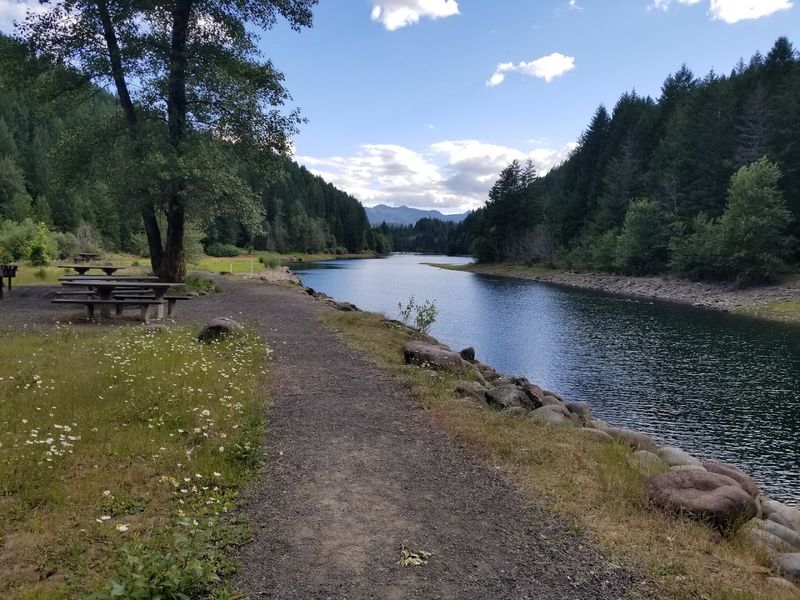
The trails near Detroit used to offer real solitude. Opal Creek Wilderness, Dome Rock, and the Whitewater Falls area were known mostly to Pacific Northwest regulars.
That exclusivity is largely gone now.
Social media played a major role in the shift. Photos of Opal Creek’s crystal-clear pools and old-growth forest spread fast.
Once a trail goes viral, the experience changes permanently.
Opal Creek Ancient Forest Center sits about 23 miles from Detroit off Forest Road 2209. The hike in is beautiful, passing through some of the oldest trees in Oregon.
But weekends now bring a level of foot traffic the trail was never designed for.
Parking areas overflow onto narrow forest roads. Trail etiquette breaks down when too many people are moving through at once.
The meditative quality of walking through old growth gets harder to access with noise and crowds nearby.
Going midweek changes everything. The forest quiets down.
You can hear the creek properly.
Water Recreation Has Outpaced the Infrastructure
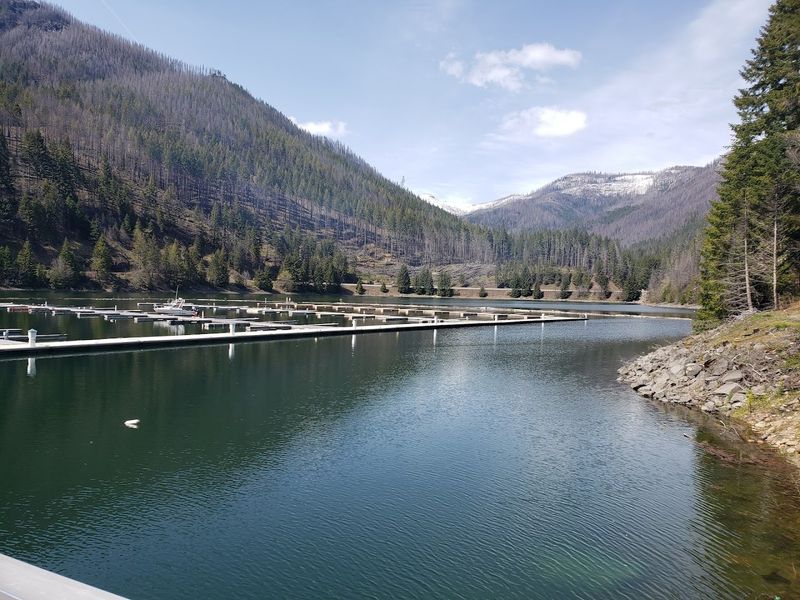
Detroit Lake was built with recreation in mind, but the infrastructure reflects a different era. The boat launches, parking areas, and day-use facilities were designed for a smaller, slower crowd.
Wakeboarding, fishing boats, paddleboards, and kayaks now compete for the same water on peak days. Launch queues stretch long.
Conflicts between fast motorized watercraft and slower human-powered vessels create real tension on the lake.
The noise level on summer weekends is something locals mention often. The lake that once felt like a place to decompress now sounds like an outdoor event venue.
That shift is not subtle.
Swimming areas see similar pressure. Families with young kids share space with speeding boats closer than safety guidelines recommend.
Enforcement is limited given the size of the lake and the number of visitors.
None of this makes the lake off-limits or without joy. Sunrise paddles on a Tuesday morning are still extraordinary.
The water is cold, clear, and genuinely refreshing.
The Wildfire History Here Adds Context to Everything
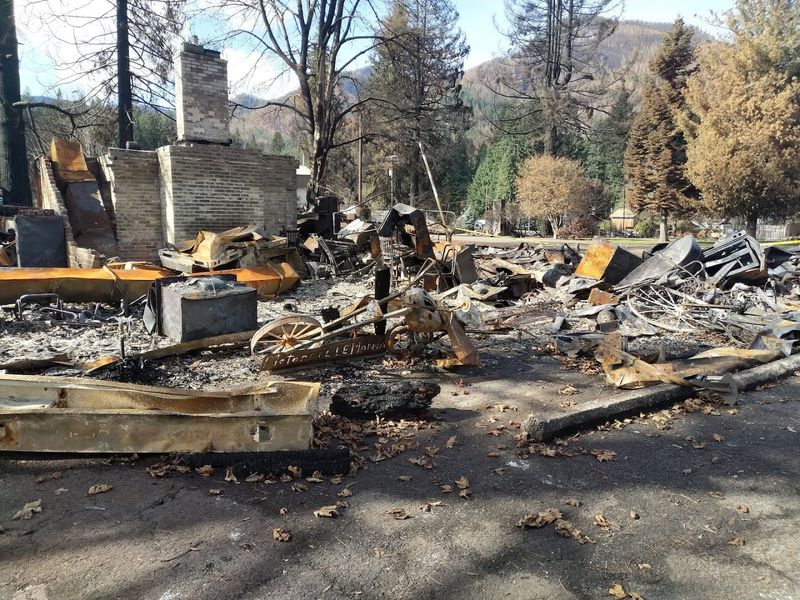
Detroit carries a layer of recent history that visitors often do not know about. The Beachie Creek Fire of 2020 was one of the most destructive wildfires in Oregon’s recorded history.
It burned through the Detroit area with devastating speed.
The fire destroyed hundreds of homes and structures. It burned through vast stretches of forest that had stood for over a century.
The town itself was evacuated and suffered significant losses.
Recovery has been ongoing. Driving through the area, you still see the evidence.
Charred tree trunks stand alongside new green growth. The landscape tells a story of loss and slow return at the same time.
Some visitors arrive without knowing this history. They come for the lake and the trees without realizing how recently the community faced catastrophic loss.
That context matters. It shapes how locals feel about the place and about the influx of outsiders.
The resilience of Detroit as a community is real and worth acknowledging. People rebuilt.
The forest is recovering.
What Respectful Visitors Can Do to Help
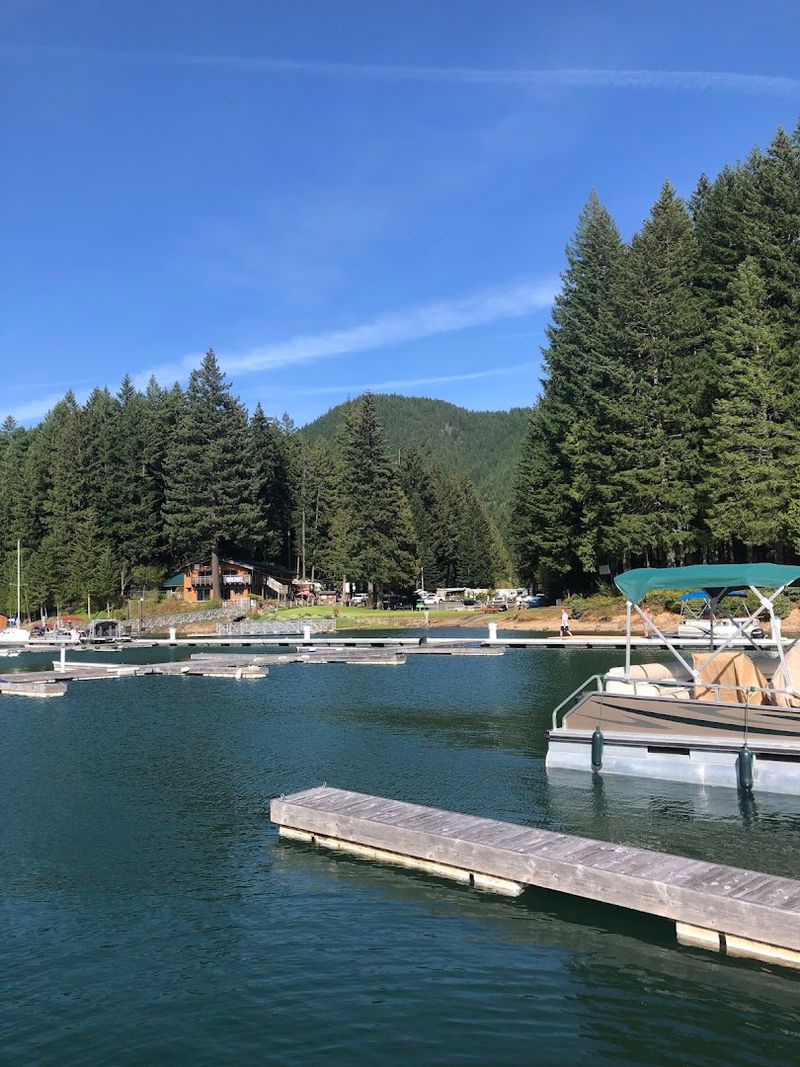
Showing up to a place like Detroit with awareness makes a real difference. Small choices add up across thousands of visitors.
The land and the community both feel the impact of how people choose to behave.
Booking midweek visits instead of peak weekends immediately reduces pressure on facilities. It also means a better experience for you.
Trails are quieter, launches are faster, the lake feels more like itself. Pack out everything you bring in. That sounds basic, but it is still the single most impactful thing a day visitor can do.
Leave the area cleaner than you found it, not just equal. Spend money locally and intentionally. Small businesses in Detroit need support that goes beyond foot traffic.
Buying from local shops, eating at local spots, and tipping generously keeps the community viable.
Learn the fire history before you go. Understanding what this town has been through builds genuine respect.
That respect shows in how you move through the space. Detroit is not just a backdrop for a vacation photo.
