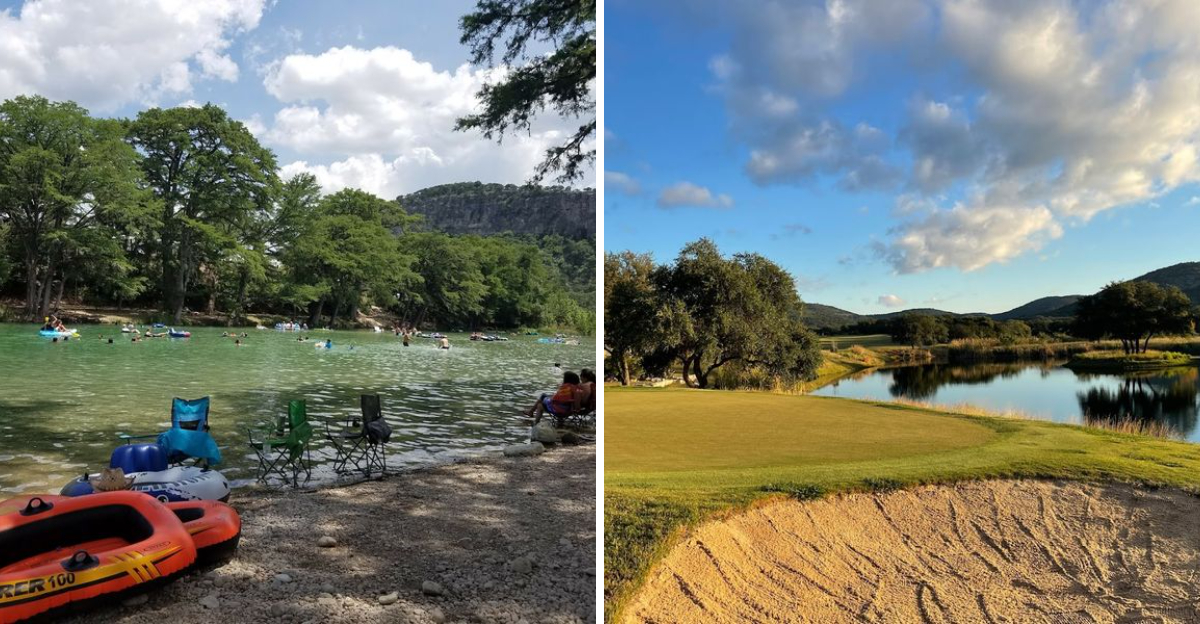
The Frio River still runs clear. The cypress trees still line the banks.
But the peace is gone. Concan used to be a quiet escape, a place where locals could float without bumping into a dozen other tubes.
Now summer weekends bring bumper to bumper traffic, full cabins, and a party atmosphere that does not quit until the sun goes down. The same things that made this town special are now the reason everyone shows up.
Locals miss the old days, but the secret is out. The river is still beautiful, and the floats are still worth it.
It is just not as quiet as it used to be.
Concan Was a Resort Town Long Before It Went Viral
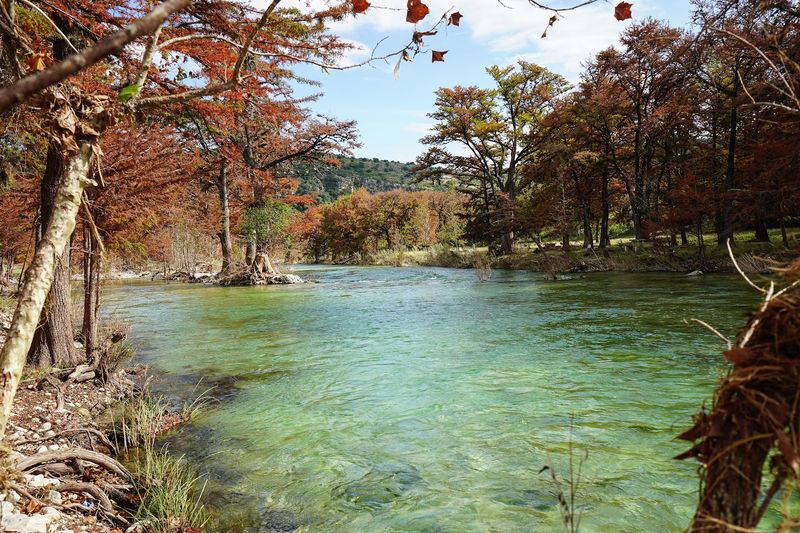
Most people treat Concan like a discovery they made on social media, but this little community has been drawing visitors since the 1920s. It earned its reputation as the epicenter of Frio River tourism long before Instagram existed, back when families would drive dusty roads just to cool off in the spring-fed current.
That history matters because it adds context to what locals are feeling right now.
The Frio River was always the main attraction. Its water stays refreshingly cool even during the brutal Texas summers, which made it a natural gathering spot for generations of Hill Country families.
Tubing, swimming, and fishing were the simple pleasures that built this town’s identity.
What changed was scale. A destination that once welcomed a manageable flow of summer visitors now hosts thousands upon thousands during peak season.
The infrastructure, the roads, the water supply, and the natural landscape were never designed to absorb that kind of pressure. Locals who remember quieter summers are not imagining things when they say the town feels unrecognizable.
The history of Concan as a beloved resort community is genuinely worth appreciating, because understanding where it came from helps explain why so many residents feel protective of what remains.
It is not anti-tourism sentiment so much as grief for something that is slipping away faster than anyone expected.
The Frio River Still Delivers, But You Will Be Sharing It
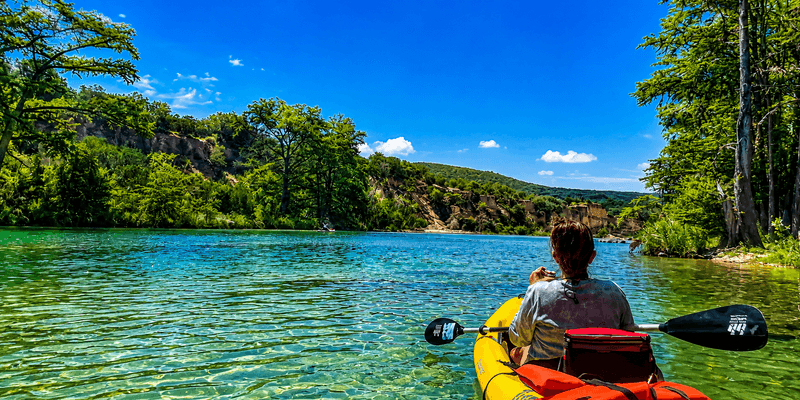
The water is genuinely spectacular. I will give it that without any hesitation.
The Frio runs clear and cold even when the Texas thermometer pushes past 100 degrees, and floating down it on a tube with cypress branches overhead feels like something out of a nature documentary. That experience has not disappeared, but it has gotten significantly more complicated to enjoy.
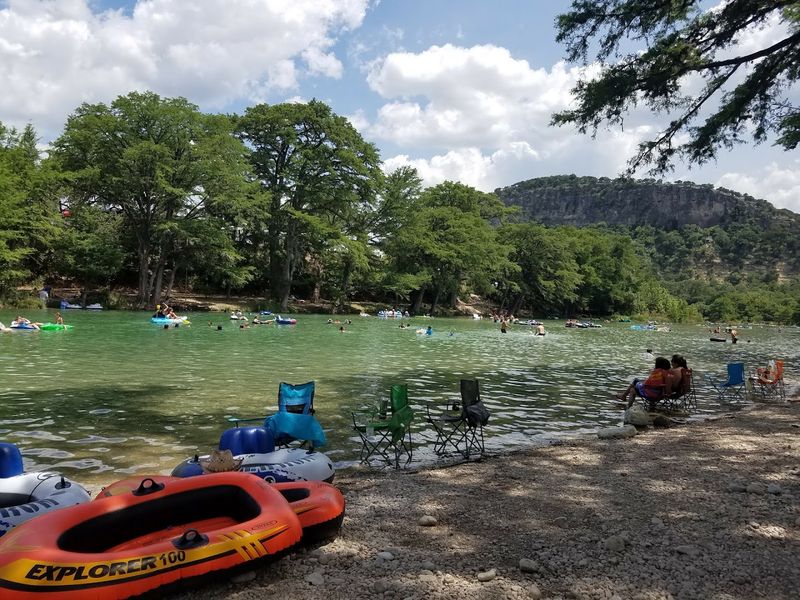
During summer weekends, the riverbanks fill up fast. What was once a peaceful float can turn into a slow-moving crowd of tubes, coolers, and noise.
The natural beauty is still there underneath all of it, but you have to work a bit harder to notice it.
Conservation concerns have also surfaced. Heavy recreational use has impacted the regeneration of bald cypress trees in certain stretches of the river, which is a slow-moving ecological problem that does not make headlines but matters enormously to the long-term health of the ecosystem.
Going early in the morning or visiting during the shoulder season in late September or early October makes a real difference. The crowds thin out, the light is softer, and the river reclaims some of its original magic.
For anyone who loves the outdoors and wants to experience the Frio River the way it deserves to be experienced, timing your visit thoughtfully is probably the single most important piece of advice worth taking seriously. The river rewards patience in a way that peak-season visits simply cannot replicate.
Garner State Park Books Up a Full Year in Advance
Garner State Park sits just north of Concan and holds a special place in Texas outdoor culture. It is one of the most visited state parks in the entire state, and the numbers back that up every single season.
Cabins there get booked a full year in advance, which tells you everything you need to know about the level of demand this corner of the Hill Country generates.
The park offers hiking trails, camping, and one of the most charmingly old-fashioned summer traditions in Texas, which is the nightly outdoor dance held on a concrete slab near the river.
Families have been coming to those dances for generations, and the tradition gives the park a warmth that pure nature destinations sometimes lack.
Getting a spot requires serious planning. If you want a cabin or a prime campsite, you need to log onto the Texas Parks and Wildlife reservation system the moment your target dates become available.
Day-use passes also fill quickly during summer months, so checking availability before making the drive is genuinely important. The park itself is worth every bit of the effort involved in securing a reservation.
The trails wind through limestone hills and cedar breaks, and the views from the higher elevations give a completely different perspective on the Frio River valley below.
It is the kind of place that makes you understand immediately why people fight so hard to get a spot each year, and why locals simultaneously love and feel overwhelmed by its enormous popularity.
The Water Crisis of 2022 Exposed a Serious Problem
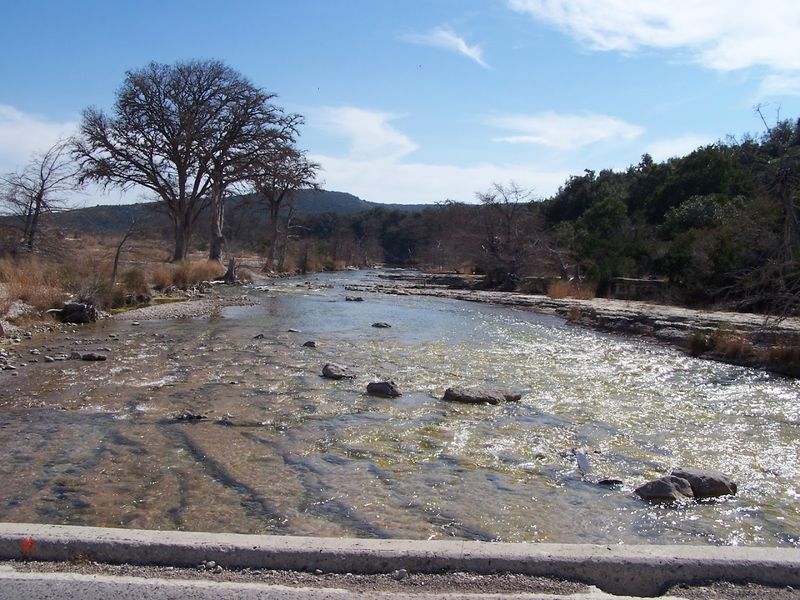
In August 2022, something happened in Concan that most tourists never heard about but that rattled the community to its core. Five of the town’s eight groundwater wells went completely dry during the height of tourist season.
The local water supply corporation had to truck in water daily just to meet basic demand, and emergency restrictions were put in place almost immediately.
Water was shut off between midnight and 6 a.m. Public bathrooms at the visitor center were closed to conserve what little remained.
Vacation rental homeowners and permanent residents alike were placed under strict usage limits that disrupted daily life in ways that are hard to fully appreciate from the outside.
The general manager of the Concan Water Supply Corporation noted publicly that the water infrastructure simply could not keep up with the demand being generated by the explosion of vacation properties in the area.
That is a significant statement from someone managing the most essential resource a community has.
Tourism brings economic activity, but it also brings enormous pressure on systems that were built for a much smaller population. The 2022 crisis was not a fluke or a one-time event.
It was a warning sign about what happens when a destination grows faster than its foundations can support. For visitors, this is a reminder that conservation habits matter even on vacation.
Shorter showers, mindful water use, and choosing accommodations that prioritize sustainability are small actions that add up in a community this size.
Vacation Rentals Have Changed the Neighborhood Completely

Drive through Concan today and you will notice something that has become common in small tourist towns across the country. A large portion of the homes and properties you pass are not lived in year-round.
They are vacation rentals, sitting empty during the week and filling up on Friday afternoons with groups who have driven in from San Antonio or Austin for the weekend.
That shift changes the character of a neighborhood in ways that are hard to quantify but easy to feel.
The sense of a living, breathing community, the kind where neighbors know each other and kids ride bikes in the evenings, gets diluted when most of the houses around you are rotating through strangers every few days.
For the roughly 200 permanent residents of Concan, this is not an abstract policy debate. It is their daily reality.
Property values have been pushed up by vacation rental demand, which makes it harder for working families to stay in the area. Local services that depend on a stable population of year-round customers struggle to survive when the economic energy is seasonal and unpredictable.
None of this means that renting a vacation property in Concan is wrong. But it does mean that visitors who choose locally owned accommodations, who eat at local businesses, and who treat the community with genuine respect are making choices that matter more than they might realize.
Small towns feel the weight of tourism differently than big cities do, and Concan is a clear example of that truth.
Summer Crowds Turn the Roads Into a Whole Ordeal
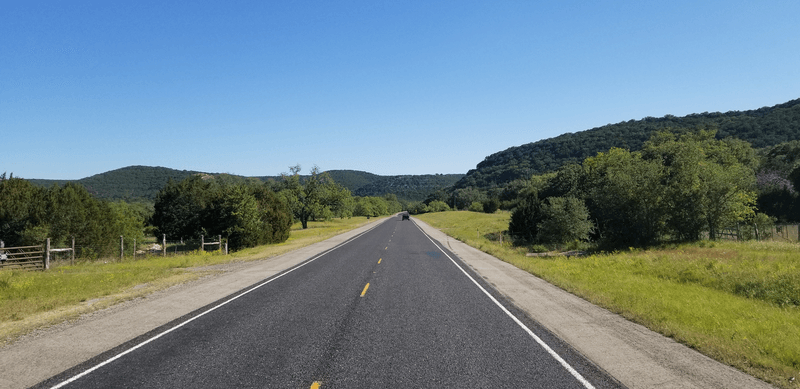
Getting to Concan requires driving through some genuinely beautiful Hill Country scenery, and under normal conditions the route is one of the pleasures of the trip.
Highway 83 winds through cedar breaks and limestone valleys, and there are moments where you feel like you have the whole landscape to yourself.
That feeling evaporates quickly during peak summer season.
The roads near Concan were not built to handle heavy traffic volumes. They are narrow, two-lane stretches designed for a rural community, not a regional tourist destination.
During summer weekends, backups form near the river access points and around the entrances to popular parks and resorts.
Parking becomes its own challenge. Spaces fill up early, and latecomers sometimes find themselves parked far from where they intended to be and walking longer distances in serious heat.
Local residents trying to run ordinary errands, get to work, or simply move around their own town have to factor in delays that did not exist a decade ago. The practical advice here is straightforward.
Arriving early, ideally before 9 a.m. on weekend days, puts you ahead of the worst congestion. Weekdays are noticeably better, and the shoulder seasons of spring and fall offer the Hill Country scenery at its most breathtaking without the summer traffic.
If you have flexibility in your schedule, using it to avoid peak summer weekends is genuinely one of the best decisions you can make for both your own enjoyment and your impact on the community you are visiting.
The Local Business Scene Is a Study in Contrasts
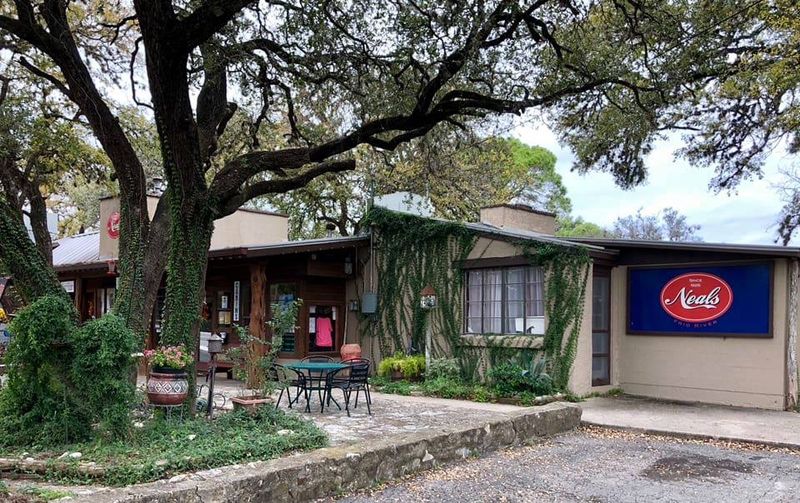
Tourism money does flow through Concan, and that is genuinely important for a community this small. The local businesses that have survived and adapted to the seasonal boom provide jobs and services that the permanent population depends on.
But the relationship between tourism and local commerce is more complicated than a simple economic win.
Many businesses are built around a short summer season, which creates a feast-or-famine cycle that is exhausting to sustain. Staffing up for summer and then scaling back in the fall is not a stable business model, and the labor market challenges in rural Texas make it even harder to manage.
Frio Country Resort, one of the established operators in Concan, filed for Chapter 11 bankruptcy protection in April 2026, citing five consecutive years of compounding challenges including record drought, historic inflation, rising interest rates, and a difficult labor market.
That is a sobering data point for anyone who assumes that tourism automatically equals prosperity.
The businesses worth seeking out in Concan are the ones that have deep roots in the community. Small general stores, family-run river outfitters, and locally owned food spots represent the authentic character of the place in a way that chain-style vacation operations simply do not.
Spending your money with those businesses is not just a feel-good choice. It is the kind of economic support that actually helps a small town maintain the qualities that made it worth visiting in the first place.
Supporting local is not a slogan here. It is survival.
The Bald Cypress Trees Are Quietly Struggling
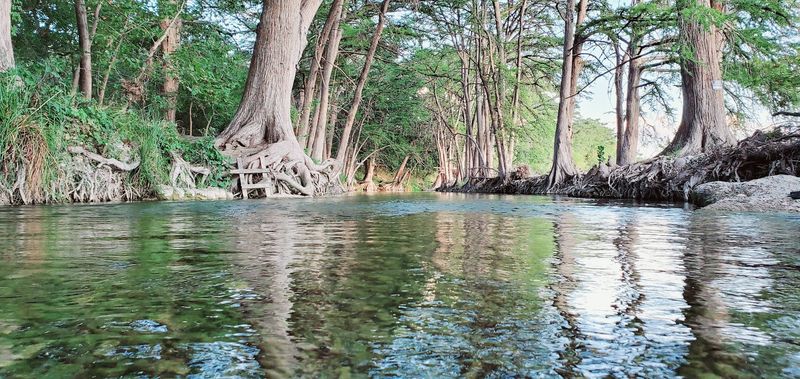
One of the defining images of the Frio River is the bald cypress trees that line its banks. Their roots grip the limestone riverbed, their knees jut up through the shallow water, and their canopy creates that green cathedral effect that shows up in every photograph of the area.
These trees are ancient, slow-growing, and genuinely irreplaceable on any human timescale.
Heavy recreational use of the river has begun to affect the regeneration of cypress trees in certain areas.
When thousands of people are wading, tubing, and climbing around root systems every summer weekend, the cumulative physical impact adds up in ways that are not immediately visible but become apparent over years and decades.
Young cypress seedlings need specific conditions to establish themselves, and those conditions are hard to maintain when the riverbank is constantly disturbed.
This is the kind of slow ecological damage that does not generate urgent headlines but represents a serious long-term threat to the character of the river itself.
Visitors who love the Frio River for exactly this reason, for those cathedral trees and dappled light, have a genuine stake in protecting what creates that experience.
Staying on designated paths, avoiding trampling root systems, and following any posted guidelines about where to enter and exit the river are small actions that matter.
The bald cypress trees of the Frio are not just scenery. They are the living architecture of the place, and their health is directly tied to how thoughtfully the river is used by the millions of people who come to enjoy it.
Visiting Concan Responsibly Is Still Very Much Worth It

After everything said about crowds, water shortages, and ecological strain, here is the honest truth. Concan is still one of the most beautiful places in Texas.
The Frio River on a quiet morning, with mist sitting on the water and the cypress trees catching the early light, is the kind of scene that stays with you for years. The Hill Country landscape surrounding the town is raw and gorgeous in a way that does not photograph perfectly but feels completely right in person.
The key is approaching the visit with intention.
Going during the shoulder season, staying at locally owned properties, eating at local spots, and treating the river and its surroundings with genuine care transforms your trip from one more drop in the tourist flood into something that actually benefits the place.
Concan does not need fewer people who love it. It needs people who love it the right way.
That means understanding the water situation and conserving accordingly. It means not trampling the riverbank vegetation or disturbing wildlife.
It means leaving the place cleaner than you found it and tipping well at the local businesses that are working hard to stay afloat through a genuinely difficult period. The tension between tourism and community wellbeing playing out in Concan is not unique to this town.
But this particular place, with its 200 stubborn year-round residents and its ancient cypress trees and its impossibly cold river, makes that tension feel especially personal. Visit thoughtfully, and you become part of the solution rather than the problem.
