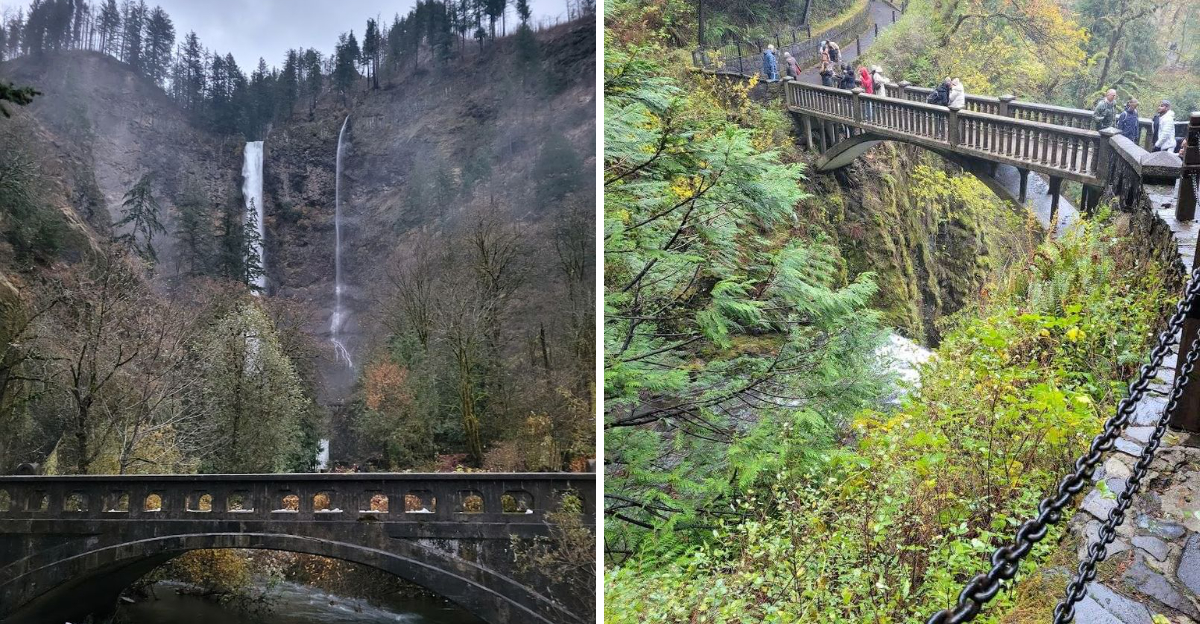
Everyone warned me: “It’s tourist-ruined beyond recognition.”. Naturally, I had to see for myself – and honestly, it’s kind of hilarious.
Once a quiet, charming Oregon spot, it now teems with selfie sticks, oversized cameras, and people moving at the speed of FOMO. I couldn’t help but laugh as I dodged umbrellas, oversized maps, and very enthusiastic tour groups.
Locals clearly remember the “good old days,” giving me sly winks like I’d stumbled into a secret history lesson. Even so, there’s something fun about experiencing the chaos firsthand – like reality TV meets small-town charm.
Leaving, I was torn between nostalgia for the past and appreciation for the wild, unpredictable energy that now defines it.
The Crowd Problem Nobody Warns You About
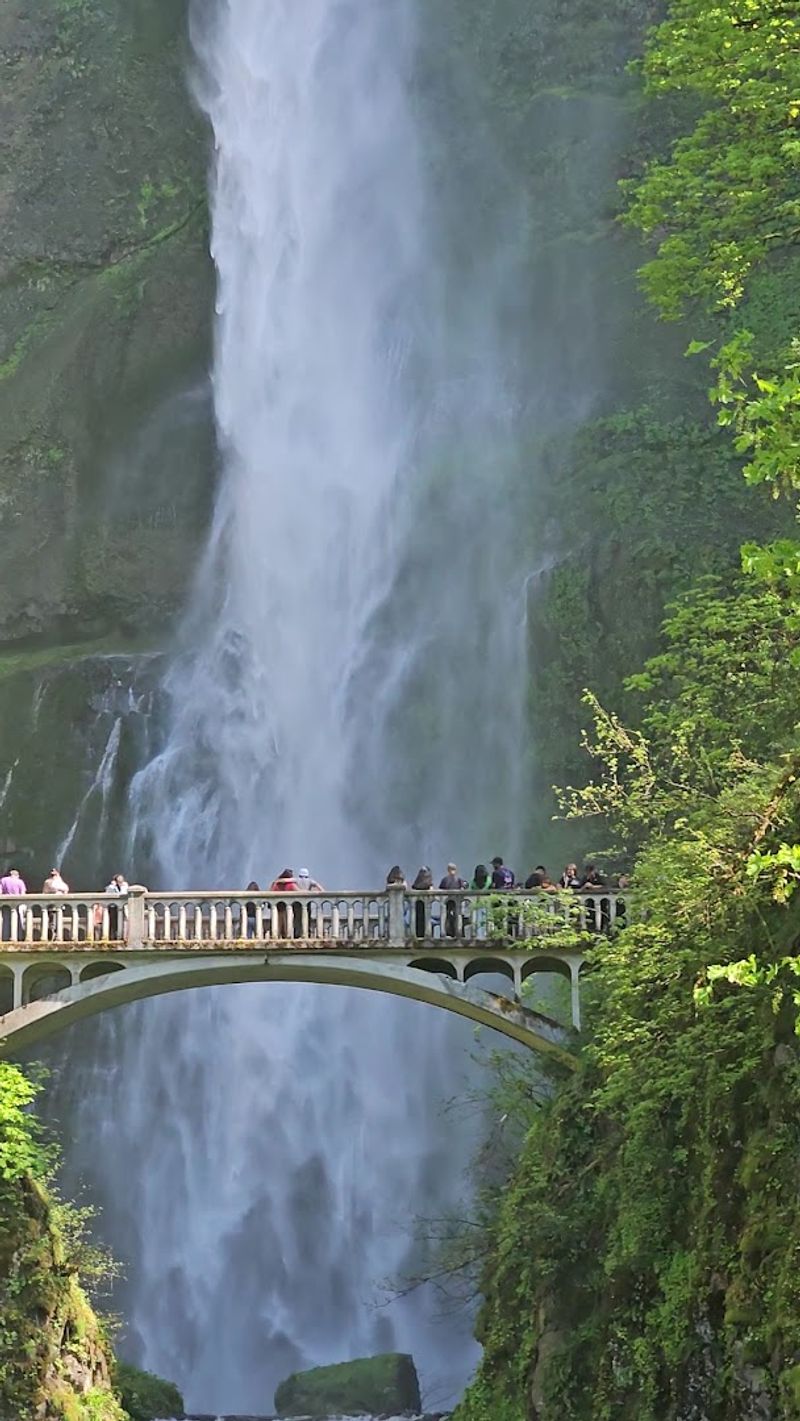
Arriving at Multnomah Falls on a Saturday morning felt like joining a slow-moving parade. The paved path from the parking area fills up fast, and by 11am, it is nearly shoulder to shoulder.
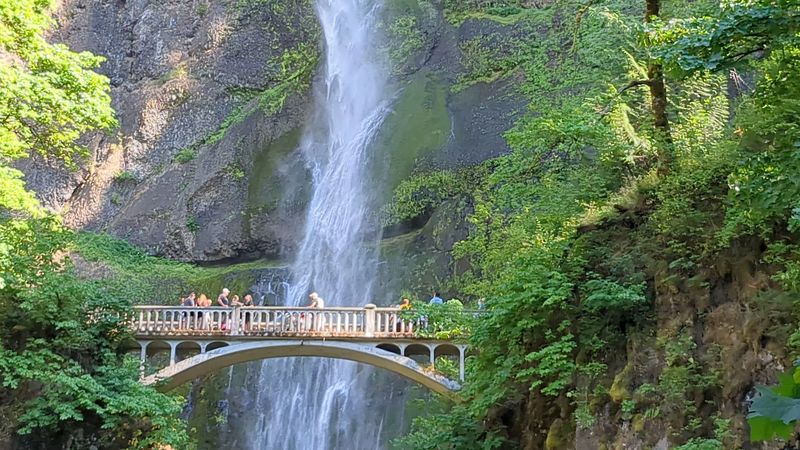
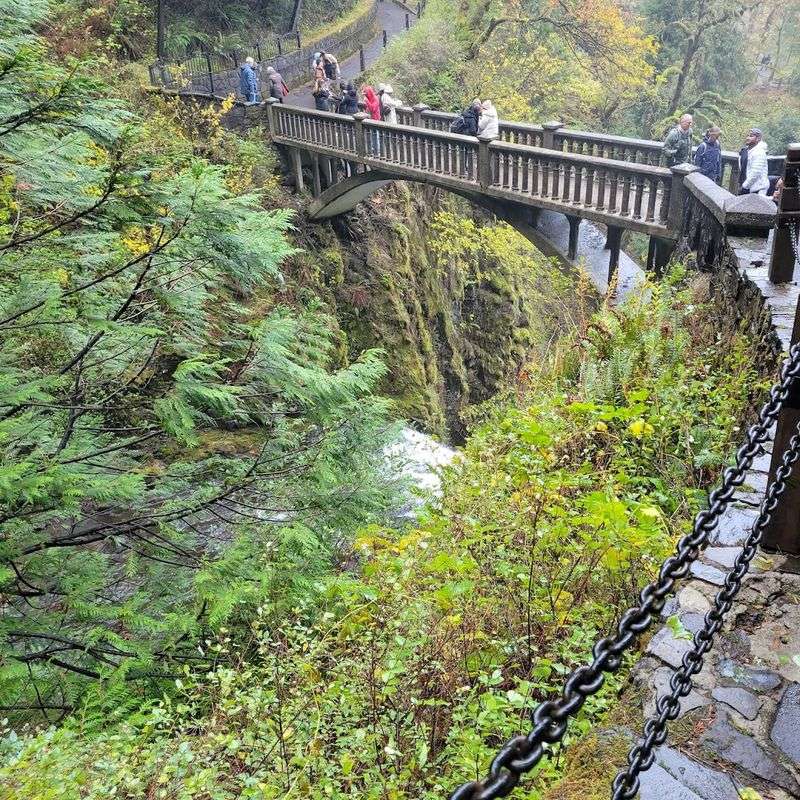
Visitors from all over the world funnel into a narrow corridor toward the iconic Benson Footbridge. The bridge itself becomes a photo-op bottleneck, with people waiting several minutes just to step onto it.
Getting here before 9am on weekends is the smartest move. The light is softer, the air is cooler, and you can actually hear the waterfall instead of the crowd.
Visiting during colder months is another solid option. Winter crowds thin out significantly, and the falls take on a moody, cinematic quality that summer simply cannot match.
The mist feels heavier, the forest looks darker, and the whole scene becomes almost otherworldly. Locals swear by off-season visits for a reason.
What 620 Feet of Falling Water Actually Feels Like
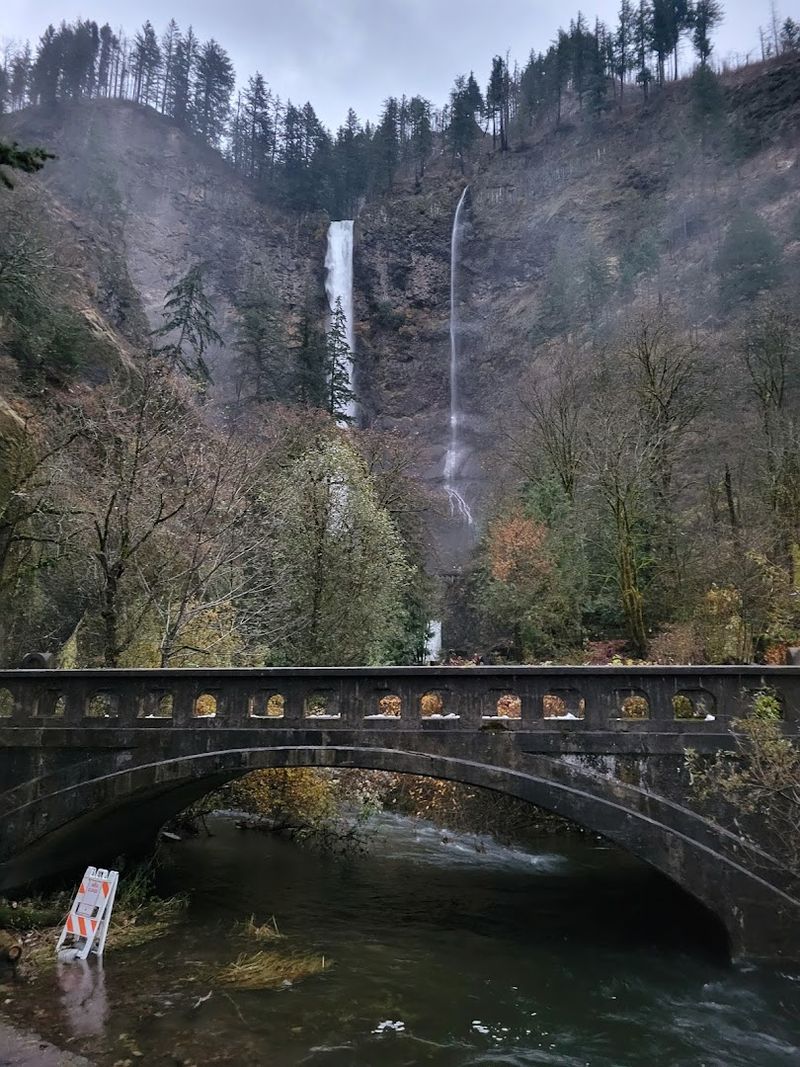
The sheer power of the falls is something photos simply cannot capture. Standing close to the base, the roar is constant and deep, almost like standing next to a running engine.
Water sprays outward in fine mist that coats your jacket, your hair, and your camera lens within seconds. The lower tier alone would be impressive on its own.
But then your eyes travel upward to the upper falls, and the scale hits you all over again.
After heavy rain, the volume of water increases dramatically. Seeing the falls after two days of Pacific Northwest rain is an entirely different experience.
The cascade becomes wilder, louder, and more forceful. The basalt cliffs behind the water turn dark and slick.
Everything feels alive in a way that sunny-day visits sometimes miss. Bringing a light rain jacket is genuinely useful here, not just for rain but for the constant mist that surrounds the base of the falls year-round.
The Benson Footbridge: Worth the Wait or Overhyped?
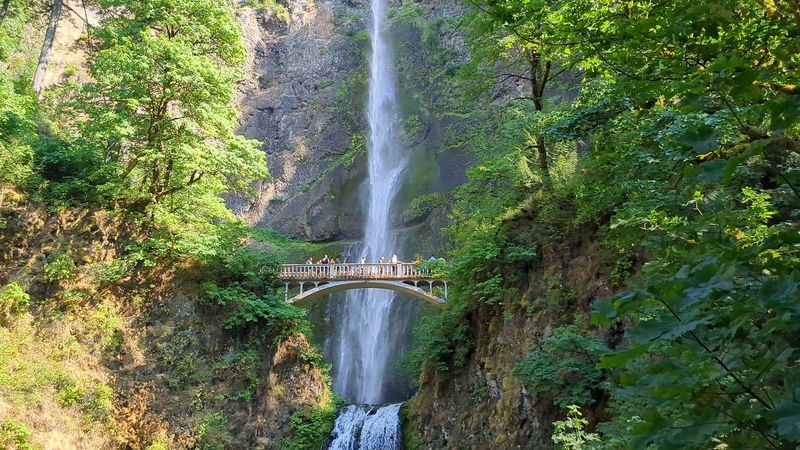
The Benson Footbridge is arguably the most photographed spot in all of Oregon. It sits between the upper and lower tiers of the falls, offering a front-row view of the upper cascade plunging downward just behind you.
Getting onto the bridge requires a short 0.2-mile walk from the base. The path is paved and accessible for most visitors.
On busy days, people form an informal queue to get their shot from the center of the bridge. Patience is absolutely required.
One thing that surprised me was how different the falls look from the bridge compared to the base. From below, the falls look tall and dramatic.
From the bridge, you can look down at the lower pool and feel the spray coming up from below. Both perspectives are worth experiencing.
Spending more than five minutes on the bridge during peak hours is genuinely inconsiderate to the line forming behind you, so take a few photos and keep moving.
Parking: The Battle Before the Beauty
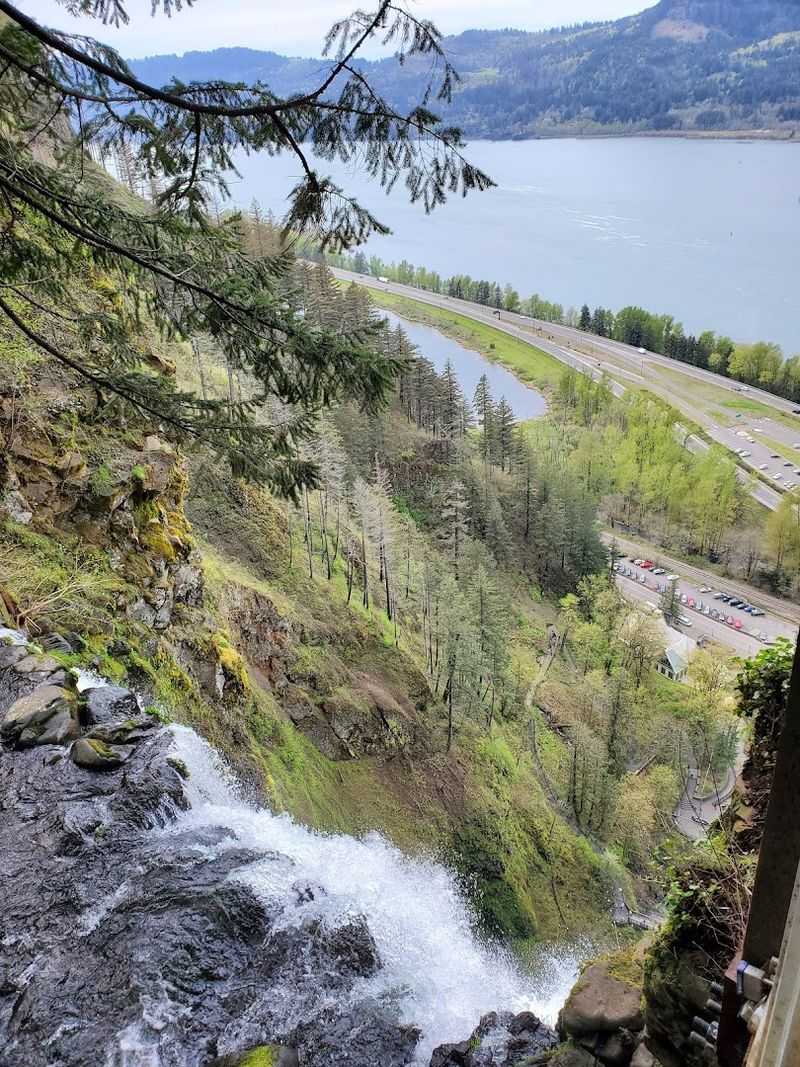
Finding a parking spot at Multnomah Falls is its own adventure, and not always a fun one. The small lot directly in front of the falls fills up within minutes on weekends.
A larger lot sits across Interstate 84, accessible through an underpass that leads directly to the trailhead. During Memorial Day through Labor Day, a parking permit is required.
Shuttle services operate during peak season as a practical alternative.
Getting dropped off is genuinely the easiest option if someone in your group is willing. Many visitors also take public transit from Portland using bus routes from Gateway Transit Center.
Taking the first morning bus gets you there before the crowds arrive. Arriving by 8am on weekends almost guarantees a smoother experience.
Locals stopped fighting for parking years ago. They either show up at dawn or skip summer weekends entirely, opting for quieter autumn mornings when the surrounding maples turn gold and the whole gorge smells like wet earth and pine.
The Hike to the Top: Harder Than It Looks
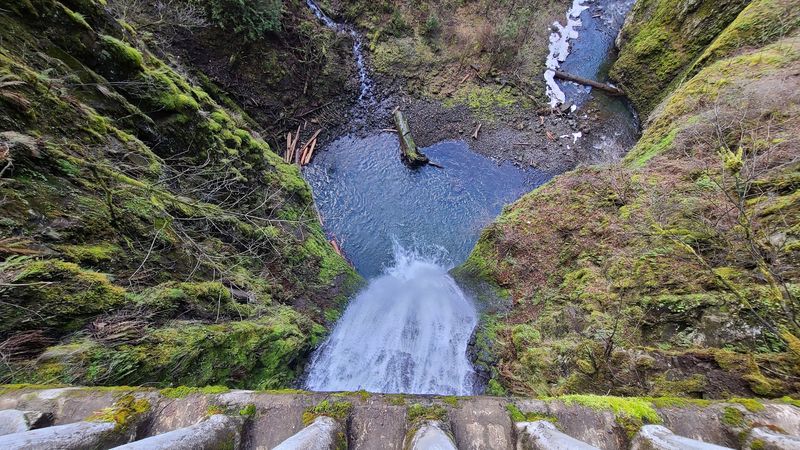
Most visitors stop at the bridge and call it a day. The ones who keep climbing discover something completely different waiting at the top of the falls.
Getting to the summit involves 11 switchbacks on a paved but steep trail. The incline is real.
Legs start burning around switchback five, and the trail gets slippery after rain. Good shoes with traction are not optional here.
Reaching the top reveals a flat rocky area where the river runs calm before its dramatic plunge. People wade in the shallow edges and sit on sun-warmed rocks.
The view looking out across the gorge is wide and quiet. It feels worlds away from the busy base below.
The full hike to the top covers about one mile one way. Ambitious hikers can continue further toward Larch Mountain, which stretches nearly seven miles upward.
Bringing plenty of water matters more than most people expect, especially on warmer days when the switchbacks feel relentless.
Multnomah Falls Lodge: History Hidden in Plain Sight
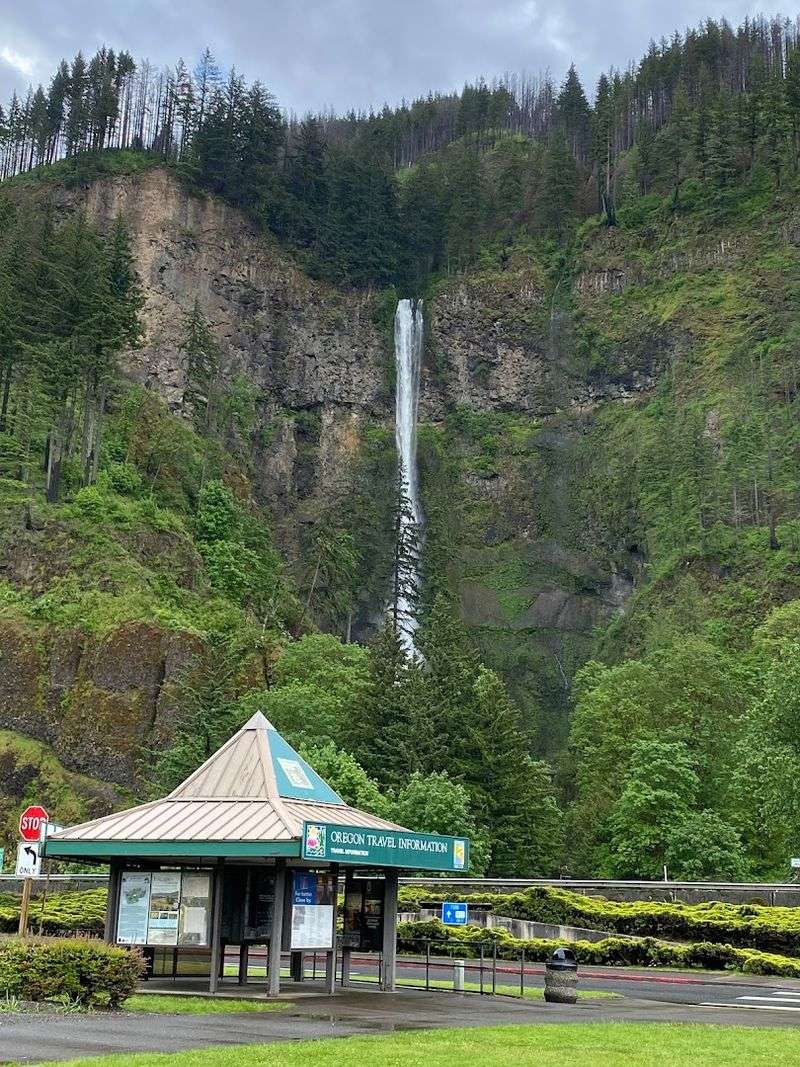
The lodge sitting at the base of the falls has been there since 1925. Built from local stone and timber, it blends into the landscape in a way that modern visitor centers rarely manage.
Inside, there is a restaurant serving full meals, a snack bar offering everything from hot dogs to milkshakes, and a gift shop stocked with Oregon-themed souvenirs. Restrooms are clean and well-maintained, which matters after a steep hike down.
The lodge does get busy during peak hours. Grabbing a coffee before starting the trail is a smart ritual.
The snack bar also serves hot cocoa, which hits differently on a cold, misty morning with the falls roaring just outside. Historically, the lodge was built to accommodate the growing number of visitors arriving via the Columbia River Highway.
It is one of the oldest remaining structures along that historic route. Sitting inside near the windows with a warm drink while rain taps the glass outside is genuinely one of the cozier experiences the gorge offers.
When to Actually Visit for the Best Experience
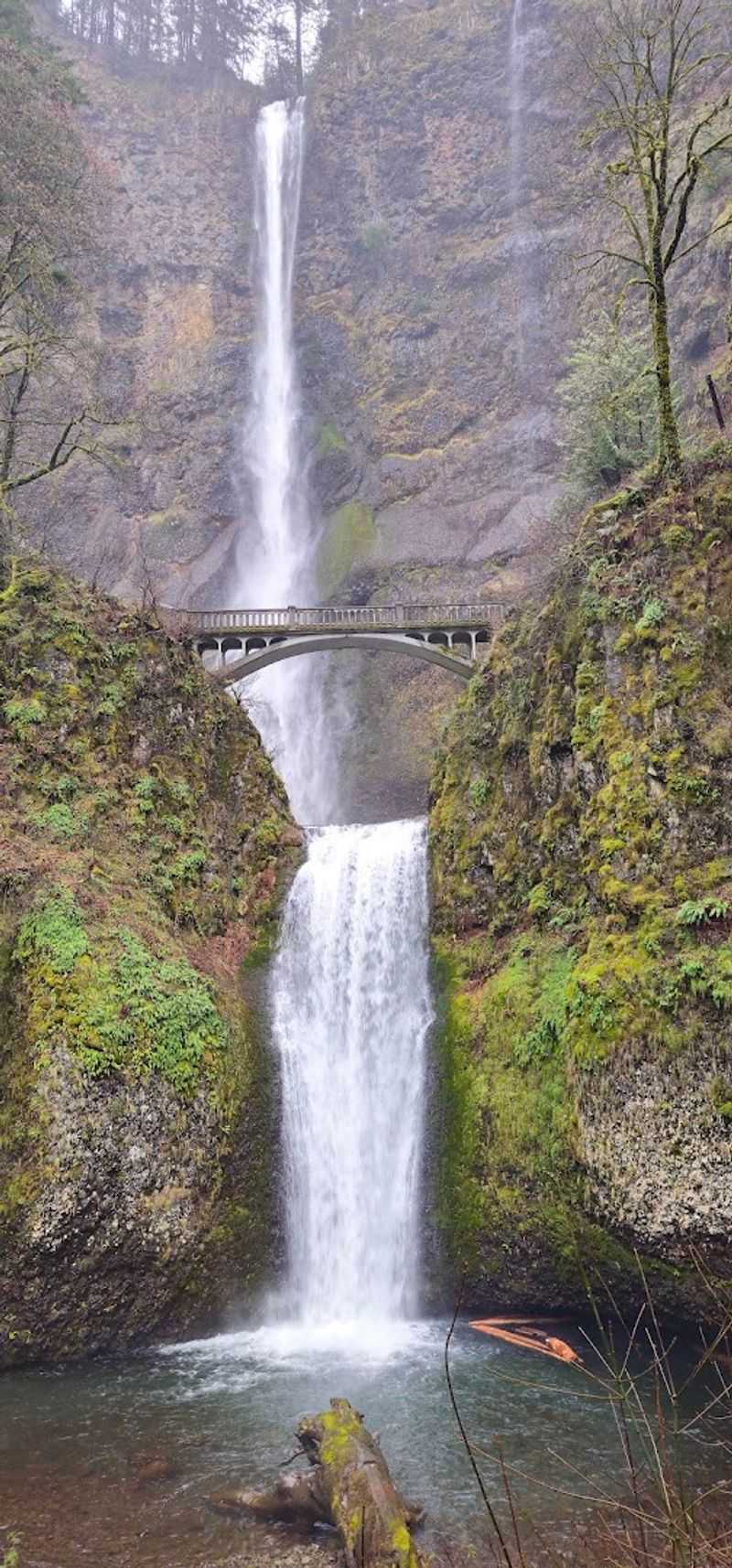
Timing a visit to Multnomah Falls makes an enormous difference in how the whole experience feels. Summer weekends are the most crowded and least peaceful times to go.
Autumn is quietly the best season. The surrounding forest shifts into warm oranges and deep reds, and the falls gain extra volume from fall rains.
Weekday mornings in October feel almost serene compared to July afternoons.
Winter visits carry their own rewards. Snow occasionally dusts the upper cliffs, and ice formations sometimes appear near the base.
Crowds shrink to a fraction of summer levels. Spring brings heavy snowmelt, which pushes water volume to its annual peak.
The falls roar loudest between March and May. Early arrivals before 9am during any season dramatically improve the experience.
The light is better for photos, the trail is less congested, and the sounds of the falls actually carry over the crowd noise. Checking weather forecasts before visiting helps avoid the worst of the unpredictable gorge conditions.
What Locals Actually Think About Their Famous Waterfall
Ask a Portland local about Multnomah Falls and the reaction is usually a complicated mix of pride and exhaustion. They love the place.
They just rarely go anymore.
Summer weekends have become synonymous with gridlock on Highway 84 and frustration at the trailhead. Many longtime residents shifted their waterfall habits to lesser-known spots deeper in the gorge years ago.
That said, even the most jaded locals will admit the falls are still genuinely stunning. The complaints are not really about the waterfall itself.
They are about the infrastructure struggling to handle millions of annual visitors. The shuttle system helps.
The permit requirement during summer has reduced some of the worst congestion. Going on a quiet Tuesday in November, the falls feel like something that belongs to Oregon again.
Mist hangs low over the trail. Hardly anyone is around.
The lodge is warm and half-empty. That version of Multnomah Falls is the one locals still quietly cherish when nobody is asking them about tourist traps.
The Columbia River Gorge Context That Changes Everything
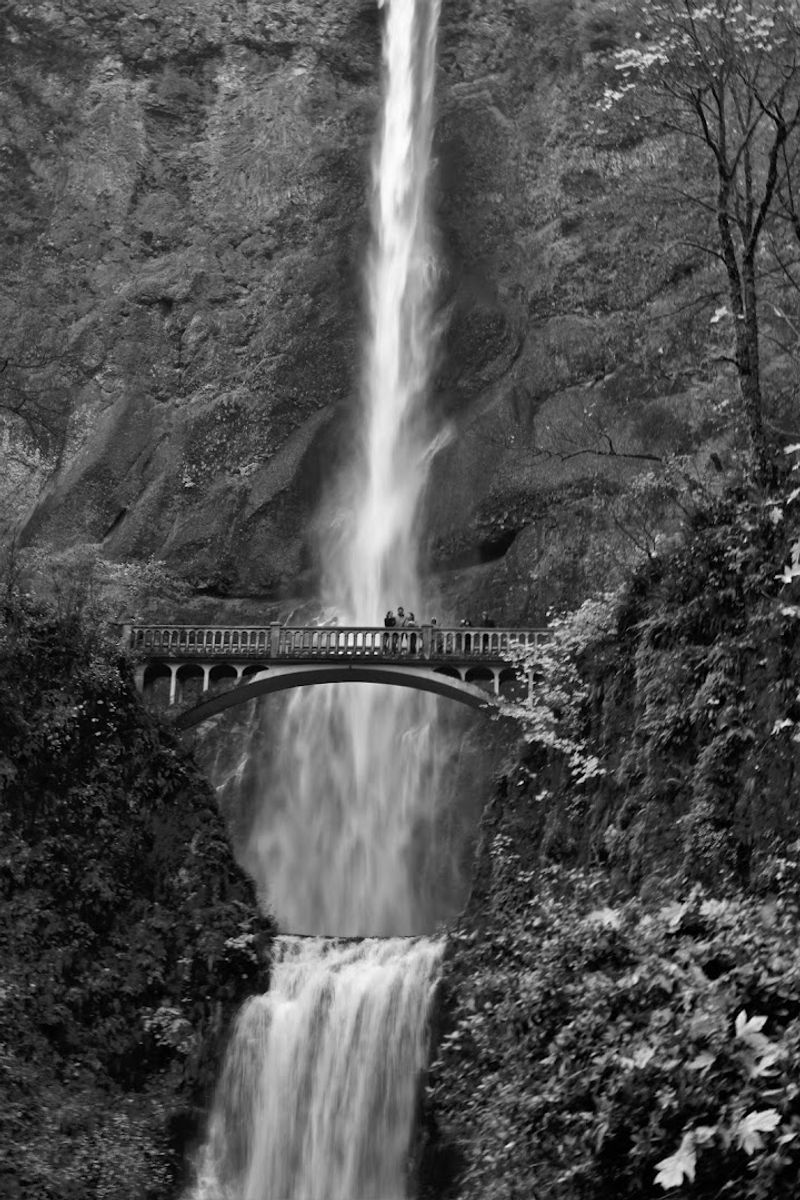
Multnomah Falls does not exist in isolation. It sits inside the Columbia River Gorge National Scenic Area, one of the most geologically dramatic landscapes in the entire country.
The gorge was carved by catastrophic Ice Age floods thousands of years ago. The basalt cliffs surrounding the falls are remnants of ancient lava flows.
Understanding that context makes the waterfall feel even more extraordinary than it already is.
Several other waterfalls line the Historic Columbia River Highway nearby. Latourell Falls, Bridal Veil Falls, and Horsetail Falls are all within a short drive and receive far fewer visitors.
Exploring those spots alongside Multnomah creates a fuller picture of what the gorge actually offers. The 5.5-mile loop trail that connects multiple waterfalls higher up the mountain is a local favorite for good reason.
It trades the crowded base area for quiet forest, smaller cascades, and views that most tourists never bother to find. The gorge rewards curiosity.
Tips That Actually Make the Visit Worth It
Going to Multnomah Falls without a small amount of preparation leads to frustration. A few simple habits separate a great visit from a stressful one.
Wearing shoes with real grip matters from the moment you step out of the car. The paved trail near the base gets slick from constant mist.
The upper switchbacks are wet even on dry days. Bringing a light waterproof layer keeps the mist from soaking through within the first ten minutes.
Carrying water is more important than it seems. The hike to the top is short in distance but steep enough to work up a real sweat.
The snack bar at the lodge provides food and drinks before or after the trail, which is genuinely convenient. Checking the permit and shuttle schedule before arriving in summer prevents unnecessary surprises at the entrance.
Dogs are allowed on the trail, which is a welcome detail for visitors traveling with pets. Arriving with realistic expectations and a little flexibility makes the whole experience significantly more enjoyable.
Dear Reader: This page may contain affiliate links which may earn a commission if you click through and make a purchase. Our independent journalism is not influenced by any advertiser or commercial initiative unless it is clearly marked as sponsored content. As travel products change, please be sure to reconfirm all details and stay up to date with current events to ensure a safe and successful trip.
