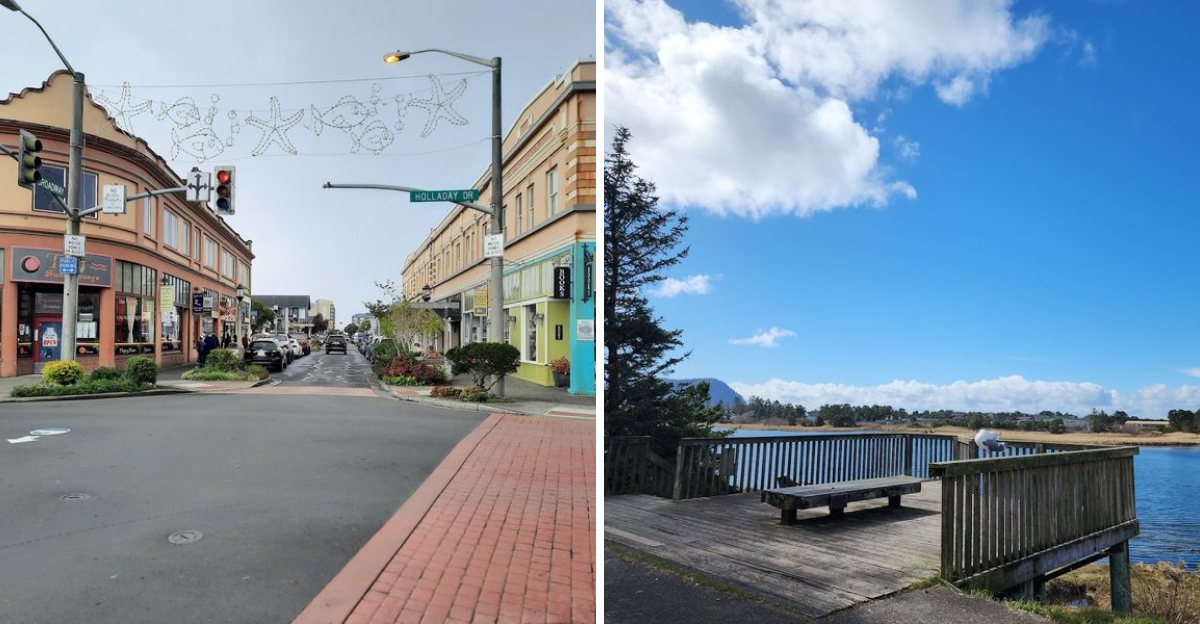
I spent a weekend in an Oregon town that used to feel like a secret retreat, only to find it now packed with tour buses and endless “must-see” signs. The locals I met were quick to share their disappointment – what was once a peaceful community feels like a theme park for visitors.
I could still catch glimpses of the old character in a tucked-away bakery or a quiet river walk, but they’re hard to find amid the hype. It’s a bittersweet reminder of how quickly a place can lose its soul when it becomes a hotspot.
If you’ve ever wondered what happens when a beloved town gets overrun, this is the story that might make you pause before your next Instagram stop.
The Broadway Street Chaos That Never Seems to End
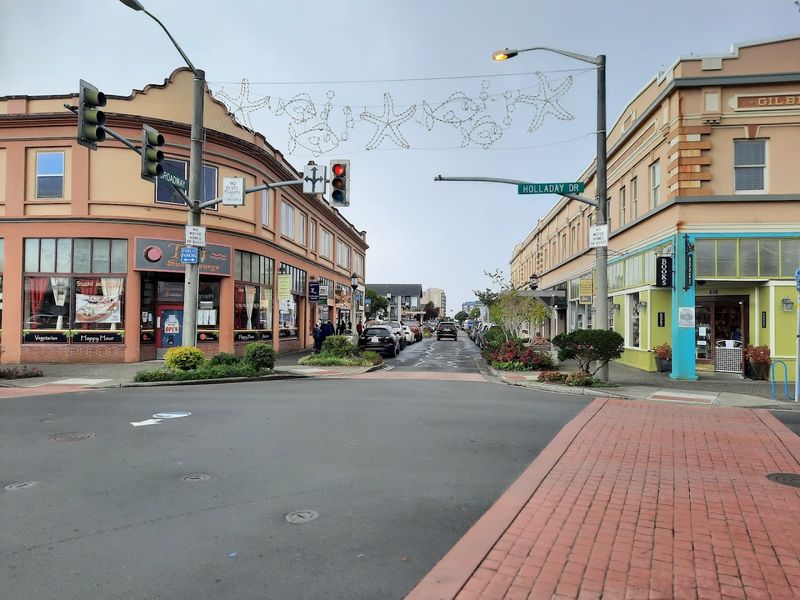
Broadway Street was once the kind of place where you could stroll slowly and actually hear the ocean. Now it feels more like a theme park midway than a small coastal town main drag.
The shops have multiplied, the noise has grown louder, and the foot traffic on peak weekends is genuinely overwhelming.
Long-time residents talk about how the street used to have a rhythm to it, a mix of local businesses and familiar faces. That mix has shifted toward souvenir shops, fried food stands, and novelty arcades that cater almost entirely to visitors passing through.
The original character of the street has slowly faded under the weight of commercial tourism.
Walking Broadway today still has its moments, especially early in the morning before the crowds arrive. The architecture still carries hints of the old resort town charm.
But by midday on a holiday weekend, the sensory overload is real, and most locals simply avoid the area altogether from June through August.
Parking Has Become a Full-Time Headache
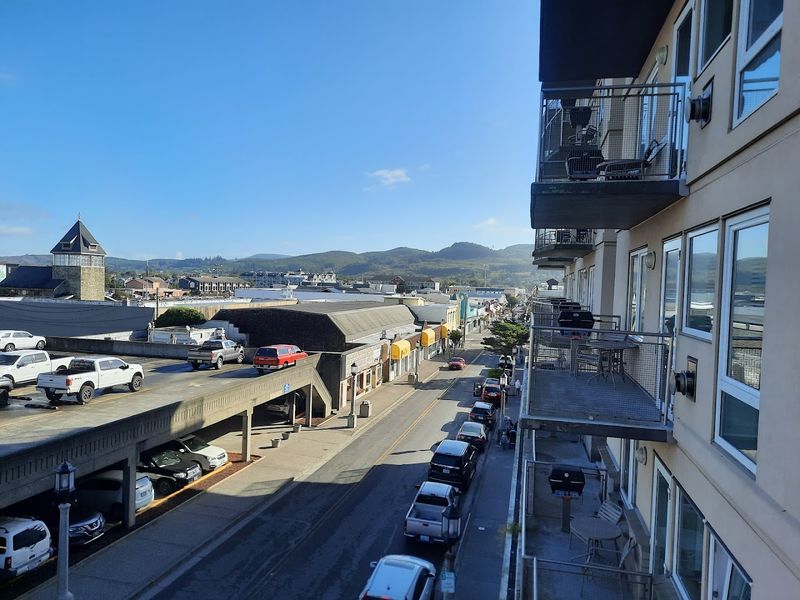
Ask any local what they dislike most about modern Seaside and parking comes up within the first thirty seconds. The city was not designed to handle the volume of vehicles that pour in during summer weekends and holiday stretches.
Streets that used to have open spots now require circling for twenty minutes just to find something three blocks from where you actually want to be.
The turnaround area near the beach is especially bad. Cars creep along Holladay Drive looking for any available space while frustrated drivers honk and pedestrians dodge between bumpers.
It creates a tension in the air that feels completely out of place for a beach town.
City officials have tried various solutions over the years, including paid parking zones and expanded lots. Progress has been slow, though.
Locals who used to pop down to the beach for a quick afternoon swim now plan around traffic patterns or skip the trip entirely. The ease that once defined life here has quietly disappeared behind a wall of windshields.
The Promenade Still Has Soul, Just Less Space for It
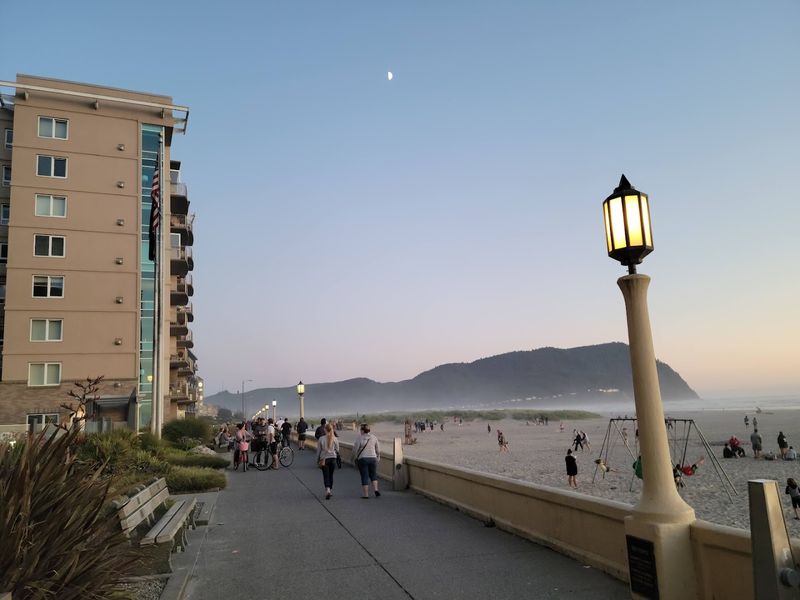
The Seaside Promenade, known locally as the Prom, is one of the most genuinely beautiful stretches of walkway on the Oregon coast. Built in the 1920s, it runs for about 1.5 miles along the beachfront and offers uninterrupted views of the Pacific.
On a quiet morning, it still delivers that rare feeling of being small in the best possible way.
The problem is that quiet mornings are getting harder to find. Rental bikes, electric scooters, and strollers now compete for the same narrow path that used to be a peaceful walking route.
Locals who once used the Prom for their daily exercise now time their visits carefully to avoid the peak afternoon rush.
There is still something undeniably special about the Prom, and even long-time residents admit that. The sound of the surf, the salt in the air, the way the light hits the water on a clear afternoon.
It has not lost its magic entirely. But it has lost some of the breathing room that once made it feel like it belonged to everyone equally.
Local Businesses Are Slowly Getting Squeezed Out
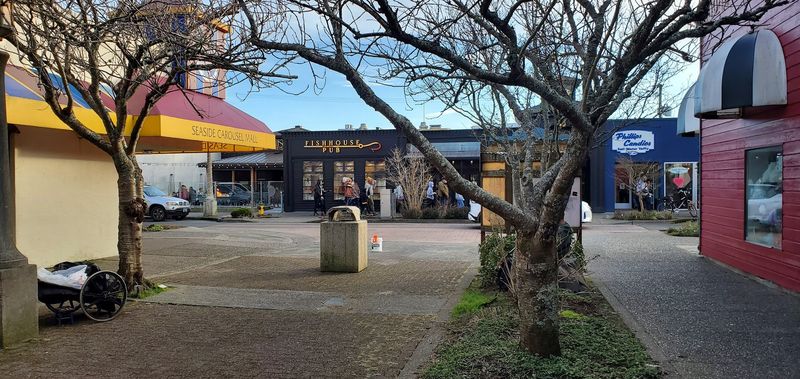
There is a particular sadness in watching a town you love slowly lose the places that made it feel like home. Long-time Seaside residents have watched locally owned shops, diners, and service businesses close or relocate as rents rise and tourist-focused retail moves in.
The economic pressure is real and it is reshaping the personality of the whole downtown area.
A hardware store that served the community for decades gets replaced by a candy shop. A family-run breakfast spot gives way to a chain restaurant with a branded menu and no local story behind it.
Each individual change might seem small, but together they add up to something significant.
The businesses that remain locally owned deserve real appreciation and support. Places like small bookshops, independent galleries, and family-run seafood spots are still holding on, and they are worth seeking out specifically.
Spending money intentionally at locally owned spots is one of the most meaningful things a visitor can do. It keeps the authentic version of Seaside alive just a little bit longer.
Ecola State Park Offers the Escape Locals Still Treasure
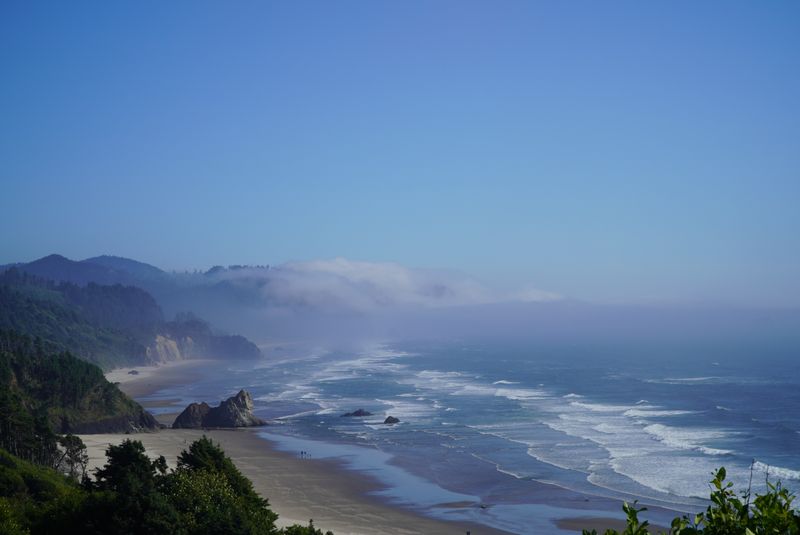
Just south of the main Seaside bustle, Ecola State Park feels like a completely different world. The park sits at the top of Tillamook Head and offers some of the most breathtaking coastal scenery in all of Oregon.
Forested trails wind through old-growth Sitka spruce, and viewpoints open up over rugged cliffs dropping straight into the Pacific.
Locals have long used Ecola as their retreat from the noise of the tourist season. The trails are more demanding than a beach boardwalk stroll, which naturally keeps the casual crowds a bit thinner.
On a weekday morning, you can walk through the park and feel genuinely alone with the landscape in a way that Broadway Street simply cannot offer anymore.
The view of Tillamook Rock Lighthouse from the park bluffs is one of those sights that stops you mid-step. The lighthouse sits about a mile offshore on a rocky outcrop, weathered and dramatic against the open ocean.
Ecola State Park is located off US-101 south of Seaside, and it remains one of the most rewarding places the whole area has to offer.
The Seaside Aquarium Quietly Holds Its Own
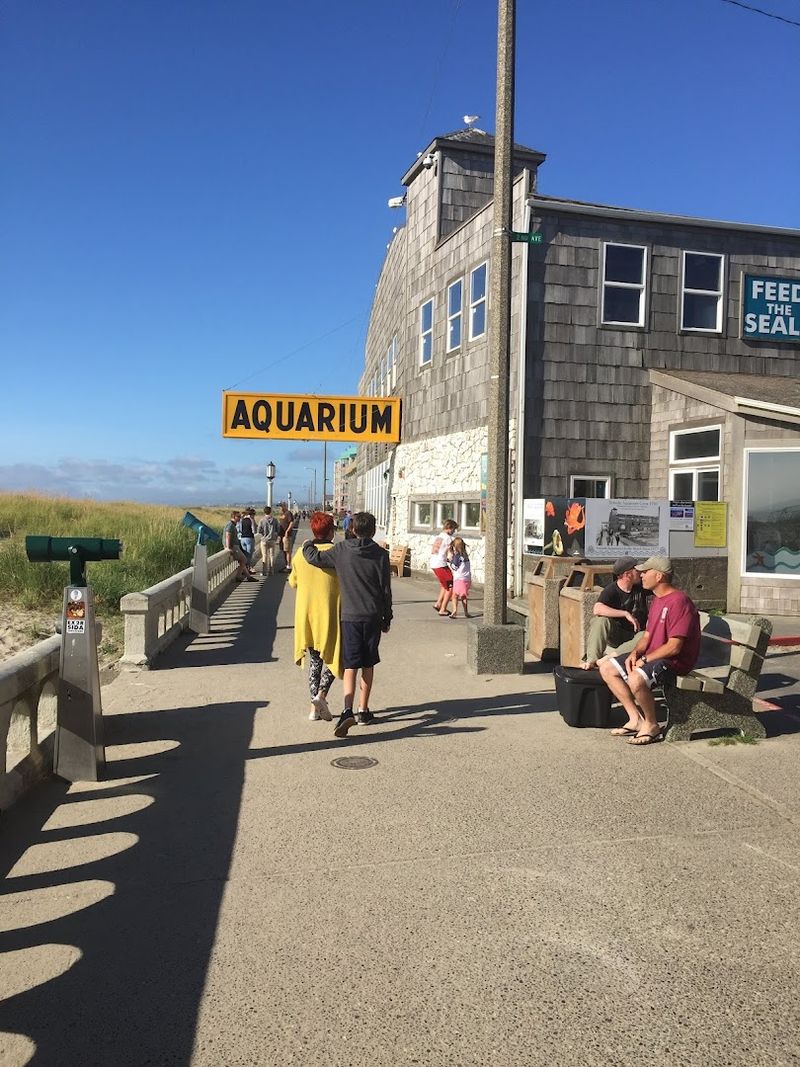
Right on the Prom at 200 N Promenade, the Seaside Aquarium has been around since 1937, making it one of the oldest aquariums on the West Coast. It is small, slightly old-fashioned, and completely charming in a way that bigger modern aquariums simply are not.
The touch tanks let you get up close with tide pool creatures, and the harbor seal exhibit draws genuine smiles from visitors of every age.
What makes the aquarium special is that it has not tried to become something it is not. It still feels like a place that belongs to the town rather than a polished tourist attraction imported from somewhere else.
The seals bark and splash with the kind of personality that you cannot manufacture.
Locals actually recommend the aquarium to visitors because it represents the kind of Seaside experience worth having. It is manageable in size, genuinely educational, and rooted in the local coastal ecosystem.
For families traveling with kids, it is one of the most memorable stops on the whole Oregon coast without feeling overwhelming or exhausting.
Housing Costs Are Pushing Long-Time Residents Out
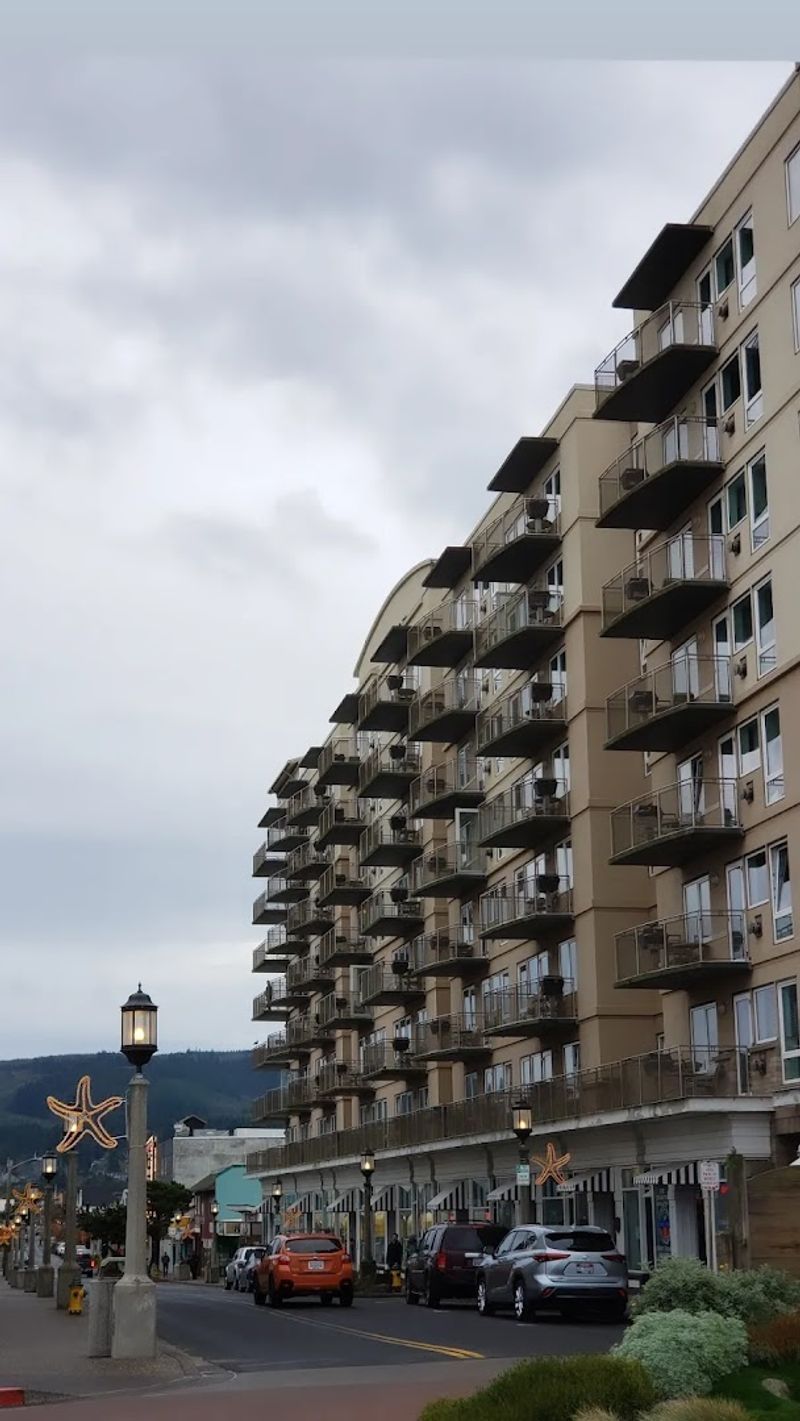
The tourism boom in Seaside has brought money into the local economy, but it has also created a housing crisis that is quietly devastating the community. Short-term vacation rentals have taken thousands of units off the long-term rental market, driving up costs for the people who actually live and work in town year-round.
The numbers are difficult for working families.
Teachers, restaurant workers, retail employees, and service providers are finding it nearly impossible to afford housing close to where they work. Some commute from neighboring towns like Astoria or Cannon Beach, spending significant time and money just getting to their jobs each day.
The social fabric of the community frays a little more with each family that moves away.
This is not a problem unique to Seaside, but it hits especially hard in a small town where everyone used to know their neighbors. The character of a place is built by the people who live there daily, not by those passing through.
When locals cannot afford to stay, the soul of the town goes with them, quietly and without much fanfare.
The Necanicum River Estuary Is a Wildlife Gem Worth Knowing
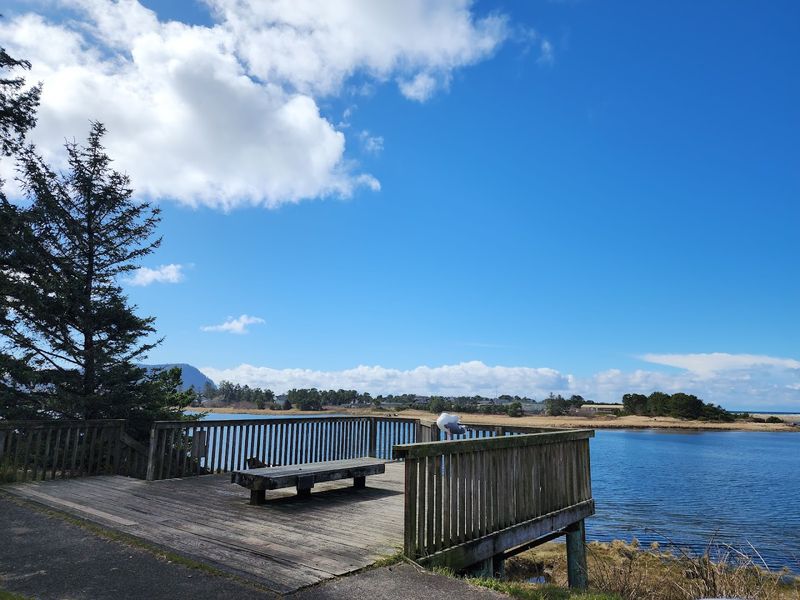
Most tourists never make it to the Necanicum River estuary, and that is honestly fine with the locals who love it. The estuary runs through the eastern edge of town and supports a remarkable amount of wildlife, including bald eagles that perch in the riverside trees with casual confidence.
Watching a bald eagle sit still above a calm stretch of river while the rest of the town buzzes with activity feels almost surreal.
Migrating gray whales pass offshore during spring and fall, and the estuary provides important habitat for shorebirds, herons, and a variety of fish species. It is the kind of natural feature that anchors a community to its landscape in a way that no amount of tourism development can replicate or replace.
Bringing a pair of binoculars and spending an hour at the estuary is one of the most rewarding low-key activities the Seaside area offers. It requires no admission fee and no reservation.
You just show up, slow down, and pay attention. That simplicity is exactly what many visitors, and locals, are quietly craving more of.
Off-Season Seaside Is a Completely Different Town
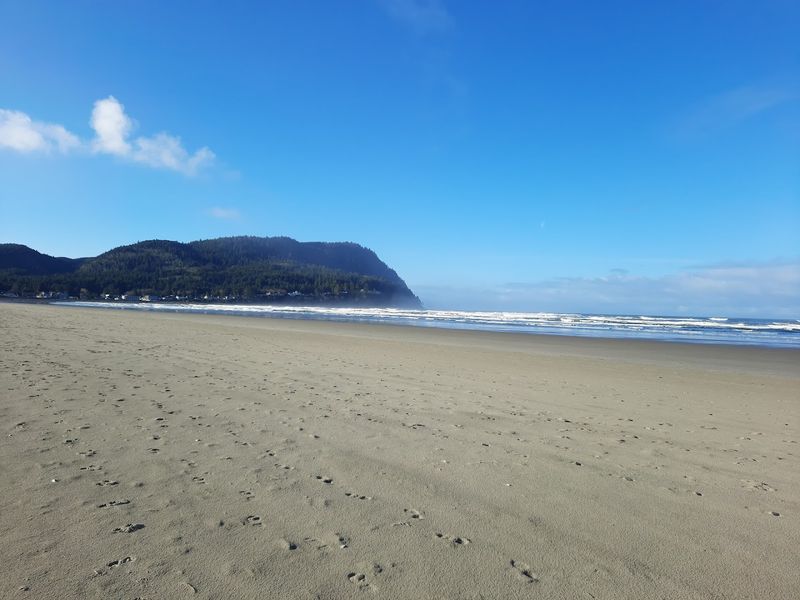
Come to Seaside in November and you will wonder if you traveled to a different place entirely. The parking lots are empty.
The Prom stretches ahead with barely a soul on it. The sound of the ocean finally fills the air without competing with crowds, engines, or overamplified music from open storefronts.
Off-season Seaside is the version that locals actually live in and love. The restaurants are easier to get into, the beach feels vast and personal, and the town operates at a pace that feels natural rather than forced.
The winter storms that roll in off the Pacific are genuinely spectacular, sending huge waves crashing against the shore while you watch from a warm coffee shop window.
Visitors who make the trip between October and April often say it completely changes how they think about the Oregon coast. The light is different, softer and more dramatic at the same time.
The experience feels earned in a way that a packed summer weekend simply cannot match. If you want to understand what locals are mourning, visit in the off-season and you will see it clearly.
What Seaside Still Gets Right and Why It Matters
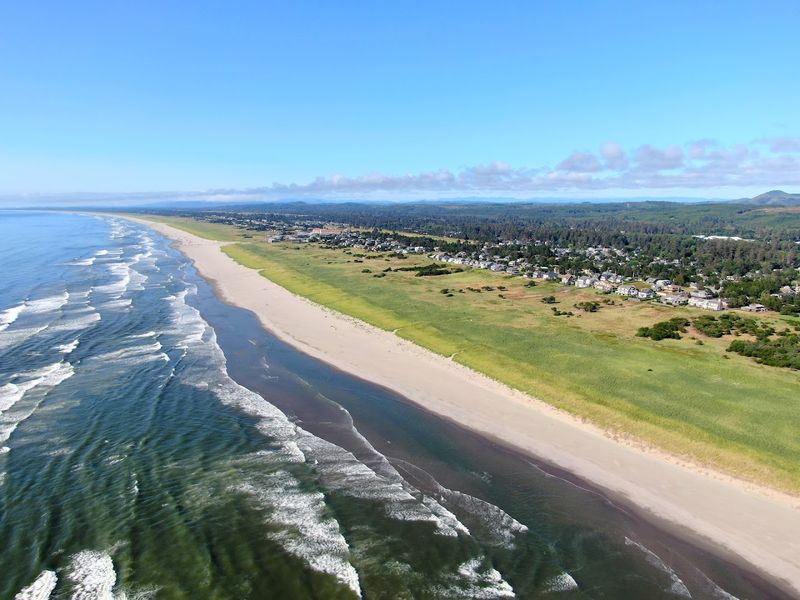
For all the frustration that locals express about overtourism, Seaside has not lost everything that made it worth caring about. The beach itself is still wild and wide and completely free to access.
The waves still draw surfers to consistent breaks near the turnaround. The surrounding landscape of coastal forest, headlands, and estuaries remains as stunning as it ever was.
The town still has community events, a functioning downtown, and people who genuinely care about where they live. The Seaside Civic and Convention Center hosts local gatherings, the farmers market brings neighbors together, and the volunteer spirit of the community shows up in unexpected ways throughout the year.
The conversation about what Seaside is becoming is actually a healthy one. Towns that stop questioning their own direction tend to drift further and faster.
Locals raising their voices about traffic, housing, and the loss of authentic character are doing the town a favor, even if it is uncomfortable. Seaside is still worth visiting, worth protecting, and worth paying attention to as a place that is actively figuring out who it wants to be.
Dear Reader: This page may contain affiliate links which may earn a commission if you click through and make a purchase. Our independent journalism is not influenced by any advertiser or commercial initiative unless it is clearly marked as sponsored content. As travel products change, please be sure to reconfirm all details and stay up to date with current events to ensure a safe and successful trip.
