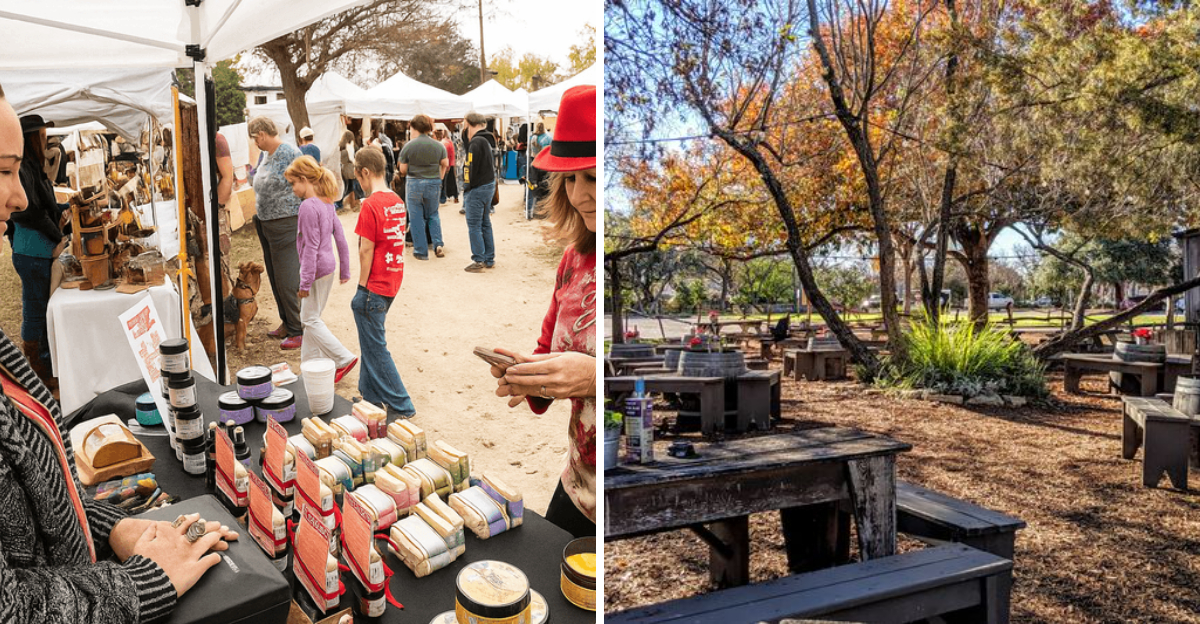
Gruene still looks like the kind of place you expect to stumble upon in a postcard. Weathered buildings, the Guadalupe River nearby, live music floating through the air.
On the surface, it checks every box for a perfect Hill Country stop. I remember when walking its streets felt relaxed, almost unplanned, like time slowed down the moment you arrived.
These days, that feeling is harder to find. The narrow roads stay packed, sidewalks overflow on weekends, and the quiet charm that once defined the place gets buried under crowds and traffic.
I get why people love Gruene. I really do.
But standing there now, it is hard not to feel like something has shifted. What was once a peaceful step into Old Texas has turned into a full-blown tourist destination, and it leaves me wondering whether a place can be adored so much that it slowly loses what made it special in the first place.
Gruene Hall Lost Its Honky-Tonk Soul
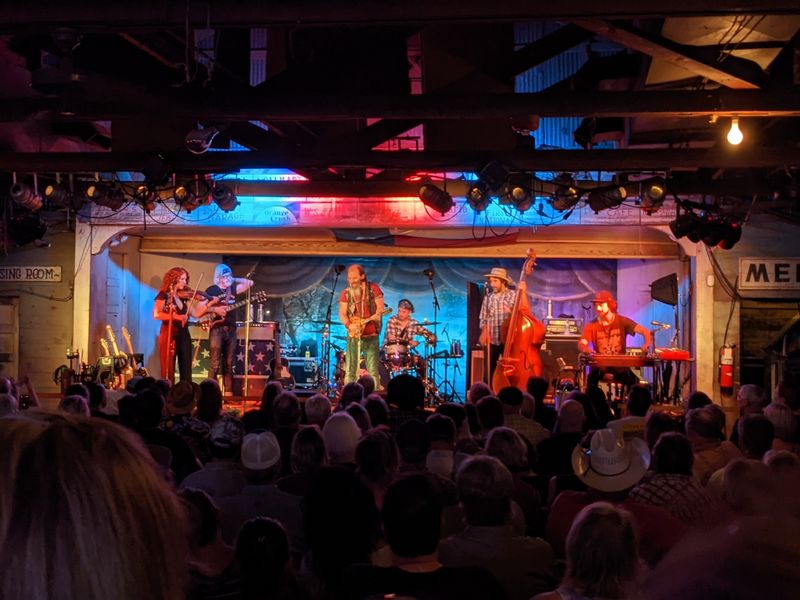
Built in 1878, Gruene Hall holds the title of the oldest continuously operating dance hall in Texas, and for generations it served as the beating heart of this riverside community.
Locals would gather on weekends to dance, socialize, and enjoy live country music in an authentic, no-frills setting that felt like stepping into a different era.
The wooden floor bore the scuff marks of countless boots, and the walls were lined with old posters and memorabilia that told the story of Texas music history.
Nowadays, the hall is packed wall-to-wall with tourists snapping selfies and treating the venue more like a photo opportunity than a living piece of culture. The intimate, community-centered vibe has been replaced by long lines, expensive cover charges, and crowds that often talk over the performers.
Many longtime patrons complain that the music has shifted to cater to out-of-towners rather than honoring the traditional honky-tonk roots that made Gruene Hall legendary in the first place.
What was once a sacred space for Texas music lovers now feels more like a themed attraction, and that transformation stings for those who remember the hall in its glory days.
The magic is still there in the architecture, but the spirit has been diluted by sheer volume and commercialization.
Traffic Jams on Hunter Road
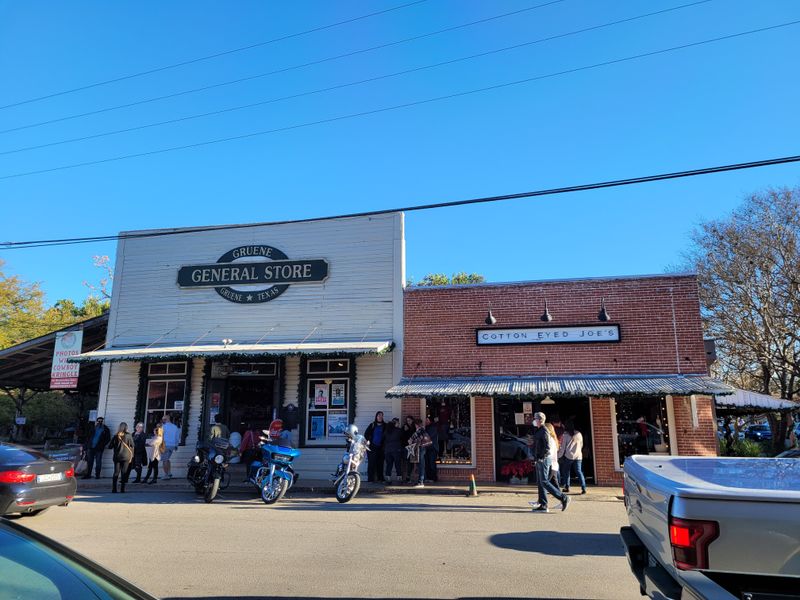
Hunter Road, the main artery leading into Gruene, was once a peaceful two-lane country road where you might encounter a tractor or a family of deer more often than another car.
Residents could zip into town for errands or a meal without a second thought, enjoying the scenic drive through oak-shaded stretches and open fields.
The road itself felt like part of the charm, a gentle introduction to the slower pace of life that Gruene represented.
Today, Hunter Road is a bottleneck of frustration, especially on weekends and during peak tourist season. Bumper-to-bumper traffic stretches for miles as visitors pour in from San Antonio, Austin, and beyond, all vying for a taste of small-town Texas.
Parking lots overflow, and drivers circle endlessly looking for a spot, creating gridlock that can turn a five-minute drive into a half-hour ordeal. Locals who live nearby often avoid the area entirely on Saturdays and Sundays, rerouting their lives around the tourist invasion.
The once-charming road now serves as a stark reminder of how popularity can strangle the very qualities that made a place special to begin with, leaving residents feeling like strangers in their own neighborhood.
Guadalupe River Tubing Turned Into a Circus
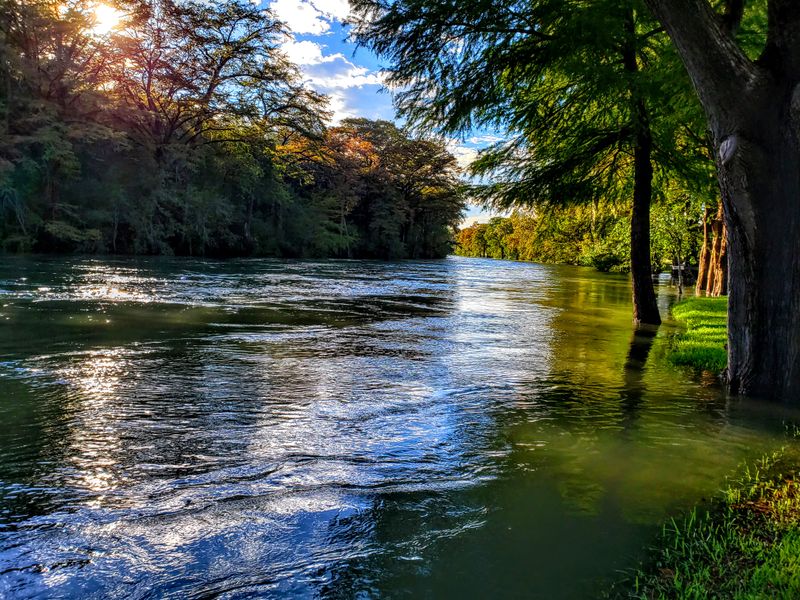
Floating down the Guadalupe River used to be one of the most peaceful and rejuvenating experiences you could have in Central Texas, with clear water, shady cypress trees, and the occasional splash of a jumping fish.
Families would pack a simple picnic, rent a tube, and spend a lazy afternoon drifting along, soaking up the sun and the serenity.
The river was a shared treasure, respected and enjoyed by those who understood the value of preserving its natural beauty.
Fast forward to today, and the Guadalupe has become an overcrowded party scene, especially during summer weekends when thousands of tubers descend on Gruene. The riverbanks are littered with trash, the water is crowded with rowdy groups, and the tranquil atmosphere has been replaced by noise and chaos.
Outfitters have multiplied, and the competition for business has led to aggressive marketing and overuse of the resource. Many locals avoid tubing season altogether, mourning the loss of a beloved pastime that has been transformed into a commercialized free-for-all.
Environmental concerns have also risen, as the sheer volume of visitors puts stress on the river ecosystem, threatening the very beauty that drew people here in the first place.
Boutique Shops Replaced Local Character
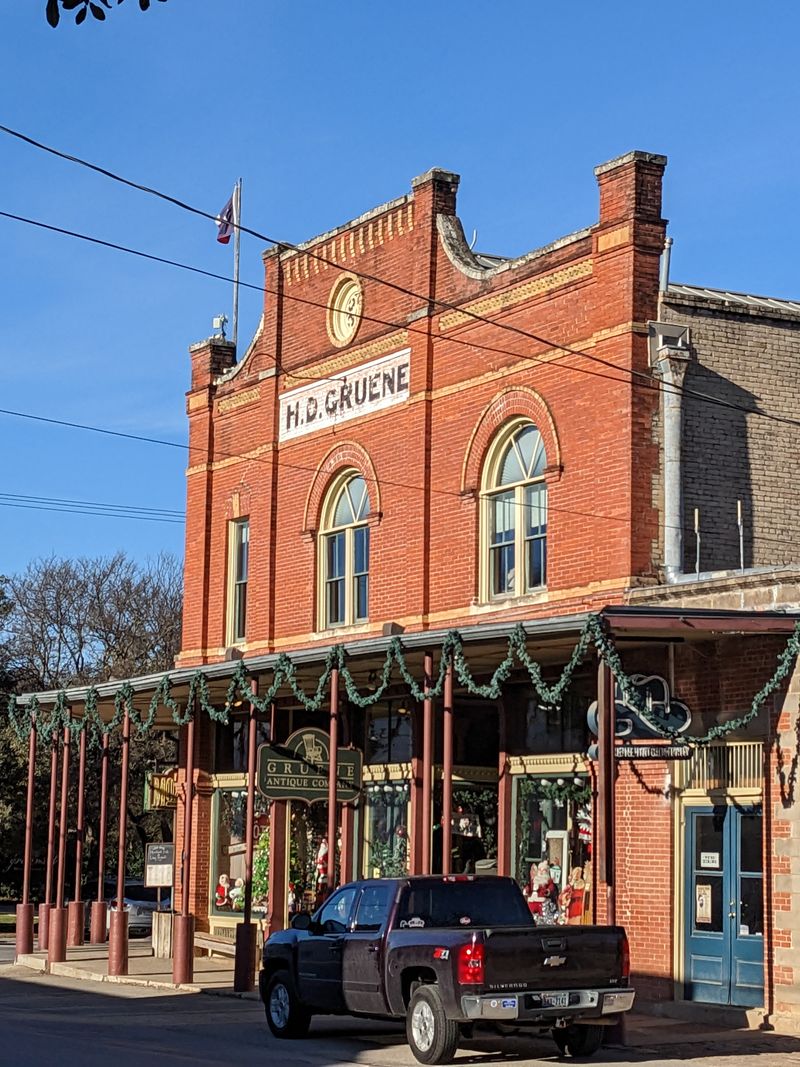
Gruene’s historic downtown once featured a charming mix of mom-and-pop shops, local artisans, and quirky stores that reflected the personality and history of the community. You could find handmade crafts, vintage goods, and one-of-a-kind treasures that told the story of the area and its people.
Shop owners knew their customers by name, and browsing felt like a personal experience rather than a transaction.
Now, the storefronts are dominated by cookie-cutter boutiques selling mass-produced souvenirs, overpriced home decor, and generic gifts that could be found in any tourist town across America.
The unique character that once defined Gruene’s shopping scene has been homogenized to appeal to the broadest possible audience, sacrificing authenticity for profitability.
Local artisans have been priced out by rising rents, and the shops that remain cater almost exclusively to visitors looking for a quick memento rather than a meaningful connection to the place.
Walking through downtown now feels less like exploring a historic community and more like wandering through a themed shopping mall.
The charm is manufactured, the goods are impersonal, and the soul of Gruene’s retail scene has been lost in the shuffle of commercialization.
Gristmill Restaurant Became Impossible to Enjoy
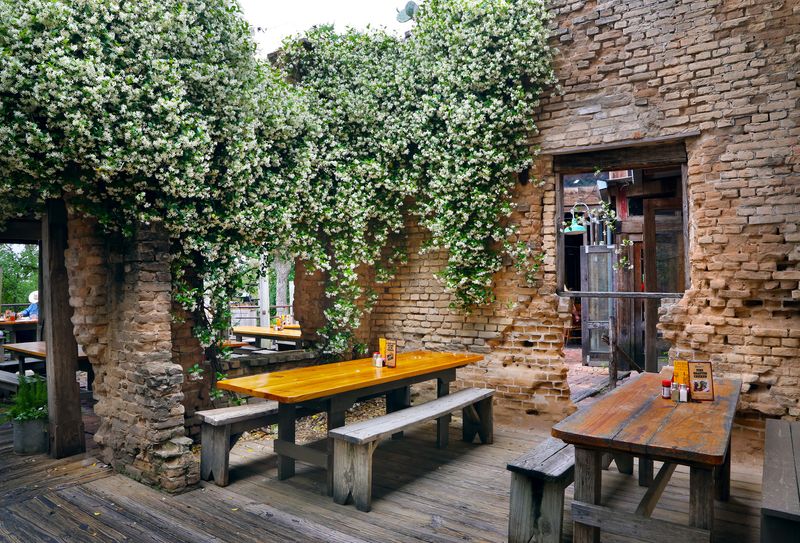
Perched on the banks of the Guadalupe River at 1287 Gruene Road, New Braunfels, TX 78130, the Gristmill Restaurant occupies a beautifully restored 1878 cotton gin and offers stunning views of the water below.
For years, it was a favorite spot for locals to enjoy a casual meal, celebrate special occasions, or simply relax on the outdoor deck while watching the river flow by.
The food was hearty, the atmosphere was laid-back, and the setting was unbeatable.
These days, getting a table at the Gristmill requires patience, planning, and often a willingness to wait for hours, especially during peak times.
The restaurant is perpetually packed with tourists, and the once-relaxed dining experience has become rushed and impersonal as staff scramble to accommodate the constant influx of guests.
The noise level has skyrocketed, making conversation difficult, and the charm of dining by the river is diminished by the sheer number of people jockeying for the same experience.
Locals who used to drop by for a spontaneous meal now avoid the Gristmill altogether, lamenting the loss of a beloved gathering place that has been overrun by its own popularity.
The food is still good, but the magic of the experience has been diluted by crowds and chaos.
Housing Costs Pushed Out Longtime Residents
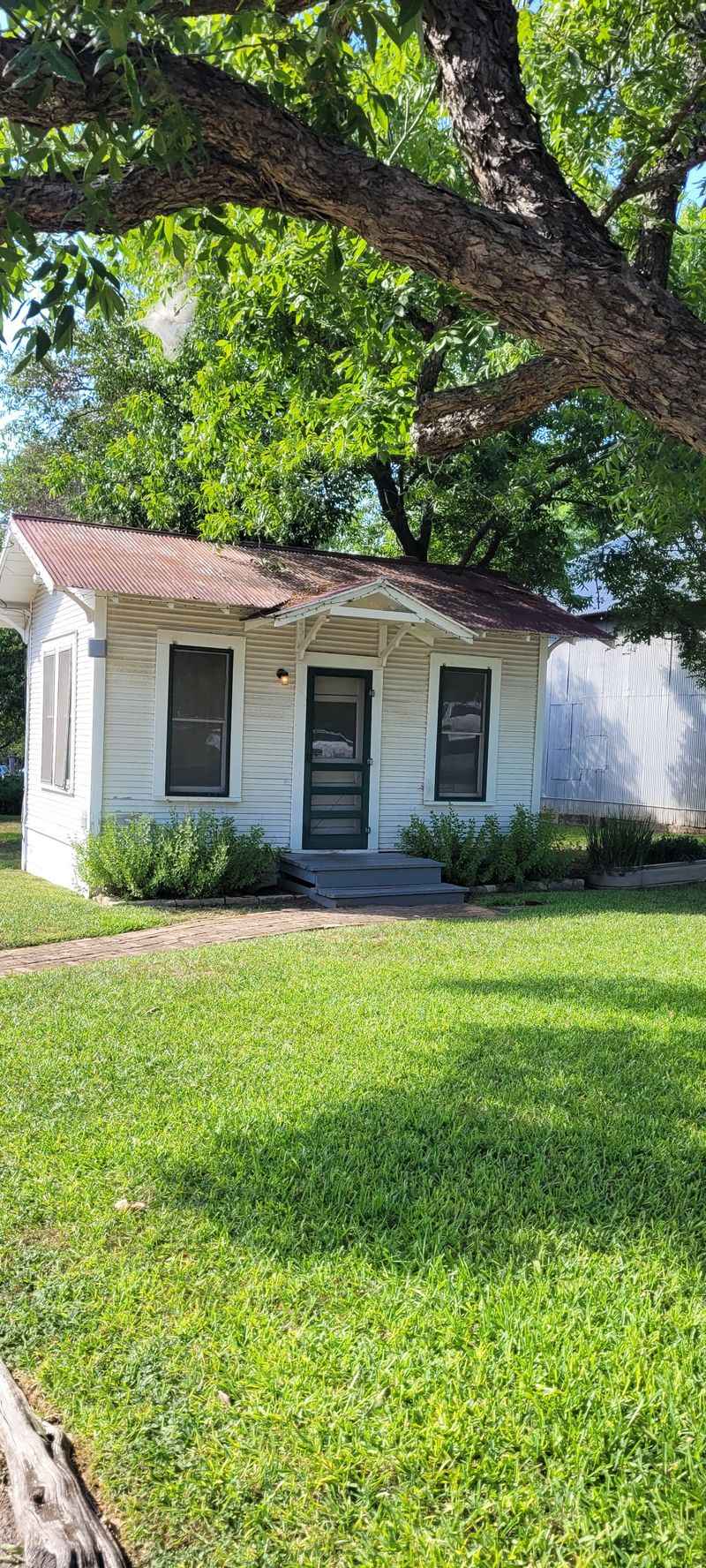
For decades, Gruene and the surrounding areas offered affordable living for working-class families, retirees, and those seeking a quieter life away from the urban sprawl of San Antonio and Austin.
The community was tight-knit, with neighbors who had known each other for generations and a shared sense of pride in their town’s history and character.
Owning a home in Gruene was not only attainable but also a point of stability and belonging.
The explosion of tourism and the resulting demand for vacation rentals and second homes have driven property values through the roof, making it nearly impossible for longtime residents to afford to stay.
Many have been forced to sell their family homes and move to more affordable areas, severing the ties that once bound the community together.
The arrival of wealthy outsiders looking for weekend getaways has fundamentally altered the demographic makeup of the area, replacing locals with transient visitors who have no real investment in the community’s well-being.
This economic displacement has eroded the social fabric of Gruene, leaving behind a hollow shell of what was once a vibrant, multigenerational neighborhood.
The people who made Gruene what it was are disappearing, and with them goes the authentic spirit of the town.
Special Events Became Overcrowded Spectacles
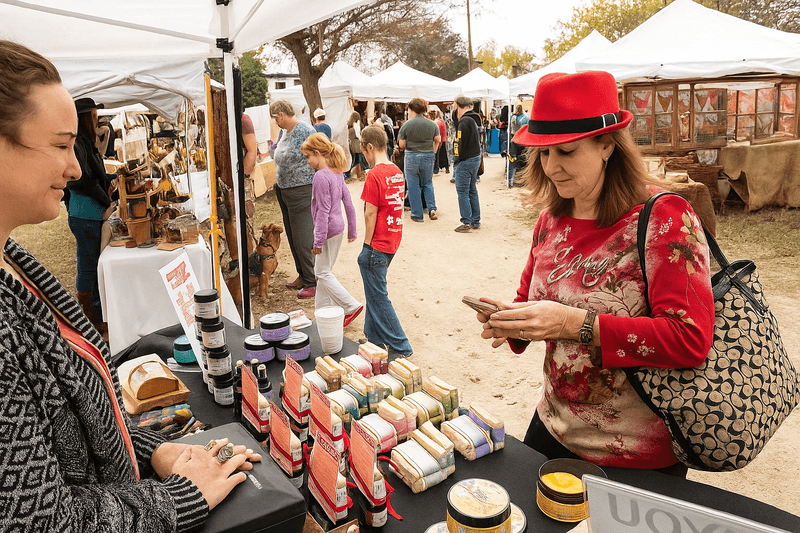
Gruene has long hosted seasonal events and festivals that celebrated the town’s heritage and brought the community together in joyful, meaningful ways.
Events like the annual Market Days, holiday celebrations, and live music gatherings were intimate affairs where neighbors could mingle, enjoy local talent, and feel a sense of shared tradition.
These occasions were highlights of the year, anticipated and cherished by those who called Gruene home.
In recent years, these events have exploded in size, drawing tens of thousands of visitors and transforming what were once cozy gatherings into massive, overwhelming spectacles.
The crowds are so large that navigating the event grounds becomes a challenge, and the sense of community is lost in the sea of unfamiliar faces.
Vendors and performers have shifted their focus to appeal to tourists, and the local flavor that once defined these events has been diluted or erased entirely. Longtime attendees often skip the festivals now, finding them too crowded, too commercial, and too far removed from the spirit that made them special.
What should be a celebration of Gruene’s culture has become yet another tourist attraction, commodified and stripped of its authenticity.
Noise Pollution Shattered the Peace
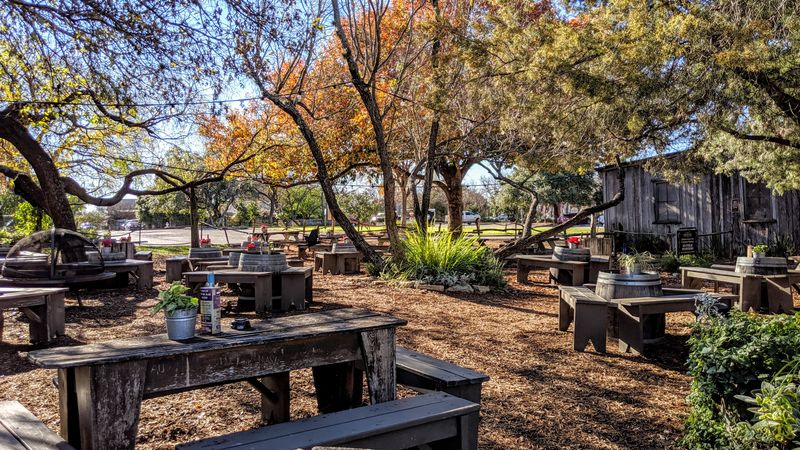
One of the most treasured aspects of life in Gruene was the quiet, the kind of deep, restorative silence that only comes from being away from the city and surrounded by nature. Evenings were punctuated by the sounds of crickets, the rustle of leaves, and the distant flow of the Guadalupe River.
Residents could sit on their porches, enjoy the night sky, and feel truly at peace in their corner of the world.
Now, the constant hum of traffic, the roar of tubing shuttles, and the amplified music from nearby venues have shattered that tranquility. Weekends are especially unbearable, as the noise from parties, events, and crowded restaurants spills into residential areas, making it impossible to escape the tourist invasion.
Locals report being unable to sleep, relax, or enjoy their own properties due to the relentless din. Complaints to local authorities have gone largely unaddressed, as the economic benefits of tourism seem to outweigh the quality of life concerns of those who actually live here.
The peace that once defined Gruene has been replaced by a cacophony that serves as a constant reminder of how much has been lost. For many, the town no longer feels like home but rather like a noisy amusement park that never closes.
Environmental Strain on Natural Resources
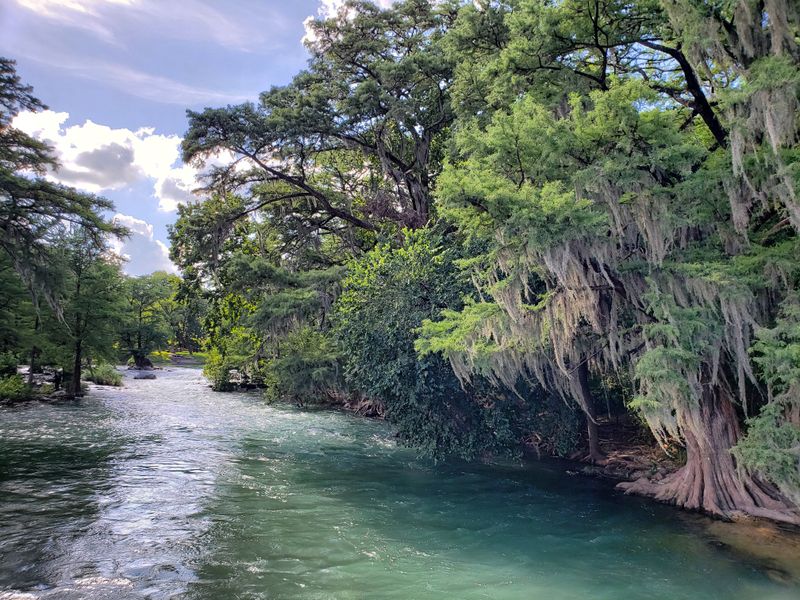
Gruene’s natural beauty has always been one of its greatest assets, from the lush greenery of the Hill Country to the pristine waters of the Guadalupe River. The environment was carefully stewarded by residents who understood the importance of preserving these resources for future generations.
Wildlife thrived, the river ran clear, and the landscape remained largely unspoiled by development.
The surge in tourism has placed enormous strain on these fragile ecosystems, with overuse leading to erosion, pollution, and habitat loss. The riverbanks have been trampled, native plants have been destroyed, and water quality has declined due to litter and runoff from increased development.
Local wildlife, from birds to fish to small mammals, have been displaced or harmed by the constant human activity. Efforts to implement conservation measures have been slow and insufficient, hampered by the competing interests of tourism revenue and environmental protection.
Many residents fear that if current trends continue, the natural beauty that defines Gruene will be irreversibly damaged, leaving behind a degraded landscape that no longer resembles the place they once loved.
The environment is paying the price for Gruene’s popularity, and the consequences could be catastrophic if action is not taken soon.
Loss of Community Identity and Connection
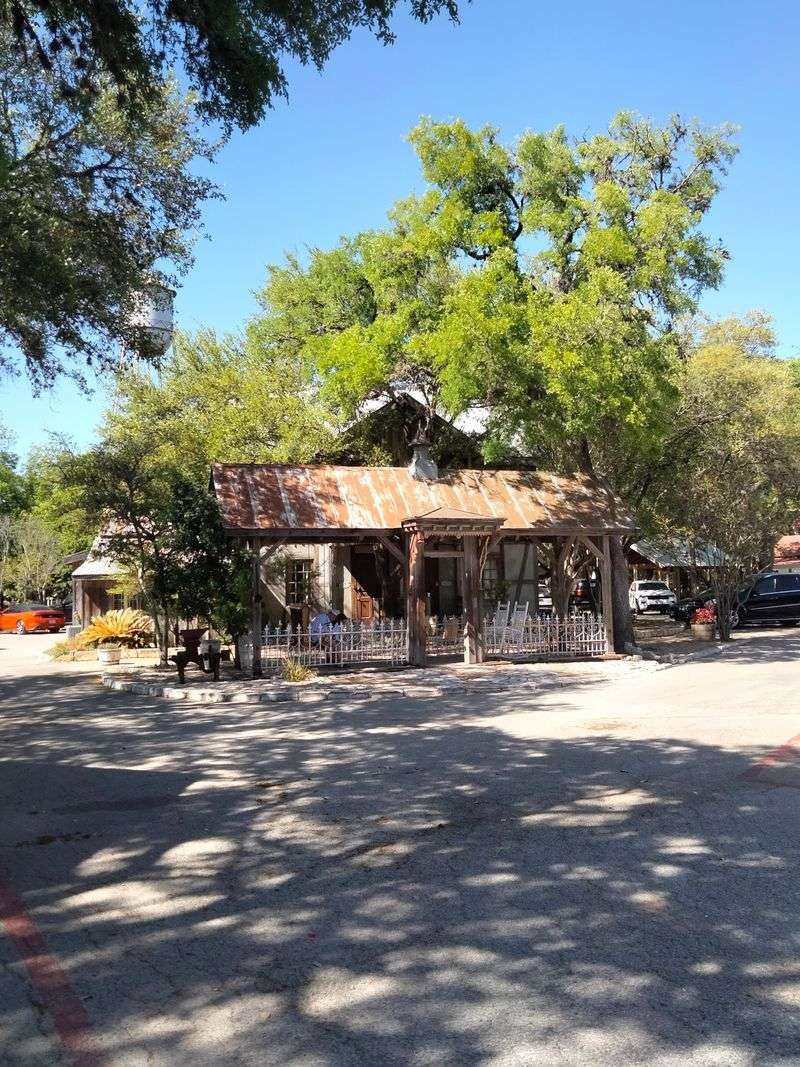
Perhaps the most painful change for longtime Gruene residents is the loss of community identity, the intangible sense of belonging and shared history that once bound neighbors together. People knew each other, looked out for one another, and took pride in their town’s unique heritage and character.
Community events, church gatherings, and casual encounters at local businesses reinforced these bonds and created a strong sense of place.
As tourism has taken over, that sense of community has eroded, replaced by a transient population of visitors who have no stake in the town’s future or its traditions.
Longtime residents feel like outsiders in their own neighborhood, outnumbered and overlooked as businesses and local government prioritize the needs and desires of tourists over those of the people who actually live here.
The social fabric that once held Gruene together has frayed, and many fear it may never be repaired. Young people who grew up here are moving away, unable to afford the cost of living or unwilling to stay in a place that no longer feels like home.
The identity of Gruene as a close-knit, historic community has been replaced by a generic tourist destination, and with that shift comes a profound sense of loss and mourning for what once was.
Dear Reader: This page may contain affiliate links which may earn a commission if you click through and make a purchase. Our independent journalism is not influenced by any advertiser or commercial initiative unless it is clearly marked as sponsored content. As travel products change, please be sure to reconfirm all details and stay up to date with current events to ensure a safe and successful trip.
