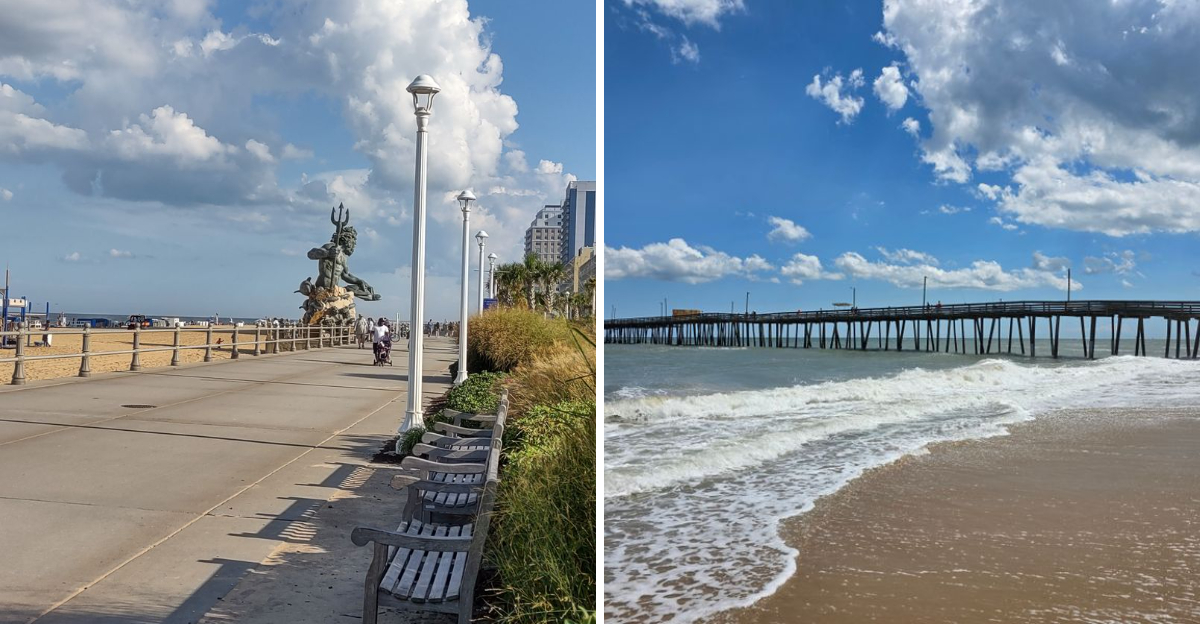
Virginia Beach used to be the kind of place where locals knew every backroad and beachfront hideaway. Families spent summer evenings strolling quiet stretches of sand, and the boardwalk felt like a neighborhood gathering spot rather than a theme park.
Fast forward to today, and many longtime residents claim their beloved coastal city has been swallowed whole by tourism. High-rise hotels tower over once-charming neighborhoods, traffic snarls have become the norm, and finding a parking spot near the ocean during peak season feels like winning the lottery.
Chain restaurants have replaced mom-and-pop seafood shacks, and the authentic Virginia vibe has given way to a commercialized beach resort atmosphere. Locals argue that the soul of their town has been traded for tourist dollars, leaving them feeling like strangers in their own backyard.
Is Virginia Beach still a hidden gem, or has it become just another overcrowded beach destination?
The Boardwalk Has Become a Carnival Midway

Remember when the Virginia Beach boardwalk felt like a peaceful seaside promenade? Locals do, and they miss it terribly.
What once offered a relaxing stroll along the Atlantic has morphed into a nonstop parade of souvenir shops, overpriced arcades, and street performers vying for attention. Families pushing strollers now weave through throngs of sunburned tourists clutching frozen cocktails and oversized beach toys.
The three-mile stretch that used to showcase local charm now feels more like a coastal strip mall designed to extract maximum cash from visitors. Longtime residents remember when you could actually hear the waves crashing instead of competing sound systems blasting from competing beach bars.
The peaceful morning walks that once defined Virginia Beach mornings have been replaced by dodging rental bikes and navigating selfie-stick wielding crowds. Many locals avoid the boardwalk entirely now, especially during summer months when the population swells beyond recognition.
The authentic Virginia character that made this place special has been buried under layers of commercialization. What remains is a tourist trap that barely resembles the community locals once cherished, leaving them wondering if their boardwalk will ever reclaim its soul.
Atlantic Avenue Traffic Nightmares Have Arrived
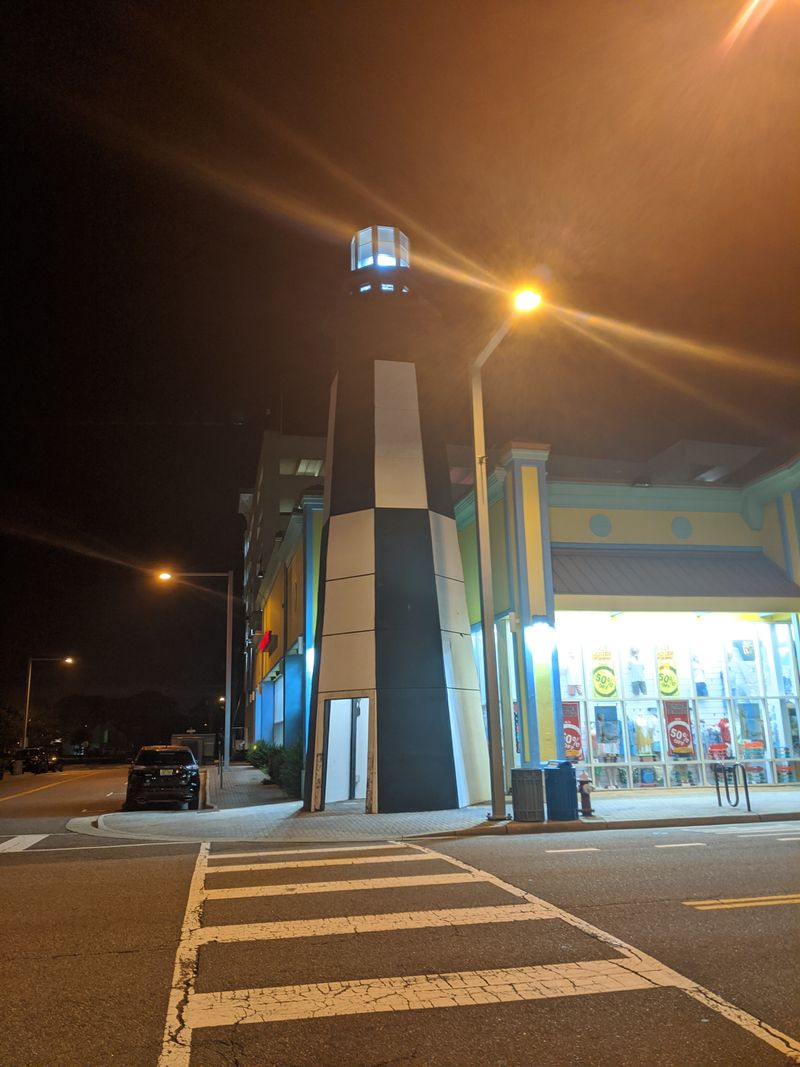
Atlantic Avenue used to be the scenic route locals took to enjoy ocean breezes and coastal views. Now it resembles a parking lot more than a roadway, especially during tourist season when out-of-state license plates outnumber Virginia tags ten to one.
Getting from point A to point B along this main artery can take three times longer than it should. Visitors unfamiliar with the area slow to a crawl while searching for parking, suddenly brake for pedestrians, or stop mid-block to snap photos of the ocean.
Locals who need to commute through this corridor for work or errands find themselves trapped in gridlock that never existed before the tourism explosion. What should be a quick five-minute drive stretches into a frustrating half-hour ordeal.
The city has added traffic lights and crosswalks to manage pedestrian flow, but these additions only compound the congestion problem. Rush hour now extends from early morning until late evening during peak months.
Residents who once enjoyed easy access to their favorite coastal spots now plan elaborate detours to avoid Atlantic Avenue altogether, mourning the days when driving through Virginia Beach actually felt pleasant instead of punishing.
Parking Has Become an Expensive Scavenger Hunt
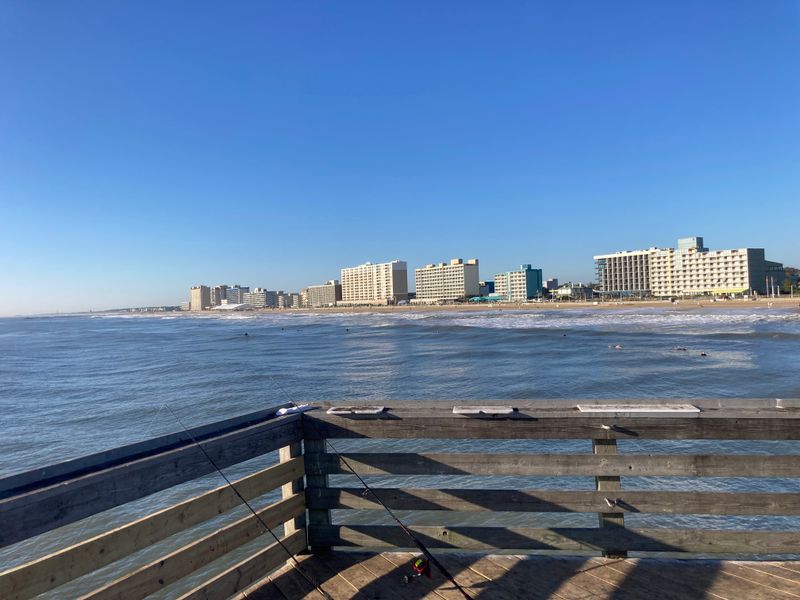
Finding a parking spot near the Virginia Beach oceanfront once required minimal effort and cost next to nothing. Those days are ancient history according to frustrated locals who now face exorbitant fees and virtually no available spaces during tourist season.
Visitors circle blocks repeatedly, desperately searching for any open spot while locals watch their neighborhood streets transform into makeshift parking lots. Residential areas that once felt peaceful now host cars parked bumper-to-bumper, with tourists treating driveways and front yards like public parking zones.
The city has capitalized on this scarcity by installing paid parking meters throughout areas that previously offered free spots. Rates have skyrocketed to levels that make even short beach visits financially painful for residents who simply want to enjoy their own coastline.
Many longtime Virginia Beach families have given up trying to access the oceanfront altogether, instead driving to less-crowded beaches in neighboring communities. The irony stings: locals are being priced out of their own town’s main attraction.
Private lots charge premium rates, and enforcement officers patrol relentlessly, ready to ticket anyone who overstays by even a few minutes. What should be a simple pleasure has become an expensive, stressful ordeal.
Chain Restaurants Have Replaced Local Seafood Joints
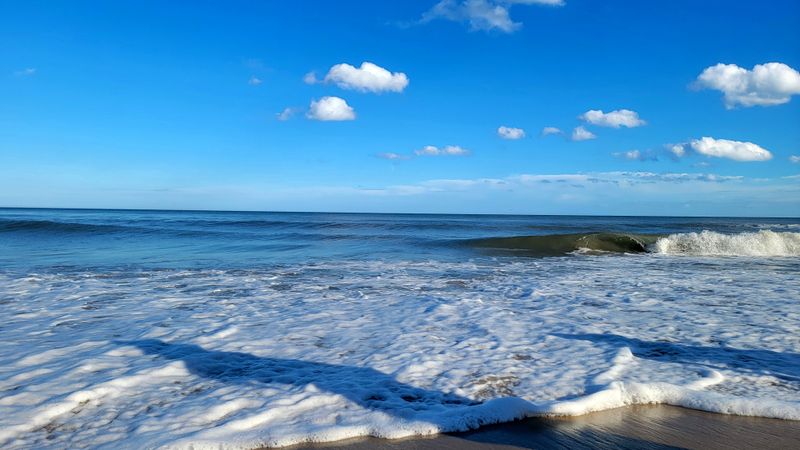
Virginia Beach once boasted a thriving collection of family-owned seafood restaurants where locals gathered for fresh catches and authentic coastal cuisine. Corporate chains have systematically replaced these beloved establishments, erasing the culinary identity that made this Virginia town special.
Visitors now encounter the same restaurant brands they could find in any American city, from fast-food franchises to cookie-cutter casual dining chains. The unique flavors and recipes passed down through generations have been bulldozed to make room for standardized menus and predictable experiences.
Locals remember when knowing the restaurant owner personally was commonplace, when menus changed based on the day’s catch, and when every meal felt like a genuine taste of Virginia coastal culture. Those intimate dining experiences have vanished, replaced by corporate efficiency and tourist-friendly blandness.
The few remaining independent eateries struggle to compete with the marketing budgets and prime real estate controlled by national chains. Rent increases driven by tourism development have forced longtime restaurateurs to either sell out or relocate far from the oceanfront.
What remains is a dining landscape that could exist anywhere, stripped of the local character that once defined Virginia Beach cuisine. Residents mourn not just the loss of great food, but the disappearance of gathering places where community connections were forged.
High-Rise Hotels Block Ocean Views and Sunlight
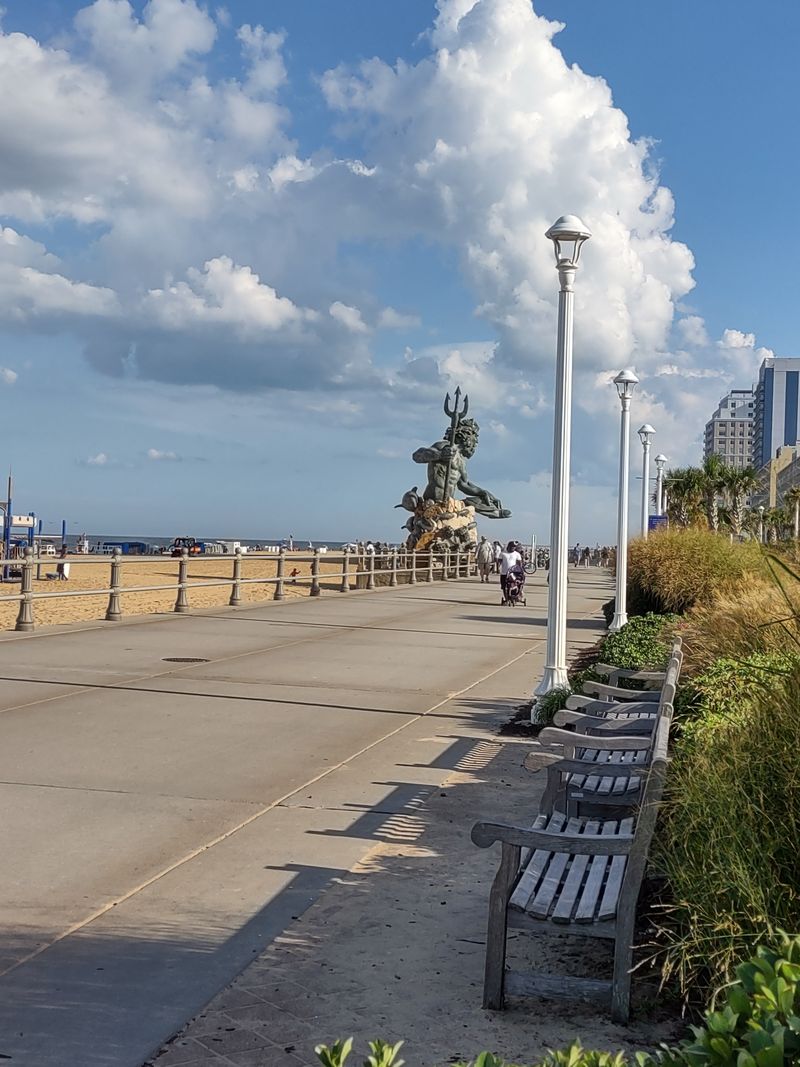
Stroll through older Virginia Beach neighborhoods near the coast and you’ll notice something disturbing: the sun disappears earlier each year. Massive hotel towers now cast long shadows over residential streets that once basked in afternoon light, fundamentally altering the character of these communities.
Locals who purchased homes specifically for ocean breezes and sunset views now stare at concrete walls instead of horizons. The skyline has transformed from low-rise beach cottages and modest motels into a wall of glass and steel that blocks natural light and ocean vistas.
These towering structures were approved despite community opposition, with developers promising economic benefits that locals say never materialized for residents. Instead, neighborhoods feel darker, more crowded, and disconnected from the beachfront that once defined their identity.
Property values in shadow zones have stagnated while hotel investors profit from premium ocean views that were stolen from longtime residents. The architectural scale feels completely out of proportion with the surrounding community, creating a jarring visual landscape that screams tourist destination rather than coastal hometown.
Many families who raised children in these neighborhoods have relocated, unable to stomach watching their community transform into a vertical resort corridor. The Virginia Beach they loved exists only in photographs now, buried beneath concrete and corporate ambition.
Public Beach Access Points Have Disappeared
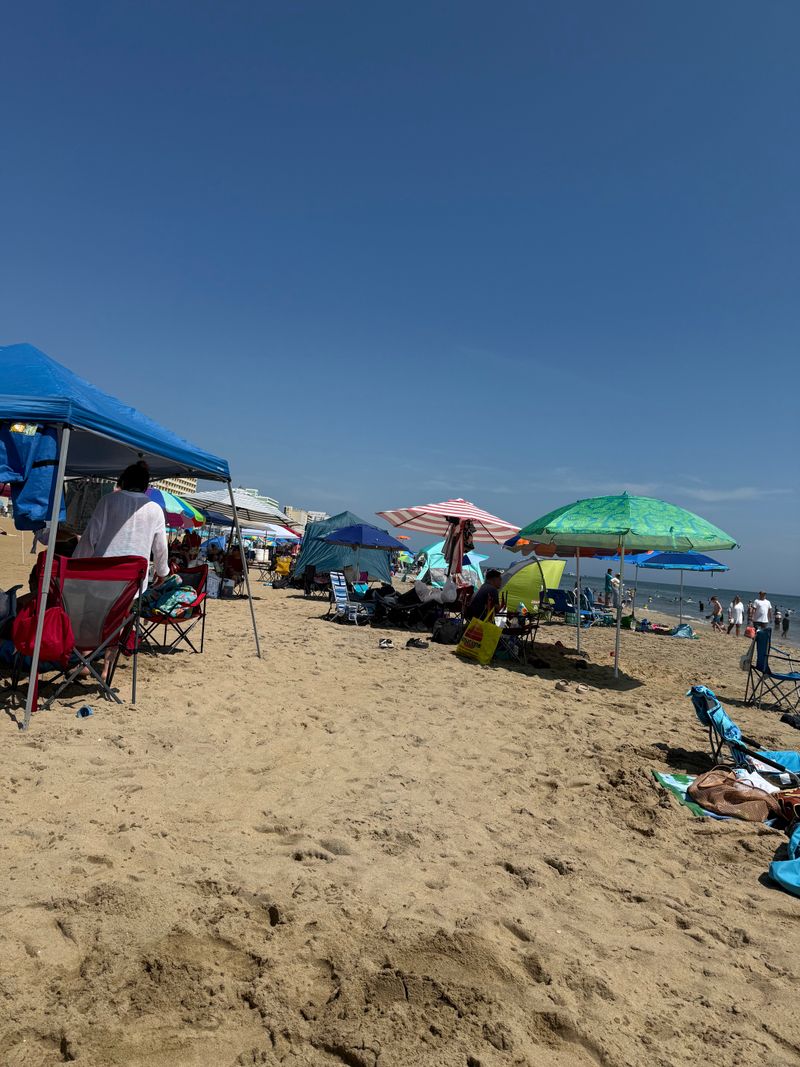
Generations of Virginia Beach families knew every public pathway to the ocean, those narrow corridors between buildings where locals could reach the sand without navigating tourist chaos. Development has systematically eliminated these access points, effectively privatizing stretches of coastline that once belonged to everyone.
Hotels and condo complexes now occupy former public rights-of-way, forcing residents to walk much farther to reach beaches they’ve enjoyed their entire lives. Some access points have been blocked entirely, with private property signs warning locals away from routes they’ve used for decades.
The remaining public entrances are overcrowded and poorly maintained, with inadequate parking and facilities that can’t handle the volume of users. Tourists staying in oceanfront accommodations enjoy direct beach access while locals face increasingly difficult barriers to reaching the same shoreline.
Community advocates have fought to preserve public access, but development pressures and property rights arguments consistently win out. Each lost pathway represents another piece of Virginia Beach’s soul being sold to the highest bidder.
Longtime residents remember when the entire coastline felt accessible and welcoming, not carved up into exclusive zones controlled by hotel corporations. Children growing up in Virginia Beach today will never know the freedom their parents experienced, when reaching the ocean meant a quick walk rather than a planned expedition navigating private property and tourist infrastructure.
Noise Pollution Has Shattered Peaceful Coastal Living
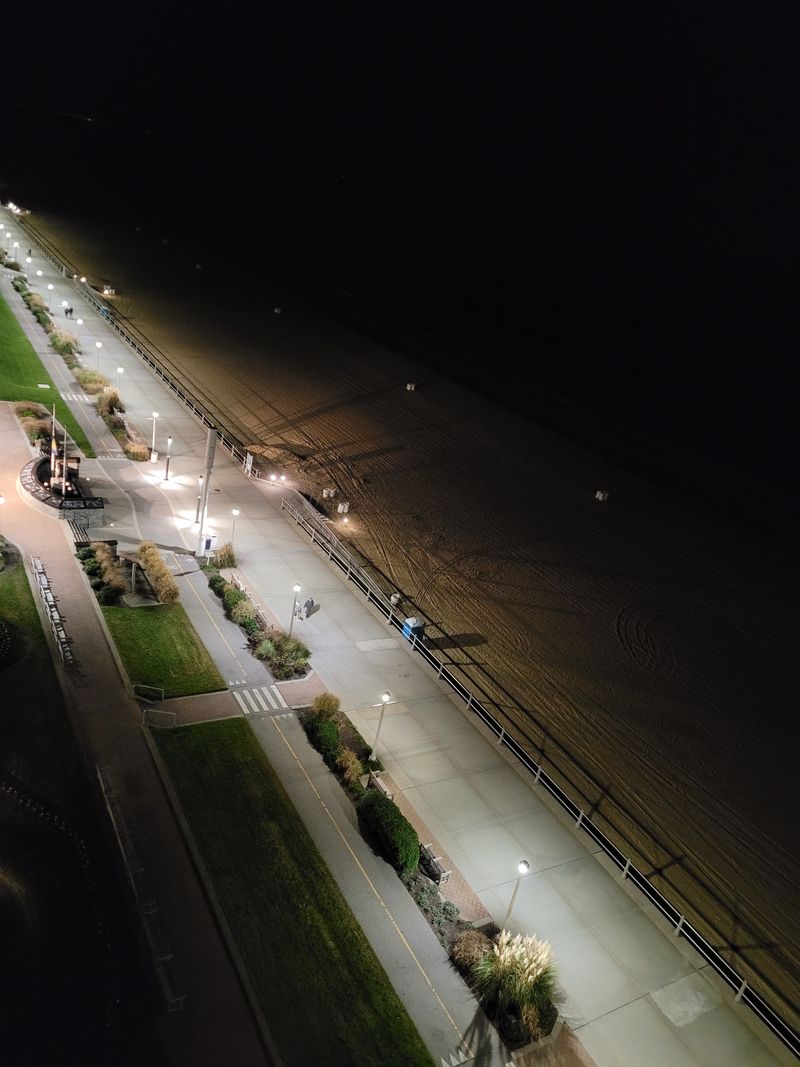
Peaceful evenings listening to waves crash against the shore have become impossible for Virginia Beach residents living near tourist zones. The constant din of live music venues, outdoor bars, and late-night revelers has transformed quiet neighborhoods into 24-hour party districts.
Locals report being unable to sleep in their own homes during peak season, with bass-heavy music vibrating through walls until the early morning hours. Noise ordinances exist but are rarely enforced, leaving residents feeling abandoned by city officials who prioritize tourist entertainment over community quality of life.
The problem extends beyond nightlife to include daytime noise from tour buses, rental scooters, and amplified beach events that never seem to end. What was once a tranquil coastal community now registers decibel levels comparable to urban entertainment districts.
Families with young children and retirees who chose Virginia Beach for its peaceful atmosphere find themselves trapped in environments that feel hostile to residential living. Selling and moving becomes the only option for many, though finding buyers willing to tolerate the noise proves challenging.
Community meetings addressing noise complaints grow heated as business owners argue that entertainment drives tourism revenue. Residents counter that their right to peaceful enjoyment of their homes should outweigh visitor entertainment preferences.
The divide between locals and the tourism industry grows wider with each sleepless night, eroding any remaining sense of shared community.
Local Culture Has Been Commodified Beyond Recognition
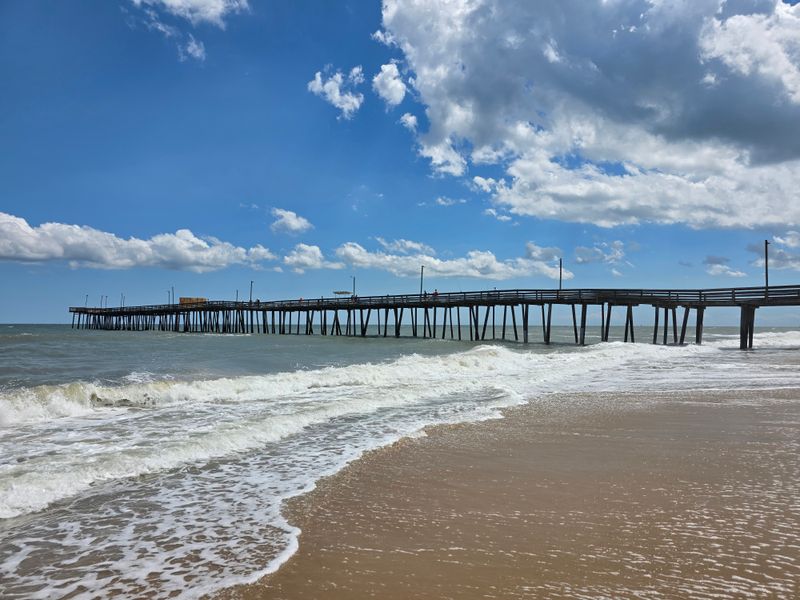
Virginia Beach possessed a distinct coastal culture shaped by fishing heritage, military history, and tight-knit community traditions. Tourism has repackaged this authentic identity into cheap souvenirs and manufactured experiences that bear little resemblance to the real thing.
Visitors purchase mass-produced t-shirts featuring cliched beach slogans while genuine local artisans struggle to afford booth space at festivals now dominated by corporate vendors. The stories and traditions that made Virginia Beach unique have been simplified into marketable soundbites that erase complexity and depth.
Cultural events that once celebrated community heritage now cater almost exclusively to tourist expectations, with programming designed for maximum Instagram appeal rather than authentic cultural preservation. Locals who remember when these gatherings felt meaningful now avoid them entirely, unwilling to participate in hollow spectacles.
Historical sites have been transformed into photo opportunities with minimal educational content, reducing Virginia’s rich coastal history to backdrop material for vacation snapshots. The nuanced narratives that locals grew up learning have been replaced by simplified versions that fit conveniently on interpretive plaques.
Younger generations growing up in modern Virginia Beach may never understand what their community once represented. The cultural erosion happens gradually but relentlessly, each tourist season stripping away another layer of authenticity until only a commercialized shell remains.
Longtime residents grieve not just for what’s been lost, but for what future generations will never know existed.
Property Taxes Have Soared While Services Decline
Tourism development promised economic prosperity for all Virginia Beach residents, but locals tell a different story about skyrocketing property taxes and declining municipal services. As hotel values and tourist spending increased, residential tax burdens climbed dramatically while infrastructure improvements benefited visitor areas almost exclusively.
Longtime homeowners face annual tax increases that far outpace their income growth, forcing difficult decisions about whether they can afford to remain in homes their families have occupied for generations. Meanwhile, roads in residential neighborhoods deteriorate while oceanfront tourist corridors receive constant maintenance and upgrades.
Schools serving local children struggle with outdated facilities and inadequate funding while the city invests heavily in convention centers and tourism infrastructure. The message feels clear: visitor comfort matters more than resident wellbeing, despite locals footing an increasingly expensive bill.
Elderly residents on fixed incomes find themselves particularly vulnerable, watching their modest homes appreciate in value on paper while becoming financially unsustainable to maintain. Property tax relief programs offer minimal help, and selling means leaving a community where they’ve built entire lives.
City budget hearings reveal the stark imbalance, with tourism-related expenditures dwarfing investments in residential neighborhoods. Locals argue they’re subsidizing an industry that benefits developers and hotel chains while making their own lives progressively more difficult.
The resentment builds with each tax notice, deepening the divide between Virginia Beach residents and the tourism economy consuming their town.
The Authentic Virginia Beach Exists Only in Memory

Ask any longtime Virginia Beach resident about their hometown and watch their eyes grow distant as they describe a place that no longer exists. That version of Virginia Beach lives only in fading photographs and increasingly rare conversations among those who remember when this coastal community felt like home rather than a tourist destination.
Children who grew up exploring quiet beaches and knowing every local business owner return as adults to find their memories have been bulldozed and replaced with generic resort infrastructure. The emotional disconnect feels profound, like mourning a loved one who’s still technically alive but fundamentally changed beyond recognition.
Newcomers attracted by jobs in the tourism industry never experience the authentic character that made Virginia Beach special, instead knowing only the commercialized version that caters to visitor expectations. They can’t miss what they never knew, leaving longtime residents feeling isolated in their grief.
Community bonds that once defined neighborhood life have frayed as familiar faces move away and transient populations cycle through rental properties. The shared history and collective memory that anchored this Virginia town’s identity dissolves a little more each year.
Some locals cling to hope that Virginia Beach might somehow reclaim its soul, but most have accepted an uncomfortable truth: the place they loved is gone forever, sacrificed on the altar of tourism revenue and unchecked development. What remains is a cautionary tale about communities that prioritize visitor dollars over residential character.
Dear Reader: This page may contain affiliate links which may earn a commission if you click through and make a purchase. Our independent journalism is not influenced by any advertiser or commercial initiative unless it is clearly marked as sponsored content. As travel products change, please be sure to reconfirm all details and stay up to date with current events to ensure a safe and successful trip.
