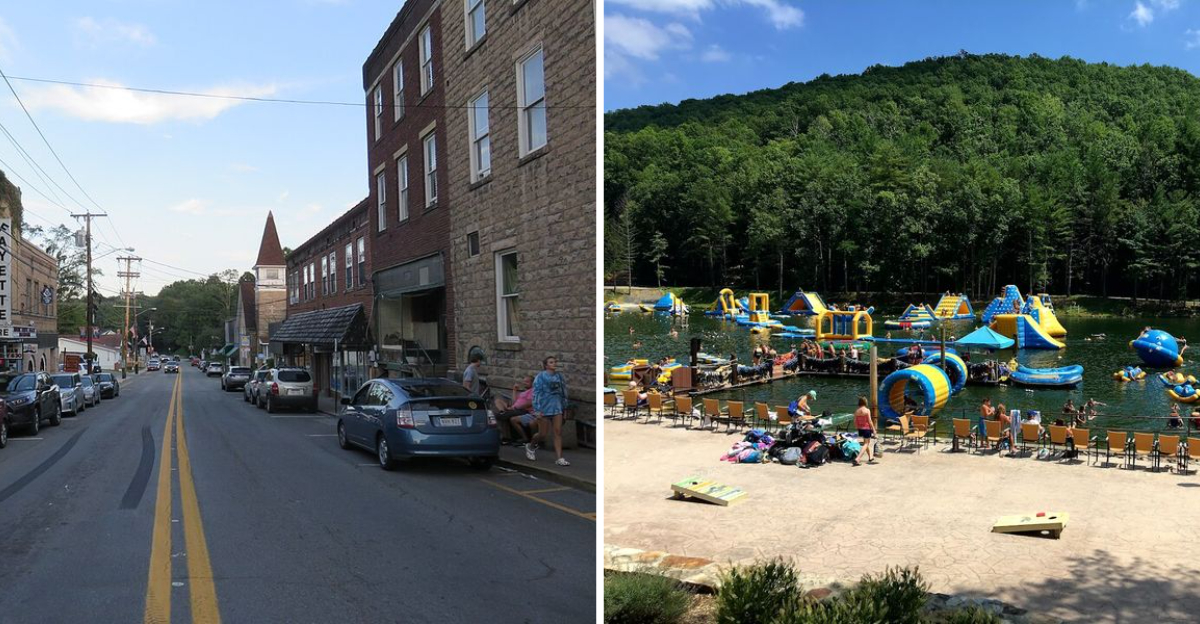
You know that moment when a place gets so popular you cannot even find a parking spot for the famous bridge view anymore?
Welcome to the reality here.
Locals will tell you between sighs that they no longer bother trying to eat downtown on a busy weekend.
The secret got out when this area received a major federal upgrade, and now crowds show up in numbers this small town was never built to handle.
The quiet charm locals loved has been replaced by traffic jams, overflowing trash bins, and rents that push out the very people who made this place special.
New hotels are popping up everywhere you look.
West Virginia struck tourism gold here, but can a town survive its own success and still feel like home?
When the Bridge Became Everyone’s Backdrop
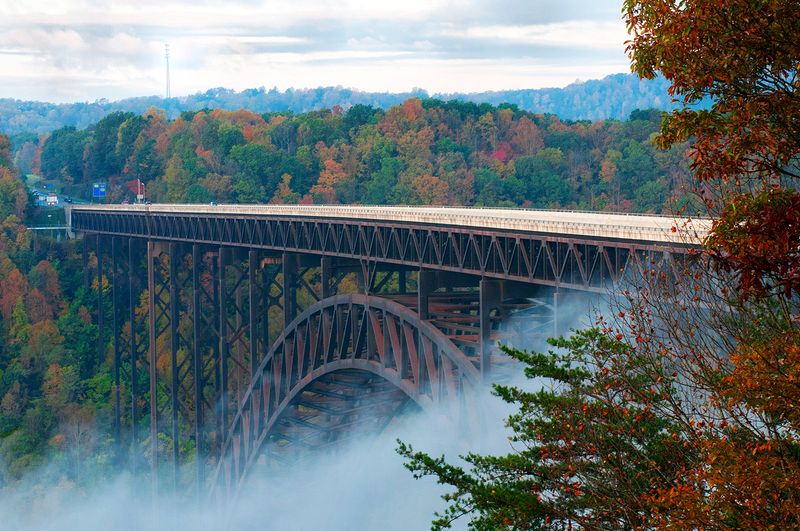
Few things change a town faster than having one of the most photographed bridges in America sitting right outside its limits.
The New River Gorge Bridge drew visitors long before the national park designation, but after 2020, the pace of that foot traffic shifted dramatically.
Parking lots that once had open spots on weekends are now packed by early morning. Local roads that used to feel like quiet country routes have turned into slow-moving lines of rental cars with out-of-state plates.
The bridge itself is genuinely breathtaking. Standing above that gorge, looking down at the river cutting through ancient rock, feels like something out of a nature documentary.
That kind of scenery pulls people in, and understandably so.
The challenge is that Fayetteville was never built to absorb that volume of visitors all at once. Roads feel the strain.
Wildlife crossings have seen more accidents. The landscape that made the town special is now the very reason it sometimes feels unrecognizable to the people who called it home long before the crowds arrived.
Pepperoni Rolls and the Places That Still Make Them Right
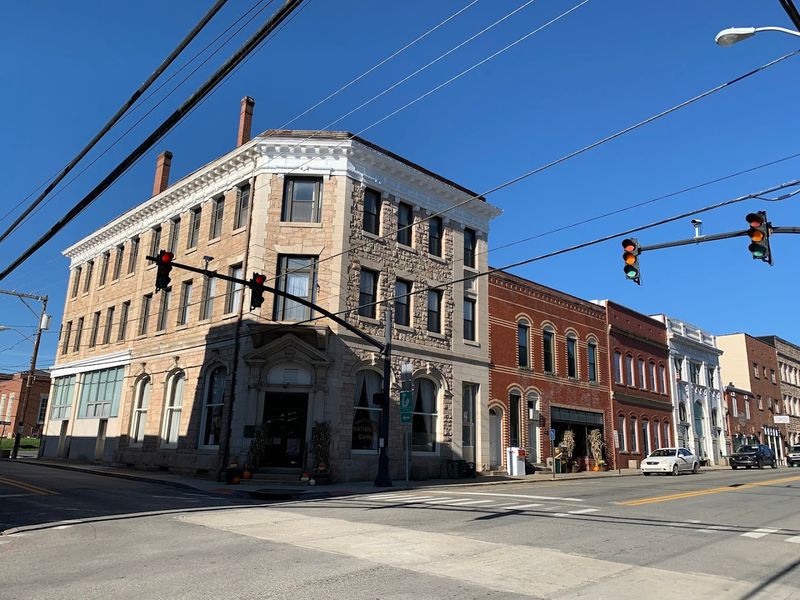
There is something deeply satisfying about biting into a warm pepperoni roll made the old-fashioned way, with soft dough, real pepperoni, and absolutely no frills. Fayetteville has spots that still do this the right way, and they are worth every calorie.
These are not the gourmet, reimagined versions popping up on trendy menus. These are the real deal, the kind of food that has been feeding West Virginians for generations without needing a rebrand.
Small bakeries and local shops in town carry on this tradition with quiet pride. You grab one, maybe two, and you eat them warm on the way to wherever you are headed next.
What makes them special is not just the recipe but the context. Eating a pepperoni roll in a town like Fayetteville, surrounded by mountains and river air, hits differently than eating one anywhere else.
It feels like the food belongs to the place, and in a town that has seen a lot of outside influence lately, that kind of rootedness really matters.
Breakfast Spots That Locals Used to Have All to Themselves
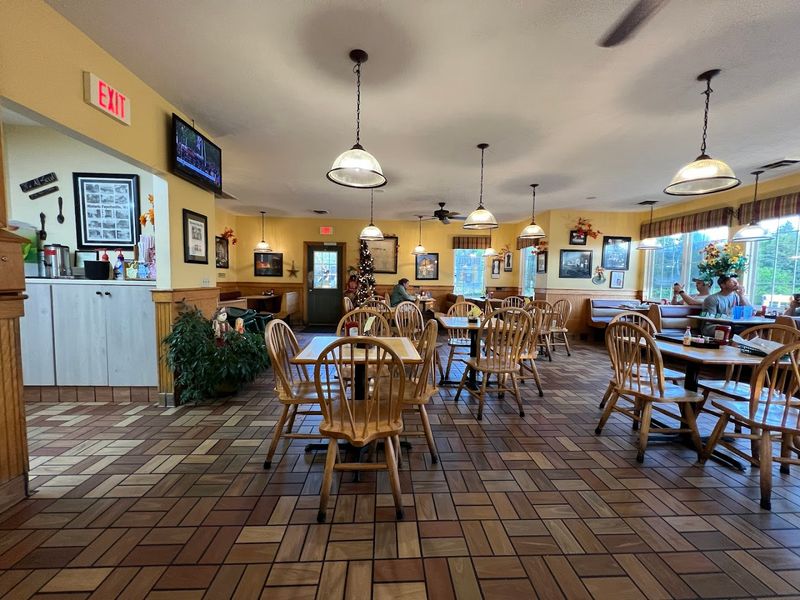
Morning used to be the quietest part of the day in Fayetteville. You could walk into a local diner, grab a corner booth, and take your time over eggs and coffee without any fuss.
That era has gotten a little harder to find.
The breakfast scene here is genuinely excellent. Fluffy biscuits, thick gravy, eggs cooked to order, and real maple syrup showing up on tables without anyone asking.
These are the kinds of breakfasts that set the tone for a whole day of hiking or paddling.
The problem is that word got out. Weekend mornings now bring lines out the door at spots that used to feel like well-kept secrets.
Locals who once had their regular tables now sometimes find themselves waiting alongside tour groups and adventure outfitters.
That said, the food quality has held steady. The kitchens in this town take breakfast seriously, and even on a crowded Saturday morning, what lands on your plate is worth the wait.
Showing up early on a weekday is still the move if you want that quieter, unhurried version of the experience.
The Airbnb Boom and What It Did to the Neighborhoods
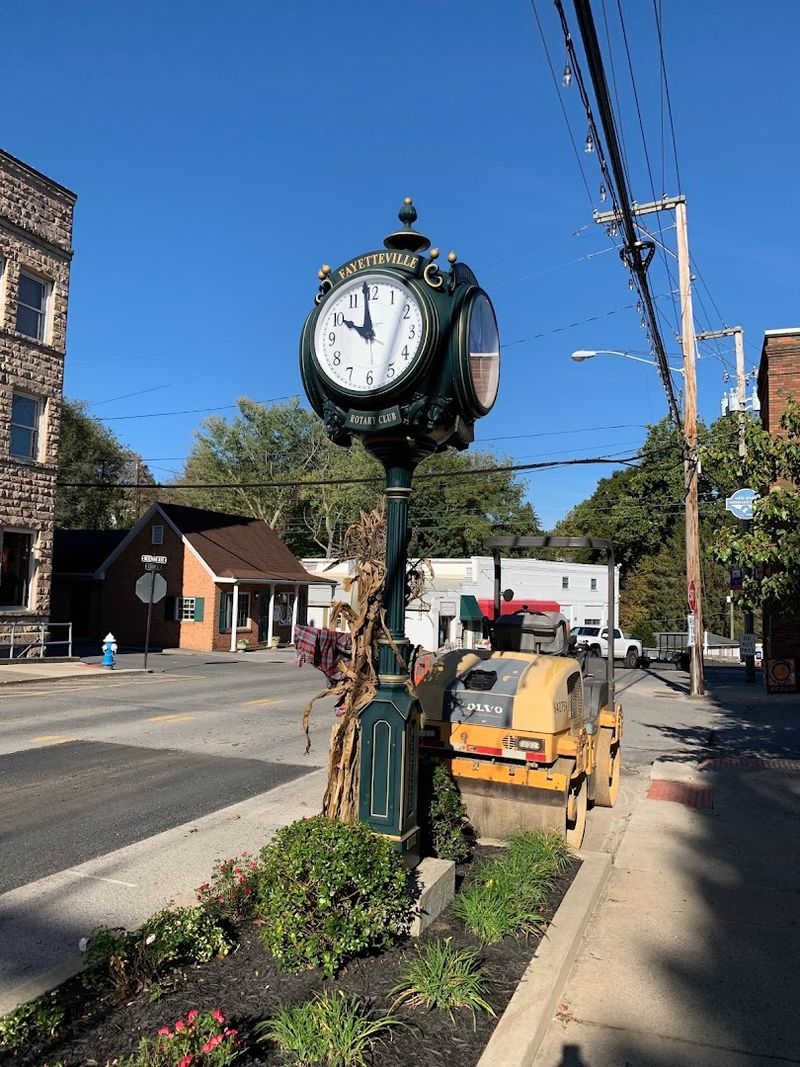
Walking through certain parts of Fayetteville now feels a little different than it did even five years ago. Homes that used to be lived in full-time now sit quiet on weekdays and fill up on weekends with rotating groups of visitors.
The short-term rental market exploded after New River Gorge became a national park. Properties that might have been starter homes for young families got converted into weekend getaways almost overnight.
Rents climbed. Inventory shrank.
The math stopped working for a lot of people who grew up here.
This is not unique to Fayetteville. Towns near national parks across the country have wrestled with the same equation.
But in a community this small, the ripple effects are felt more personally.
From a visitor standpoint, the rental options are comfortable and often beautifully situated. Many of the properties have stunning views and well-stocked kitchens that make it easy to cook instead of eating out every meal.
The tension, though, is real, and it is worth understanding before arriving as a guest in someone else’s hometown.
Farm-to-Table Menus and the Shift in Who They Serve
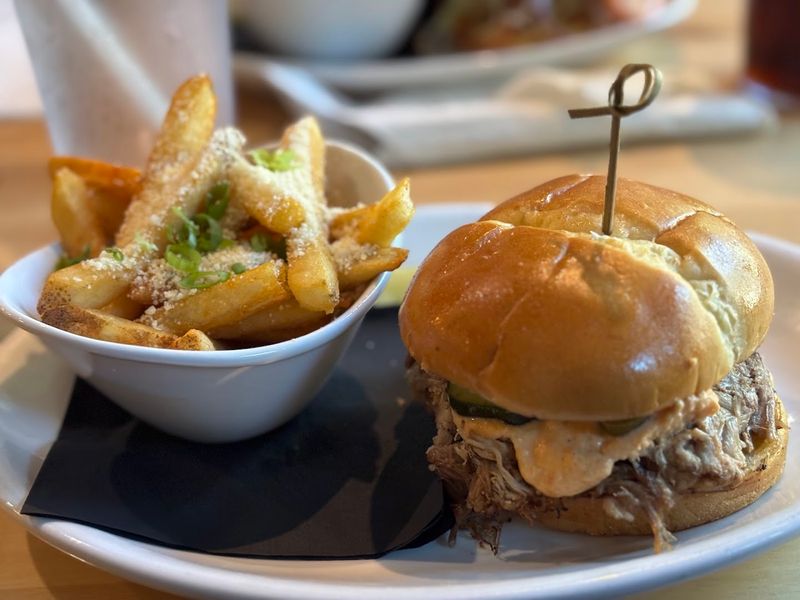
Fayetteville has quietly developed a food scene that punches well above its weight class.
Farm-to-table restaurants sourcing from nearby Appalachian farms have set up shop, and the menus reflect the region in ways that feel genuinely thoughtful rather than performative.
Roasted root vegetables, locally raised proteins, foraged mushrooms, and handmade pasta show up in combinations that make you slow down and actually taste what is in front of you. The cooking here respects the ingredients without overcomplicating them.
The shift, though, is that these restaurants are increasingly priced and designed for the visitor economy rather than the everyday resident. A weeknight dinner that might have once been accessible to most people in town now carries a price point that reflects weekend demand.
That said, the quality is hard to argue with. Chefs here clearly care about where their food comes from and how it is prepared.
If you are visiting, these spots offer a genuine taste of the region. Just know that the experience has been shaped, at least partly, by the same tourism wave that brought you here.
Outdoor Cafes and the New Energy on Main Street
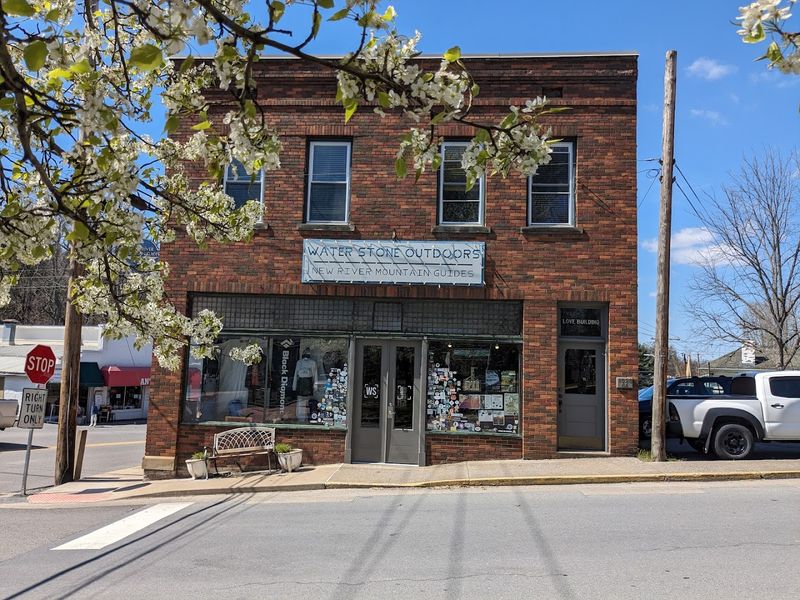
Main Street in Fayetteville has a certain energy now that feels borrowed from somewhere larger. Outdoor seating spills onto sidewalks.
Coffee shops with chalkboard menus and specialty roasts draw lines before 9 a.m. The storefronts are colorful and well-kept.
It is genuinely pleasant to walk through. The flowers are real, the coffee is good, and the mountain air makes everything taste better.
On a clear morning with a cup in hand and nowhere to rush, this stretch of town delivers exactly what a travel daydream promises.
What has changed is the texture of it. Shops that once sold hardware or everyday goods have given way to boutiques, outfitters, and eateries aimed squarely at the visitor market.
The practical needs of everyday residents have quietly moved to the margins.
Still, there is warmth here that survives the commercial shift. Baristas remember your order if you come back twice.
Neighbors still wave. The bones of the community are strong, and even on a crowded Saturday, moments of genuine small-town connection break through the tourist surface.
Craft Food Shops Replacing the Grocery Run
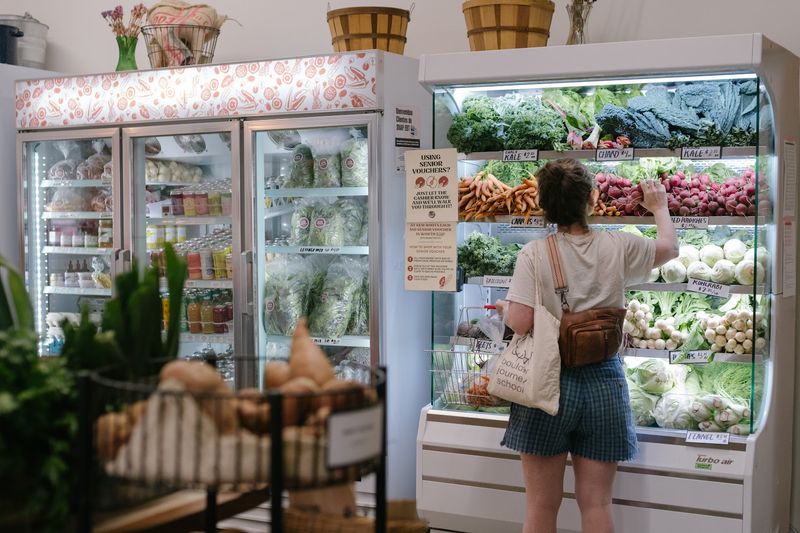
There is a certain charm to walking into a shop and finding shelves lined with local honey, Appalachian spice blends, handmade jams, and dried herbs sourced from nearby farms. Fayetteville has developed a small but impressive collection of these artisan food shops.
They make excellent gifts. They also make excellent snacks for the drive home.
Picking up a jar of sourwood honey or a bag of hand-ground grits feels like bringing a piece of the region back with you in a way that a postcard never could.
The catch is that these shops have largely replaced the kinds of everyday stores that residents relied on for basic groceries and household staples. If you need a specific spice for tonight’s dinner, you might find an artisan version of it.
If you need a gallon of milk, good luck.
The retail landscape of a small town reflects its priorities. Right now, Fayetteville’s priorities are clearly pointed toward the visitor experience.
That is not without its appeal, but it does leave some gaps that longtime residents feel on a daily basis.
River Food Culture and the Tradition of Post-Hike Eating
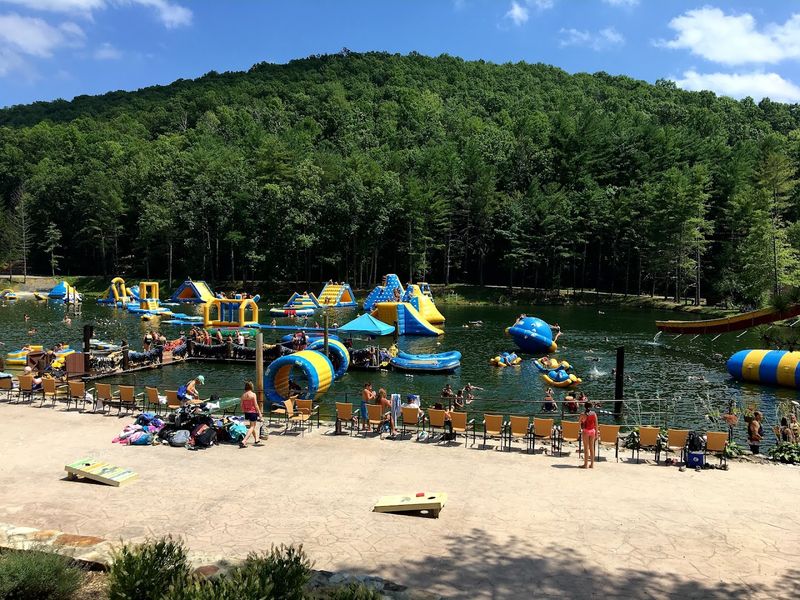
After a full day on the river or a long trail, few things feel more earned than a serious meal.
Fayetteville has built a small but satisfying culture around post-adventure eating, and the food that has grown up around this scene is hearty, generous, and deeply satisfying.
Think big sandwiches stacked with roasted meats, thick soups that warm you from the inside out, and desserts that do not apologize for being enormous. This is fuel food, and it is cooked with the understanding that the people eating it have been working hard all day.
The outdoor recreation economy and the food economy here are tightly connected. Outfitters and eateries often share the same block, and menus are designed to satisfy appetites that have been earned on the water or on a ridge.
What keeps this corner of the food scene feeling authentic is that it grew organically out of real need. People were hungry after real adventures.
The food answered that call honestly. Even as the town has changed around it, this particular tradition still feels grounded in something true.
Traffic, Parking, and the Long Wait for a Table
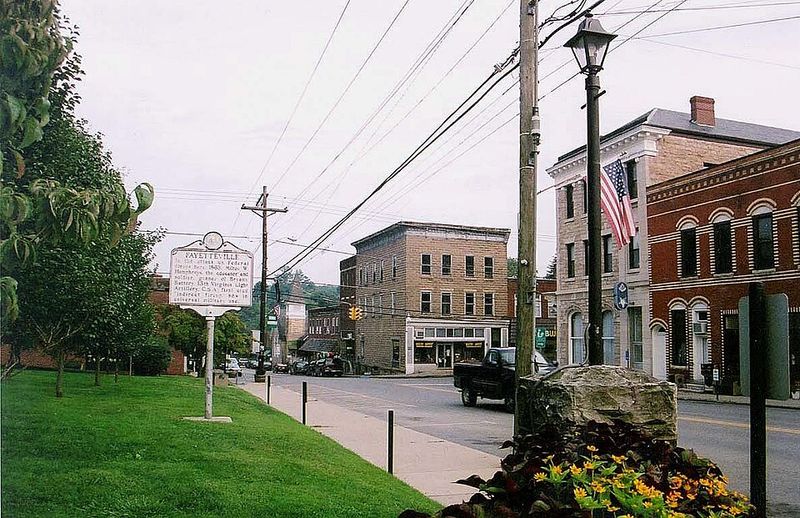
Getting into Fayetteville on a peak weekend now requires a kind of patience that did not used to be part of the experience. Roads that were designed for a small town are carrying traffic that belongs to a much larger one.
Parking has become a genuine puzzle.
Restaurants with ten tables and a loyal local following now find themselves overwhelmed by reservation requests and walk-in crowds that stretch out the door. The food is still worth it.
The wait, depending on your mood, is a different calculation.
Infrastructure takes time to catch up with demand. Fayetteville is in that uncomfortable middle phase where growth has clearly arrived but the systems to support it gracefully are still being figured out.
That gap shows up most obviously on weekends between May and October.
Arriving on a Tuesday or Wednesday changes everything. The roads open up, the parking is easy, and the restaurant that had an hour-long wait on Saturday will seat you in five minutes.
The town at its best is still very much there. You just have to time your visit to find it.
What Fayetteville Still Gets Right Despite All of It
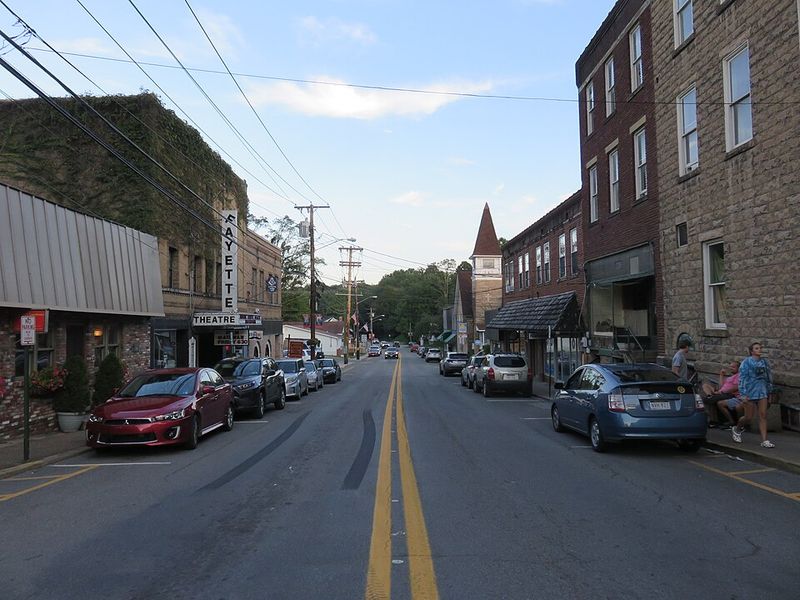
For all the tension that comes with rapid tourism growth, Fayetteville still manages to deliver something that a lot of places have lost entirely. The landscape is extraordinary.
The food is genuinely good. And underneath the crowds, the character of the town is still alive.
Local families still gather at the same parks. Kids still ride bikes through the same neighborhoods.
The farmers market still draws the same mix of regulars and newcomers every week, and the produce is still coming from the same mountain soil it always has.
The food culture here, even as it evolves, still has roots in Appalachian tradition. You can taste it in the way certain dishes are seasoned, in the preference for honest portions over decorative ones, and in the warmth that most servers and cooks bring to their work.
Fayetteville is at a crossroads, and the outcome is genuinely uncertain. But visiting with awareness, supporting local businesses, and respecting the pace of a small town can make a real difference.
The place is worth it. Treat it accordingly.
Address: Fayetteville, West Virginia
