You pedal toward a stone archway in the hills, expecting a quick shady moment, and suddenly the daylight just quits. Somewhere in West Virginia, an old railroad tunnel runs so long and so dark that riders swear the light at the far end floats away from them.
It sits on a trail built from a piece of 1850s railroad history, and it still hands out goosebumps for free. Grab a headlamp, because this ride is part history lesson and part adventure.
An Old Railroad Reborn in the Hills
Picture a gravel path cutting through wooded West Virginia hills, flat as a tabletop and quiet enough to hear creek water nearby. That path is a rail trail, a former train line turned into a place for bikes, walkers, and anyone who enjoys a gentle pace.
Stretching about 72 miles across the north-central and western part of the state, it ranks among the longer trails of its kind anywhere in the region. Along the way, it threads through tunnels, over bridges, and past small towns that once lived and breathed by the train whistle.
What makes folks come back, though, is one tunnel in particular. At 2,297 feet, it runs longer than four football fields laid end to end, and inside it gets dark in a way most people rarely experience anymore.
Before we get to that stretch of darkness, it helps to know where all of this came from. The story starts more than 170 years ago, when crews carved a railroad through some of the most rugged ground in the country.
Their hard work still shapes every mile riders enjoy today, and plenty of that old grit remains visible if you know where to look.
B&O Roots and Civil War Rails
Back between 1853 and 1857, the Baltimore and Ohio Railroad pushed this line through the hills, blasting rock and stacking stone by hand. It was brutal, slow work, and the results still stand strong today.
Once finished, the route carried both passengers and freight. During the Civil War, it reportedly moved Federal troops too, giving this quiet corridor a role in one of the biggest chapters of American history.
Hard to imagine that now, with butterflies drifting over the gravel.
For more than 120 years, trains rolled through here. Grandparents across the region may remember the sound of passenger cars clattering by, or waiting at a little depot for a relative to step off.
Then, in 1971, passenger service came to an end.
Rather than let the old line fade into weeds, the state bought the corridor in the 1980s. The first trail segments opened in 1991, and slowly the rail bed became a recreation path.
It’s a fine example of West Virginia holding onto its heritage instead of letting it slip away. Every tunnel and bridge you pass is a leftover from that railroad era, still earning its keep.
Seventy-Two Miles of Rolling Countryside
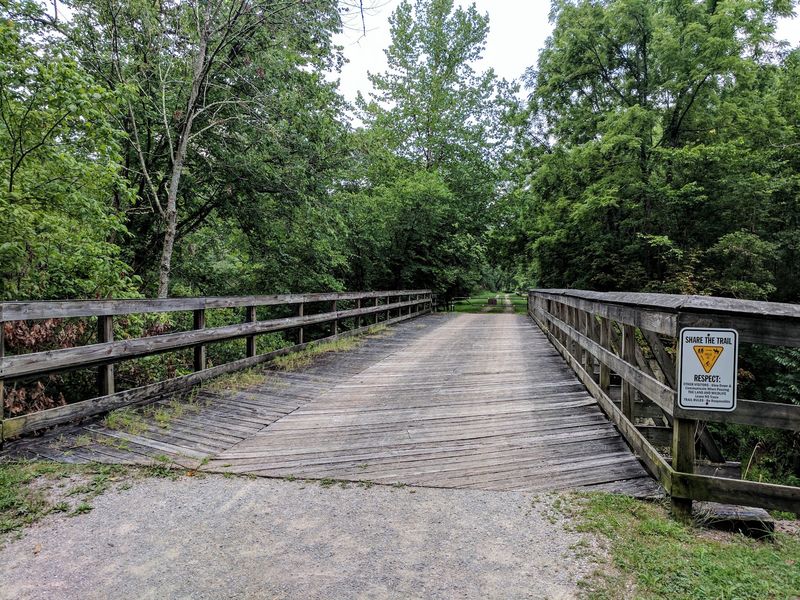
Funny thing about railroad grades: trains hate hills, so the path stays pleasantly gentle even while the land around it rises and falls. That means riders get mountain scenery without huffing up mountain climbs.
The trail stretches from Parkersburg, near Interstate 77, all the way east to Wolf Summit, close to Clarksburg. In between, you’ll roll past wild, natural areas, towering rock cuts, and views of hilly terrain that feel far from any highway.
Here’s a fun bit of trivia to share at the next family get-together. This trail forms part of the American Discovery Trail, a route that runs roughly 5,500 miles coast to coast.
So technically, a short Saturday ride puts you on a path connected to both oceans.
Nobody has to tackle all 72 miles at once, of course. Many visitors pick a section, ride out a few miles, and turn around for home.
Others spread the full length over a couple of days. Either way, the scenery shifts often enough to keep things interesting, from shady hollows to open stretches where the sun warms the gravel.
It’s a route that rewards curiosity, one bend at a time.
The Central Station Tunnel, Better Known as Number Six
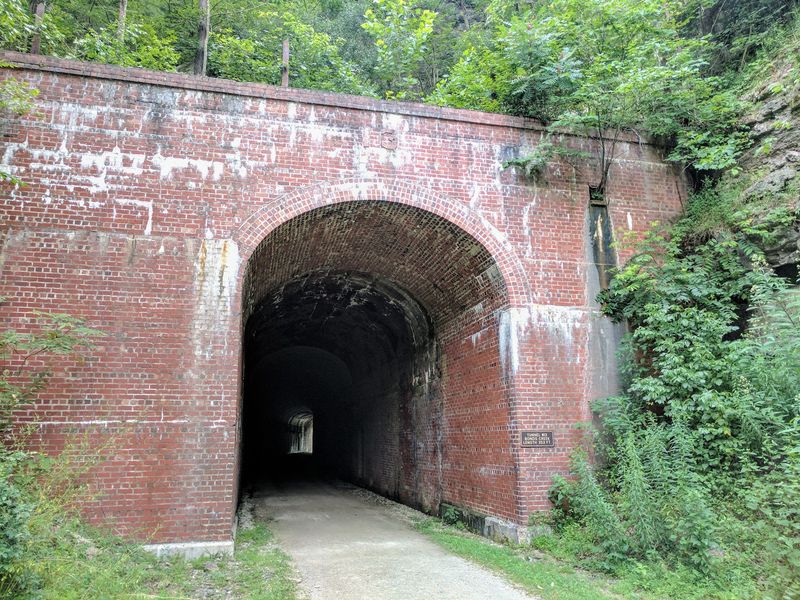
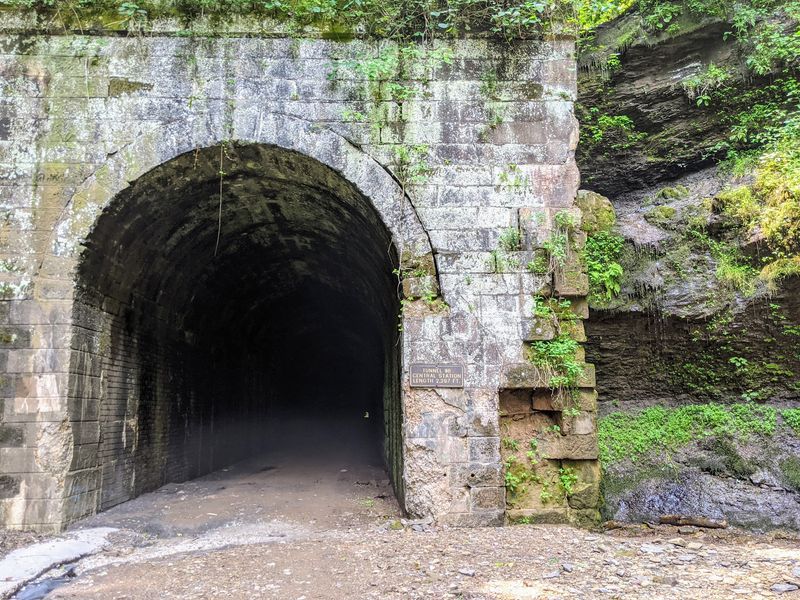
Two thousand two hundred ninety-seven feet. That’s the length of Tunnel Number Six, the Central Station Tunnel, and it is the longest tunnel on the entire trail.
Nearly half a mile of solid darkness waits inside.
You’ll find it at milepost 49.5, near the town of West Union in Doddridge County country. Unlike some other tunnels along the route that curve, this one runs almost perfectly straight.
Standing at the entrance, you can actually see a tiny dot of daylight at the far end.
That little dot looks harmless enough. Then you roll inside, the walls close in, and the daylight behind you shrinks away.
Suddenly the only light that matters is whatever you brought along.
Riders often talk about how quickly the outside world disappears. Sounds change, too.
Tires crunching on gravel echo off the old stone, and every drip of water seems louder than it should. For kids, it feels like an adventure straight out of a storybook.
For grown-ups, it’s a reminder of the railroad workers who chipped through this ridge long ago. Either way, few people come out the other end without a grin and a story to tell.
When the Light at the End Floats Away
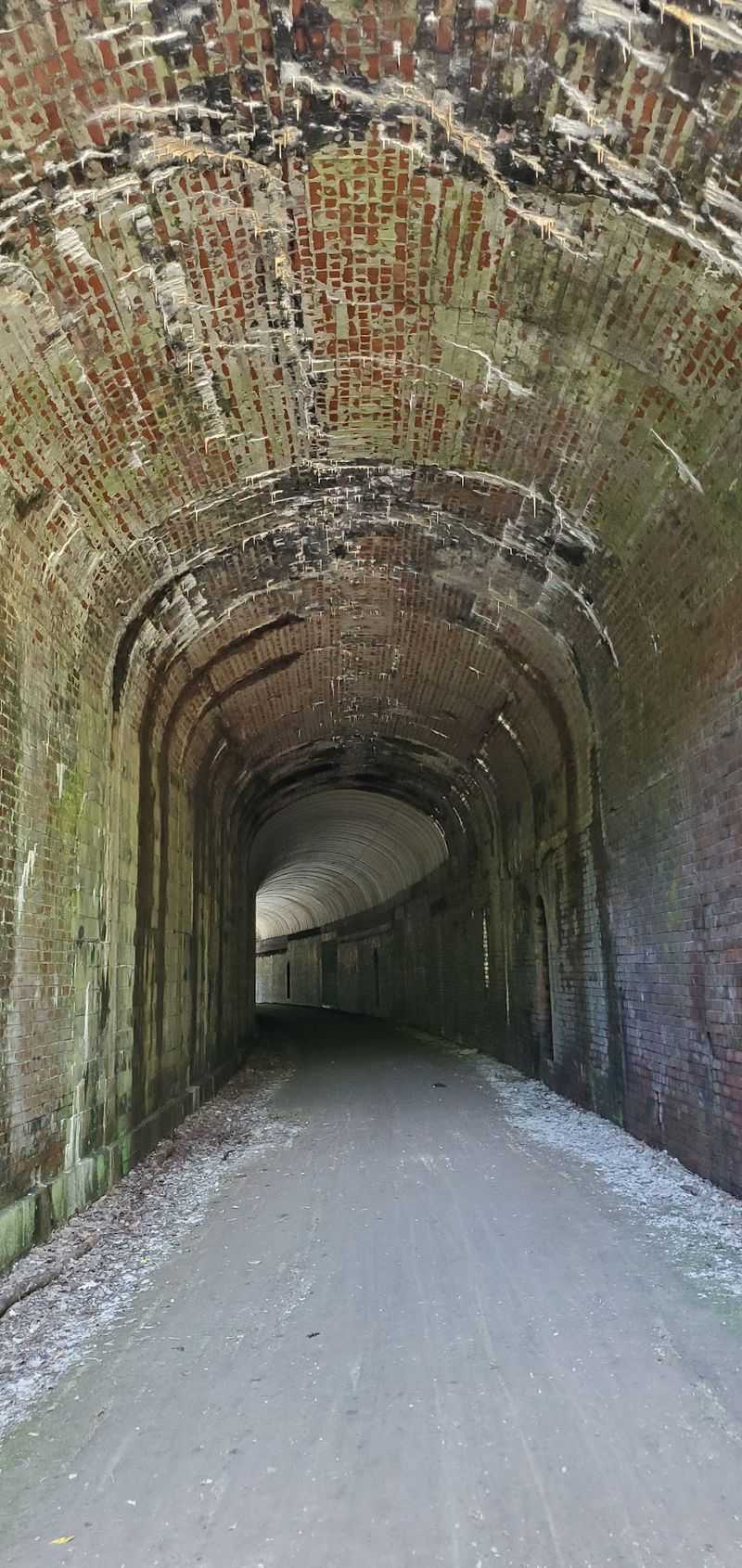
Ask anyone who has ridden Tunnel Six, and they’ll probably describe the same strange trick of the eyes. Deep inside, that distant circle of daylight seems to drift, hover, or even slide farther away as you pedal.
Many riders call it a mystical experience. In total blackness, your brain loses track of motion, so you may feel like you aren’t moving at all, even while your legs are spinning.
The exit just hangs out there, glowing, refusing to get closer.
It’s a harmless illusion, but it can be a little unsettling the first time. Some folks laugh out loud halfway through.
Others go quiet and just focus on the gravel lit by their headlamp.
Then, slowly, the circle grows. Edges appear.
Green leaves take shape outside the portal, and the air starts to warm again. Rolling back into daylight feels like waking up from a nap you didn’t know you were taking.
Parents often say kids talk about this part for weeks afterward. It’s one of those rare moments where plain old darkness, the kind we rarely find anymore with streetlights everywhere, turns into pure entertainment.
Natural Air Conditioning Underground
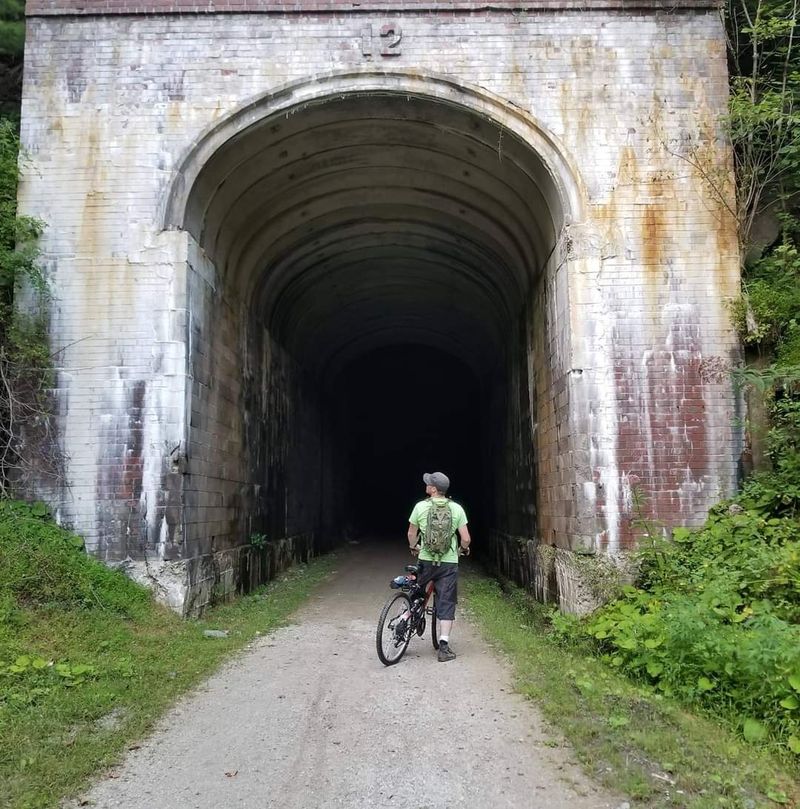
On a sticky July afternoon, stepping into Tunnel Six feels a bit like opening the freezer door at Grandma’s house. A blast of cool, damp air rolls out to greet you before you’re even inside.
The temperature swing can be striking in warmer months. Outside, the sun bakes the gravel and the cicadas buzz.
A few steps in, the air turns moist and chilly, and suddenly those sweaty shoulders get a welcome break.
Plenty of riders time a summer outing around this very feature. Pedal a few hot miles, then coast into nature’s own cooling station.
It’s cheaper than any air conditioner and a lot more memorable.
Moisture does come with the deal, though. Tunnel walls may drip, and the ground inside can stay damp, so expect a few puddles or slick patches.
Slowing down helps, and a light jacket tucked in a bag may feel smart if you plan to linger.
Come fall, the contrast softens, but the tunnel still holds its own cool mood. Folks who ride in different seasons often say each visit feels a little different, which is part of the fun of coming back.
Headlamps, Flashlights, and Other Must-Haves
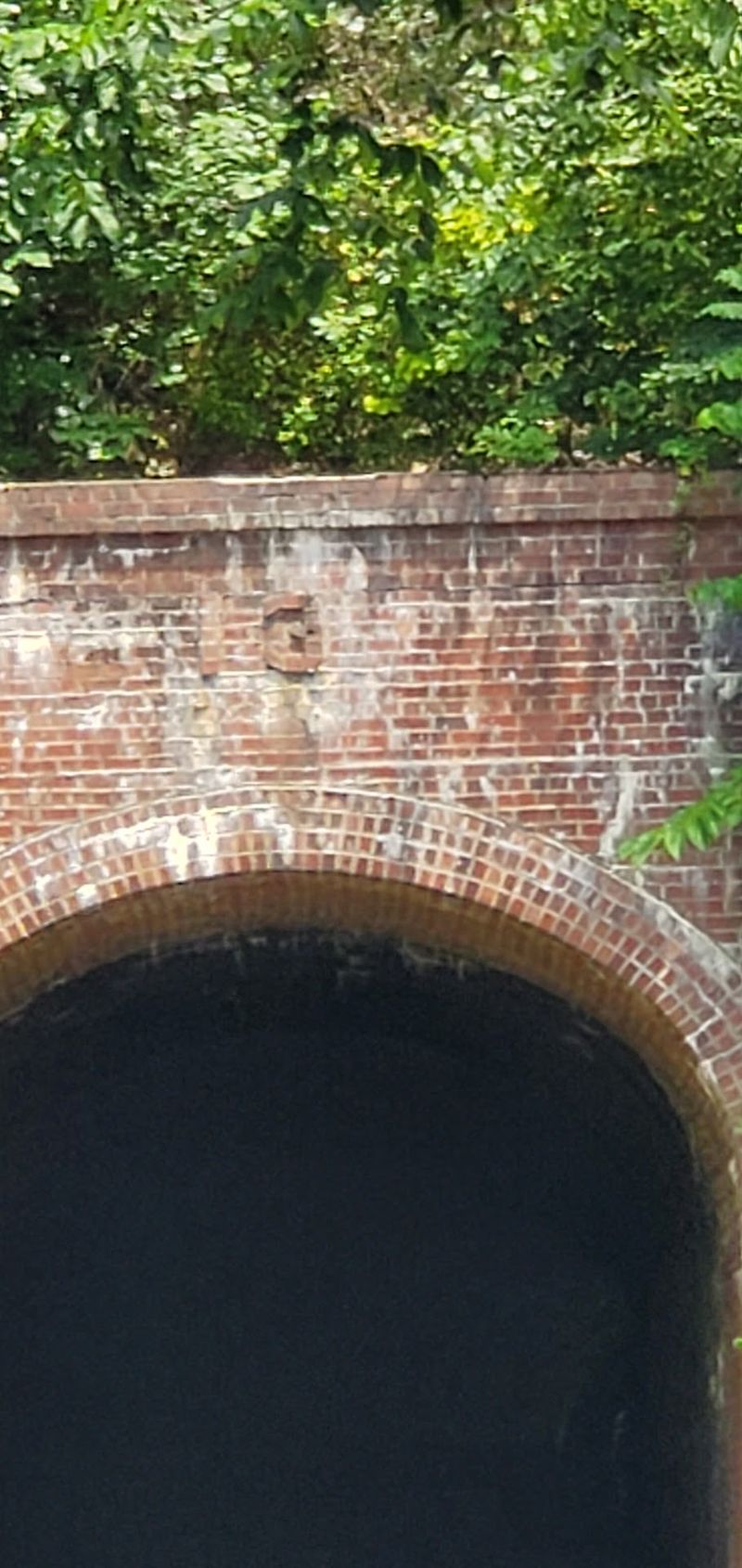
Skip the flashlight, and Tunnel Six will teach you a lesson fast. Because of its length, the inside gets exceptionally dark, and a headlamp or flashlight is considered essential for getting through safely.
A handlebar light works nicely, and a headlamp adds a second beam wherever you turn your head. Some riders carry both, just in case batteries fade at the worst moment.
Phone flashlights can work in a pinch, but holding one while steering on gravel is tricky.
Tunnel Six isn’t the only dark spot, either. Many of the trail’s tunnels call for a light, so it’s wise to pack one no matter which section you’re riding.
Tires matter, too. The surface is mostly crushed stone or coarse gravel, and cyclists are advised to use tires at least 1.5 inches wide.
Hybrid bikes tend to handle it well, while skinny road tires may struggle.
Beyond that, the usual common sense applies. Bring water, a snack, and a basic repair kit, since services can be spread out.
A little preparation goes a long way toward turning a good ride into a great one.
Ghost Stories of Silver Run
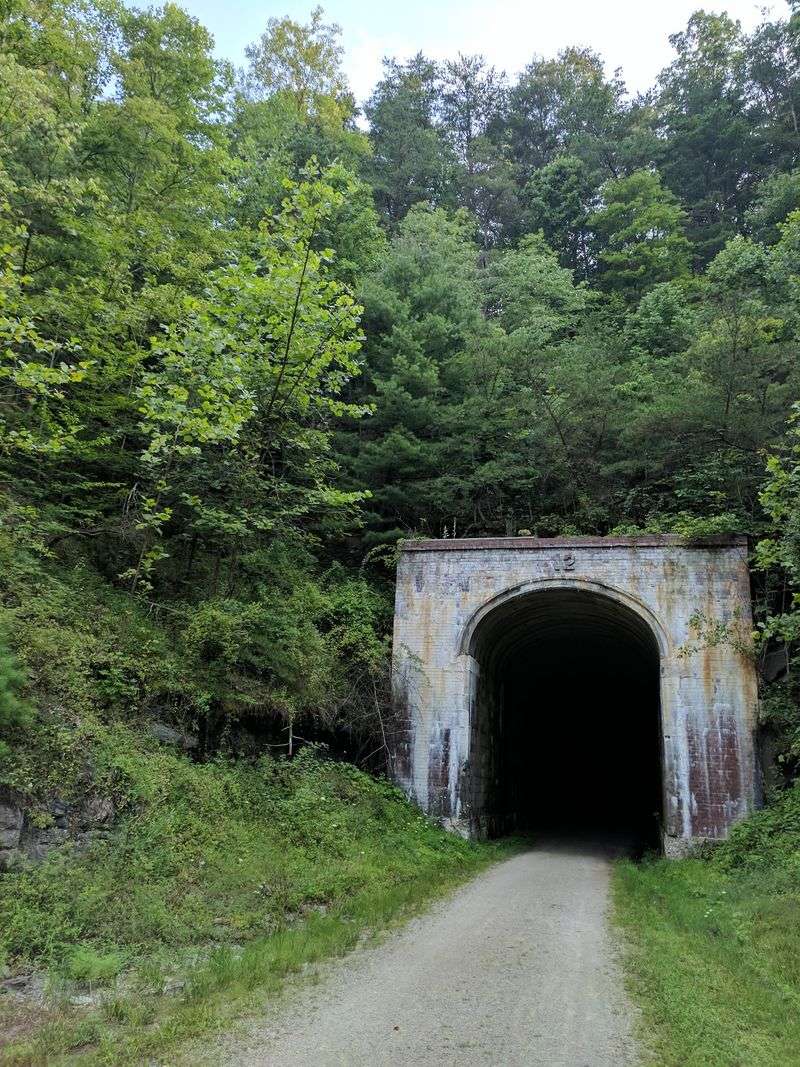
Every good old railroad needs a ghost story, and this one has a doozy. Tunnel Number Nineteen, called the Silver Run Tunnel, carries a reputation as the trail’s haunted spot.
Measuring 1,376 feet, it sits at milepost 22.8 between Cairo and Petroleum. Local legend talks about the apparition of a woman in a white wedding dress, and some versions mention a child instead.
One favorite tale goes back to 1910. As the story is told, a young engineer spotted a woman in a pale dress with raven-colored hair standing in front of the tunnel.
He reportedly tried desperately to stop his train, only for her to vanish.
Whether you believe it or not, the legend has been passed around porches and campfires for generations. It’s the kind of story grandparents love to tell with a twinkle in their eye, pausing right before the best part.
Riding through Silver Run on a misty morning, it’s easy to see how such tales took root. The stone arch, the hush of the woods, and the echo of your own tires all add a little shiver to an otherwise peaceful ride.
Thirty-Six Bridges Over Creek and Hollow
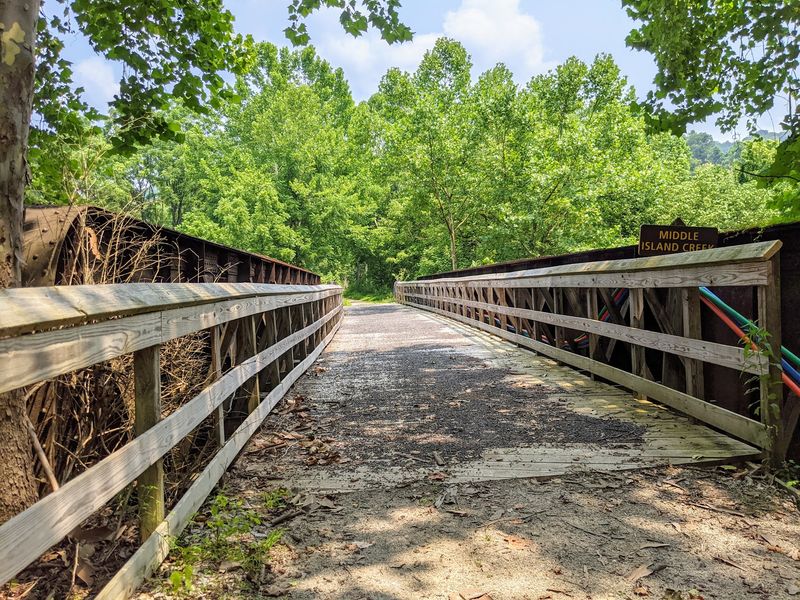
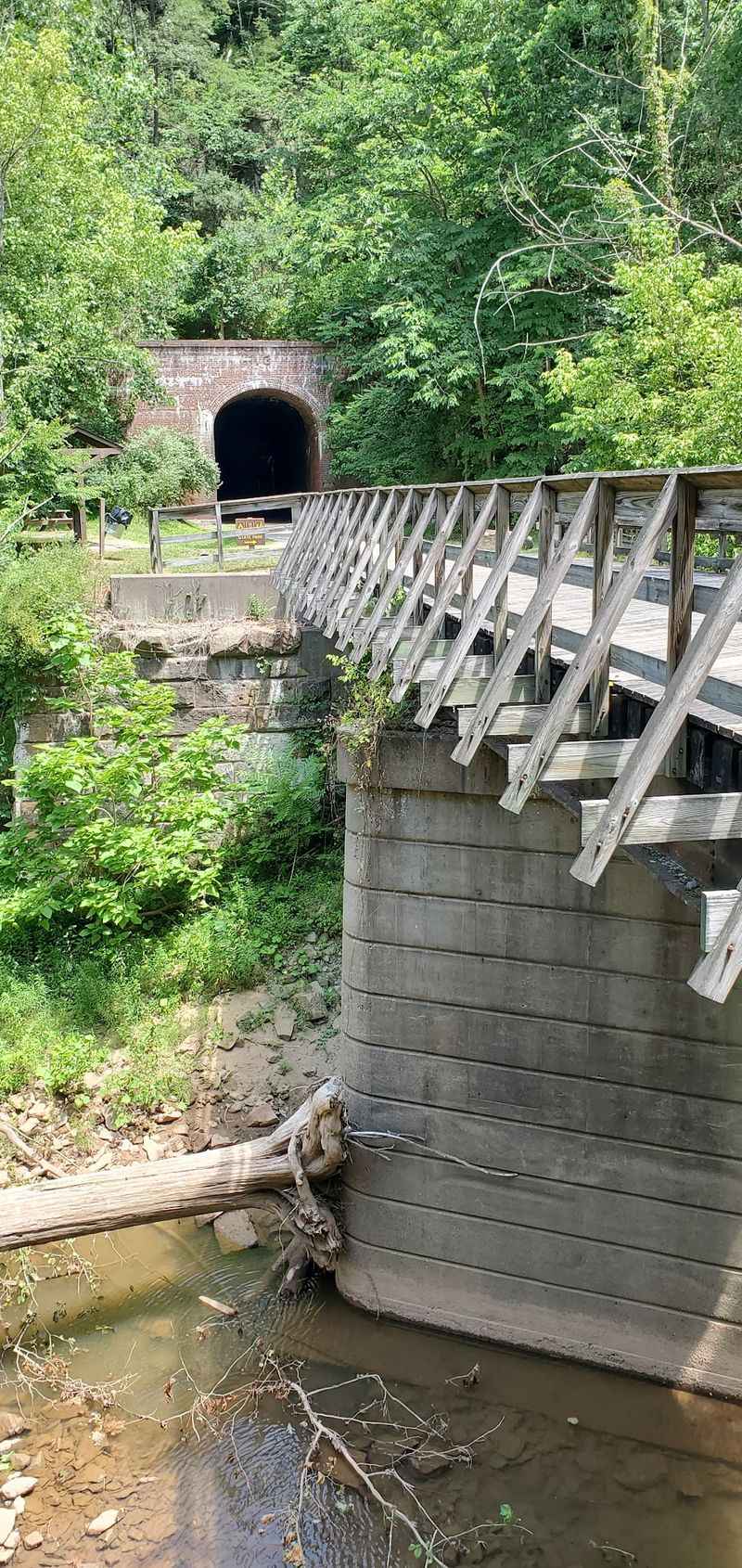
Tunnels grab the headlines, but the bridges quietly steal plenty of hearts. Riders cross 36 of them along the full length of the trail, each one offering a fresh look at the water and woods below.
The longest spans Middle Island Creek on the east side of West Union. It’s a favorite place to stop, catch your breath, and watch the creek slide by underneath.
Photographers tend to linger here, especially when the light hits the water just right.
Tunnel counts vary a little depending on the source. The trail features 10 passable tunnels, out of a larger number originally built for the railroad.
Tunnel Number Two, east of Salem, stretches 1,086 feet and makes a solid runner-up for dark-tunnel thrills.
Between bridges and tunnels, the trail keeps your attention without ever demanding much from your legs. One minute you’re high above a creek, the next you’re rolling into cool stone shade.
Wildlife adds to the show. Visitors may spot deer, beaver, grouse, and various birds, and black bears also live in the area.
Keeping a respectful distance and staying alert helps everyone enjoy the encounter.
Depot Towns and Small-Town Charm
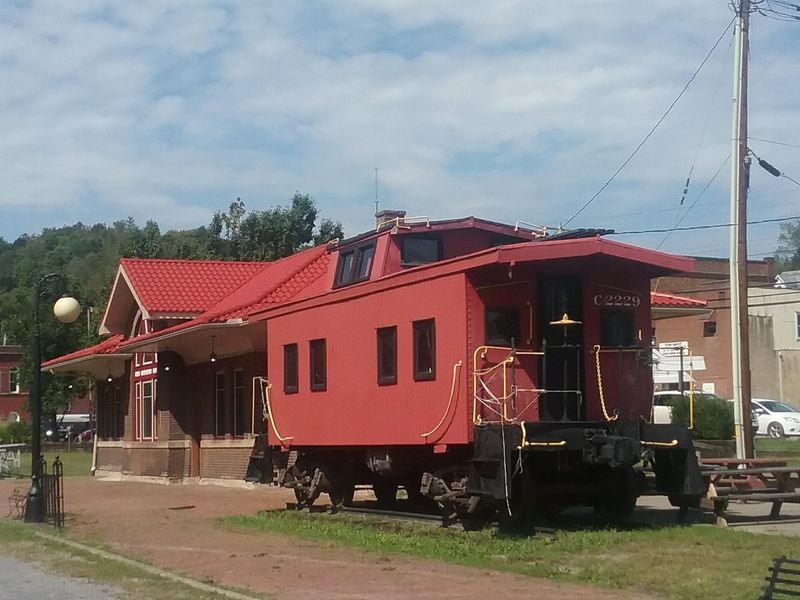
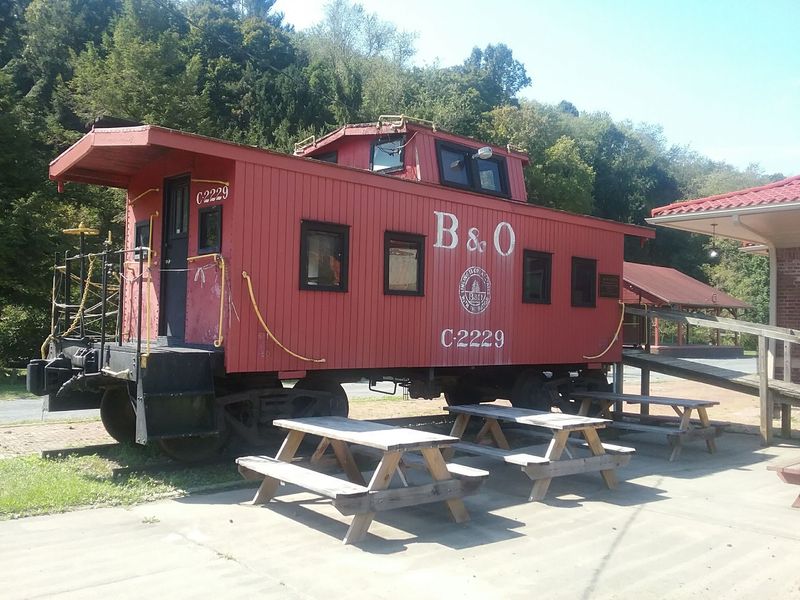
Remember when the train depot was the busiest building in town? Along this trail, several communities kept that memory alive by holding onto their old B&O depots.
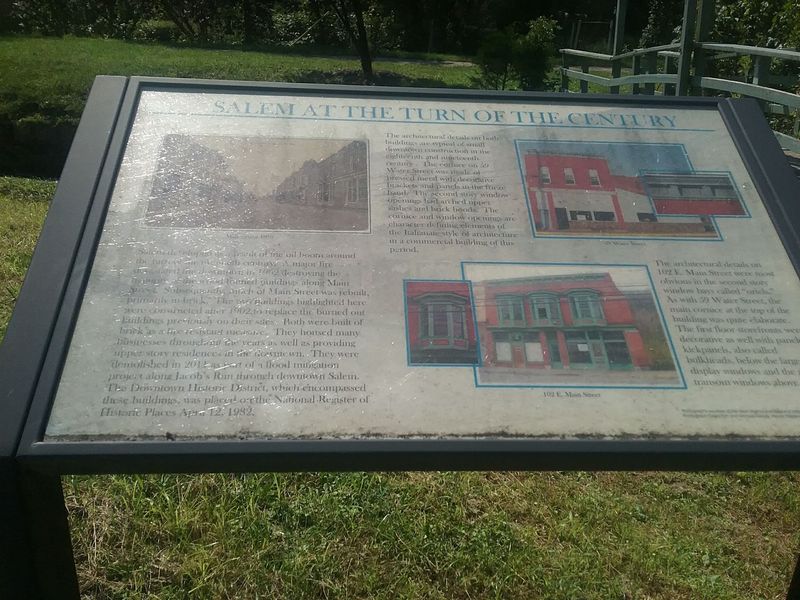
Pennsboro, Smithburg, and Salem each retain refurbished depots, giving riders a glimpse of the days when passengers waited with suitcases and mail sacks stacked high. Pulling up beside one feels a bit like stepping into an old family photo album.
Paved stretches make these towns easy to explore. West Union has about 0.8 miles of pavement, and a roughly four-mile section meanders through Salem.
Folks on skinnier tires or strollers may find these spots especially welcome.
Towns like these carry a quiet pride. They grew up around the railroad, watched it fade, and found a new purpose as trail stops.
That’s a story plenty of West Virginians know well, and it’s told here without a hint of sadness.
Stopping for a break in town can make a long ride feel more like a journey. Take a moment to look around, read any historical markers you spot, and imagine the whistle echoing through the valley once more.
Who Will Love This Ride
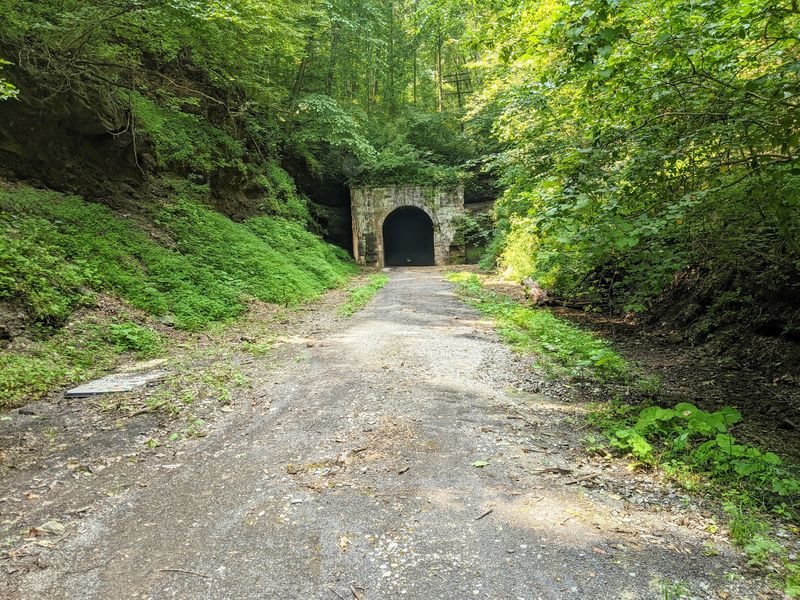
Grandparents, grandkids, weekend cyclists, and quiet walkers all seem to find their place here. The flat railroad grade makes it friendly for a wide range of ages and energy levels.
Retirees often appreciate that the trail costs little or nothing to enjoy on foot or bike, based on typical state trail access, and it offers hours of scenery without steep climbs. A slow, easy pace fits right in.
Families tend to love the tunnels most. Kids treat the dark stretches like a real expedition, while parents enjoy watching their faces light up, quite literally, under the headlamp glow.
History buffs have plenty to chew on too, from B&O stonework to Civil War connections. Ghost story fans, well, they’ll want to make time for Silver Run.
More serious riders can piece together long days or even multiday trips. North Bend State Park sits just off the trail between Cairo and Ellenboro and offers camping and showers, which can make an overnight stay much more comfortable.
If you enjoy peaceful places with a little mystery mixed in, this trail may become a regular stop on your calendar.
Getting There and Where to Park
Planning ahead saves a lot of wandering. The trail has several access points with parking, so you can choose a section that suits your plans.
On the western end, parking is available in Parkersburg off Happy Valley Road. Out east, Wolf Summit access sits at 5049 Wilsonburg Road, Clarksburg.
In between, there’s Petroleum at 3980 Petroleum Road, handy for reaching Silver Run, and Salem at 153 E Main Street.
For Tunnel Six, aim for the West Union area, since the Central Station Tunnel sits at milepost 49.5 nearby. Checking a current trail map before you leave can help you pick the closest starting point.
Hours and fees weren’t available in the information we gathered, so it’s smart to check with West Virginia State Parks before your trip. Trail conditions can change with weather, too.
Cell service may be spotty in the hills, so download maps ahead of time. Bring cash for small-town stops and fill your water bottles before heading out.
With a little homework, you’ll spend less time guessing and more time rolling through tunnels and over creeks.
A Soft Verdict From the Far Side of the Tunnel
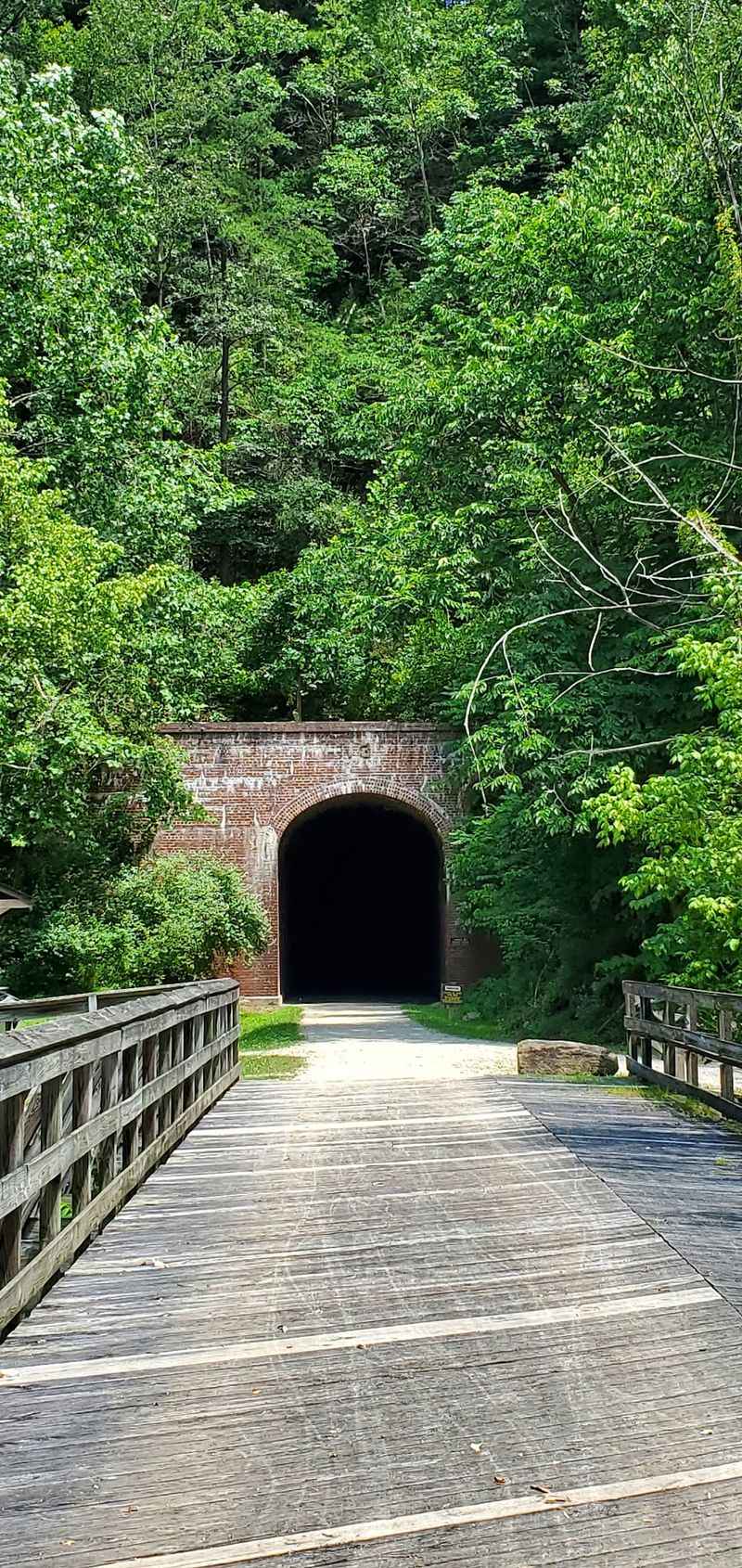
Coming out of Tunnel Six into warm sunshine, most riders feel a little lighter. Something about half a mile of darkness makes ordinary daylight seem brand new.
That’s the real gift of the North Bend Rail-Trail. It blends history, scenery, and a dash of mystery into an outing almost anyone can enjoy.
You don’t need fancy gear or big muscles, just a sturdy bike or good shoes, and a reliable light.
For West Virginians, it’s also a chance to reconnect with the railroad heritage that shaped so many hometowns. Those stone tunnels and old depots hold memories worth visiting, even if you never heard a train roll through yourself.
Is it worth the drive? For most people, the answer seems to be a happy yes.
Pick a sunny day, pack a snack, and let the trail set the pace.
The general address is simply West Virginia, USA, with access points like 153 E Main Street in Salem and 5049 Wilsonburg Road in Clarksburg. Do you remember riding a train through these hills?
Share your memories, and maybe we’ll see you in the dark.
