Tea fields usually bring to mind misty hillsides in China or India, so endless green rows on a quiet South Carolina sea island caught me completely off guard. The drive out winds past marshes and moss-draped oaks, and my shoulders dropped a little lower with every mile.
Then the farm appeared, 127 acres of tea bushes trimmed so neatly they looked like a giant green quilt. Walking between the rows, the air smelled like fresh leaves and damp earth, and the only sounds were birds and the whisper of wind through the bushes.
This farm produces enough tea for millions of cups every year, all grown right here in America. Every plant on the property traces its roots back to a crop first planted in 1888, which made my first sip taste like a history lesson.
Tea lovers, farm enthusiasts, and anyone seeking a peaceful day will find this place worth the trip.
A Slow Road Out to Wadmalaw Island
My phone map kept telling me I was close, yet all I could see were marsh grasses, pine trees, and the occasional farm stand. Wadmalaw Island has a way of making you forget you left Charleston less than an hour ago.
The island is mostly rural, and much of its land is protected from big development, so there are no shopping strips crowding the view.
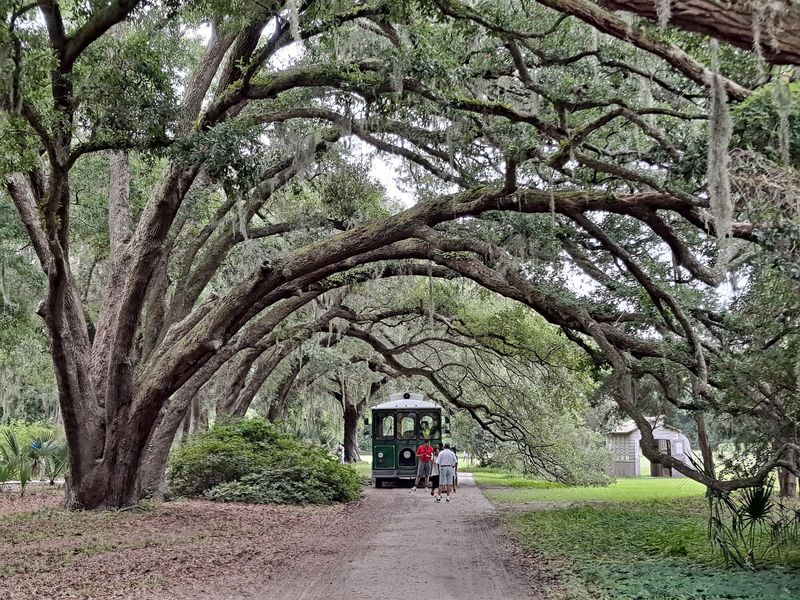
Maybank Highway carries you across the water and onto the island, and it becomes a pleasant ribbon of road shaded by huge live oaks. Spanish moss hangs from the branches like gray curtains.
I rolled my window down and caught the salty smell of the marsh mixed with warm pine.
Plan to arrive early if you can. The garden opens at 10 am most days and at noon on Sundays, closing at 4 pm, so a morning start gives you time for everything without rushing.
Traffic out here is light, but the roads are narrow, and slowing down is part of the fun anyway.
A quick tip from my own drive is to fill your gas tank before leaving the mainland. Stations are scarce once you cross over, and you will want to spend your energy enjoying the scenery instead of worrying about the fuel gauge.
Rows of Green That Seem to Go Forever
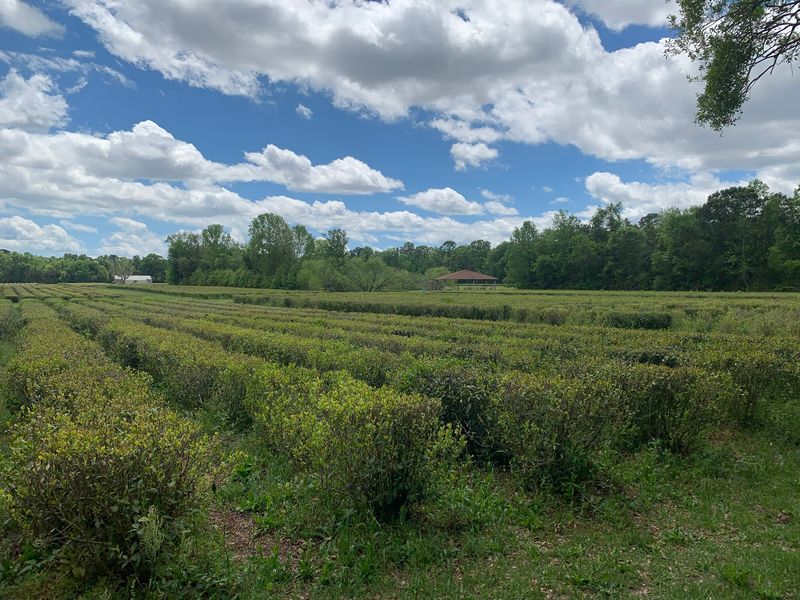
Honestly, my jaw dropped a bit when the fields came into view. Low, flat-topped tea bushes stretched out in perfect lines, each one clipped to about waist height.
From a distance they looked soft enough to lie on, though I resisted the urge.
Charleston Tea Garden is known as the only large-scale tea farm in the United States. The property covers 127 acres and grows more than 320 varieties of Camellia sinensis, the single plant that gives us black, green, white, and oolong tea.
The difference between those teas comes from how the leaves are processed, not from different bushes.
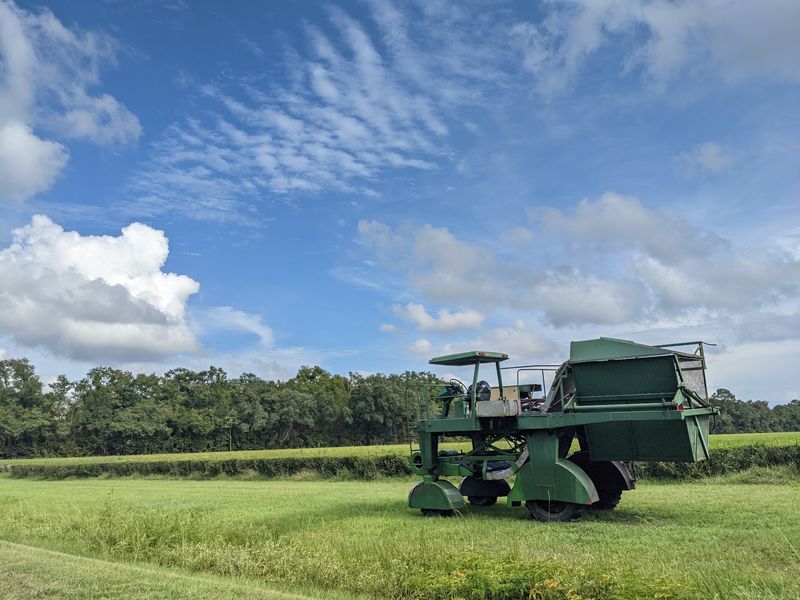
The flat tops are not just for looks. Harvesting machines skim across them and snip only the fresh new growth, which holds the best flavor.
That tidy shape makes it possible to gather leaves quickly during the warm growing season.
Bring sunglasses because the green practically glows on a bright afternoon. If you visit when the bushes bloom, usually in the cooler months, you might spot small white flowers with yellow centers tucked among the leaves.
Another thing I loved learning is that the farm skips pesticides and fungicides, which makes those rows feel even more special up close.
A Story That Started Back in 1888
Here is the fun part of the history, and it reads a bit like a comeback story. Tea plants first reached the United States from China in the late 1700s, but many early South Carolina farms gave up within a couple of decades.
Growing tea turned out to be harder than anyone expected.
In 1888, Dr. Charles Shepard started the Pinehurst Tea Plantation in Summerville and actually made award-winning teas. After he passed away in 1915, his plants grew wild for around 45 years.
Nobody trimmed them, and yet they survived.
In 1963, the Lipton company moved those hardy plants to a 127-acre former potato farm on Wadmalaw Island for research. Lipton later decided large-scale American tea would cost too much.
Then in 1987, William Barclay Hall, a third-generation tea taster trained in London, bought the farm and launched American Classic Tea.
The Bigelow Tea Company joined in 2003 and has cared for the garden since. In 2020 the name changed from Charleston Tea Plantation to Charleston Tea Garden, a choice that recognizes the heavy history tied to the old word.
Every plant growing here today descends from Shepard’s original crop, which honestly gave me goosebumps.
Peeking Through the Factory Glass
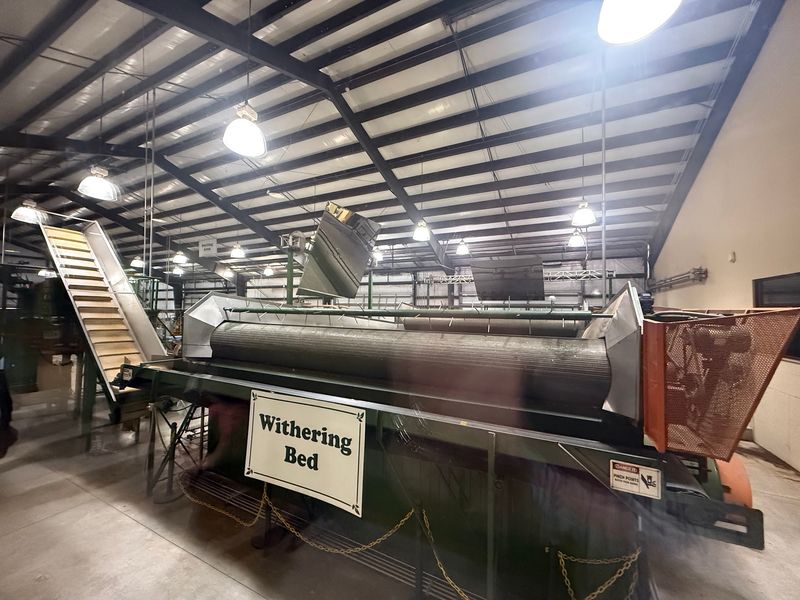
Curiosity pulled me straight toward the factory, and I was glad it did. A long, air-conditioned gallery with big windows runs almost the whole length of the building.
You look down on the machines while staying cool and out of the way.
The free, self-guided tour takes roughly 15 minutes. Television screens along the hallway explain each stage in simple steps.
Fresh leaves are spread on withering beds to soften, then rolled, oxidized, and dried before they are sorted.
I never realized how many steps go into the tea bag sitting in my kitchen drawer. Seeing the leaves change color from bright green to dark brown helped the whole idea click for me.
It is like a science class where you get a snack at the end.
Timing can make this even better. During harvest season, the leaves you watch being picked in the morning might already be on the withering beds by the time you reach the factory.
If you want that experience, visit in the warmer months when the machines are busiest.
Kids who enjoy how-things-work shows will probably like this part most. It is short, clear, and easy to fit into any schedule.
Rolling Along on the Tea Trolley
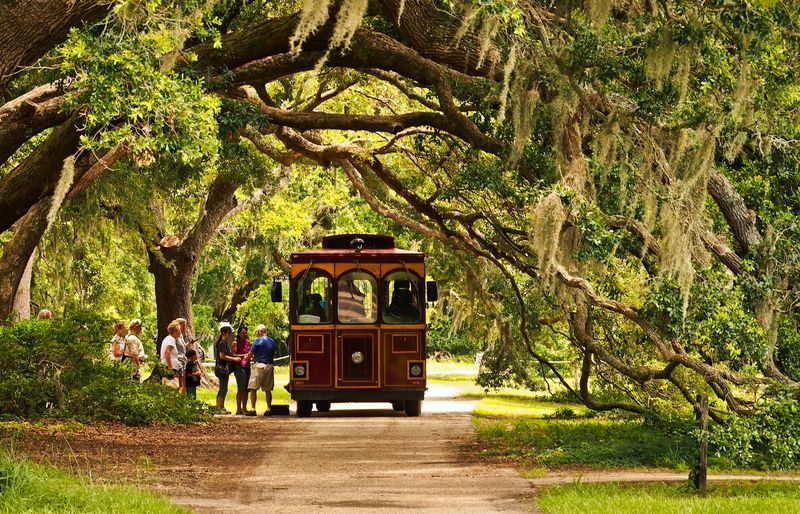
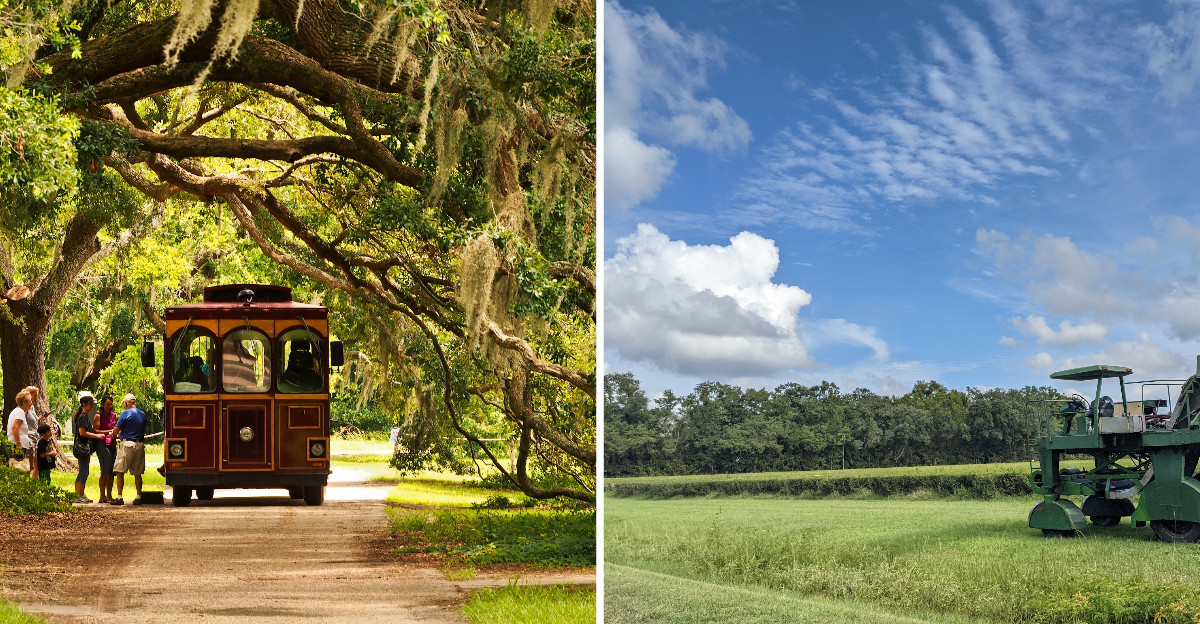
Picture a slow, open trolley rumbling past acres of tea while a guide shares stories, and you have my favorite hour of the day. The ride lasts about 45 minutes.
Much of the route sits under shade, which is a gift on a hot Lowcountry afternoon.
The tour mixes a recorded narration with a live guide who answers questions along the way. I learned about the plants, the local wildlife, farming methods, and how those original bushes traveled from Summerville.
The covered roof also keeps you dry if a surprise shower rolls through.
One small trick I picked up is to grab a seat on the left side. That side tends to face the best views of the fields as you roll along.
Booking your trolley ticket ahead of time is smart too, since tours can fill up, especially on weekends.
Keep your eyes open for the harvesting machine. It looks a bit like a tall, friendly monster straddling the rows, and watching it trim the tops of the bushes is surprisingly satisfying.
You might also spot a historic harvester on display next to a newer model, which shows how far the technology has come over the years.
Where Baby Tea Plants Get Their Start
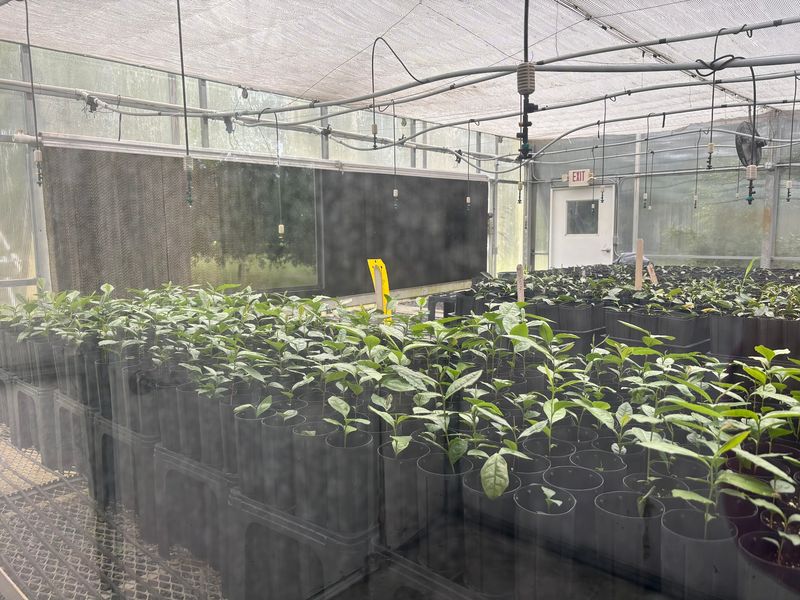
Tiny, fragile, and lined up in neat trays, the young tea plants in the greenhouse stole my heart a little. This stop comes during the trolley tour.
It shows how the garden prepares for the future.
New plants are grown from cuttings instead of seeds. Workers snip pieces from healthy bushes, then place them in soil where they slowly grow roots.
Automatic watering and climate controls keep the air warm and moist, almost like a spa day for plants.
Once the little ones are strong enough, they move out to the fields to join the older rows. Growing plants from cuttings means each new bush is a copy of its parent.
That is how the farm keeps the family line going all the way back to 1888.
I found myself thinking about my own sad houseplants while standing there. If you like gardening, pay attention to how carefully the cuttings are spaced and watered.
There are small lessons here you can try at home with your own plants.
Bring a question or two for the guide. The greenhouse is one of those places where a little curiosity leads to the most interesting answers, and the staff clearly enjoy talking about their work.
Free Sips at the Tea Bar
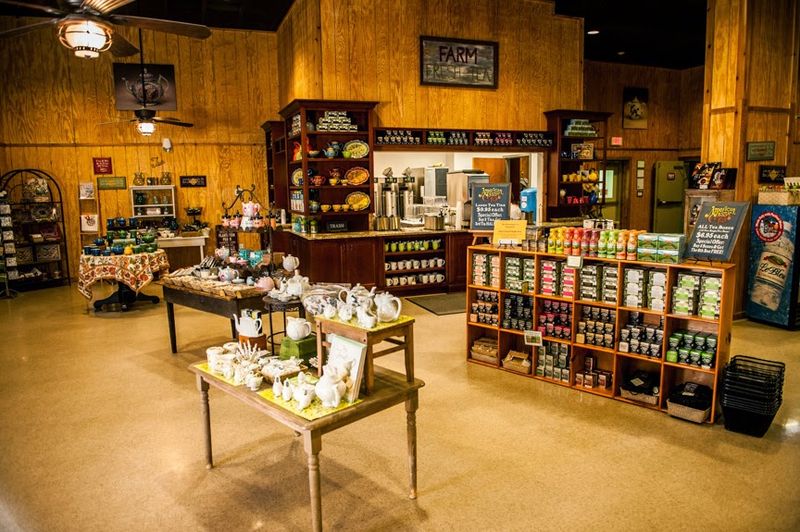
Nobody warned me that the gift shop would become my happy place. Inside, a tea bar offers free samples of hot and iced tea.
You can wander back for another cup as many times as you like.
I started with American Classic, which tastes smooth and full without any bitterness. Flavored options rotate, and fruity blends like raspberry and seasonal peach green tea are fan favorites.
Sweet tea lovers will feel right at home here, since this is the South after all.
Tasting first makes shopping easier. Instead of guessing, you can pick bags or loose-leaf tea you already know you enjoy.
The shop also stocks teapots, cookbooks, local candies, honey, towels, and plenty of Charleston souvenirs.
My advice is to go slowly. Try a sip, jot down your favorites on your phone, then compare before buying.
It keeps you from grabbing everything in sight, which I nearly did.
A video playing inside the shop also walks through the journey from leaf to cup. It pairs nicely with whatever tea you are holding.
Out on the porch, rocking chairs wait for anyone who wants to sit, sip, and watch the oak branches sway.
Lingering Under the Oaks Before Heading Home
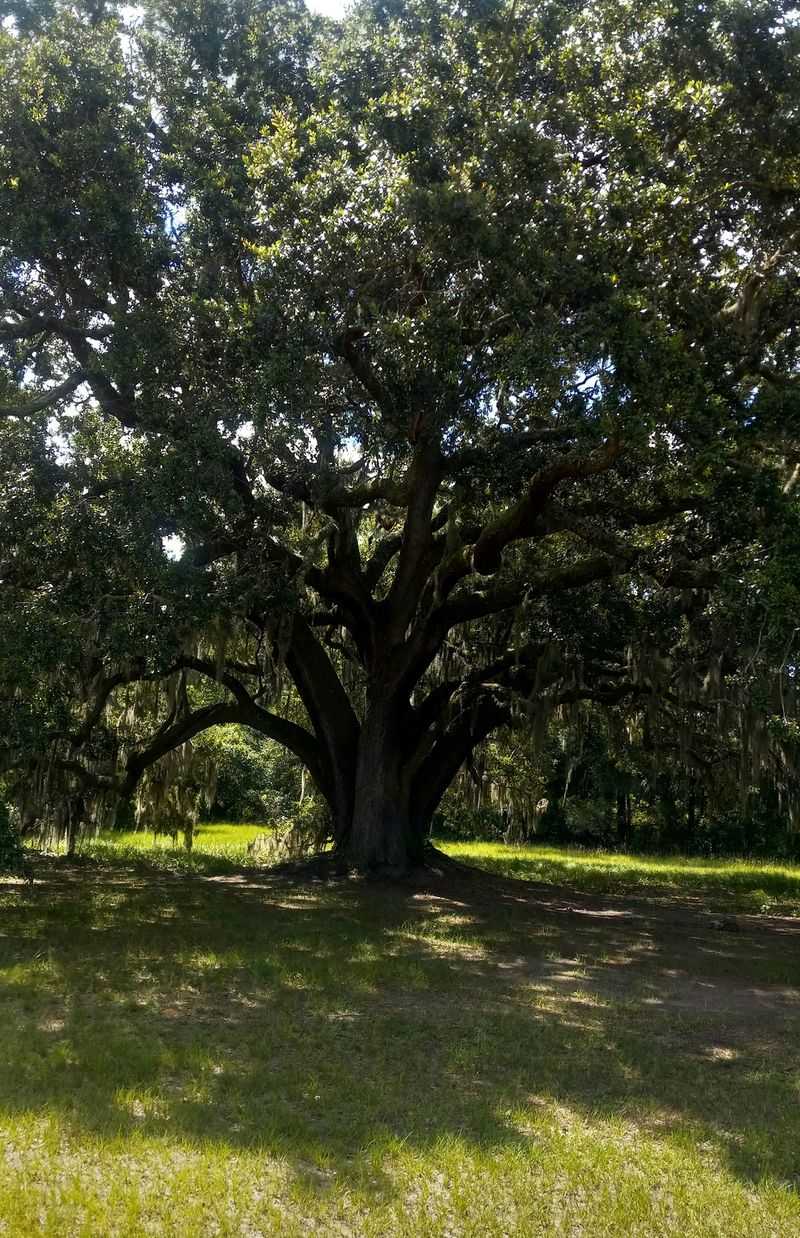
Something about the big live oaks out front made me stay longer than I planned. Their wide branches spread over the lawn and cast cool shade, perfect for a slow stroll after the tours.
I wandered around with my last cup of iced tea and simply listened to the breeze.
The grounds feel calm and homey rather than crowded or flashy. You can see a tea field right from the parking area and beside the gift shop, so even a short stop lets you enjoy the view.
Clean restrooms sit outside, which is handy after all those samples.
Knowing the garden produces tens of thousands of pounds of tea each year surprised me. That adds up to millions of cups, all grown on this one peaceful island.
It made me feel proud to support a farm keeping American tea alive.
If you have extra time, the famous Angel Oak Tree on nearby Johns Island makes a lovely stop on the drive back. Wrapping up a day of tea with an ancient oak felt just right to me.
I left relaxed, a little wiser, and already planning a return visit.
Address: 6617 Maybank Highway, Wadmalaw Island, South Carolina 29487
