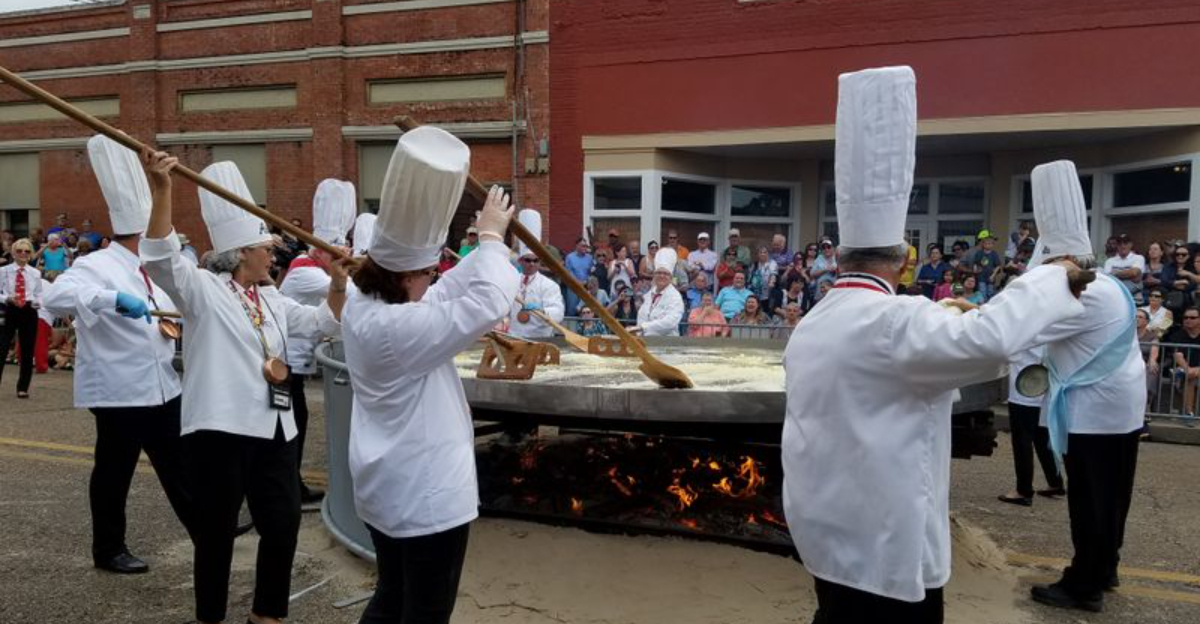
Louisiana stretches across the Gulf Coast like a patchwork quilt of cultures, where French, Spanish, African, and Caribbean influences have simmered together for centuries to create something entirely unique.
The bayous wind through cypress swamps, jazz music drifts from street corners in historic neighborhoods, and the air itself seems seasoned with cayenne and anticipation.
Food is not just sustenance here but a language of celebration, a way communities gather to honor their heritage and the bounty of their land and waters.
These festivals capture the soul of Louisiana, offering travelers a chance to taste authentic dishes prepared by families who have perfected their recipes over generations, all while soaking in live music, colorful parades, and the unmistakable warmth of Southern hospitality.
1. Breaux Bridge Crawfish Festival
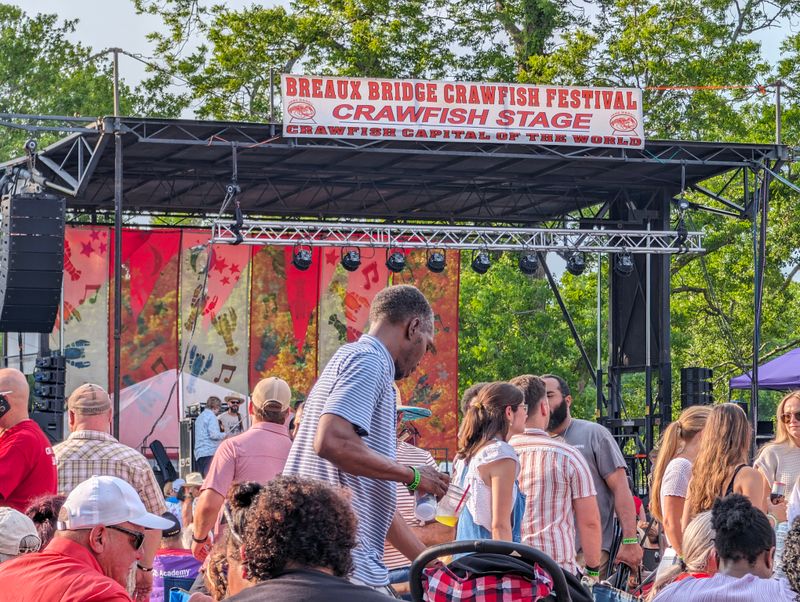
Breaux Bridge earned its nickname as the Crawfish Capital of the World through decades of perfecting the art of catching, cooking, and celebrating these mudbugs that define Louisiana cuisine.
Every May, when crawfish season reaches its peak, this charming town transforms into a culinary carnival where the crustacean reigns supreme.
The festival grounds buzz with energy as cooks compete in crawfish eating contests, racing to devour pounds of spicy boiled crawfish while spectators cheer them on.
Traditional Cajun bands fill the air with accordion melodies and fiddle rhythms that make it impossible to stand still.
Families spread across picnic tables, cracking shells and sucking heads in the time-honored Louisiana tradition, their fingers stained red from seasoning.
Food vendors offer crawfish prepared every way imaginable, from classic boils swimming in spicy broth to crawfish étouffée, bisque, pie, and even crawfish bread.
The cooking competitions showcase generations of culinary wisdom as grandmothers and young chefs alike present their secret recipes.
Beyond the food, the festival celebrates the cultural heritage of Acadiana with craft booths featuring handmade items and local artwork.
Children run between attractions while parents relax under shade trees, cold drinks in hand, watching the Bayou Teche flow lazily past.
The atmosphere captures something essential about Louisiana life, where food brings people together and every meal becomes a celebration.
Locals consider this festival a rite of spring, marking the season when crawfish are plumpest and the weather perfect for outdoor gatherings.
Visitors leave with full bellies, new dance moves, and a deeper appreciation for why Louisiana takes its crawfish so seriously.
2. Ponchatoula Strawberry Festival
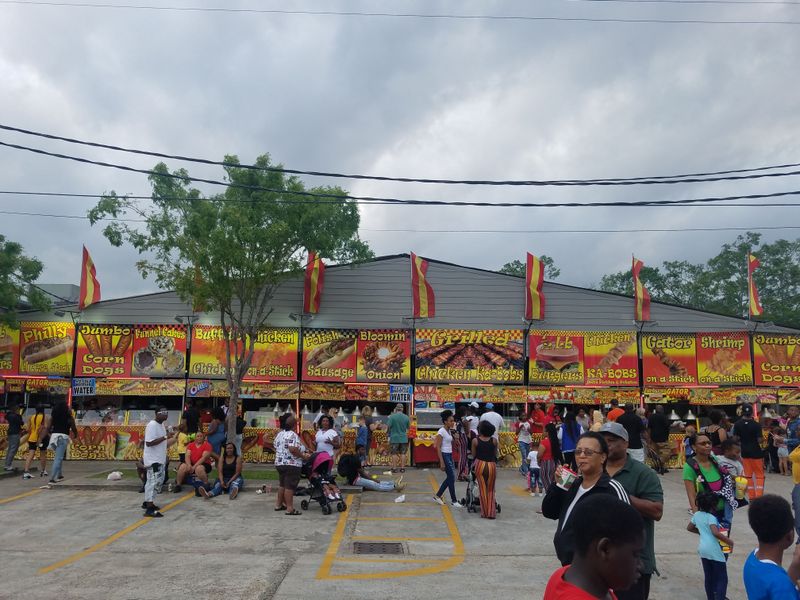
When April arrives in Ponchatoula, the fields surrounding this small town burst with ruby-red strawberries that have made the area famous throughout the South.
The Strawberry Festival has celebrated this sweet harvest for generations, drawing crowds who come specifically for treats you cannot find anywhere else.
Imagine strawberry shortcake piled high with whipped cream, strawberry lemonade so fresh it still tastes like sunshine, and strawberry preserves simmered by local families using recipes passed down through decades.
The Grand Parade kicks off the festivities with elaborate floats, marching bands, and community groups showing their creative interpretations of strawberry themes.
Children line the streets with baskets, hoping to catch candy tossed from passing floats while parents snap photos of the colorful spectacle.
Beyond the berries themselves, the festival offers a window into small-town Louisiana life, where neighbors know each other by name and traditions matter.
Live music stages feature local talent playing everything from country to zydeco, creating a soundtrack that shifts with the breeze.
Craft vendors display handmade jewelry, woodwork, and art, much of it incorporating strawberry motifs in playful ways.
The midway provides carnival rides that light up as evening falls, their mechanical music mixing with laughter and delighted screams.
Farmers sell flats of just-picked strawberries so visitors can take home the freshest fruit imaginable, often still warm from the fields.
The festival grounds themselves spread across downtown Ponchatoula, turning the entire community into one big celebration.
Something about biting into a perfectly ripe Louisiana strawberry while surrounded by live music and friendly faces creates memories that last far beyond the weekend.
3. Scott Boudin Festival
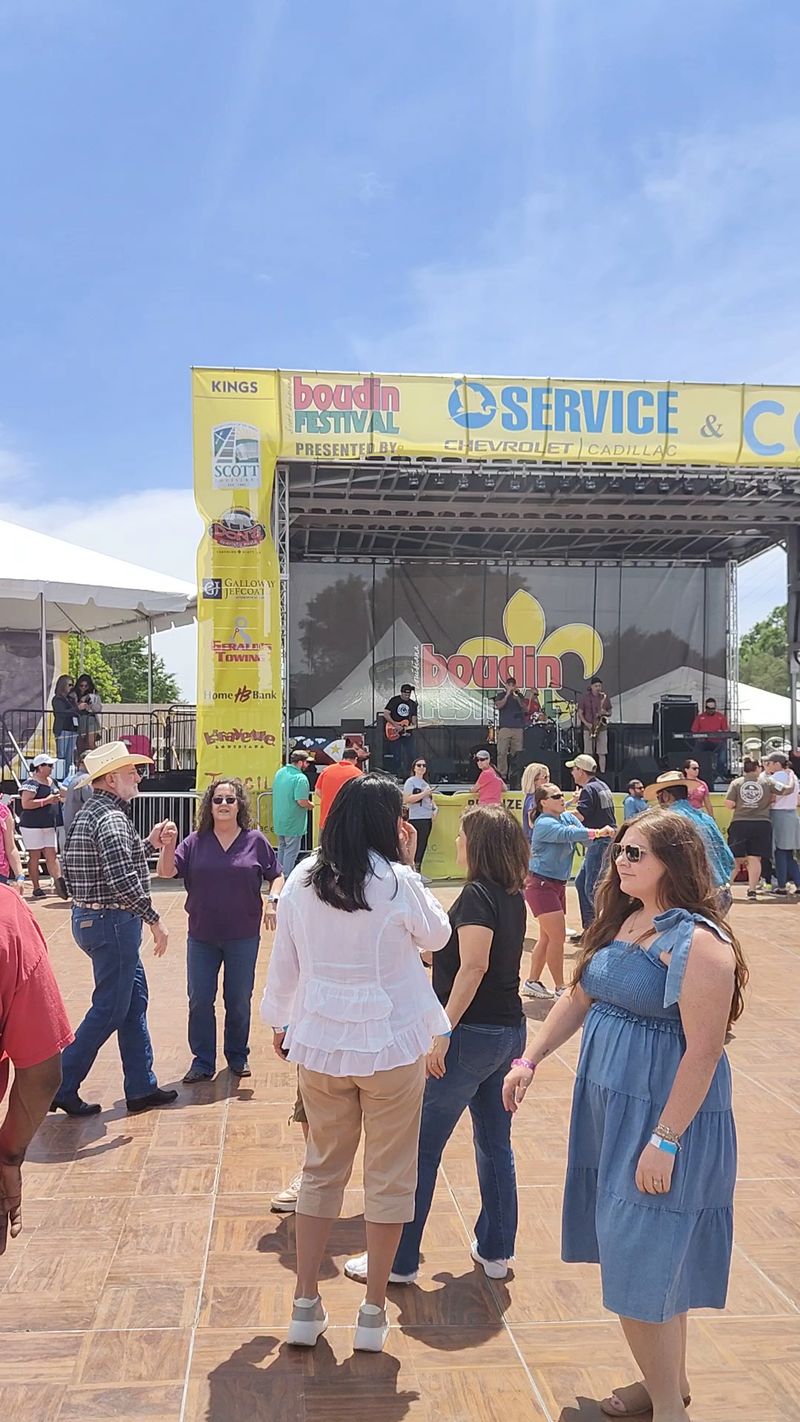
Scott may be a tiny dot on the map, but when it comes to boudin, this town stands taller than any city in Louisiana.
Boudin, that distinctive Cajun sausage stuffed with rice, pork, and seasonings, represents comfort food at its finest for anyone who grew up in Acadiana.
The April festival dedicated entirely to this regional specialty attracts boudin enthusiasts from across the state who debate which vendor makes the best links.
Each booth offers its own interpretation, some spicy enough to make your eyes water, others mild and herby, and a few adventurous creators experimenting with unexpected ingredients like crawfish or alligator.
The boudin cookoff brings out serious competitors, many representing meat markets and grocery stores that have built reputations on their signature recipes.
Judges evaluate entries on flavor, texture, and that indefinable quality locals call authenticity, the taste that transports you straight to a Cajun kitchen.
Between tastings, festival-goers enjoy carnival rides that spin against the blue Louisiana sky and browse craft booths selling everything from hot sauce to handmade cutting boards.
Local bands perform on multiple stages, playing the accordion-driven music that makes Cajun country unique.
Families spread blankets on the grass, creating impromptu picnics while children chase each other in games as old as the festival itself.
The atmosphere remains relaxed and welcoming, with strangers striking up conversations about their favorite boudin spots and sharing recommendations.
As the sun sets and lights twinkle across the festival grounds, the smell of grilling meat and spices hangs heavy in the warm air.
This celebration proves that sometimes the simplest foods inspire the greatest devotion, especially when prepared with generations of knowledge and pride.
4. Delcambre Shrimp Festival
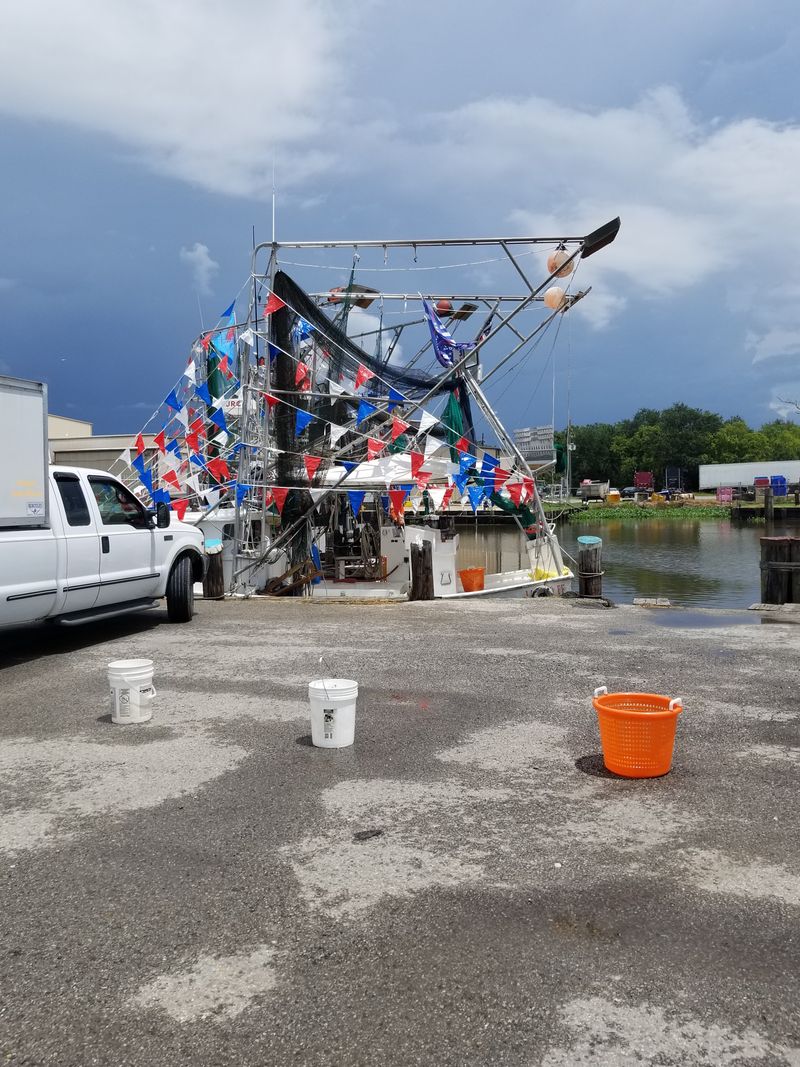
Delcambre sits where Bayou Carlin meets Vermilion Bay, and for generations, shrimping has defined this community’s identity and livelihood.
Every August, the town honors both the Gulf waters that provide abundance and the fishermen who brave them during the Shrimp Festival.
The weekend begins with the Blessing of the Fleet, a solemn ceremony where a priest blesses the shrimp boats preparing to head out for the season.
Decorated vessels parade past the docks while families and crews gather for prayers asking for safety and bountiful catches.
This ritual connects the festival to something deeper than entertainment, acknowledging the real risks and rewards of commercial fishing.
Once the blessing concludes, the celebration shifts into high gear with shrimp prepared in every style Louisiana cooks have perfected.
Boiled shrimp arrives at tables still steaming, seasoned with cayenne and served with corn and potatoes that absorbed all those spicy flavors.
Fried shrimp comes golden and crispy, shrimp étouffée blankets rice with rich gravy, and shrimp po-boys overflow their French bread with seafood and toppings.
Cooking competitions challenge participants to create innovative dishes while respecting traditional techniques passed through fishing families.
Live music provides a constant backdrop, with bands playing the swamp pop and Cajun tunes that soundtrack life along the bayous.
The festival grounds spread along the waterfront, where visitors can watch working boats come and go, reminding everyone that this celebration honors an active industry, not just history.
Children fish from the docks while adults swap stories about the biggest shrimp they ever caught or the storms they weathered.
The whole experience connects visitors to the maritime culture that shaped coastal Louisiana and continues feeding the nation.
5. Louisiana Sugar Cane Festival
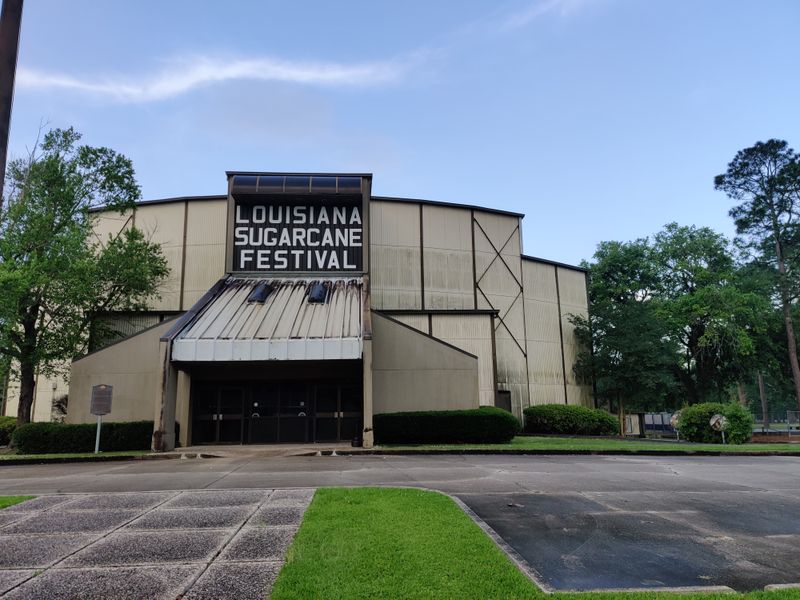
Sugar cane fields stretch across south Louisiana like green oceans, their tall stalks swaying in Gulf breezes and representing centuries of agricultural tradition.
New Iberia celebrates this sweet harvest every September with a festival that combines small-town charm with genuine appreciation for the crop that built the region.
The festival kicks off with a parade that rivals anything in larger cities, featuring elaborate floats, high school marching bands, and the Sugar Cane Queen and her court dressed in gowns as white as refined sugar.
Locals line the streets early to claim prime viewing spots, setting up lawn chairs and coolers for the long, entertaining procession.
A 5K run draws fitness enthusiasts who race through historic neighborhoods before the day heats up too much.
Food booths offer Louisiana classics like jambalaya, gumbo, and fried catfish, though sugar naturally features prominently in desserts and treats.
Funnel cakes dusted with powdered sugar, cotton candy spun into pink clouds, and pralines made with Louisiana cane sugar all celebrate the festival’s sweet theme.
Craft vendors display their wares under white tents, offering everything from jewelry to furniture, much of it created by local artisans.
Live music stages showcase Cajun, zydeco, and country acts, with dancers filling the space in front of the stage as soon as the first notes play.
The festival grounds spread across downtown New Iberia, a city known for its antebellum architecture and rich cultural history.
Between festival activities, visitors can explore historic districts where moss-draped oaks shade elegant homes that date back to when sugar plantations dominated the economy.
The celebration connects modern Louisiana to its agricultural roots while creating space for communities to gather and enjoy the fruits, or rather the sugar, of their labor.
6. Giant Omelette Celebration
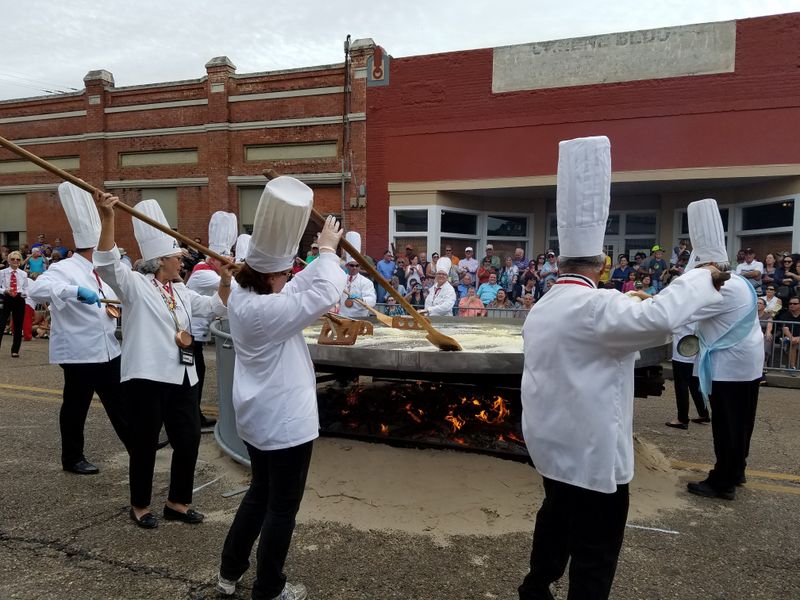
Abbeville does something in November that sounds impossible until you see it with your own eyes: chefs create an omelette using more than 5,000 eggs in a skillet so large it requires a forklift to move.
This quirky tradition connects the small Louisiana town to a worldwide fraternity of omelette celebrations that began in France.
Legend says that when Napoleon and his army traveled through southern France, they ate an omelette so delicious that he ordered the townspeople to gather all available eggs and create a giant version for his soldiers.
The Abbeville celebration embraces this whimsical history while adding distinctly Louisiana touches to the recipe.
Watching the preparation becomes entertainment itself as chefs crack thousands of eggs into enormous bowls, then pour the mixture into the massive skillet heated over a specially constructed burner.
The cooking process requires teamwork and oversized utensils, with multiple people wielding giant spatulas to ensure even cooking.
Steam rises in clouds as vegetables, meat, and seasonings get folded into the eggs, creating an omelette that feeds thousands.
Once cooked, volunteers distribute portions to everyone gathered, offering a free taste of this culinary spectacle.
Beyond the famous omelette, the festival features arts and crafts booths where local creators sell their work, from paintings to pottery.
Food vendors serve traditional Cajun dishes, ensuring that even those who miss out on omelette portions leave satisfied.
Live music fills the town square with accordion melodies and upbeat rhythms that keep the atmosphere festive.
The celebration takes place during perfect Louisiana fall weather, when humidity finally breaks and temperatures make outdoor gatherings comfortable.
Something wonderfully absurd about watching a giant omelette come together captures the Louisiana spirit of finding any excuse to throw a party and share food.
7. Rayne Frog Festival
Rayne earned its unusual title as the Frog Capital of the World back when the town supplied frog legs to restaurants across America, shipping the delicacy in refrigerated train cars.
Though the industry has declined, the town embraces its amphibian heritage every May with a festival that celebrates all things frog-related.
Frog murals decorate buildings throughout downtown, turning the entire town into an outdoor art gallery dedicated to these jumping creatures.
The festival’s signature event, frog racing, draws competitors who bring their fastest jumpers to compete for prizes and bragging rights.
Children lean over race tracks, cheering for frogs with names like Lightning Lily and Turbo Toad, their excitement infectious even for adults who initially thought frog racing sounded silly.
Beyond the races, cooking demonstrations show how to prepare frog legs, that surprisingly chicken-like delicacy that remains popular in Cajun cuisine.
Brave festival-goers who have never tried them often discover that frog legs, breaded and fried Louisiana-style, taste delicious and not at all scary.
Food booths offer familiar festival fare alongside more adventurous options, ensuring everyone finds something appealing.
Live music stages feature local bands playing the accordion-heavy Cajun music that defines the region, with dancers showing off moves passed down through generations.
Craft vendors sell frog-themed items alongside traditional handmade goods, from ceramic frogs to practical items like cutting boards and quilts.
The carnival midway offers rides that light up the evening sky, their colorful lights reflecting off the faces of children clutching stuffed frog prizes.
What makes the festival special is how seriously Rayne takes its quirky identity, fully committing to the frog theme while maintaining authentic Louisiana hospitality and culture.
Visitors leave charmed by both the unusual concept and the genuine warmth of a community celebrating what makes them unique.
8. Louisiana Food & Wine Festival
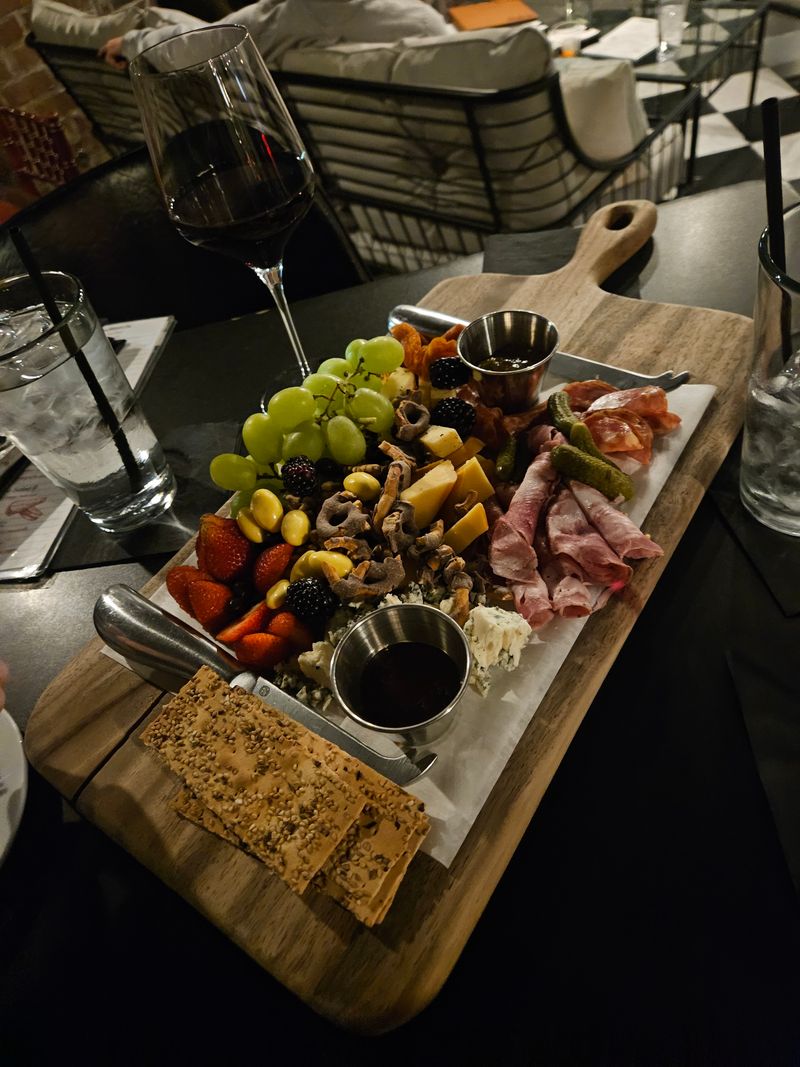
Lake Charles brings a more refined approach to Louisiana food celebrations with a festival that explores how the state’s culinary traditions continue evolving and inspiring chefs across the South.
Rather than focusing on a single ingredient, this festival showcases the breadth of Louisiana’s food culture through carefully curated tasting events.
Wine pairings introduce visitors to how different varietals complement the bold, complex flavors of Cajun and Creole cooking.
Chefs demonstrate techniques in interactive sessions where attendees learn secrets behind dishes they have always wanted to master.
The educational component sets this festival apart, offering genuine learning experiences rather than just eating opportunities.
Seminars cover topics like the history of Louisiana cuisine, the influence of different immigrant groups on regional cooking, and how modern chefs reinterpret classic recipes.
Tasting events bring together restaurants from across the region, letting visitors sample signature dishes from establishments they might not otherwise discover.
The atmosphere remains sophisticated but approachable, avoiding pretension while maintaining quality standards.
The finale Jazz Brunch combines two Louisiana passions, exceptional food and world-class music, in a leisurely Sunday gathering.
Imagine sipping champagne while a brass band plays, your plate loaded with shrimp and grits, beignets, and other brunch specialties prepared by talented chefs.
The festival takes place across multiple Lake Charles venues, encouraging visitors to explore this often-overlooked Louisiana city.
Between events, attendees can visit the waterfront, explore historic neighborhoods, or try their luck at one of the casinos that have revitalized the downtown area.
This celebration proves that Louisiana food culture extends beyond po-boys and crawfish boils, encompassing sophisticated culinary innovation rooted in traditional techniques and locally sourced ingredients.
9. International Rice Festival

Crowley has hosted the International Rice Festival since 1937, making it Louisiana’s oldest agricultural celebration and a living connection to the farming traditions that shaped the state.
Rice fields surround this prairie town, their flooded paddies reflecting the sky and creating landscapes that look nothing like the swamps and bayous people typically associate with Louisiana.
The festival honors the farmers who transformed this region into one of America’s major rice-producing areas through hard work and agricultural innovation.
Livestock shows bring out prize cattle, hogs, and other animals raised by local farmers, many of them young people in 4-H and FFA programs learning agricultural skills.
Rice threshing demonstrations show old-fashioned techniques, helping younger generations understand how much easier modern machinery makes the harvest.
Cooking competitions challenge participants to create the best rice dishes, from traditional jambalaya and dirty rice to innovative creations that push culinary boundaries.
Judges evaluate entries seriously, understanding that in Louisiana, how you cook rice matters as much as any other culinary skill.
The Grand Parade features elaborate floats, school bands, and community groups, with the Rice Festival Queen and her court waving from their prominent positions.
Street dances bring out couples who have been dancing together for decades alongside teenagers just learning the steps, all moving to live Cajun and zydeco music.
Craft booths sell handmade items created by local artisans, from quilts to metalwork, providing Christmas shopping opportunities months ahead of the holidays.
The festival grounds spread across downtown Crowley, where historic buildings house antique shops and local businesses that have served the community for generations.
Attending this festival means experiencing authentic rural Louisiana culture, where agriculture remains vital and communities gather to celebrate the harvest that sustains them.
10. Louisiana Renaissance Festival
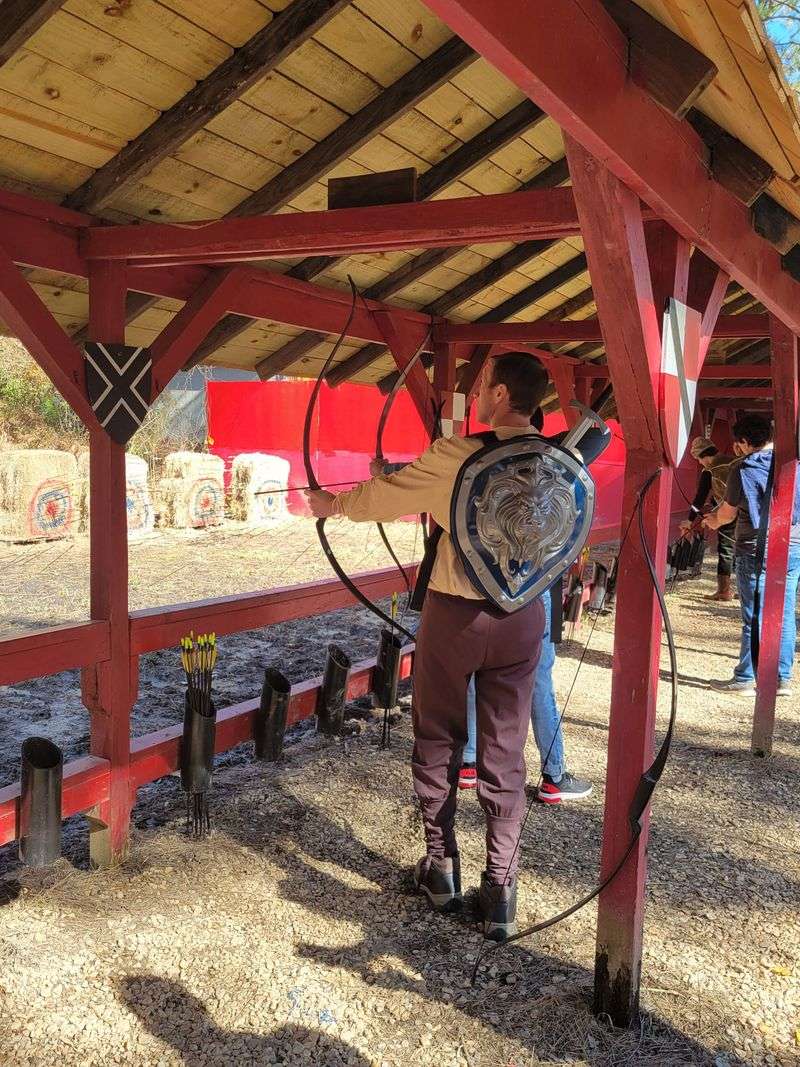
Near Hammond, a stretch of Louisiana pine forest transforms each fall into a 16th-century village where the Renaissance lives again through elaborate costumes, period entertainment, and historically inspired food.
This festival takes visitors out of Louisiana entirely, or at least out of any recognizable time period, creating an immersive experience unlike typical food celebrations.
Costumed performers stay in character throughout the day, speaking in accents and using vocabulary that sounds plucked from Shakespeare’s time.
Jousting knights thunder past on horseback, their lances aimed at targets while crowds cheer from wooden bleachers.
Artisans demonstrate traditional crafts like blacksmithing, glass blowing, and pottery, using techniques that predate modern technology.
The food offerings embrace Renaissance feast traditions, with giant turkey legs, meat pies, bread bowls filled with stew, and other hearty fare meant to be eaten with your hands.
Mead, that ancient honey wine, flows from taps alongside craft beers and non-alcoholic options.
Multiple stages host entertainers throughout the day, from musicians playing period instruments to comedy acts with decidedly adult humor that would have fit right into a medieval tavern.
The marketplace sprawls across the grounds with vendors selling handcrafted items, many created using historical methods, from leather goods to hand-forged knives.
Visitors often dress in costume themselves, either elaborate Renaissance garb or simple peasant clothes, adding to the immersive atmosphere.
Children especially love the fantasy elements, from fairy wings to wooden swords, that let them step into storybook roles.
The festival runs for several weekends each fall, with different themed weekends highlighting particular aspects of Renaissance culture.
While not traditionally Louisiana in theme, the festival has become a beloved annual tradition that shows how the state’s festival culture extends beyond Cajun and Creole celebrations to embrace diverse forms of entertainment and community gathering.
Dear Reader: This page may contain affiliate links which may earn a commission if you click through and make a purchase. Our independent journalism is not influenced by any advertiser or commercial initiative unless it is clearly marked as sponsored content. As travel products change, please be sure to reconfirm all details and stay up to date with current events to ensure a safe and successful trip.
