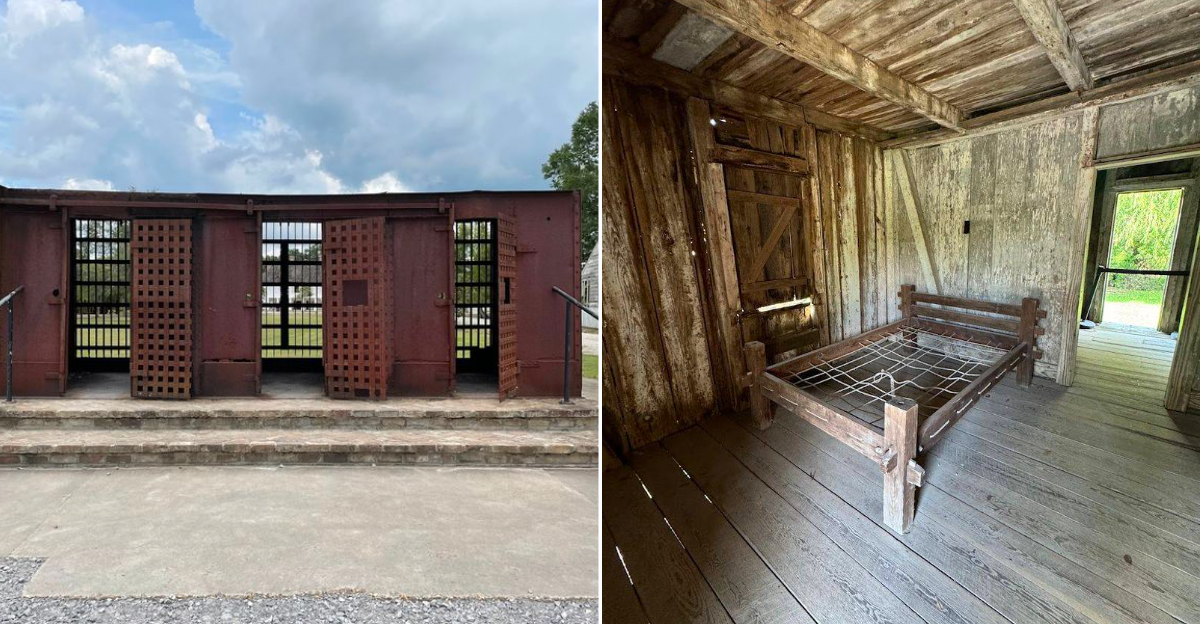
Think you are walking into a normal museum visit and leaving with a few easy facts? Louisiana has museum experiences that do the opposite, because they push past the polite version of history and force the real story out into the open.
You do not just read labels and move along. You get context that makes you stop, rethink what you assumed, and notice what usually gets left out of the conversation.
The most powerful places make the timeline feel connected. They show how the past shaped real lives, how systems worked on the ground, and how the ripple effects did not magically end when the dates changed.
It can feel heavy, but it also feels necessary. You walk through exhibits that are designed to be clear, direct, and impossible to shrug off, and that honesty is what makes the visit stick.
This is the kind of stop that changes the tone of a whole trip. You leave quieter, sharper, and more aware of what the region has carried.
It is not a comfortable museum experience. It is a meaningful one, and that is exactly the point.
Arrival Hits Different When You Realize This Is Not A “Pretty Plantation” Tour
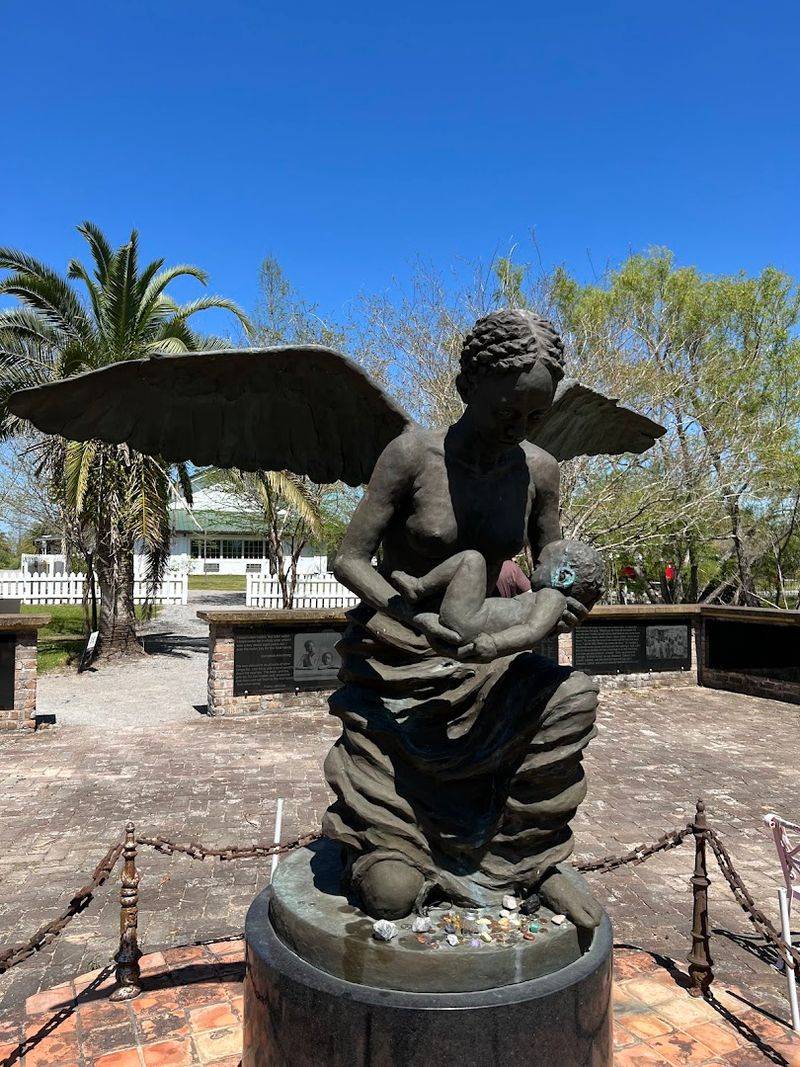
Pulling into Whitney Plantation Museum at 5099 LA-18, Edgard, LA 70049, you can feel the ground shift under your plans. This is Louisiana showing you the story without costume or sugarcoat.
The driveway lines up with old oaks, but the welcome is honesty, not nostalgia. You clock the signs and the memorials before the big house even registers.
It is a reset right at the start. You are not here for chandeliers and wedding-photo lawns.
The staff sets the tone with a calm that feels intentional. They let the place speak first, and your pace falls in line with that.
You start reading names on plaques while the car cools. It is a tiny moment, but it rearranges what you think a museum day is supposed to feel like.
Here is Louisiana, wide open and unblinking, asking you to show up honestly. You sense the day is going to ask more from you than usual, and that is good.
The buildings look ordinary at first, then the context clicks. Every board and brick starts holding weight.
You are standing where lives were worked, sold, and remembered. That is the headline, and it does not budge.
I tell friends to arrive a little early and just stand still. Let the quiet stretch, then let the learning begin.
The First Exhibit Sets The Tone And Does Not Let You Look Away
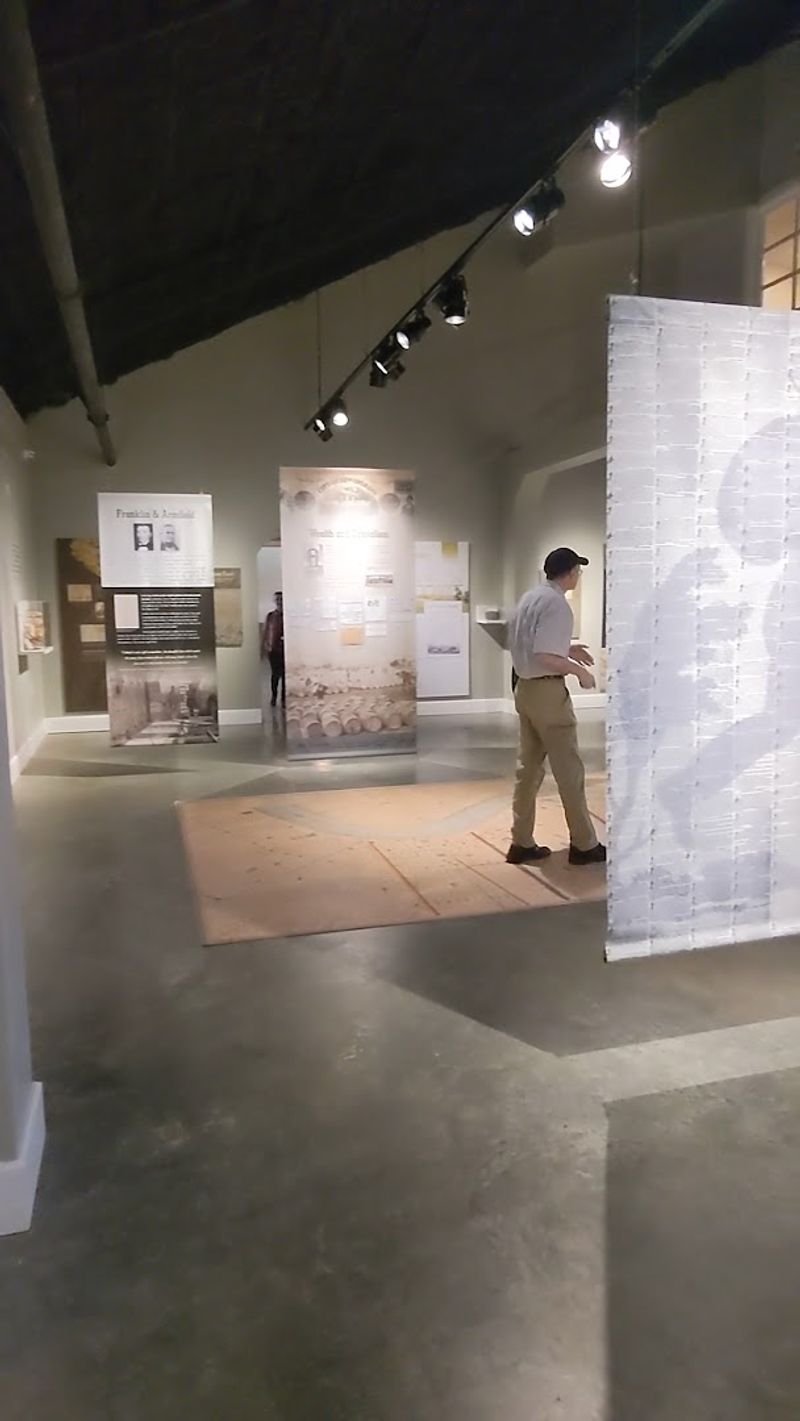
Right inside, the first exhibit does not warm you up slowly. It hands you names, testimony, and context like a mirror you cannot put down.
Panels weave personal accounts with the mechanics of enslavement. The language is clear enough that your brain can stop dodging and just face it.
You read a few lines and realize you are not skimming anything today. Every sentence pulls eye contact.
There are objects that feel heartbreakingly ordinary. A shard of everyday life that survived when the person was not allowed to keep anything else.
The design is spare and respectful. Nothing distracts from the people being centered.
I caught myself whispering without meaning to. Museums rarely make me do that, which told me the tone had landed.
You get the scale and the intimacy at once. It is a hard pairing and exactly the point.
Questions arrive faster than answers, and that is fine. The staff encourages you to sit with it rather than sprint through.
If you came to Louisiana for easy stories, this is where that plan dissolves. The exhibit keeps its hand on your shoulder and asks you to keep reading.
Names And Stories Turn History Into People, Not Background
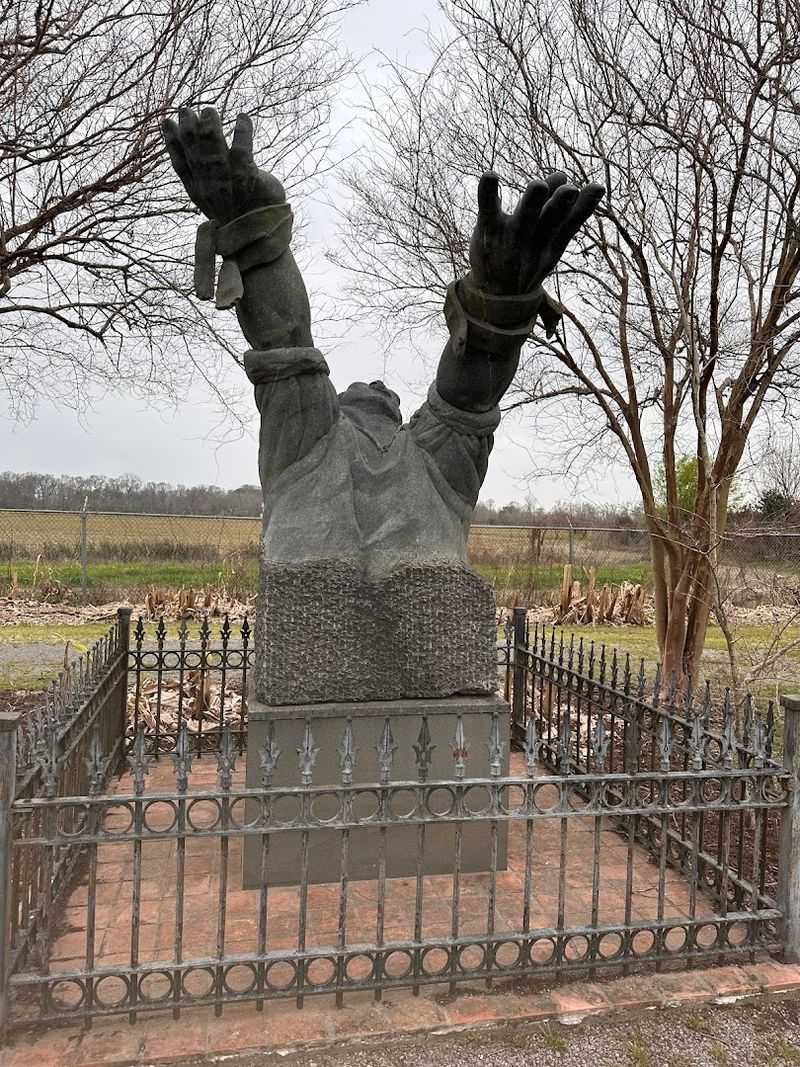
The memorials reading like rolls of names hit in a different register. They are not decorations, they are introductions.
You trace the lists with your eyes and feel the scale convert into individuals. Each line resists getting flattened into statistics.
Stories are set beside the names, and voices cut through formal distance. You hear a person, not a category.
It changes how you move. Your steps slow down because calling someone by name changes your posture.
The inscriptions are precise without being clinical. There is room for grief alongside information.
I saw visitors instinctively give the space a wider berth. You do not crowd a conversation like this.
Louisiana has plenty of museums, but this is where the roll call becomes the core. That decision reframes everything else you will see.
You stop hunting for big gestures and start noticing quiet proof. A date, a birthplace, a sale, a reunion hoped for and not confirmed.
It is intimate and steady, not performative. The names ask you to stay present and to say them in your head.
The Grounds Feel Quiet, But The Message Stays Loud
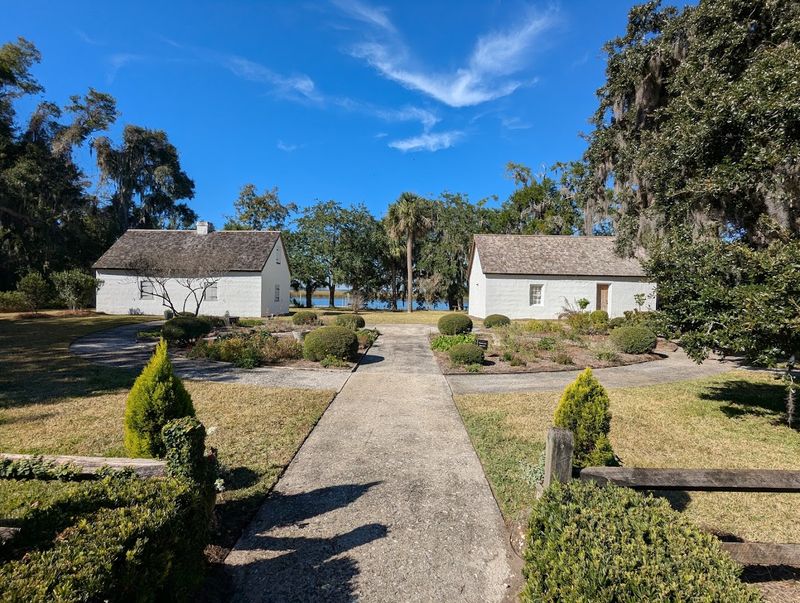
Walking the grounds, the quiet is real, but it is not empty. The cabins and trees hold the volume for you.
Gravel crunches, birds do their background work, and then a phrase you read earlier lands differently. The open space lets ideas echo where they need to.
You notice how close everything sits. Work, sleep, punishment, prayer, all within steps.
The cabins are humble only in size. The stories inside them are not small at all.
Louisiana light does this moody filter thing under the oaks. It is pretty in the way weather can be pretty while still serious.
I like walking at a slow, even pace here. It keeps my head from skidding past what the signs are trying to teach.
The landscape design leaves breathing room for memory. Nothing shouts over the narrative.
You see the big house, but your eyes keep coming back to the quarters. That shift in focus feels intentional and right.
If you have ever wondered how place can hold emotion, this is your lab. The quiet carries more than silence.
Memorial Spaces Change How You Move Through The Property
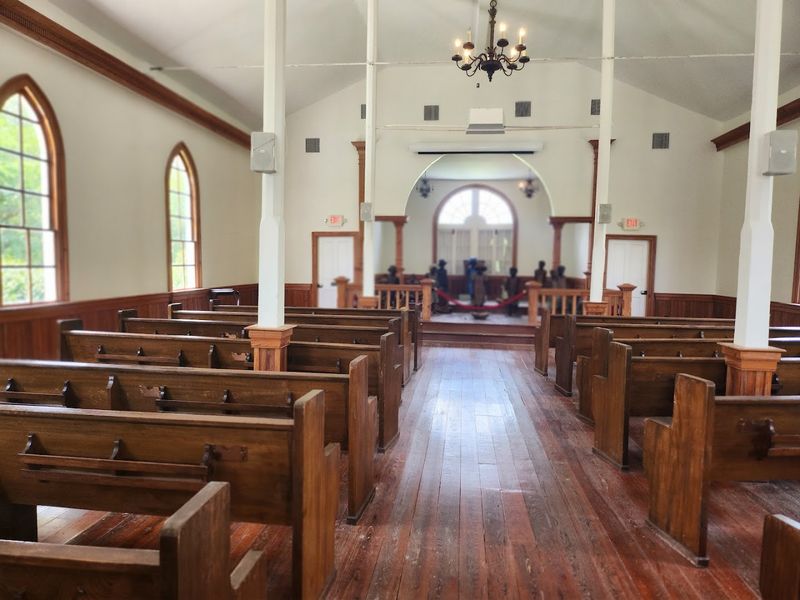
Those memorial spaces recalibrate your stride. You start walking like you are entering a conversation that already matters.
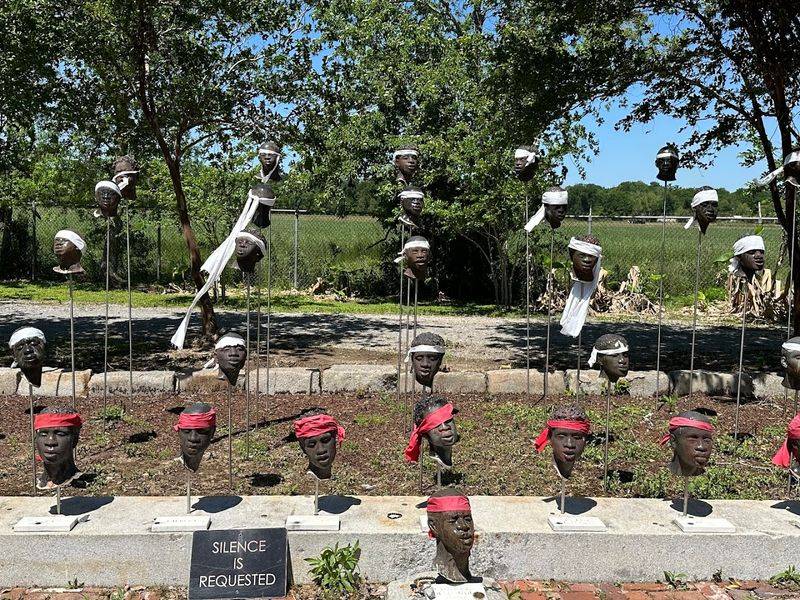
Sculptures and plaques are arranged with care that feels almost liturgical. The route gives you time to meet each piece without rushing.
There is a water element that holds the sky and steadies the mood. You catch your reflection and it is not a selfie moment.
The art is there to serve the stories. It never takes the spotlight for long.
You read a line, then look up at the trees. The mix of human naming and natural shade sits heavy and kind at once.
I noticed my voice dropping again. Even my footsteps tried to soften on the gravel.
In Louisiana, memorials often lean heroic or celebratory. Here, remembrance takes the shape of attention and care.
You feel invited to stay for as long as it takes. Nobody is hurrying you along or pushing a script.
By the time you move on, the property map has changed in your head. Landmarks become people, then moments, then questions.
Artifacts And Documents Make The Truth Hard To Argue With
Inside the galleries, the paper trail stares you down. Ledgers, ads, and handwritten notes connect the system to individual lives.
There is nothing abstract about a name inked beside a price. Facts show up in handwriting, and you cannot shrug that off.
Tools and shackles sit in cases that do not dramatize. They are presented plainly, which weirdly lands harder.
The labels do the patient work. Context is given in full sentences, not hedges.
You can track how policy crawled into daily routines. The line from law to labor to loss gets painfully clear.
I tend to lean in close at this point. Seeing the paper fibers and the corrections feels like meeting the past at eye level.
Louisiana history shows up as both local and connected to everywhere else. The web of trade and power touches distant shores from right here.
Photos anchor the words to faces when possible. When not, the blank space feels like its own testimony.
By the end of this room, argument gives way to acknowledgement. The record keeps its seat at the table.
Guided Interpretation Turns Small Details Into Big Context
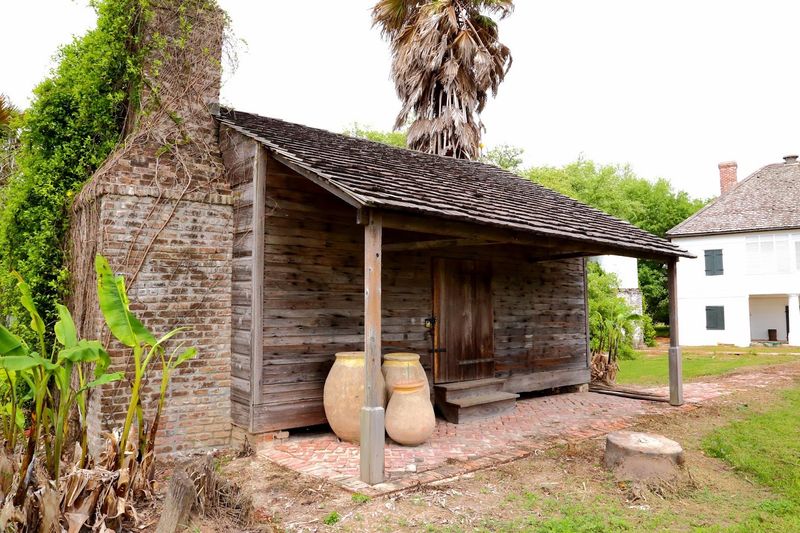
If you can catch a guided segment, do it. The interpreters connect dots you did not even know were dots.
A nail pattern on a wall suddenly spells out labor rhythms. A floorboard tells you who slept where and why.
The guides keep it conversational without losing rigor. You can ask simple questions and get layered answers.
They are careful with language and with silence. Both tools do real work here.
What looks like a simple doorway becomes a threshold with policies attached. You start to see the rules written into the architecture.
I appreciate how they handle myth-busting kindly. No one gets shamed for what they did not know, but the myths still go.
Louisiana tourism can sometimes skim the surface. This team dives, then invites you under at a pace you can handle.
They point out sources, not just stories. You leave knowing where the facts live, which matters.
By the end, tiny details feel like chapters. Your eyes are trained to read the place with more care.
The Contrast With Typical Plantation Tourism Becomes Impossible To Ignore
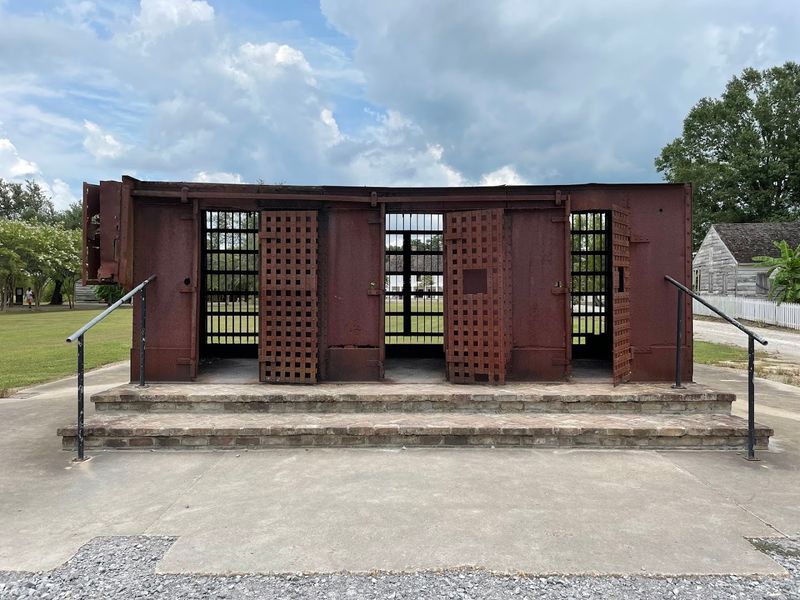
Somewhere on the path, you notice what is missing. There is no gloss, no romance trying to smooth the edges.
The big house is not the star of the show. It stands there, but your attention has been retrained.
Interpretive signs keep steering you toward labor, family, and resistance. The narrative does not wander off into décor.
It is a relief, honestly. You stop bracing for euphemisms.
You think about other tours you have taken. How many times did a hard fact get tucked behind a pretty sentence?
I felt grateful for the clarity here. It made space to feel without having to fight the framing.
Louisiana has a long tradition of storytelling, and this is the grown-up version. It respects you enough to be direct.
You compare without meaning to compare. The contrast just keeps showing up in how you listen.
By now, the place has taught you how to pay attention. That skill does not switch off when you leave.
This Visit Has A Takeaway You Carry Into Every Other Southern Stop
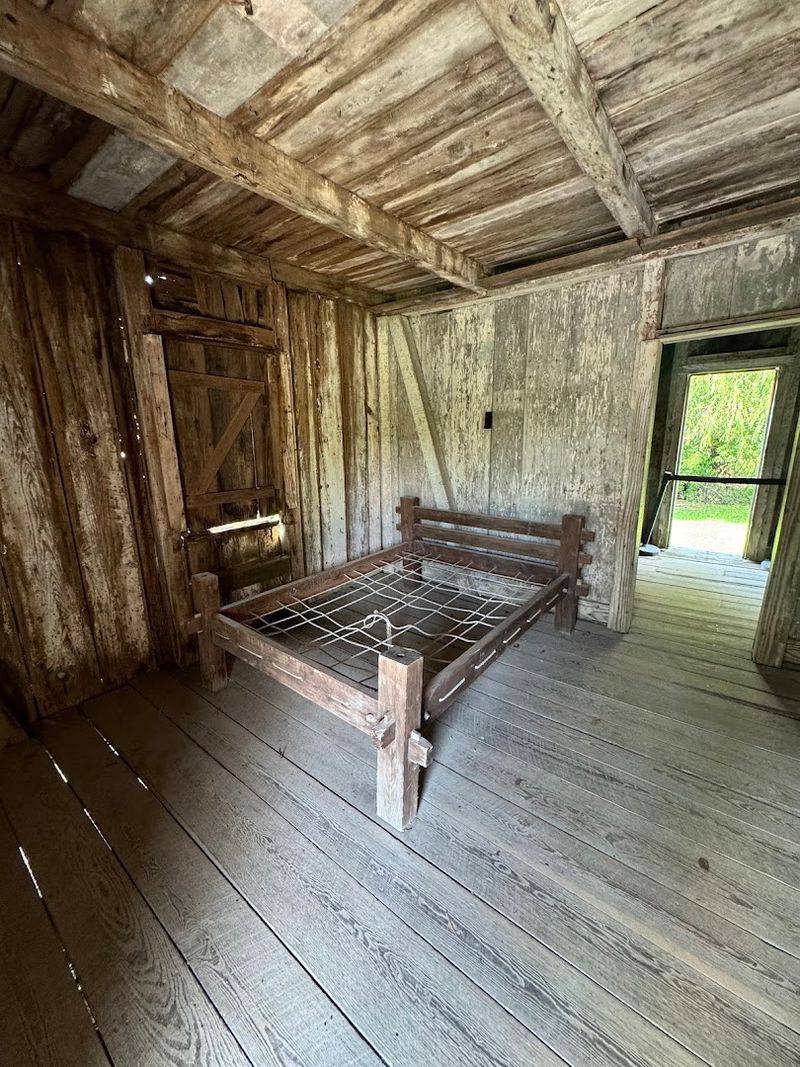
Here is the carry-on you did not expect. You leave with a checklist for your own listening.
Questions sharpen on their own. Who is being centered, and whose labor is being blurred?
You start seeking out primary sources wherever you go. You look for names before you look for architecture.
That habit is a gift. It turns museum days into conversations rather than recitations.
Back in Louisiana or anywhere else, you notice how tours talk about work and control. The absence of detail becomes its own data point.
I promise it changes how the road feels. The miles get smarter, and so do your pauses.
The takeaway is not guilt, it is responsibility. You carry it lightly but refuse to set it down.
Friends ask what to expect, and I say honesty with good guidance. That usually lands better than any brochure line ever could.
By the time you plan your next stop, you are already reading signs differently. That is the point, and it travels well.
Leaving Feels Like A Reset, Not A Wrap-Up
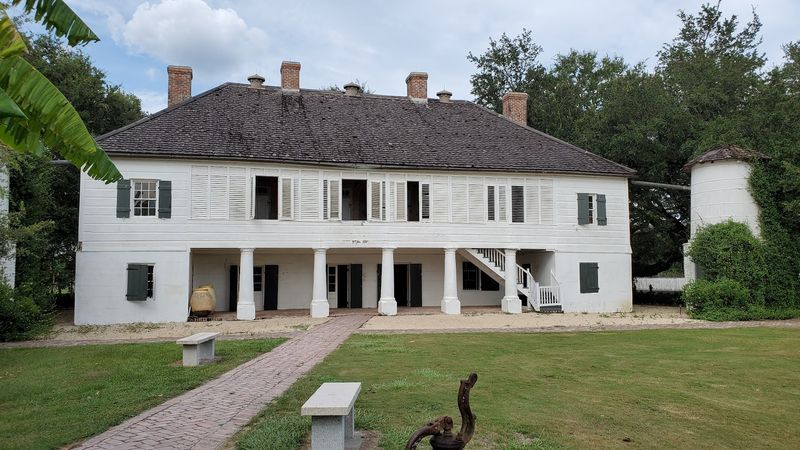
Walking out, it does not feel like crossing a finish line. It feels like opening a new tab in your head.
The parking lot chatter is softer than usual. People are still editing their thoughts before they speak.
You glance back at the oaks and the cabins and think, thank you for the clarity. Gratitude can sit right beside heaviness.
On the drive, you replay names more than images. The faces, when you have them, stay right behind your eyes.
Back in Louisiana traffic, the noise returns. Inside, the quiet hangs on for a while longer.
I like to jot a few notes as soon as I can. Memory is kind, but paper holds the shape better.
This is not a one-and-done museum. It is a reference point you will keep returning to.
Next time, you will bring someone who has not been yet. Passing on the experience feels like part of the work.
Leaving does not end anything, it reframes the week ahead. That is the best kind of travel reset I know.
Dear Reader: This page may contain affiliate links which may earn a commission if you click through and make a purchase. Our independent journalism is not influenced by any advertiser or commercial initiative unless it is clearly marked as sponsored content. As travel products change, please be sure to reconfirm all details and stay up to date with current events to ensure a safe and successful trip.
