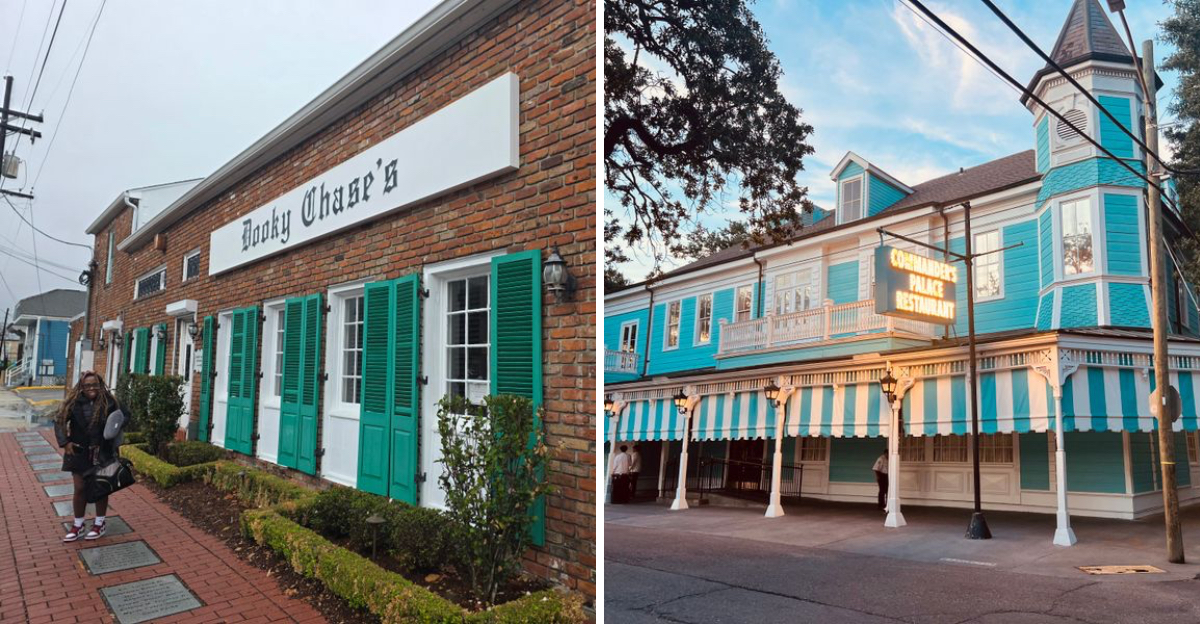
Louisiana kitchens tell stories that stretch back centuries, blending French technique with African spices, Native American traditions, and Caribbean heat into something entirely their own.
Travelers who visit this Gulf Coast state quickly discover that eating here means more than just filling your stomach.
This list is based on taste, authenticity, regional specialties, and feedback from both locals and travelers, as assessed by our editorial team.
Menus, quality, and availability may change over time, and the order reflects subjective editorial judgment rather than a definitive ranking.
1. Commander’s Palace
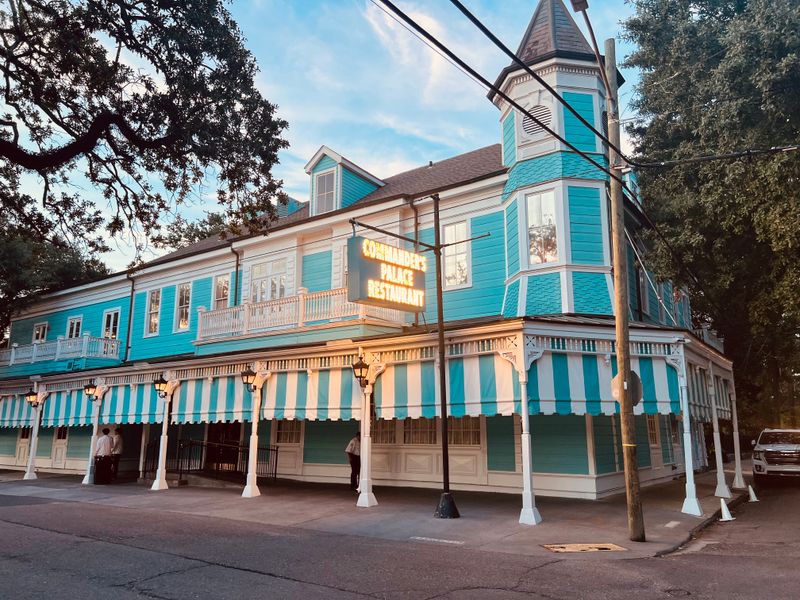
Commander’s Palace has anchored the Garden District dining scene since 1893, earning its place as one of New Orleans’ most celebrated culinary landmarks.
The turquoise and white Victorian building stands out among oak-lined streets, welcoming guests into a world where Creole cuisine meets refined Southern hospitality.
Chefs who trained in these kitchens have gone on to open their own acclaimed restaurants, spreading the influence of this iconic establishment far beyond Louisiana borders.
The menu showcases dishes that balance tradition with creativity, featuring turtle soup, pecan-crusted Gulf fish, and bread pudding soufflé that arrives at your table presented beautifully.
Weekend jazz brunch draws crowds who appreciate live music alongside classics like eggs Sardou in a setting that feels both elegant and approachable.
Service staff members treat guests like family, sharing stories about dishes and offering recommendations based on decades of combined experience working these dining rooms.
The restaurant occupies multiple rooms across different floors, each decorated with colorful wallpaper, crystal chandeliers, and artwork that reflects New Orleans’ artistic spirit.
Seasonal ingredients from local producers appear throughout the menu, connecting diners to the agricultural rhythms of southern Louisiana.
Reservations fill quickly, especially during peak tourist seasons, so planning ahead ensures you won’t miss this essential New Orleans dining experience.
The dress code leans business casual, encouraging guests to dress up a bit and embrace the occasion of dining somewhere truly special.
Commander’s Palace represents more than just excellent food; it embodies the gracious, joyful approach to dining that makes Louisiana restaurant culture distinctive and memorable for travelers seeking authentic experiences.
2. Cafe Du Monde
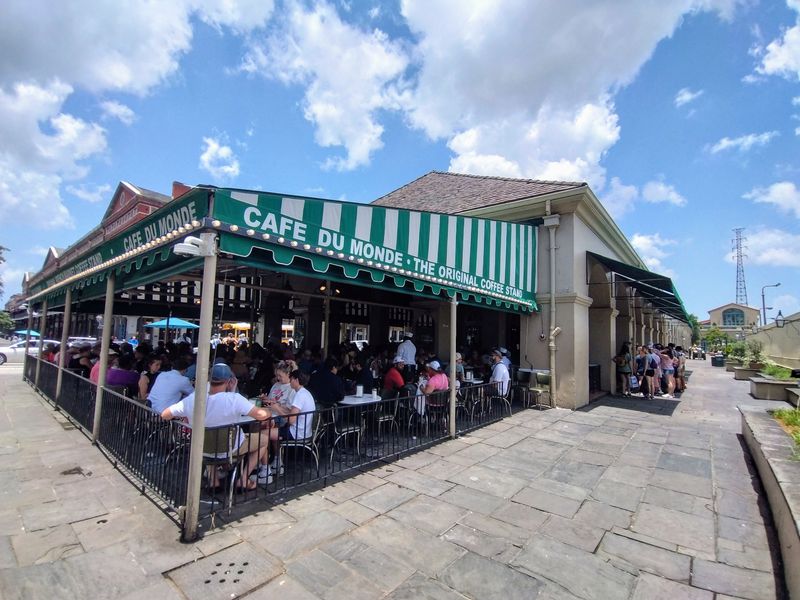
Since 1862, Cafe Du Monde has built its reputation on a tight focus, especially its beignets and café au lait, proving that simplicity can create the most lasting impressions.
Located in the French Market near Jackson Square, this open-air cafe keeps long daily hours, making it an easy stop for early starts and late strolls through the Quarter.
Beignets arrive hot at your table in orders of three, buried under mountains of powdered sugar that inevitably covers your clothes, hands, and probably your face too.
The experience matters more than perfection here, as tourists and locals alike embrace the messy joy of biting into pillowy fried dough while sipping chicory coffee.
Green and white striped awnings provide shade during sweltering Louisiana summers, while overhead fans circulate air through the bustling space filled with conversation and laughter.
Street musicians often perform nearby, adding saxophone melodies or jazz guitar to the soundtrack of your breakfast or midnight snack.
The coffee blends dark roast beans with chicory root, a tradition dating back to the Civil War when coffee shortages led New Orleans cooks to stretch their supplies creatively.
That distinctive, slightly bitter flavor has become inseparable from the New Orleans coffee culture that visitors come to love.
Lines can stretch down the block during busy periods, but they move surprisingly fast as the efficient staff keeps tables turning and orders flowing from kitchen to customer.
Cash and cards are both accepted, though having small bills ready can speed up the payment process when the cafe gets crowded.
Cafe Du Monde represents New Orleans at its most democratic, where everyone from construction workers to celebrities shares the same simple pleasure of fresh beignets and strong coffee in the heart of the French Quarter.
3. Prejean’s Restaurant
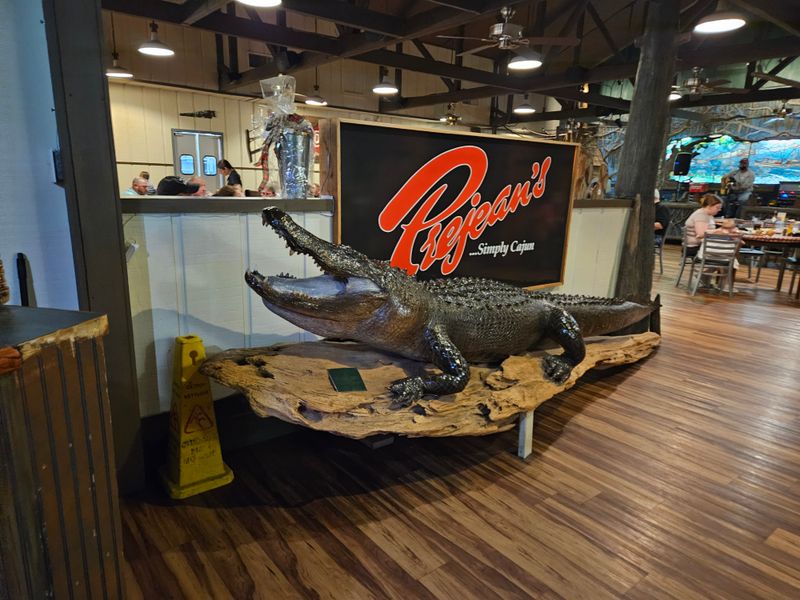
Prejean’s brings Cajun country cooking to life in Lafayette, where crawfish étouffée, alligator sausage, and fried catfish define the menu that locals have trusted for generations.
The restaurant sits along the road leading into Lafayette, marked by a building that immediately signals authentic Cajun culture through its rustic design and welcoming atmosphere.
Live Cajun music fills the dining room most evenings, with accordion players and fiddlers performing traditional songs that get feet tapping and create an energetic, festive mood.
Mounted wildlife decorations and cypress wood accents throughout the space reflect the wetland environment that shapes so much of southern Louisiana’s identity and cuisine.
The menu reads like a greatest hits collection of Cajun cooking, featuring gumbo thick with okra, jambalaya packed with sausage and shrimp, and seafood platters that showcase the Gulf’s bounty.
Portions run generous, reflecting the Cajun philosophy that hospitality means making sure nobody leaves hungry or wanting for more.
Waitstaff members often speak with the distinctive Cajun accent that carries French influences, adding authenticity to the experience of dining in the heart of Acadiana.
The menu pairs well with the restaurant’s festive, music-filled atmosphere, complementing the rich, spicy flavors that characterize traditional Cajun cooking passed down through family recipes.
Families with children fit right in here, as the casual atmosphere welcomes all ages and the menu includes options for less adventurous eaters alongside the more distinctive regional specialties.
Prejean’s operates as both a restaurant and a cultural ambassador, introducing visitors to the music, language, and foodways that make Cajun Louisiana distinct from New Orleans Creole traditions.
Travelers seeking genuine Cajun hospitality find it here, where the combination of excellent food, live entertainment, and warm service creates memorable evenings that capture Lafayette’s unique character.
4. Dooky Chase’s Restaurant
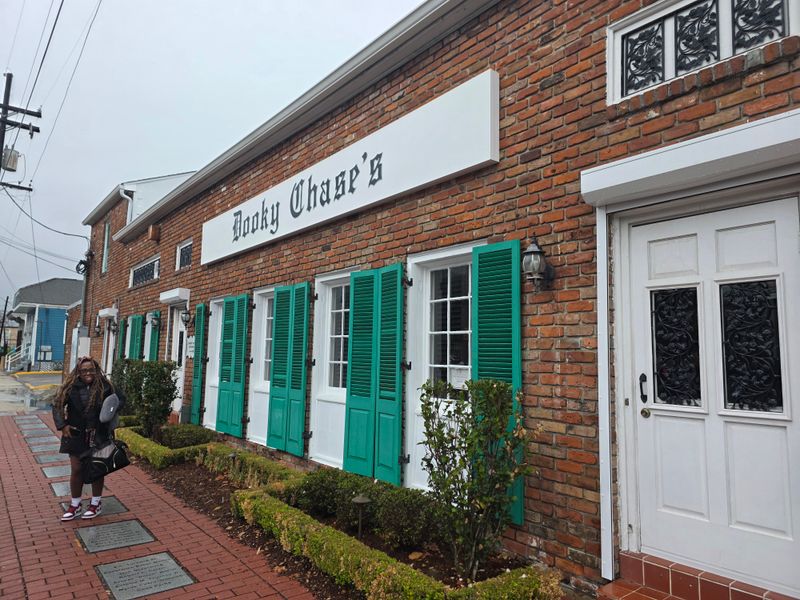
Dooky Chase’s Restaurant stands as a monument to Creole cooking and civil rights history, where chef Leah Chase fed both neighborhood families and freedom fighters throughout her remarkable career.
The Treme neighborhood location places this restaurant at the heart of one of America’s oldest African American communities, surrounded by the cultural traditions that shaped its distinctive menu.
Fried chicken, gumbo z’herbes, and stuffed shrimp represent just a fraction of the Creole classics that have made this restaurant famous among food lovers worldwide.
The dining room doubles as an art gallery, with paintings and sculptures by African American artists covering the walls and creating a museum-like atmosphere that celebrates Black culture.
During the civil rights movement, Dooky Chase’s provided a rare space where Black and white activists could meet safely, making it as historically significant as it is culinarily important.
Leah Chase herself became known as the Queen of Creole Cuisine, earning that title through decades of cooking that honored her heritage while continuously refining and elevating traditional recipes.
The lunch buffet offers an accessible way to sample multiple dishes, letting newcomers explore Creole cooking without committing to full entree portions.
Gumbo z’herbes, traditionally served during Lent, combines at least nine different greens with a complexity that showcases the sophisticated vegetable cookery within Creole tradition.
Reservations help ensure seating, especially since the restaurant draws food pilgrims who travel specifically to eat at this legendary establishment.
The atmosphere balances elegance with approachability, encouraging guests to dress nicely while maintaining the neighborhood restaurant warmth that has always defined the space.
Visiting Dooky Chase’s means participating in living history, tasting dishes that connect you to generations of Creole cooks who preserved and perfected these recipes through challenging times and changing tastes.
5. Mosca’s Restaurant
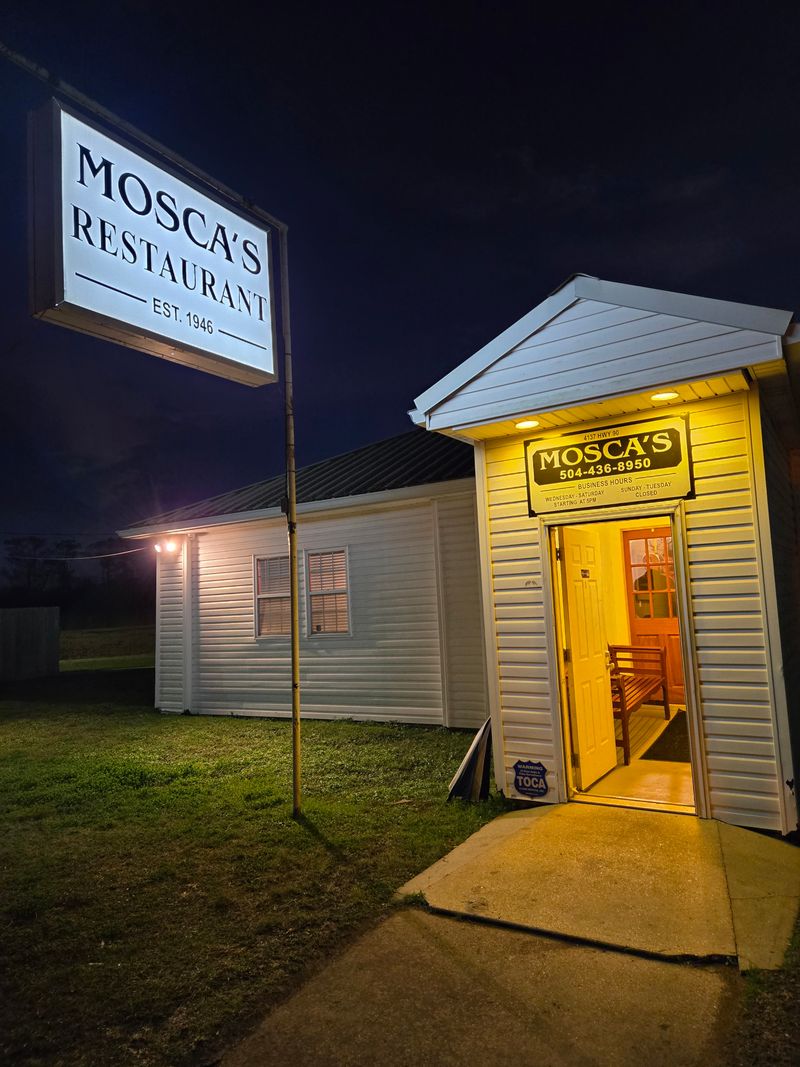
Mosca’s sits alongside Highway 90 in the wetlands outside New Orleans, looking more like a roadhouse than a restaurant that has attracted celebrities, politicians, and serious food lovers for over seventy years.
The building’s plain exterior and remote location discourage casual drop-ins, which means most diners arrive with reservations and high expectations based on decades of legendary reputation.
Italian-Creole cooking defines the menu here, blending Sicilian traditions with Louisiana ingredients in dishes that taste unlike anything else in the state.
Baked oysters arrive swimming in garlic, butter, and herbs, while chicken a la grande combines roasted poultry with enough garlic to ward off vampires and delight everyone else at the table.
Family-style service means dishes arrive in large portions meant for sharing, encouraging the communal dining style that Italians and Louisianans both embrace enthusiastically.
The Mosca family still runs the restaurant, maintaining recipes and standards that have remained essentially unchanged since the 1946 opening.
Payment policies can surprise first-time visitors, so checking current details before you go helps the meal end as smoothly as it begins.
The dining room fills with an interesting mix of people, from local families celebrating special occasions to out-of-state visitors who planned their entire Louisiana trip around eating here.
Reservations are absolutely essential, sometimes requiring booking weeks in advance, especially during peak tourist seasons when demand exceeds the restaurant’s limited seating capacity.
The drive is unassuming, but the food rewards the effort.
Mosca’s proves that great restaurants don’t need fancy buildings or convenient locations, just excellent food, consistent standards, and enough time to build a reputation that brings people down unmarked roads to eat at roadside tables.
6. Cochon
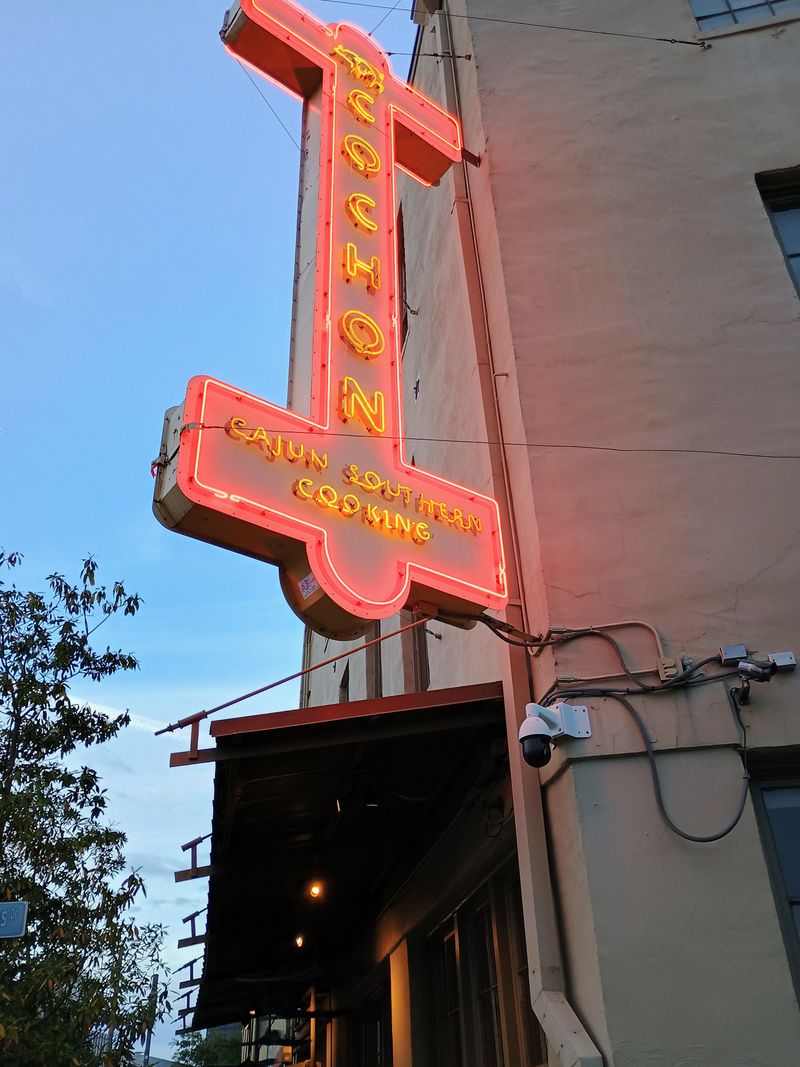
Cochon translates to pig in French, and this New Orleans restaurant lives up to its name through pork-centric dishes that reimagine Cajun cooking for contemporary tastes without losing traditional soul.
Chef Donald Link earned national recognition by taking the rustic food of his Louisiana childhood and presenting it with the refinement he learned in professional kitchens across the country.
The warehouse district location places this restaurant among art galleries and hotels, drawing both tourists and locals who appreciate the balance between innovation and authenticity.
Wood-fired cooking adds smoky depth to dishes like cochon with turnips, cracklins, and cabbage, elevating humble ingredients through careful technique and quality sourcing.
Small plates encourage sampling multiple dishes, letting diners build their own tasting menu from options that change seasonally based on ingredient availability.
The rabbit and dumplings arrive as comfort food refined to its highest potential, tender meat in rich gravy topped with fluffy dumplings that soak up every drop.
Louisiana seafood appears throughout the menu too, with oyster dishes and Gulf fish preparations that honor the state’s coastal bounty alongside the pork specialties.
The drink list is designed to match the bold, rustic flavors, rounding out a menu that feels rooted in place.
Exposed brick walls and industrial design elements create a modern atmosphere that contrasts with the old-line restaurants that dominate New Orleans dining conversations.
Lunch service offers a more casual experience at lower prices, while dinner brings a fuller menu and more elaborate preparations worth the additional investment.
Cochon represents the newer generation of Louisiana restaurants, where chefs with formal training return home to cook the food they grew up eating, bringing fresh perspectives while maintaining respect for culinary traditions that make the state’s food culture so rich and distinctive.
7. Galatoire’s
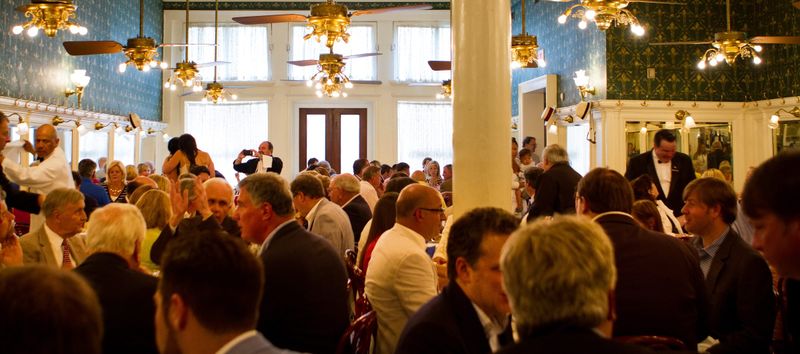
Galatoire’s has served French Creole cuisine on Bourbon Street since 1905, maintaining traditions that include a no-reservations policy for the main dining room that creates legendary Friday lunch lines.
Regulars arrive early to claim their preferred tables, sometimes waiting an hour or more for the privilege of dining in the mirrored, brass-adorned room that has hosted generations of New Orleans families.
The menu reads like a catalog of classic Creole preparations: shrimp remoulade, crabmeat maison, trout amandine, and soufflé potatoes that puff up golden and crispy.
Waiters wear tuxedos and have often worked here for decades, knowing regular customers by name and guiding newcomers through menu choices with practiced expertise.
The Friday lunch tradition represents old New Orleans at its most distinctive, where regulars gather for long meals that can stretch deep into the afternoon.
Jacket requirements for men enforce a formality that has mostly disappeared from American dining, making Galatoire’s feel like stepping back to an earlier era of restaurant culture.
The upstairs dining room accepts reservations and offers essentially the same menu, providing an option for visitors who want the food without the wait or the see-and-be-seen atmosphere downstairs.
Turtle soup, oysters en brochette, and pompano meuniere showcase the French techniques that Creole cooking absorbed and adapted to Louisiana ingredients over centuries of culinary evolution.
The restaurant survived Prohibition, the Great Depression, World War II, Hurricane Katrina, and countless other challenges that closed lesser establishments, proving that quality and tradition create lasting value.
Galatoire’s isn’t trying to be trendy or modern; it exists as a living museum of Creole dining culture, where the food, service, and atmosphere preserve traditions that define New Orleans identity for residents and visitors seeking authentic connections to the city’s past.
8. Lasyone’s Meat Pie Restaurant
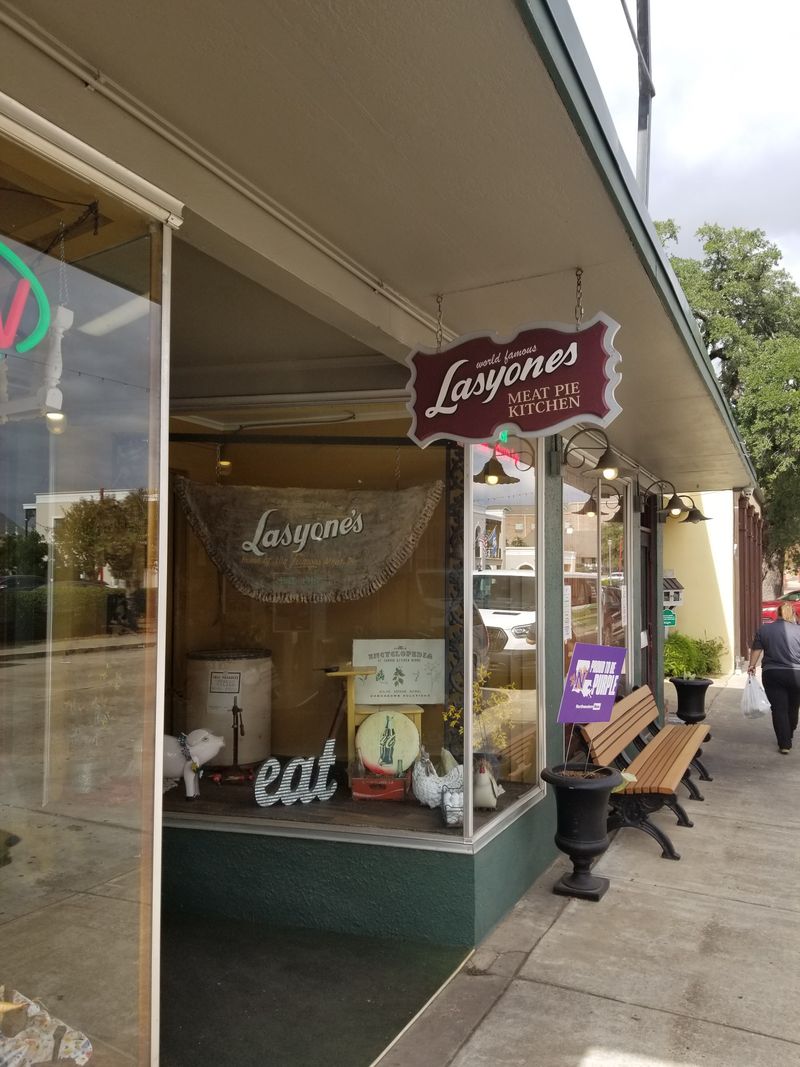
Natchitoches meat pies earned their reputation at Lasyone’s, where this central Louisiana specialty gets made fresh daily using a recipe that has satisfied locals and travelers since 1967.
The restaurant occupies a modest building in downtown Natchitoches, the oldest permanent settlement in the Louisiana Purchase territory and a town that maintains considerable historic charm.
Meat pies here consist of seasoned ground beef and pork wrapped in flaky pastry, then fried until golden brown and served hot with optional sides like dirty rice or red beans.
The Lasyone family created the recipe that turned a regional specialty into a dish famous enough to draw visitors specifically to this small town several hours from New Orleans.
Counter service and simple dining room seating reflect the casual, no-frills approach that lets the food speak for itself without distraction from fancy decor or elaborate presentations.
Each meat pie arrives crispy on the outside and juicy inside, with seasoning that includes cayenne pepper but doesn’t overwhelm those who prefer milder flavors.
The restaurant also serves plate lunches featuring other Louisiana favorites, giving diners options beyond the signature dish while maintaining focus on central Louisiana cooking traditions.
Natchitoches itself warrants exploration, with historic buildings, beautiful riverfront views, and the Christmas Festival of Lights that transforms the town each winter into a sparkling wonderland.
Visiting Lasyone’s means experiencing food culture outside the New Orleans and Cajun Country areas that dominate Louisiana tourism, discovering how different regions within the state developed their own distinctive specialties.
Prices remain remarkably affordable, reflecting small-town economics and the family’s commitment to serving their community rather than chasing tourist dollars through inflated pricing.
Lasyone’s Meat Pie Restaurant proves that Louisiana’s culinary treasures extend far beyond the famous cities, hiding in small towns where dedicated families preserve recipes that tell important stories about regional identity and local pride.
9. Willie Mae’s Scotch House
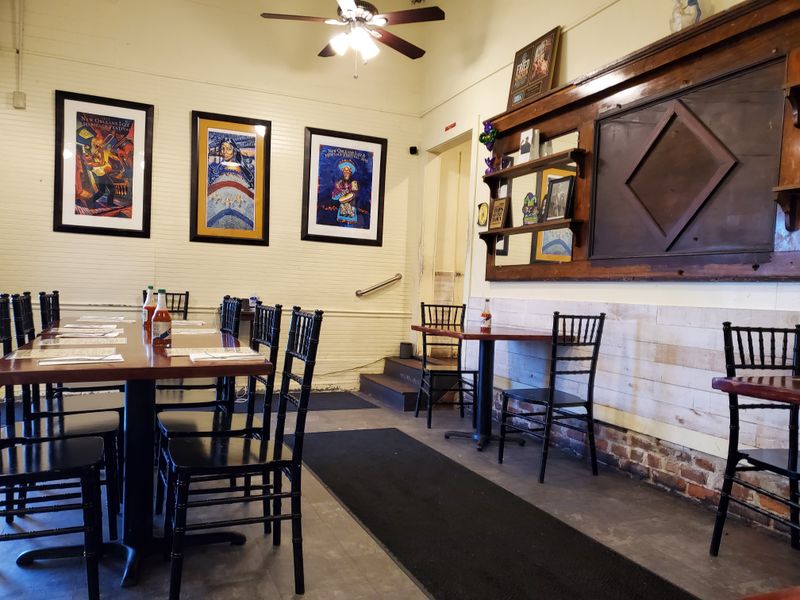
Willie Mae’s Scotch House earned a James Beard Award for its fried chicken, an honor that brought national attention to this tiny Treme restaurant that had been serving the neighborhood for decades.
The building itself looks unassuming, a simple structure that could easily be overlooked except for the lines of people waiting outside for tables during lunch hours.
Fried chicken here achieves a perfect balance of crackling crust and juicy meat, seasoned and fried using techniques that Willie Mae Seaton perfected over her long career in the kitchen.
After Willie Mae Seaton’s passing, the restaurant continued under family stewardship, keeping the focus on the same straightforward standards that built its reputation.
The menu remains short and focused, featuring that famous chicken alongside red beans, butter beans, fried pork chops, and other soul food classics served in generous portions.
Counter service and limited seating mean the restaurant can only accommodate so many customers, which explains the waits that test patience but ultimately reward those who stick around.
Hurricane Katrina flooded the building, but community support and national fundraising helped rebuild, allowing Willie Mae’s to reopen and continue serving food that represents New Orleans soul food traditions.
The neighborhood location in Treme places visitors in one of the city’s most historically significant African American communities, adding cultural context to the dining experience.
Cash-only payment remains the policy, so arriving prepared prevents any issues when it comes time to settle your bill after finishing your meal.
Each plate arrives from the kitchen looking simple and homestyle, without fancy garnishes or elaborate presentations that would distract from the fundamental excellence of properly cooked soul food.
Willie Mae’s Scotch House demonstrates that the best food often comes from the humblest settings, where generations of family knowledge and commitment to quality create dishes that need no explanation beyond that first perfect bite.
Dear Reader: This page may contain affiliate links which may earn a commission if you click through and make a purchase. Our independent journalism is not influenced by any advertiser or commercial initiative unless it is clearly marked as sponsored content. As travel products change, please be sure to reconfirm all details and stay up to date with current events to ensure a safe and successful trip.
