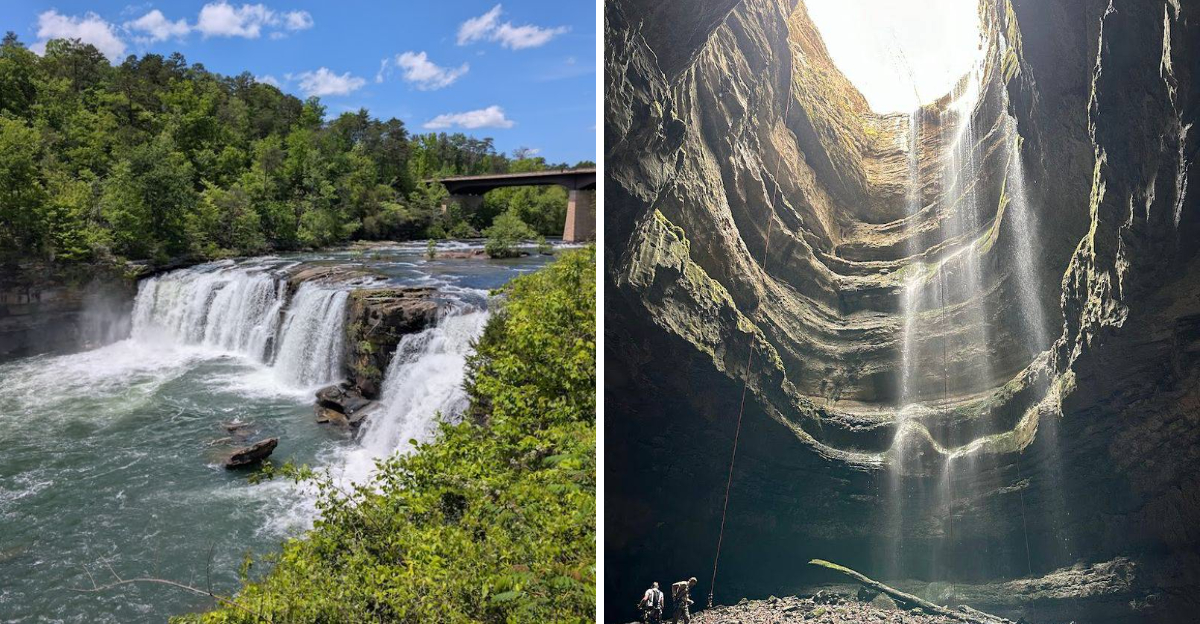
Alabama has a way of surprising people who think they already know what the South looks like. Beyond the barbecue joints and football rivalries, there are places in this state so breathtaking and unexpected that they genuinely stop you in your tracks and make you slow down just to take it all in.
Ancient canyons, glowing cave walls, lily-covered rivers, and cliffs that look borrowed from another continent are all waiting here, often tucked away in quiet corners most travelers never reach.
If you have ever doubted that Alabama could feel otherworldly, these nine hidden oases are about to change your mind completely, one unforgettable stop at a time.
1. Dismals Canyon, Phil Campbell
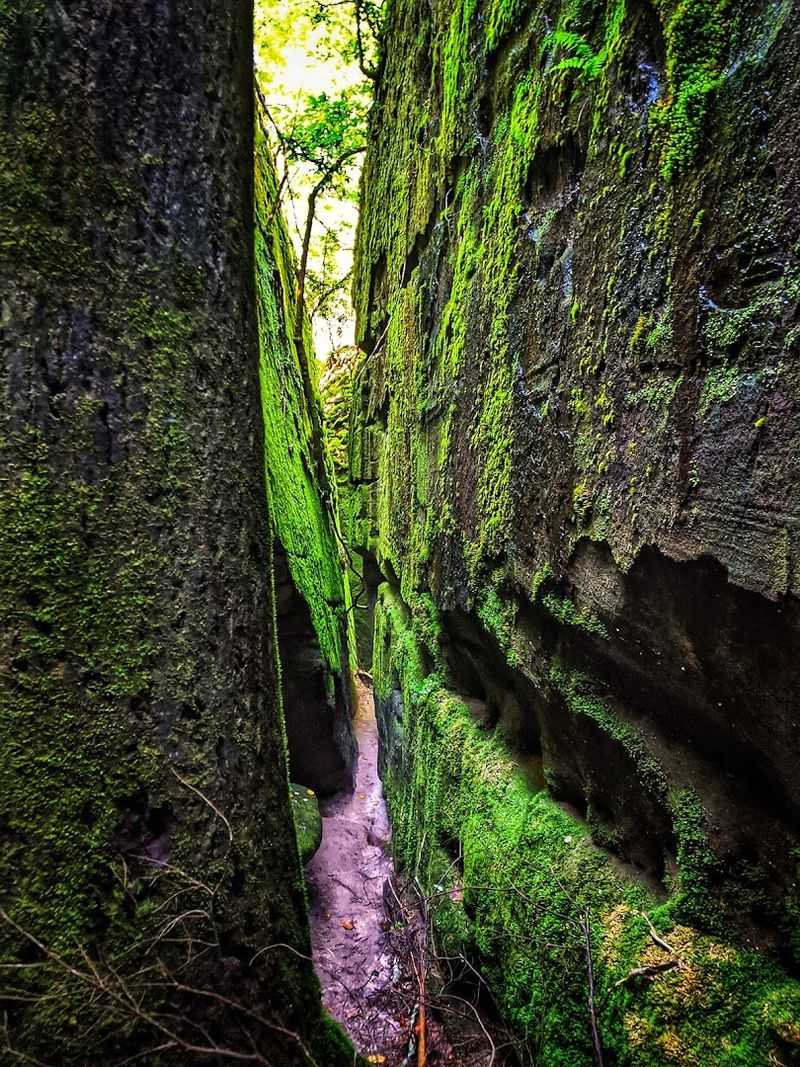
Some places earn their legends honestly, and Dismals Canyon is one of them. This 85-acre privately owned nature conservatory in Phil Campbell, Alabama, is home to one of the rarest light shows on Earth.
Thousands of tiny bioluminescent insects called dismalites cling to the canyon walls after dark, casting a soft blue glow that feels almost unreal, like the rock itself is quietly lit from within. The canyon is just as striking in daylight.
A 1.5-mile hiking trail winds beside a clear, cold stream, passing mossy cliffs, small grottos, and trickling waterfalls at nearly every turn.
The ancient rock formations, fern-covered edges, and dense canopy overhead make it feel more like a hidden rainforest than anything typically associated with the American South, with shaded pockets where the air stays noticeably cooler even in summer.
What makes it even more memorable is the way it shifts between day and night. In daylight, it feels peaceful and grounded, but once the sun goes down and the guided night tours begin, the entire space transforms into something almost dreamlike.
The glow from the dismalites is subtle at first, then slowly builds as your eyes adjust, revealing hundreds of tiny points of light along the canyon walls and overhangs. Dismals Canyon is located at 901 Hwy 8, Phil Campbell, AL 35581.
The best viewing seasons are late April through May and late September into early October, when conditions are ideal for the bioluminescent display.
2. Sipsey Wilderness, Bankhead National Forest
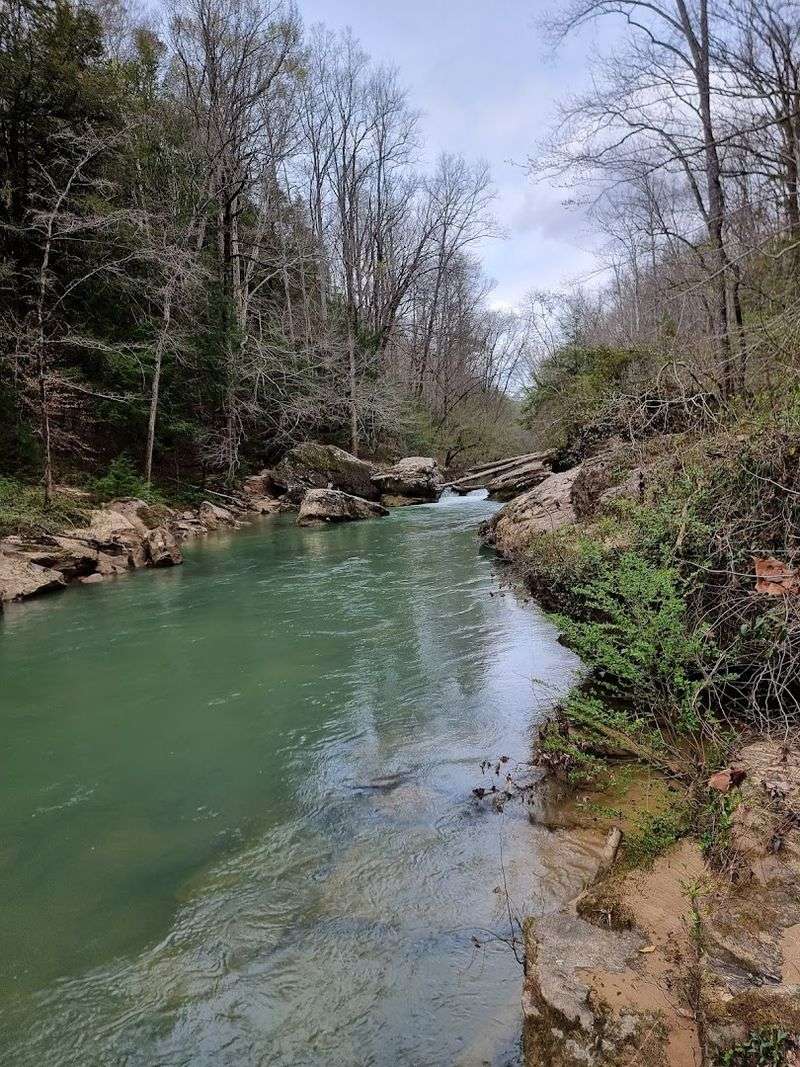
Alabama’s largest wilderness area carries a nickname that does all the talking: the Land of 1000 Waterfalls.
The Sipsey Wilderness stretches across 24,922 acres inside Bankhead National Forest near Moulton, Alabama, and it lives up to the reputation with mossy canyon walls, ancient beech trees, and the constant sound of rushing water along nearly every trail.
The Sipsey Fork runs through the heart of the preserve and holds the distinction of being Alabama’s only National Wild and Scenic River. Water moves through rocky channels, spills over ledges, and gathers in quiet pools, creating a constantly shifting landscape depending on rainfall and season.
About 45 miles of trails cross the wilderness, ranging from easy streamside walks to more rugged canyon routes where the forest feels especially deep and untouched. Late winter and early spring are the best times to visit, when rainfall turns small cascades into full, active waterfalls.
One of the highlights is The Big Tree, a tulip poplar estimated to be 500 to 600 years old and around 150 feet tall. Reaching it requires a moderate hike, but it’s one of those landmarks that feels worth every step.
The main access point is off County Road 60 near Double Springs, AL 35553. For food after a hike, many visitors stop at Moulton Diner.
The Sipsey Wilderness rewards patience, quiet exploration, and a willingness to wander off the usual path.
3. Little River Canyon National Preserve, Fort Payne
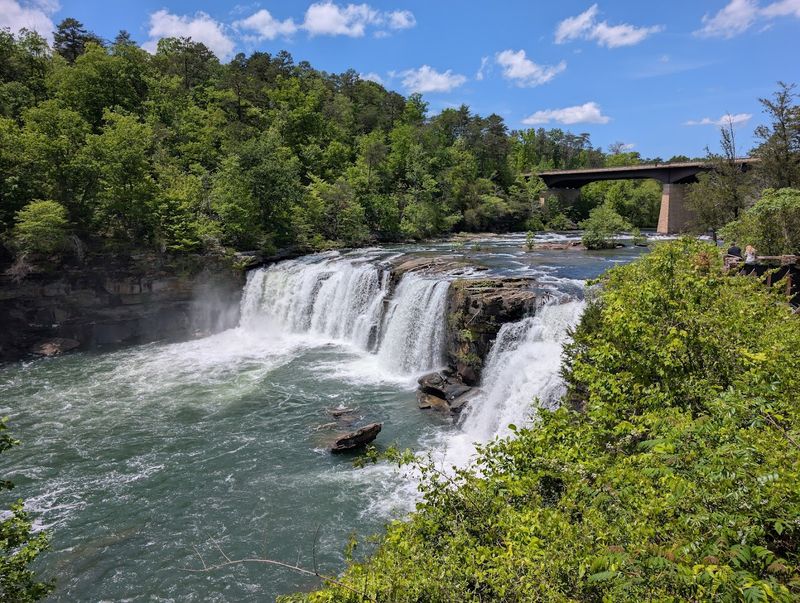
Little River Canyon earns its comparison to the Grand Canyon with zero exaggeration. Located atop Lookout Mountain near Fort Payne, Alabama, this 15,288-acre national preserve holds some of the most dramatic scenery in the entire eastern United States.
Sheer cliffs, powerful waterfalls, and a river that carved its own canyon over millions of years combine into something genuinely jaw-dropping. The 11-mile Little River Canyon Rim Parkway lets you take in the overlooks at your own pace without a strenuous hike.
Along the way, multiple pull-offs reveal sweeping views of forested cliffs and deep canyon cuts. Little River Falls drops 45 feet and can be reached easily from a short trail near the parkway entrance, making it one of the most accessible major waterfalls in the state.
When rainfall is high, Grace’s High Falls activates and plunges 133 feet down the canyon wall, earning its title as Alabama’s tallest waterfall and creating a truly dramatic scene. Hikers, kayakers, anglers, and cyclists all find something worth coming back for here.
A beloved local swimming spot called Hippie Hole sits accessible via trail from the falls area and becomes especially popular during warm summer days. The preserve entrance is located at 4322 Little River Trail NE, Fort Payne, AL 35967.
After exploring, many visitors head to Jefferson’s for a meal. The canyon feels remote and wild even though it sits just minutes from town, which is exactly what makes it so memorable.
4. Cathedral Caverns State Park, Woodville
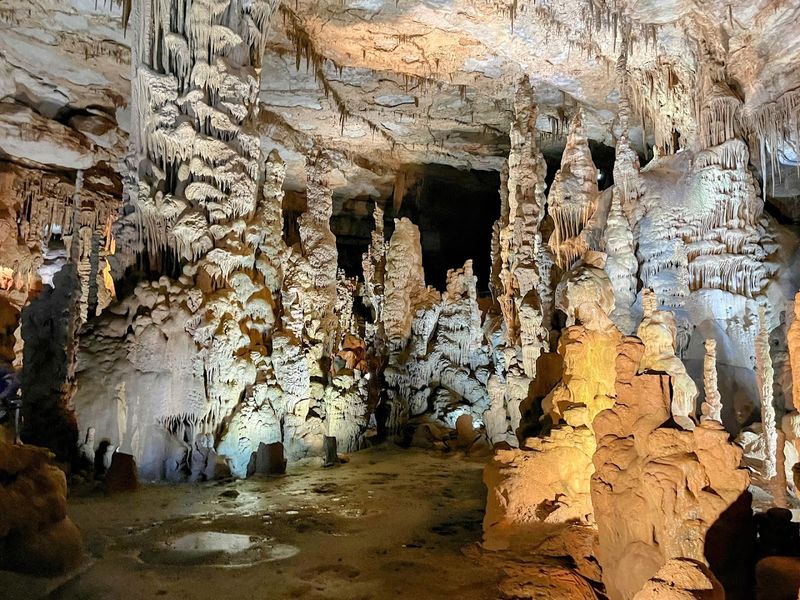
Walking through a cave entrance that measures 126 feet wide and 25 feet tall is the kind of experience that recalibrates your sense of scale immediately.
Cathedral Caverns State Park in Woodville, Alabama, holds one of the largest cave openings in the world, and the interior more than lives up to that extraordinary entry point.
A constant 60-degree temperature greets every visitor regardless of the season outside. Inside, the formations are staggering.
Goliath, a stalagmite column standing 45 feet tall and 243 feet wide, ranks among the largest of its kind anywhere on the planet. Formations nicknamed the frozen waterfall and cave bacon add texture and character to every chamber along the guided tour route.
The cave’s largest room, historically known as Bats Cave by locals, carries a quiet reverence that feels genuinely spiritual. The cave was later named Cathedral Caverns, and even secular visitors tend to speak in hushed tones inside it.
Cathedral Caverns State Park is located at 637 Cave Road, Woodville, AL 35776. For a meal nearby, stop at Larkin’s on the Lake at 10255 AL-227, Guntersville, AL 35976, just a short drive away.
Tours run regularly throughout the day and are suitable for most ages and fitness levels. This is one of those Alabama places that earns gasps from people who thought they had seen everything.
5. Neversink Pit, Fackler
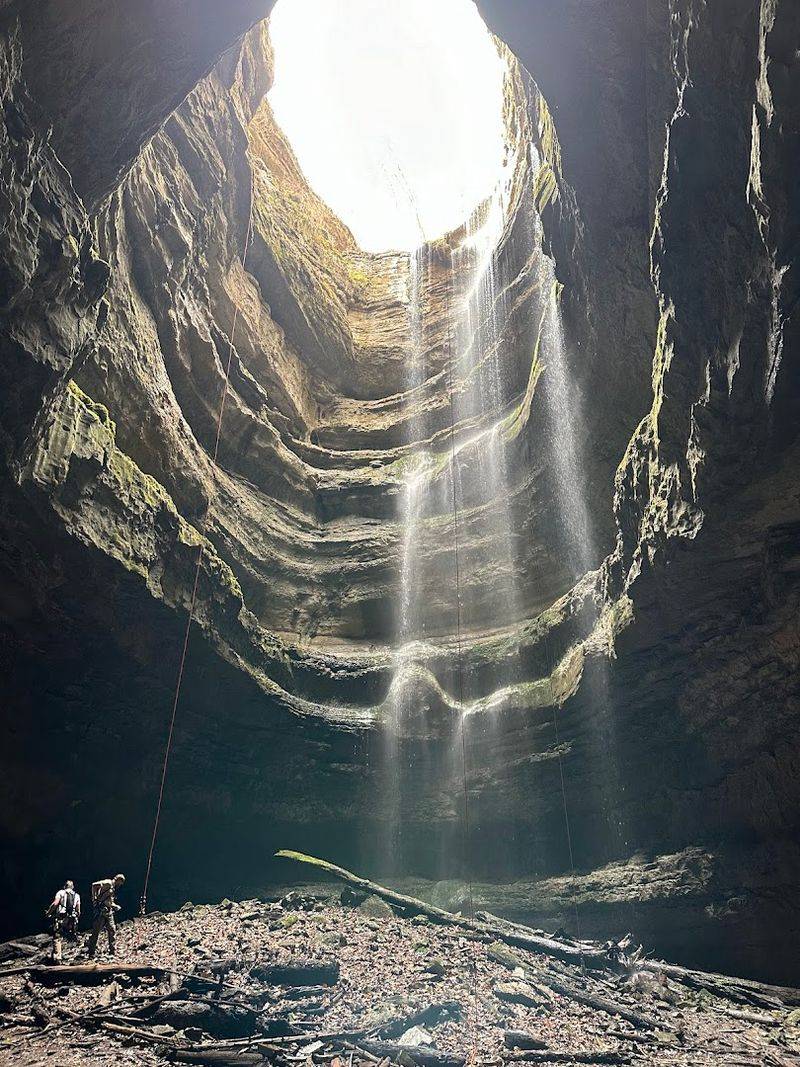
Neversink Pit does not ease you in gently. This geological wonder near Fackler, Alabama, is a sinkhole that drops straight down 16 stories, roughly 162 feet, into the earth.
It is the kind of place that makes you stand at the edge and genuinely rethink what Alabama looks like beneath the surface. Rare ferns and delicate plant species grow along the walls in a cool, humid microclimate that exists nowhere else nearby.
Streamlets and small waterfalls trickle down the pit walls, catching light in ways that make the whole space feel surreal.
Photographers travel from across the country specifically to capture this location, and it is easy to understand why once you see the contrast between the brilliant green plant life and the shadowed depth below.
Rappelling is required to reach the bottom, making it a destination that rewards those with some adventure experience. Access to Neversink requires a free permit from the Southeastern Cave Conservancy, which manages the land to protect its fragile ecosystem.
For a post-hike lunch, explorers often head into nearby Stevenson for classic Southern home cooking. Standing at the rim and looking into this massive vertical drop leaves a lasting impression on everyone who makes the trek.
It stands as a powerful reminder that some of the state’s most beautiful treasures are entirely hidden from sight.
6. Cahaba River National Wildlife Refuge, West Blocton
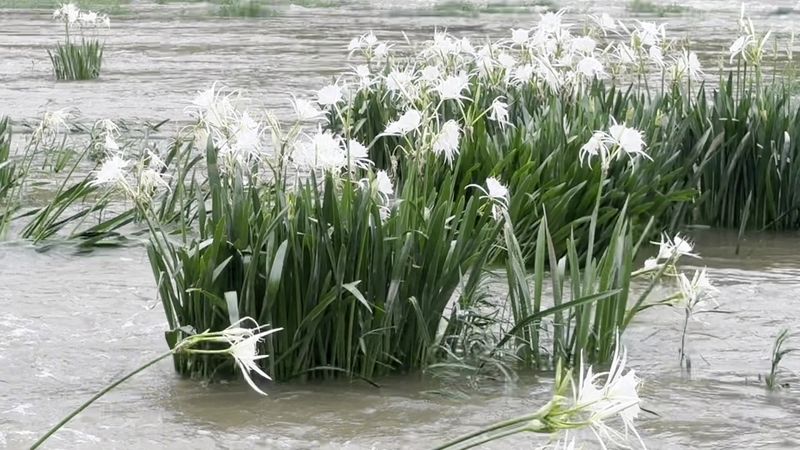
Every May and June, the Cahaba River near West Blocton, Alabama, does something that looks borrowed from a fantasy novel. Cahaba lilies burst into bloom on the river’s rocky shoals, their white star-shaped flowers rising directly from the current in clusters that stretch as far as you can see.
This refuge holds the largest known stand of these imperiled flowers anywhere in the world.
The Cahaba River National Wildlife Refuge covers land surrounding one of the most biologically diverse rivers in North America. It is home to 69 rare and endangered species, including native freshwater mussels, fish species found nowhere else on Earth, and the lilies themselves.
The biodiversity here rivals ecosystems twice the size, which makes every visit feel like a quiet scientific discovery.
Hiking trails wind through the refuge and offer views of the river at multiple points. The lily bloom typically peaks in late May, and local naturalist groups often organize guided walks during that window.
The refuge is located off County Road 24, West Blocton, AL 35184. For food after your visit, head to Montevallo’s Main Street Cafe at 745 Main St, Montevallo, AL 35115, about 20 miles away.
The Cahaba River is one of Alabama’s most important natural treasures, and the refuge protects it with a care that shows in every detail of the landscape.
7. Cane Creek Canyon Nature Preserve, Tuscumbia
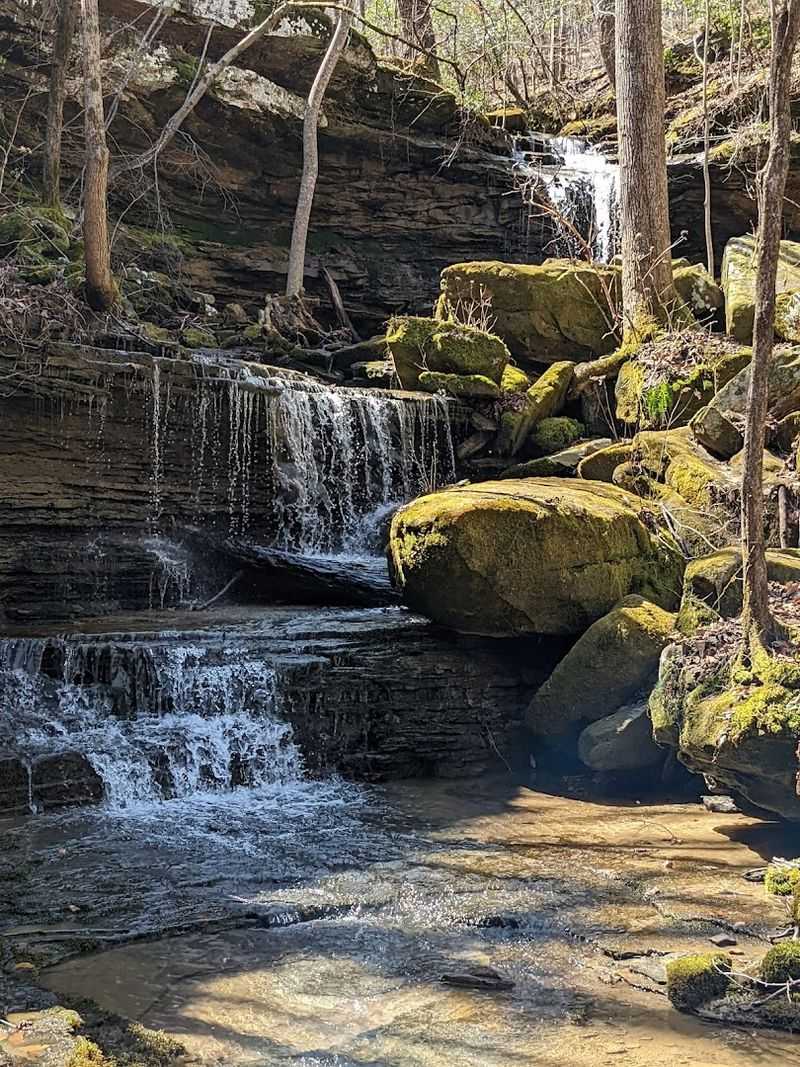
Not every treasure in Alabama belongs to the state or federal government. Cane Creek Canyon Nature Preserve in Tuscumbia is a 693-acre privately owned canyon that has been lovingly maintained and opened to the public by the Foshee family for decades.
Twenty-five miles of moderately difficult trails wind through the canyon, passing waterfalls, diverse wildlife, and plant communities that shift dramatically from ridge to streambed.
The waterfalls here flow strongest during winter and spring when rainfall keeps the canyon active and alive with sound. Sandstone cliffs rise above the trails at several points, creating natural frames for views that feel more like the Pacific Northwest than north Alabama.
The sheer variety of ferns, mosses, and wildflowers packed into this single canyon is remarkable for its size.
Visitors are asked to sign in at the preserve entrance and can borrow hiking sticks for the trails, which include some steep and uneven terrain. The preserve is located at 251 Cane Creek Road, Tuscumbia, AL 35674.
After your hike, Tuscumbia’s downtown offers dining at Rustic Grill at 107 E 5th St, Tuscumbia, AL 35674. The preserve operates on a trust-based system that feels refreshingly old-fashioned, and most visitors leave with a genuine sense of gratitude toward the family that made it possible.
Cane Creek Canyon is the kind of place you tell your closest friends about in a whisper.
8. White Cliffs of Epes, Tombigbee River
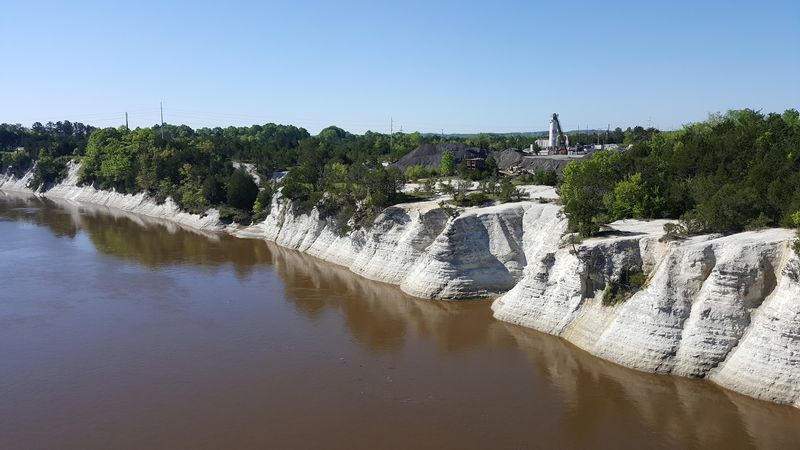
Alabama keeps its most visually disorienting secret along a quiet bend of the Tombigbee River near the small town of Epes.
The White Cliffs of Epes rise sharply above the dark water in brilliant chalky white, creating a scene that looks pulled from coastal England or the cliffs of Dover rather than the rural American South.
Most people in Alabama have never heard of them, which makes the discovery feel all the more personal.
The cliffs are a geological remnant of an ancient seabed, formed from chalk and marl deposits laid down tens of millions of years ago when this region sat beneath a shallow inland sea. That context makes standing in front of them feel almost philosophical.
The Tombigbee River reflects the white faces of the cliffs on calm days, doubling the visual impact in a way that photographs rarely capture fully.
Access to the cliffs is best by boat along the Tombigbee River, though views from the riverbank are also possible. The cliffs are located near Epes, AL 35460 in Sumter County.
For food nearby, Livingston’s Catfish Cabin at 305 US-11, Livingston, AL 35470 is a local favorite just a short drive away. The White Cliffs of Epes represent exactly the kind of hidden Alabama wonder that rewards curiosity and a willingness to explore roads and rivers that most visitors never think to follow.
9. Stephens Gap Callahan Cave Preserve, Woodville
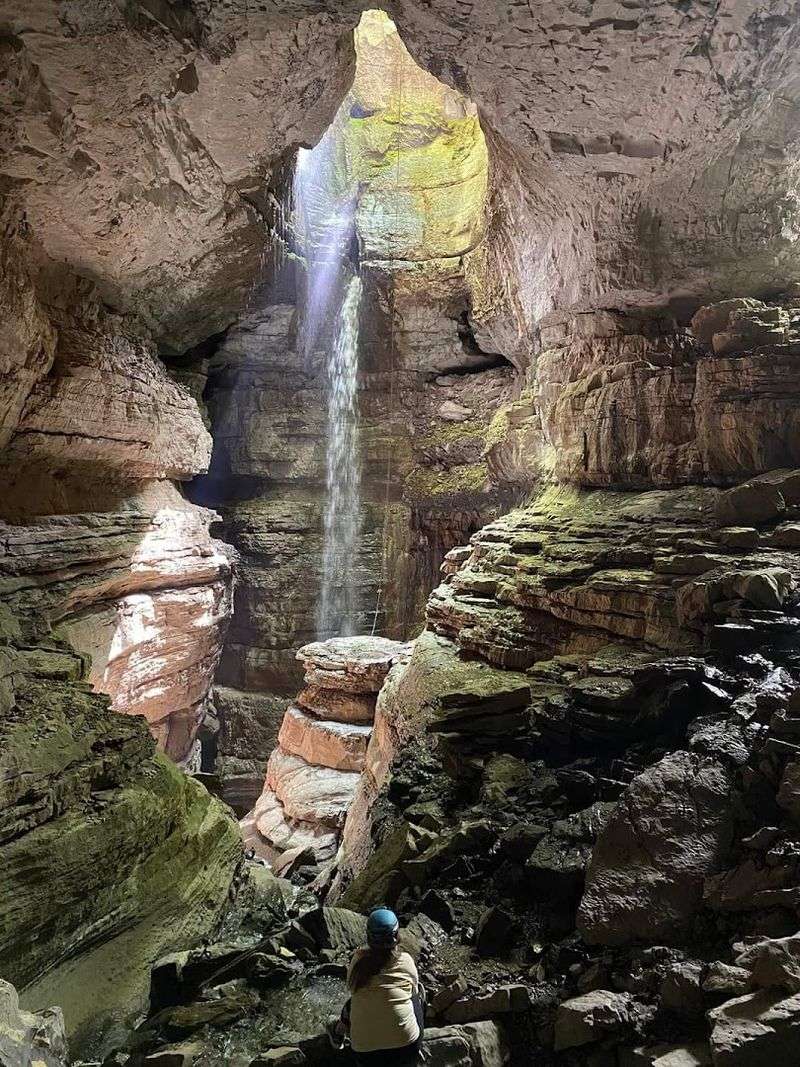
Some places earn their legends honestly, and Stephens Gap is one of them. This rugged, heavily protected nature conservatory in Woodville, Alabama, is home to one of the rarest light shows on Earth.
Striking shafts of morning and midday sunlight pierce through a massive ceiling keyhole on sunny days, casting a soft golden glow that feels almost unreal, like the rock itself is quietly lit from within. The cave is just as striking in daylight.
A 1-mile hiking trail winds beside a clear, cold stream, passing mossy cliffs, small grottos, and trickling waterfalls at nearly every turn.
The ancient rock formations, fern-covered edges, and dense canopy overhead make it feel more like a hidden rainforest than anything typically associated with the American South, with shaded pockets where the air stays noticeably cooler even in summer.
What makes it even more memorable is the way it shifts with the weather. In dry times, it feels peaceful and grounded, but once seasonal rains activate the indoor waterfall next to the massive limestone pedestal, the entire space transforms into something almost dreamlike.
To visit, explorers must secure a free permit online from the Southeastern Cave Conservancy, which protects the site. Stephens Gap is located at 8408 County Road 30, Woodville, AL 35776.
The best viewing seasons are late spring through summer, when sun positions are ideal for the majestic light ray display.
