
Maine’s shoreline looks like a carefree playground, yet the rules here are unique and surprisingly strict.
You can wander from granite coves to tidal flats in minutes, but the line between public rights and private property shifts with the tide.
Understanding the laws before you step onto wet sand or reach for a shell can save your trip from fines and awkward conversations.
This guide breaks down the most common mistakes visitors make, so you can explore with confidence and respect.
1. Trespassing by Sitting or Sunbathing on the Intertidal Zone

The intertidal zone looks like the perfect place to spread a towel, but Maine treats that ribbon of wet sand differently than most states.
Property lines usually extend to the mean low water mark, which means the landowner controls many uses of the tidelands.
You still have ancient rights for fishing, fowling, and navigation, yet lounging and general recreation are prohibited without permission.
It helps to read the beach like a map, starting with the seaweed stains and wrack line that hint at the recent high tide.
Those dark bands show where water has been, but the legal boundary follows the mean low water mark, which can feel invisible when you are just trying to enjoy the view.
When in doubt, ask a local harbormaster where public access begins, and carry respect along with your sunscreen.
Public parks solve the guesswork by clearly posting rules and designated bathing areas, while private coves often have small signs that blend into the scenery.
If you want to sit, choose a confirmed public beach or a municipal access site, and keep the intertidal zone for purposeful transit.
You can walk for navigation, launch a paddle craft efficiently, or cast a line without lingering.
Conversations go smoother when you move confidently and courteously, stepping around moorings, traps, and shore plants that stabilize dunes and ledges.
Tides move fast in Maine, so plan exits before the sea returns and avoid long pauses that look like a picnic.
With a bit of planning, you will keep your day light, your photos gorgeous, and your footprint minimal.
2. Crossing Private Upland to Access the Beach

Getting to the water may tempt you to hop a fence or cut across a lawn, yet Maine upland above the high-water mark is commonly private.
The most scenic shortcuts can be trespass, even if you only plan to fish or watch the tide.
Locals often post tiny signs on rocks or cedar posts, but many parcels remain unmarked and still require permission.
Look for town-managed rights of way, which appear on municipal maps or small roadside plaques near the shore.
These little corridors can be narrow, steep, or tucked between homes, and they make legal access simple once you know where to look.
Harbormasters and town clerks keep current lists, and they will point you toward places designed for public foot traffic.
Public boat ramps, piers, and causeways also provide lawful entry, though some require parking permits during busy months.
Pay the meter or display a day pass, then head straight to the water instead of lingering in yards or driveways.
Moving with purpose communicates respect and keeps neighbors supportive of visitor access.
If a landowner confronts you, respond calmly and ask for the nearest public route rather than debating boundaries.
The coastal mosaic of Maine includes family parcels that date back generations, and goodwill matters as much as signs.
When you plan with maps, you protect yourself from tickets and preserve the welcome that keeps paths open for everyone.
3. Shellfishing or Clamming Without a Local License
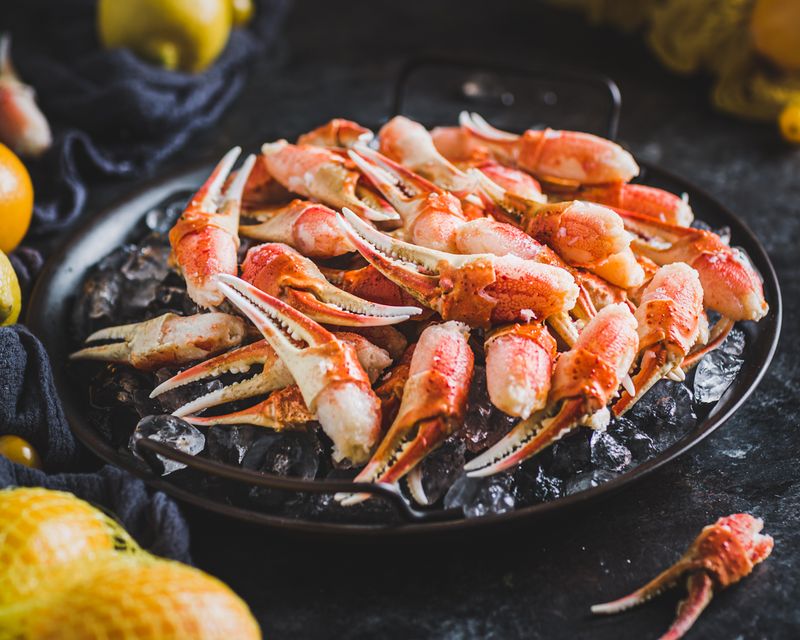
Maine towns manage recreational shellfishing locally, which means licenses come from town clerks rather than a single statewide office.
You cannot assume your freshwater or saltwater fishing license covers clams, quahogs, or oysters.
Each town sets its own availability, fees, and residency rules, and some sell only a limited number of nonresident permits.
Plan ahead by calling the clerk or visiting the town website weeks before your trip, especially in popular places such as Kittery, Bar Harbor, and Boothbay.
Many towns post up-to-date maps, digging hours, and seasonal closures right alongside the application form.
Print your permit or carry a physical copy, then keep it ready for the Shellfish Warden.
Shops near the harbor often sell gauges and buckets sized to local rules, yet they cannot issue the license unless authorized by the town.
If permits are sold out, consider a neighboring municipality with open flats and legal parking.
Patience pays off, because fines for unlicensed digging can wipe out the savings of a do-it-yourself seafood day.
Use tidy technique on the flats by filling your holes, respecting eelgrass, and keeping to posted lanes where access is allowed.
Check tide charts so you are not sprinting back across soft mud as the water returns.
With the right paperwork, you can enjoy the tradition safely, legally, and in step with Maine’s careful stewardship.
4. Harvesting Shellfish in Closed Areas
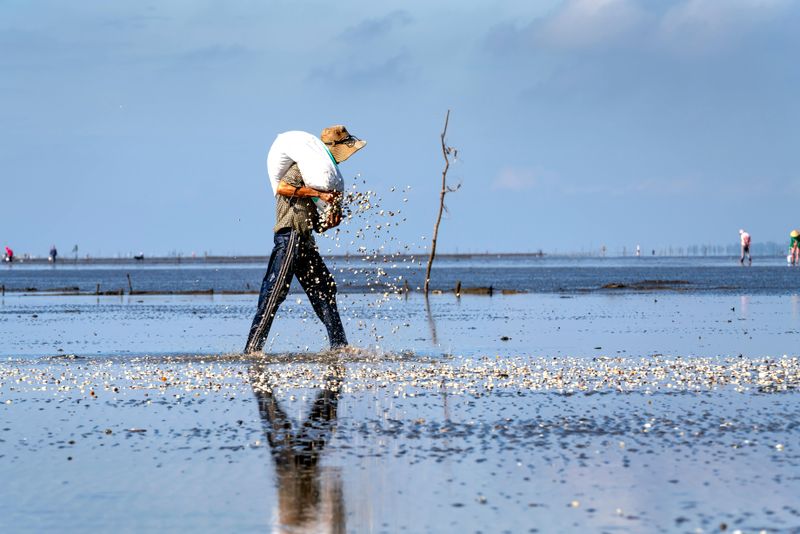
Closures protect public health when biotoxins or bacteria make shellfish unsafe, and the rules change quickly after storms or during red tide events.
Digging in a closed area is illegal and can lead to serious illness, even if the water looks crystal clear.
Before you grab a rake, check the Maine Department of Marine Resources hotline at 800-232-4733 or the interactive map.
Local towns often add temporary boundaries that shift with rainfall totals, river flow, or seasonal blooms.
Signs can be wind-battered or missing, so the official hotline and town pages are your best source. Screenshot the map or save the layer for offline use, because some coves have spotty cell service.
Wardens patrol by truck and skiff, watching for buckets near posted stakes and color-coded markers.
If they ask for your license and harvest location, clear records and photos help demonstrate compliance.
A little prep keeps your day relaxed, your dinner safe, and your wallet intact.
Respecting closures also protects working harvesters who rely on clean flats for their income.
When visitors follow the map, the community notices, and access remains welcoming for everyone.
Maine takes shellfish safety seriously, and checking once more before you dig is always worth the minute it takes.
5. Taking Undersized or Over-Limit Shellfish
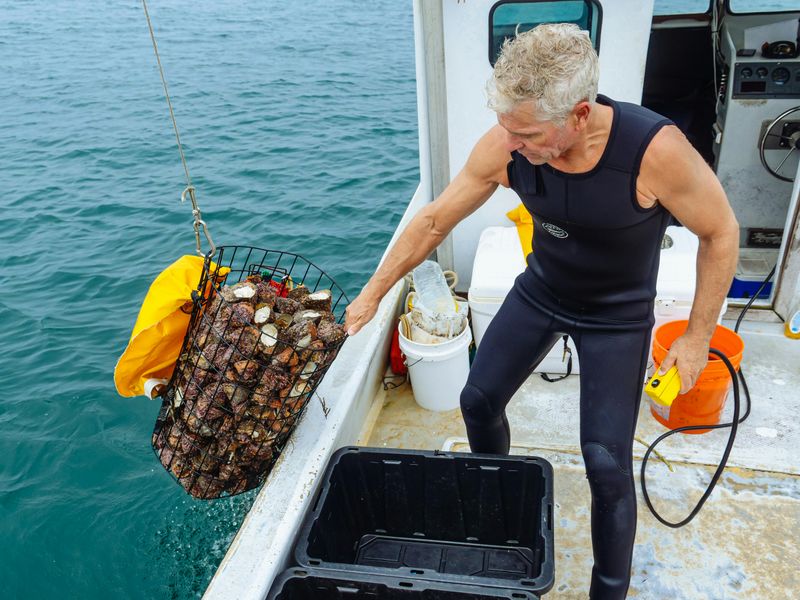
Size and possession limits keep shellfish populations healthy, and the rules are enforced on the flats.
A soft-shell clam must typically measure at least two inches across the longest axis, and daily take is often capped at one peck per person.
Without a gauge, it is easy to misjudge in the mud and end up with a fine.
Carry a simple aluminum clam gauge from a local marine store, and measure every borderline shell before it goes in the bucket.
Many towns require that your container be clearly marked to show the legal volume, which helps wardens check at a glance.
Keep juveniles where they lie, and refill holes so the bed keeps breathing after you leave.
Sorting as you go beats a stressful dump out at the truck when the tide has chased you across slick channels.
Pair steady measuring with a habit of counting, and you will finish with a legal, tidy haul.
The rhythm becomes satisfying as the bucket fills within the set limit.
If you are unsure about a species or a new tool, ask the Shellfish Warden for guidance at the access point. Their advice can save your day and keep you aligned with local ordinance nuances.
Following the numbers shows respect for Maine’s carefully managed coastal resources.
6. Catching a Lobster with Bare Hands
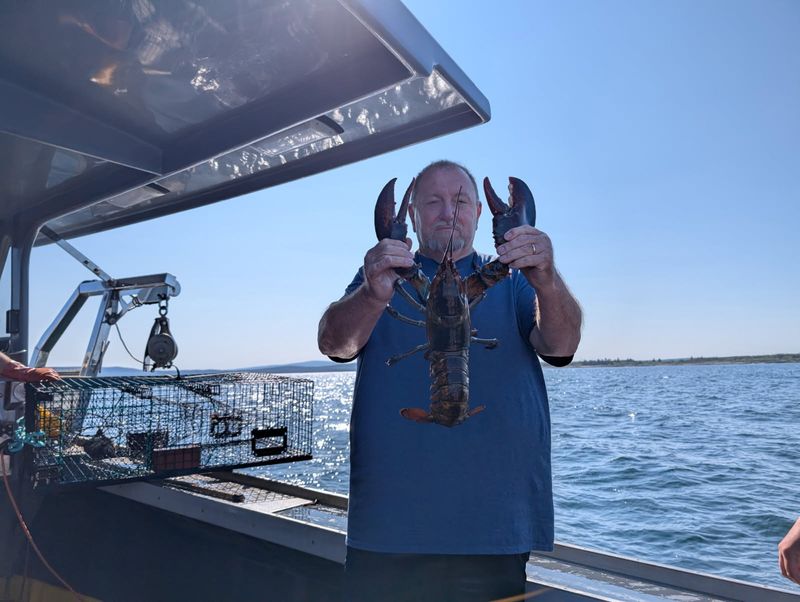
Lobsters are iconic in Maine, and that allure tempts curious visitors to scoop one from a tide pool.
State law prohibits catching lobster by hand or with any unlicensed gear, reserving harvest to permitted commercial methods.
Picking one up for fun still counts as taking, and it can lead to citations.
Lobsters can pinch hard and damage both skin and the animal, which adds safety and ethical reasons to leave them alone.
If you see a lobster in a shallow pool, enjoy the moment, snap a quick photo, and move on.
Touching traps, buoys, or lines is also off limits and disrupts a regulated fishery that underpins coastal towns.
Boat tours and dockside education programs offer legal, supervised encounters that satisfy curiosity without risk.
Guides handle the gear, explain v notching and size slots, and return animals to the sea under strict rules.
You get the story and close up views without breaking the law.
Share the rule with kids and friends so the message spreads across beaches and ledges.
Respect for lobsters supports the heritage that puts Maine on culinary maps worldwide.
Watch with wonder, keep your hands free, and let licensed harvesters do the lifting.
7. Collecting More Than the Limit of Sea Urchins or Periwinkles
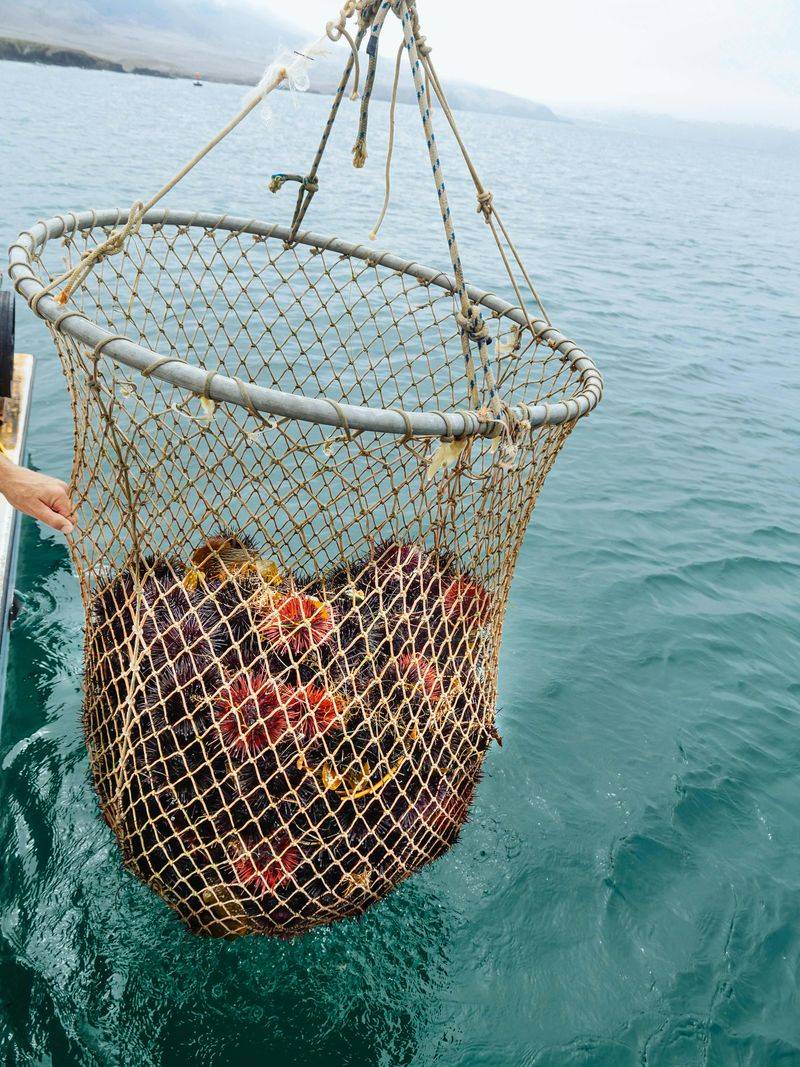
Periwinkles and sea urchins look plentiful along Maine rocks, but recreational take is regulated to protect intertidal life.
Without a commercial license, many towns and state guidance limit casual gathering, such as a two-quart daily allowance for periwinkles.
Exceeding those amounts can draw enforcement attention, especially near popular coves.
Use a small container that cannot hold more than your allowed daily volume, and stop collecting when it is comfortably full.
Avoid stripping a single rock clean, since spreading your steps helps preserve habitat for crabs, birds, and future tides.
Never pry urchins in areas where harvest is restricted, and skip any patch tied to research markers.
Town offices and the Maine Department of Marine Resources publish updates that clarify noncommercial limits and seasons.
Check those notes before your walk, and choose observation over harvest when rules are unclear.
A short pause on the path can keep your day simple and the shoreline resilient.
Share finds with your group without increasing volume, and return extras gently to the same microhabitat. Kids love the count and sort game, which doubles as a quick stewardship lesson.
Staying under the limit shows care for Maine ecosystems that draw you back year after year.
8. Disrupting Designated Working Waterfronts
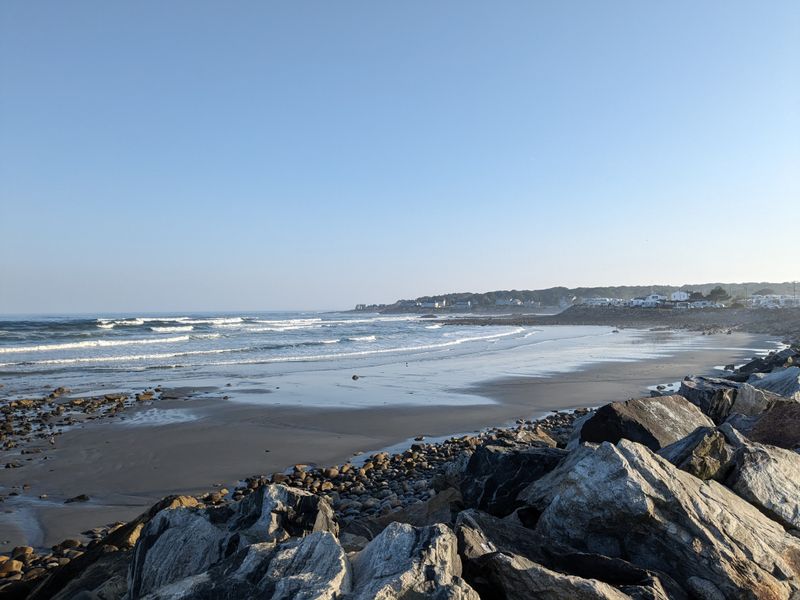
Working waterfronts fuel Maine coastal life, and they operate as busy job sites rather than public parks.
Tourists sometimes linger on docks, block gear lanes, or park in reserved spaces, which slows down crews on tight tides.
Interference can lead to towing, fines, or firm reminders to clear the way.
Look for signs that say Authorized Personnel, Gear Only, or Commercial Berthing, and treat those spaces like active warehouses.
Take photos from a safe distance where public viewing is allowed, and yield to forklifts, bait trucks, and skippers backing trailers.
Your awareness keeps everyone safe and keeps operations flowing on schedule.
Many towns provide separate public piers or walkways with benches and harbor views that feel just as photogenic.
Harbormaster offices can point you toward observation decks where you can watch hauls without stepping into workflows.
These vantage points offer great angles while respecting the livelihoods that define the coast.
If you book a tour, arrive early, check the meeting spot, and wait where staff directs.
Move promptly when boarding, and keep gear tidy to avoid snagging lines or traps.
Supporting working rhythms shows gratitude for a waterfront that powers Maine communities and visitor experiences.
9. Allowing a Dog to Roam Unleashed on Coastal Trails and Beaches

Coastal towns in Maine enforce leash rules to protect wildlife, neighbors, and steady trail use.
Many beaches restrict dogs during nesting seasons or specific daytime hours, and island communities can be even stricter.
An unleashed romp can disturb birds, seal pups, or families enjoying a quiet walk.
Before you head out, check the town website or trail kiosk for current dates and hours.
Carry a sturdy leash, waste bags, and a backup clip in case the first one fails at low tide.
If you meet a ranger or warden, clear compliance and a friendly attitude go a long way.
Choose routes with dog-friendly designations, and step aside when passing anglers, photographers, or hikers on narrow ledges.
Keep paws out of dune grasses and fragile wrack where shorebirds feed, and skip crowded sections during peak sun.
A little planning helps everyone share the coast with ease.
When rules tighten for breeding seasons, pivot to paved harbor walks or inland preserves that welcome pets.
Local shops often post pet policy updates and can suggest quieter loops for calm sniff sessions.
Respecting leash laws supports Maine wildlife and the welcoming vibe that keeps visitors returning.
10. Driving Motor Vehicles on Public Beaches or Shores Without a Permit

Maine law prohibits driving motor vehicles onto public beaches or shores without a municipal permit, and enforcement is active in popular areas.
Hard-packed sand can look like a casual ramp, yet tides, soft spots, and nesting zones make vehicles risky. Police and wardens watch access points and issue citations when drivers ignore posted barriers.
If a town allows limited vehicle access, it will be clearly signed and tied to a specific permit or launch purpose.
Check municipal pages and harbormaster notices for any exceptions before you roll a tire onto sand.
When permits exist, they define times, routes, and speed limits that protect people and wildlife.
Park in designated lots, carry your gear by hand or cart, and plan for the incoming tide to avoid stranded equipment.
Recovery fees and towing on sand can cost more than any convenience you hoped to gain.
Your day stays lighter when your wheels stay on pavement.
Beach walkers, anglers, and families appreciate vehicle-free zones that keep the shore peaceful and predictable.
Follow signs, respect barriers, and choose access points built for public use. That simple choice preserves Maine beaches for safe, low-stress adventures.
Dear Reader: This page may contain affiliate links which may earn a commission if you click through and make a purchase. Our independent journalism is not influenced by any advertiser or commercial initiative unless it is clearly marked as sponsored content. As travel products change, please be sure to reconfirm all details and stay up to date with current events to ensure a safe and successful trip.
