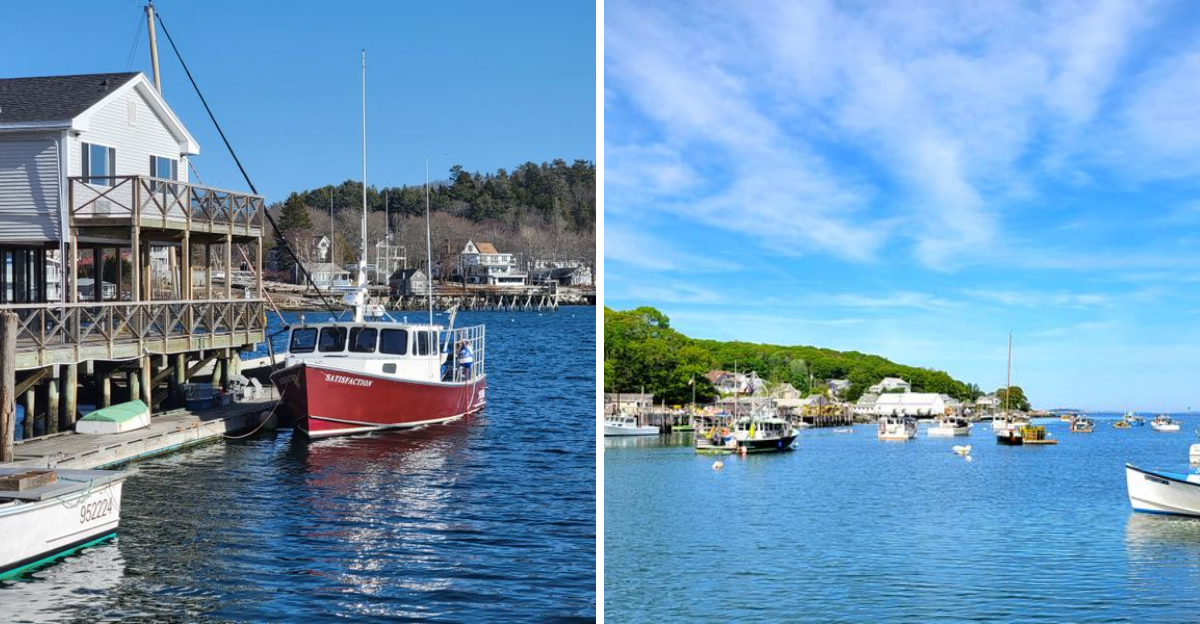
Maine’s rugged coastline tells stories of tradition, hard work, and communities built around the sea.
Fishing villages dot this stretch of Atlantic shore, where lobster boats head out before dawn and the smell of saltwater fills the air.
These places aren’t frozen in time or turned into tourist attractions.
They’re alive with working waterfronts, active harbors, and people whose livelihoods depend on what the ocean provides.
From island communities accessible only by ferry to peninsulas jutting into the cold northern waters, these ten coastal regions show what happens when a way of life refuses to disappear.
Each village has its own character, shaped by geography, history, and the stubborn determination of fishermen who’ve worked these waters for generations.
Visit any of these spots and you’ll see stacks of lobster traps, hear the creak of docks under your feet, and meet people who understand the rhythms of tides better than the rhythms of modern life.
This is Maine at its most authentic.
1. Stonington on Deer Isle
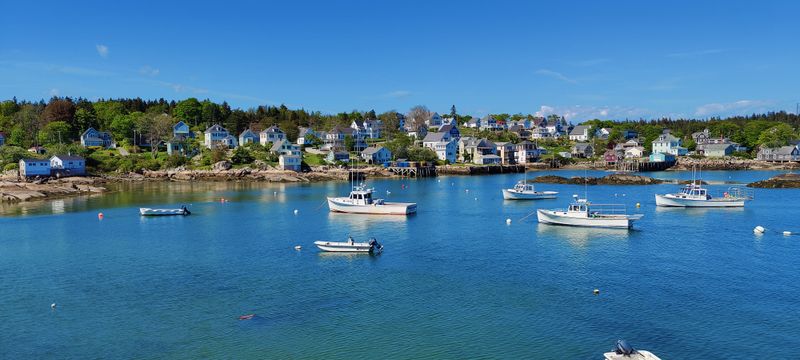
Stonington sits at the southern tip of Deer Isle, surrounded by an archipelago of sixty islands that create one of the most stunning maritime landscapes in Maine.
The village harbor buzzes with activity as one of the state’s busiest lobster ports.
Colorful boats crowd the docks, traps stack high along the waterfront, and fishermen move with practiced efficiency through their daily routines.
Historic buildings from the 1800s line the steep main street that slopes down to the water.
These structures weren’t built for show.
They housed the workers, merchants, and boat builders who made this village thrive when granite quarrying and fishing were the only industries that mattered.
Walk along the working waterfront and you’ll see boats being repaired, nets being mended, and catch being unloaded.
The community maintains its authentic character because fishing isn’t a heritage display here.
It’s how people earn their living.
Local families have worked these waters for generations, passing down knowledge about currents, weather patterns, and the best spots to set traps.
The village operates on the schedule of tides and seasons rather than tourist calendars.
Stonington proves that traditional maritime life can survive in modern times when communities stay committed to their roots.
Address: Main Street, Stonington, ME 04681
2. Lubec
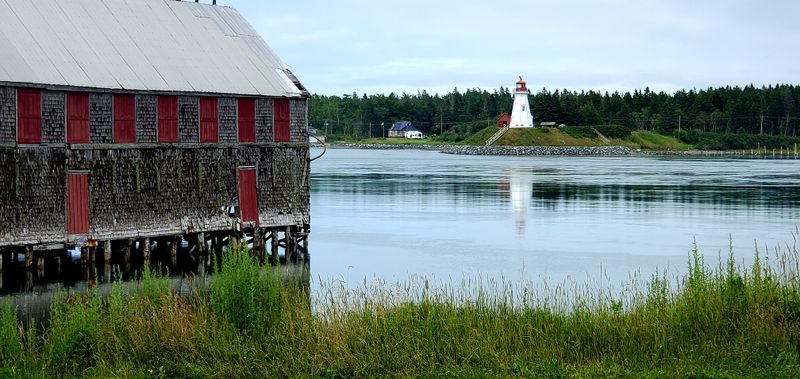
Standing at the easternmost point in the United States, Lubec occupies a unique position both geographically and culturally.
The town spreads along the shores where Cobscook Bay meets Passamaquoddy Bay, creating waters rich with marine life.
Fishing defines this community’s identity.
Salt air carries the sounds of boats leaving harbor in the early morning darkness.
Lubec’s isolation helped preserve its character when other coastal towns transformed into summer destinations.
The distance from major highways and cities meant development happened slowly, allowing traditional ways of life to continue without much disruption.
Fishermen here work year-round, not just during peak tourist months.
Winter brings its own challenges and rewards, with different species to pursue and different techniques to master.
The working waterfront remains active and essential to the local economy.
Buildings along Water Street show their age and history, weathered by decades of coastal storms but still standing strong.
Lubec doesn’t polish itself up for visitors.
What you see is genuine, from the worn docks to the practical boats designed for function rather than appearance.
This authenticity makes the town special for anyone seeking to understand how coastal Maine communities actually operate.
Address: Water Street, Lubec, ME 04652
3. Jonesport and Beals
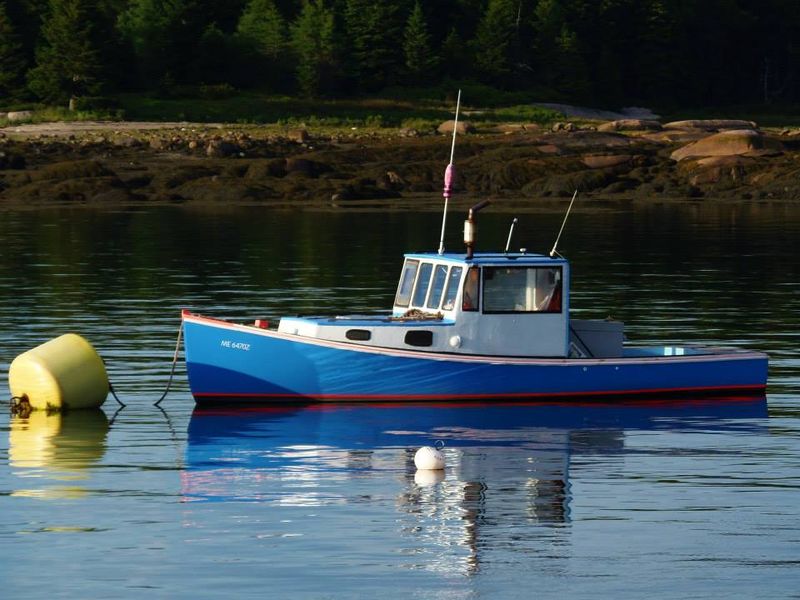
Two villages share one identity across a narrow stretch of water.
Jonesport and Beals connect via a bridge, but they’ve been linked by the lobster industry far longer than any physical structure has joined them.
These communities produce more lobstermen per capita than almost anywhere else in Maine.
Families here don’t just work in fishing as a job.
It’s woven into their DNA, passed from parents to children along with boat-handling skills and knowledge of local waters.
The harbors on both sides bustle with activity throughout the day as boats come and go with the tides.
Rugged shorelines provide natural protection for vessels while creating dramatic scenery that reminds everyone why they choose to live here despite harsh winters and unpredictable income.
Lobster traps dominate the landscape.
They’re stacked in yards, piled on docks, and loaded onto boats in quantities that seem impossible until you watch the process happen.
Local boat builders craft vessels specifically designed for these waters, continuing a tradition of maritime craftsmanship that goes back generations.
Both villages maintain their working character because alternative industries never took hold.
Tourism remains minimal, which suits residents just fine.
They’re too busy working to cater to visitors, and that focus keeps these communities authentic in ways that more accessible coastal towns have lost.
Address: Main Street, Jonesport, ME 04649
4. Milbridge
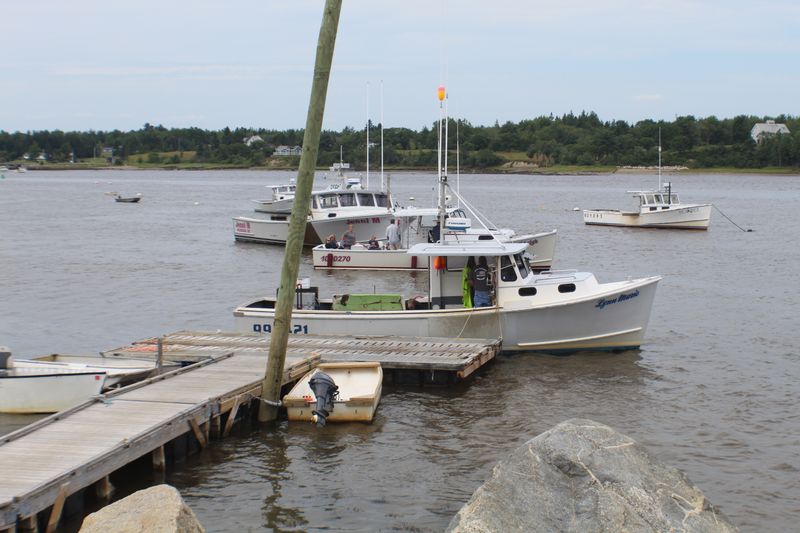
Milbridge sits where the Narraguagus River meets the Atlantic, creating a natural harbor that’s supported fishing operations for centuries.
The town’s working waterfront remains its economic heart.
Drive through Milbridge and you’ll notice the practical architecture.
Buildings serve purposes rather than making aesthetic statements.
Fish processing facilities, boat repair shops, and marine supply stores line the waterfront because that’s where they need to be for the industry to function.
The fishing community here works with efficiency born from necessity.
Every season brings different opportunities and challenges.
Lobstering dominates, but other fisheries contribute to the local economy and provide backup when lobster markets fluctuate.
Milbridge never became a tourist destination, which helped preserve its character.
The town focuses on maintaining infrastructure that supports working boats rather than pleasure craft.
Docks get repaired because fishermen need them, not because they’ll photograph well.
Local families have deep roots here, with many able to trace their connection to maritime work back multiple generations.
This continuity creates a community knowledge base that can’t be learned from books.
Young people still enter the fishing trade, learning from experienced captains who know these waters intimately.
Milbridge proves that fishing villages can thrive when they stay focused on their core purpose.
Address: Main Street, Milbridge, ME 04658
5. Boothbay Harbor
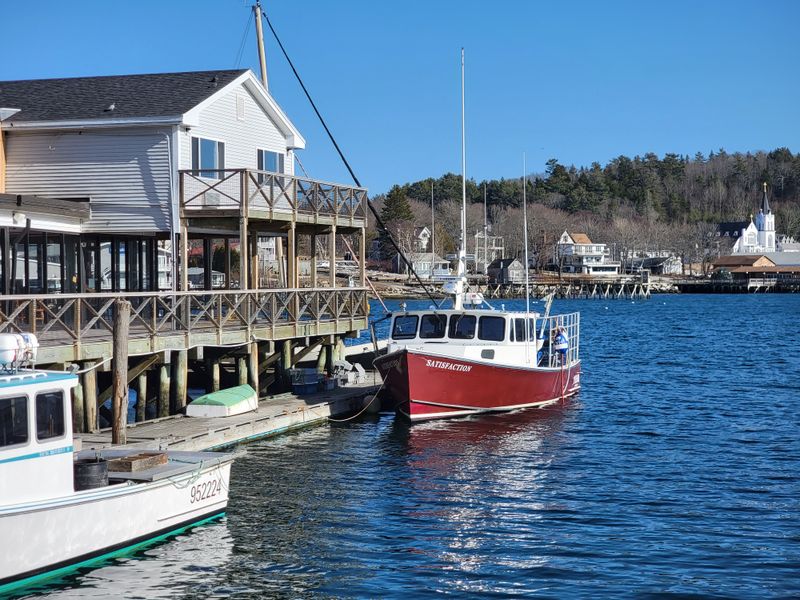
Boothbay Harbor balances two identities that don’t always coexist easily.
The town welcomes visitors while maintaining an active fishing industry that predates tourism by generations.
Historic piers extend into the harbor, some serving recreational boaters and tour operations, others reserved for working vessels that head out regardless of whether tourists are watching.
Banks fishermen originally settled this harbor, establishing traditions that continue today.
The maritime legacy shows in everything from boat design to local vocabulary.
Commercial fishing operations share harbor space with lobster boat tours that show visitors how the industry actually works.
This creates an interesting dynamic where tourism supports rather than replaces traditional livelihoods.
The working waterfront remains protected by local regulations that prevent complete conversion to recreational use.
Fishermen still have access to docks, fuel, and services they need to keep operating.
This deliberate preservation effort recognizes that losing the fishing industry would fundamentally change what makes Boothbay Harbor special.
Walk the waterfront and you’ll see both worlds operating simultaneously.
Tour boats depart while fishing vessels unload their catch.
Restaurants serve seafood caught that morning by boats you can see from the dining room.
The blend works because the community values its maritime heritage as more than just backdrop scenery.
Address: Commercial Street, Boothbay Harbor, ME 04538
6. Port Clyde on St. George Peninsula
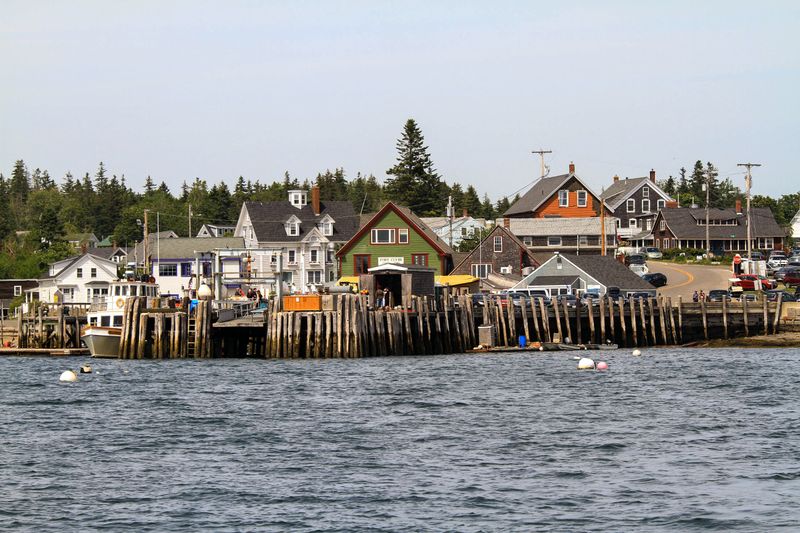
Port Clyde occupies the southernmost tip of the St. George Peninsula, jutting into the Atlantic like a finger pointing toward Monhegan Island.
This geographic position made it a natural harbor for fishermen and a departure point for the island ferry that still runs today.
The village remains quintessentially focused on fishing.
Lobster boats dominate the harbor, their presence so constant that the sound of marine engines becomes background noise locals don’t even notice.
Traps stack everywhere, creating colorful pyramids that somehow manage to be both practical and picturesque.
Small-scale operations characterize Port Clyde’s fishing fleet.
Individual boat owners work independently or in small family operations rather than as part of large commercial enterprises.
This maintains a traditional structure where skill and knowledge matter more than capital investment.
The village layout reflects its purpose.
Everything clusters near the water because that’s where the work happens.
Houses, shops, and community buildings all orient toward the harbor rather than away from it.
Port Clyde doesn’t pretend to be anything other than what it is.
There’s no manufactured charm or calculated quaintness.
The village works as it has for generations, with boats going out and coming back, catches being landed, and people making their living from the sea.
Address: Port Clyde Road, Port Clyde, ME 04855
7. Vinalhaven
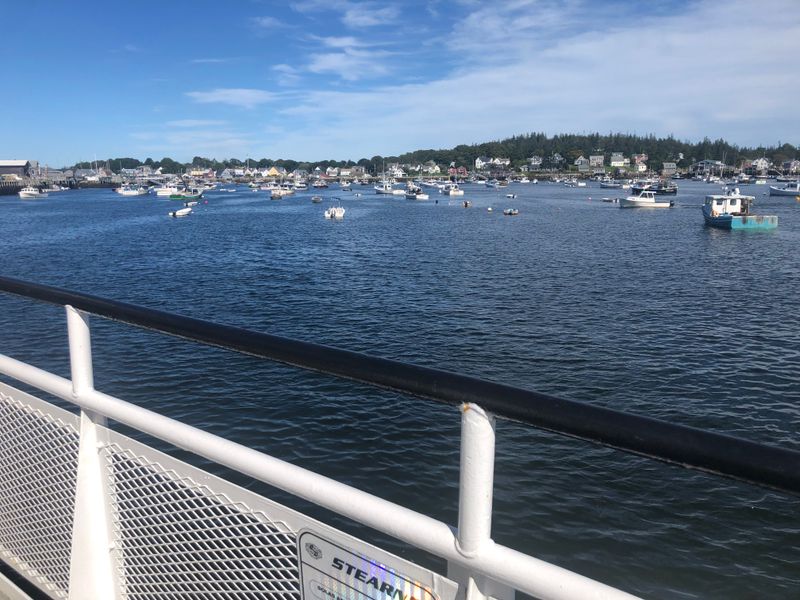
Reaching Vinalhaven requires a ferry ride, which immediately sets this island community apart from mainland towns.
The journey across Penobscot Bay takes over an hour, creating a physical and psychological separation that helps preserve the island’s character.
Vinalhaven ranks among Maine’s most productive lobster ports.
The industry doesn’t just support the economy here.
It is the economy, providing jobs and income that keep the island populated year-round.
Island life creates a tight-knit community where everyone knows everyone and cooperation becomes essential for survival.
Fishermen help each other during emergencies, share information about conditions, and maintain informal networks that function better than any official organization.
The harbor serves as the island’s central gathering place.
Morning and evening see the most activity as boats depart and return.
The rhythm of fishing dictates daily schedules more than clocks or calendars.
Living on Vinalhaven means accepting isolation and inconvenience in exchange for a lifestyle that values independence and tradition.
Supplies arrive by ferry.
Medical emergencies require boat or helicopter transport.
Winter weather can cut the island off from the mainland for days.
Yet people choose to stay because the community and way of life offer something they can’t find elsewhere.
Vinalhaven shows how island fishing communities maintain their identity through geographic separation and shared purpose.
Address: Main Street, Vinalhaven, ME 04863
8. Cutler

Cutler exists off the beaten path in Maine’s Downeast region, where towns become fewer and wilderness dominates the landscape.
The village clusters around Little River harbor, a dramatic inlet that provides protection for fishing boats while showcasing the raw beauty of this coastline.
Remote doesn’t mean abandoned here.
Cutler maintains an active fishing fleet despite its distance from major markets and population centers.
Commercial fishermen work these waters year-round, pursuing lobster and other species with determination born from generations of maritime tradition.
The village lacks tourist infrastructure because tourists rarely make it this far.
That absence of outside influence helps Cutler maintain authenticity that more accessible towns struggle to preserve.
Life here follows patterns set by weather, tides, and fishing seasons rather than vacation schedules or weekend crowds.
Buildings show their age and purpose.
Nothing gets prettified or restored for aesthetic reasons.
If a structure serves its function, it stays as is.
This practical approach creates a landscape that tells honest stories about how people actually live and work.
Cutler represents the traditional Maine fishing village at its most undiluted.
No gift shops, no tour boats, no accommodations designed for visitors.
Just a working harbor, hardworking people, and a commitment to continuing a way of life that demands respect for the ocean and everything it provides.
Address: Cutler Road, Cutler, ME 04626
9. Spruce Head Island
Spruce Head Island sits connected to the mainland by a causeway, creating an in-between status that shapes the community’s character.
Accessible by car but still feeling separate, the island maintains a distinct identity built entirely around fishing.
Lobster traps define the landscape more than any natural feature.
They’re everywhere you look, stacked in yards, piled on docks, loaded onto trucks, and being repaired in driveways.
The sheer quantity illustrates how completely this small community commits to the lobster industry.
Docks extend into protected waters where boats of all sizes tie up.
Some vessels are newer, equipped with modern electronics and efficient engines.
Others show decades of use, maintained through constant repair and deep knowledge of marine mechanics.
Community size creates intimacy that larger fishing ports can’t match.
Everyone knows who caught what, who’s struggling with engine problems, and who just had their best season ever.
This shared knowledge creates informal support systems that help individuals weather the industry’s inevitable ups and downs.
Spruce Head Island doesn’t offer much to outsiders because it’s not designed for them.
The community exists to support fishing operations, period.
That singular focus creates efficiency and authenticity that more diversified coastal areas have lost.
Life here revolves entirely around the sea and what it provides.
Address: Spruce Head Road, Spruce Head, ME 04859
10. New Harbor on Pemaquid Peninsula
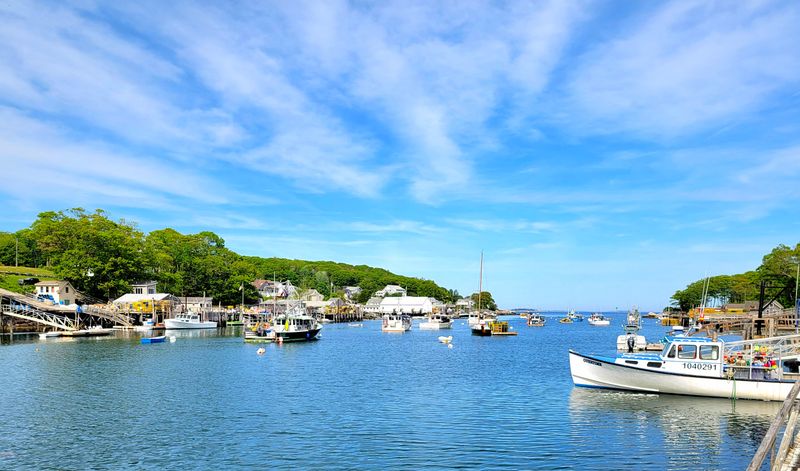
New Harbor gained unexpected fame when filmmakers chose it as a location, but the attention didn’t change its fundamental character as a working fishing port.
The harbor continues operating as it always has, with commercial boats taking priority over any other use.
Pemaquid Peninsula geography creates excellent natural harbors, and New Harbor ranks among the best.
Protected waters allow boats to operate in conditions that would keep other fleets tied up.
This reliability makes the harbor valuable to fishermen who can’t afford to lose working days to weather.
Lobster landing operations dominate the waterfront.
Boats arrive throughout the day, unload their catch, and head back out for another set of traps.
The efficiency of these operations reflects generations of refinement.
Every movement serves a purpose, wasting neither time nor effort.
Commercial boat traffic remains heavy year-round.
New Harbor doesn’t shut down for winter or slow during shoulder seasons.
Fishing continues regardless of temperature or tourist presence.
The harbor’s working status receives protection from regulations that prevent conversion to purely recreational use.
This ensures that future generations will still see active fishing operations rather than just historical markers explaining what used to happen here.
New Harbor demonstrates that coastal communities can handle outside attention without losing their core identity when they stay committed to their traditional industries.
Address: New Harbor Road, New Harbor, ME 04554
Dear Reader: This page may contain affiliate links which may earn a commission if you click through and make a purchase. Our independent journalism is not influenced by any advertiser or commercial initiative unless it is clearly marked as sponsored content. As travel products change, please be sure to reconfirm all details and stay up to date with current events to ensure a safe and successful trip.
