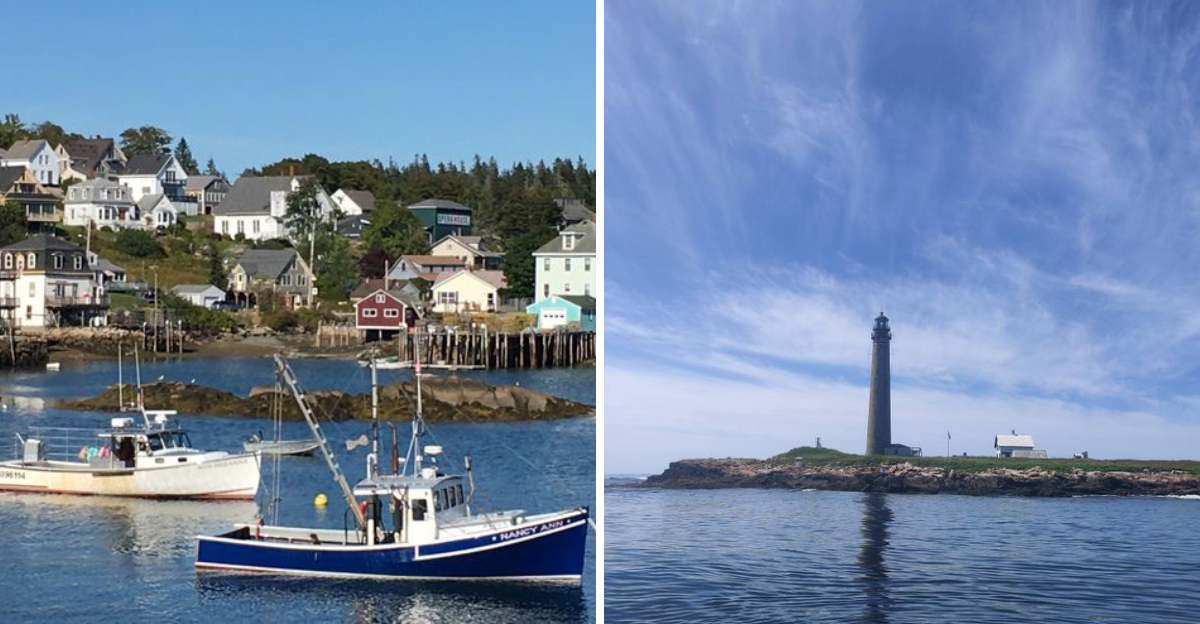
Morning light filters through fog along the Maine coast, where time seems to move at a different pace than the rest of the world.
Small harbors wake gently to the sound of waves and distant boat engines, and breakfast conversations stretch long over steaming coffee.
These coastal communities embrace a rhythm that refuses to rush, where locals greet each other by name and visitors quickly learn to slow their step.
From quiet fishing villages to tucked-away harbors, Maine offers sanctuaries where mornings unfold with intention rather than urgency.
1. Stonington
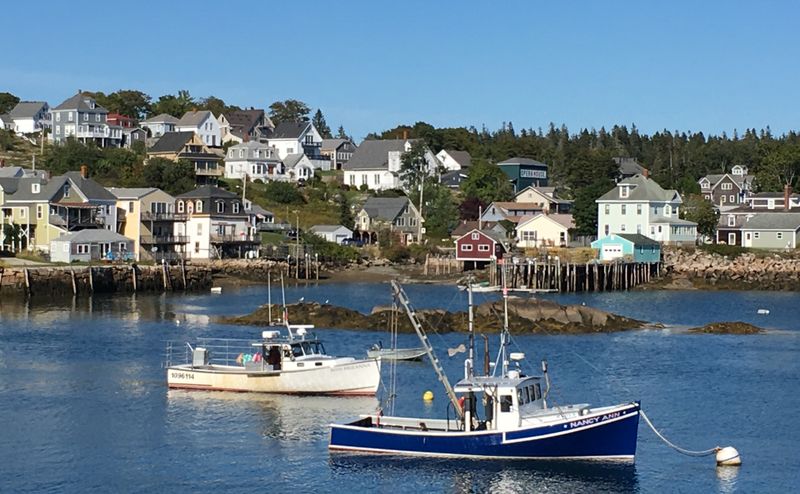
Perched at the tip of Deer Isle, Stonington remains one of the most authentic working harbors you will find anywhere along the coast.
Granite quarries once fueled this community, and their legacy lives on in the sturdy character of the place.
Fishermen head out before dawn, their boats cutting through mirror-still waters while the rest of the village slowly stirs awake.
Main Street slopes down to the waterfront, lined with weathered buildings that house art galleries, a couple of cafes, and the kind of general store where everyone knows your order.
Mornings here belong to the rhythm of the working waterfront, not tourist schedules.
Coffee drinkers linger at harbor-view tables, watching lobster boats return with their catch as gulls wheel overhead.
The Opera House, a beautifully restored theater, adds cultural depth to this rugged setting, hosting films and performances that draw the community together.
Walking the granite piers at sunrise offers a front-row seat to a way of life that has endured for generations.
There are no chain stores here, no rush to modernize beyond necessity.
Local bakeries open early, filling the salty air with the scent of fresh bread and pastries.
Stonington does not cater to crowds, and that is precisely its appeal.
Visitors who arrive expecting quick entertainment leave disappointed, but those who settle into the slower tempo discover a place where mornings feel expansive and unhurried.
The ferry to Isle au Haut departs from here, carrying hikers and daydreamers to even quieter shores.
This is Maine at its most genuine, where the ocean dictates the schedule and nobody minds waiting.
2. Blue Hill
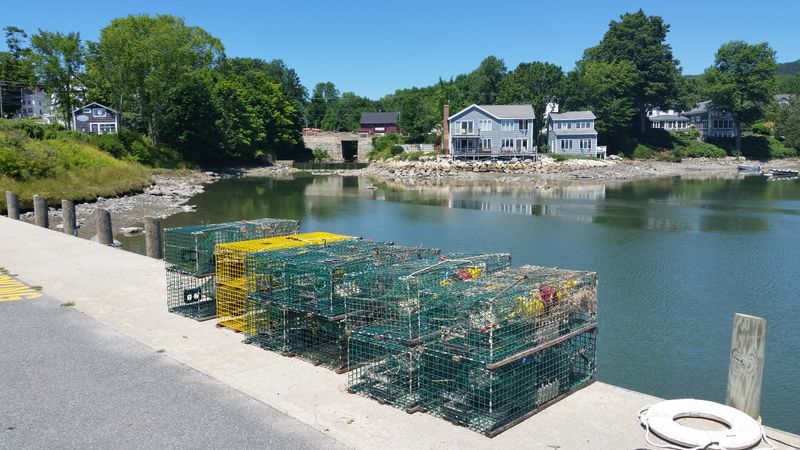
Tucked between mountain and bay, Blue Hill radiates a quiet sophistication that never feels pretentious.
Artists and musicians have long gravitated here, drawn by the natural beauty and the community that values creativity over commerce.
The village green sits at the heart of town, surrounded by historic homes and small shops that open leisurely, when owners feel ready.
Mornings begin with locals walking dogs along tree-lined streets, stopping to chat on corners where everyone seems to know each other.
The Blue Hill Public Library, housed in a beautiful building overlooking the bay, becomes a gathering spot where readers settle in for hours.
Nearby, the Kneisel Hall Chamber Music School fills summer mornings with rehearsals that drift through open windows.
Breakfast spots serve hearty meals without rushing anyone out the door, and conversations often stretch well past the last bite.
The harbor area remains active but never frantic, with sailboats bobbing gently at their moorings.
Blue Hill Mountain offers a short hike with panoramic views that reward early risers, though most prefer to take their time getting there.
Potters, painters, and craftspeople maintain studios around town, many welcoming visitors who wander in without appointments.
This is a place where the arts flourish alongside farming and fishing, creating a balanced community that resists the pressures of rapid tourism growth.
The pace here encourages reflection rather than distraction.
Bookstores invite browsing, galleries encourage lingering, and nobody checks their watch obsessively.
Blue Hill proves that small-town Maine life can be both culturally rich and deeply restful, offering mornings that unfold with grace and intention.
3. Castine
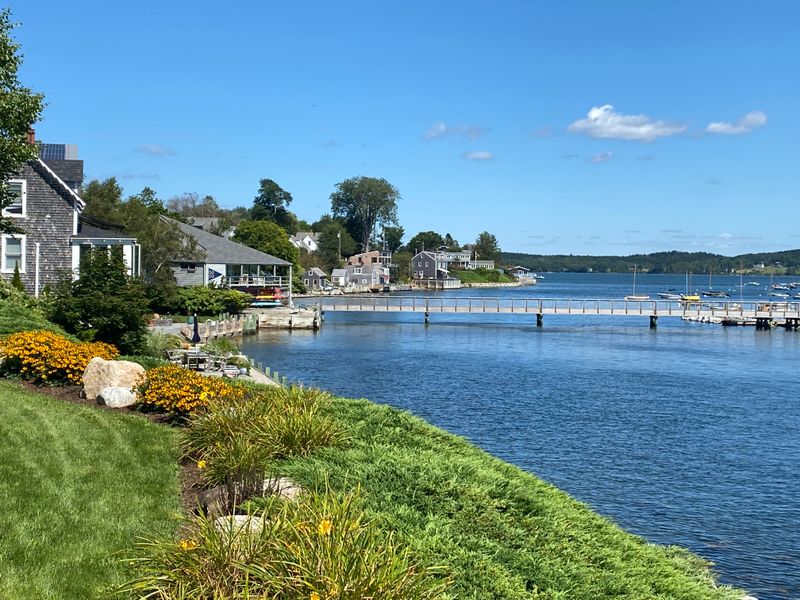
History saturates every corner of Castine, where centuries-old homes stand as reminders of a complex past involving multiple nations and countless maritime stories.
The town occupies a peninsula jutting into Penobscot Bay, surrounded by water on three sides and sheltered from the modern world by geography and choice.
Maine Maritime Academy anchors one end of town, its training ship a familiar sight in the harbor.
Mornings here begin with mist rising off the water and cadets jogging along waterfront paths as the village slowly comes to life.
Main Street stretches quiet and unhurried, with a handful of shops and cafes that open when they open, no apologies offered.
Fort George, an earthwork fortification from the Revolutionary War era, provides a peaceful spot for morning walks with sweeping water views.
The town dock welcomes sailors and kayakers, though it never feels crowded even during peak summer months.
Castine residents take pride in their village without making a fuss about it, maintaining historic buildings and supporting local institutions with quiet dedication.
The Wilson Museum complex offers insights into local history and natural science, perfect for leisurely exploration.
Tree-canopied streets invite strolling, with benches positioned strategically for resting and observing.
There are no traffic lights here, no big box stores, no pressure to hurry anywhere.
Breakfast might mean grabbing something from the market and eating it on a bench overlooking the harbor, watching boats prepare for the day ahead.
Castine appeals to those who appreciate substance over flash, history over novelty, and quiet mornings over crowded attractions.
This is coastal Maine stripped of pretense, offering a glimpse into what life feels like when the clock matters less than the tide.
4. Lubec
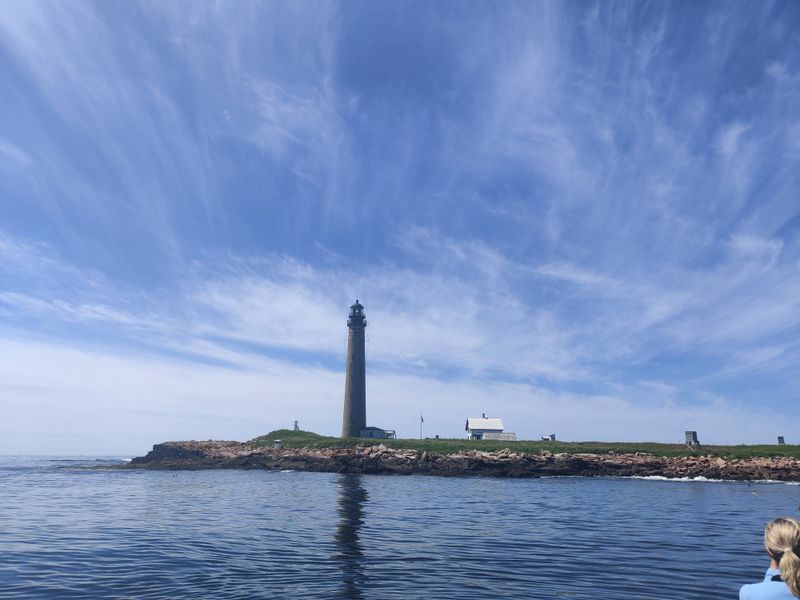
Standing at the easternmost point in the United States, Lubec greets the sunrise before anywhere else in the country.
This geographic distinction shapes the character of a town that feels both remote and welcoming, perched on the edge of everything.
The Canadian island of Campobello sits just across the narrow channel, connected by bridge and visible from nearly every vantage point.
Mornings arrive early here, with light spilling over the Atlantic and illuminating weathered fishing shacks that line the waterfront.
Water Street runs parallel to the shore, home to a scattering of galleries, cafes, and the kind of businesses that operate on their own schedules.
SummerKeys, a music camp, brings pianists and other musicians to town, filling mornings with practice sessions that echo through the quiet streets.
The sardine canneries that once dominated the economy have fallen silent, but their brick structures remain, repurposed into artists studios and community spaces.
West Quoddy Head Light, with its distinctive red and white stripes, stands sentinel a few miles from town, marking the easternmost point of land.
The trail around the lighthouse offers dramatic coastal views and opportunities to spot whales offshore.
Lubec moves at a pace dictated by tides and weather rather than tourism trends.
Locals gather at the few breakfast spots, discussing fishing conditions and community news over strong coffee.
There is a rawness to this place, an honesty that comes from living at the edge of the continent where nature dominates and conveniences remain sparse.
Visitors arrive seeking solitude and authenticity, finding both in abundance.
Mornings here stretch long and quiet, offering space to think and breathe without distraction or hurry.
5. Vinalhaven
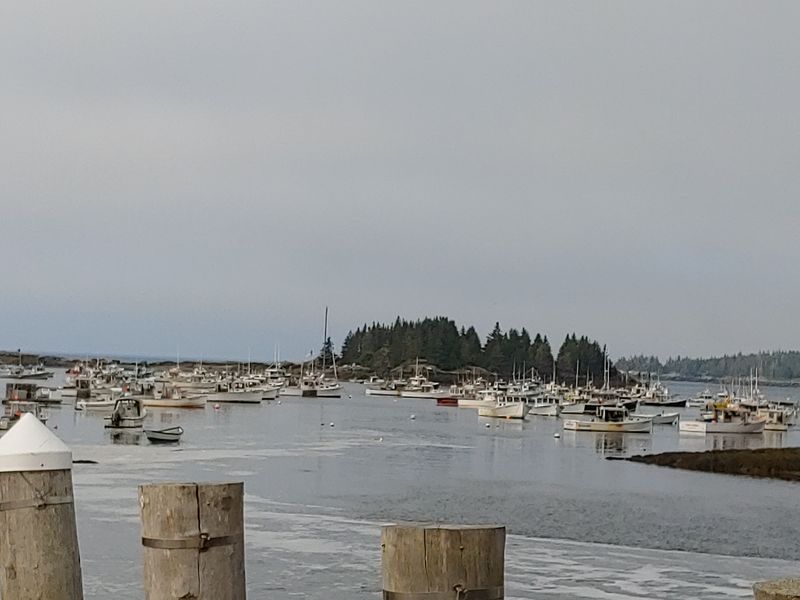
Reaching Vinalhaven requires a ferry ride from Rockland, a journey that immediately shifts your perspective and slows your internal clock.
The island sits ten miles offshore, home to a tight-knit community of fishermen, artists, and year-round residents who cherish their separation from the mainland.
Granite quarries once made this island prosperous, and their flooded remains now create stunning swimming holes surrounded by sheer rock walls.
Mornings on Vinalhaven begin with the sound of boat engines warming up in Carvers Harbor, the main village and working waterfront.
There are no traffic jams here, no chain restaurants, and only a handful of shops that serve locals first and visitors second.
The island stretches about nine miles long, crisscrossed by quiet roads perfect for biking at a leisurely pace.
Lane’s Island Preserve offers coastal trails and tidal pools, a favorite spot for morning walks when the rest of the world still sleeps.
The library and historical society provide windows into island life past and present, with exhibits that change seasonally.
Fishermen dominate the economy and culture here, and their schedules dictate much of the island rhythm.
Coffee at the harbor means watching the fleet depart, then return hours later with holds full of lobster.
There is a self-sufficiency to island life that breeds both independence and community, as residents rely on each other in ways mainland living rarely requires.
Vinalhaven does not cater to tourists seeking constant entertainment, but it rewards those who appreciate simplicity and authenticity.
Mornings unfold without urgency, shaped by weather and tide rather than schedules and obligations.
This is Maine island life at its most genuine, where slowing down is not a choice but a natural consequence of geography.
6. Eastport
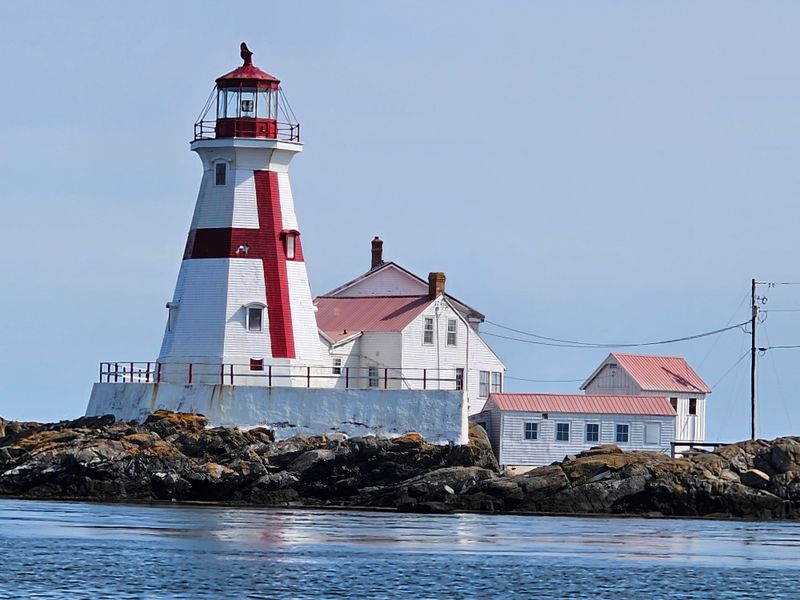
Eastport claims the title of easternmost city in the United States, though its population barely exceeds a thousand souls.
Perched on Moose Island and connected to the mainland by causeway, this community experiences some of the most dramatic tides in the world.
Water levels rise and fall more than twenty feet twice daily, transforming the harbor landscape from hour to hour.
Mornings reveal boats resting on mudflats or floating high against piers, depending on the tide cycle.
Downtown Water Street showcases handsome brick and Victorian buildings, remnants of a more prosperous era when sardine canneries thrived.
Today, artists and entrepreneurs are breathing new life into these structures, opening galleries, studios, and small businesses that operate on island time.
The Tides Institute and Museum of Art occupies a restored bank building, hosting exhibitions and cultural programs that draw visitors from across the region.
Breakfast options remain limited but satisfying, with locals favoring spots where conversations flow freely and nobody rushes you along.
Old Sow, the largest tidal whirlpool in the Western Hemisphere, churns in the waters between Eastport and Deer Island, visible from various vantage points around town.
The breakwater extending into the bay provides a popular walking route, offering expansive views and opportunities to watch fishing activity up close.
Eastport embraces its isolation and celebrates its quirks, hosting annual events like the Pirate Festival that reveal the community’s playful spirit.
Mornings here belong to fishermen, dog walkers, and early risers who appreciate the stillness before the day fully begins.
There is a frontier quality to this place, a sense of being at the edge of things where conventional rules do not quite apply.
The pace reflects the realities of island life, where patience becomes necessity and hurrying serves no purpose.
7. Georgetown
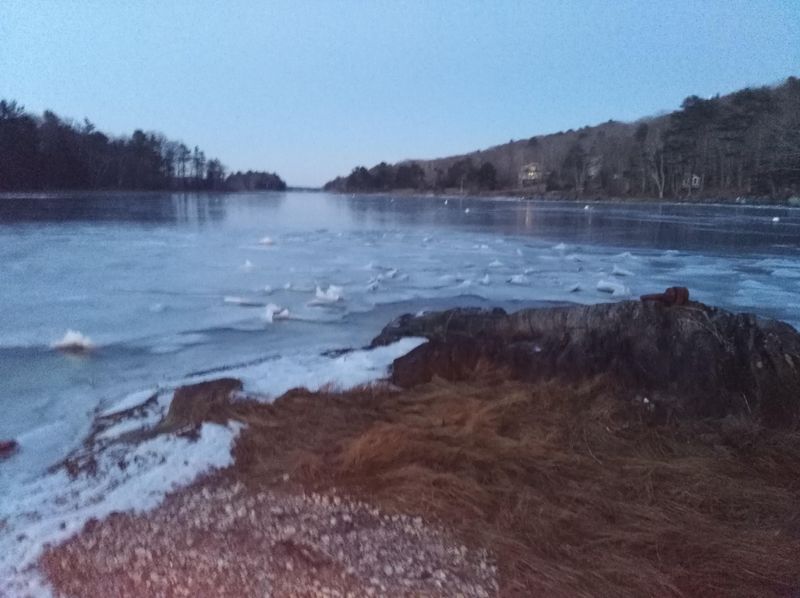
Georgetown occupies a peninsula that feels like an island, surrounded by tidal rivers and ocean, accessible by a single winding road.
Five Isles, Reid State Park, and Robinhood Cove all fall within Georgetown boundaries, each offering distinct coastal character.
This is a town without a true center, spread across miles of rocky shoreline and forested interior where homes sit tucked among trees.
Mornings here unfold in private, with residents emerging slowly to tend gardens, walk beaches, or launch kayaks into calm morning waters.
Reid State Park provides one of the few sandy beaches in Maine where you can actually swim comfortably, though mornings see more walkers than swimmers.
The park’s trails wind through diverse coastal ecosystems, from dunes to rocky headlands, all accessible without crowds.
Robinhood Marine Center serves as an informal gathering spot, where boaters fuel up and exchange weather reports over morning coffee.
Georgetown appeals to those seeking genuine seclusion rather than resort amenities, offering nature in abundance and services sparingly.
The Josephine Newman Audubon Sanctuary protects two hundred acres of forest and wetland, laced with trails perfect for quiet morning exploration.
Birdwatchers arrive early, hoping to spot migrating species or resident eagles fishing the tidal waters.
There are no shops or restaurants clustered conveniently together here, no village green or downtown district.
Instead, Georgetown offers uninterrupted coastline, working harbors, and the kind of peace that comes from genuine remoteness.
Mornings stretch long and undisturbed, punctuated only by natural sounds and the occasional lobster boat passing offshore.
This is Maine for those who prefer solitude over socialization, where the morning routine might involve nothing more than watching fog lift from the water while sipping coffee on a private dock.
8. Corea
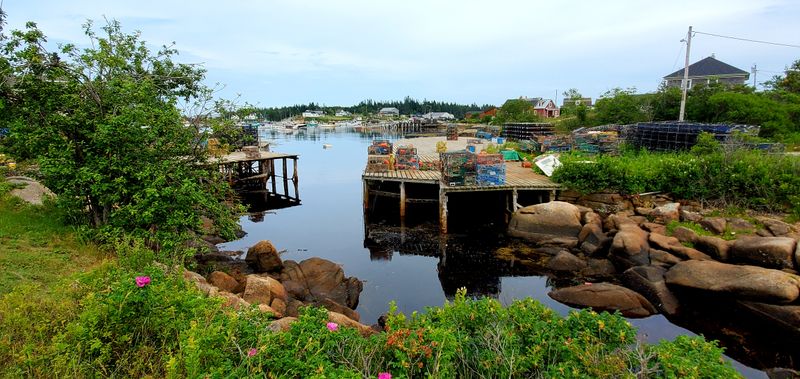
Few visitors stumble upon Corea by accident, as it sits at the end of a road that goes nowhere else.
This tiny fishing village on the Gouldsboro Peninsula remains defiantly authentic, untouched by the tourism that has transformed other coastal communities.
Lobster boats crowd the small harbor, and the entire economy revolves around fishing and the seasonal rhythms it demands.
Mornings begin before dawn when fishermen head out, their running lights disappearing into the darkness as they navigate familiar waters.
By the time most people wake, the fleet has already been working for hours.
Corea Harbor consists of little more than a cluster of fishing shacks, a few homes, and a small general store that opens when it opens.
There are no galleries here, no boutique shops or gourmet restaurants, just the essential infrastructure of a working waterfront.
The Corea Heath, a rare coastal plateau bog, lies just inland, offering a unique ecosystem filled with pitcher plants and other carnivorous species.
Walking the narrow roads around the harbor reveals weathered boats hauled ashore for repairs, stacks of lobster traps awaiting deployment, and the organized chaos of an active fishing community.
Locals are friendly but not overly curious about visitors, accustomed to the occasional photographer or nature lover who finds their way here.
The pace is dictated entirely by tides, weather, and fishing seasons, with no concessions made to tourist expectations.
Mornings feel expansive and quiet, broken only by the cry of gulls and the distant hum of boat engines.
Corea represents a vanishing way of life, where communities still revolve around harvesting the sea and where mornings begin with work rather than leisure.
This is Maine stripped to its essence, raw and real and utterly unhurried.
Dear Reader: This page may contain affiliate links which may earn a commission if you click through and make a purchase. Our independent journalism is not influenced by any advertiser or commercial initiative unless it is clearly marked as sponsored content. As travel products change, please be sure to reconfirm all details and stay up to date with current events to ensure a safe and successful trip.
