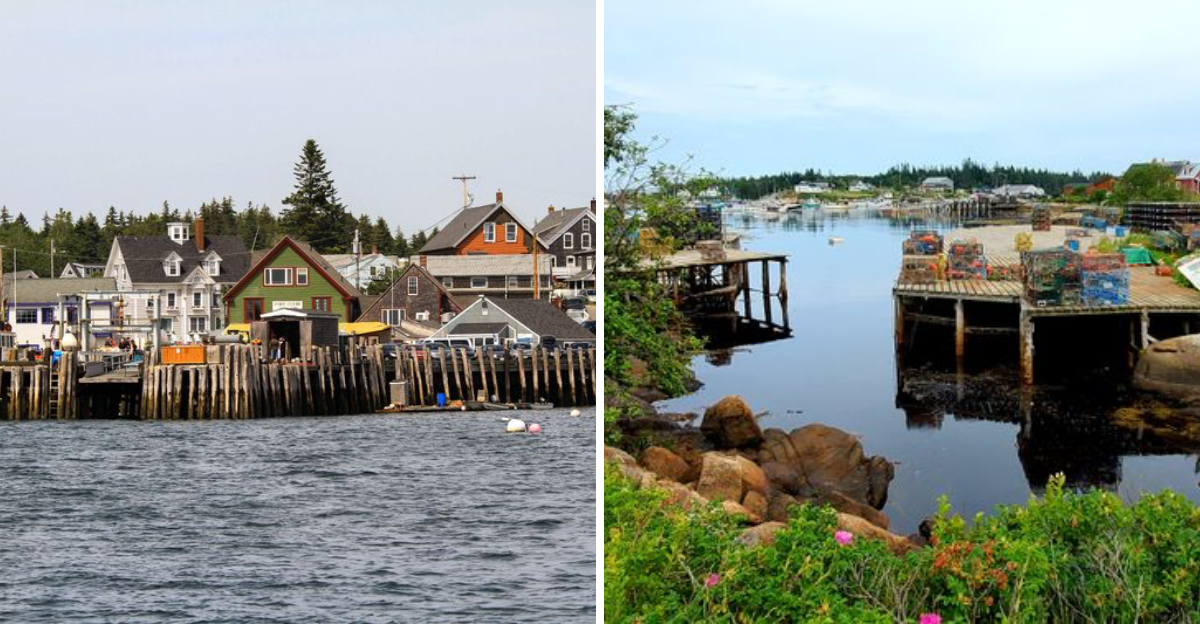
Maine’s rugged coastline has been a working waterfront for centuries, where fishing boats still pull up to weathered docks and unload their daily catch right before your eyes.
In an era when most seafood travels thousands of miles before reaching your plate, these harbor towns offer something increasingly rare: absolute freshness and authenticity.
From lobster traps hauled at dawn to scallops shucked within hours of harvest, the connection between ocean and table remains beautifully direct in these coastal communities.
Walk the piers where fishermen mend nets and gulls circle overhead, then settle into a dockside shack where yesterday’s catch becomes today’s unforgettable meal.
These aren’t tourist traps with frozen imports; they’re genuine fishing villages where generations of families have made their living from the sea.
The smell of salt air mingles with the aroma of steaming clams, and conversations at the counter often involve tide charts and weather forecasts.
Whether you’re craving a classic lobster roll or want to try dayboat halibut, these eight harbor towns deliver seafood so fresh it tastes like the ocean itself.
1. Stonington
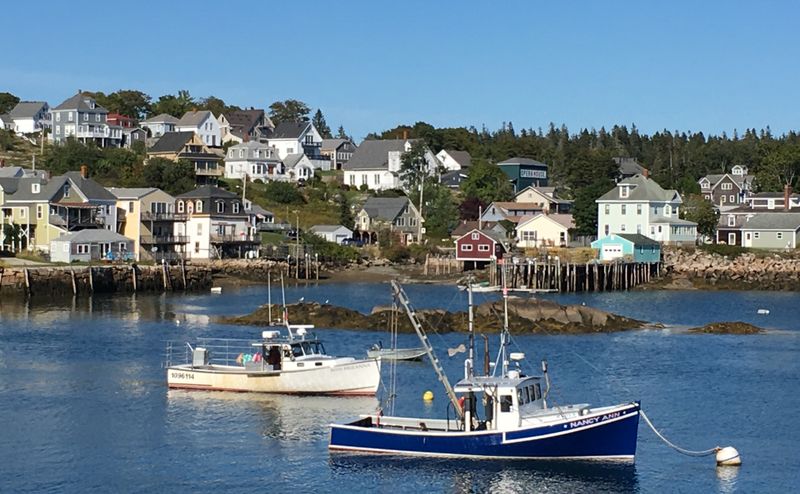
Perched at the southern tip of Deer Isle, Stonington remains one of the most authentic working harbors along the entire Maine coast.
Granite quarries once defined this town’s economy, but today fishing boats crowd the harbor while their crews unload lobster, crab, and groundfish onto weathered docks.
The main street slopes directly down to the water, lined with no-nonsense buildings that house fish markets and seafood shacks rather than souvenir shops.
Walk the docks early in the morning and you’ll witness fishermen sorting their catch, tossing bycatch to eager seagulls, and preparing for another run.
Several waterfront spots serve whatever came off the boats that very day, meaning menus change with the seasons and the weather.
Summer brings soft-shell clams and sea urchins, while fall delivers plump scallops harvested from nearby bays.
The harbor itself provides constant entertainment, with boats coming and going throughout the day and seals popping up between moorings.
Locals still outnumber visitors here, even during peak season, which keeps the atmosphere genuine and unpretentious.
You might find yourself chatting with a third-generation fisherman at the counter, learning about sustainable harvesting practices and the challenges of working these cold Atlantic waters.
Stonington’s remoteness has protected it from overdevelopment, preserving the gritty charm that makes it special.
The town celebrates its maritime heritage without turning it into theater; this is simply how people here make their living.
When you order fish chowder or a lobster dinner, you’re not just eating fresh seafood but participating in an economy that has sustained this community for generations.
Few places in Maine offer such an unfiltered view of the fishing industry alongside exceptional meals prepared from that morning’s haul.
2. Port Clyde
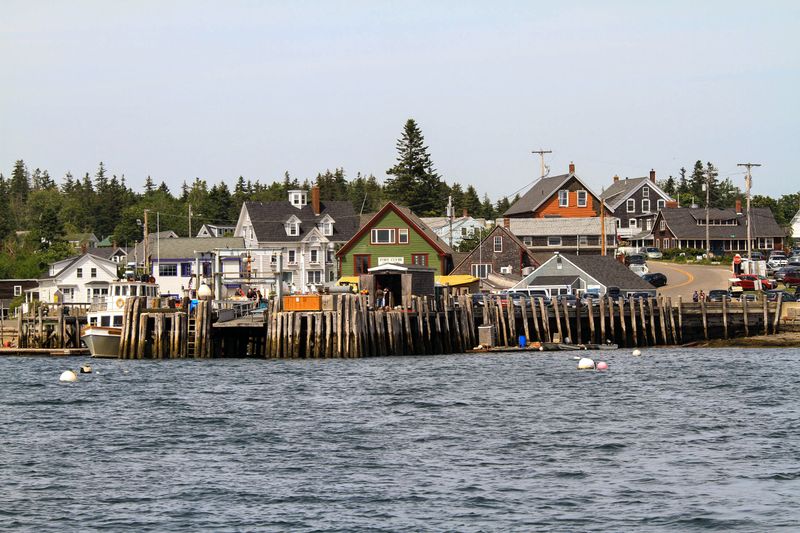
At the end of a winding peninsula, Port Clyde feels like the edge of the world, where land gives way to the vast Atlantic and the rhythm of life follows the tides.
This tiny village has sent fishermen to sea for more than two centuries, and that tradition continues uninterrupted today.
Lobster boats dominate the small harbor, their colorful buoys stacked high on decks as crews prepare for dawn departures.
The village consists of just a few streets, a general store, a handful of houses, and several spots where you can eat what was swimming just hours earlier.
Port Clyde’s isolation has kept it remarkably unchanged, with working wharves taking priority over tourist amenities.
Fishermen still mend traps in their yards and discuss catch limits over coffee at the local gathering spots.
When boats return in the afternoon, their holds full of lobster and occasionally halibut or haddock, the catch goes directly to nearby restaurants and fish markets.
You can watch the entire process unfold from dock to kitchen, an increasingly rare transparency in our modern food system.
The Marshall Point Lighthouse stands just beyond the village, its white tower and keeper’s house providing one of Maine’s most photographed coastal scenes.
But the real attraction here is the working waterfront, where authenticity trumps polish every single time.
Order a lobster roll at one of the dockside establishments and you’ll taste the difference that true freshness makes.
The meat is sweet and tender, never rubbery, because it was alive that morning in the cold waters just offshore.
Port Clyde doesn’t advertise itself or put on airs; it simply continues being what it has always been, a hardworking fishing village where the ocean provides and the community thrives.
3. Corea
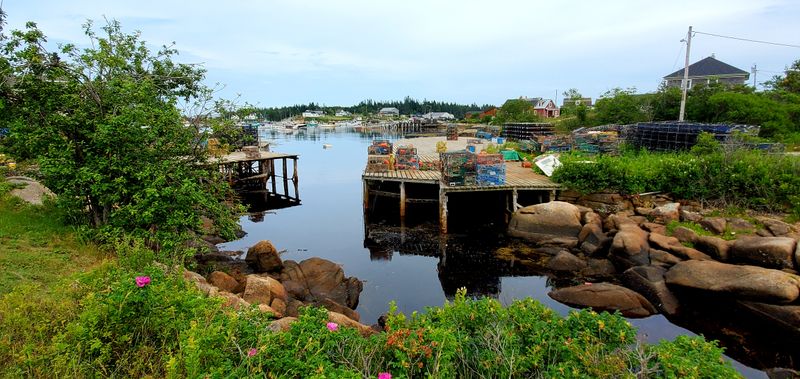
Hidden along the Schoodic Peninsula, Corea remains so off the beaten path that many Maine visitors never discover it, which suits the locals just fine.
This unassuming village revolves entirely around fishing, with no pretense of catering to tourists or softening its rough edges.
The harbor fills with lobster boats that head out before sunrise, their captains navigating by instinct through fog and chop to reach productive grounds.
Corea’s beauty lies in its absolute authenticity; there are no gift shops, no boutique hotels, just a working waterfront where people earn their living from the sea.
A small seafood shack operates during summer months, serving lobster, crab rolls, and fried clams to anyone willing to make the journey down the peninsula.
Everything on the menu comes from boats you can see bobbing in the harbor, often caught by someone’s cousin or neighbor.
The village itself consists of weathered houses, fish shacks, and piles of colorful buoys awaiting repair or deployment.
Children grow up learning to haul traps and navigate these tricky coastal waters, carrying on traditions their grandparents and great-grandparents established.
Visiting Corea feels like stepping back several decades to a time when Maine’s coast was lined with villages just like this one.
The pace is slow, conversations are unhurried, and the focus remains squarely on the day’s catch and tomorrow’s weather.
Seals follow the boats in and out of the harbor, hoping for discarded bait or fish scraps.
Eagles perch on nearby spruce trees, scanning the water for easy meals.
When you eat here, you’re not just enjoying fresh seafood but experiencing a way of life that has resisted modernization and commercialization.
Corea proves that some places still exist where fishing isn’t a heritage industry or tourist attraction but simply what people do.
4. Jonesport
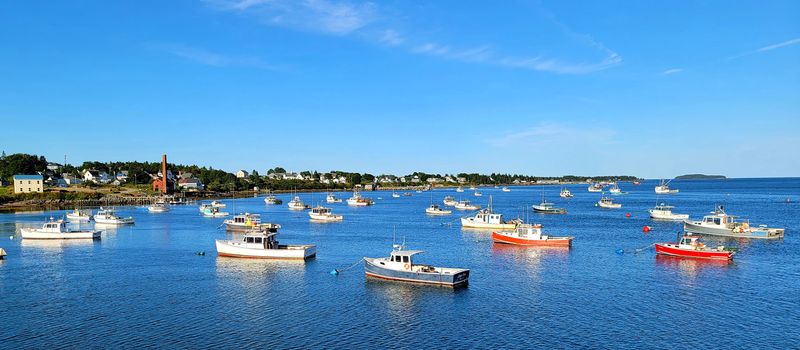
Connected to Beals Island by a graceful bridge, Jonesport has built its entire identity around fishing, and that focus shows in every aspect of this Down East community.
More fishing boats per capita call this harbor home than almost anywhere else in Maine, creating a forest of masts and rigging that dominates the waterfront.
The sound of diesel engines and the smell of bait permeate the air, especially in early morning when the fleet prepares to head offshore.
Jonesport fishermen are known throughout the state for their skill and work ethic, often traveling farther and staying out longer than crews from other ports.
This dedication translates directly to the seafood available in local restaurants and markets, where quality and freshness are simply expected.
Lobster dominates the catch, but you’ll also find sea scallops, shrimp when the season allows, and various groundfish depending on quotas and conditions.
The town’s location at the mouth of a protected bay provides excellent access to rich fishing grounds while offering shelter during storms.
Walking the waterfront reveals the infrastructure that supports this industry: bait shops, marine supply stores, boat repair yards, and fish buyers who purchase directly from returning vessels.
Several casual dining spots specialize in preparing whatever the boats brought in that day, with menus handwritten on chalkboards and updated frequently.
You might find yourself sitting next to fishermen still in their work clothes, discussing the day’s haul and planning tomorrow’s strategy.
Jonesport celebrates its heritage each summer with the annual lobster boat races, where souped-up working vessels compete for bragging rights and cash prizes.
The event draws spectators from across the state but remains firmly rooted in the community’s identity rather than becoming a tourist spectacle.
Eating seafood here means supporting an economy and culture built entirely around sustainable harvesting of marine resources.
The connection between ocean and plate couldn’t be more direct or transparent.
5. New Harbor
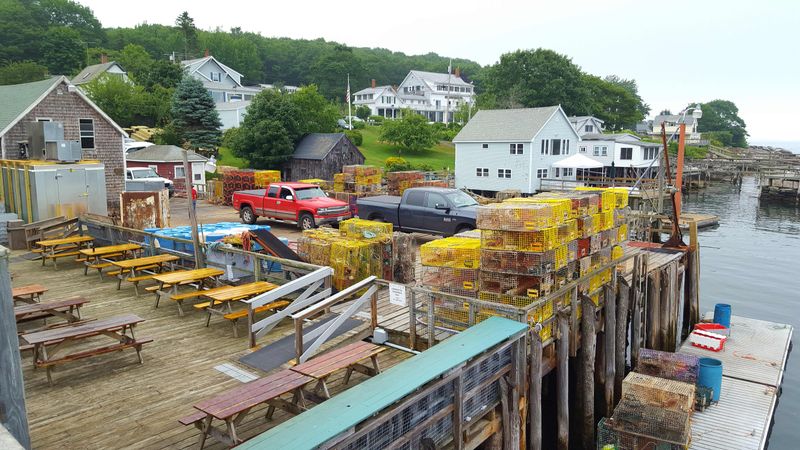
Tucked into a deep, protected inlet on the Pemaquid Peninsula, New Harbor has sheltered fishing boats for generations while maintaining its small-village charm.
The harbor itself curves inland, creating calm waters where boats can safely moor regardless of weather conditions offshore.
This natural advantage has made New Harbor a preferred base for fishermen working the productive waters around Pemaquid Point and Monhegan Island.
Several lobster pounds operate right on the docks, where you can select your dinner from tanks filled with that day’s catch and have it cooked immediately.
These no-frills establishments provide picnic tables overlooking the water, paper plates, and melted butter, letting the seafood speak for itself without unnecessary embellishment.
The village maintains a balance between serving visitors and supporting its working waterfront, with fishing operations clearly taking priority.
Boats leave early and return throughout the afternoon, their crews unloading catches while seagulls wheel overhead hoping for scraps.
New Harbor’s location also makes it a departure point for boat trips to Monhegan Island, where another fishing community thrives without cars or modern conveniences.
But you don’t need to leave the mainland to experience genuine maritime culture and exceptional fresh seafood.
Walk down to the docks and you’ll see lobstermen sorting their catch, tossing back undersized specimens and carefully banding the keepers.
The process has remained essentially unchanged for decades, relying on hard work, intimate knowledge of local waters, and respect for sustainable practices.
Beyond lobster, you’ll find clams harvested from nearby mudflats, mussels pulled from offshore ledges, and occasionally fresh fish caught by hook and line.
The peninsula’s rocky coast and clear waters produce seafood with exceptional flavor, something locals attribute to cold temperatures and strong tidal currents.
Eating in New Harbor means tasting the difference that environment and handling make in seafood quality.
6. Bass Harbor
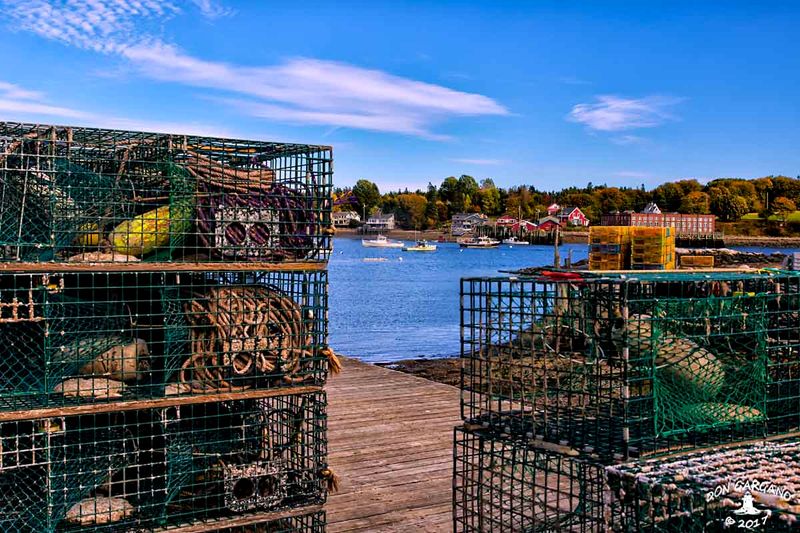
Situated on the quiet side of Mount Desert Island, Bass Harbor operates in the shadow of Acadia National Park yet maintains its identity as a working fishing village.
While millions visit the national park each year, relatively few venture to this southwestern corner where fishing remains the primary occupation.
The harbor bustles with activity as boats navigate the narrow entrance, timing their passages with the tide to avoid the rocks that guard this protected basin.
Lobster boats far outnumber pleasure craft, and the waterfront facilities cater to commercial fishing rather than recreational boating.
Several restaurants overlook the harbor, offering front-row seats to watch the daily rhythm of departure and return that defines coastal Maine.
What makes Bass Harbor special is how it has resisted the tourism pressure that transformed other parts of Mount Desert Island into resort destinations.
Here, fishing families still own waterfront property, and their children learn to haul traps during summer vacation.
The catch lands directly at local seafood markets and restaurants, where chefs build menus around what’s available rather than forcing fishermen to meet predetermined demands.
Some days bring abundant lobster, others feature fresh haddock or pollock, and occasionally you’ll find dayboat scallops so sweet they barely need cooking.
The famous Bass Harbor Head Lighthouse perches on the cliffs just south of the village, but the real attraction is the working waterfront itself.
Watching boats navigate the tricky harbor entrance requires skill and local knowledge, with captains reading the water and timing the swells perfectly.
You can often buy lobster directly from fishermen as they unload their boats, getting prices well below retail while ensuring absolute freshness.
The village proves that even in heavily visited areas of Maine, authentic fishing communities can survive if residents remain committed to their maritime heritage.
Eating here supports that commitment while delivering seafood that couldn’t possibly be fresher or more carefully handled.
7. Friendship
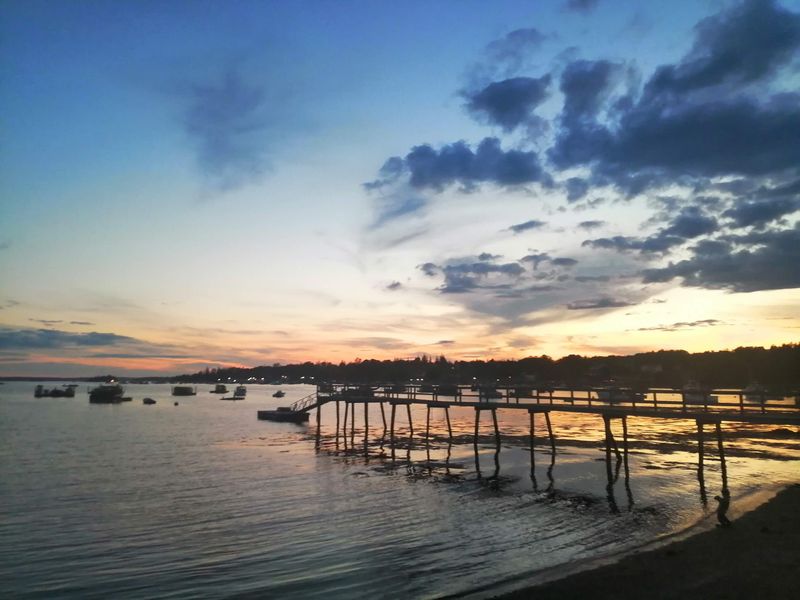
Named for the friendship sloop, a distinctive wooden boat design that originated here in the 1800s, this village remains deeply connected to its maritime roots.
The harbor curves around a protected cove where fishing boats have anchored for more than two centuries, and that tradition continues uninterrupted today.
Friendship feels quieter than many coastal towns, with a peaceful atmosphere that comes from being slightly off the main tourist routes.
Lobster boats still dominate the harbor, though you’ll also see a few classic wooden vessels that honor the town’s boatbuilding heritage.
The waterfront includes working wharves where fishermen unload their daily catch, along with a small seafood market that sells directly to locals and visitors alike.
During summer months, a handful of casual restaurants serve lobster rolls, fried clams, and fish chowder made from seafood caught in waters just offshore.
What you won’t find are crowds, attitude, or inflated prices that sometimes accompany coastal dining in more touristy areas.
Friendship maintains an authenticity that feels increasingly rare, where fishing remains an actual occupation rather than a heritage industry or tourist attraction.
Children still grow up learning to work the water, and many return after college to continue family traditions that stretch back generations.
The annual Friendship Sloop Days celebration brings these classic wooden boats back to their birthplace each summer, filling the harbor with graceful vessels under sail.
But even without the festival, the harbor provides constant interest as boats come and go with the tides.
Seals haul out on nearby ledges at low tide, and ospreys nest on channel markers, diving for fish throughout the day.
Eating seafood in Friendship means supporting a community that has made its living from the ocean for centuries while maintaining sustainable practices and genuine hospitality.
The lobster is sweet, the clams are tender, and everything tastes better knowing it came straight from the boat to your plate.
8. Cutler
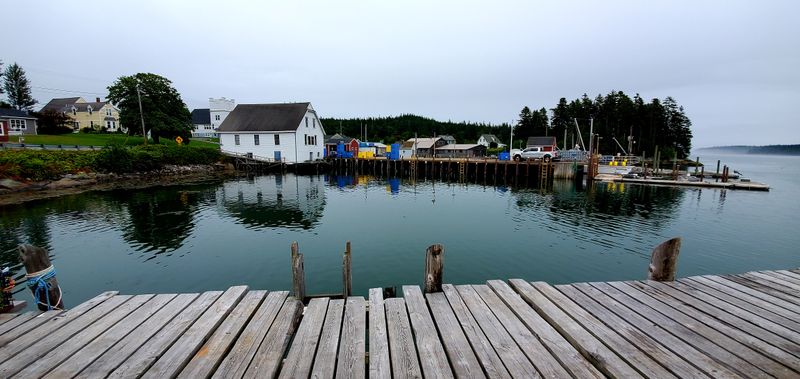
Way Down East, where Maine’s coast turns north toward Canada, Cutler represents the end of the road and the beginning of serious wilderness.
This remote village has one of the largest lobster fleets in the state, with fishermen traveling miles offshore to reach productive grounds.
The harbor sits exposed to the North Atlantic, requiring careful navigation and respect for conditions that can turn dangerous quickly.
Cutler fishermen are known throughout Maine for their toughness and skill, working waters that intimidate crews from more protected ports.
That dedication produces lobster of exceptional quality, cold-water specimens that command premium prices in markets up and down the coast.
A few spots in the village serve food during summer months, offering lobster rolls, seafood platters, and occasionally fresh fish depending on the catch.
Everything comes from boats you can see in the harbor, often caught by people you might meet in the village store.
The remoteness protects Cutler from casual tourism, meaning visitors who make the journey here are genuinely interested in experiencing authentic coastal Maine.
The Bold Coast hiking trail begins just south of the village, offering dramatic cliff-top views and a sense of true wilderness.
But the working harbor remains the heart of the community, where economic survival depends entirely on what can be harvested from the sea.
Watch boats return in the afternoon and you’ll see the physical demands of this work, with crews moving quickly to unload hundreds of pounds of lobster.
The catch gets sorted, weighed, and sold to buyers who transport it to markets and restaurants across New England.
Some stays right in Cutler, served within hours to diners who appreciate the extraordinary freshness and quality.
This village proves that Maine’s fishing heritage remains alive and vital in communities willing to work hard and stay true to their maritime roots.
Dear Reader: This page may contain affiliate links which may earn a commission if you click through and make a purchase. Our independent journalism is not influenced by any advertiser or commercial initiative unless it is clearly marked as sponsored content. As travel products change, please be sure to reconfirm all details and stay up to date with current events to ensure a safe and successful trip.
