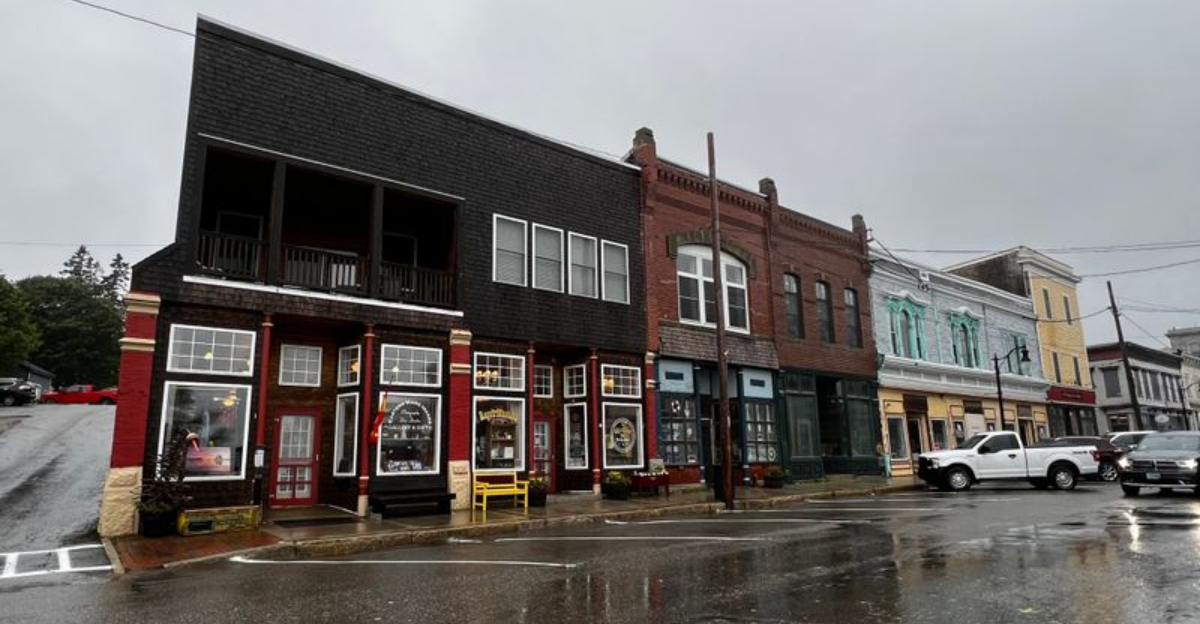
Most travelers racing through Maine head straight for the rugged coastline, eager to taste fresh lobster rolls and snap photos of iconic lighthouses.
But tucked away from the salty air and tourist crowds, a collection of inland villages waits quietly, offering a different side of the Pine Tree State.
These hidden gems hold stories of lumberjacks and artists, wilderness adventures and historic charm, all wrapped in landscapes that shift from mountain peaks to glassy lakes.
Trading the coastal hustle for these peaceful spots means discovering a Maine few outsiders ever experience.
1. Greenville
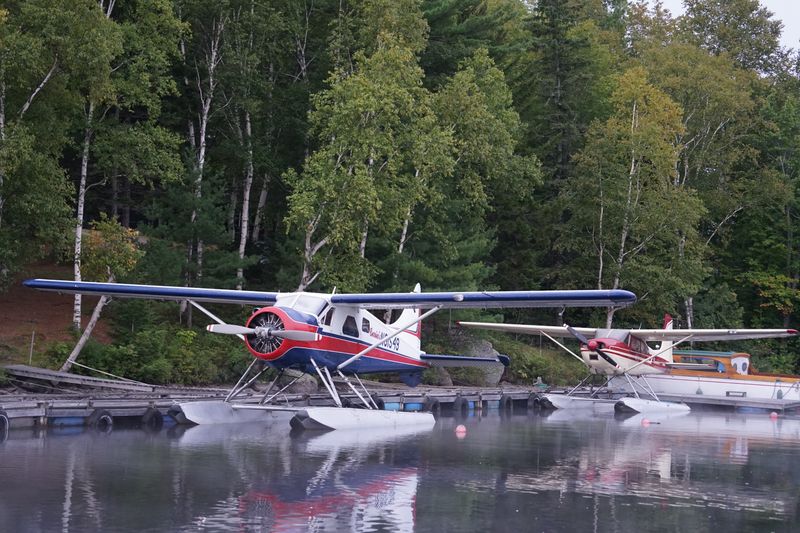
Perched at the southern tip of Moosehead Lake, Greenville feels like stepping into a postcard where wilderness meets small-town warmth.
The lake itself stretches for miles, its waters so clear you can watch fish dart beneath your canoe.
Locals say the sunsets here paint the sky in shades you cannot find anywhere else, turning the surface into liquid gold.
Mount Kineo rises dramatically from an island in the lake, its cliffs formed from volcanic rock that Indigenous peoples once used for tools.
Hiking to the summit takes about an hour, and the panoramic views reward every step.
You will need to take a boat shuttle to reach the trailhead, which adds a sense of adventure to the journey.
Downtown Greenville keeps things simple with family-run diners, outfitters stocking fishing gear, and a few antique shops worth browsing.
The Moosehead Marine Museum preserves the region’s logging history, including the Katahdin steamship that once hauled timber across the water.
White-water rafting on the Kennebec River draws thrill-seekers during warmer months, with rapids that range from beginner-friendly to heart-pounding.
Winter transforms the area into snowmobile country, with hundreds of groomed trails connecting to neighboring towns.
Bean-hole bean suppers at the Grange Hall bring the community together over meals cooked underground in cast-iron pots, a tradition dating back generations.
Moose sightings happen regularly along Route 15, especially at dawn and dusk when these giants emerge from the forest to feed.
Greenville does not rush you.
Instead, it invites you to slow down, breathe deeply, and remember what quiet feels like.
2. Belgrade Lakes Village
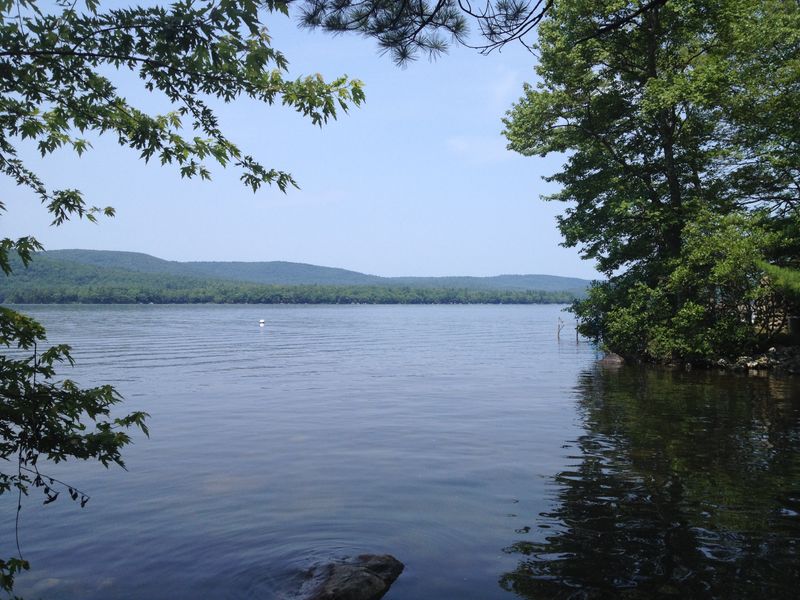
Nestled between Great Pond and Long Pond, Belgrade Lakes Village has been a summer escape for generations of families who return year after year.
The village itself barely spans a few blocks, but its relaxed atmosphere makes time seem to stretch.
Wooden docks jut into the water where kids spend entire afternoons jumping off and climbing back up, their laughter echoing across the surface.
Great Pond earned fame as the setting for the film “On Golden Pond,” though locals knew its beauty long before Hollywood arrived.
Fishing here means casting for bass, salmon, and trout, with guides available for those who want insider knowledge on the best spots.
Kayaking through the interconnected lakes reveals hidden coves and sandy beaches accessible only by water.
The village green hosts a summer concert series where bluegrass bands and folk musicians play under the stars while families spread blankets and share picnic dinners.
Day’s Store has anchored the community since 1900, selling everything from fishing licenses to homemade fudge.
Its creaky wooden floors and old-fashioned soda fountain transport visitors back to simpler times.
Nearby hiking trails wind through forests thick with birch and maple, offering shade even on the hottest August days.
Loons call across the water at night, their haunting cries becoming the soundtrack to lakeside evenings.
Fall brings spectacular foliage that reflects in the still waters, doubling the riot of reds, oranges, and yellows.
Belgrade Lakes Village operates on lake time, where schedules bend around weather and whim.
Here, the biggest decision might be whether to fish before breakfast or after.
3. Brooklin
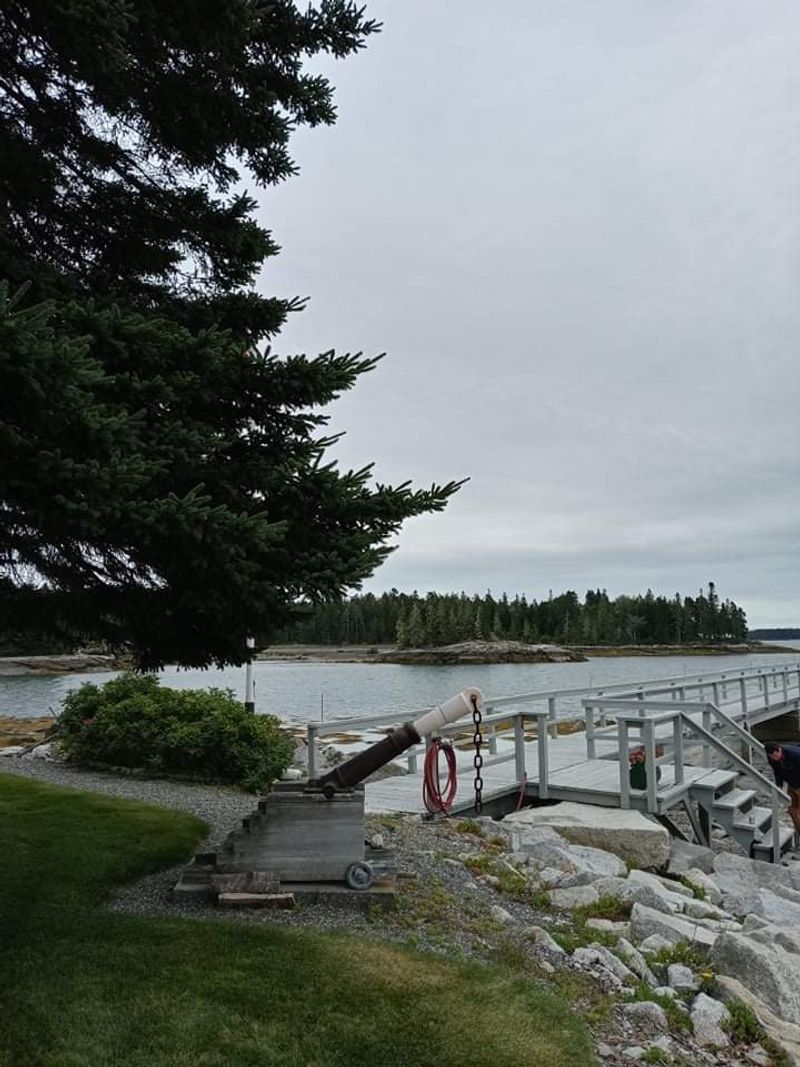
Writers, boat builders, and artists discovered Brooklin decades ago, drawn by its quiet harbor and the way light filters through coastal fog.
E.B. White, author of Charlotte’s Web, made his home here and wrote about the rhythms of rural Maine life.
The village sits on the Blue Hill Peninsula, where spruce forests meet rocky shores and the smell of salt mixes with pine.
WoodenBoat School attracts students from around the world who come to learn traditional boat-building techniques passed down through generations.
Walking past the workshops, you might hear the rasp of hand planes shaping wood or catch the scent of fresh varnish.
The harbor fills with sailboats during summer, their masts creating a forest of their own against the sky.
Brooklin General Store serves as the social hub, where locals gather over coffee to discuss weather patterns and swap stories.
Nearby hiking trails lead to overlooks where you can watch osprey dive for fish in the tidal channels below.
The Friend Memorial Public Library, housed in a historic building, hosts readings and community events that keep the literary tradition alive.
Potters and painters maintain studios tucked along back roads, their work inspired by the ever-changing seascape.
Blueberry barrens turn crimson in autumn, creating landscapes that photographers travel miles to capture.
Brooklin does not advertise itself or compete for attention.
It simply exists as a place where creative minds find space to work and think.
The village proves that sometimes the best destinations are the ones that never tried to become one.
4. Damariscotta
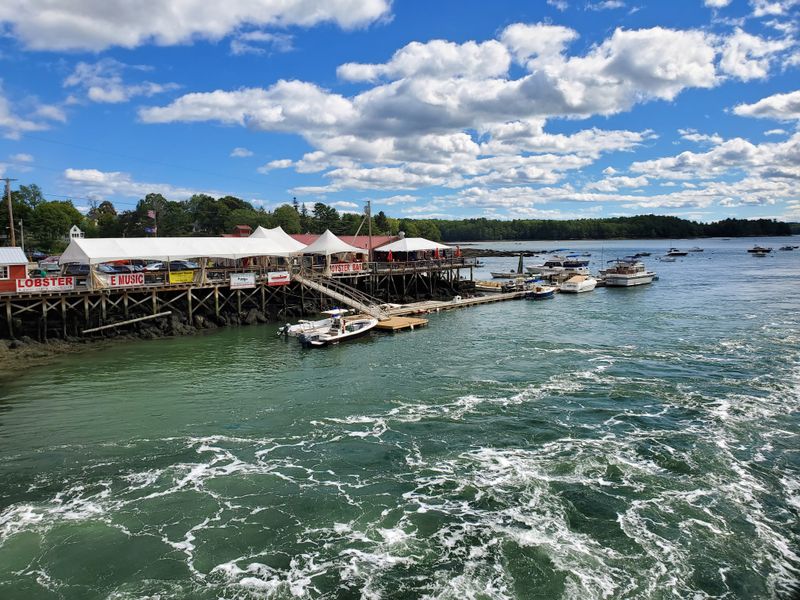
Oysters put Damariscotta on the map long before Europeans arrived, with Indigenous shell middens along the river testifying to thousands of years of harvesting.
Today, the town continues that tradition, with oyster farms producing some of the finest bivalves on the East Coast.
Main Street climbs a gentle hill lined with brick buildings housing bookstores, cafes, and boutiques that manage to feel authentic rather than touristy.
The Damariscotta River flows through town, its strong tidal currents creating a natural phenomenon where alewives migrate upstream each spring.
Watching thousands of fish navigate the fish ladder at Damariscotta Mills becomes a community event, with families gathering to witness nature’s determination.
Round Top Center for the Arts brings music, theater, and exhibitions to this small community, proving that culture thrives beyond big cities.
October transforms the town during Pumpkinfest, when massive gourds get carved, dropped from cranes, and even paddled down the river like boats.
The sight of someone actually floating in a hollowed-out pumpkin draws crowds and cameras every year.
Sherman’s Maine Coast Book Shop occupies multiple floors of a historic building, its maze of rooms stuffed with new and used titles.
You could easily lose an afternoon browsing sections that range from maritime history to contemporary fiction.
Pemaquid Point Lighthouse sits a short drive away, its striped tower perched on dramatic granite ledges that waves crash against with impressive force.
Back in town, restaurants serve oysters prepared every way imaginable, from raw on the half shell to baked with garlic butter.
Damariscotta balances working-class grit with artistic sensibility.
It is a place where fishermen and gallery owners share the same coffee counter each morning.
5. Houlton
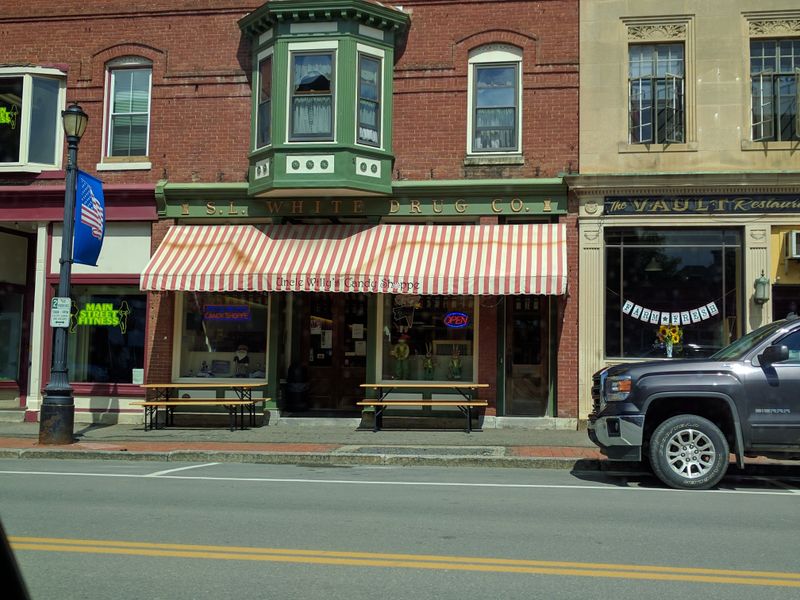
Sitting just miles from the Canadian border in Aroostook County, Houlton operates as a gateway between nations and a hub for Maine’s northern wilderness.
The town’s Market Square district combines river views with locally owned restaurants and shops that have served the community for decades.
Walking these streets, you will notice how the architecture reflects both American and Canadian influences, a visual reminder of the cultural exchange that happens here daily.
Aroostook State Park wraps around Echo Lake, offering hiking trails that wind through forests where moose tracks appear regularly in the mud.
The park’s campground attracts families who appreciate its quiet setting and clear night skies unpolluted by city lights.
Potato farming dominates the surrounding countryside, with vast fields that bloom white in summer and turn golden brown by harvest time.
This agricultural heritage runs deep, shaping everything from local festivals to the rhythms of the school year.
The Aroostook County Historical and Art Museum preserves stories of settlement, logging, and the Aroostook War, a bloodless border dispute that nearly sparked conflict in 1839.
Snowmobiling becomes the primary winter activity, with Houlton serving as a trailhead for hundreds of miles of groomed paths connecting to Canadian routes.
The International Appalachian Trail passes through the area, linking Maine’s mountains to their geological cousins in Europe and Africa.
Local diners serve poutine alongside traditional American fare, another sign of the border’s cultural blend.
Houlton may not have the dramatic scenery of coastal villages, but its position at the edge of wilderness gives it a frontier feel.
This is Maine’s far north, where distances stretch and self-reliance matters.
6. Millinocket
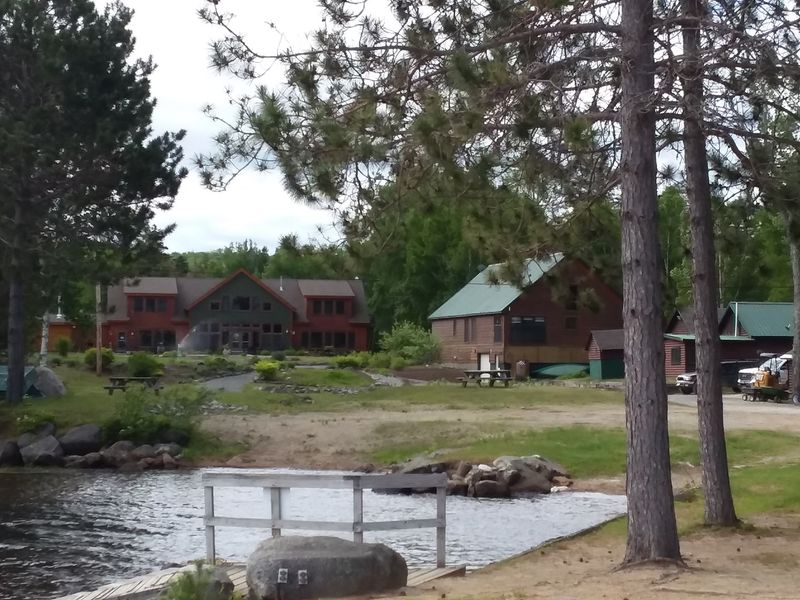
Mount Katahdin looms over Millinocket like a guardian, its granite peak marking the northern terminus of the Appalachian Trail.
Hikers who have walked 2,000 miles from Georgia finish their journey here, often with tears streaming down their faces as they touch the summit cairn.
The town itself grew around paper mills that once employed most residents, though those industrial days have faded into memory.
What remains is a community that has reinvented itself as a basecamp for outdoor adventures in Baxter State Park.
The park encompasses over 200,000 acres of protected wilderness where moose outnumber people and cell service disappears completely.
Dozens of trails range from easy woodland walks to technical climbs requiring scrambling over boulders and navigating knife-edge ridges.
Kidney Pond and Daicey Pond offer rustic cabins where you can fall asleep to the sound of loons and wake to mist rising off the water.
Winter brings ice fishing, cross-country skiing, and snowmobiling across frozen lakes that stretch white to the horizon.
The New England Outdoor Center provides guided rafting trips, kayak rentals, and lodging for visitors who want expert help navigating the wilderness.
Downtown Millinocket keeps things practical with gear shops, diners serving massive breakfasts, and bars where guides swap stories over local beer.
The Katahdin Area Chamber of Commerce operates a visitor center packed with maps, trail reports, and advice from staff who know every peak and pond.
Fall foliage here rivals anywhere in New England, with hardwood forests exploding in color against evergreen backdrops.
Millinocket does not pretend to be fancy or polished.
It is a working-class town that happens to sit at the doorstep of some of the most spectacular wilderness in the eastern United States.
7. Jonesport
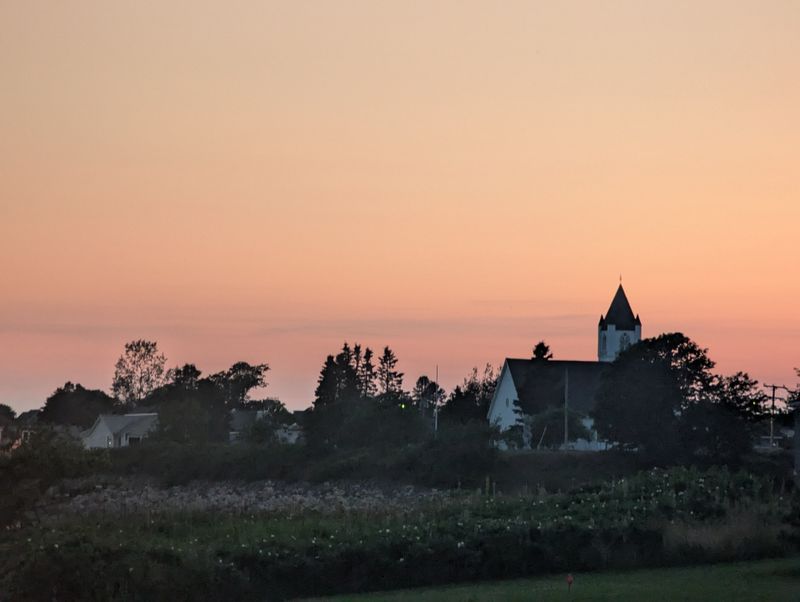
Fog rolls into Jonesport most mornings, wrapping the harbor in gray that slowly burns away to reveal wooden boats bobbing at their moorings.
This DownEast fishing village has resisted the tourist makeover that transformed so many coastal towns into collections of gift shops and ice cream parlors.
Instead, it remains a working waterfront where lobstermen leave before dawn and return with holds full of traps and catch.
The smell of salt, diesel fuel, and fresh fish mingles in the air, honest and unfiltered.
Great Wass Island Preserve connects to the mainland by bridge, offering hiking trails through coastal forests of stunted spruce shaped by constant wind.
The trails lead to rocky shores where tide pools teem with starfish, crabs, and sea urchins waiting for the water to return.
Birdwatchers flock here during migration seasons when warblers, thrushes, and raptors pass through in impressive numbers.
The preserve’s bog areas support rare plants found nowhere else in Maine, their survival dependent on the specific conditions created by ocean proximity.
Moosabec Reach separates Jonesport from Beals Island, the narrow channel creating strong currents that challenge even experienced boaters.
Local boat builders maintain the tradition of constructing Jonesport hulls, a distinctive design prized for its seaworthiness in rough Atlantic waters.
The Fourth of July brings the annual lobster boat races, when fishermen modify their working vessels for speed and compete in heats that draw spectators from miles around.
Jonesport does not have fancy restaurants or boutique hotels.
What it offers is authenticity, a glimpse into a way of life that has sustained coastal communities for generations.
The village asks nothing of visitors except respect for its rhythms and traditions.
8. Eastport
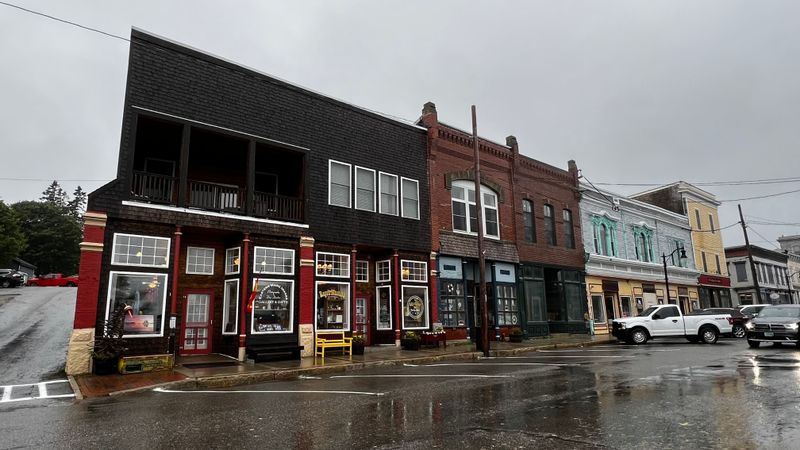
Standing at the easternmost point in the United States, Eastport watches the sun rise before anywhere else in the country.
The town perches on Moose Island in Passamaquoddy Bay, where the highest tides in the lower 48 states create dramatic changes in water level twice daily.
Walking the waterfront at low tide reveals barnacle-covered pilings that tower overhead, then shrink to stumps when the water returns hours later.
This tidal power has attracted attention from engineers hoping to harness the energy, though so far the currents have proven too powerful to tame.
Downtown Eastport radiates quirky charm with brightly painted buildings housing art galleries, antique shops, and cafes serving seafood chowder thick enough to stand a spoon in.
The Tides Institute and Museum of Art occupies a former bank building, showcasing regional artists and preserving the cultural history of the borderlands.
Shackford Head State Park offers hiking trails with views across the bay to Campobello Island, where Franklin D. Roosevelt summered before polio changed his life.
The trails wind through spruce forests and emerge at cliff tops where you can watch fishing boats navigate the tricky channels.
Old Sow, the Western Hemisphere’s largest tidal whirlpool, forms between Eastport and Deer Island when conditions align.
Watching the water spiral and churn with such force reminds you that nature still holds power beyond human control.
The annual Pirate Festival transforms the town each September, with costumed residents, ship battles in the harbor, and treasure hunts for kids.
Eastport’s isolation has preserved its character in ways that busier towns lost decades ago.
Getting here requires commitment, a willingness to drive the extra miles to reach the edge of everything.
Those who make the journey discover a community proud of its position at the frontier, where America begins each new day.
Dear Reader: This page may contain affiliate links which may earn a commission if you click through and make a purchase. Our independent journalism is not influenced by any advertiser or commercial initiative unless it is clearly marked as sponsored content. As travel products change, please be sure to reconfirm all details and stay up to date with current events to ensure a safe and successful trip.
