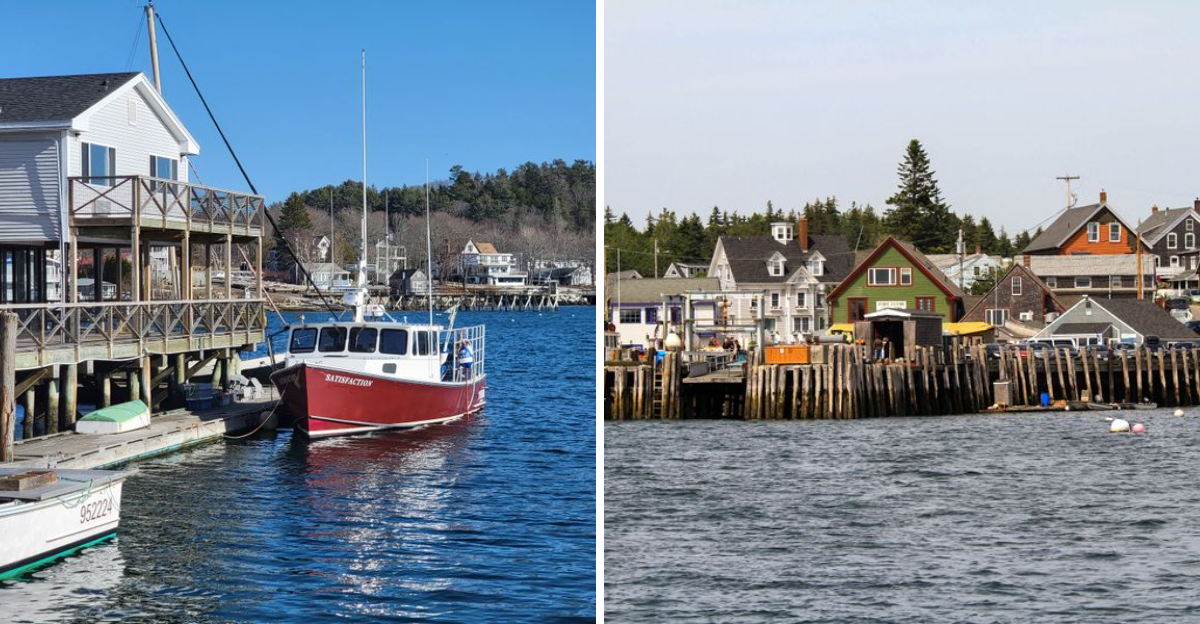
Maine’s rugged coastline tells a story that goes far beyond picture-perfect lighthouses and rocky cliffs.
For generations, communities along this shore have relied on the sea for their survival, building an economy around lobstering, fishing, and boat building.
These working waterfronts are not just scenic backdrops but living, breathing centers of commerce where boats unload their catch, traps get mended, and families earn their livelihoods.
While tourism has transformed many coastal towns, there are still places in Maine where the hum of diesel engines and the smell of salt air mix with the daily rhythm of hard work.
These harbors remain authentic, functional, and essential to the people who call them home.
From bustling city ports to remote island landings, each of these shorelines preserves a tradition that has shaped the character of the entire state.
Visiting these places offers more than just a glimpse of coastal beauty.
It provides a rare opportunity to witness an enduring way of life that continues to thrive against the odds.
1. Portland Harbor on Casco Bay
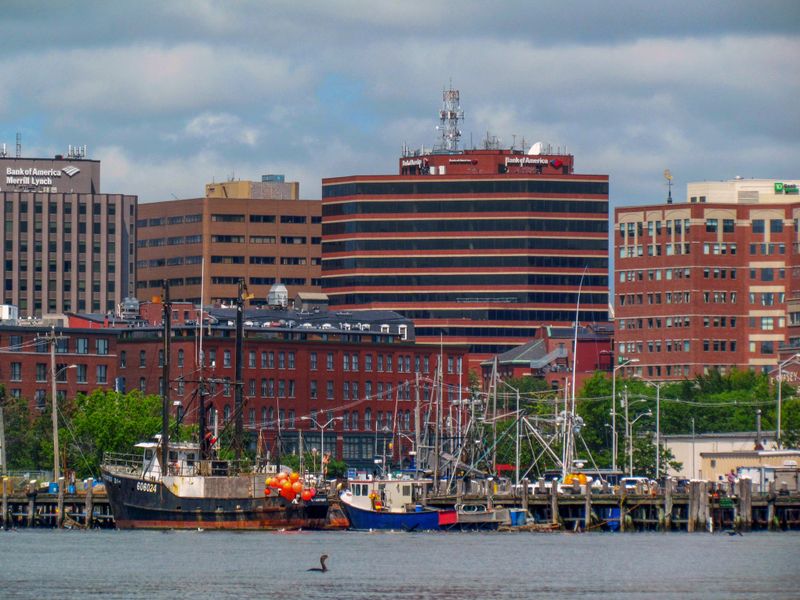
Portland balances two worlds with remarkable grace.
The city’s Commercial Street waterfront pulses with activity that reflects both its historic roots and modern vitality.
Container ships arrive regularly, bringing goods from around the globe while ferries shuttle passengers to the calendar islands scattered across Casco Bay.
Fishing boats tie up at weathered wharves where crews unload their catch just steps away from upscale dining establishments and boutique shops.
This coexistence creates a unique atmosphere where tourists can watch real maritime commerce unfold.
The working harbor hasn’t been pushed out by development.
Instead, it remains central to Portland’s identity and economy.
Lobstermen still maintain their territories in these waters, and the Portland Fish Exchange continues to operate as one of the busiest auction houses in New England.
Boatyards and marine supply businesses line the waterfront, serving commercial vessels that depend on these services.
Walking along the piers, visitors encounter the authentic sounds and smells of a functional port.
The clang of rigging, the rumble of engines, and the calls of workers create a symphony distinctly different from typical tourist areas.
Portland proves that a major city can honor its maritime heritage while embracing growth.
Address: Commercial Street, Portland, ME 04101
2. Rockland on Penobscot Bay
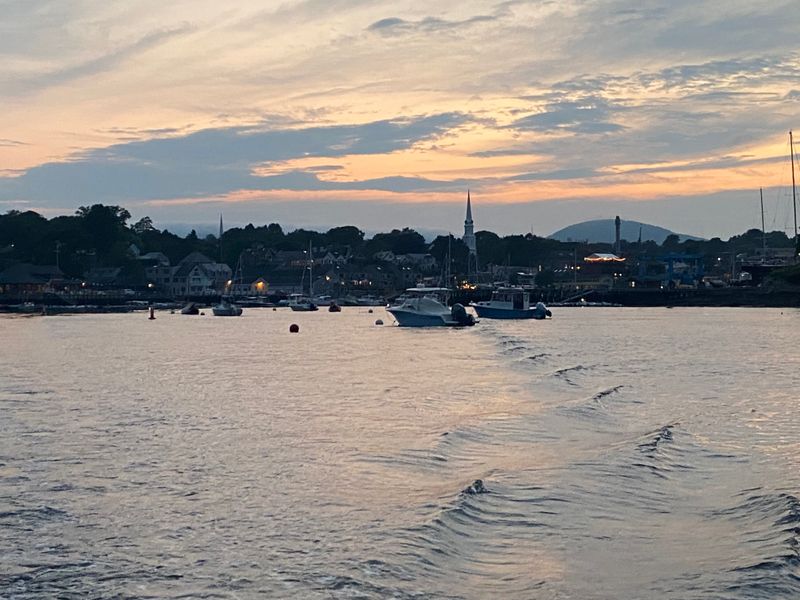
Rockland stands as a powerhouse in Maine’s lobster industry.
The harbor stretches wide and deep, accommodating an impressive fleet of working vessels that call this port home.
Every morning before dawn, boats head out to check traps scattered across Penobscot Bay’s productive waters.
By afternoon, they return with holds full of the crustaceans that have made this region famous.
The Maine State Ferry Service operates from Rockland’s terminals, connecting Vinalhaven and North Haven to the mainland.
These ferry runs aren’t just for tourists but serve as lifelines for island residents who depend on regular service for supplies and transportation.
Boatyards occupy prime waterfront real estate, where skilled craftsmen build and repair vessels designed for the demanding conditions of commercial fishing.
The sound of welding torches and power tools fills the air as workers maintain the fleet that keeps Rockland’s economy humming.
Marine supply stores stock everything from hydraulic parts to navigation electronics, serving captains who can’t afford downtime.
Rockland’s waterfront isn’t polished or prettified for visitors.
It remains raw, functional, and utterly authentic.
Watching the organized chaos of boats coming and going offers insight into an industry that requires skill, endurance, and intimate knowledge of the sea.
Address: Rockland Harbor, Rockland, ME 04841
3. Stonington on Deer Isle
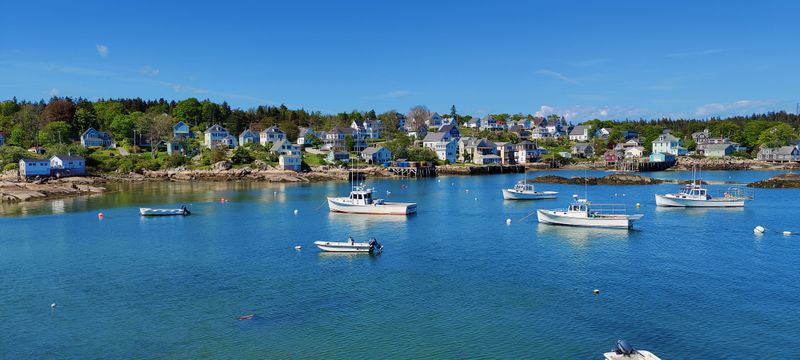
Stonington represents the soul of Maine’s fishing culture.
This compact village on Deer Isle lands more lobster than any other port in the state, a distinction that shapes every aspect of community life.
The harbor sits at the center of everything, with wharves extending into deep water where boats can tie up at any tide.
From early morning until dusk, the waterfront buzzes with constant motion.
Lobster boats arrive and depart in steady succession, their captains navigating narrow channels with practiced ease.
Traps stack high on docks, waiting to be baited and reset.
Bait barrels, coils of rope, and colorful buoys create a visual tapestry that tells the story of this working community.
Unlike harbors that have transitioned toward recreational boating, Stonington remains dedicated almost entirely to commercial fishing.
There’s no pretense here, no attempt to sanitize the reality of hard physical labor performed in all weather conditions.
The village itself clusters around the waterfront, with homes, businesses, and the post office all within walking distance of the docks.
This tight geography reinforces the connection between land and sea that defines life here.
Visiting Stonington offers a rare chance to see a fishing community that hasn’t been transformed by outside influences.
The authenticity is palpable and deeply refreshing.
Address: Main Street, Stonington, ME 04681
4. Bass Harbor on Mount Desert Island
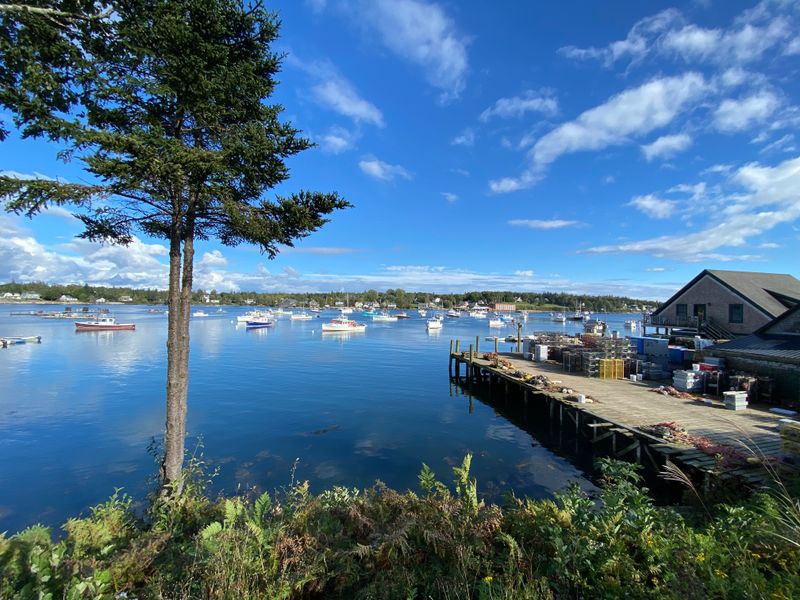
Mount Desert Island attracts millions of visitors to Acadia National Park each year.
Yet Bass Harbor maintains a distinctly different character from the tourist-heavy towns on other parts of the island.
This southwest harbor remains firmly rooted in fishing traditions that predate the national park by generations.
Lobster boats dominate the waterfront, their bright hulls contrasting with weathered gray docks.
The ferry to Swans Island departs from Bass Harbor, providing essential service to that remote community.
Watching the ferry load vehicles and passengers offers a window into the practical maritime connections that still bind Maine’s island communities.
The harbor’s protected waters make it ideal for the small to mid-sized boats that work the surrounding grounds.
Fishermen here know every ledge, current, and bottom feature within their territories.
This intimate knowledge gets passed down through families, creating dynasties of watermen who’ve fished these waters for multiple generations.
Bass Harbor proves that working waterfronts can survive even in areas dominated by tourism.
The key lies in maintaining the infrastructure and community support that commercial fishermen need.
Here, that balance still holds, offering visitors an authentic counterpoint to the manicured beauty of nearby Bar Harbor.
Address: Bass Harbor, Mount Desert, ME 04653
5. Port Clyde in Midcoast Maine
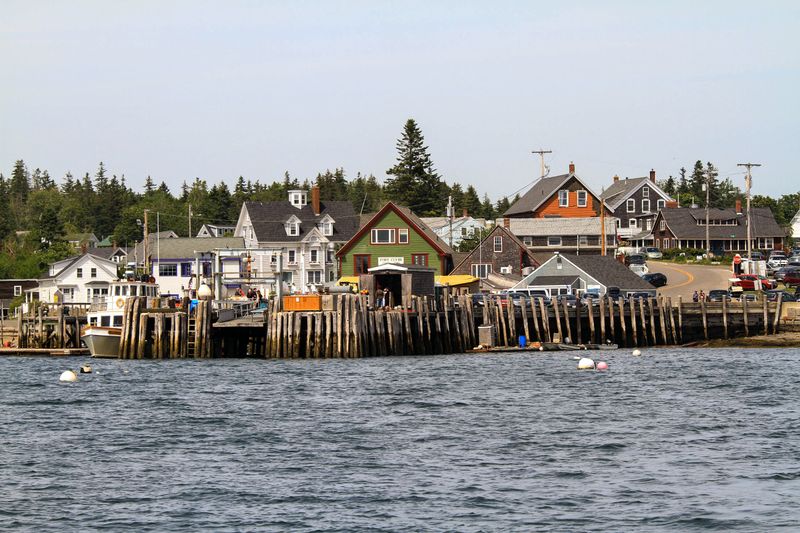
Port Clyde embodies the romantic ideal of a Maine fishing village while remaining thoroughly functional.
The small harbor bustles with genuine maritime activity that hasn’t been staged for tourists.
Lobster boats crowd the available dock space, their crews working with efficient familiarity built over years of repetition.
The Monhegan Island ferry operates from Port Clyde, carrying day-trippers and supplies to that famous artist colony.
But the ferry represents just one aspect of the harbor’s purpose.
Commercial fishing drives the local economy, with families depending on successful seasons to sustain their livelihoods.
The village maintains essential marine services that working boats require.
Fuel docks, gear suppliers, and mechanics all operate within the compact waterfront area.
This concentration of services creates a self-sufficient ecosystem where fishermen can handle most needs without traveling to larger ports.
Port Clyde’s beauty lies partly in its scale.
Everything feels accessible and comprehensible, from the fleet size to the harbor layout.
Visitors can grasp the entire operation at a glance, understanding how boats, gear, and people interact to create a functioning maritime community.
The authenticity here runs deep, unmarred by excessive development or commercialization.
It’s a place where work comes first and tourism remains secondary.
Address: Port Clyde, St. George, ME 04855
6. Boothbay Harbor in Midcoast
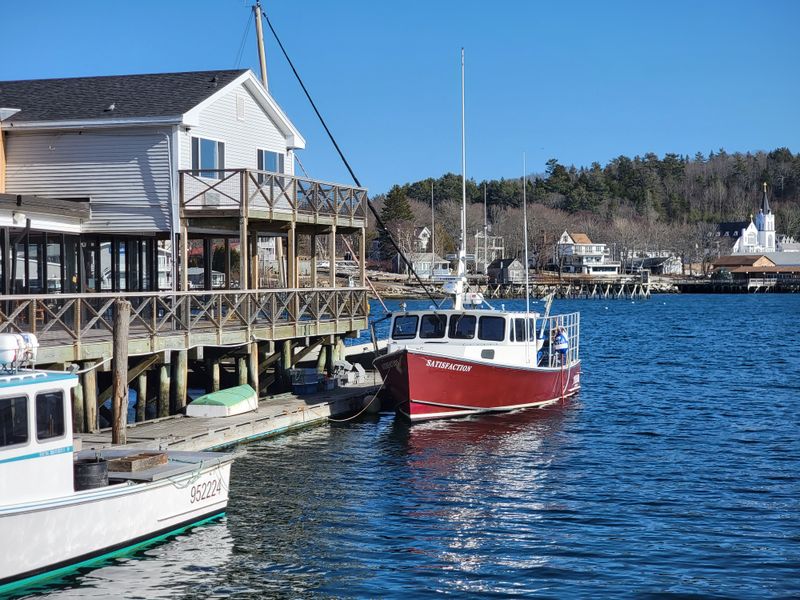
Boothbay Harbor walks a tightrope between tourism and tradition.
While summer visitors flock to this scenic harbor town, a substantial commercial fishing fleet continues to operate from its wharves.
The key to this coexistence lies in the harbor’s size and the community’s commitment to preserving working waterfront access.
Multiple boatyards handle everything from small pleasure craft to serious commercial vessels.
These marine service businesses employ skilled workers who understand the specific demands of fishing boats.
Haul-outs, engine repairs, and electronic installations happen year-round, keeping the fleet operational through all seasons.
The harbor’s deep water and excellent protection make it attractive for boats of all types.
Commercial fishermen appreciate the reliable facilities and quick access to productive fishing grounds.
Despite pressure from recreational boating interests, working boats maintain their presence through designated dock space and supportive harbor management.
Boothbay demonstrates that tourism and fishing can coexist when communities make deliberate choices to protect maritime industries.
The result is a more interesting, authentic harbor experience for visitors who get to witness real working boats alongside tour vessels.
The contrast enriches everyone’s understanding of Maine’s complex coastal economy.
Address: Boothbay Harbor, ME 04538
7. Beals Island and Jonesport Downeast
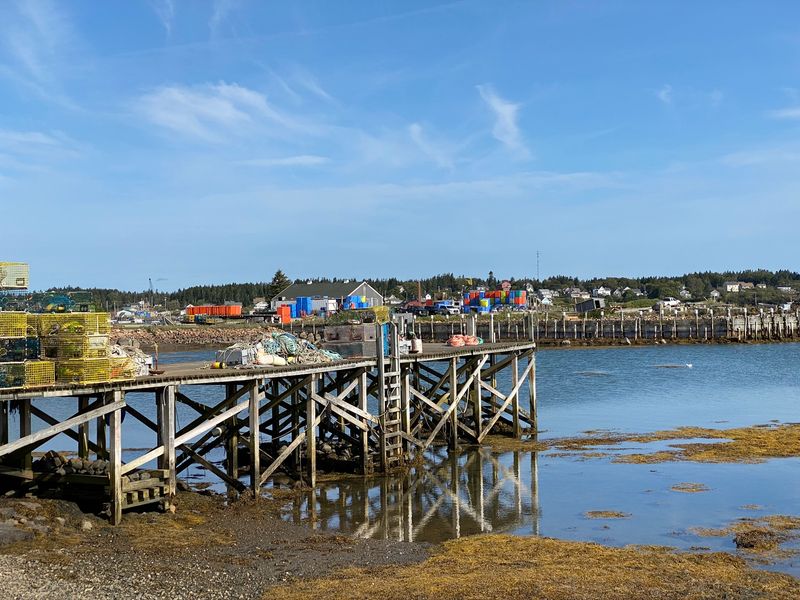
Downeast Maine preserves fishing traditions with fierce pride.
Beals Island and Jonesport represent the heart of this commitment, where communities remain dedicated to commercial fishing above all else.
The shorelines here serve purely functional purposes, covered with traps, buoys, ropes, and the other gear essential to lobstering.
Boat building thrives in this region, with craftsmen constructing the sturdy vessels designed specifically for Maine’s demanding waters.
The Jonesport hull design, developed locally, has become legendary for its seaworthiness and efficiency.
These boats get built to withstand the roughest conditions that the Gulf of Maine can deliver.
Families here often span multiple generations of fishermen, with knowledge and territories passed from parents to children.
The work is hard, the hours long, and the risks real.
Yet these communities maintain their way of life through skill, determination, and mutual support.
There’s nothing quaint or romanticized about these working waterfronts.
They’re gritty, practical, and utterly essential to the people who depend on them.
Visitors who venture this far Downeast encounter an authenticity that’s increasingly rare along the Maine coast.
The experience offers profound respect for the men and women who harvest the sea.
Address: Beals Island and Jonesport, ME 04649
8. Cutler in Downeast Maine
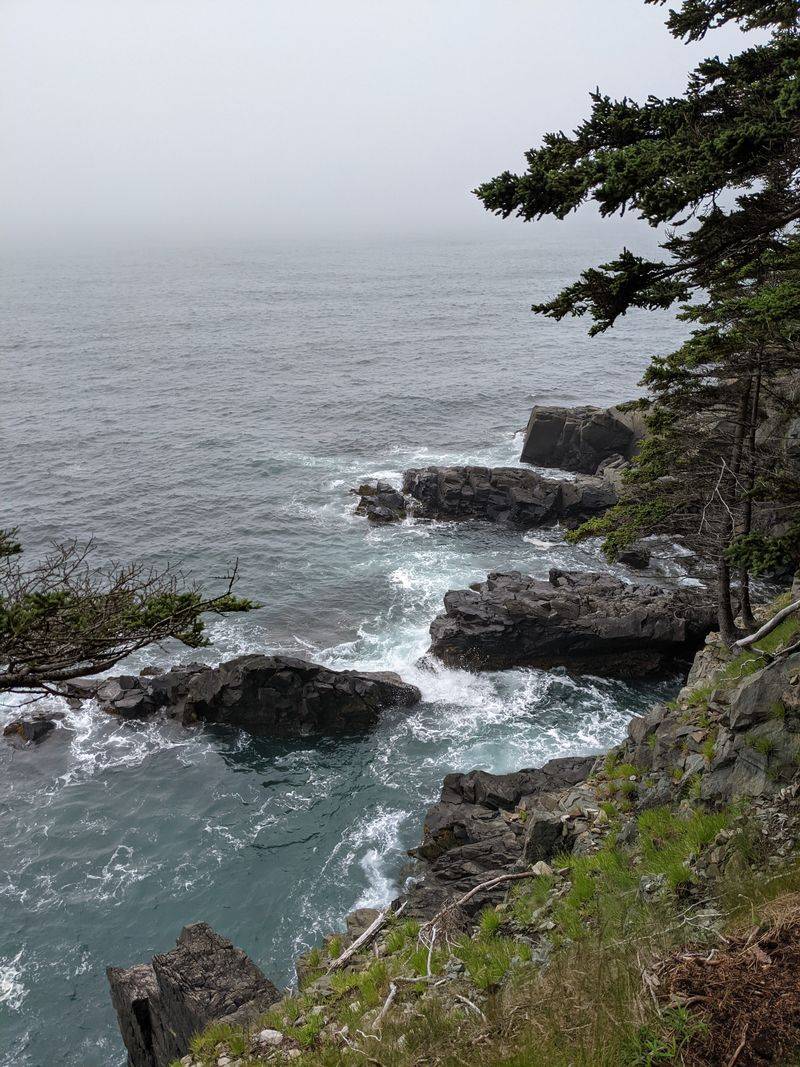
Cutler represents the far edge of Maine’s working coast.
This remote Washington County harbor operates far from tourist traffic, maintaining a purely functional character.
Commercial fishing dominates the waterfront, with boats designed for serious offshore work.
The harbor also serves a U.S. Naval facility, adding another dimension to its working identity.
This military presence emphasizes the strategic importance of Maine’s coastal waters and the communities that understand them.
The combination of fishing and defense creates a unique atmosphere in this quiet village.
Cutler’s remoteness has protected it from development pressures that have transformed other coastal towns.
There’s simply no reason for casual visitors to make the long drive to this out-of-the-way location.
That isolation has preserved a way of life that remains unchanged by outside influences.
Fishermen here work some of the most productive but challenging waters along the entire coast.
The Bay of Fundy’s massive tides and strong currents demand exceptional skill and knowledge.
Only experienced captains can safely navigate these conditions while running a profitable operation.
For those seeking the most authentic working waterfront experience in Maine, Cutler delivers without compromise.
Everything here serves a purpose, nothing exists merely for show.
Address: Cutler, ME 04626
9. Pemaquid Point and New Harbor
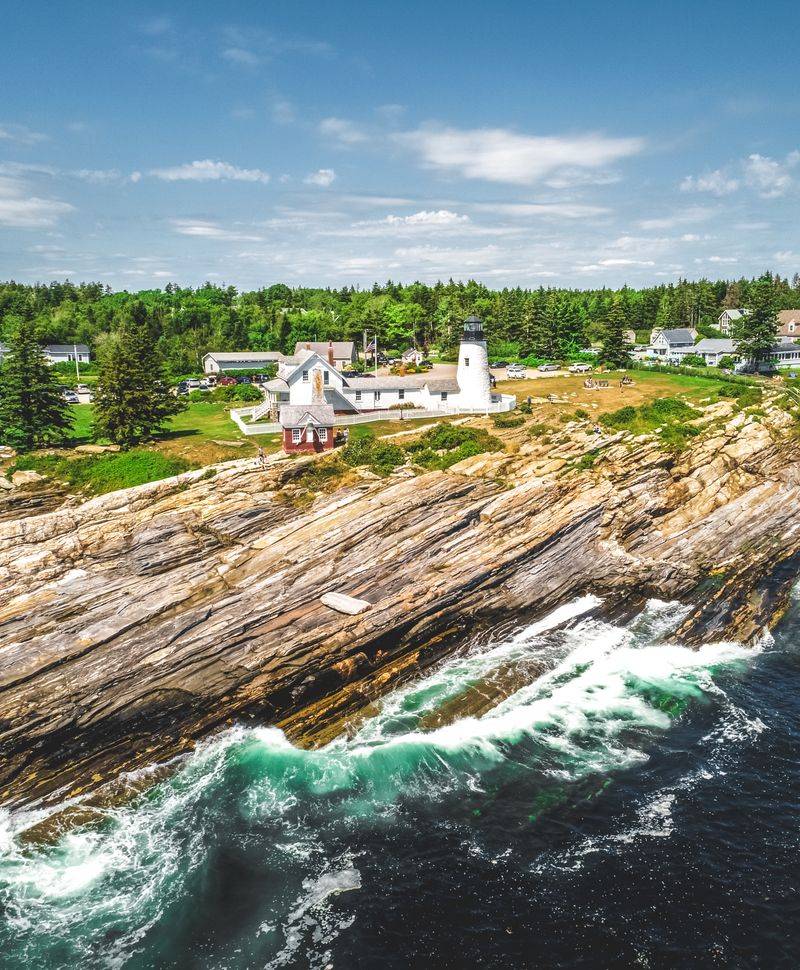
Pemaquid Point draws thousands of visitors to photograph its iconic lighthouse.
Yet the surrounding area contains numerous small harbors where actual fishing work continues daily.
New Harbor, just around the point, maintains an active fleet that works the rich waters offshore.
These smaller coves and harbors operate on a more intimate scale than major ports.
Individual fishermen often maintain their own small docks or share space with just a few neighbors.
This personal scale creates tight-knit communities where everyone knows each boat and captain.
During peak season, these harbors hum with constant activity.
Boats leave before dawn and return throughout the day as captains finish checking their strings of traps.
The rhythm of work follows the tides and weather, creating patterns that locals understand instinctively.
The contrast between the famous lighthouse and the working harbors nearby illustrates Maine’s dual identity.
Tourism and fishing exist side by side, sometimes supporting each other, sometimes in tension.
In this area, the balance still favors working waterfronts that predate any tourist interest.
Exploring beyond the lighthouse reveals the authentic maritime culture that makes this region special.
The working harbors tell the real story of coastal Maine.
Address: New Harbor, Bristol, ME 04554
10. Winter Harbor on Schoodic Peninsula
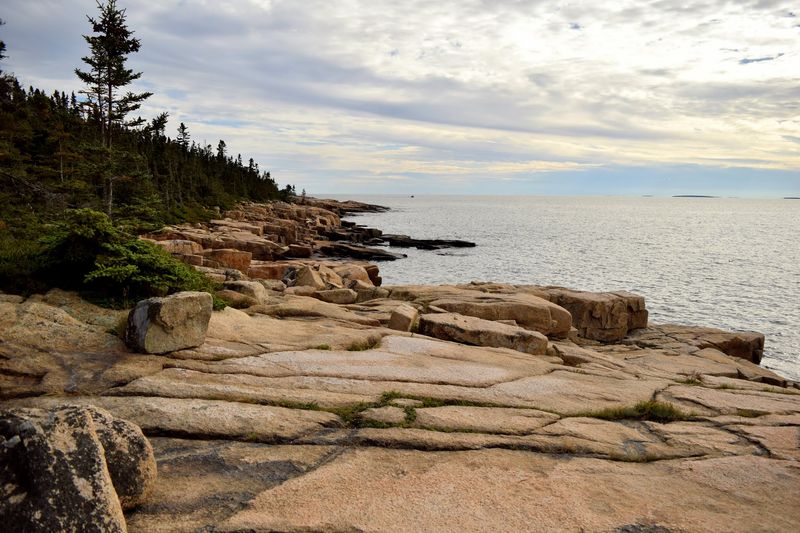
Winter Harbor occupies the quieter side of Acadia National Park.
While the main park draws crowds to Mount Desert Island, the Schoodic Peninsula section receives far fewer visitors.
This relative obscurity has helped Winter Harbor maintain its working waterfront character.
Lobster fishing drives the local economy with the same intensity found in more remote Downeast communities.
The harbor provides excellent protection and deep water access, making it ideal for the commercial fleet.
Boats here work extensive territories that stretch far offshore into some of Maine’s most productive lobstering grounds.
The community supports its fishing industry through essential services and strong social bonds.
Marine trades employ a significant portion of the year-round population, from mechanics to dock workers.
These jobs sustain families through winter months when tourism disappears entirely.
Winter Harbor offers visitors an alternative Acadia experience focused on working maritime culture rather than hiking and sightseeing.
The harbor remains authentic and accessible, with opportunities to observe fishing operations up close.
This less-crowded corner of Maine provides insight into coastal life that feels genuine and unforced.
The working waterfront here isn’t a museum display but a living, breathing part of daily life.
Address: Winter Harbor, ME 04693
Dear Reader: This page may contain affiliate links which may earn a commission if you click through and make a purchase. Our independent journalism is not influenced by any advertiser or commercial initiative unless it is clearly marked as sponsored content. As travel products change, please be sure to reconfirm all details and stay up to date with current events to ensure a safe and successful trip.
