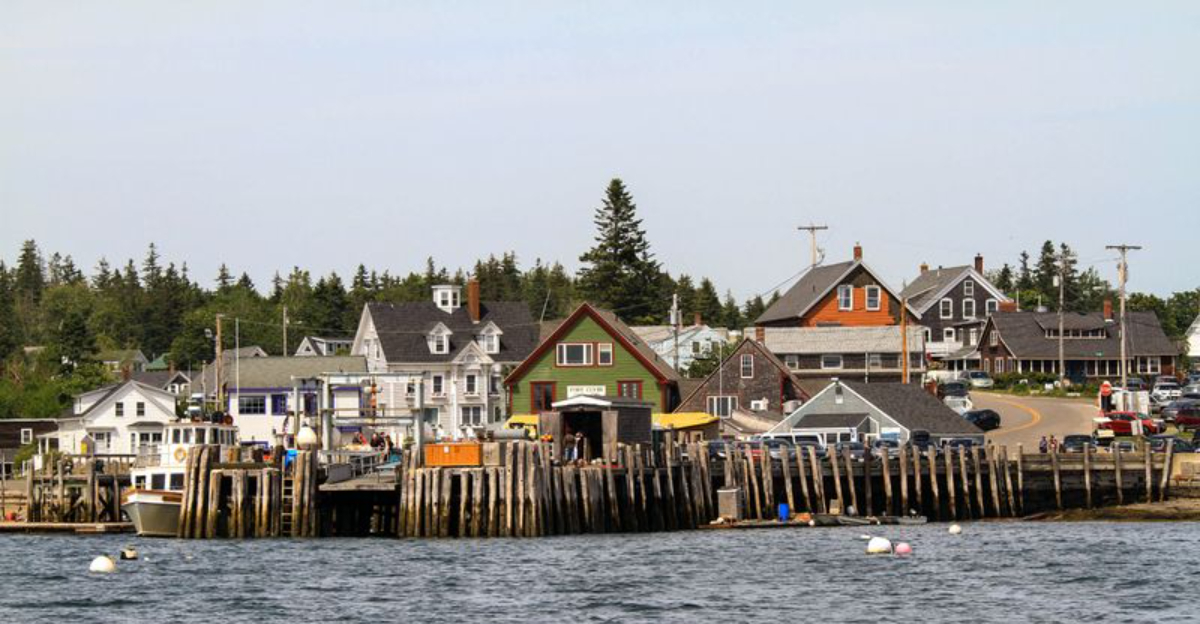
Maine’s winter coastline transforms into something magical when the summer tourists pack up and head home.
Locals know that the quieter months reveal charming villages where snow dusted harbors, cozy cafes, and authentic maritime culture come alive without the crowds.
These hidden gems along the shore offer peaceful walks, genuine conversations with fishermen, and the kind of serene beauty that makes you want to keep them secret too.
1. Stonington
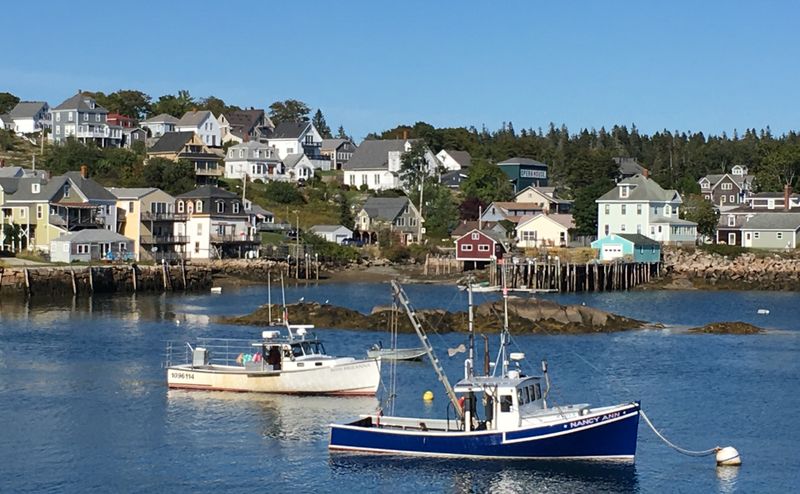
Perched at the southern tip of Deer Isle, this working fishing village refuses to compromise its authentic character for tourist appeal.
Granite quarries once made this town famous, and you can still see the remnants of that industry in the sturdy stone buildings lining the waterfront.
Lobster boats outnumber pleasure craft by a wide margin here, and the men and women who work these waters take pride in their heritage.
Winter brings a special stillness to Stonington that locals treasure deeply.
The harbor freezes in patches, creating abstract patterns of ice and dark water that photographers dream about.
Main Street’s handful of shops stay open year round, including the Stonington Public Library at 1 Main Street, where you can warm up with a book and harbor views.
Local fishermen gather at the 44 North Coffee shop at 1 W Main Street for early morning conversations that reveal the rhythm of coastal life.
The Opera House, a beautifully restored community theater, hosts winter concerts and plays that bring neighbors together during the long cold months.
Walking the granite breakwater offers solitude and stunning views of the offshore islands, their spruce trees dark against winter skies.
This village doesn’t try to be quaint or charming.
It simply exists as a real place where real people make their living from the sea, and that authenticity makes it more beautiful than any carefully curated tourist destination could ever be.
2. Corea
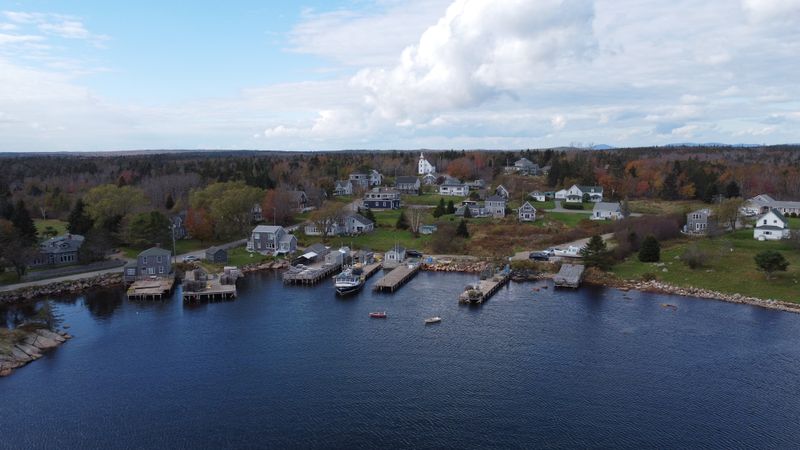
Few visitors stumble upon this tiny fishing hamlet tucked away on the Gouldsboro Peninsula, and that’s exactly how residents prefer it.
Corea consists of little more than a harbor, a handful of homes, and the kind of rugged coastal scenery that defines Down East Maine.
The village sits at the end of a winding road, far from any main highway, which naturally filters out casual tourists.
Winter here feels like stepping back in time to when coastal communities lived entirely by the sea’s rhythms.
Ice forms along the rocky shore in fantastical shapes, and harbor seals rest on exposed ledges during low tide.
The Corea Wharf Gallery, though closed in winter, stands as a testament to the artistic spirit that thrives in this isolated place.
Local lobstermen haul their traps year round when weather permits, their colorful buoys bright spots against the gray winter water.
A walk along Cranberry Point offers panoramic views of the offshore islands and the open Atlantic beyond.
The lighthouse on nearby Petit Manan Island, visible from shore, blinks its warning to ships navigating these treacherous waters.
There are no restaurants or shops catering to visitors here.
Instead, you find genuine coastal life unfiltered and unadorned.
Smoke rises from chimneys of weathered homes, and pickup trucks with rusty beds sit in driveways alongside stacks of lobster traps waiting for spring.
Corea doesn’t welcome you with open arms because it doesn’t really notice you at all, busy as it is with the serious work of survival in a harsh but beautiful environment.
3. Friendship
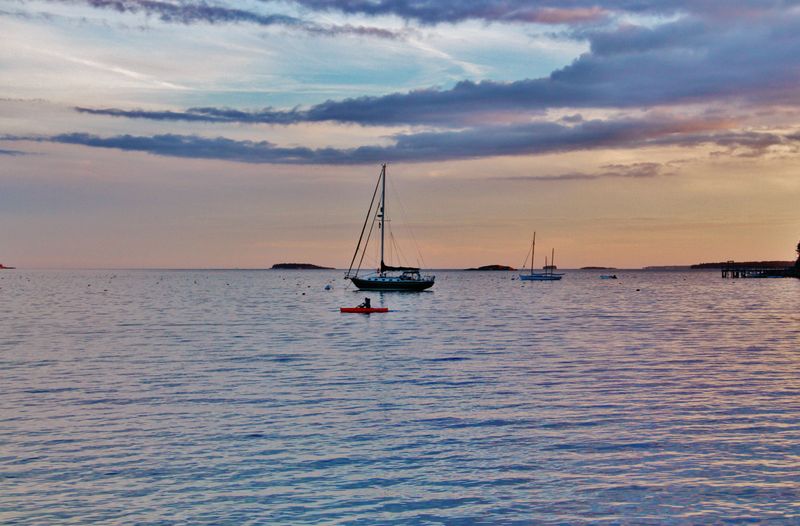
Named for the sloop Friendship that was built here in the 1700s, this village maintains its boatbuilding traditions even as the world rushes past.
The harbor curves in a protective arc, creating one of the most sheltered anchorages on the midcoast.
Friendship sloops, distinctive wooden boats with graceful lines and gaff-rigged sails, still get built in local workshops using techniques passed down through generations.
Winter reveals the village’s true character when summer sailors and their yachts disappear.
The pace slows to something almost meditative, and locals reclaim their waterfront for the quiet months ahead.
Walking the harbor road, you pass weathered fish houses and working docks where lobstermen sort their gear and repair traps.
The Friendship Museum, housed in a old schoolhouse, closes for winter but its presence reminds visitors of the maritime history soaked into every plank and stone here.
Locals gather at the Friendship Store, a classic country store that serves as community hub, post office, and source for everything from groceries to gossip.
The Lobster Pot restaurant at 3026 Friendship Road stays closed until spring, so winter visitors need to pack a lunch or drive to nearby towns.
Snow falling on the harbor creates a scene worthy of a maritime painting.
The masts of hauled boats poke through white drifts, and the water turns steel gray beneath winter clouds.
This village doesn’t shout about its beauty or its history.
It simply continues the work of building boats and catching lobsters, trusting that those who understand will find their way here and appreciate what they discover.
4. Prospect Harbor
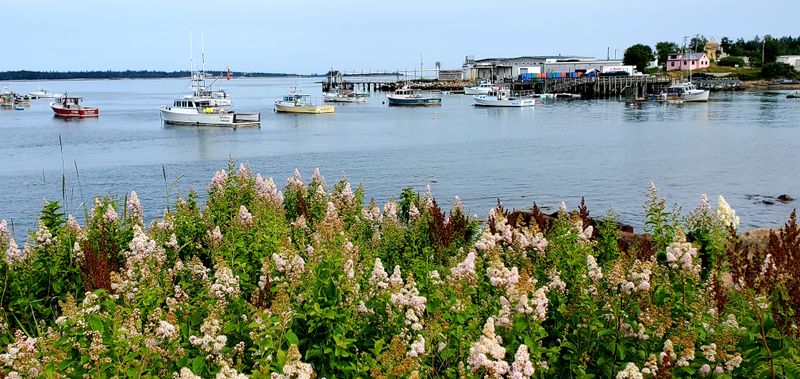
Prospect Harbor Light stands sentinel over this quiet village where the fishing fleet still defines the local economy and culture.
The lighthouse, though not open to the public, creates a focal point for the harbor and serves as a navigation aid for boats working these waters.
This community spreads along the shore without much concern for impressing outsiders, focusing instead on the practical matters of making a living from the sea.
Winter transforms the harbor into a scene of stark beauty and honest industry.
Lobster boats bob at their moorings, and the smell of salt and seaweed fills the cold air.
The village has no tourist shops or fancy galleries, just a handful of homes, a church, and the working waterfront that sustains families here.
Locals know every rock and channel in these waters, knowledge earned through years of experience and sometimes hard lessons.
The Stinson Seafood plant provides employment for many residents, processing sardines using methods that haven’t changed much in decades.
Walking the shore road reveals stunning views of Schoodic Peninsula across the water, its granite cliffs and spruce forests a dramatic backdrop.
Winter storms bring impressive waves that crash against the rocky shore, sending spray high into the air.
After the storms pass, the harbor settles back into its routine of boats going out at dawn and returning in afternoon.
There’s a rhythm to life here that feels increasingly rare in our hectic modern world.
Prospect Harbor doesn’t try to be anything other than what it is, a working fishing village where people live close to the sea and understand both its generosity and its dangers.
5. Port Clyde
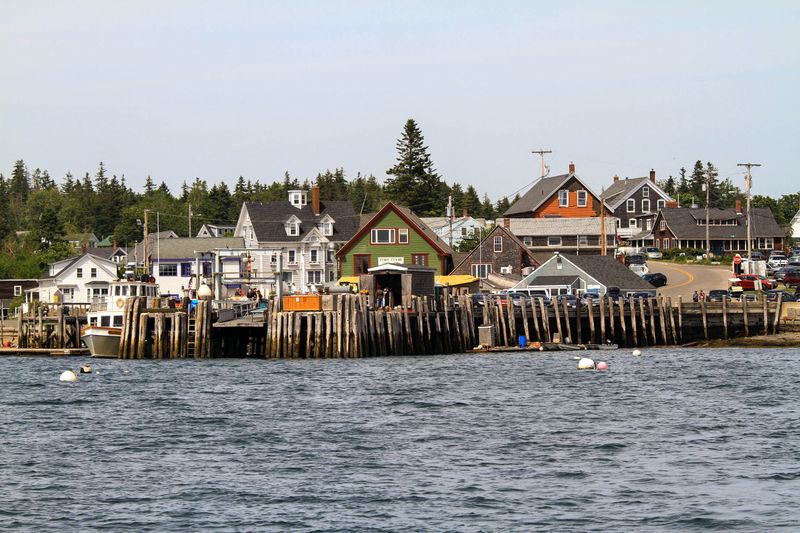
Marshall Point Lighthouse, made famous by Forrest Gump’s cross country run, draws some visitors even in winter, but most miss the authentic village beyond the postcard views.
Port Clyde serves as the departure point for the mailboat to Monhegan Island, and watching that boat navigate the harbor entrance in rough winter seas reminds you that this is serious maritime country.
The village clusters around the harbor, its buildings weathered by salt spray and nor’easters into shades of gray that blend with the winter sky.
Local fishermen have worked these waters for generations, their knowledge of the bottom and the tides passed from father to son.
The Ocean House Hotel at 1 Ocean House Lane offers winter lodging for those brave enough to experience the coast in its rawest season.
The Dip Net Restaurant at 11 Main Street serves hearty meals that warm you after hours spent walking the windswept shore.
Winter walks along the breakwater offer solitude and the chance to watch harbor seals fishing in the channel.
The lighthouse, connected to shore by a distinctive wooden walkway, becomes even more photogenic when snow outlines its simple lines.
Lobster boats tied to moorings rise and fall with the swells, their colorful hulls bright against the monochrome winter landscape.
This village has resisted the urge to become cute or precious.
Working fish houses still line the waterfront, and the smell of bait and diesel fuel mingles with the salt air.
Locals go about their business with little concern for the few winter visitors who wander through.
Port Clyde remains a real place where real work happens, and that authenticity makes it far more interesting than any sanitized tourist destination could ever be.
6. Jonesport
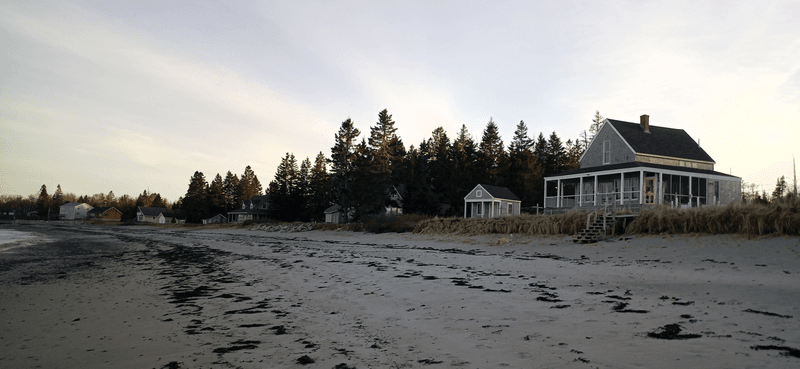
Way Down East, where the coast gets wild and the accent gets thick, Jonesport clings to its island and peninsula with the determination of people who’ve made their living from cold water for centuries.
This is lobster country in its purest form, where nearly every family has someone working on the water.
The harbor fills with boats of every size and age, from gleaming new vessels to battered workhorses that have seen decades of service.
Winter here is not for the faint of heart or those seeking comfort and convenience.
The wind comes straight off the Atlantic with nothing to slow it down, and temperatures regularly drop below zero.
Ice forms thick in protected coves, and the lobstermen who brave the winter seas earn every dollar they make.
The village has a raw beauty that grows on you if you give it time.
Weathered homes painted in faded colors line the streets, and pickup trucks outnumber cars by a wide margin.
The Jonesport Elementary School serves as a community center where town meetings and gatherings bring neighbors together during the long winter months.
Walking the shore reveals tidal pools frozen in intricate patterns and rocks covered in thick ice from wave spray.
The bridge connecting Jonesport to Beals Island carries a steady stream of traffic as residents move between the two communities that function as one.
There are no fancy restaurants or boutique shops here, just a handful of stores selling practical items and the necessities of daily life.
Jonesport doesn’t pretend to be anything other than a working fishing village.
It’s a place where people understand that the sea gives and takes, where community bonds remain strong because survival sometimes depends on your neighbors, and where winter reveals character in both landscape and people.
7. Isle au Haut
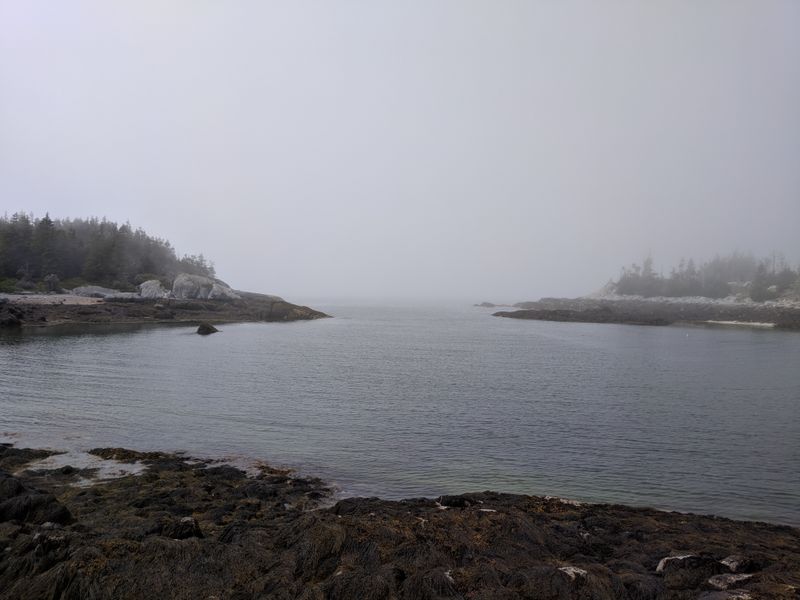
Accessible only by mailboat from Stonington, this island village becomes even more isolated when winter storms cancel boat runs and ice chokes the harbors.
Roughly fifty year round residents call Isle au Haut home, a number that swells to several hundred in summer but shrinks to the hardcore in winter.
Half the island belongs to Acadia National Park, offering miles of trails through spruce forests and along dramatic cliffs that plunge to the sea.
Winter on the island means self sufficiency and careful planning since you can’t just run to the store when you need something.
The mailboat brings supplies three times a week when weather permits, but storms can leave the island cut off for days at a time.
Residents stockpile food, fuel, and other necessities the way their ancestors did, understanding that winter isolation is the price of island living.
The village clusters around the town landing, a collection of homes, a church, and the town hall where meetings bring the community together.
There are no restaurants, no shops, and no accommodations open in winter except for residents’ homes.
Walking the island roads in winter offers a solitude that’s increasingly rare in our connected world.
Snow muffles sound, and the only noise comes from wind in the trees and waves on the rocks.
The island’s beauty in winter takes on an austere quality that either captivates or intimidates depending on your temperament.
Frozen spray coats shoreline rocks in thick ice, and the forests stand silent under their burden of snow.
This is Maine at its most remote and uncompromising.
Isle au Haut doesn’t welcome casual visitors in winter because getting here requires commitment and the willingness to accept whatever conditions you find upon arrival.
8. Lubec
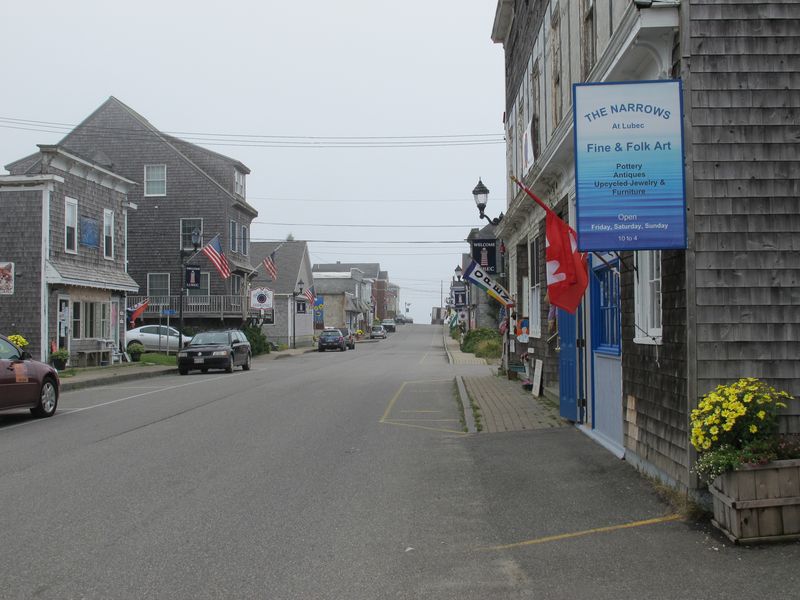
Standing at the easternmost point in the United States, Lubec faces New Brunswick across the narrow Quoddy Channel where tides race with impressive force.
West Quoddy Head Light, with its distinctive red and white stripes, marks the edge of the country and serves as a powerful symbol of this remote location.
The town stretches along the water, its downtown a mix of Victorian era buildings and more modest structures that reflect both prosperity and decline.
Winter in Lubec brings bone chilling cold and winds that seem to blow straight from the Arctic.
The channel between Maine and Canada sometimes freezes solid, creating an eerie landscape of pressure ridges and ice fields.
Locals bundle up and go about their business with the stoic determination of people accustomed to harsh conditions.
The lighthouse grounds remain open year round, offering winter visitors the chance to walk the cliffs and trails in solitude.
Watching waves crash against the rocks in winter storms provides entertainment and a healthy respect for the ocean’s power.
The town has several year round restaurants including Uncle Kippy’s at 7 Sea Street, where locals gather for breakfast and conversation.
Lubec’s location makes it feel like the end of the earth in the best possible way.
Beyond here lies only ocean and the occasional island, and that sense of being on the edge permeates everything.
The town has struggled economically since the sardine canneries closed, but it maintains a strong sense of community and place.
Artists and writers have discovered Lubec in recent years, drawn by cheap real estate and dramatic scenery.
Winter reveals the town without any tourist veneer, showing you a real place where people work hard, support each other, and find beauty in a landscape that many would consider bleak and forbidding.
Dear Reader: This page may contain affiliate links which may earn a commission if you click through and make a purchase. Our independent journalism is not influenced by any advertiser or commercial initiative unless it is clearly marked as sponsored content. As travel products change, please be sure to reconfirm all details and stay up to date with current events to ensure a safe and successful trip.
