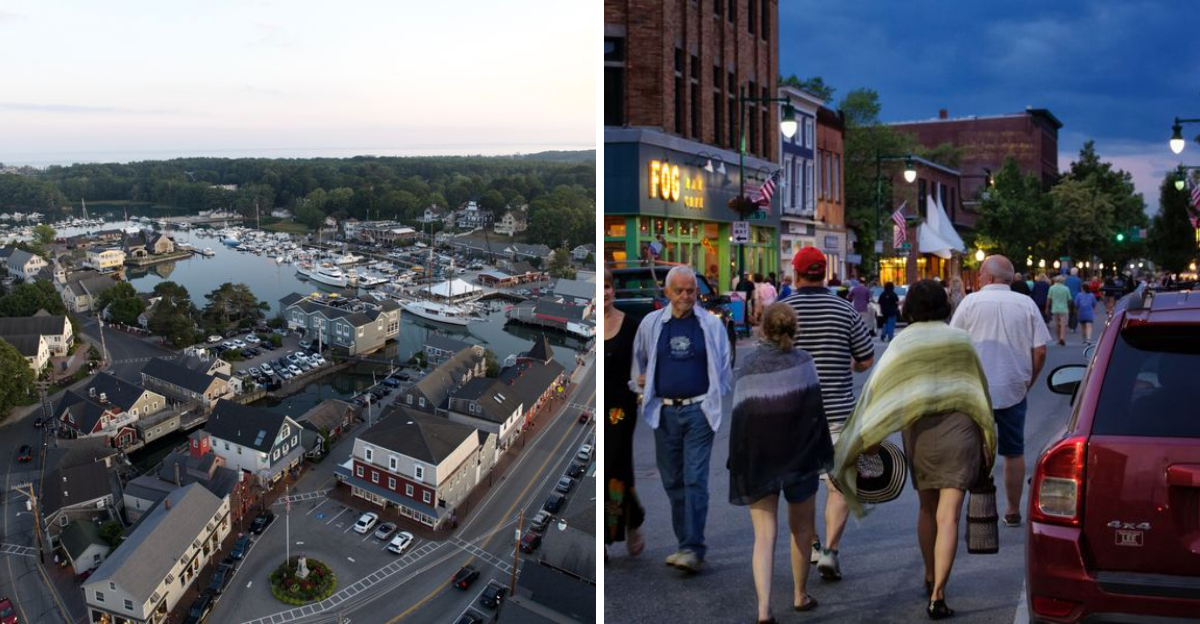
Maine’s rugged coastline and charming villages have always held a quiet appeal, but something has changed in recent years.
Towns that once saw a gentle trickle of summer visitors now find themselves packed with tourists year-round, from snowy February to golden October.
This surge has brought both blessings and burdens, filling local restaurants and shops while also straining infrastructure and altering the pace of daily life.
Understanding which towns are experiencing this transformation helps travelers appreciate the delicate balance between economic opportunity and community preservation.
1. Bar Harbor
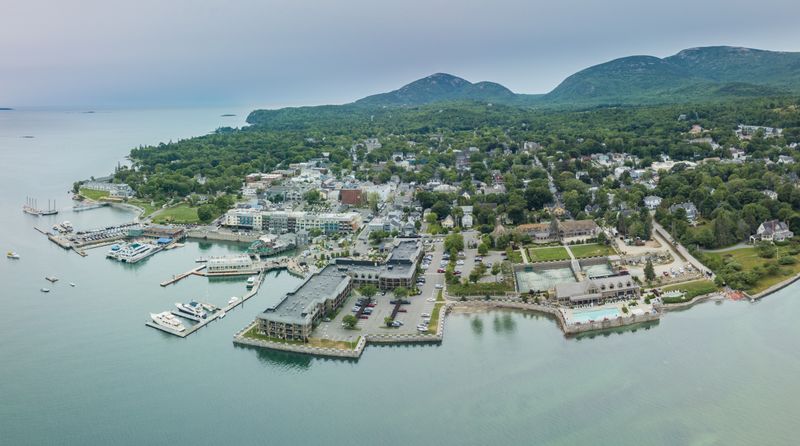
Nestled against the granite shores of Mount Desert Island, Bar Harbor has transformed from a sleepy fishing village into one of Maine’s most visited destinations.
The town serves as the primary gateway to Acadia National Park, drawing nature lovers from across the globe.
What once felt like a hidden gem now pulses with activity from spring through fall, and even winter sees growing numbers of adventurous travelers.
Cruise ships anchor offshore regularly, sending thousands of passengers into the compact downtown area within hours.
In 2018 alone, over 222,000 cruise passengers visited through 154 ship arrivals.
Local officials eventually implemented a cap of 1,000 cruise passengers per day in 2022, trying to manage the overwhelming crowds that made sidewalks nearly impassable during peak times.
Shop owners and restaurant managers have mixed feelings about this tourism explosion.
Revenue has certainly increased, allowing businesses to expand and hire more staff.
However, the sheer volume of visitors has changed the town’s character dramatically.
Parking becomes nearly impossible during summer afternoons, and residents often avoid downtown entirely when ships are in port.
Housing prices have climbed steeply as vacation rentals proliferate, making it harder for workers to afford living near their jobs.
The town struggles to maintain its historic New England charm while accommodating modern tourism demands.
Despite these challenges, Bar Harbor remains breathtakingly beautiful.
Early morning walks along the Shore Path still offer moments of tranquility before the crowds arrive, and sunset views from Cadillac Mountain never disappoint.
2. Camden
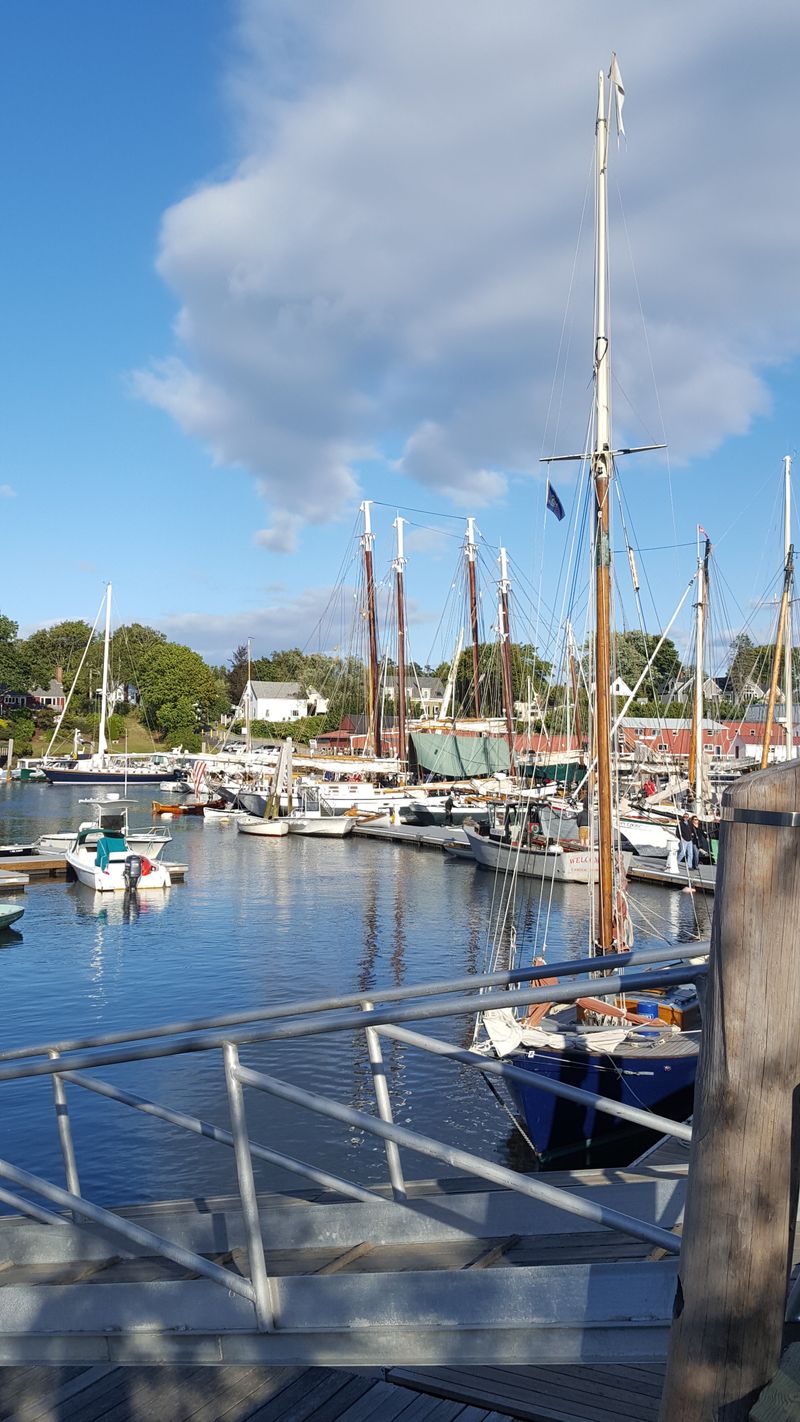
Where mountains tumble directly into the sea, Camden presents a postcard-perfect vision of coastal Maine.
This picturesque harbor town has long attracted artists, sailors, and those seeking refuge from urban stress.
The downtown area wraps around a protected bay filled with classic windjammers and modern yachts, creating scenes that photographers dream about.
Summer months bring an overwhelming influx of visitors who fill every inn, bed and breakfast, and rental property.
The main street becomes a slow-moving river of people window-shopping, dining at outdoor cafes, and capturing selfies against maritime backdrops.
What locals once navigated in minutes now requires patience and strategic timing.
Camden’s reputation as a sailing hub has intensified tourism pressure.
Windjammer cruises depart regularly, bringing additional visitors who explore the town before or after their voyages.
The annual Windjammer Festival draws enormous crowds, celebrating the town’s maritime heritage while also highlighting infrastructure limitations.
Parking challenges have become legendary among residents.
Finding a spot near the harbor on a July afternoon feels nearly impossible, and the public landing area swells with both locals and tourists competing for access.
Some longtime residents express nostalgia for quieter times when they recognized most faces on the street.
Economic benefits are undeniable, with restaurants, galleries, and boutiques thriving during the extended tourist season.
However, year-round residents worry about affordability and whether the town’s essential character can survive this relentless popularity.
Camden walks a tightrope between prosperity and preservation, trying to welcome visitors without losing itself.
3. Kennebunkport
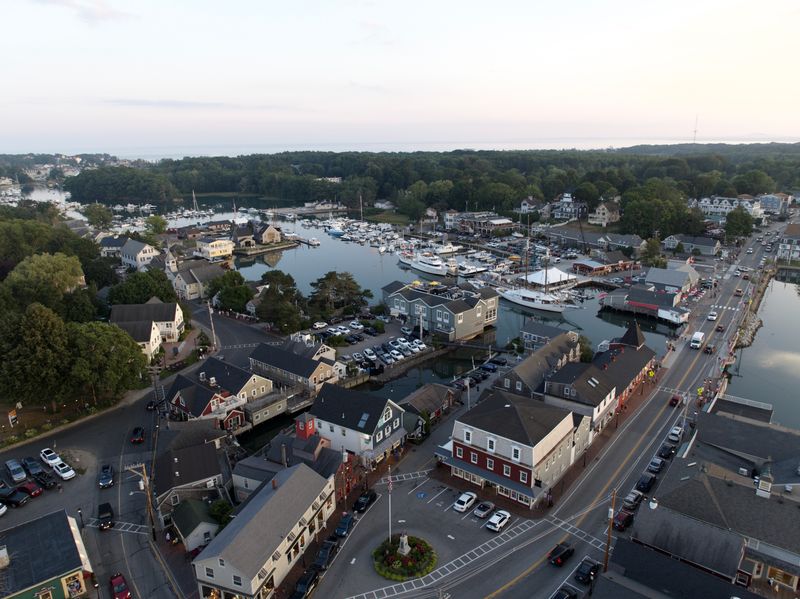
Elegance defines every corner of Kennebunkport, from its stately sea captain’s homes to the manicured landscapes surrounding grand estates.
This town has attracted wealthy summer residents for generations, including former presidents who helped put it firmly on the national tourism map.
That presidential connection brought increased attention, and visitor numbers have climbed steadily ever since.
Dock Square serves as the beating heart of tourist activity, where narrow streets converge in a compact shopping and dining district.
During peak summer weeks, the square becomes almost claustrophobic as visitors pack sidewalks and spill into streets.
Traffic crawls through the area, with cars circling endlessly in search of parking that simply doesn’t exist during busy hours.
The town’s beaches face similar pressure, with Colony Beach and Gooch’s Beach drawing sunbathers by the thousands.
Residents who once enjoyed morning swims now find themselves competing for sand space with tourists who arrive before dawn to claim prime spots.
Local beach access has become a contentious issue as parking restrictions multiply.
Kennebunkport’s restaurant scene has exploded to meet demand, with establishments ranging from casual lobster shacks to upscale dining rooms.
Reservations must be made weeks in advance during summer, and even then, wait times can stretch past an hour.
Service industry workers face housing challenges as rental prices climb beyond their reach.
The town maintains its refined atmosphere despite the crowds, with strict architectural guidelines preserving historic character.
Yet longtime residents wonder if Kennebunkport is becoming more theme park than authentic community, where tourism overshadows everyday life for those who call it home year-round.
4. Rockland
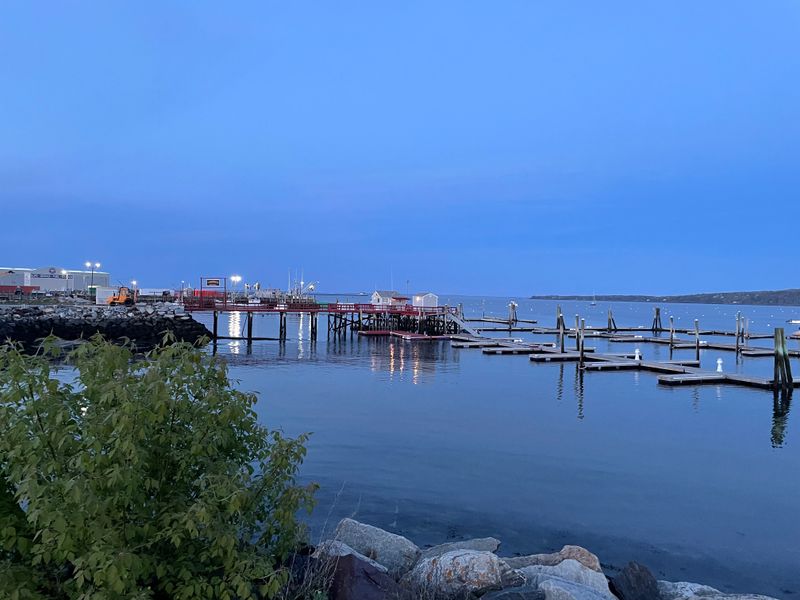
Authenticity once defined Rockland, a genuine working harbor where fishing boats outnumbered pleasure craft and locals outnumbered visitors.
The smell of the sea mixed with diesel fuel, and conversations at diners centered on catch sizes and weather patterns rather than tourist attractions.
That identity has shifted dramatically as cultural institutions and cruise ships have reshaped the town’s economy and atmosphere.
The Farnsworth Art Museum anchors Rockland’s transformation into a cultural destination, showcasing Maine artists and attracting art enthusiasts from around the world.
Gallery walks draw crowds on summer evenings, and the Center for Maine Contemporary Art adds another layer of cultural appeal.
These institutions have elevated Rockland’s profile but also changed its fundamental character.
Cruise ships now dock regularly, disgorging thousands of passengers who flood the compact downtown area for several hours before departing.
Main Street transforms on ship days, with tour groups moving in clusters past shops and restaurants that have adapted their offerings to capture quick-spending visitors.
Residents report avoiding downtown entirely when ships are scheduled, finding the crowds overwhelming and the atmosphere unrecognizable.
The annual Maine Lobster Festival has grown from a local celebration into a massive event drawing over 20,000 people.
While economically beneficial, the festival strains town resources and leaves residents feeling like outsiders in their own community.
Traffic becomes gridlocked, and parking requires shuttles from distant lots.
Rockland’s fishing industry continues but feels increasingly marginalized as waterfront real estate converts to tourism uses.
The tension between working harbor and tourist destination plays out daily, with no clear resolution in sight.
5. Boothbay Harbor
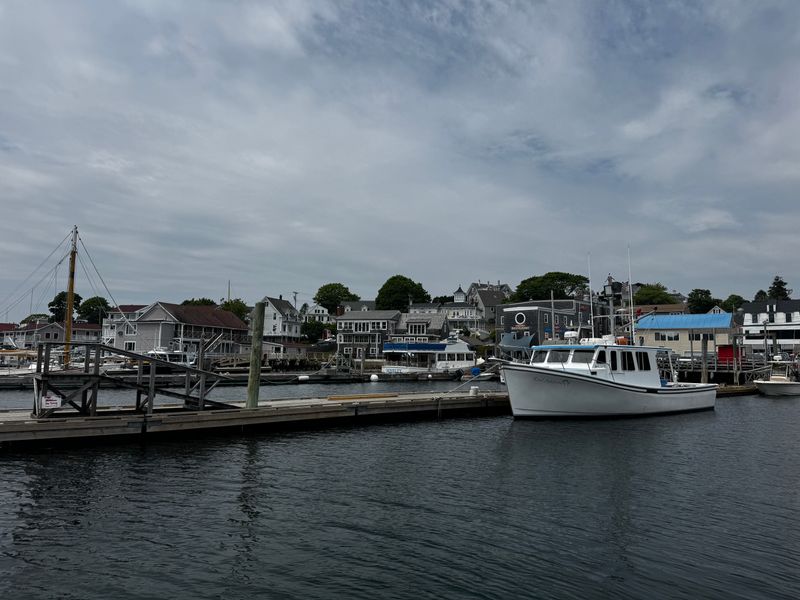
Winding streets tumble down hillsides to meet a harbor that seems designed specifically for postcards and calendar photos.
Boothbay Harbor has capitalized on its natural beauty, developing a tourism infrastructure that welcomes visitors from ice-out through late fall.
The footbridge spanning the harbor has become an iconic landmark, photographed thousands of times daily during summer months.
Short-term rentals have proliferated at an alarming rate, now accounting for nearly 14 percent of local housing stock.
This conversion has created a housing crisis for year-round residents and workers who struggle to find affordable places to live within commuting distance.
The town’s population can double during peak months, placing enormous strain on water, sewer, and road systems never designed for such numbers.
Waterfront restaurants and shops do tremendous business during the tourist season, with some establishments making enough in five months to sustain them through quieter winter periods.
However, staffing these businesses has become increasingly difficult as workers cannot afford local housing.
Many employees commute from towns 30 or 40 minutes away, adding to traffic congestion on the peninsula’s limited road network.
Boat tours, whale watching excursions, and harbor cruises depart constantly during summer, adding to the bustle and activity.
The harbor itself becomes crowded with vessels of all types, and finding mooring space has become competitive and expensive.
Waterfront access for residents feels increasingly limited as commercial tourism operations expand.
Boothbay Harbor exemplifies the double-edged nature of tourism success.
Economic prosperity comes with a price measured in community cohesion, affordability, and the quiet charm that originally attracted visitors in the first place.
6. Ogunquit
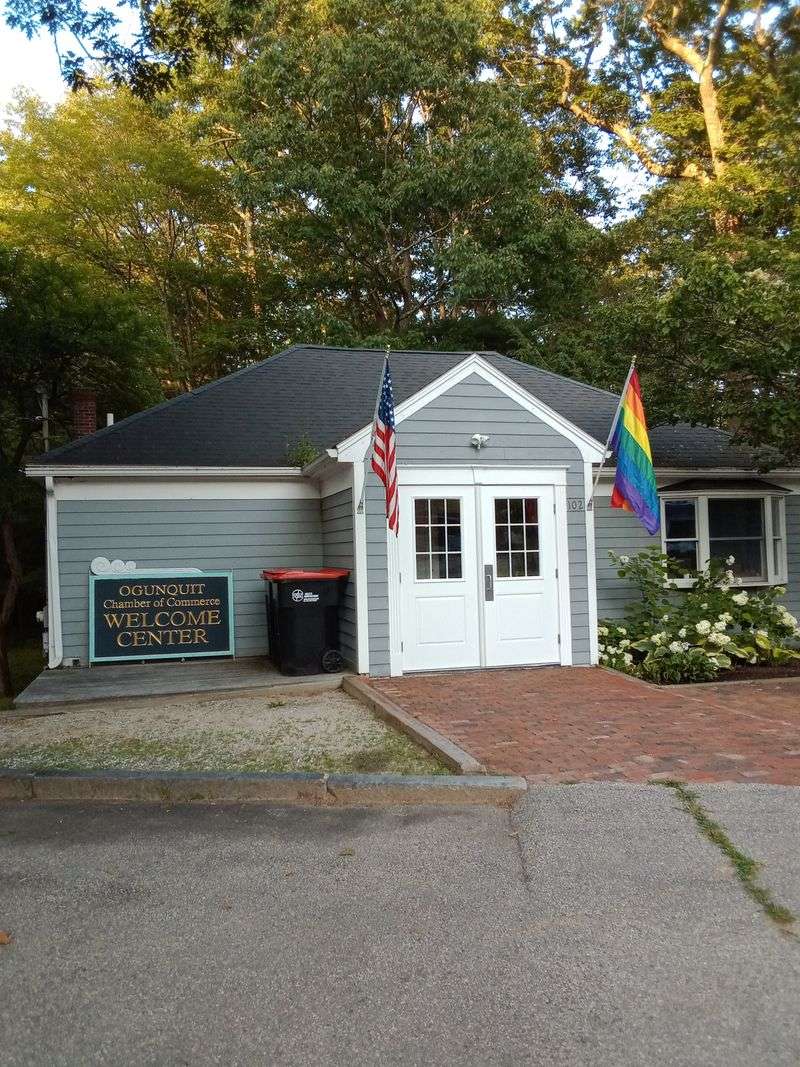
Ogunquit translates to beautiful place by the sea in the native Abenaki language, and the name proves remarkably accurate.
This compact beach town has attracted summer visitors for over a century, but recent years have seen tourism intensity reach unprecedented levels.
The three-mile stretch of sandy beach remains the primary draw, but art galleries, theater, and dining options have diversified the town’s appeal.
Perkins Cove, a tiny working harbor turned tourist shopping district, illustrates Ogunquit’s transformation perfectly.
What was once home to fishing boats now hosts galleries, restaurants, and ice cream shops packed into a space barely larger than a few city blocks.
The famous drawbridge becomes a bottleneck as crowds gather to watch it open for boats, creating human traffic jams that can last 20 minutes or more.
Marginal Way, the spectacular clifftop walking path connecting the village center to Perkins Cove, sees thousands of walkers daily during summer.
Early morning or late evening walks offer relative solitude, but midday journeys involve constant navigation around other pedestrians and stopping frequently for photo-taking tourists.
The path’s benches, once quiet spots for contemplation, are now rarely vacant.
Parking has become Ogunquit’s most contentious issue.
The town implemented a paid trolley system to reduce car traffic, but summer weekends still see vehicles circling endlessly or parking illegally out of desperation.
Beach parking lots fill by mid-morning, turning away disappointed visitors who drove hours to reach the coast.
Despite these pressures, Ogunquit maintains high visitor satisfaction.
The town has invested in infrastructure and manages its tourism relatively well, though residents increasingly feel like hosts in a place that no longer quite feels like home.
7. York
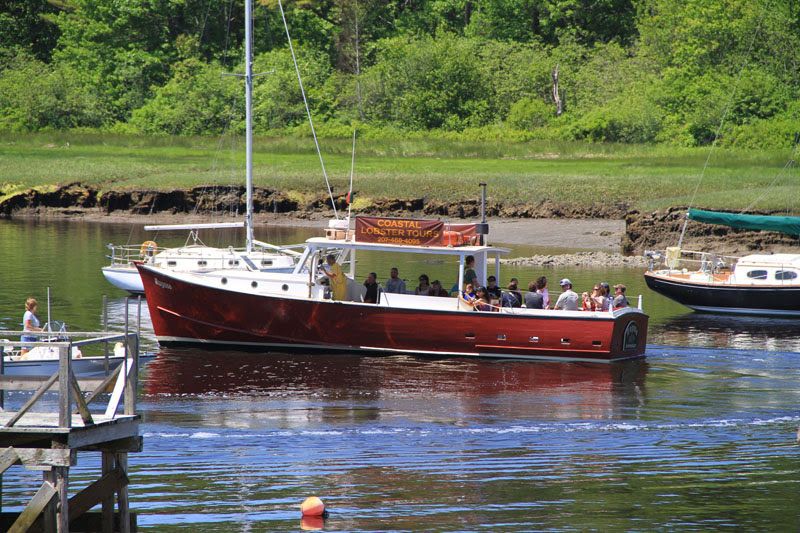
History runs deep in York, one of Maine’s oldest settlements, where colonial architecture stands alongside modern beach development.
The town actually encompasses several distinct villages, each with its own character, but all experiencing increased tourism pressure in different ways.
York Beach, with its classic amusement area and long sandy shore, draws families seeking traditional seaside vacations.
The Nubble Lighthouse, perched on a rocky island just offshore, ranks among Maine’s most photographed landmarks.
Sohier Park, the viewing area across from the lighthouse, becomes packed with visitors during summer afternoons and evenings.
The small parking area overflows regularly, with cars lining nearby streets and creating traffic flow problems in the residential neighborhood.
Long Sands Beach and Short Sands Beach both see intense use during warm weather, with beachgoers arriving early to claim spots near the water.
The beaches can feel almost overcrowded on hot July and August days, with umbrellas and blankets covering nearly every square foot of sand.
Lifeguards work hard to maintain safety amid the throngs of swimmers and surfers.
York Village, the historic heart of the town, offers a quieter experience but still sees steady tourist traffic visiting museums and historic buildings.
The Old York Historical Society maintains several properties that interpret colonial and early American life.
Even this more sedate area experiences parking challenges during peak season.
Local businesses thrive on tourism revenue, but year-round residents express concerns about traffic, noise, and the changing character of their neighborhoods.
Housing costs have risen as vacation rentals multiply, making it harder for working families to remain in town.
York embodies the tension between historical preservation, community needs, and economic opportunity that tourism represents.
8. Blue Hill
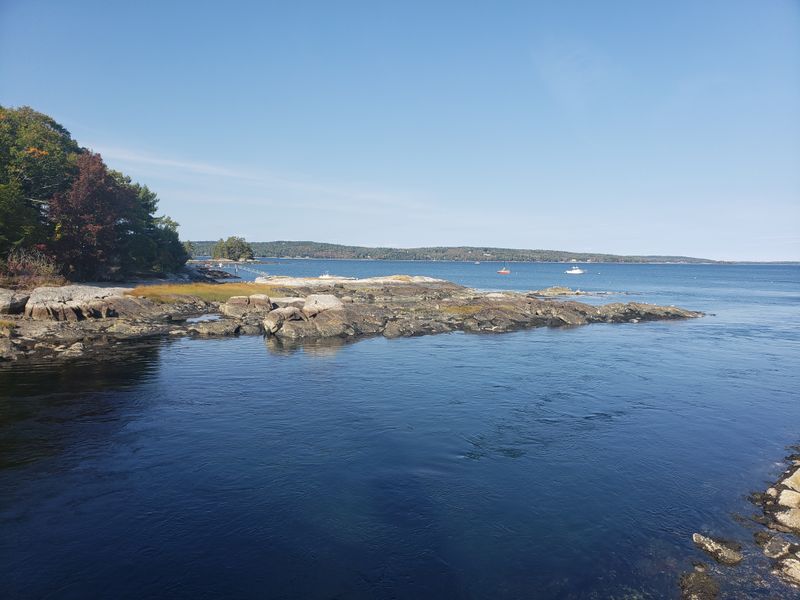
Sophistication without pretension characterizes Blue Hill, a cultural outpost on the eastern side of Penobscot Bay.
The town has long attracted artists, writers, and musicians drawn by its natural beauty and creative community.
That reputation has spread, bringing increasing numbers of visitors seeking authentic Maine experiences away from more commercial coastal destinations.
Blue Hill’s compact village center features bookstores, galleries, and craft shops that cater to discerning tastes.
The town hosts renowned institutions like the Kneisel Hall Chamber Music Festival, which draws classical music enthusiasts from across the country.
These cultural offerings have raised Blue Hill’s profile, attracting tourists who might otherwise overlook this relatively remote location.
The harbor remains relatively quiet compared to busier ports, but summer brings noticeable increases in visiting boats and waterfront activity.
Blue Hill Falls, where tidal currents create dramatic reversing rapids, has become a popular photography and kayaking spot.
What locals once enjoyed in solitude now regularly features clusters of visitors with cameras and boats.
Real estate pressure has intensified as wealthy buyers discover Blue Hill’s charms.
Waterfront properties and historic homes command premium prices, and the conversion of year-round residences to seasonal use reduces housing availability for locals.
The town’s essential workforce struggles to find affordable options within the community.
Blue Hill has managed tourism growth more gracefully than some Maine towns, maintaining much of its authentic character.
However, residents notice changes in atmosphere and worry about tipping points.
The balance between welcoming visitors and preserving community identity requires constant attention and thoughtful planning that doesn’t always align with purely economic interests.
9. Belfast
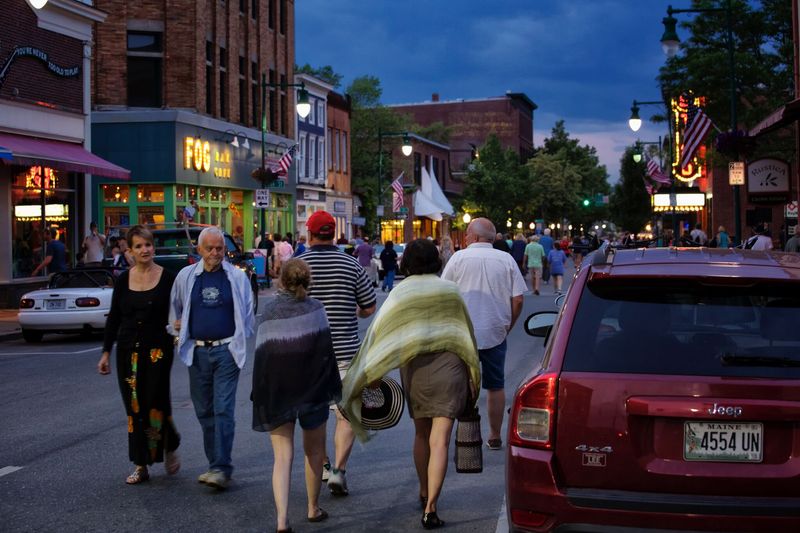
Gritty authenticity gave Belfast its character for decades, a working-class harbor town that felt rough around the edges compared to more polished coastal communities.
The chicken processing plant that once dominated the economy closed years ago, leaving the town to reinvent itself.
That reinvention has succeeded perhaps too well, transforming Belfast into a trendy destination that attracts foodies, artists, and tourists seeking undiscovered Maine.
Main Street has undergone remarkable revitalization, with independent shops, restaurants, and galleries filling once-vacant storefronts.
The dining scene has become surprisingly sophisticated, with several establishments earning regional recognition for creative cuisine featuring local ingredients.
Weekend evenings see the sidewalks busy with diners and shoppers, a dramatic change from the quiet streets of just a decade ago.
The waterfront has also transformed, with the former industrial area gradually converting to mixed-use development featuring housing, retail, and recreational spaces.
Walking paths along the harbor attract both residents and visitors, and the public landing sees increased activity from recreational boaters.
Summer concerts and farmers markets draw crowds that would have seemed impossible in Belfast’s struggling years.
This success brings predictable challenges, including rising property values that push out longtime residents and small businesses that can’t afford increased rents.
The town’s affordable housing stock dwindles as investors purchase properties for vacation rentals or conversion to upscale accommodations.
Some worry that Belfast is losing the working-class character that made it distinctive.
Belfast demonstrates how economic revival and tourism growth intertwine in complex ways.
The town is undeniably more prosperous and vibrant, but questions remain about who benefits from these changes and whether the community’s essential identity can survive its own success.
10. Southwest Harbor
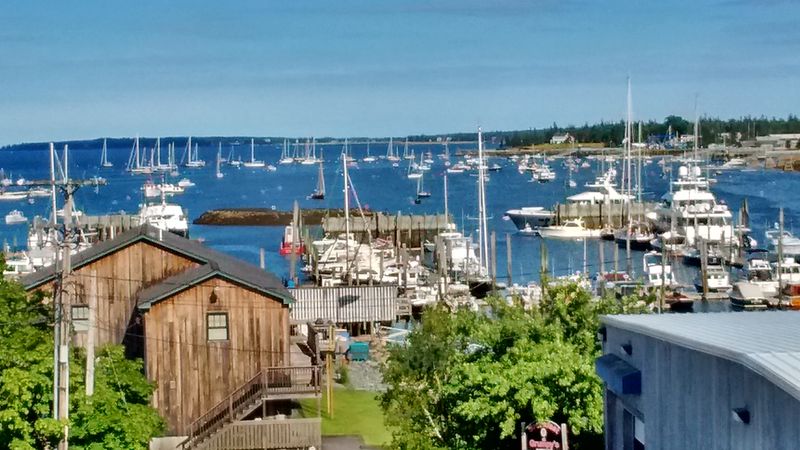
Authenticity persists more stubbornly in Southwest Harbor than in its famous neighbor Bar Harbor across Mount Desert Island.
This working harbor still supports active fishing and boat-building industries, maintaining a grounded character that feels increasingly rare along Maine’s coast.
However, its proximity to Acadia National Park and reputation as the quiet side alternative to Bar Harbor have brought growing tourist attention.
The town serves as a gateway to the less-visited western side of Acadia, where hiking trails and scenic drives offer spectacular experiences without Bar Harbor’s crowds.
Visitors discovering this advantage have steadily increased, particularly those seeking more authentic Maine experiences.
Local restaurants and inns report extended busy seasons that now stretch well beyond traditional summer months.
Southwest Harbor’s harbor remains genuinely working, with lobster boats and fishing vessels outnumbering pleasure craft.
However, tourism-related businesses have multiplied along the waterfront and main street, changing the commercial landscape.
Kayak rentals, tour operators, and gift shops now occupy spaces that once housed marine supply stores and fishing-related businesses.
The town’s boat-building heritage continues at several respected yards that construct and repair vessels ranging from small sailboats to large yachts.
These operations provide year-round employment and maintain important skills, but they face pressure from real estate development that eyes waterfront industrial sites for more profitable tourism uses.
Preserving working waterfront access has become a priority for town planners.
Southwest Harbor walks a careful line between economic opportunity and identity preservation.
Residents value tourism revenue but fiercely protect the town’s working character.
Whether this balance can hold as visitor numbers continue climbing remains an open and increasingly urgent question for the community’s future.
11. Castine
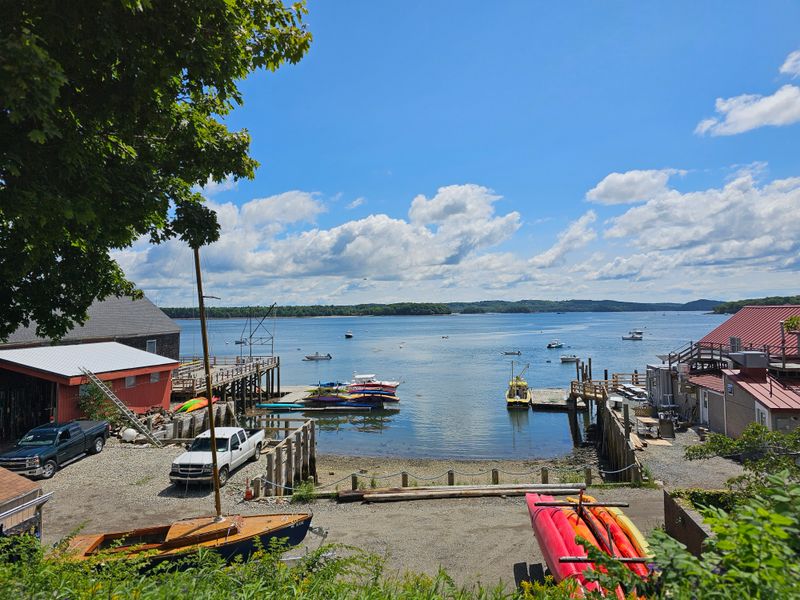
Timelessness defines Castine, where history seems to have paused somewhere in the 19th century and never quite resumed its forward march.
This remarkably preserved village occupies a peninsula jutting into Penobscot Bay, surrounded by water on three sides.
Historic homes line elm-shaded streets, and the town’s compact scale encourages walking and quiet exploration rather than commercial bustle.
Castine’s historical significance far exceeds its tiny size, having been occupied by four different nations and serving as a strategic military location for centuries.
Fort George, a well-preserved Revolutionary War earthwork fortification, overlooks the harbor and attracts history enthusiasts.
The town’s historical society maintains several properties that interpret this rich past, drawing visitors interested in colonial and early American history.
Maine Maritime Academy anchors the local economy and adds a unique dimension to town life.
The academy’s training ship, a massive vessel that dwarfs the small harbor, creates a dramatic sight when in port.
Academy events and graduation ceremonies bring visitors, though these tend to be family members rather than casual tourists.
Despite its beauty and historical importance, Castine has avoided the intense tourism pressure affecting other coastal Maine towns.
Its relative remoteness and lack of commercial development have kept visitor numbers manageable.
The town offers limited tourist infrastructure, with just a few inns, a handful of restaurants, and minimal retail beyond essentials.
This restraint feels increasingly intentional, as if Castine has chosen preservation over profit.
Residents value their quiet streets and tight-knit community, viewing tourism as acceptable only in doses that don’t threaten the town’s essential character.
Castine offers a glimpse of what Maine coastal towns were before tourism became their dominant industry, a living museum of earlier times.
Dear Reader: This page may contain affiliate links which may earn a commission if you click through and make a purchase. Our independent journalism is not influenced by any advertiser or commercial initiative unless it is clearly marked as sponsored content. As travel products change, please be sure to reconfirm all details and stay up to date with current events to ensure a safe and successful trip.
