Sometimes you walk into a place and immediately feel your brain slow down. Every shelf, drawer, and glass bottle asks you to imagine a completely different daily life than the one you know now.
That is exactly what happened to me in Oklahoma, where an old frontier drugstore museum turned out to be less about medicine alone and more about the strange, practical, deeply human ways people tried to care for each other.
The wild part is that many of the bottles still hold their original remedies. You are not just looking at recreated history, you are standing a few feet from the real thing.
If you like places that make you lean in, ask questions, and leave with stories you cannot wait to retell, this one absolutely gets under your skin in the best way.
Walking Into Another Century
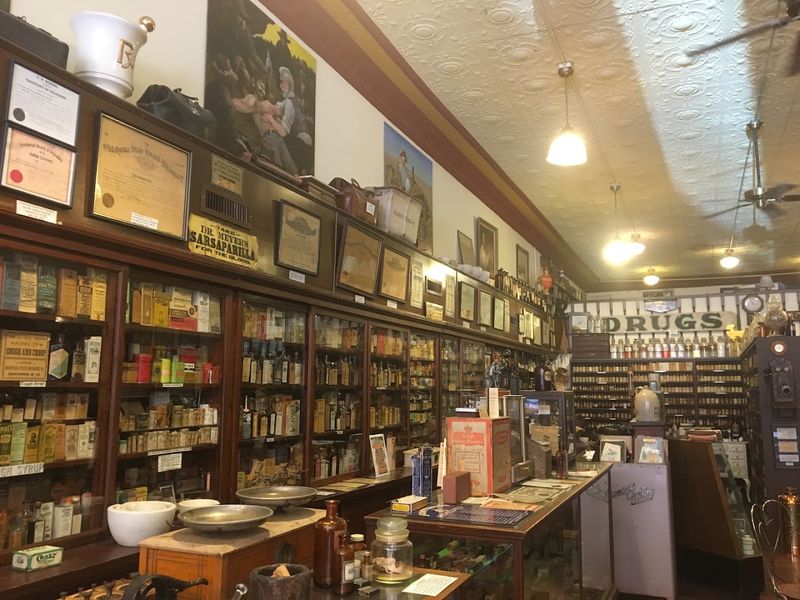
The first thing that hits you is how little this place feels staged, and that is what makes it so good. You step inside and the shelves, counters, and cases do not read like a modern museum trying to imitate the past.
They feel like the room simply kept breathing while the rest of the world changed outside.
I kept looking around expecting something flashy to break the spell, but nothing did, and honestly that restraint is the whole magic. The wood has that worn, working look, the glass catches the light in a soft way, and every corner seems to hold some small practical purpose.
You are not pushed through a dramatic experience here, which somehow makes the whole thing more vivid.
What surprised me most was how quickly everyday details started to matter, because this was never just a place to hand over pills and leave. It was part workplace, part neighborhood stop, and part quiet lesson in how people once understood health.
By the time I had taken in the room itself, I already felt like I was reading a story without anyone saying a word out loud.
The Gaffney Building Story
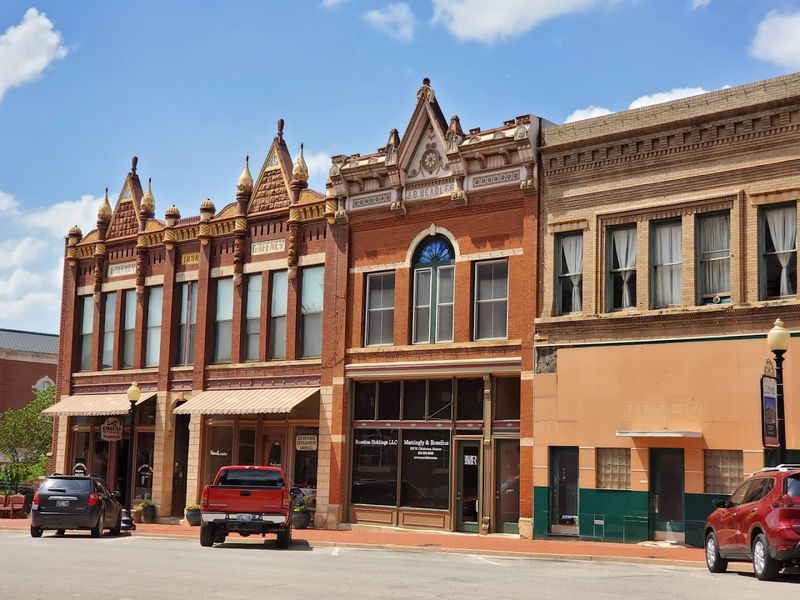
You know that feeling when the building matters almost as much as what is inside it? That is absolutely the case here, because the museum sits in the historic Gaffney Building at 214 W Oklahoma Avenue, Guthrie, OK 73044, and the setting gives the whole visit extra weight.
Before you even start studying the collections, the place itself is already doing part of the storytelling.
Guthrie has no shortage of history, but this particular storefront lands differently because it connects so directly to daily frontier life. A former drugstore building lets you picture the original rhythm of customers, clerks, conversations, and remedies moving through the room.
That kind of context changes everything, since the museum is not borrowing a mood from history, it is standing inside it.
I liked that the building never felt grand in a showy way, because frontier life was rarely polished and dramatic in the way movies like to pretend. It felt useful, sturdy, and rooted in the real Oklahoma story of settlement and adaptation.
When a museum already starts with a location this specific and believable, you walk in ready to trust what it is about to show you.
Bottles That Still Hold Medicine
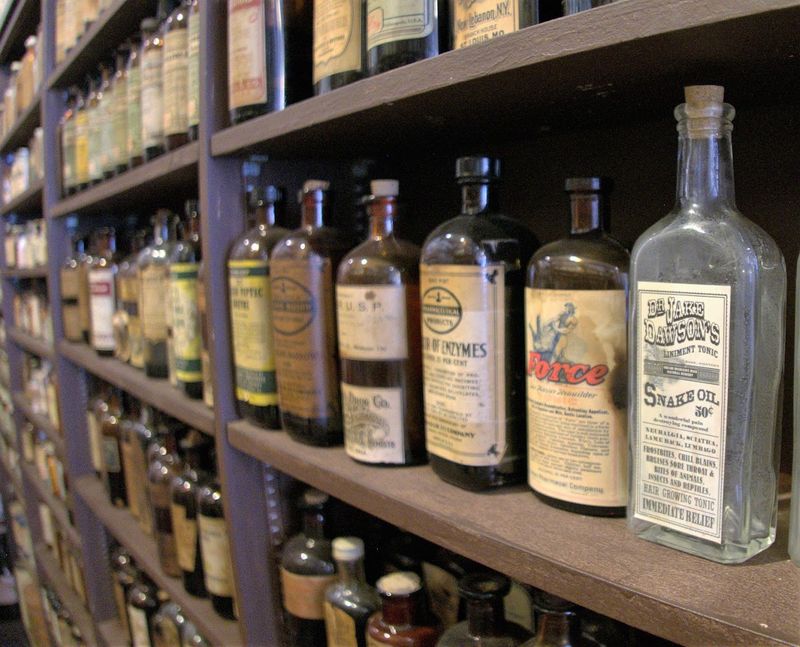
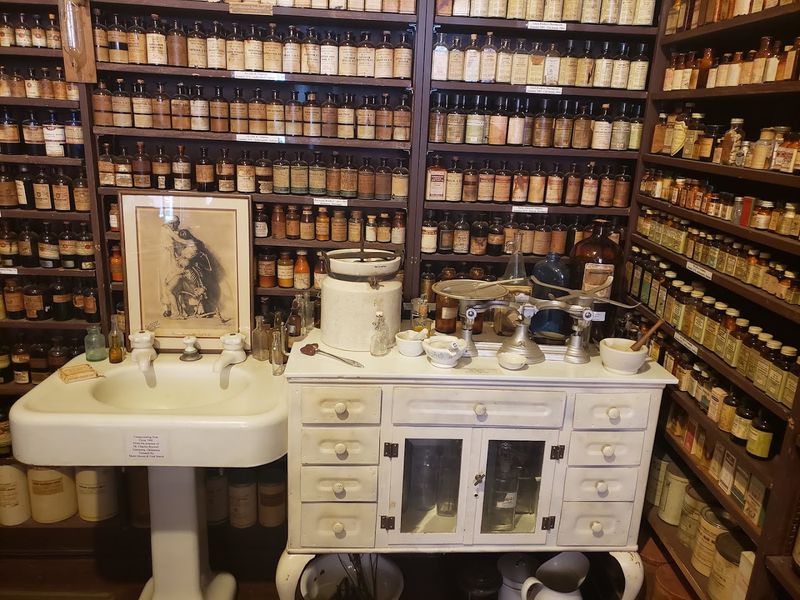
This is the part that really stopped me in my tracks, because many of the bottles still contain their original medicines. Looking at old containers is one thing, but realizing the contents are still there adds a completely different level of closeness.
You are suddenly not just reading labels from another era, you are staring at the material reality of it.
Some bottles look delicate and almost pretty, which makes the whole thing even stranger once you remember they once sat at the center of actual treatment. The faded labels, cloudy glass, and preserved contents make each shelf feel a little like a time capsule that never got emptied.
It is fascinating in a quiet way, and it pulls you in without needing a single dramatic gimmick.
I found myself wondering about the people who trusted these remedies, the pharmacists who measured them, and the families who took them home hoping for relief. That kind of connection is what lingers after you leave, because it turns history from abstract information into something personal.
In Oklahoma, where frontier stories can sometimes feel oversized, this detail makes the past feel small, intimate, and startlingly human.
A Real Look At Early Remedies
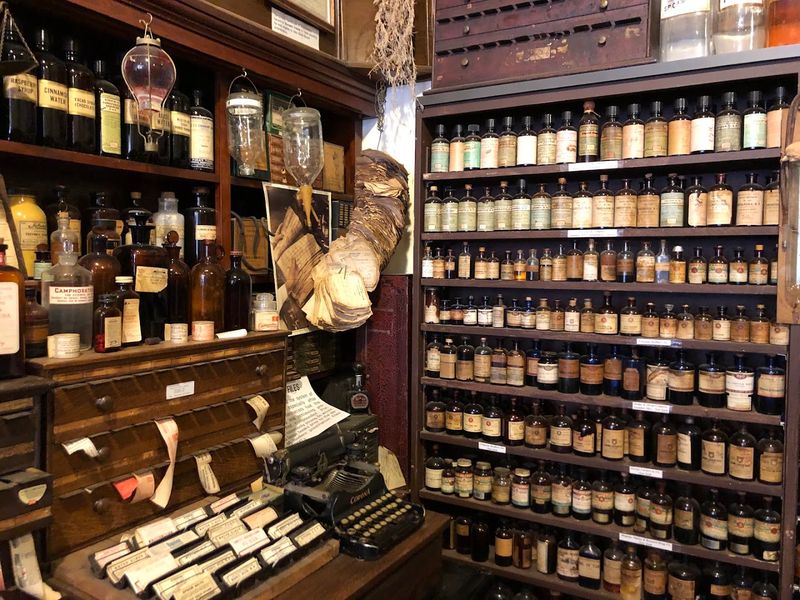
Honestly, this museum makes early medicine feel less romantic and much more real, which I appreciated. You see books, tools, and old remedies lined up in ways that show how people actually tried to solve pain, sickness, and everyday bodily trouble.
It is interesting, a little odd, and very grounding once you start imagining these methods as normal daily life.
There is something especially revealing about seeing so many cure-all style products gathered together in one place. From your modern perspective, some of it feels hopeful, some of it feels questionable, and a lot of it simply shows how much trial and error shaped health care.
That mix is what keeps the exhibits from feeling dusty, because they are really about uncertainty as much as treatment.
You do not need a medical background to get drawn in here, since the displays tell a bigger human story about fear, trust, and improvisation. People on the frontier worked with the knowledge they had, and this museum lets you sit with that reality instead of smoothing it over.
I left that section thinking less about nostalgia and more about how hard people worked to care for one another anyway.
The Dentist Room You Will Not Forget
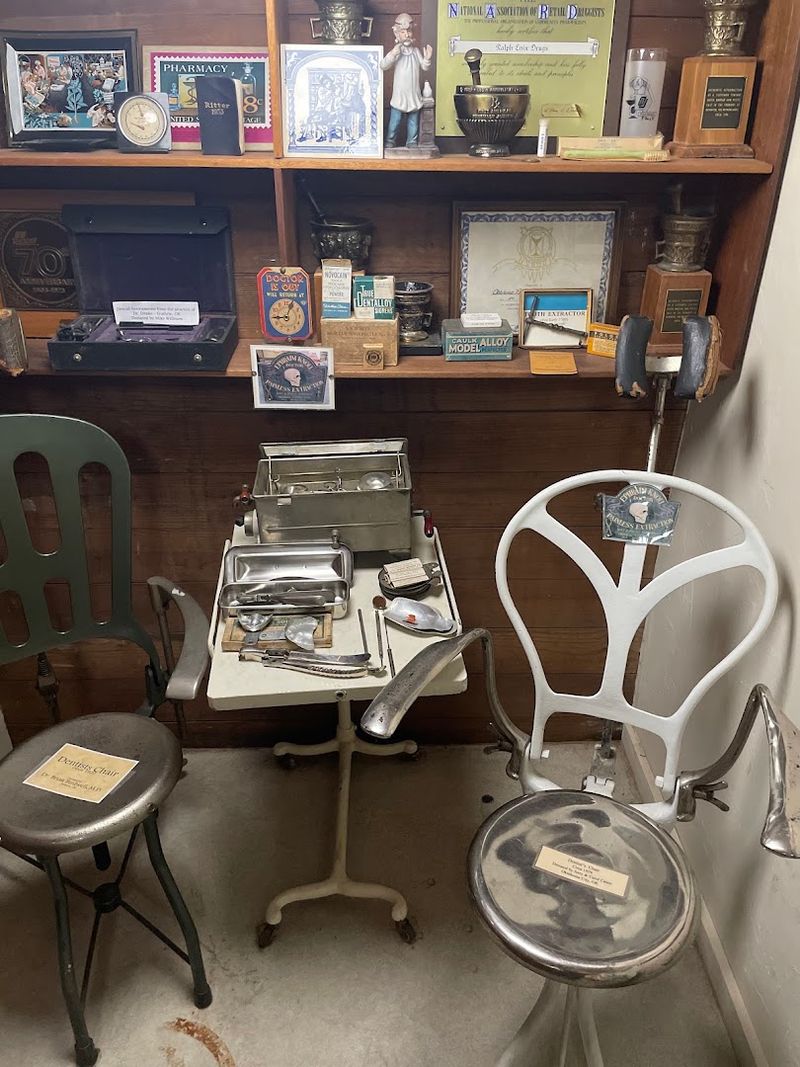
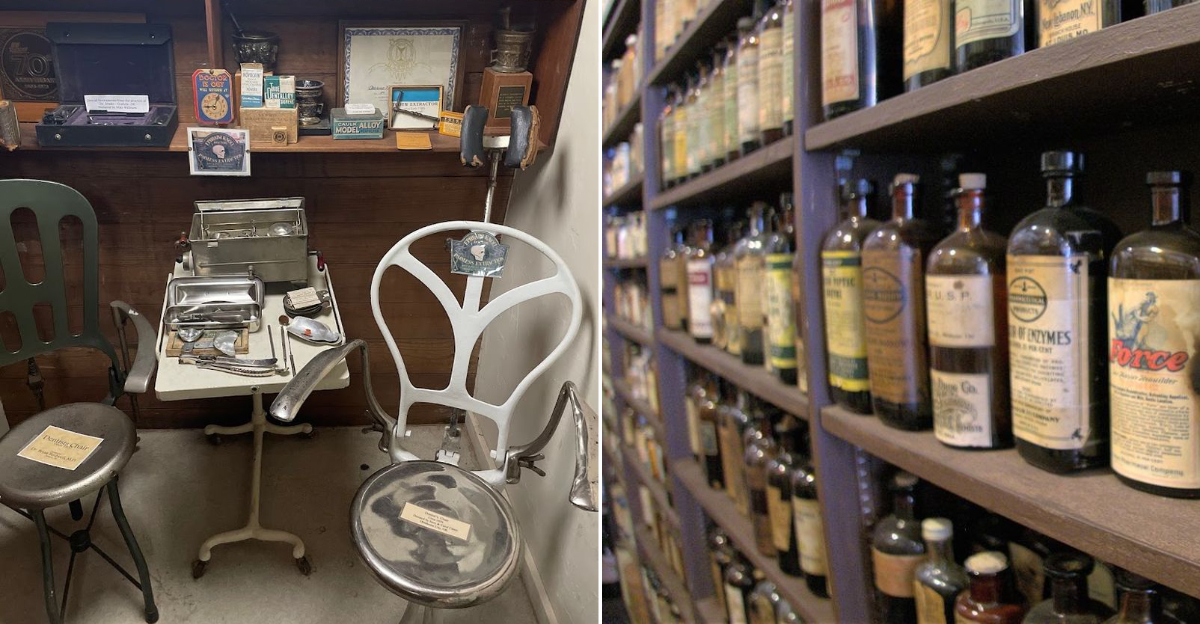
I was not expecting the old dentist setup to be one of the most memorable parts, but here we are. The room has that slightly uncanny energy old medical spaces sometimes carry, where everything looks careful and useful but also just foreign enough to make you straighten your shoulders.
Once you notice the chair and the tools, your imagination does the rest.
What makes it work is that the display does not lean into shock value, even though it easily could. Instead, it lets the equipment speak for itself, and that calm presentation somehow makes the contrast with modern dentistry even stronger.
You can picture the patience people must have needed, along with the trust required to sit down and let someone get to work.
I think this section sticks because it brings frontier health care out of the abstract and into the very personal territory of teeth, nerves, and plain old dread. Everybody understands that kind of vulnerability, even if the tools have changed completely.
By the time I moved on, I felt equal parts curious, grateful, and very aware that Oklahoma history is often told best through these intimate little jolts of recognition.
The Soda Fountain Side Of Things
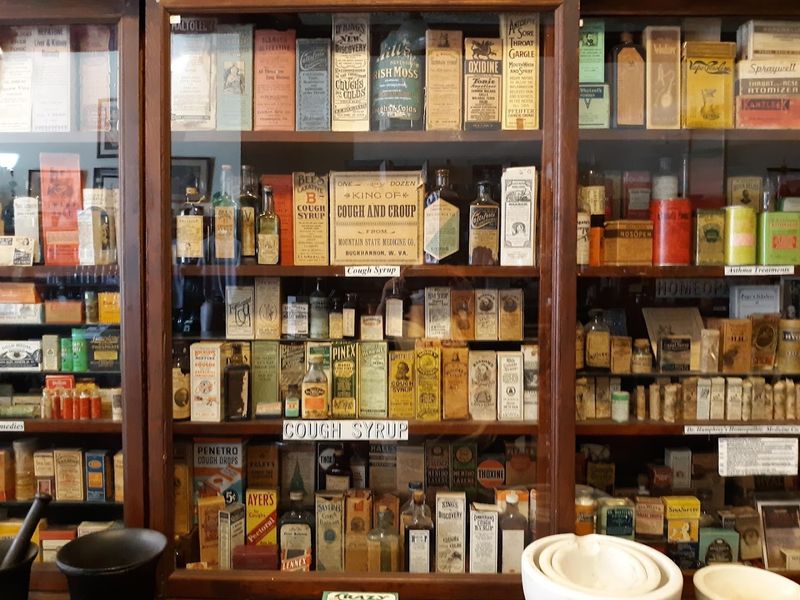
One thing I really liked is that the museum does not trap the old drugstore idea inside medicine alone. The soda fountain display reminds you that places like this were woven into everyday social life, not just illness and treatment.
That little shift matters, because it opens up the room and makes it feel lived in rather than narrowly clinical.
You can almost hear the casual conversations that would have filled a space like this, with people stopping in for a drink, a chat, or a bit of news. A frontier drugstore was often part pharmacy and part community living room, and this section makes that easy to picture.
It softens the more serious medical side without making the history feel cute or overly polished.
I always love when a museum remembers that ordinary routines are just as revealing as major events, and this is a great example of that. The soda fountain angle brings in youth, neighbors, errands, and social habits, which gives the whole visit better balance.
Instead of leaving with a one-note image of old medicine, you come away with a fuller sense of how a place like this fit into everyday Oklahoma life.
The Apothecary Garden Next Door
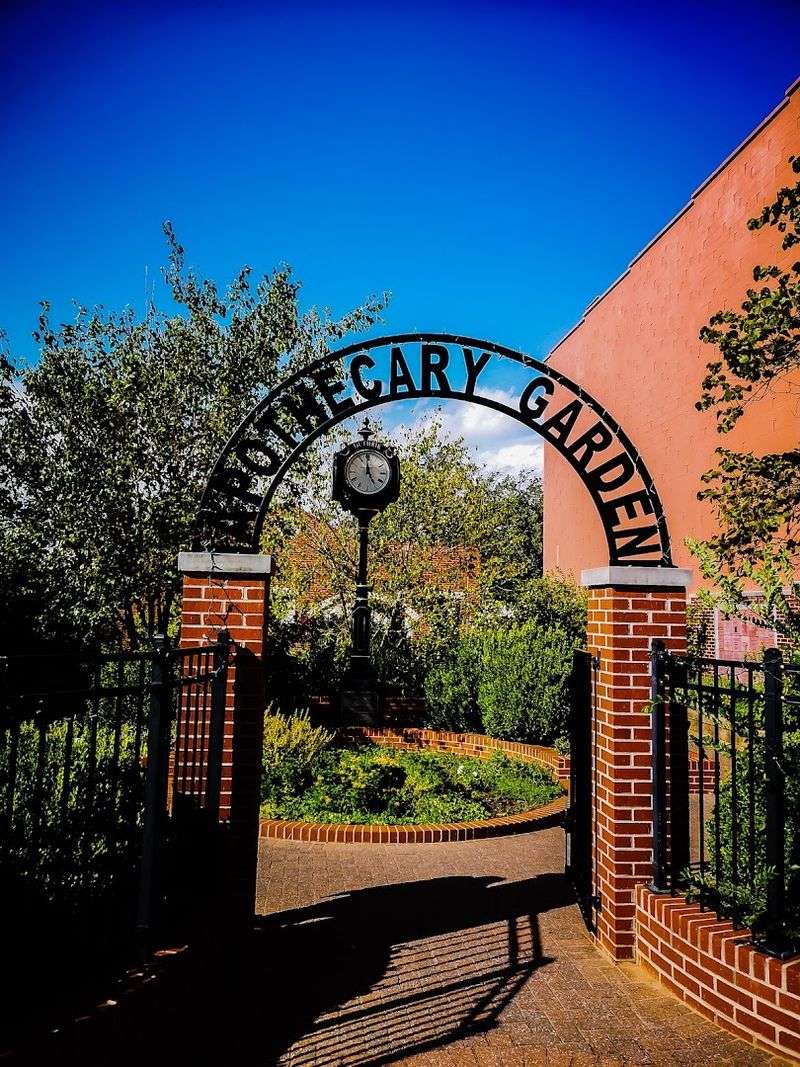
Then you step outside to the Apothecary Garden, and the whole story suddenly shifts from shelves to soil. I loved that move, because it reminds you that old remedies did not begin in bottles and drawers.
They started with plants, observation, and people paying close attention to what the land around them might offer.
The garden adds a slower, more grounded layer to the visit, especially after spending time with preserved medicines indoors. Seeing medicinal and botanical plants growing in the open air helps connect frontier pharmacy work to wider traditions used by settlers and Native communities.
It is one thing to read about herbal ingredients, and another thing entirely to stand beside the living source.
What stayed with me was how calm the garden felt without becoming separate from the museum itself. It works like a quiet second chapter, showing that health on the frontier was tied to landscape, season, and practical knowledge in ways we often forget.
If you are visiting Oklahoma and want a museum stop that does not end at the front door, this outdoor piece gives the whole experience a richer heartbeat.
Leech Jars And Other Curiosities
Some of the objects in here make you blink and lean closer, and the leech jars definitely fall into that category. They are the kind of artifact that instantly reminds you how different the logic of treatment once looked.
Even if you arrive knowing a little medical history, seeing these things in person lands with a different force.
What I liked is that the stranger items are not presented like carnival oddities meant to get a laugh. They sit alongside tinctures, tonics, and other everyday supplies, which helps you understand that these methods belonged to a real system people trusted.
That context matters, because it keeps the experience respectful while still letting you feel the genuine weirdness of it all.
This section is where curiosity takes over in the best possible way, and you start asking yourself what else people once considered sensible. Museums often lose me when they get too polished, but this collection keeps its edge because the artifacts are specific, practical, and occasionally surprising.
You leave feeling that frontier Oklahoma was not just hardy and heroic, but also experimental, improvisational, and full of solutions that now seem almost unbelievable.
