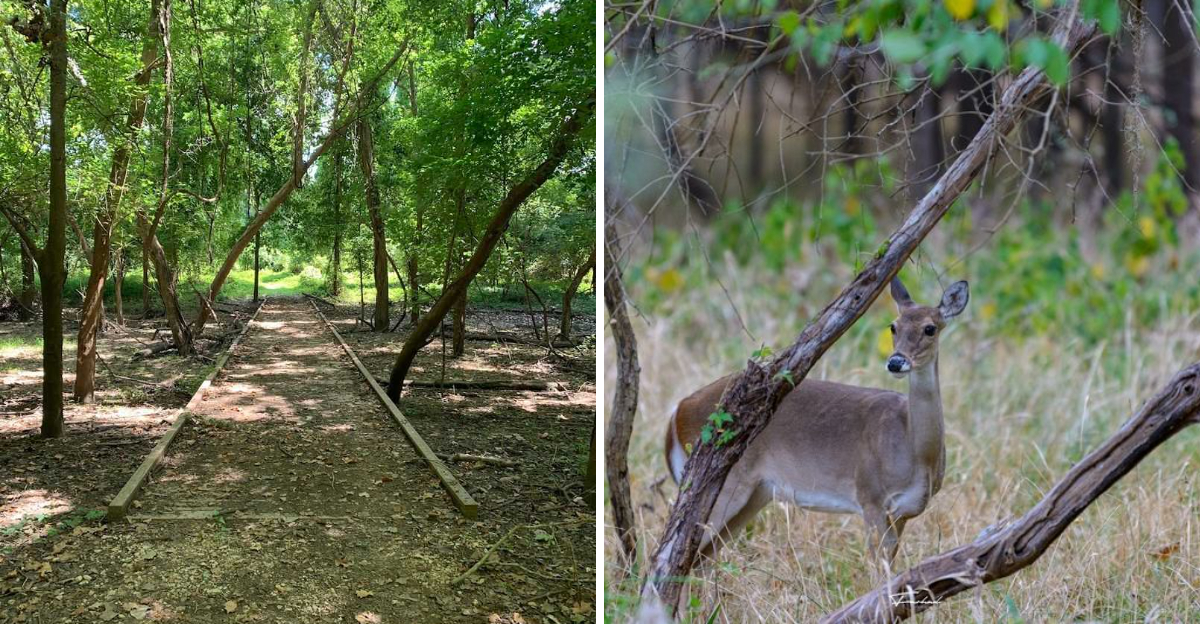
A campsite hidden away in the woods where the only sounds are birds and the rustle of leaves. That is what you will find here.
This Texas park is the kind of place where you can disconnect from the noise and reconnect with the quiet. The campsites are spread out, giving you space to breathe.
The trails wind through the trees, and the river is close enough to hear but far enough to feel private. It is not flashy or overcrowded.
It is just peaceful. You can sit around a fire, cook simple meals, and let the days slip by at a slower pace.
Perfect for solo travelers, couples, or families who want to escape the screens and schedules. A hidden gem that deserves more attention.
A Forest That Feels Like It Was Made for Slowing Down
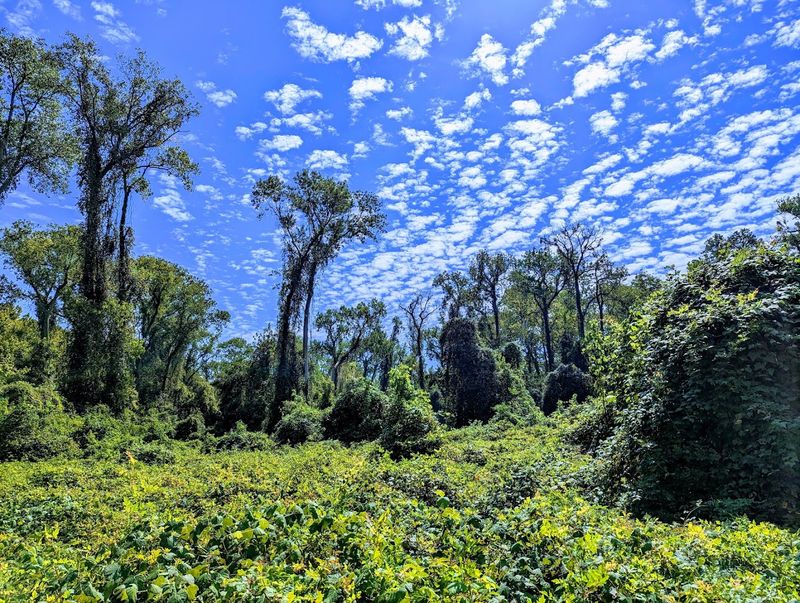
The moment you roll into the park, something shifts. The air feels heavier in the best way possible, thick with the scent of damp earth and tree bark, and the canopy overhead closes in like a natural roof.
It is quiet in a way that feels earned.
The park sits on 663.3 acres of mixed landscape, including bottomland forest and upland Post Oak Savanna. Towering pecan trees, American sycamores, eastern cottonwoods, and cedar elms form a dense, layered woodland that gives the whole place a sense of depth.
Beneath them, coralberry, dwarf palmetto, and American beautyberry fill in the understory with color and texture.
What makes this forest feel so restorative is how complete it is. There are no dramatic cliffs or sweeping vistas here.
The beauty is quieter, more intimate. You notice a patch of river oats catching the breeze, or the way light hits a roughleaf dogwood just before sunset.
The Brazos River runs along the park’s edge, adding a low, steady energy to the whole experience. You can hear it before you see it on some of the trails, and that sound alone has a calming effect that is hard to explain.
This is not a park that tries to impress you with spectacle. It earns your affection slowly, the way good places always do, through small details that accumulate into something genuinely memorable and deeply peaceful.
Camping Options That Suit Every Kind of Outdoor Personality
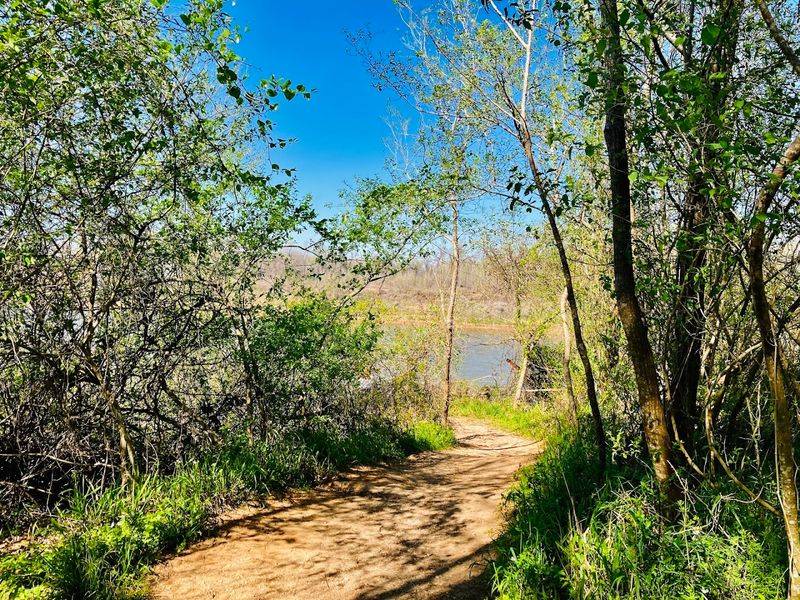
Not everyone wants the same camping experience, and this park seems to understand that. Whether you show up with a fully loaded RV, a pop-up camper, or nothing but a tent and a sleeping bag, there is a spot here that fits your style.
There are 38 full hookup sites offering water, sewer, and 30-amp electrical connections, which makes life noticeably easier if you are traveling with kids or prefer a few comforts.
Thirty-nine water-access tent sites offer a more traditional feel, nestled under the trees with a picnic table and fire ring at each one.
For those who really want to strip things back, primitive walk-in campsites are available too.
If sleeping in a tent is not your thing, screened shelters and a cabin provide a roof without sacrificing the outdoor atmosphere. Clean restrooms with showers are nearby, which is a detail that matters more than people admit when you are camping for multiple nights.
One thing worth knowing is that the campsites are not positioned directly on the riverbank. Some campers expect waterfront views, so it helps to go in with the right expectations.
What you do get instead is thick tree cover and genuine shade, which in a Texas summer is arguably more valuable. Pets are welcome at campsites as long as they stay leashed, making this a solid option for families who want to bring the whole crew along for the weekend.
Trails Through the Trees That Reward Every Pace
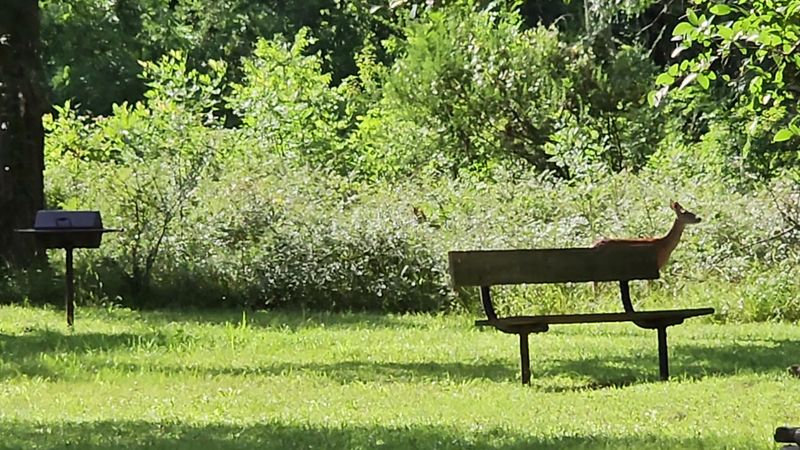
Five miles of trails might not sound like a lot, but the network here is thoughtfully laid out and genuinely enjoyable to explore. Each path has its own character, and you could spend a full day moving between them without feeling like you are covering the same ground twice.
Named trails include the Brazos Bottom Trail, Cottonwood Trail, Ironwood Trail, Barred Owl Trail, Pileated Trail, Copperhead Trail, Opossum Loop, and Sycamore Trail.
Most are rated easy to moderate, and several are wide enough to accommodate strollers, which makes them accessible for families with young children.
The short interpretive Nature Trail is a personal favorite for first-time visitors, featuring signs that identify native plants along the route.
The trails weave through upland swamps, dense forest, and sections that run close to the Brazos River, giving walkers a varied sensory experience throughout. Morning hours are especially rewarding.
The light comes in sideways through the trees, the birds are loudest, and the air still carries a coolness that disappears by midday in warmer months.
After heavy rain, some trails close due to muddy conditions, so checking with the park before heading out is always a good idea. Biking is permitted on several routes as well, adding another layer of activity for visitors who want a bit more momentum.
The trails here are not about challenge. They are about presence, and that is exactly what makes them worth every step.
Birdwatching That Will Genuinely Surprise You
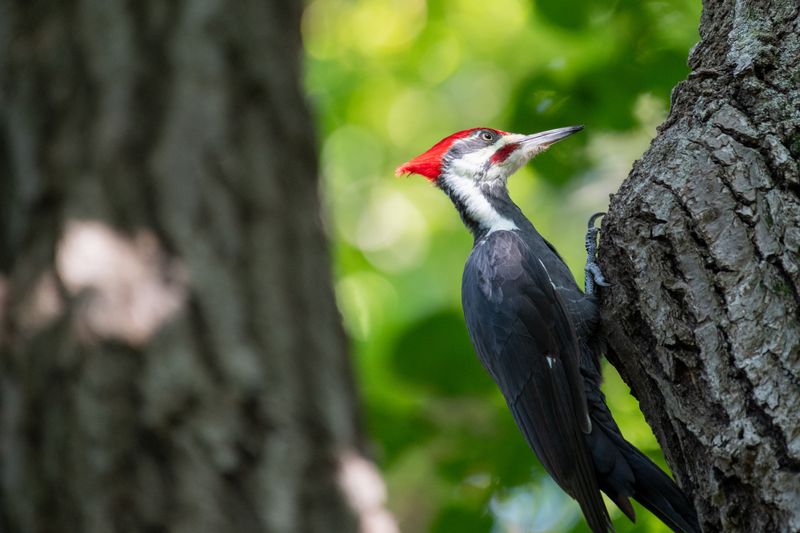
Birdwatchers tend to talk about this park in a slightly reverent tone, and once you spend a morning here with your eyes open, it is easy to understand why.
Over 100 to 150 bird species have been identified throughout the year, making it one of the more rewarding spots for birding in the greater Houston region.
Pileated woodpeckers are one of the standout sightings, large and striking with their red crests and loud, almost prehistoric calls. Barred owls are commonly heard after dark, their deep hooting carrying through the forest in a way that makes nighttime at camp feel genuinely atmospheric.
Other regulars include Mississippi kites, northern parulas, yellow-billed cuckoos, white-eyed vireos, red-shouldered hawks, and a rotating cast of warblers depending on the season.
The park falls within the Oak-Prairie Wildlife District, which contributes to the impressive species diversity. Spring and fall migrations bring even more variety, turning the forest canopy into a busy, colorful layover for birds passing through Texas.
You do not need to be an experienced birder to enjoy this. Even casual visitors tend to notice the activity overhead and find themselves pausing more often than expected.
Binoculars help, but honestly, just sitting quietly at your campsite for twenty minutes in the early morning will introduce you to more feathered neighbors than you might expect. The park has a way of making birdwatching feel accidental and effortless all at once.
Wildlife Encounters That Feel Wonderfully Unscripted
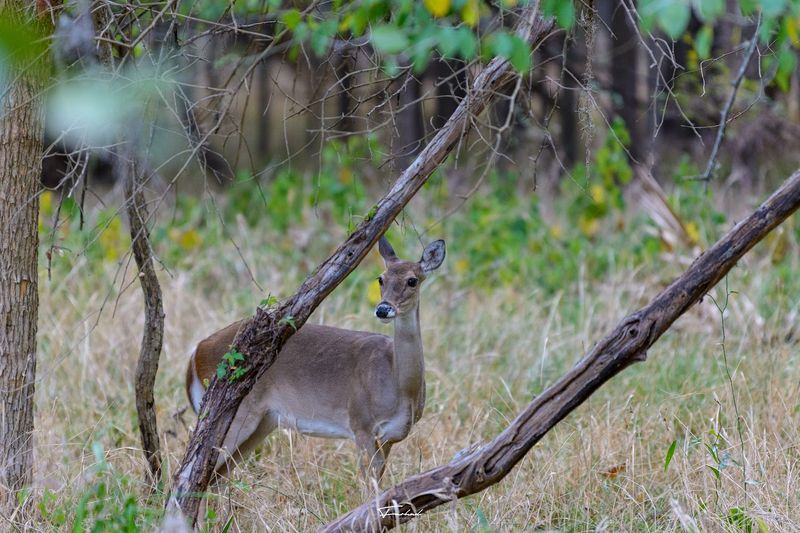
White-tailed deer are a common sight throughout the park, and they carry themselves with an ease that suggests they know they are not going anywhere.
Spotting one at dusk near the tree line, completely unbothered by your presence, is one of those small moments that reminds you why getting outside is worth the effort.
The mammal list here goes well beyond deer. Common raccoons, Virginia opossums, armadillos, swamp rabbits, eastern fox squirrels, and beavers all call the park home.
Bobcats are present too, though they tend to stay elusive. Knowing they are out there adds a quiet thrill to evening walks.
If your visit lands in May or early June, you may be treated to one of the park’s most magical natural displays. Fireflies emerge at dusk and light up the trees in slow, drifting pulses that feel almost impossible in their beauty.
It is the kind of thing that children remember for years, and honestly, adults do too.
The Brazos River ecosystem supports this rich wildlife variety by providing food, water, and shelter across multiple habitat types. The bottomland forest acts as a corridor for animals moving through the region, which keeps the park feeling alive and dynamic even on quiet weekdays.
Bringing a small journal to note what you see is something I genuinely recommend. The list grows faster than you expect, and by the end of a two-night stay, you will have a collection of small, real encounters that no highlight reel could replicate.
The History Woven Into Every Corner of This Land
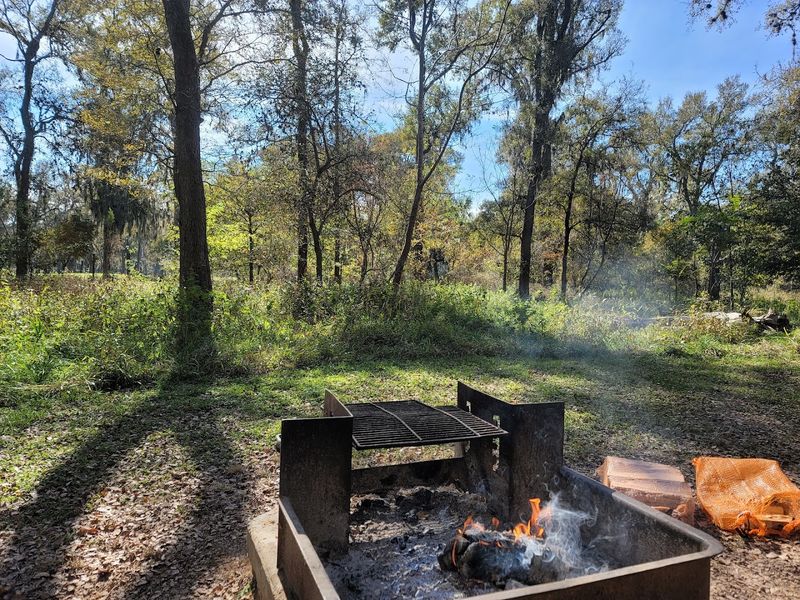
There is something quietly powerful about camping on land that carries this much history. Stephen F.
Austin, often called the Father of Texas, established San Felipe de Austin as the colonial capital in 1823, and this area became the social and political center for Anglo-American settlers through much of the following decade.
The Texas Rangers were founded here. The first Anglo newspaper in Texas, The Texas Gazette, launched in 1829 in this very town.
The Texas postal system also has its roots in San Felipe de Austin, which tells you just how central this place was to the formation of the state. In March 1836, the original town was deliberately burned to prevent it from falling into the hands of the advancing Mexican Army during the Texas Revolution.
Adjacent to the state park is the San Felipe de Austin State Historic Site, a separate but closely linked area where visitors can see a bronze statue of Stephen F. Austin, a replica of his original log cabin, and a museum dedicated to early Texas settler history.
The land that now makes up the state park was deeded to Texas in 1940 by the San Felipe de Austin Corporation.
Spending a night here with that context in mind changes the experience. The trees feel older, the river feels more deliberate, and the quiet takes on a different weight.
History does not announce itself loudly at this park, but it is present in every corner if you take a moment to look.
Activities That Keep Every Member of the Family Happily Busy
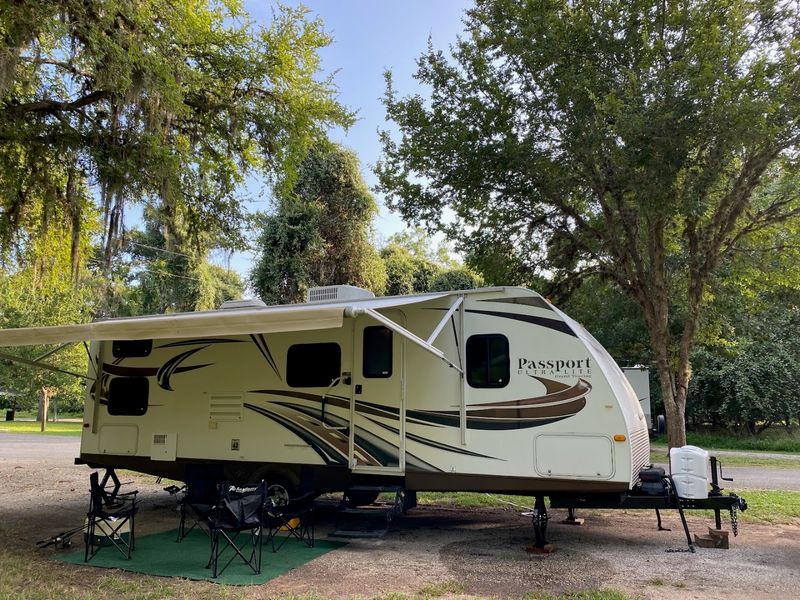
One of the best things about this park is how much it offers beyond just walking trails. The day-use area includes a playground, basketball court, volleyball court, and a horseshoe pit, which means younger visitors have plenty to do between trail walks and campfire meals.
Fishing along the Brazos River is a popular activity, and no fishing license is required within the park boundaries, which is a genuinely nice perk for families who want to try it without the extra planning. Paddling is another option for those who bring their own equipment.
The river moves at a relaxed pace that suits casual paddlers well.
Geocaching has become a favorite activity here for visitors who enjoy combining a light sense of adventure with outdoor exploration. Ranger-led programs run throughout the year and include night hikes, nature talks, and historical tours that add real depth to a visit.
A summer camp program for children aged 8 to 11 gives younger visitors an immersive nature experience, and the Junior Ranger program lets kids earn a badge by completing an activity journal.
A nature center on site provides educational exhibits about local wildlife and ecosystems, which works well as a rainy-day option or a quieter afternoon activity. For those who enjoy golf, an 18-hole public course sits adjacent to the park.
The variety here is genuinely impressive for a park of this size, and it makes longer stays feel full and rewarding rather than repetitive or slow.
The Best Seasons to Visit and What to Expect Each Time
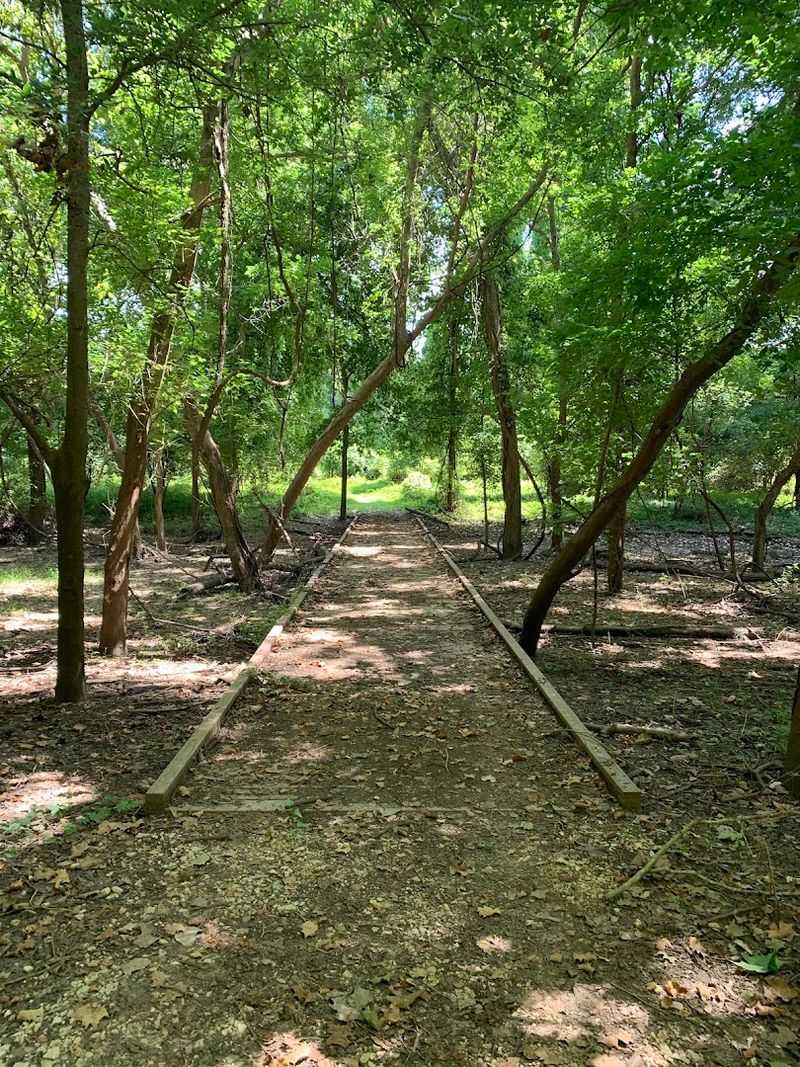
Spring is widely considered the finest time to visit this park, and the reasons stack up quickly. Temperatures sit in a comfortable range, humidity is lower than it will be by summer, and the forest fills with color as wildflowers push through the undergrowth.
Migratory birds are passing through in large numbers, which makes the trails feel especially lively.
Fall runs a close second. The heat breaks, the insects thin out, and the hardwood trees begin their slow shift toward autumn color.
Weekend mornings in October have a particular quality here, cool and still, with the smell of fallen leaves mixing with campfire smoke from neighboring sites. It is one of those combinations that is hard to beat.
Summer brings heat and humidity, as it does everywhere in Texas. That said, the thick canopy provides meaningful shade throughout the park, and evenings cool down enough to make campfire time genuinely pleasant.
Early mornings in summer are also surprisingly comfortable, with a freshness that burns off by mid-morning.
Winter visits are quieter and often underrated. The crowds thin out considerably, wildlife is still active, and the bare trees open up sight lines through the forest that are not possible in leafier months.
Each season offers something distinct, which is part of what makes this park worth returning to more than once. Planning around your preferred weather and activity level will make a real difference in how the trip feels from start to finish.
Why This Park Earns the Title of Hidden Gem Without Trying
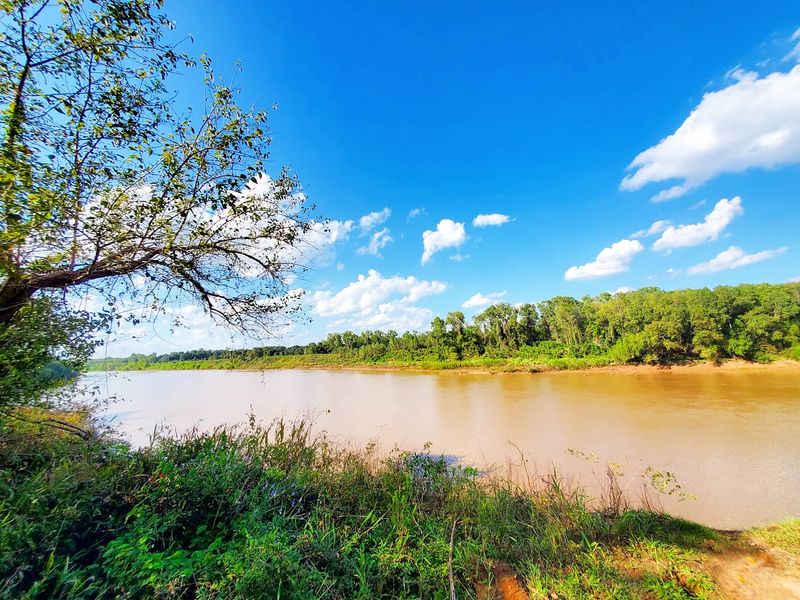
Less than an hour from the edge of Houston, this park manages to feel genuinely removed from everything. That combination is rarer than it sounds.
Most places within easy driving distance of a major city carry the energy of that city with them, but Stephen F. Austin State Park does not.
It has its own rhythm, and it is slow.
The park opened to the public in 1940 and has never tried to be something flashy or overly curated. There are no elaborate visitor centers or Instagram-optimized viewpoints.
What it offers instead is real forest, real wildlife, real quiet, and a river that has been moving through this land long before any of us arrived.
Part of what makes it feel hidden is the approach. Park Rd 38 winds through the kind of landscape that does not advertise itself.
You almost have to know it is there. And once you do know, it becomes one of those places you find yourself recommending to people who are tired of crowded, overhyped destinations.
The sense of seclusion here is genuine. Evenings at the campsite feel miles away from the nearest traffic light, even though the highway is not far.
Mornings arrive slowly, with birdsong before alarm clocks and light that filters through the trees rather than bouncing off glass and concrete. For anyone who has been running too fast for too long, this park has a quiet, persistent way of slowing everything back down to the right pace.
Address: Park Rd 38, San Felipe, TX 77473
