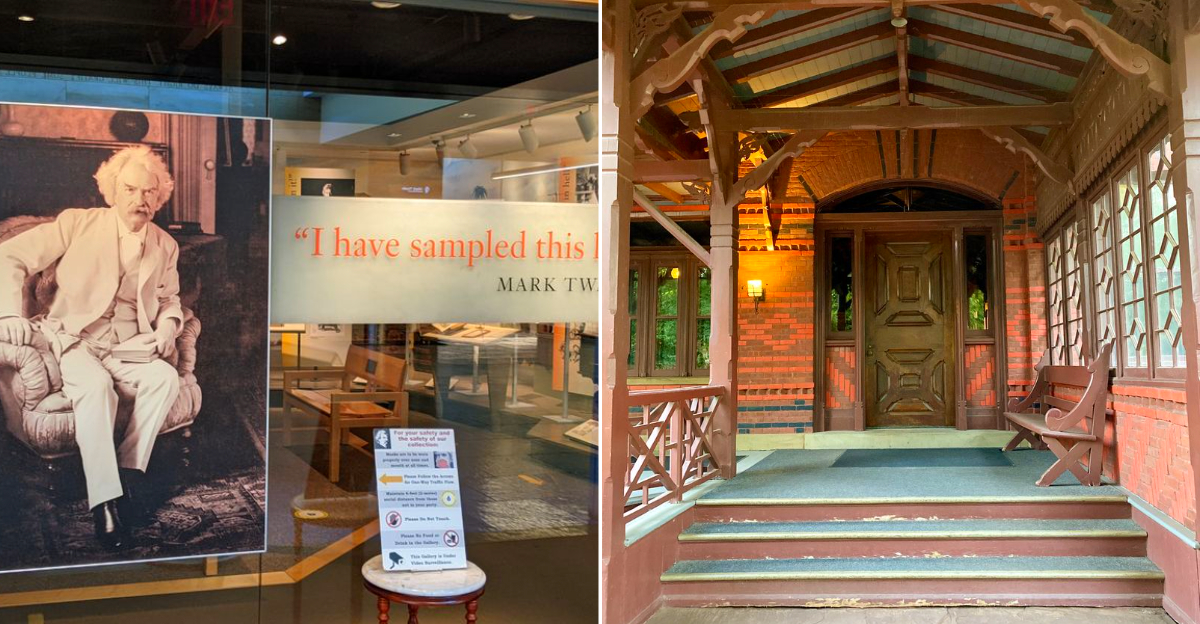
You know that feeling when a place holds a secret and it changes how you see everything else around it?
That is the third floor of the Mark Twain House in Hartford, Connecticut, and the story is wild in the most human way.
Twain carved out a level of his own and told his family to keep out so he could think, write, and knock balls across green felt without interruption.
If you are up for a road trip, this is the stop that turns a regular day into a story you will tell later.
A House Built For A Big Life
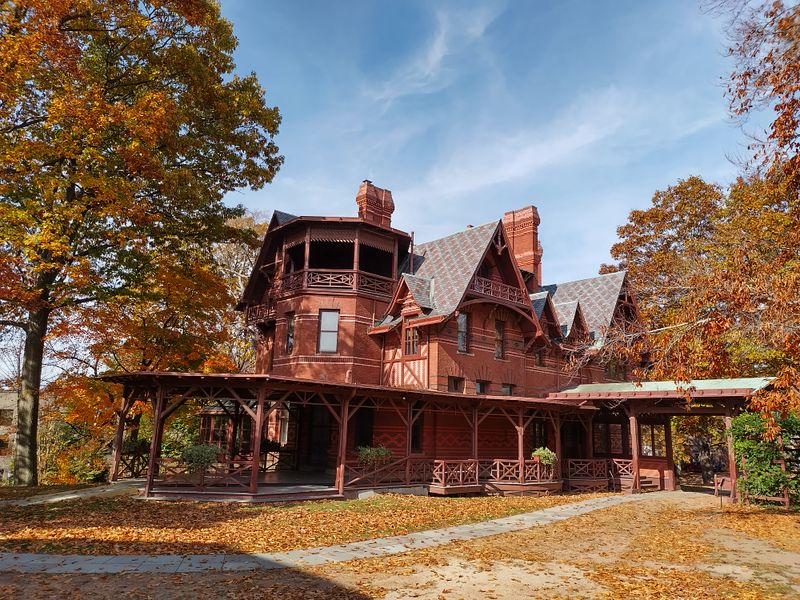
Start here and breathe in the drama of the place before we even talk about the third floor.
The Mark Twain House sits at 351 Farmington Ave, Hartford, CT, and it feels like it grew out of the neighborhood on purpose.
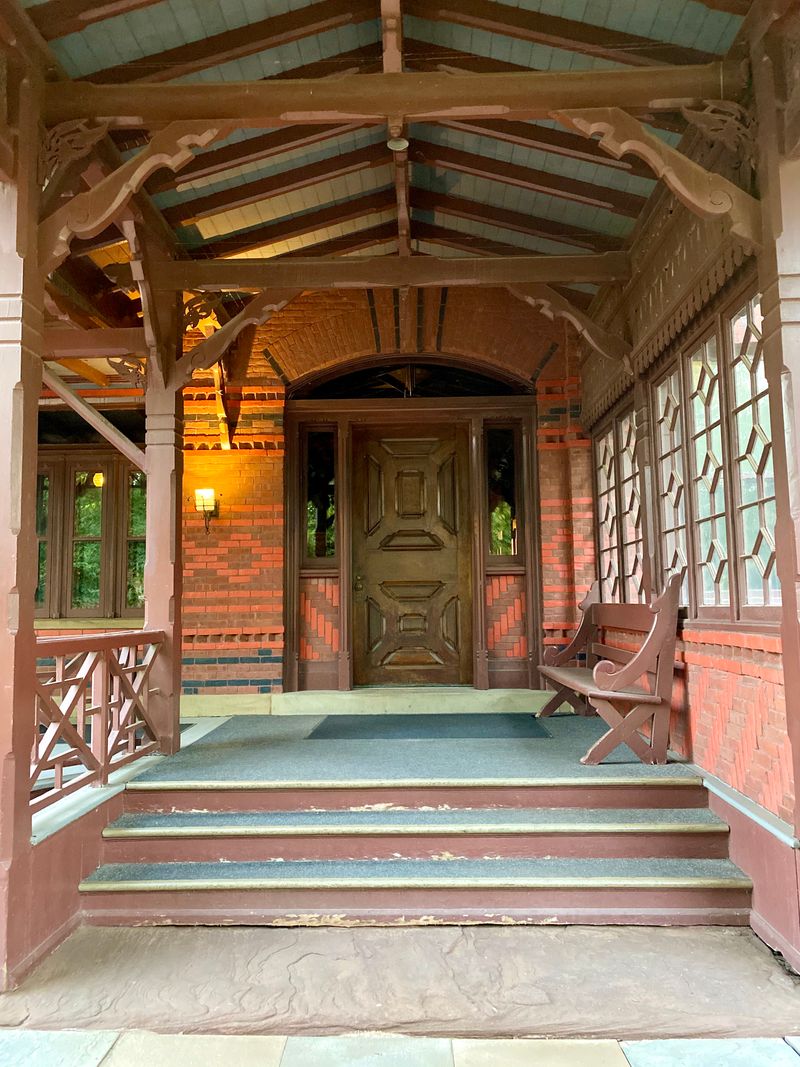
Brick, arches, and carved wood send up a quiet hello from another time.
Walk into the entry and you catch those deep colors and moody patterns that make everything feel intentional.
The stairway is the spine of the whole story, pulling you toward the private levels where the rules once got serious.
You can hear your footsteps and imagine his.
I like how the light leans across the banisters in the late afternoon.
It slows you down, which is exactly what a good house should do.
Connecticut shows up in the details, too, because these materials feel local and sturdy.
Nothing here reads as small.
The rooms stretch out with that lived in confidence that says a family filled them, even when one floor stayed quiet on purpose.
It is a real address with real echoes.
Stand by a window and picture snow outside and writing happening upstairs with the door closed.
That is the tension that makes the whole visit fun.
You are always aware that a boundary once mattered here.
The Floor That Became Twain’s Escape
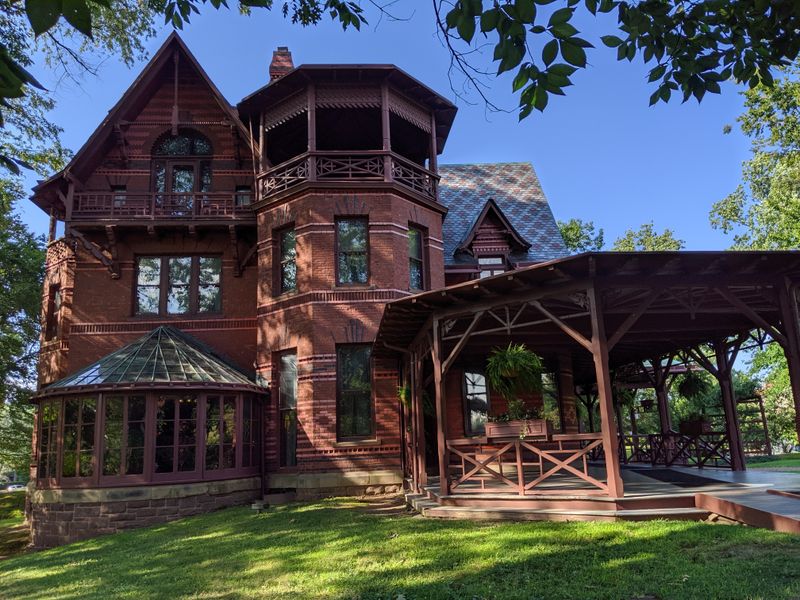
So here is the headline detail you came for.
The third floor at 351 Farmington Ave, was his sanctuary and his rule was simple.
Family stayed downstairs and the quiet stayed up.
Picture the landing up top like a small country where the clocks ran on his schedule.
A desk sits by a window and a billiard table owns the middle like a stage.
You can almost hear chalk on cue and a sentence falling into place.
He used the climb as a reset.
That walk up the stairs meant the brain switched modes from family life to work life.
You feel the shift even now when the guide pauses before that final step.
Connecticut has plenty of old houses, but this one carries a different charge because of that boundary.
It feels honest about what creative focus costs.
Nothing cruel about it, just a protective bubble.
Standing there today, you are part guest and part time traveler.
The space is open, but the vibe is still guarded in the best way.
You look around and lower your voice without thinking.
Why The Family Was Not Allowed Upstairs
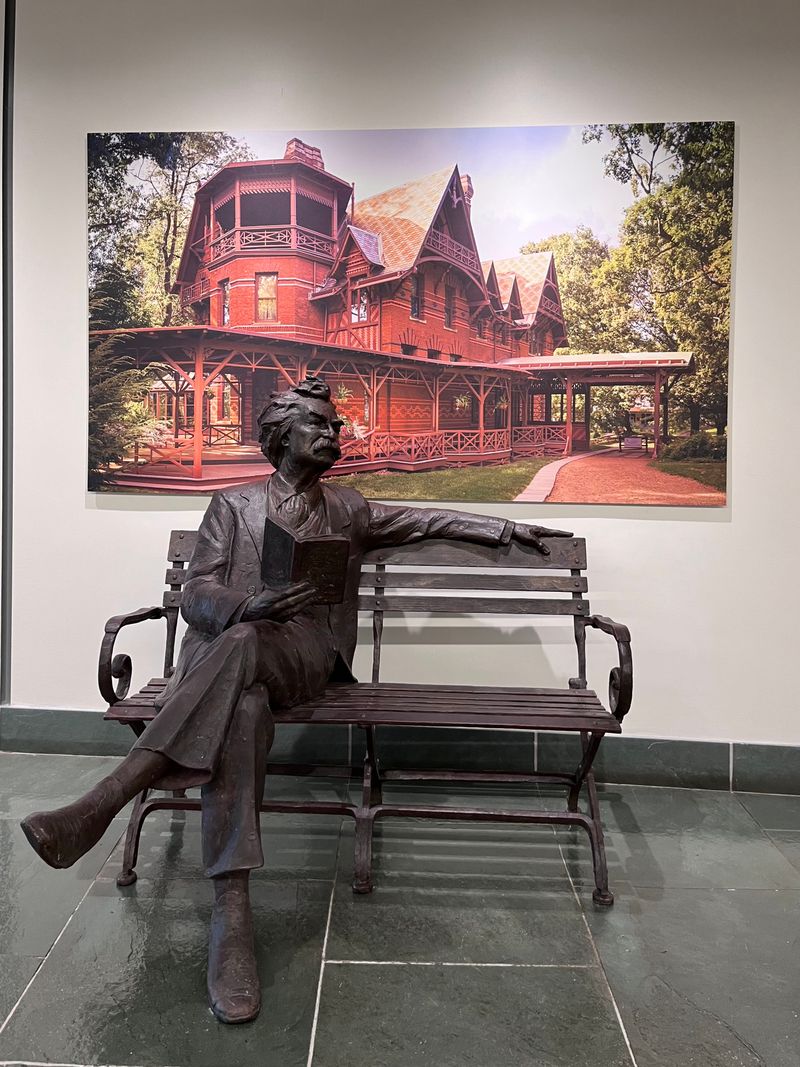
This is the part that makes the house feel personal instead of just historic.
He needed a place where thoughts could roll without a knock at the wrong moment.
That third floor was the answer.
Think about how family noise carries through old wood.
A laugh or a question can yank a fragile idea off the page.
He set a boundary so the work could unfold without constant repair.
You and I both know that focus is a moving target.
Upstairs, he moved the target closer.
The desk, the quiet, the rhythm of the billiard table, all of it kept him in the zone.
Guides explain it with calm respect.
They do not dress it up or make it too grand.
It was practical and it worked.
Connecticut days can be soft and gray, and that is great writing weather.
He leaned into it up there with the door closed.
The family honored the rule and life stayed smoother for everyone.
A Space Designed For Writing And Noise

It sounds funny, but the noise upstairs was his noise.
The clack of billiard balls.
The soft shuffle of paper and the squeak of a chair turning toward the window.
The room did double duty in a way that feels smart.
When a sentence stalled, he played a quick rack and let the subconscious handle the knot.
Then the words followed.
Look closely and you notice how the furniture clusters near light.
A desk here, a lamp there, and clear walking lanes between them.
It is not random, it is flow.
Stand in that space and you can map his circuit.
Table to desk, desk to shelf, shelf to table again.
The loop carries a rhythm that still lingers.
Connecticut houses sometimes tuck surprises into dormers.
This floor uses the angles like acoustic panels.
The corners drink sound and give back focus.
The Billiard Room That Doubled As An Office

You know how a good workspace lets you move? This room nails it.
The table in the middle is both playground and metronome.
He kept notes nearby so a line could jump from mind to page without losing steam.
The cues leaned like tall pencils waiting their turn.
Lamps pulled a pool of light over everything important.
Even now, the air feels busy, but not rushed.
You can imagine a draft spreading out and shrinking back in as edits land.
It is a kind of working weather.
The room sits under that safe canopy of the third floor.
It feels honest about its purpose.
Play here to think better, then write while the mind hums.
Connecticut shows up again in the sturdy wood and the quiet outside the windows.
Nothing flashy, just steady. That steadiness is why the rule held.
How The Rule Shaped Daily Life

Imagine breakfast chatter downstairs and calm upstairs, separated by a single flight.
That is how the day balanced.
The third floor stayed clear so the writing engine could run.
It gave the house a rhythm.
Family life had a wide stage on the lower levels.
Work had a quiet stage above, and the two did not fight.
Rules like that sound strict until you see the payoff.
Less friction.
More finished pages and a happier household.
If you walk the hallway at 351 Farmington Ave, Hartford, you can feel the routine baked into the boards.
Steps slow near the top as if remembering.
There is respect in that pause.
Connecticut families get that push and pull between home and work.
This rule was a simple tool to keep them from colliding.
It kept the house kind.
What Visitors Can See Today
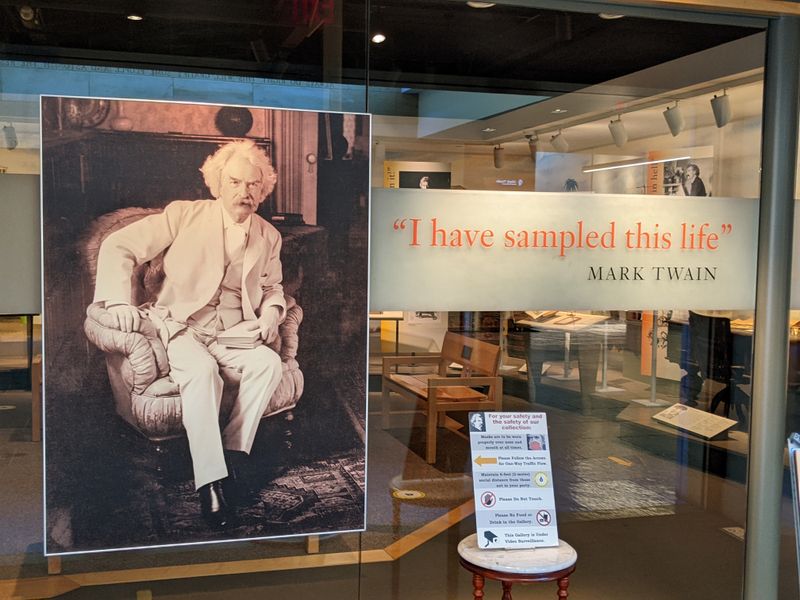
If you join a tour, you get the story straight and you get the rooms that carry it.
Guides bring you to the threshold of that once private level.
You will notice how your voice drops without anyone asking.
The preserved details do the heavy lifting.
Woodwork, lamps, and patterns line up to tell you this place means it.
Photos online from Hartford match what you see with your own eyes.
At 351 Farmington Ave, the flow is clear and comfortable.
You move through spaces that feel lived in instead of staged.
That makes the whole thing land.
Connecticut visitors love the way the interior photography covers every angle.
It helps plan the visit, sure, but it also sets the mood.
You arrive already tuned to the house.
Expect a calm pace with time to look.
Expect a sense that the third floor still watches over itself.
You step out feeling like you met the rooms on their terms.
Why The Third Floor Feels Personal
Here is the thing that sticks after you leave.
That third floor feels like the inside of a thought.
Private, shaped, and gently guarded.
The banister is smooth from use and the corners hold stories without saying them out loud.
You feel the human scale.
Not legend, just a person trying to make good work.
When you stand by the desk, you see how the window frames a small slice of sky.
Enough to breathe, not enough to drift away.
That is a choice that says a lot.
The address grounds it.
351 Farmington Ave, Hartford is not a myth.
It is a real street in a real state where a real household worked out a plan.
Connecticut has a steady heartbeat and this floor matches it.
Quiet when it needs to be.
Strong enough to hold a promise for years without fuss.
Dear Reader: This page may contain affiliate links which may earn a commission if you click through and make a purchase. Our independent journalism is not influenced by any advertiser or commercial initiative unless it is clearly marked as sponsored content. As travel products change, please be sure to reconfirm all details and stay up to date with current events to ensure a safe and successful trip.
