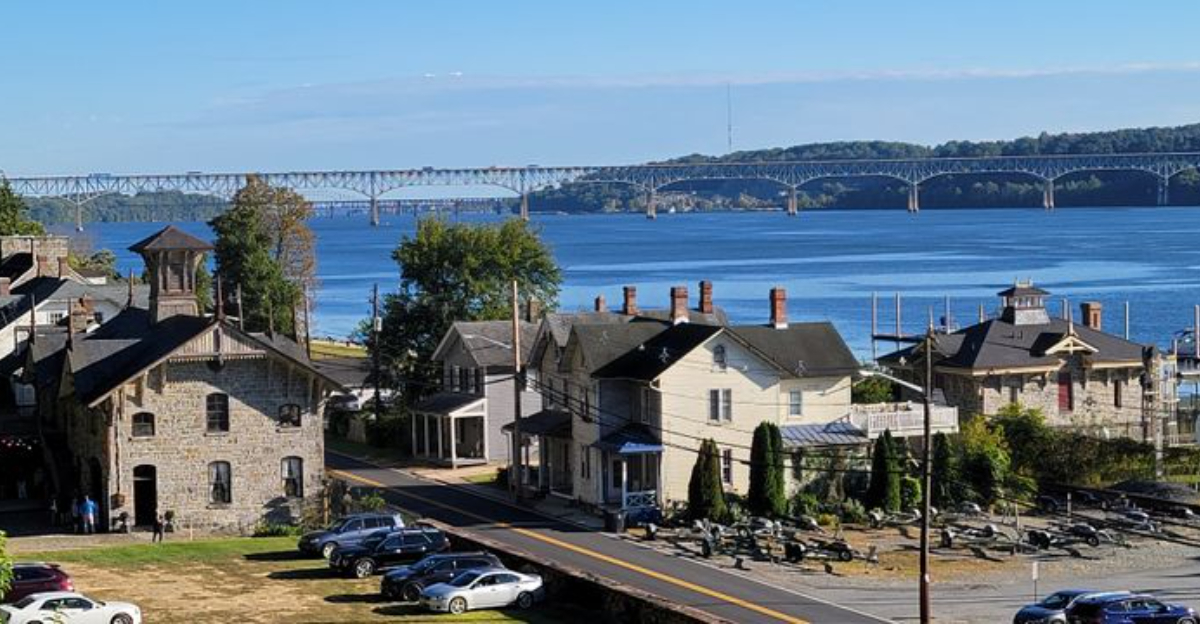
You might picture resort crowds when you think of the Chesapeake, but Maryland still shelters harbors where the work never stopped. Nets dry on rails, diesel hums at dawn, and the docks smell like brine and oak. These towns move to the tide, not the tourist calendar. Come ready to watch, listen, and respect the rhythm that keeps the Bay alive.
1. Crisfield
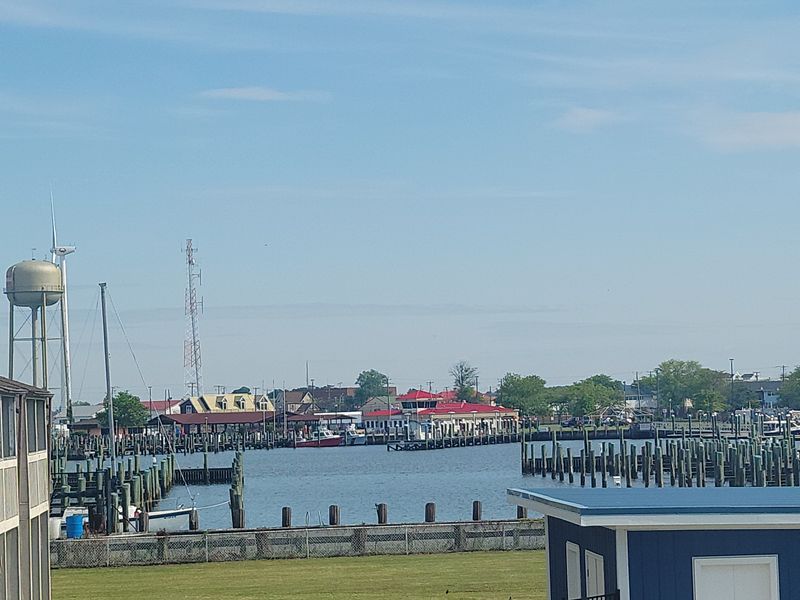
Crisfield keeps working long before sunrise, and you feel it the moment boots hit the boards at Somers Cove Marina, 715 Broadway, Crisfield, Maryland.
Skippers shuffle ice, bait slides into baskets, and gulls trace circles over the slips like patient spotters waiting for motion.
There is pride in the steady rhythm, a pace that sets visitors into quiet observation rather than spectacle.
Walk the City Dock along West Main Street and you will see bushel baskets stacked neatly, ropes combed straight, and the water ruffled by incoming skiffs.
Locals talk weather first, then tides, then what the crabs did yesterday, and every word lands with the certainty of practice.
The town is Maryland through and through, built on Chesapeake water and stubborn optimism.
Neighborhood streets lead straight to the harbor, which feels like the front porch of the community, open to anyone who shows respect.
Charter trips leave unobtrusively, while packing houses clink with the steady sound of work, not show.
You can watch the lift of the drawbridge and the steady slip of boats returning with oysters, then step back to let crews pass.
If you want a vantage point, the public areas around the marina offer wide views without getting in the way.
When the light turns amber, the bay looks like hammered copper, and the town exhales into a calm that is earned.
Leave with a slower heartbeat, and a clearer sense of how Maryland still feeds its people from the water.
2. Rock Hall
Rock Hall meets you at the water’s edge with an easy confidence, centered on Rock Hall Harbor, 21095 Bayside Avenue, Rock Hall, Maryland.
The docks hold deadrises and skiffs that come and go with the pulse of the Bay, carrying the day’s effort instead of fanfare.
Locals call it the Pearl of the Chesapeake, but the shine here comes from grit and careful seamanship.
Walk the waterfront and you hear cleats creak, halyards tap, and radios murmur short updates that only make sense to crews.
The channel feels close, a living corridor where workboats slide past calmly, bows low and decks tidy.
This is Maryland waterman culture in daily motion, not a staged moment or a souvenir stand.
Benches along the marina give you a respectful perch, and the view stretches across Swan Creek to marsh and sky.
Early evenings bring a hush, just soft hammering from a shed and the ripple of fish near the breakwater.
Throughout town, side streets funnel you back to the slips, as if the harbor were both compass and heartbeat.
You can watch offloading from a distance, and learn more by listening than asking, since routine rules the dock.
Tide charts matter more than calendars, and the place moves accordingly, steady and sure.
Leave with the sound of water under planks, and a sense that Maryland keeps its promises when boats come home heavy.
3. Tilghman Island
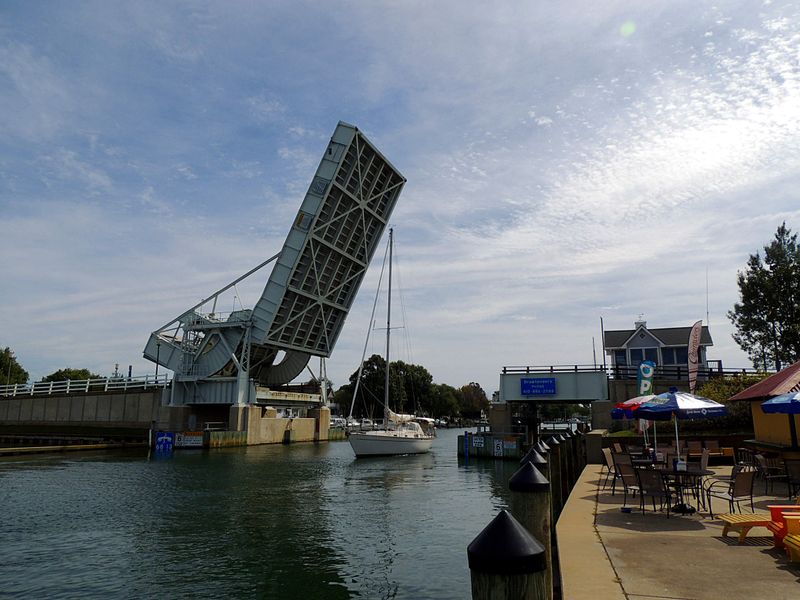
Tilghman Island rests across Knapps Narrows with its drawbridge lifting like a practiced nod, centered near 6031 Tilghman Island Road, Tilghman, Maryland.
Boats slip through with quiet authority, hulls worn by weather and honest miles, and no one wastes words about it.
The island breathes with the tide, and that rhythm sets the schedule for everyone paying attention.
Along the working yards, props lean against sheds and nets hang to dry in neat drapes that prove care before speed.
You will notice few distractions, only water and tasks arranged like a checklist anchored by the Bay.
This is Maryland’s maritime backbone, steady, calm, and focused on tomorrow’s run.
Walk the narrow roads and you reach water in minutes, always a view of pilings and herons at the edges.
The docks along Knapps Narrows pair utility with beauty, a mix that looks simple until you watch the technique up close.
Conversations run short and useful, with nods that carry more meaning than long explanations.
Visitors do best by staying clear of forklifts and keeping to marked public areas while observing the workflow.
The evening light lays silver on the channel, and the bridge opens again like a measured breath.
Leave with the hum of small diesels in your head, and an appreciation for how Maryland islands keep to honest work.
4. Hoopers Island
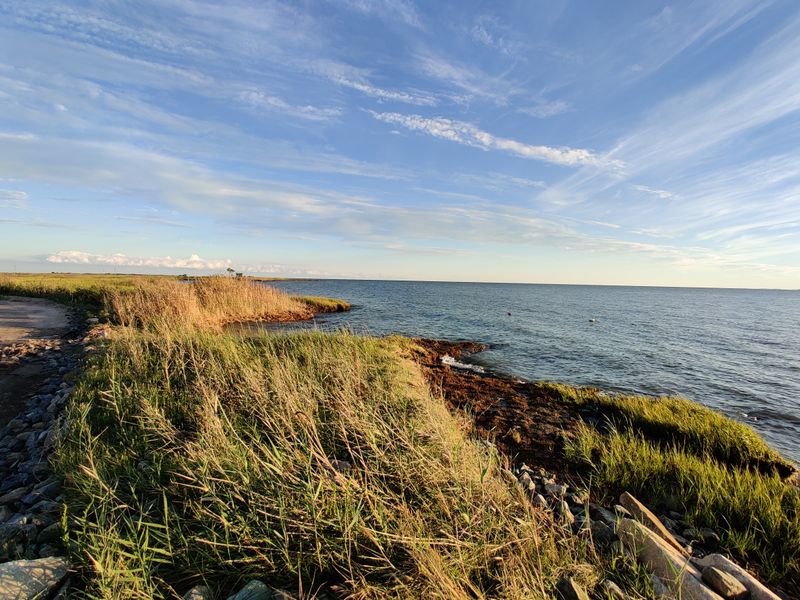
Hoopers Island stretches like a thin ribbon through the Bay, threading together Upper, Middle, and Lower islands along Hoopers Island Road, Fishing Creek, Maryland.
Shanties sit on pilings over glassy water, and oyster cages line the docks in rows that look almost sculptural.
The view is open sky, long flats, and workboats heading toward the Honga River without fanfare.
Processing houses hum at a steady clip, and the rhythm builds from loading, sorting, and stacking with practiced hands.
Every building faces the water as if it were a street, which in this place it truly is.
Maryland feels big out here, a horizon that keeps you humble and focused.
Pull off at public pullovers for broad views, giving wide berth to trucks backing toward skiffs with ice and gear.
The chain feels remote but not removed, connected by work that runs year round and through all weather.
On calm days the water turns to polished slate, and you can hear distant engines like slow thunder.
Names on hulls repeat across families, evidence of a craft passed down with patience.
As evening settles, lights wink on over sheds and the islands feel like small towns stitched by water roads.
You leave understanding how Maryland’s seafood story is still written daily on these narrow strips of land.
5. Cambridge
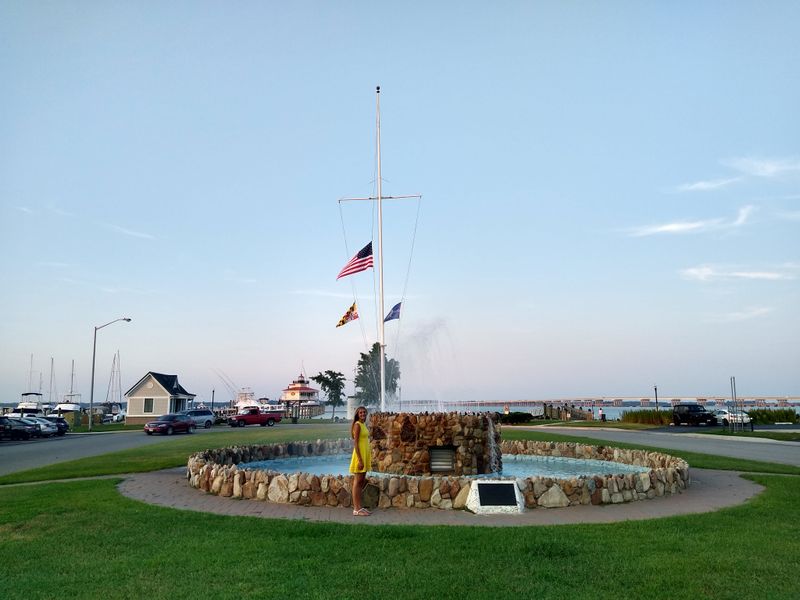
Cambridge stands at the mouth of Cambridge Creek with an industrial calm, centered near Long Wharf Park, 2 Yacht Club Drive, Cambridge, Maryland.
The harbor carries tugs, crabbers, and visiting research vessels, a mix that shows how commerce and culture meet on the water.
You can feel the history in brick warehouses and bulkheads that bear the marks of many seasons.
Boats nose into slips with quiet precision, and forklifts move crates along planks polished by years of use.
There is a boardwalk view for the public, and the working edges remain clearly signed to keep operations moving.
Maryland’s second city of the Bay builds its day around the tide and the wind, not a calendar of events.
Walk to the lighthouse replica for a wide angle of the creek, then trace the shoreline back past sheds and rigging.
Conversations on the docks are short, practical, and kind, the language of crews that know each other well.
Rest on a bench and watch the slow choreography of offloading, rinsing, and packing.
The river mouth opens to expansive water that stays beautiful without trying, which feels right here.
Evenings turn the surface bronze, and gulls ride thermals above the channel markers like watchkeepers.
You leave with a sense that Maryland balances work and welcome, and the scales still favor the harbor.
6. Deale
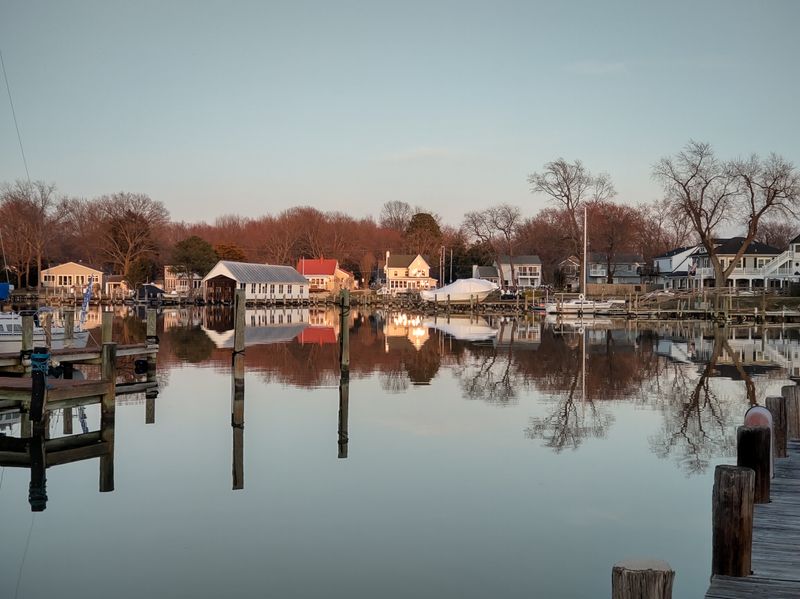
Deale spreads along Rockhold Creek with tidy marinas that speak the language of early mornings, centered near 9100 Chesapeake Avenue, Deale, Maryland.
Workboats line the slips beside charter craft, and the mix is natural because both rely on weather and water.
The creek keeps a steady tempo that sets the mood for the whole town.
On the piers, hoses coil neatly and bait coolers sit ready, each piece in its place before the first departures.
Shops here favor service over spectacle, and the signs point you to docks, ramps, and gear rather than souvenirs.
Maryland’s shoreline feels close, reeds nodding along the banks like a soft fence.
Visitors find the best views from public walkways and designated seating areas facing the channel.
Engines idle low while skippers trade quick updates, keeping plans tight and routes efficient.
It is easy to settle into the quiet and watch lines slip free, then count the returning wakes later in the day.
The air smells like salt and diesel cleaned by breeze, a simple reminder of why people work here.
Sunset paints the sheds and pilings warm, and shadows stretch across the water like tidy brushstrokes.
You leave thinking Maryland still saves its truest stories for places that meet the Bay on honest terms.
7. Solomons
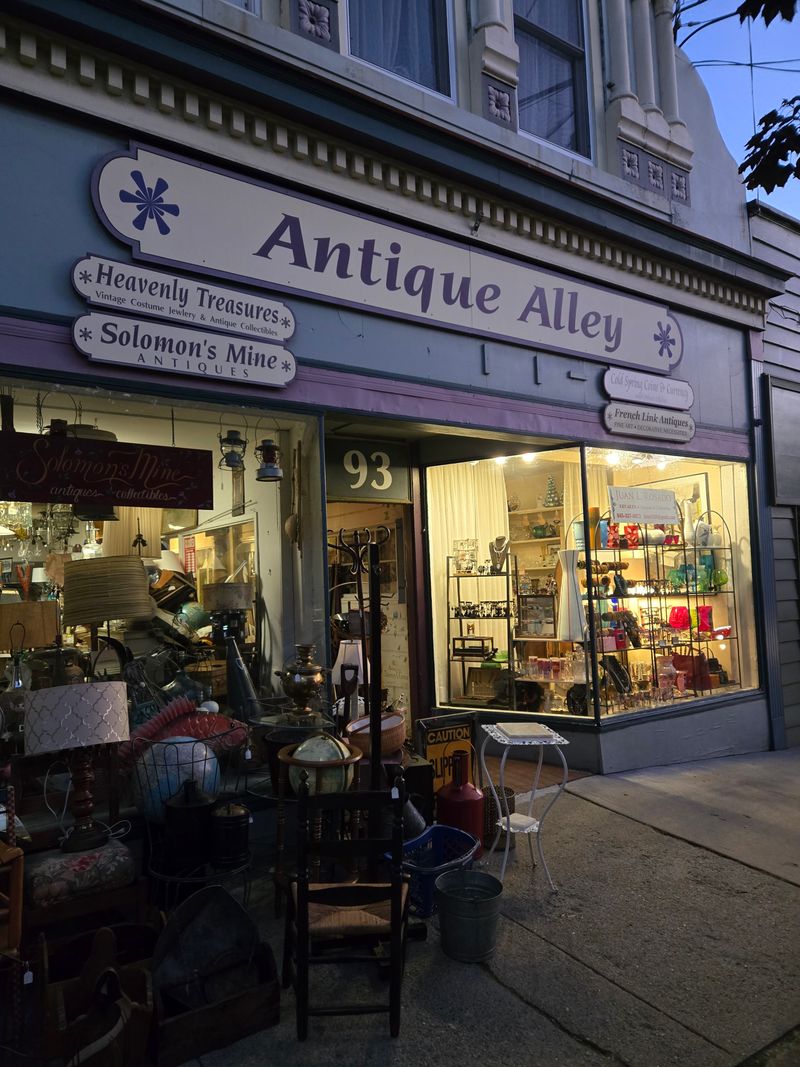
Solomons sits at the meeting of the Patuxent River and the Bay with a soft, workmanlike energy, centered near 14568 Solomons Island Road S, Solomons, Maryland.
The Riverwalk frames views of marinas where charter captains and crews move with steady purpose.
Boatyards add the sound of sanding and rigging that mixes with gull calls and gentle chop.
Docks here serve both visitors and locals, but the tone stays practical, focused on getting boats ready for the next run.
You can stroll the boardwalk and watch berths fill as tide and daylight align.
Maryland’s maritime culture shows up in small details, like clean decks and lines coiled exactly.
Find a bench facing Back Creek for a quiet angle on the harbor’s routine.
Workboats come and go without drama, and slip conversations run brief, friendly, and clear.
Across the water, sheds and lifts outline the shore like a working skyline.
In the evening, lights reflect in long ribbons that track each mast and piling.
The calm invites patience, which is the right way to see how this waterfront functions day after day.
Leave with the sense that Maryland still measures success by well kept gear and boats ready at dawn.
8. Havre de Grace
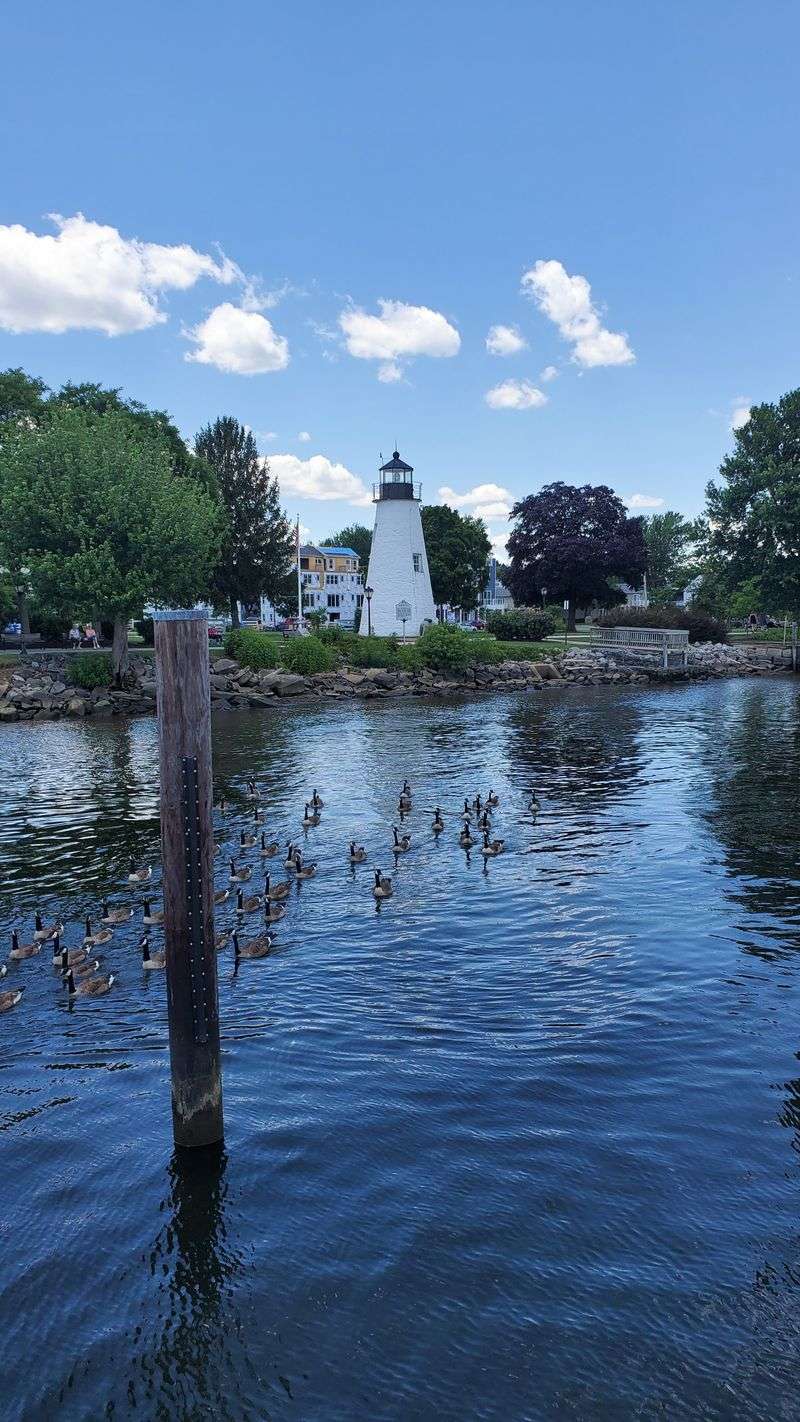
Havre de Grace watches the Susquehanna loosen into the Bay, centered near Tydings Memorial Park, 352 Commerce Street, Havre de Grace, Maryland.
The promenade curves along the shore with benches that give a front row seat to working water.
Tugs, small commercial craft, and patrol boats share channels with steady courtesy.
Wind carries the bell from a marker and the low note of engines turning upriver.
From the park you can trace a line to the Concord Point Lighthouse and back across piers with neat cleats.
Maryland’s northern gateway to the Bay feels brisk, open, and tied to river habits.
Locals walk the boards at dawn, pausing to nod as crews move gear with practiced economy.
The shoreline mixes marsh and bulkhead, a useful blend that protects while allowing work to continue.
When the tide swings, the current writes restless patterns that tell boaters to plan carefully.
Signs guide visitors to public spaces, keeping the working edges clear and safe.
Evening settles in with a cobalt glow and the steady sweep of light over calm water.
You leave hearing the river in your head, and Maryland feels bigger for having this meeting of waters.
9. Fishing Bay Marshes Area
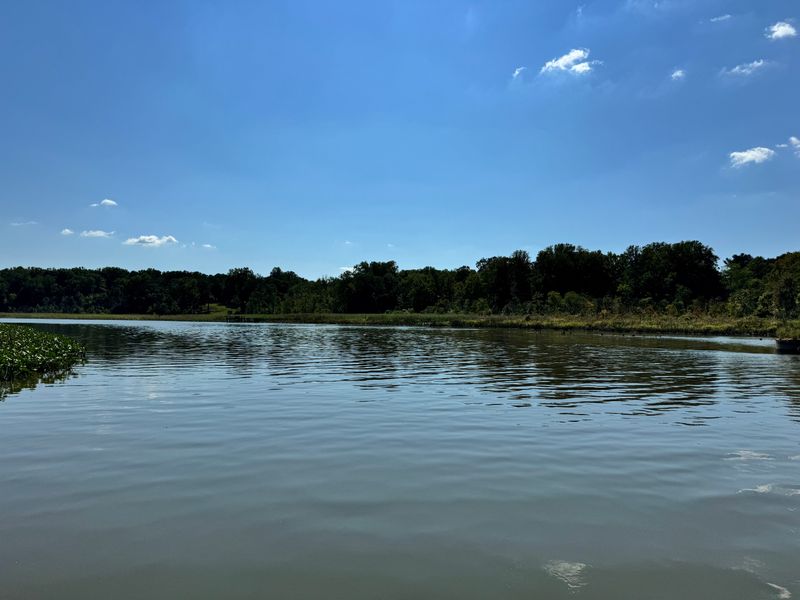
The Fishing Bay Marshes stretch low and wide near Fishing Bay Wildlife Management Area, access off Elliott Island Road, Dorchester County, Maryland.
This is a place of ramps, tide charts, and quiet arrivals at first light.
Marsh grass moves like a single body, and creeks wind toward open water with patient curves.
Skiffs launch with minimal fuss, and trucks linger only long enough to send crews on their routes.
There are no storefronts, only water, sky, and gear that earns its keep.
Maryland shows its working side here, pared down to essentials.
Respect posted areas, since wildlife and watermen share the same channels.
The soundscape is wind, reeds, and the low scrape of hulls easing free.
Navigation is everything, and locals read the color of water like a map.
Clouds drag long shadows, turning the marsh into a moving pattern of greens and pewter.
Evening returns boats to the ramp where tasks end with rinsing and securing loads.
You leave with mud on your boots and a clear idea of how Maryland work begins where pavement ends.
10. Port Deposit
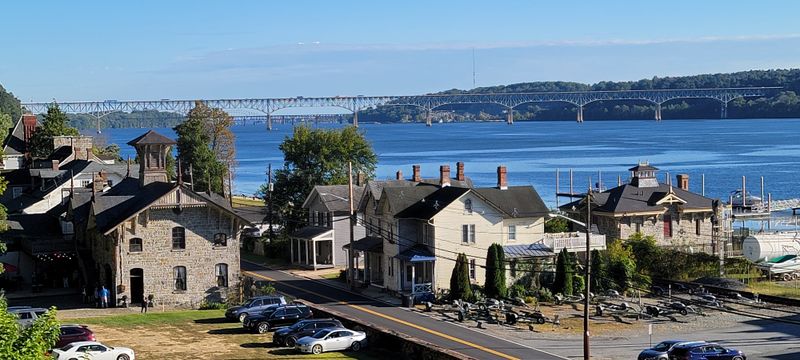
Port Deposit tucks between the Susquehanna and a granite bluff along Main Street, centered near 70 S Main Street, Port Deposit, Maryland.
The waterfront carries small commercial docks and service yards that keep river craft moving.
Stone row buildings stand like anchors, giving the town a sturdy profile against the hill.
Walking the sidewalk, you hear the river roll past pilings and the clink of hardware from nearby slips.
Grants and improvements here focus on making working access better, which keeps the place practical.
Maryland’s river towns feel industrious, and this one leans into that identity with confidence.
Benches face the water for clear views while leaving ramp space open for crews.
Traffic stays slow, which suits the careful backing of trailers and steady equipment runs.
Golden light hits the stone late in the day, warming the texture and casting deep shadows.
Up close, you notice neat lines of cleats and bollards, small details that signal order.
The current keeps talking even after sunset, a constant that shapes every plan.
You leave respecting how Maryland towns held to the river and built lives that follow its flow.
Dear Reader: This page may contain affiliate links which may earn a commission if you click through and make a purchase. Our independent journalism is not influenced by any advertiser or commercial initiative unless it is clearly marked as sponsored content. As travel products change, please be sure to reconfirm all details and stay up to date with current events to ensure a safe and successful trip.
