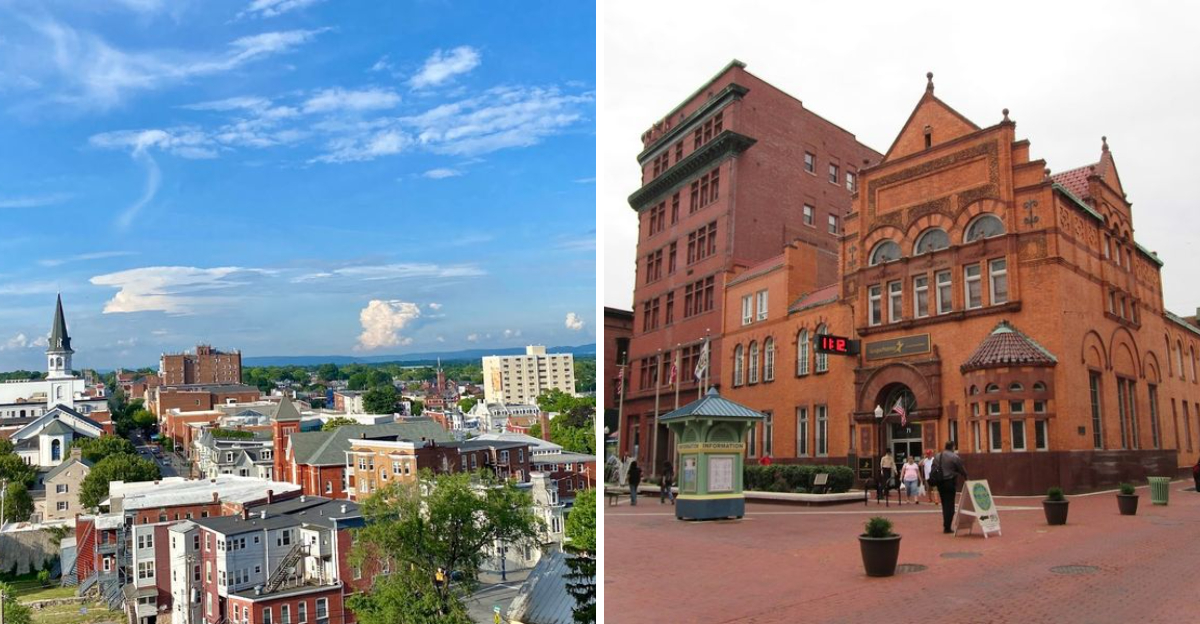
Let us be honest. Most of the time, “Social Security” and “comfortable living” do not belong in the same sentence without a sad laugh.
But Maryland has a few cities that break that pattern. Quiet places where your monthly check actually covers rent, groceries, and maybe even a dinner out without panic sweating at the register.
These are not the buzzy spots you see on postcards. They are the practical towns where neighbors know each other and the cost of living did not get the memo about inflation.
You can find a decent apartment, fill your fridge, and still have something left over for a movie ticket or a coffee shop habit. I ran the numbers twice because I did not believe it either.
When did affording life become a pleasant surprise? Maryland is expensive in many corners, but these cities prove that growing older does not have to mean growing worried.
Pack your patience and your budget. A quieter life is waiting.
1. Crisfield
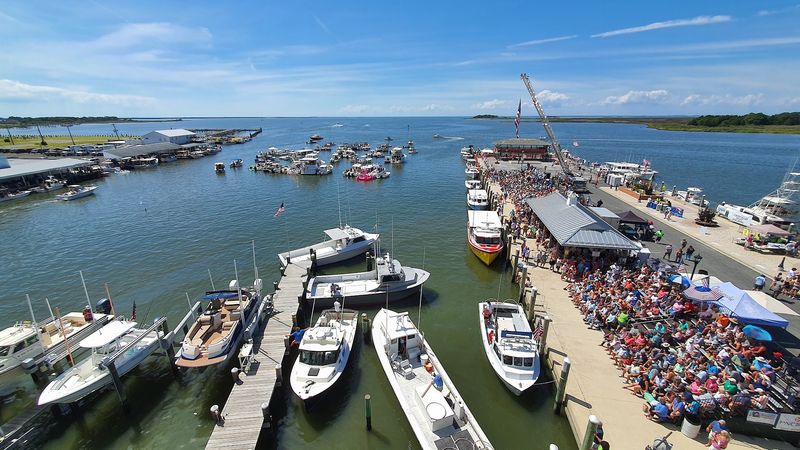
There is something almost cinematic about Crisfield, a small waterfront city hidden into the lower Eastern Shore where the land nearly dissolves into the Chesapeake Bay. The salt air is constant, the pace is slow, and the cost of living here is genuinely refreshing compared to most of Maryland.
Crisfield sits about 11 percent below the Maryland state average in overall expenses, which is a meaningful gap when you are working with a fixed monthly income.
Rent for a one-bedroom apartment typically runs between $800 and $1,200 per month. That leaves real breathing room compared to what you would spend in the Baltimore suburbs or anywhere near Washington, D.C.
Median home prices hovered around $140,000 to $166,000 in recent data, making homeownership surprisingly accessible for retirees who want to own outright or carry a small mortgage.
Groceries and utilities stay manageable here too. Monthly food costs for one person tend to land between $300 and $500, and electricity plus internet usually totals under $200.
For retirees who love the water, fresh seafood, and quiet evenings, Crisfield offers a lifestyle that feels far richer than the numbers on a budget spreadsheet might suggest.
2. Frostburg
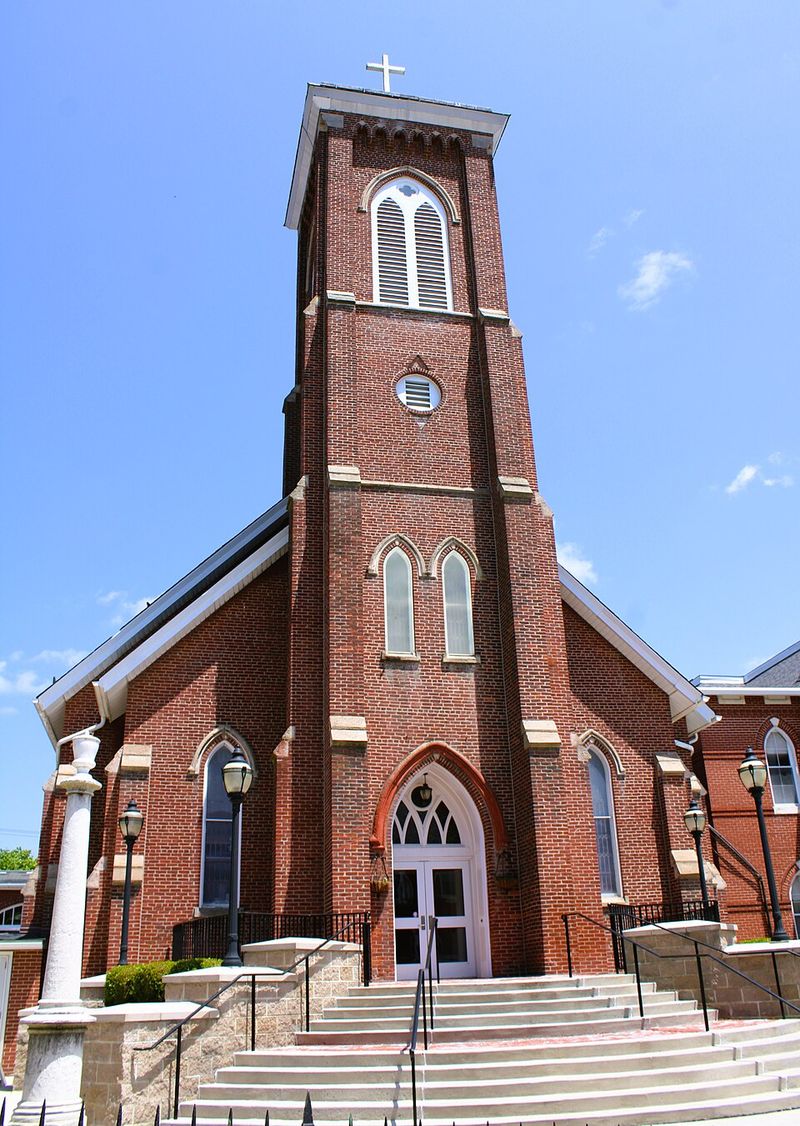
Frostburg sits up in the Appalachian Mountains in western Maryland, and the moment you roll into town you notice the kind of unpretentious, lived-in character that bigger cities spend decades trying to manufacture.
It is a college town, home to Frostburg State University, which keeps the local culture lively and the restaurant scene surprisingly decent for a city its size.
The cost of living here is notably lower than the Maryland state average, making it one of the most financially comfortable spots in the state for retirees.
One-bedroom apartment rents average around $870 per month, with some options available even lower than that. Total monthly expenses for a single person, including housing, utilities, and food, have been estimated in the range of roughly $1,700 to $2,200 depending on lifestyle.
That range fits comfortably within what many Maryland Social Security recipients receive each month.
Home prices in Frostburg average around $160,000, which is dramatically below the statewide median. Winters are real here, so utility costs can tick upward during cold months, but overall the numbers remain friendly.
The mountain scenery, trail access, and small-town energy make this one of the most underrated places to retire in the entire state.
3. Salisbury
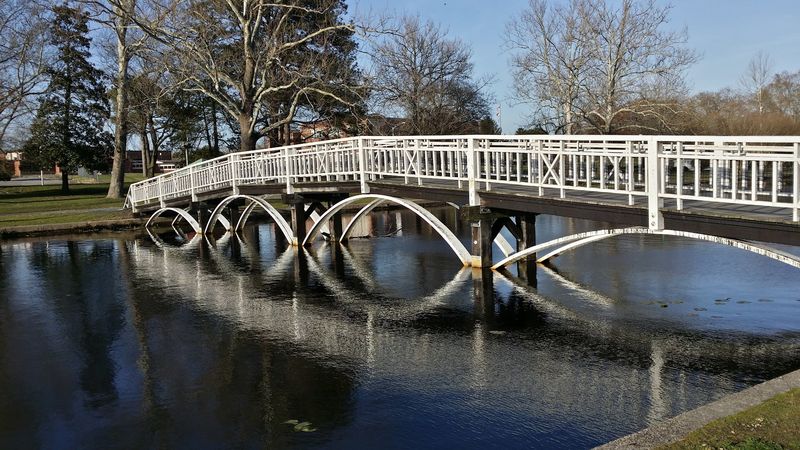
Salisbury is the largest city on Maryland’s Eastern Shore, and it punches well above its weight in terms of what it offers retirees on a budget.
The cost of living runs about 4 percent below the national average and roughly 10 percent below the Maryland state average, which adds up to real savings over the course of a year.
It has a regional hospital, a university, and enough commercial activity to feel like a proper city without the price tag that usually comes with one.
One-bedroom apartments here typically rent between $900 and $1,300 per month depending on location and amenities. Utilities for a standard apartment run approximately $130 to $250 monthly.
Grocery costs stay manageable and track below the national average, which is a quiet but meaningful perk when you are shopping on a fixed income every single week.
Median home prices in Salisbury landed around $263,000 to $280,000 in recent data, which is more than Crisfield or Frostburg but still well below what you would encounter in central Maryland.
The Wicomico River runs through downtown, parks are accessible, and the overall pace of life suits someone who wants convenience without chaos.
Social Security goes noticeably further here than in most of the state.
4. Hagerstown
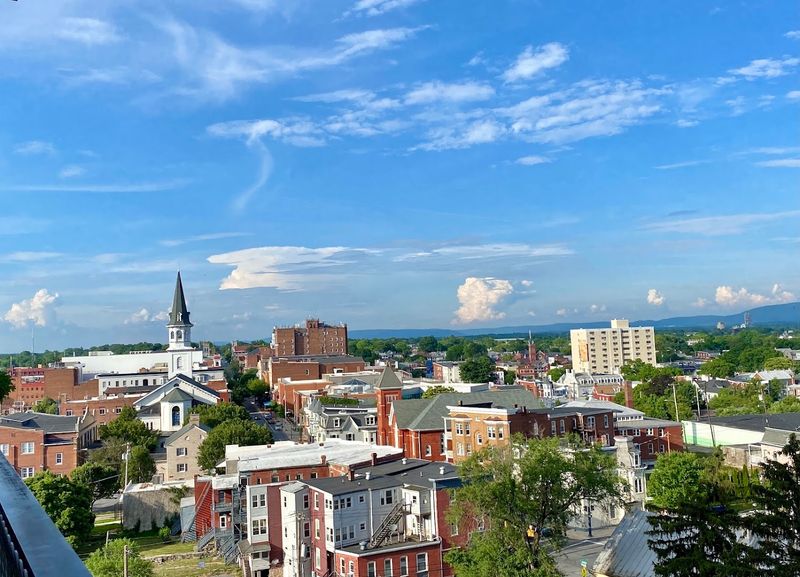
Hagerstown has a gritty, honest quality that I find genuinely appealing. It sits in the western panhandle of Maryland near the Pennsylvania and West Virginia borders, and it has been quietly reinventing itself for years.
The numbers here are compelling for retirees: the cost of living runs about 16 percent below the Maryland state average, which is one of the largest gaps you will find anywhere in the state.
Average rents for a one-bedroom apartment come in around $1,214 per month, with overall average rents across all unit sizes near $1,350. Utility costs, including water, electricity, and natural gas, typically land between $250 and $300 monthly.
Those figures, combined with the lower grocery and transportation costs in the area, mean a Social Security check can realistically cover a substantial share of monthly expenses.
Home prices in Hagerstown ranged between $325,000 and $350,000 in early 2026, which is notably lower than the statewide median even if it is higher than Crisfield or Frostburg. The city has an arts district, a minor league baseball team, and easy highway access to larger cities when needed.
For retirees who want affordability with some urban energy still within reach, Hagerstown makes a strong case.
5. Dundalk
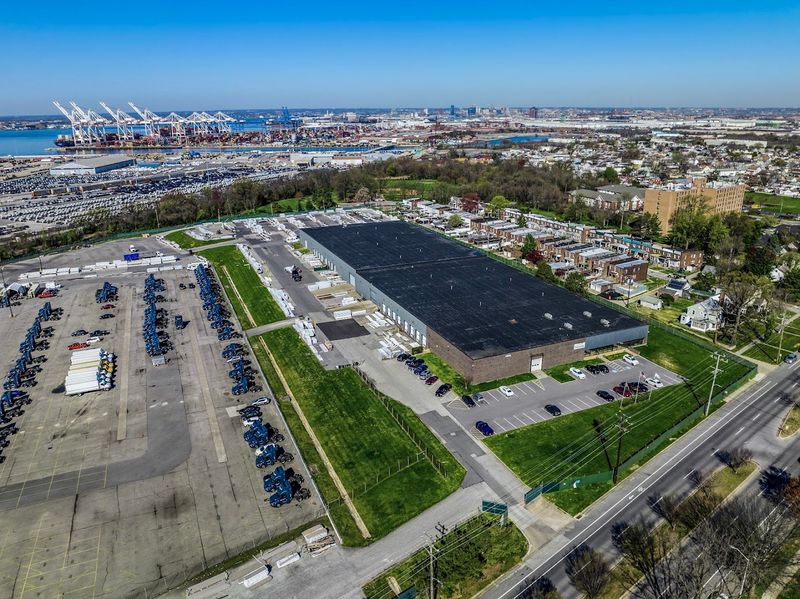
Dundalk does not always get the credit it deserves, but retirees who do their homework tend to find it quite appealing.
It is a working-class community just east of Baltimore with a strong neighborhood identity and a cost of living that sits at the national average while running about 16 percent below the Maryland state average.
That combination of affordability and proximity to a major city is genuinely rare.
One-bedroom apartments in Dundalk average around $1,200 per month, with median rents closer to $1,331. Monthly grocery costs for a household typically run $400 to $600, and utilities are reasonable, with electricity averaging around $150 and gas and water each adding modest amounts on top of that.
Average home prices sit near $250,000, which is accessible for buyers who want to own in the Baltimore metro area without the metro price tag.
The community here has real character. There are local diners, longtime family businesses, and a sense of place that you cannot buy in a newer planned development.
Residents tend to know their neighbors, which matters a lot when you are retired and daily social connection becomes something you actively seek out. Dundalk is close enough to Baltimore for concerts, medical specialists, and museums, but quiet enough to actually rest.
6. Cumberland
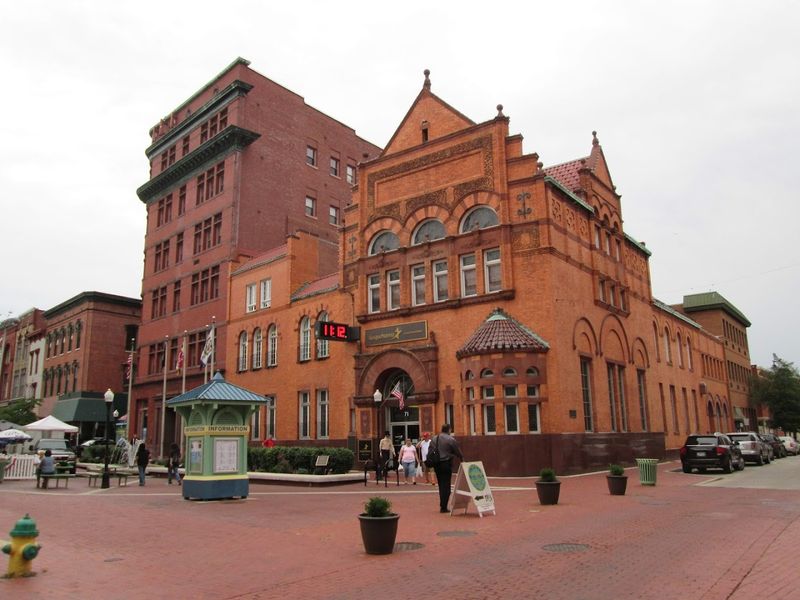
Cumberland is one of those places that surprises you. Nestled in a river valley between the Allegheny Mountains, it has a historic downtown with genuine architectural beauty, a canal trail that stretches for miles, and a cost of living that is among the lowest in the state.
For retirees who care about natural surroundings and walkable history without paying premium prices, Cumberland deserves serious attention.
Housing here is some of the most affordable in Maryland. Home prices frequently fall well below $150,000, and rental costs for a one-bedroom apartment tend to stay in a similarly low range.
Monthly expenses for a single retiree can be kept quite lean, especially for someone who owns their home outright or carries minimal debt.
The C&O Canal towpath and the Great Allegheny Passage trail both pass through or near Cumberland, giving active retirees free, world-class outdoor recreation right outside their door.
Winters are cold and snowy in the mountains, which is worth factoring into utility budgets. But the trade-off is a summer and fall that feel genuinely spectacular.
The city also has a small but functional downtown with local shops, a performing arts center, and community events that keep life interesting. Social Security stretches noticeably further in Cumberland than almost anywhere else in Maryland.
7. Aberdeen
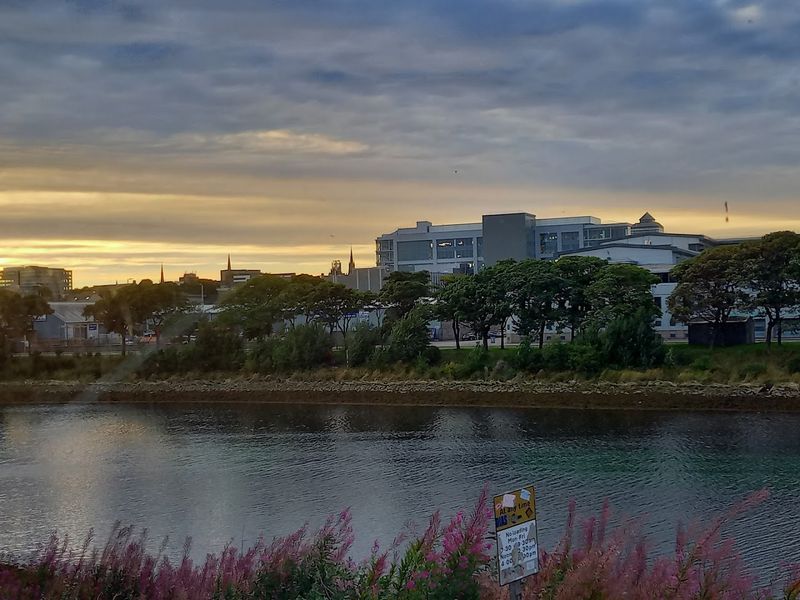
Aberdeen sits along the I-95 corridor in Harford County, about 30 miles northeast of Baltimore, and it occupies an interesting middle ground between suburban convenience and genuine affordability.
The cost of living runs about 2 percent above the national average but still comes in roughly 4 percent below the Maryland state average.
For a location with this much access to major highways, healthcare, and shopping, that gap matters.
One-bedroom apartments in Aberdeen average around $1,629 per month as of 2026, which is higher than some of the more rural options on this list. Monthly grocery costs for a household typically run $400 to $600.
Utilities add approximately $400 to $500 per month when you combine electricity, gas, water, and internet, so budgeting carefully is still important here.
What Aberdeen offers in return is connectivity. You are close to Baltimore, close to Philadelphia, and within range of multiple major medical centers.
The city has a comfortable, unpretentious feel with enough local amenities to handle most daily needs without a long drive. Retirees who want to stay near family in the mid-Atlantic region while keeping costs lower than the typical Maryland suburb will find Aberdeen a practical and livable choice.
It is not the cheapest stop on this list, but the location value is real.
8. Pocomoke City

Pocomoke City is about as far south as you can go in Maryland before reaching Virginia, and that geographic remoteness is part of what keeps its cost of living so low.
The town sits along the Pocomoke River with a modest historic downtown and a pace of life that genuinely slows you down in the best possible way.
It is a place where people still wave to each other from front porches, and where your Social Security check can feel surprisingly substantial.
Housing costs here are among the lowest in the state. Home prices in the area frequently fall below $150,000, and rental options are available at rates well below the Maryland average.
Groceries and utilities are also lean here, reflecting the rural Eastern Shore economy. Monthly living costs for a single retiree can be kept genuinely low with modest lifestyle choices.
The Pocomoke River State Forest is nearby, offering free hiking, fishing, and kayaking. The town itself has a small library, local churches, and a community that tends to look after its own.
Medical services are more limited than in larger cities, which is a real consideration for older adults who need regular specialist care. But for healthy, active retirees who want maximum quiet and maximum affordability, Pocomoke City is one of Maryland’s best-kept secrets.
9. Westernport
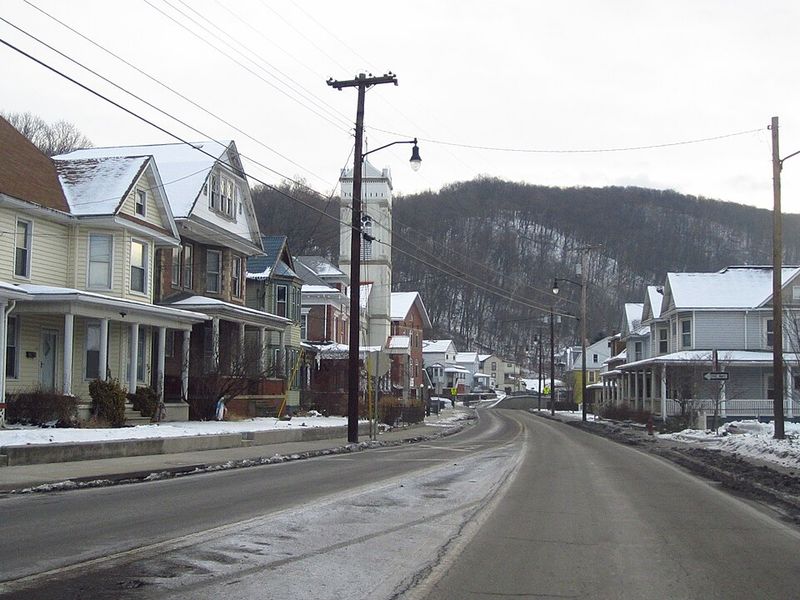
Westernport is a tiny mountain town in Allegany County that most people drive through without a second glance, but retirees who stop and look around tend to find something quietly compelling.
The town sits in a narrow valley carved by the North Branch of the Potomac River, surrounded by steep wooded hillsides that turn spectacular shades of orange and red every October.
It is genuinely remote, and that remoteness translates directly into some of the lowest housing costs in the entire state.
Home prices in Westernport and the surrounding area regularly fall below $100,000, which is almost unheard of in modern Maryland real estate. Rental costs are similarly modest.
A retiree who owns a small home here free and clear could potentially live on Social Security benefits more comfortably than almost anywhere else in the state, especially if they keep a garden and cook at home.
The trade-off is real: services are limited, the nearest large grocery store requires a drive, and healthcare options are sparse locally. But for someone who values solitude, natural beauty, and the kind of community where everyone genuinely knows your name, Westernport has an appeal that goes beyond the numbers.
The mountains here feel ancient and generous, and the quiet is the kind money usually cannot buy.
10. Princess Anne
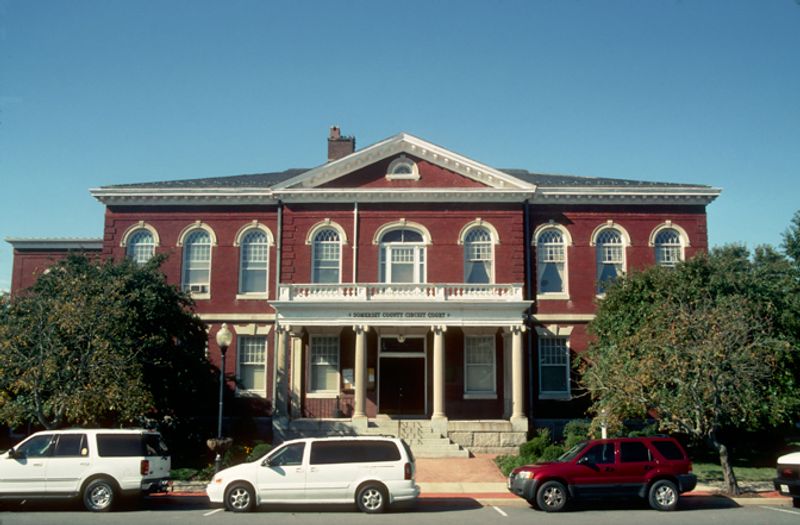
Princess Anne is the kind of small Maryland town that history quietly saturates. It is the county seat of Somerset County on the lower Eastern Shore, and it has a collection of colonial and antebellum architecture that would feel at home in a history textbook.
The University of Maryland Eastern Shore is located here, which gives the town a modest but steady cultural energy that you might not expect from a community this size.
The cost of living in Princess Anne tracks well below the Maryland state average, and housing is particularly affordable. Home prices in the area regularly fall below $200,000, and rental options are available at rates that leave room in a Social Security budget for other expenses.
Groceries and utilities on the Eastern Shore tend to run lean compared to the rest of the state.
Daily life here moves at a relaxed rhythm. The downtown has a few local businesses, a historic district worth wandering, and easy access to the natural landscapes of Somerset County, including the Chesapeake and the marshlands that define this corner of Maryland.
Medical services are limited locally, but Salisbury is a short drive away for more comprehensive care. For retirees who want history, quiet, and affordability wrapped into one place, Princess Anne delivers all three without asking much in return.
